Which Iphone Replacement Screen Is Best For Your Model
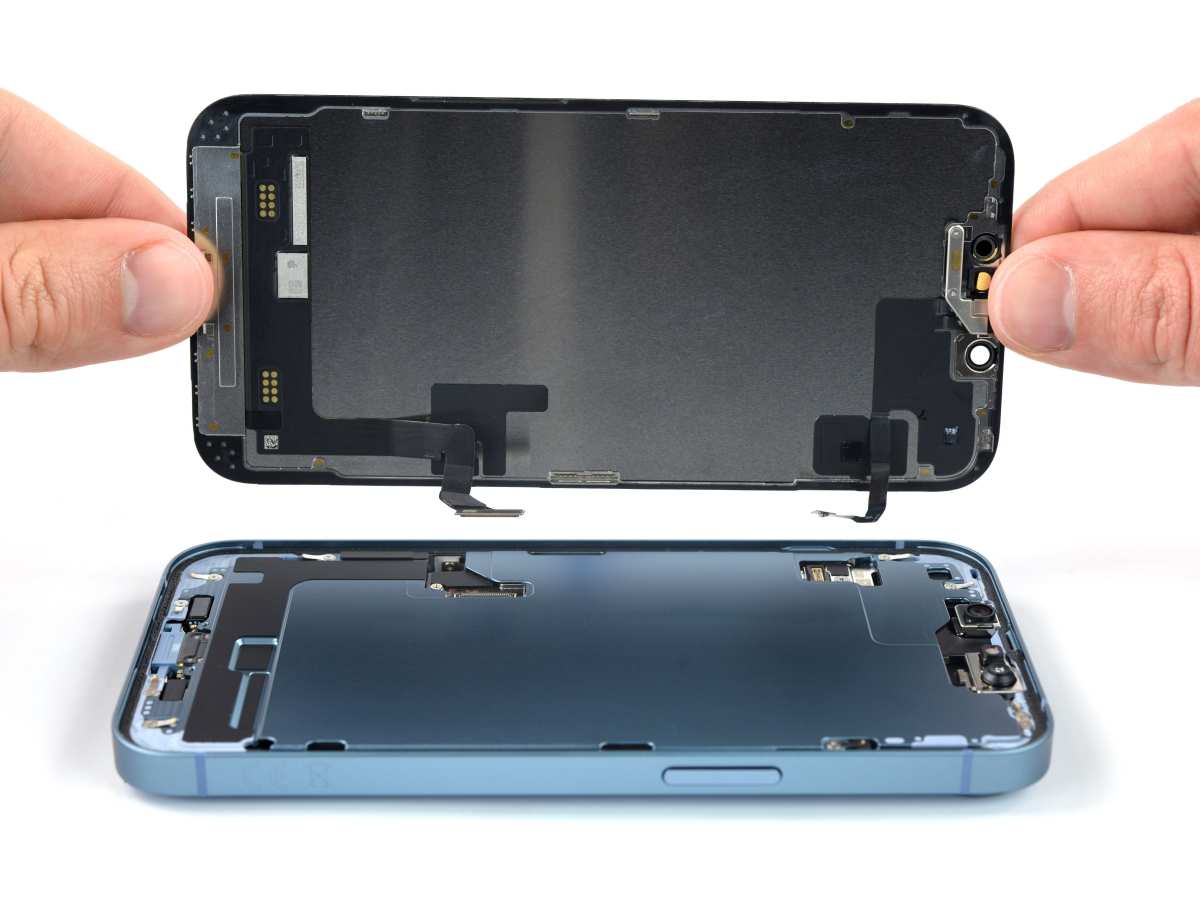
Choosing the right replacement screen for your iPhone depends on your needs and budget. **The best option often balances quality with cost, ensuring durability and clarity.** When considering which iPhone replacement screen to buy, factor in compatibility, brand reputation, and user reviews. This guide will help you navigate your options so you can make an informed decision quickly and confidently.

Which iPhone Replacement Screen Is Best for Your Device?
When your iPhone screen gets cracked, flickering, or stops responding, replacing it becomes a top priority. But with so many options available, figuring out which iPhone replacement screen is best for your device can feel overwhelming. You want a repair that not only restores your phone’s appearance but also functions perfectly and lasts a long time. This guide will walk you through everything you need to know about choosing the right replacement screen for your iPhone, ensuring you make an informed decision that fits your needs and budget.
Understanding Different Types of iPhone Replacement Screens
Knowing the types of screens on the market helps you understand what to look for in a replacement. There are mainly two types of screens: OEM (Original Equipment Manufacturer) and aftermarket.
OEM iPhone Replacement Screens
OEM screens come directly from Apple or its authorized suppliers. They are identical to the original screens that came with your phone when you bought it. Choosing an OEM screen offers:
- Matching quality and performance to your original display
- Perfect color accuracy and clarity
- Guaranteed compatibility with your specific iPhone model
However, OEM screens tend to be more expensive and may have longer wait times for repair services, especially if your local repair shops do not stock them.
Aftermarket iPhone Replacement Screens
Aftermarket screens are made by third-party manufacturers. They are typically less costly and more readily available. Some advantages include:
- Lower price point, making repairs more affordable
- Available for a wide range of models and versions
- Usually quicker to obtain from repair shops or online stores
But not all aftermarket screens are equal. Quality can vary widely based on the manufacturer, so it’s crucial to select reputable brands to avoid issues like poor color accuracy, flickering, or touch response problems.
Factors to Consider When Choosing Your Replacement Screen
Selecting the right screen means considering several key aspects to ensure your device functions smoothly after repair.
Compatibility with Your iPhone Model
Every iPhone model has specific display dimensions and connectors. A screen that isn’t compatible might not fit properly or could cause operational issues. Confirm your exact model (such as iPhone 13, iPhone 12, etc.) and choose screens designed specifically for that model.
Display Quality and Resolution
A high-quality screen will display vibrant colors, sharp images, and true-to-life visuals. Look for screens with high resolution and good color accuracy. Reputable brands even specify if their screens support true-tone display or HDR.
Touch Sensitivity and Responsiveness
Touch responsiveness is vital. A poor replacement might have delayed responses or unresponsive areas. Prioritize screens with good reviews on touch response to ensure your device feels just like new.
Durability and Protection
Choose screens that are resistant to scratches and cracks. Some aftermarket options come with additional protective coatings or strengthened glass. Gorilla Glass screens, for example, offer good resistance to everyday bumps.
Price and Warranty
While you don’t want to overspend, extremely cheap screens often sacrifice quality. Look for options that balance affordability with proven quality. Additionally, opting for a screen with a warranty or some guarantee can protect you if the screen malfunctions shortly after installation.
How to Verify the Quality of an iPhone Replacement Screen
Before purchasing, verify the quality of the screen to avoid wasting money on subpar products. Here’s how:
Research the Manufacturer or Supplier
Choose suppliers with good reviews and a history of reliable products. Read customer feedback to see whether their screens meet expectations.
Check for Certification and Standards
Look for screens that meet or exceed industry standards. Certifications like ISO or compliance with Apple’s specifications can be a good sign.
Request Samples or Tests
If possible, request a sample or view the screen functioning before purchase. For online purchases, buy from vendors with a good return policy.
Review Visuals and Specifications
Good product listings should include high-quality images and detailed specifications about resolution, touch sensitivity, and compatibility.
Where to Buy the Best iPhone Replacement Screens
Knowing where to shop makes a difference in getting high-quality screens. You can consider:
Authorized Apple Service Providers
Getting your screen replaced at an Apple store guarantees an OEM-quality part, but it might be more costly.
Reputable Online Retailers
Websites like iFixit, MacSources, or authorized distributors often sell genuine or high-quality aftermarket screens. Always check reviews before purchasing.
Local Repair Shops
Many local shops sell both OEM and aftermarket screens. They often offer quick service and personalized recommendations based on your specific needs.
Buying Directly from Manufacturers
Some reputable brands sell directly online. Research brands like Ripeng, Jina, or OCA that are known for consistent quality.
How to Avoid Fake or Low-Quality Replacement Screens
Counterfeit screens are common and can cause frustration or damage. Follow these tips:
- Buy only from trusted sources or certified shops
- Ask for warranty or guarantee on the product
- Be wary of significantly lower prices than market norms
- Check for reviews and feedback from other customers
- Inspect the packaging and labeling for authenticity
DIY Replacement vs. Professional Repair
While replacing an iPhone screen yourself can save money, it requires skill and proper tools. If you’re comfortable with small repairs, follow detailed tutorials and use high-quality replacement parts. However, for the best results and to avoid risking further damage, professional repair services are recommended, especially for newer models with complex screen assemblies.
Summary of Key Takeaways
Choosing the right iPhone replacement screen depends on your device model, budget, and quality expectations. Always prioritize compatibility and quality over price, especially when dealing with delicate screens. Whether you opt for OEM or aftermarket, ensure your supplier is reputable. Proper research and careful consideration help you get back to enjoying a fully functional, beautiful display on your iPhone.
With the right approach, replacing your iPhone screen becomes a smooth process that restores your device’s look and performance. Remember, a good screen makes all the difference in the overall experience of using your phone day to day.
Frequently Asked Questions
How do I know which replacement screen fits my iPhone model?
To find the correct replacement screen, check your iPhone’s model number, usually found in Settings under General > About. Confirm the screen size and model year to ensure compatibility. It’s important to select a screen specifically designed for your iPhone model to guarantee proper fit and functionality.
What are the key differences between various replacement screens for iPhones?
Replacement screens vary in quality, display technology, and features. Original Equipment Manufacturer (OEM) screens offer the highest quality and color accuracy, while third-party screens may be more affordable but vary in clarity and durability. Some screens include additional features like True Tone or higher resolution, so consider your preferences when choosing.
Can I replace my iPhone screen myself, and what should I consider?
Replacing an iPhone screen yourself is possible if you have technical skills and proper tools. However, it requires careful handling to avoid damaging internal components. Always follow detailed guides and use quality replacement parts. If unsure, consulting a professional repair service might save time and prevent further damage.
What should I look for when choosing a high-quality replacement screen?
Select a replacement screen that offers high display resolution, accurate color reproduction, and durability. Check for compatibility with your specific iPhone model and verify whether the screen includes features like True Tone or anti-glare coatings. Reading reviews and purchasing from reputable suppliers can ensure you receive a reliable product.
Final Thoughts
Choosing the right replacement screen depends on your iPhone model and budget.
The best options balance quality and affordability, ensuring durability and clear display.
When considering which iPhone replacement screen, prioritize trusted brands and genuine parts for optimal performance.
A well-chosen screen enhances your device’s longevity and user experience.

Similar Posts