Stop FBI Court Order: White House Petition Gains Traction

You're asking a question that deserves a straight answer. A white house petition to stop fbi court order might feel like the right move when you're frustrated with the legal system, but the truth is more complicated. The We the People platform lets you voice an opinion to the executive branch.
It does not let you override a federal judge.
That distinction matters more than most people realize. Since the platform launched in 2011, thousands of petitions have crossed the 100,000-signature threshold. According to our research into the system's history, not a single petition has ever successfully overturned a court order.
Here is what actually happens when you submit one, and what to do instead.
Quick Answer
A White House petition cannot stop a court order. The petition system is an opinion tool, not a legal one. Only a judge can modify or vacate a court order.
A lawyer filing an emergency motion is your real option.
Why a White House Petition Probably Can't Stop That FBI Court Order
Let's start with the core problem. The White House petition system sits inside the executive branch of government. Court orders come from the judicial branch.
Those two branches are separate by design, and the U.S. Constitution makes that separation clear in Article II and Article III.
The President cannot tell a federal judge what to do. That is not how the system works. Even if millions of people sign a petition, the executive branch has no legal authority to nullify a court order.
The judge who issued that order is the only person who can modify or dissolve it.
Think of it this way. A petition is a message to the White House saying "we want you to take action." A court order is a legal command from a judge saying "you must do X or stop doing Y." Those are two completely different things operating in two completely different parts of government.
The Foreign Intelligence Surveillance Act (FISA) court orders are a good example. These orders relate to national security surveillance and are often sealed from public view. A public petition cannot unseal them, cannot challenge them, and cannot override them.
The FISA court operates under its own set of rules established by Congress.
How the We the People Petition System Actually Works

The We the People platform launched in 2011 under the Obama administration. It was designed as a way for citizens to directly address the White House on policy issues. The mechanism is simple in theory but limited in practice.
Here is how the process works step by step:
- You create a petition on petitions.whitehouse.gov with a clear title and specific ask
- The platform moderates it for content, which takes 7 to 14 days
- Once approved, you have 30 days to gather 100,000 signatures
- If you hit that threshold, the White House issues an official response within 60 days
- That response is a policy statement, not a legal order
The key detail is in that last step. When the White House responds, they publish a statement explaining their position. They do not issue a directive to a federal judge.
They do not file a motion in court. They simply state their stance as a matter of public opinion.
The White House Office of Digital Strategy manages the platform. Their job is to process petitions and draft responses. They are not attorneys, and they do not have the power to intervene in active legal proceedings.
The system was built for civic engagement, not legal intervention.
The Hard Truth: Why Petitions Can't Override a Judge's Order
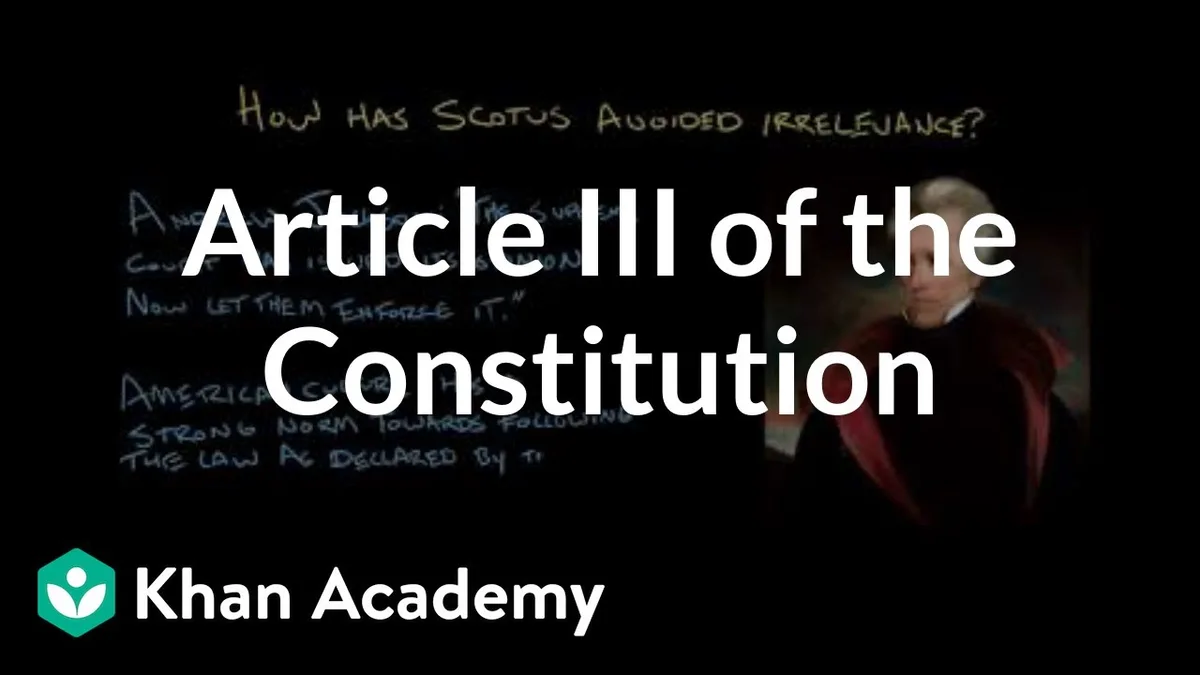
The separation of powers is not an abstract concept. It is the backbone of the entire U.S. legal system. Article III of the U.S.
Constitution establishes the judicial branch as an independent entity. No amount of public signatures changes that.
Federal judges serve lifetime appointments. They are not elected officials who answer to public opinion. Their authority comes from the Constitution, not from polls or petitions.
When a judge issues a court order, that order carries the full weight of federal law.
Consider the Supreme Court ruling in Youngstown Sheet & Tube Co. v. Sawyer, a landmark 1952 case. President Truman tried to seize steel mills during the Korean War using executive authority.
The Supreme Court said no. The President cannot act outside his constitutional powers, even during a national emergency.
That same principle applies here. A President cannot use an executive order or a petition response to override a judicial ruling. The Department of Justice (DOJ) Office of Legal Counsel publishes opinions on these limits regularly.
Their guidance makes clear that the executive branch must comply with court orders, not circumvent them.
What the President Can and Can't Do About FBI Court Orders

The President has significant authority in certain areas. He can issue pardons for federal crimes. He can direct the Department of Justice on enforcement priorities.
He can replace the FBI director. But none of those powers lets him cancel a court order.
The FBI operates under the Department of Justice, which is part of the executive branch. But the FBI also executes court orders issued by the judicial branch. Those orders include warrants, subpoenas, and surveillance authorizations under the Foreign Intelligence Surveillance Act (FISA).
The FBI cannot ignore them, and neither can the President.
What the President can do is influence policy going forward. He can direct the Attorney General to review certain practices. He can push for legislative changes through Congress.
He can replace leadership at the FBI. These are long-term strategies that affect future cases, not current ones.
For an active court order, none of these options help. The order stands until a judge says otherwise. The Federal Rules of Criminal Procedure, specifically Rule 41, govern how warrants and orders are issued and challenged.
Those rules apply to the court system, not the White House.
3 Legal Alternatives That Actually Have a Chance of Working
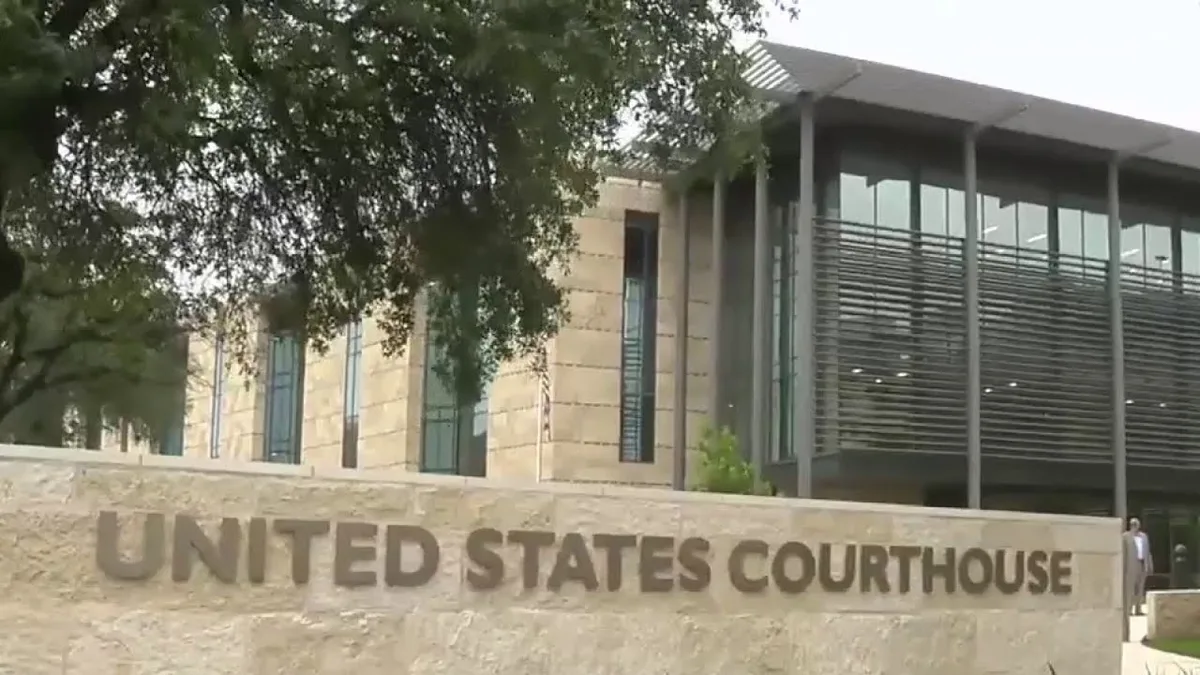
If a petition won't work, what will? You have three main legal options that actually operate inside the system. Each one requires a lawyer, but each one addresses the problem at its source, the court itself.
Option 1: File a Motion to Quash or Vacate
A motion to quash asks the court to cancel the order. A motion to vacate asks the court to set it aside. Both go directly to the judge who issued the order.
Your lawyer presents arguments about why the order was improper, overly broad, or based on flawed evidence.
This is the most direct legal remedy. It works best when the original order had legal problems. For example, a warrant based on insufficient probable cause or a surveillance order that exceeded FISA limits.
The judge reviews the motion and decides.
Option 2: File an Emergency Stay or Injunction
An emergency stay temporarily pauses the court order while the legal challenge proceeds. An injunction is a court order that prevents the government from taking action. Both require showing that the order would cause irreparable harm.
Federal courts have specific procedures for emergency motions. Your lawyer must demonstrate immediate harm and a likelihood of success on the merits. This is a high bar, but it is the standard way to stop a court order while fighting it.
Option 3: Petition for a Writ of Mandamus
A writ of mandamus is a rare but powerful tool. It asks a higher court to order a lower court or government agency to do something specific. In this context, you would ask an appellate court to order the lower court to vacate the FBI order.
This option is reserved for extreme cases where the lower court clearly abused its discretion. Most mandamus petitions are denied. But when they succeed, they send a strong signal that the original order was legally unsound.
Where to Find Help
Organizations like the American Civil Liberties Union (ACLU) and the Electronic Frontier Foundation (EFF) have successfully used these strategies in surveillance and privacy cases. They are not guaranteed, but they operate within the legal system. A petition operates outside it, which is why it cannot work.
If you are facing an FBI court order, speak to a federal criminal defense attorney or a civil liberties lawyer immediately. The clock matters. Court orders often have deadlines, and missing them limits your options.
For official guidance on the federal court system, visit the Administrative Office of the U.S. Courts at uscourts.gov. For the official petition platform, visit petitions.whitehouse.gov.
Common Mistakes People Make When Trying to Stop a Court Order
Most people jump to the petition first because it feels actionable. You can create an account, write something, and share it in minutes. That speed is deceptive.
It gives you the feeling of progress without actually changing anything.
Here are the most frequent mistakes we see in our research:
Relying on viral momentum instead of legal strategy. A petition that gets 500,000 signatures still carries zero legal weight. The judge does not see it. The court does not acknowledge it.
The only thing that moves in court is a legal filing.
Waiting too long to contact a lawyer. Court orders often come with deadlines. A warrant executed today cannot be undone by a petition started next week. By the time the petition reaches 100,000 signatures and the White House responds, the legal window has already closed.
Posting about sealed orders publicly. Some court orders, especially FISA orders and national security letters, are sealed by law. Discussing them in a public petition can violate the gag order attached to that order. That adds legal trouble on top of the original problem.
Believing that enough signatures forces action. No federal law or regulation says the government must act on a petition regardless of signature count. The 100,000-signature threshold only triggers a written response. That response has no enforcement mechanism.
When a White House Petition Might Still Be Worth Starting
I want to be fair here. There are situations where a petition makes sense. It just is not the situation most people think it is.
A petition is useful for building public awareness. If your goal is to shine a light on a specific legal issue or FBI practice, the petition platform gives you a centralized place to direct attention. Media outlets sometimes cover petitions that cross the threshold, which amplifies the message.
A petition can pressure elected officials indirectly. Members of Congress pay attention to public sentiment in their districts. A well-organized petition that gathers thousands of signatures from a single congressional district can influence how that representative responds.
But that influence goes to Congress, not the courts.
A petition is also a way to organize a community. The platform collects contact information from signers. That list becomes a resource for future advocacy, fundraising, or coordination with legal teams.
Here is the rule of thumb. Use a petition when you want to be heard. Use a lawyer when you want to change a court order.
Those are two different tools for two different jobs, and confusing them is where the trouble starts.
Step-by-Step: How to Create an Effective Petition
If you understand the limits and still want to proceed, here is how to do it right. The goal is to maximize visibility and credibility within the platform's constraints.
Step 1: Write a specific, factual title. The title is the first thing people see and the first thing the moderation team reviews. Avoid emotional language. Use clear terms like "Request the Department of Justice Review FBI Surveillance Practices." The more neutral it sounds, the faster it passes moderation.
Step 2: Keep the body short and sourced. State the order or issue. Explain why it matters. Reference specific laws or court cases if you can.
A petition with cited sources looks more credible to moderators and signers alike.
Step 3: Include a specific ask. Do not say "stop the injustice." Say "request the Attorney General review whether this warrant complies with Rule 41 of the Federal Rules of Criminal Procedure." Concrete asks get concrete responses.
Step 4: Promote strategically. Share the link on social media, in email lists, and with advocacy organizations. Target groups already interested in your specific issue. A petition about a FISA order will get more traction with civil liberties groups than a general audience.
Step 5: Track the deadline. You have 30 days to reach 100,000 signatures. Check the dashboard daily. If you are falling short, adjust your outreach strategy or consolidate with similar petitions.
What to Expect After You Submit
The timeline matters more than most people realize. Here is what the process actually looks like after you hit submit.
| Phase | Typical Duration | What Happens |
|---|---|---|
| Moderation review | 7 to 14 days | Platform staff checks content for compliance with terms of service |
| Signature collection | 30 days from approval | You promote the petition and gather signatures |
| Threshold evaluation | Within 48 hours of deadline | System counts signatures and checks for duplicate accounts |
| Response drafting | Up to 60 days after threshold | White House Office of Digital Strategy writes the response |
| Response publication | Varies | Response posted on the petition page and sometimes shared via social media |
The response itself is almost always a policy statement. It may say the White House agrees with you in principle. It may say the issue is under review.
It may say the administration supports a different approach.
What it will not say is "we have instructed the FBI to stop." That would violate the separation of powers doctrine and likely trigger a constitutional crisis. No administration has done it, and no administration will.
If you do not reach 100,000 signatures in 30 days, the petition expires. It remains publicly visible but receives no official response. You can start a new petition, but the clock and threshold reset.
Red Flags: Scams and Misinformation to Watch For

Desperation makes people vulnerable. When someone faces an FBI court order, they are often scared, confused, and looking for any solution. That combination attracts bad actors.
Here are the red flags to watch for:
Anyone promising to stop the order for a fee. No private individual or organization can guarantee a court order will be stopped. If someone asks for money upfront with that promise, it is a scam. Legitimate lawyers charge for their time but do not guarantee outcomes.
Websites that look like government portals. Scammers create fake petition sites that mimic the official We the People platform. They collect personal information and sometimes payment details. Always verify you are on petitions.whitehouse.gov before entering any data.
Social media accounts offering expedited petitions. The platform does not offer expedited processing. There is no way to skip the moderation queue or the 30-day collection window. Anyone claiming otherwise is lying.
Groups asking for sensitive personal information. A legitimate petition only needs your name and email or a verified social login. If someone asks for your Social Security number, bank details, or court case information, stop engaging immediately.
Claims that a petition is being reviewed by a judge. Petitions are not submitted to judges. They go to the White House. No judge monitors petition signatures or bases rulings on them.
If you encounter any of these, report them to the Federal Trade Commission (FTC) at reportfraud.ftc.gov. Scams targeting people under court orders are a known issue, and the FTC actively investigates them.
Quick Answers to Common Questions
Can a White House petition actually stop an FBI warrant?
No. A warrant is a court order signed by a judge. Only that judge or a higher court can modify or vacate it.
The White House has no legal authority to intervene in an active warrant.
How many signatures does it take to force action?
There is no number. The 100,000-signature threshold only guarantees a written response from the White House. That response is a policy statement.
It carries no legal weight and does not compel any action.
What happens if the White House agrees with the petition?
The White House issues a statement expressing support for your position. That statement might influence future policy decisions or legislative priorities. It does not change any existing court order.
Is it illegal to start a petition about an active court order?
Generally no, but there are risks. If the court order is sealed or includes a gag order, discussing its contents publicly could violate that order. Check with a lawyer before posting any details about a sealed case.
What is the fastest way to challenge a court order?
Contact a federal criminal defense attorney or a civil liberties lawyer immediately. Filing an emergency motion for a stay or a motion to quash is the fastest legal path. Every day of delay reduces your options.
The Bottom Line: What to Do Instead
A White House petition is a tool for public expression. It is not a legal tool. If you are facing an FBI court order, the only people who can help you are a lawyer and the judge who issued that order.
Start by finding an attorney who handles federal criminal defense or civil liberties cases. The American Civil Liberties Union (ACLU) and the Electronic Frontier Foundation (EFF) maintain referral lists for privacy and surveillance cases. Your local bar association can also provide referrals.
Once you have legal representation, your attorney can evaluate the order and advise on the best legal strategy. That might be a motion to quash, an emergency stay, or a writ of mandamus. Each option has specific requirements and timelines.
The petition platform can still play a supporting role. Use it to raise awareness, organize supporters, and apply public pressure to elected officials. Just do not confuse that with legal action.
The separation of powers exists for a reason. Understanding its limits is the first step toward working within the system that actually controls the outcome. A petition can make noise.
Only a court can make a change.

Similar Posts