How to Choose the Best 27 Inch Monitor
Figuring out how to choose the best 27 inch monitor comes down to three things: what you actually use your computer for, which resolution makes sense at this screen size, and whether you care more about color accuracy or smooth motion. The good news is that 27 inches is the sweet spot for most desks, sharp enough at 1440p to look crisp without forcing you to squint or scale everything weirdly.
The tricky part is that manufacturers love slapping impressive-sounding numbers on the box. A "1ms response time" or "HDR" badge doesn't tell you much unless you know what's behind it. Per VESA's DisplayHDR standards, there's a massive gap between DisplayHDR 400 and DisplayHDR 1000, and most budget monitors sit at the low end.
Let's break down what actually matters so you can skip the marketing fluff and pick the right display.
Quick Answer
Choose a 27-inch 1440p IPS monitor for the best all-around experience. It hits the pixel density sweet spot at roughly 109 PPI. Go 4K if you do creative work.
Pick 144Hz or higher if you game competitively.
The 3 Specs That Matter More Than Anything Else
Before you get lost in the spec sheet, three decisions will shape your entire experience. Get these right and everything else is just fine-tuning.
Resolution: 1080p vs. 1440p vs. 4K at 27 Inches
Resolution determines how sharp everything looks, but more pixels also mean your graphics card has to work harder. At 27 inches, the differences are very noticeable in daily use.
| Resolution | Pixel Density (PPI) | Sharpness | GPU Demand | Best For |
|---|---|---|---|---|
| 1080p (Full HD) | ~82 PPI | Soft text, visible pixels | Very low | Budget builds, esports |
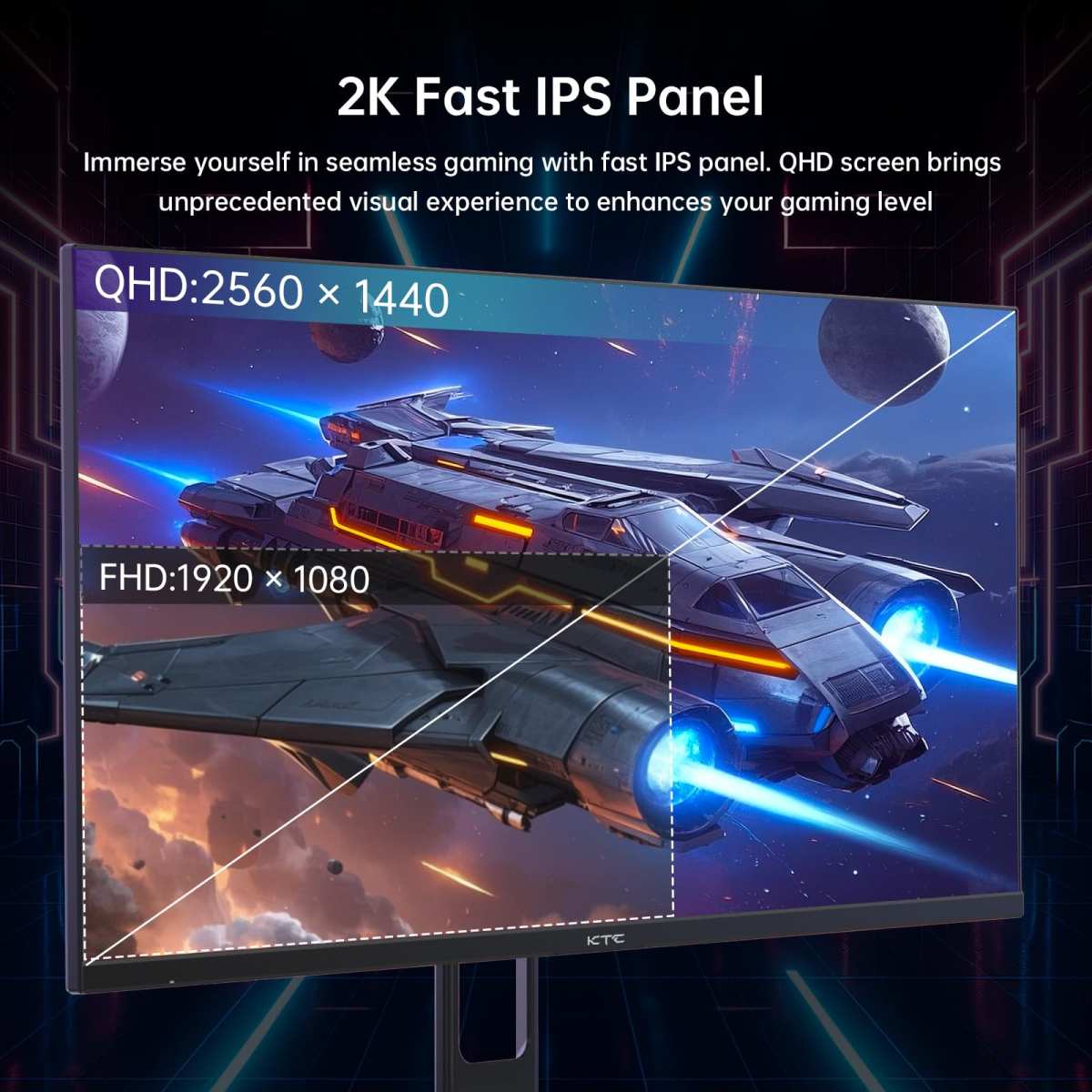
| 1440p (QHD) | ~109 PPI | Crisp, no scaling needed | Moderate | Most people, gaming, work |
| 4K (UHD) | ~163 PPI | Extremely sharp | High | Creative work, text-heavy tasks |
Here's the real talk. At 27 inches, 1080p looks fine from three feet away, but you'll notice the softness if you read text all day. 1440p is where things click. Everything looks sharp, you get more desktop space than 1080p, and your GPU won't cry trying to push frames.
4K at 27 inches is stunning for photo editing, video work, and reading. The pixel density is so high that individual pixels are basically invisible. The catch?
You'll likely need to use display scaling at 125% or 150% in Windows to make text readable, and gaming at 4K demands a serious graphics card.
Our recommendation for most people: 1440p. It's the reason 27-inch monitors became so popular in the first place.
Panel Type: IPS vs. VA vs. OLED — What You're Actually Getting
The panel type affects everything you see on screen, from color accuracy to how dark scenes look in movies. Each technology has real trade-offs.
IPS (In-Plane Switching)
- Best color accuracy and widest viewing angles
- Consistent image quality from any angle
- Slightly lower contrast ratio (around 1000:1)
- Can show "IPS glow" in dark scenes (a brightening near the corners)
- Ideal for: office work, design, general use
VA (Vertical Alignment)
- Much higher contrast ratio (around 3000:1 or better)
- Deeper blacks, better for watching movies in dark rooms
- Slower pixel response can cause "black smearing" in dark transitions
- Viewing angles are decent but not as good as IPS
- Ideal for: media consumption, casual gaming, mixed use
OLED
- Perfect blacks (pixels turn off completely)
- Infinite contrast ratio
- Fastest response times available
- Risk of burn-in with static elements over time
- More expensive, fewer 27-inch options at this screen size
- Ideal for: high-end gaming, HDR content, professionals who need perfect image quality
What about TN panels? They still exist in some budget gaming monitors. Response times are fast, but viewing angles are terrible and colors wash out when you're not looking straight at the screen. Unless you're a competitive esports player chasing every millisecond, skip TN in 2026.
Refresh Rate: Do You Really Need 144Hz?
Refresh rate measures how many times per second the screen updates. A 60Hz monitor refreshes 60 times per second. A 144Hz monitor refreshes 144 times.
The difference is immediately obvious once you see it.
60Hz is perfectly fine for office work, browsing, photo editing, and video. If your monitor is primarily for productivity, don't overspend on a high refresh rate you won't benefit from.
144Hz to 165Hz is the gaming sweet spot. Everything feels smoother, mouse movement is more responsive, and games look noticeably better. This is what most gaming-focused 27-inch monitors offer.
240Hz and above is for competitive gamers who play fast-paced titles like first-person shooters. The jump from 60Hz to 144Hz is dramatic. The jump from 144Hz to 240Hz is subtle.
Only chase this if you're seriously into competitive play.
One thing to watch for: some monitors advertise high refresh rates but only achieve them through overclocking or at reduced resolution. Check the manufacturer specs to confirm the native refresh rate at your chosen resolution.
Best 27-Inch Monitor by Use Case
Not everyone needs the same thing. Here's how to match a 27-inch monitor to what you actually do.
Best for Gaming (1440p High Refresh Rate)
If gaming is your priority, you want a 27-inch 1440p monitor with at least 144Hz refresh rate, an IPS panel for good viewing angles, and adaptive sync support. Look for 1ms GtG response time, though take that number with a grain of salt. Real-world performance varies.
Adaptive sync is a must. If you have an NVIDIA GPU, look for G-Sync compatibility. If you're on AMD, FreeSync works great.
Most modern monitors support both, but verify before you buy.
Best for Office Work and Productivity
For spreadsheets, documents, email, and general office work, prioritize comfort over speed. A 27-inch 1440p IPS panel at 60Hz or 75Hz is more than enough. Look for a fully adjustable stand with height, tilt, swivel, and pivot.
Your neck and back will thank you after a long day.
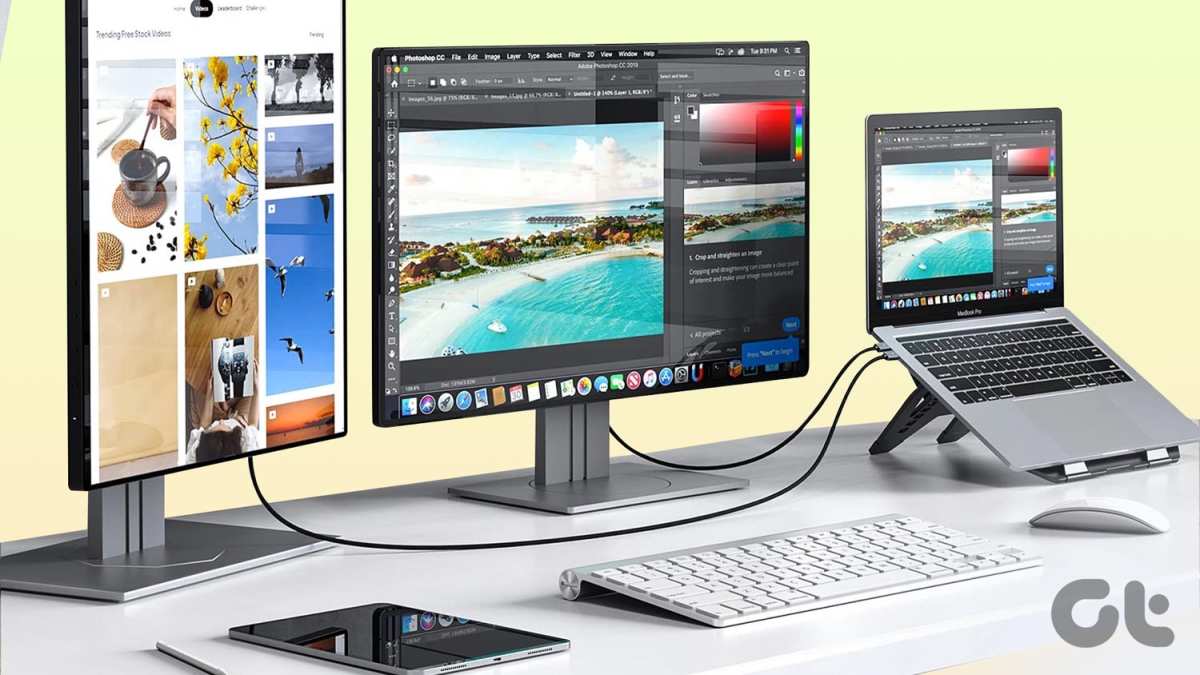
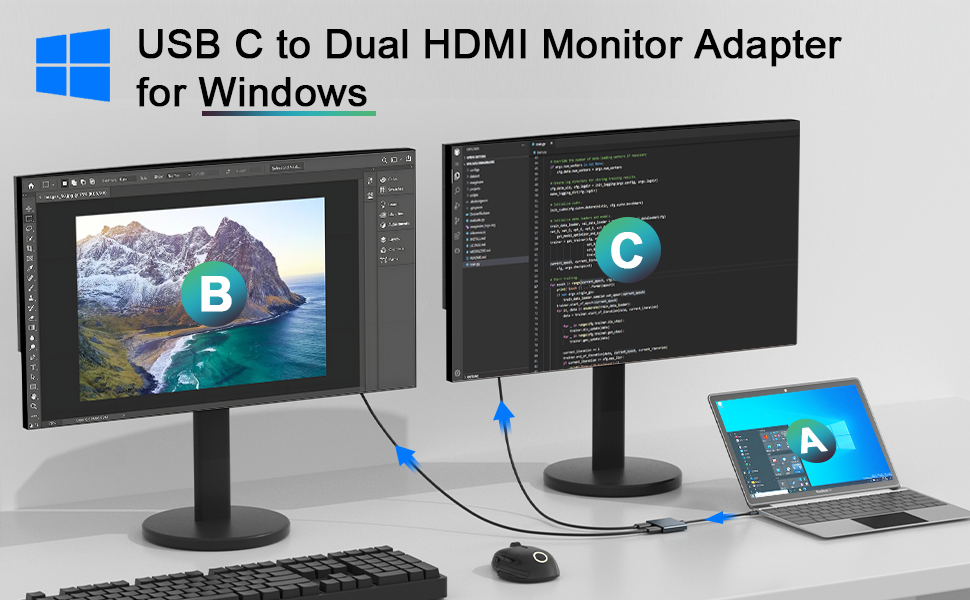
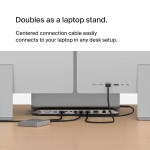
USB-C connectivity is a huge plus if you use a laptop. A single cable can carry video, data, and charge your laptop simultaneously. It's one of those features that's hard to go back from once you've used it.
Best for Creative Work (Photo, Video, Design)
Color accuracy is everything here. Look for a monitor that covers at least 99% sRGB and ideally 95% or more DCI-P3. A Delta E value under 2 means the colors are accurate enough for professional work right out of the box, though factory calibration matters too.
4K resolution gives you more workspace and sharper detail, which helps when editing photos or working with video timelines. Mini-LED backlighting with local dimming is worth considering if you need HDR preview capability.
Best Budget Pick Under 0
You can get a very solid 27-inch 1440p monitor for under $250. IPS panels have become affordable, and even 75Hz refresh rates are available at this price. You'll give up some features like USB-C, premium HDR, and ultra-thin bezels, but the core experience is strong.
Check for VESA mount compatibility. Even if the included stand is basic, knowing you can swap it for a monitor arm later adds flexibility.
Best 4K Option at 27 Inches
For 4K at 27 inches, expect to spend more. The pixel density is excellent, text rendering is sharp, and creative professionals benefit from the extra detail. Make sure your computer has a DisplayPort 1.4 or HDMI 2.0 output to drive 4K at 60Hz.
HDMI 1.4 can do 4K but only at 30Hz, which feels sluggish for desktop use.
The Specs People Overlook (That Actually Matter a Lot)
The headline specs get all the attention. These are the details that determine whether you'll actually be happy with your monitor six months from now.
Ports and Connectivity
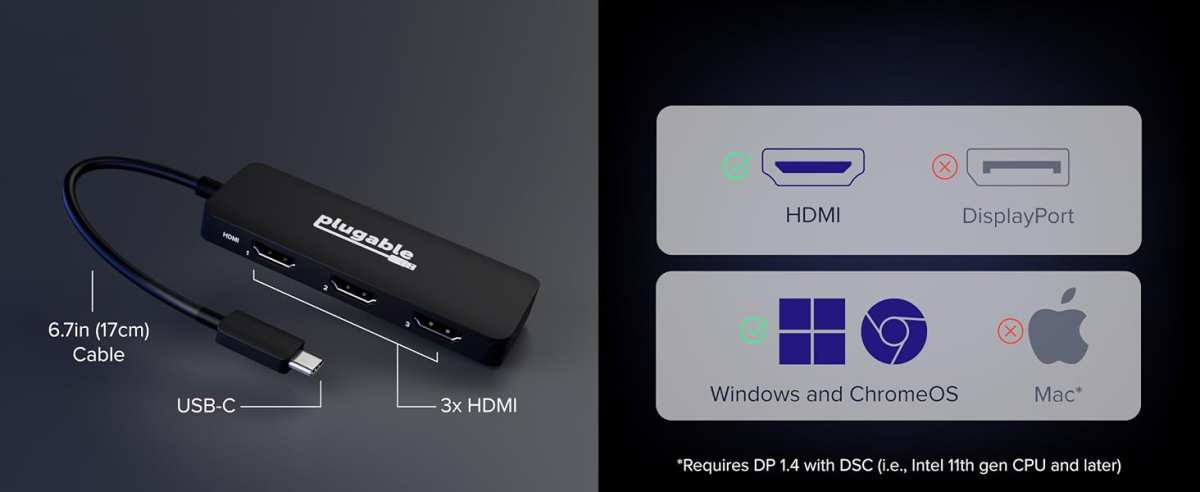
Check what ports your computer has before you fall in love with a monitor. HDMI 2.0 supports 1440p at 144Hz. HDMI 2.1 supports 4K at 120Hz.
DisplayPort 1.4 handles 1440p at 165Hz and 4K at 60Hz comfortably.
USB-C with power delivery is a game-changer for laptop users. Look for at least 65W power delivery if you want to charge a typical laptop while working. Some monitors offer 90W or more, which covers even higher-powered machines.
A built-in USB hub is convenient but not essential. If the monitor has one, make sure it connects via USB upstream so it functions properly.
HDR: When It's Real and When It's Marketing
HDR is one of the most misleading specs in the monitor market. VESA's DisplayHDR certification helps clarify things.
| Certification | Peak Brightness | Local Dimming | Color Gamut | Real HDR Experience |
|---|---|---|---|---|
| DisplayHDR 400 | 400 nits | No | sRGB | Minimal |
| DisplayHDR 600 | 600 nits | Limited | DCI-P3 | Decent |
| DisplayHDR 1000 | 1000 nits | Yes | DCI-P3 | Good |
Most budget and mid-range monitors with "HDR support" are DisplayHDR 400. That's barely HDR. You'll see the HDR toggle in Windows, but the visual improvement is minimal.
True HDR requires DisplayHDR 600 at minimum, and DisplayHDR 1000 for a genuinely impressive experience.
If HDR matters to you, budget for a monitor with at least DisplayHDR 600 or look at OLED panels, which deliver perfect blacks and excellent HDR by nature of their technology.
Ergonomics and Build Quality
A great panel means nothing if the stand wobbles or doesn't adjust to a comfortable height. Look for height adjustment, tilt, swivel, and pivot. Pivot lets you rotate the screen to portrait orientation, which is fantastic for reading documents or coding.
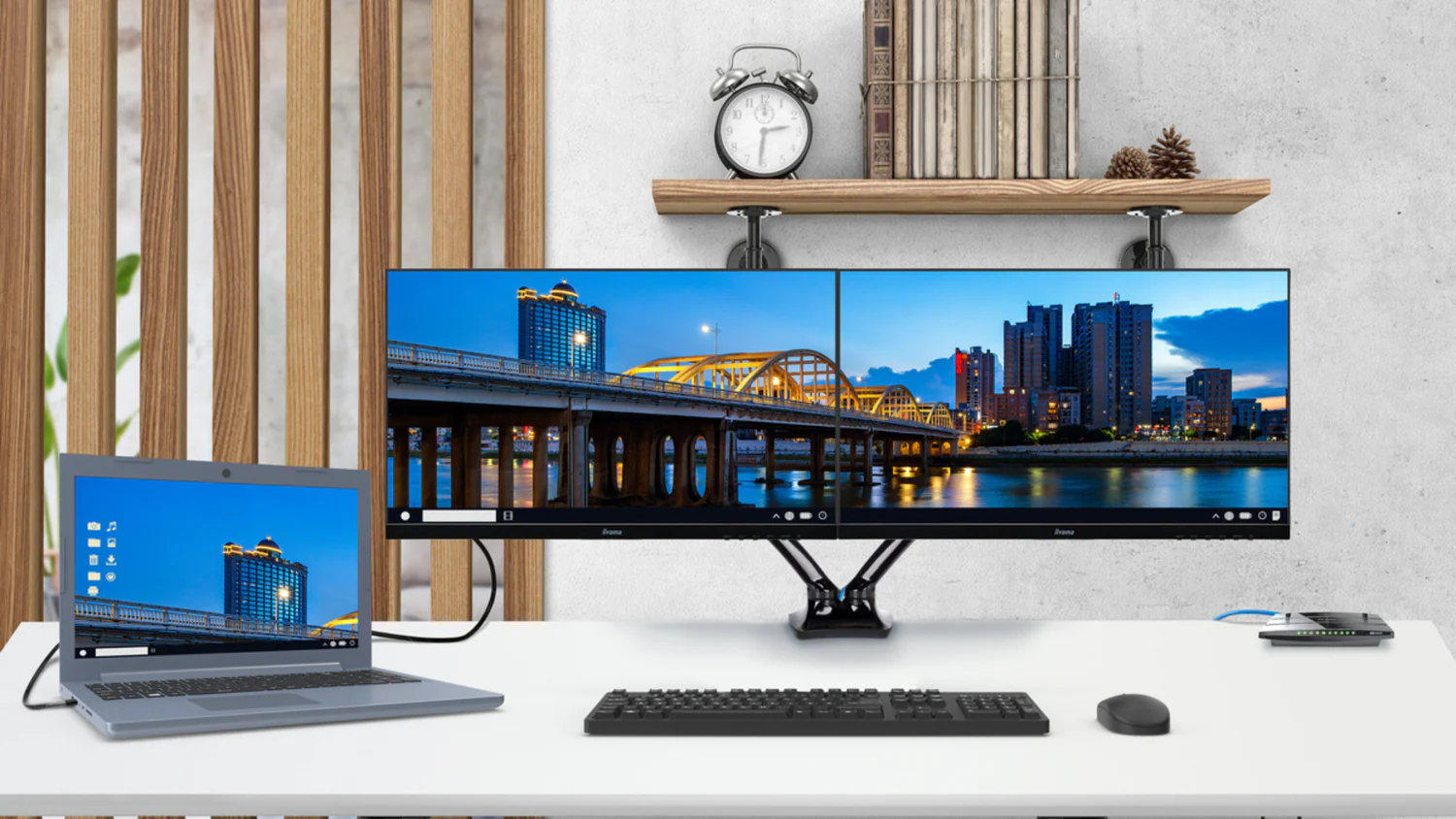
VESA mount compatibility (usually 100x100mm at this size) means you can use a monitor arm. This frees up desk space and gives you much more flexibility in positioning. Even if the included stand is decent, a VESA mount is worth having as an option.
Adaptive Sync Compatibility
Adaptive sync eliminates screen tearing by matching the monitor's refresh rate to your GPU's frame output. NVIDIA and AMD have their own implementations, but the landscape has gotten simpler.
Most FreeSync monitors now work with NVIDIA GPUs under the "G-Sync Compatible" label. NVIDIA maintains a list of officially validated monitors. If a monitor isn't on the list, adaptive sync might still work, but it's not guaranteed.
For competitive gaming, make sure the adaptive sync range covers the frame rates you typically play at. A range of 48, 144Hz means adaptive sync stops working below 48 FPS, which could be an issue if your frame rates dip that low.
Common Mistakes People Buying a 27-Inch Monitor Keep Making
Even smart buyers fall into these traps. Here's what to watch for.
Ignoring the stand quality. A $400 monitor with a wobbly, non-adjustable stand will frustrate you daily. Check for height adjustment at minimum. If the stand is cheap, make sure the monitor has VESA mount compatibility so you can replace it.
Chasing specs you don't need. A 240Hz refresh rate sounds impressive. If you mostly write documents and browse the web, you'll never notice the difference over 75Hz. Spend that money on better color accuracy or a nicer stand instead.
Assuming HDR automatically means good HDR. Slapping "HDR Ready" on a DisplayHDR 400 monitor is technically true and practically misleading. If HDR matters to you, skip anything below DisplayHDR 600. Better yet, look at OLED.
Forgetting to check ports. You pick a gorgeous 4K monitor. Then you realize your laptop only has HDMI 1.4, which maxes out at 30Hz for 4K. Check your computer's outputs before buying.
HDMI 2.0 and DisplayPort 1.4 are what you want for most modern setups.
Buying based on spec sheets alone. Manufacturer specs tell part of the story. Actual user reviews reveal things like coating uniformity issues, fan noise in the monitor electronics, that annoying standby LED that lights up your room at night, and whether the OSD (on-screen display) menus are a pain to navigate.
Final Decision Guide: Pick the Right One in Under 2 Minutes
Answer these questions and you'll land on the right monitor.
What do you use your computer for most?
- Office and productivity. 27" 1440p IPS, 60-75Hz, USB-C if you use a laptop.
- Gaming. 27" 1440p IPS, 144-165Hz, adaptive sync support.
- Creative work. 27" 4K IPS, 99% sRGB and 95%+ DCI-P3, Delta E under 2.
- Mixed use. 27" 1440p IPS, 75-100Hz, good stand, USB-C is a bonus.
What's your budget?
- Under $250. 27" 1440p IPS, basic stand, no USB-C. Solid image quality.
- $250 to $450. 27" 1440p IPS with better color, adaptive sync, adjustable stand.
- $450 to $700. 27" 4K or premium 1440p gaming monitors, USB-C with power delivery.
- $700 and up. OLED, professional reference monitors, or DisplayHDR 1000 panels.
What GPU do you have?
- Entry-level. 1080p or 1440p. Don't buy 4K, your GPU will struggle.
- Mid-range. 1440p is your sweet spot. You'll hit good frame rates without compromising visual quality.
- High-end. You can drive 4K for productivity or 1440p at high refresh rates for gaming.
One simple rule: For most people reading this, a 27-inch 1440p IPS monitor with an adjustable stand is the answer. It handles office work, casual gaming, and general use beautifully. Only deviate from that if you have a specific need like professional color work (go 4K) or competitive gaming (go high refresh rate).
The spec sheet rabbit hole is real, and it leads to spending more than you need on features you'll never use. Start with how you'll actually use it, and work backward from there.
Frequently Asked Questions
Is 27 inches too big for 1080p?
It depends on your viewing distance. At two to three feet, 1080p at 27 inches looks soft. Text won't be as crisp as 1440p.
It's usable, but 1440p is noticeably better at this screen size. Most people shouldn't pair 27 inches with 1080p unless budget is the main concern.
Is 1440p good for a 27-inch monitor?
Yes, it's the recommended resolution for this size. You get roughly 109 pixels per inch, which looks sharp without requiring display scaling. Everything from text to images appears crisp, and your GPU doesn't have to work as hard as it would at 4K.
Should I get a curved or flat 27-inch monitor at 1440p?
Flat is better for most people at 27 inches. Curved screens make more sense at 32 inches and above, where the edges would otherwise be far from your eyes. At 27 inches, a flat panel gives you more accurate geometry for design work and less distortion at the edges.
How important is USB-C on a monitor?
Very important if you use a laptop. One cable handles video, data, and charging. It simplifies your desk setup significantly.
Without USB-C, you'll need separate cables for video and charging. Look for at least 65W power delivery for most laptops.
Do I need DisplayPort or is HDMI fine?
Both work well. HDMI 2.0 handles 1440p at 144Hz. DisplayPort 1.4 offers more bandwidth and is preferred for higher refresh rates or adaptive sync compatibility.
If your computer has both, DisplayPort is usually the safer bet for PC gaming.
How long do 27-inch monitors typically last?
LED-backlit monitors last 30,000 to 60,000 hours according to manufacturer specifications. That's roughly 10 to 20 years of typical daily use. Backlight brightness may dim slightly over time, but most people upgrade before a monitor actually fails.
Investing in a good panel and stand means you'll stay happy with it for years.

Similar Posts