Iphone Screen Broken Not Working Causes And Fixes
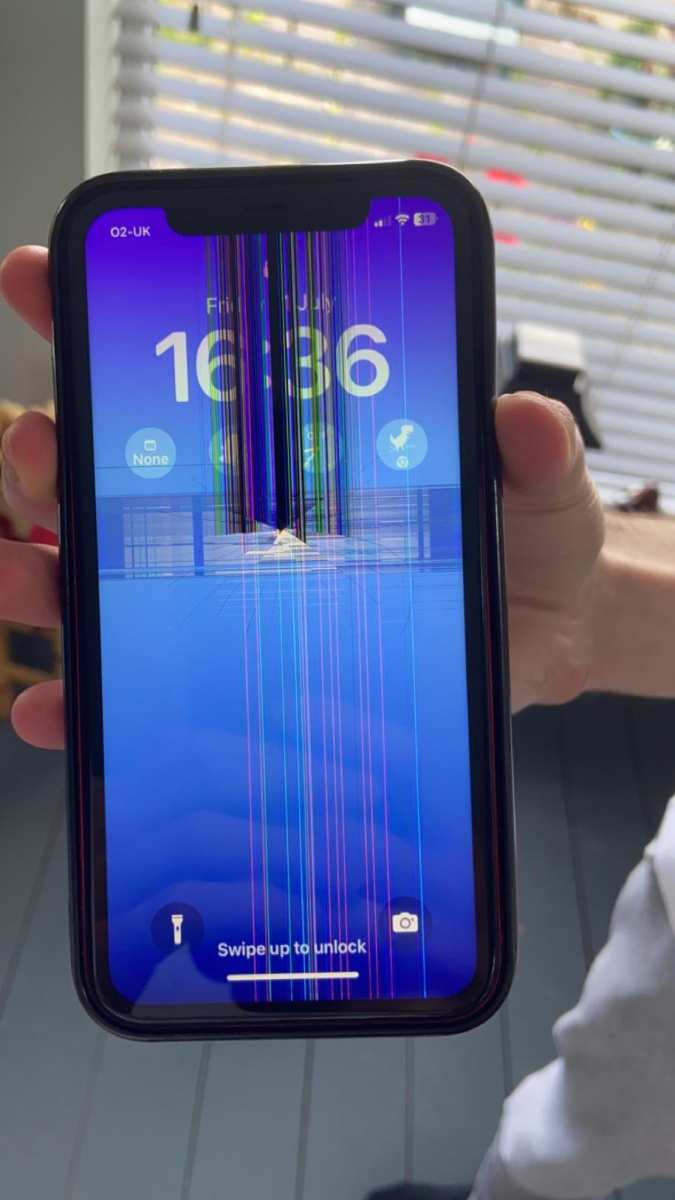
If your iPhone screen is broken and not working, the best move is to get it repaired promptly. **Replacing the screen is often the most effective solution** to restore full functionality. When the screen malfunctions, it can be frustrating, but there are quick fixes and professional repairs that can help. Understanding your options will help you navigate the situation with confidence and get your device back in working condition swiftly.

Dealing with an iPhone Screen That Is Broken and Not Working
Having your iPhone screen break can feel like a real setback, especially when it stops working altogether. A damaged screen not only affects how your device looks but also makes it difficult to use essential functions. Whether your screen is cracked, unresponsive, or displays strange colors, understanding what’s happening and knowing your options can help you make the best choice to fix it. In this article, we’ll explore the common causes of a broken iPhone screen that isn’t working, how to diagnose the issue, and what steps you should take to get your device back in good shape.
Understanding Why an iPhone Screen Breaks and Stops Working
Knowing why your iPhone screen breaks and stops responding helps you avoid future damage and understand what needs fixing. Several factors can cause this problem:
- Physical Impact: Dropping your phone onto hard surfaces often leads to cracked screens or internal damages that can prevent the screen from functioning properly.
- Water Damage: Exposure to moisture can corrode internal parts and damage the delicate connections between the display and the device’s mainboard.
- Manufacturing Defects: Sometimes, small flaws in the screen or internal hardware can cause failure over time, especially if the device is old.
- Software Issues: Though less common, software bugs or updates can sometimes cause the screen to freeze or become unresponsive, especially if hardware parts are functioning properly.
Understanding the cause helps you decide between DIY fixes and professional repairs.
Signs Your iPhone Screen Is Broken and Not Working
When your iPhone screen is broken but not visibly cracked, or it’s unresponsive, you might notice these symptoms:
- Black Screen: The screen remains dark, even when you press the power button or receive notifications.
- Frozen Display: The display shows a static image or no response to touch inputs.
- Unresponsive Touch: The screen does not react when you tap, swipe, or try to scroll.
- Discolored or Flickering Display: You see strange colors, flickering lines, or partial display damage.
- Strange Sounds or Vibrations: Sometimes, the device may still be on, but the screen remains unusable.
Recognizing these signs Early can help you decide whether to attempt a repair or seek professional help.
Diagnosing an iPhone Screen That’s Broken and Not Responding
Before jumping into repairs, a simple diagnosis can save you time and money. Here’s what to check:
Check the Physical Condition
- Inspect the screen for visible cracks, chips, or discoloration.
- Look for signs of water damage, such as corrosion or odd spots.
Perform a Hard Reset
Sometimes a software glitch causes the screen to freeze or become unresponsive. To perform a hard reset:
- Press and hold the power button and volume down button simultaneously.
- Keep holding until the Apple logo appears.
- Release the buttons and see if the display responds afterward.
Connect Your iPhone to a Computer
- If the device is recognized by iTunes or Finder, the issue might be software-related.
- If not, failure to recognize could indicate a hardware failure.
Test Touch Sensitivity
- Try tapping different areas of the screen and see if anything responds.
- If the screen is completely unresponsive, it points to more serious hardware failure.
Understanding these steps helps determine whether your iPhone’s problem stems from the screen itself or other internal issues.
DIY Fixes for a Non-Working iPhone Screen
If you’re comfortable with technology, some minor repairs might be possible at home. Here are options to consider:
Replacing a Broken Screen
– **Tools Needed:** Small Phillips screwdriver, suction cup, plastic opening tools, tweezers, replacement screen.
– **Steps:**
– Power off your iPhone entirely.
– Remove the screws near the charging port.
– Use a suction cup to carefully lift the screen.
– Disconnect the display ribbon cables with a plastic tool.
– Attach the new display connector and test before sealing.
– **Note:** Follow detailed tutorials specific to your iPhone model, as procedures vary.
Cleaning Internal Components
– Sometimes, dust or corrosion causes response issues.
– Opening the device and gently cleaning connectors and internal parts can restore functionality.
– Be cautious and avoid damaging delicate parts.
Precautions When DIY Repairing
– Use proper tools.
– Work in a clean environment.
– Keep track of screws and small parts.
– Know your limits—professional help may be better for complex issues.
When to Seek Professional Repair Services
If your DIY efforts do not restore your iPhone’s functionality, it’s best to visit a professional. Here’s when professional repair is recommended:
- Your device is still under warranty or AppleCare coverage.
- The screen has extensive cracks or internal damage.
- Replacements or repairs seem complex or risky.
- You’re uncomfortable handling delicate electronics.
- The device shows signs of water damage or other hardware failures.
Choose certified repair centers or Apple Authorized Service Providers to ensure quality service.
Cost of Repairing an iPhone Screen That’s Not Working
The cost depends on your iPhone model and the severity of damage:
| Model | Screen Replacement Cost (Approximate) |
|---|---|
| iPhone SE / 6 / 7 / 8 | $100 – $150 |
| iPhone X / 11 / 12 | $150 – $250 |
| iPhone 13 / 14 | $200 – $350 |
Keep in mind that additional repairs might be necessary if internal components are damaged.
Preventing Future Screen Damage
Prevention is better than repair. Here are some tips to keep your iPhone screen safe:
- Use a sturdy case with raised edges to protect against drops.
- Apply a tempered glass screen protector to prevent cracks.
- Avoid placing your phone in pockets or bags with keys, coins, or other sharp objects.
- Be cautious when handling your device around water or in crowded places.
- Regularly back up your data in case repairs are needed or the device is lost.
A broken, unresponsive iPhone screen can be a frustrating experience, but understanding the root cause helps you decide whether to fix it yourself or seek professional assistance. Sometimes, minor software glitches or dirt can cause display issues, but often, physical damage or internal hardware failure is at fault. Taking the right steps ensures your device gets the proper care and returns to optimal working condition. Remember to prioritize safety, use the right tools, and consider professional repair options for complex issues. With proper care and timely repairs, you can extend the life of your iPhone and keep it functioning smoothly.
Frequently Asked Questions
What steps can I take if my iPhone screen is cracked but still responds to touch?
If your iPhone screen is cracked but remains responsive, you can try cleaning the screen gently to remove debris and ensure there’s no dirt interfering with touch sensitivity. Restart your device to see if responsiveness improves. If issues persist, consider performing a soft reset or updating your iOS to the latest version, which may help resolve software-related touch problems. However, keep in mind that physical damage might worsen over time, so it’s advisable to schedule a screen repair as soon as possible.
Can a broken iPhone screen cause other parts of the device to stop working?
Yes, a damaged screen can affect the overall functionality of your iPhone. Cracks may interfere with sensors, buttons, or internal connections, causing features like the touchscreen, front camera, or proximity sensors to malfunction. In some cases, the device might experience issues with sound or the display not turning on. If multiple functions fail, it’s best to have a professional examine your device to prevent further damage and ensure all components work correctly.
Is it possible to fix an iPhone screen that is not displaying anything but still makes sounds or vibrates?
Yes, this indicates that your iPhone’s internal components are functional, but the display or its connections might be damaged. You should avoid attempting to repair the screen yourself, as improper handling can cause additional damage. Taking your device to an authorized service provider allows technicians to diagnose whether the issue stems from loose cables, a damaged display, or other internal problems. Repairing or replacing the screen can restore the visual functions while keeping other features operational.
What should I do if my iPhone screen is not turning on after a fall?
If your iPhone screen remains black after a fall, first try force restarting your device to see if it responds. Connect it to a power source to check whether it charges, indicating the device still powers on internally. If it doesn’t respond, avoid pressing buttons repeatedly or attempting DIY repairs. Contact a professional repair service promptly to evaluate whether the issue stems from a broken display, internal damage, or other hardware problems.
Are there any temporary solutions to operating my iPhone with a broken screen?
Using an external keyboard or Bluetooth device can help you navigate your iPhone temporarily if the touchscreen is unusable. You can also enable voice control or Siri to perform basic tasks. Connecting your device to a computer with iTunes or Finder allows you to back up your data in case you need a complete repair later. However, these are only short-term measures, and professional repair remains necessary to restore full functionality and prevent further damage.
Final Thoughts
A broken iPhone screen can be frustrating, especially when it stops working altogether. Prompt repairs can prevent further damage and restore functionality.
If your iPhone screen is broken not working, consider professional repair services or screen replacement options. Addressing the issue quickly can save money and extend your device’s lifespan.
In conclusion, an iPhone screen broken not working hampers daily use, but solutions are available. Acting swiftly ensures minimal disruption and helps get your device back in shape.

Similar Posts