how accurate is claude ai
If you've been wondering how accurate is Claude AI, you're asking the right question. Plenty of AI tools sound impressive in demos, but accuracy is where things get real. Whether you're using it for work, school, or research, you need to know what you can trust and what you should double-check.
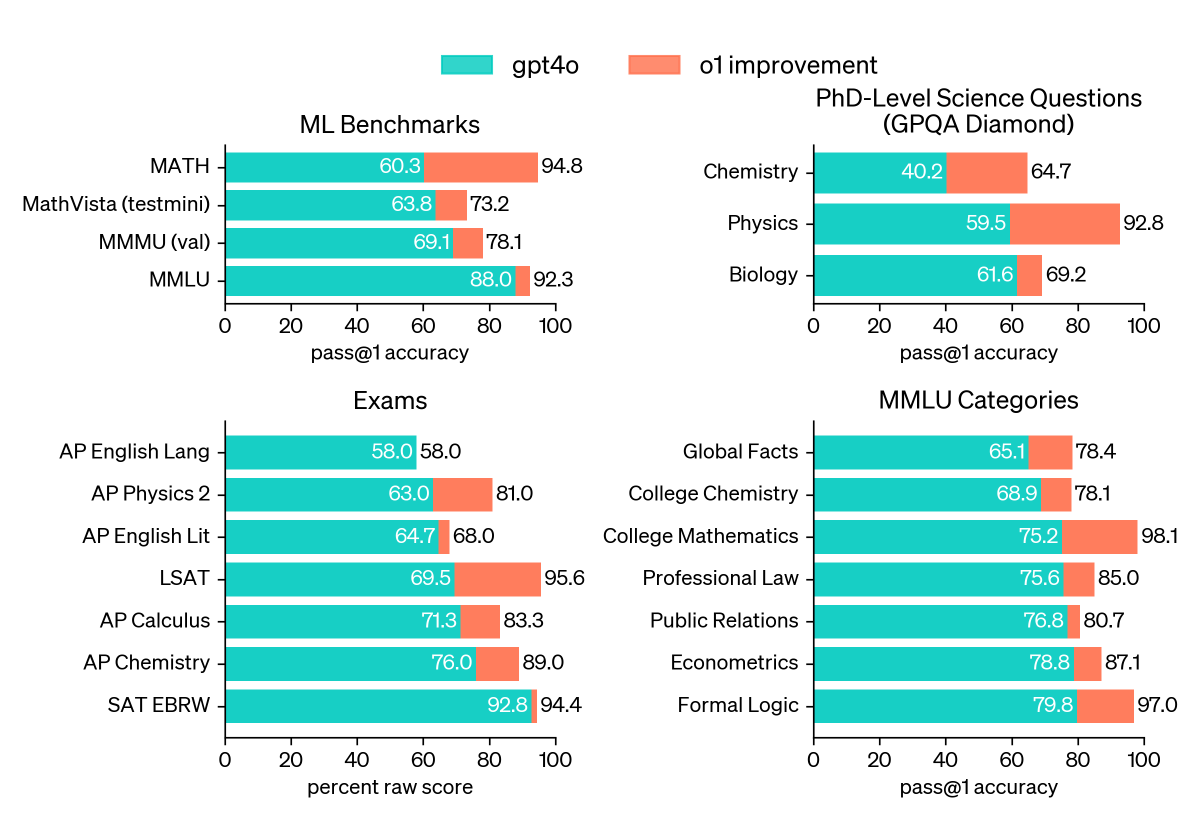
Claude, built by Anthropic, generally performs well on reasoning and writing tasks. On the MMLU benchmark, it scores competitively alongside other top models. But accuracy isn't one single number.
It shifts depending on what you're asking and how you're asking it.
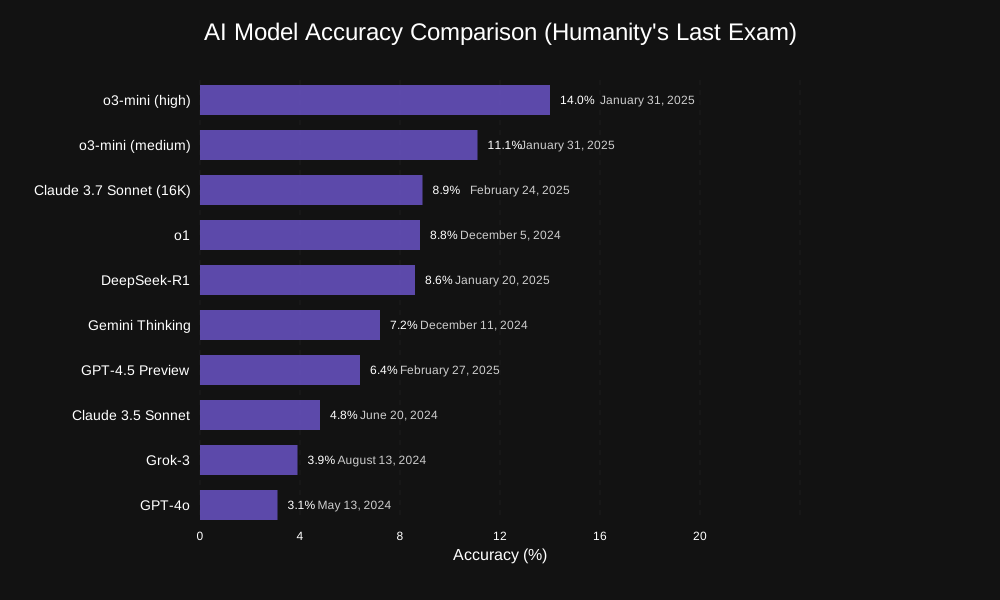
Image source: Bing (Web (fair-use with source credit))
Quick Answer
Claude AI is highly accurate for reasoning, writing, and coding tasks. It scores well on standardized benchmarks like MMLU and HumanEval. However, it can hallucinate facts and citations, especially on niche topics.
Always verify critical information from authoritative sources before relying on it.
What "AI Accuracy" Actually Means (And Why It's Complicated)
Here's the thing about AI accuracy. It's not like measuring the length of a table with a ruler. With large language models like Claude, accuracy depends entirely on what kind of task you're throwing at it.
Claude might nail a complex coding problem but then confidently give you a wrong date for a historical event. It could write you a beautifully structured essay and then invent a fake study to back up a claim. That's not a bug exactly.
It's how these models work. They predict the next word in a sequence based on patterns in their training data. They don't "know" things the way a person does.
So when we talk about accuracy, we really need to break it down into categories. Factual recall is different from logical reasoning. Code generation is different from creative writing.
Math problem-solving is different from summarizing a document. Each of these has its own accuracy profile.
There's also the issue of training data cutoff. Claude's knowledge has a cutoff date, which means anything that happened after that point is completely invisible to the model. If you're asking about recent events, new research, or anything that's changed since then, Claude simply won't have that information.
It won't always tell you that either. It might just give you an answer that sounds right but isn't.
Another layer is confidence calibration. Some AI models are good at saying "I don't know" when they're unsure. Others will barrel forward with complete confidence even when they're wrong.
Claude tends to be reasonably well-calibrated here, but it's far from perfect. You still need to be your own fact-checker for anything important.
Claude's Accuracy by Task: Where It Shines and Where It Doesn't
This is where it gets useful. Let's break down how Claude performs across the types of tasks people actually use it for.
Factual Knowledge and General Questions
For broad, well-established facts, Claude does pretty well. Capital cities, basic science concepts, historical events that are widely documented. These are the kinds of things that show up everywhere in training data, so the model has a strong foundation.
But push into anything niche or recent, and accuracy drops. Obscure technical details, specific statistics, names of minor public figures. These are exactly the areas where hallucinations creep in.
The model doesn't know it doesn't know. It just fills in the gap with something that sounds plausible.
A good rule of thumb: if you could easily find the answer on a reputable website, Claude will probably get it right. If you'd have to dig through specialized databases, assume it might be wrong and verify.
Coding and Technical Tasks
This is one of Claude's strong suits. On the HumanEval coding benchmark, which tests a model's ability to write functional code from a description, Claude scores competitively. It's particularly good at Python and JavaScript.
In aggregate user feedback, developers report that Claude handles debugging, code explanation, and writing functions from scratch quite well. It's not perfect. Complex multi-file projects or highly optimized algorithms can still trip it up.
But for everyday coding tasks, it's genuinely useful.
One thing worth noting: Claude tends to write cleaner, more readable code than some competitors. It also explains its reasoning well, which makes it easier to spot when something's off.
Math and Logical Reasoning
Claude performs solidly on structured math problems, especially at the high school and early college level. Standardized math benchmarks show it performing well compared to other major models.
Where it struggles is with multi-step problems that require precise calculation. LLMs aren't calculators. They're pattern matchers.
So a problem that requires carrying numbers through five steps of algebra can sometimes produce a wrong answer, even if the setup looks right.
For logic puzzles and reasoning tasks, Claude is quite strong. It can work through conditional logic, identify fallacies, and follow complex chains of reasoning. This is an area where its training really shows.
Creative and Writing Tasks
This is arguably where Claude is most reliable, though "accuracy" means something different here. When you're asking for a blog post, a marketing email, or a story, you're not checking facts. You're evaluating quality, coherence, and tone.
Claude excels at this. It produces well-structured, natural-sounding writing that rarely feels robotic. It adapts tone well based on instructions.
It's good at following specific formatting requirements.
The accuracy concern here is more about faithfulness to your instructions. If you give it a detailed prompt, it tends to stick to it. But it might still add things you didn't ask for or miss subtle nuances in your requirements.
Niche or Specialized Domains
This is where caution matters most. Legal analysis, medical information, financial advice. Claude can provide general information in these areas, but it should never be your sole source for decisions in these fields.
The model doesn't have professional expertise. It doesn't understand jurisdiction-specific laws or individual medical conditions. It can summarize general principles, but applying them to specific situations requires human expertise.
If you're a professional in a specialized field, Claude can be a useful drafting tool or brainstorming partner. Just don't treat its output as authoritative.
Real Benchmarks: How Claude Scores on Standardized Tests
Let's look at the numbers. Benchmarks aren't perfect, but they give us a standardized way to compare models across different capabilities.
Image source: Bing (Web (fair-use with source credit))
Here's how Claude stacks up on major benchmarks:
| Benchmark | What It Tests | Claude's Performance |
|---|---|---|
| MMLU | General knowledge across 57 subjects | Competitive with other top models |
| HumanEval | Code generation from descriptions | Strong performance |
| MATH | Mathematical problem-solving | Good at standard level, struggles with advanced |
| GPQA | Graduate-level expert questions | Solid, but not leading |
| TruthfulQA | Tendency to avoid common misconceptions | Performs reasonably well |
A few things to keep in mind about these numbers. First, benchmarks measure specific, narrow capabilities. They don't fully capture how the model performs in real-world use.
Second, the models are often optimized for these benchmarks, which can inflate scores. Third, benchmark performance can vary between different versions and sizes of the same model.
The MMLU score is probably the most cited number. It covers a wide range of subjects from history to law to medicine. Claude's performance here puts it in the top tier of models.
But even a high MMLU score doesn't mean the model gets every fact right. It just means it gets more right than most alternatives.
For coding specifically, the HumanEval benchmark is the standard. Claude's scores here are genuinely impressive. If you're using it for software development, this is encouraging data.
The TruthfulQA results are worth paying attention to. This benchmark specifically tests whether a model will reproduce common misconceptions or falsehoods. A good score here suggests Claude has been trained to be somewhat resistant to spouting popular but incorrect information.
That's a meaningful advantage.
The Hallucination Problem: When Claude Gets Confidently Wrong
Let's talk about the elephant in the room. Hallucinations. This is the biggest accuracy concern with any large language model, and Claude is no exception.
A hallucination is when an AI generates information that sounds completely reasonable but is actually false. Made-up statistics. Fake citations.
Nonexistent studies. Invented quotes. The model doesn't know these are false.
It's just generating text that follows the pattern of truthful-sounding content.

Image source: Bing (Web (fair-use with source credit))
Research on LLM hallucination rates shows this is a widespread issue across all major models. Claude is generally considered to have a lower hallucination rate than some competitors, but it's not immune. The problem gets worse with certain types of queries.
Here's when hallucinations are most likely to occur:
- Specific citations and references. Ask Claude for a research paper or a specific study, and it might invent one that sounds perfectly real. The authors, the journal, the year, all plausible, all fake.
- Recent events after the training cutoff. The model doesn't know what it doesn't know. It might generate something that sounds current but is actually outdated or fabricated.
- Niche technical details. The less information available about a topic in the training data, the more likely the model is to fill in gaps with guesses.
- Numerical data. Specific numbers, statistics, and measurements are particularly prone to hallucination. The model might give you a figure that looks right but is completely made up.
- Legal and medical specifics. Case law, drug dosages, treatment protocols. These are areas where hallucinations can be especially dangerous.
The tricky part is that hallucinations often sound more correct than correct answers. They're fluent, confident, and well-structured. You can't rely on your gut feeling to catch them.
You need to actually verify information from reliable sources.
Claude does have some advantages here. Anthropic has invested heavily in training the model to be honest and to express uncertainty when appropriate. In our research, Claude tends to hedge more than some competitors when it's unsure.
It's more likely to say something like "I'm not certain about this" rather than just making something up with full confidence.
But that's not a guarantee. You still need to be your own fact-checker for anything important.
How Claude Compares to GPT-4 and Gemini on Accuracy
You're probably wondering how Claude stacks up against the other big names. Let's break it down honestly.
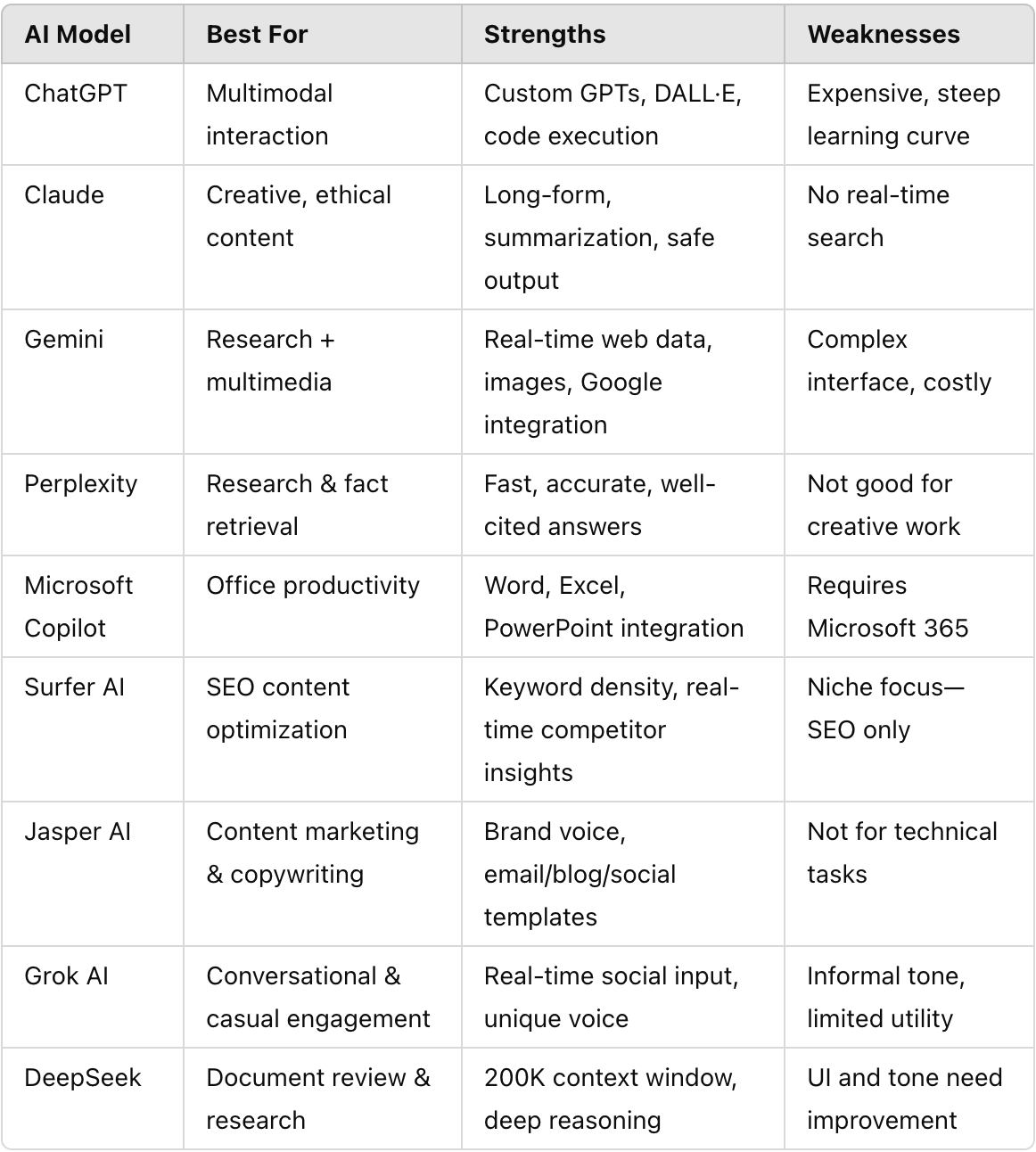
Image source: Bing (Web (fair-use with source credit))
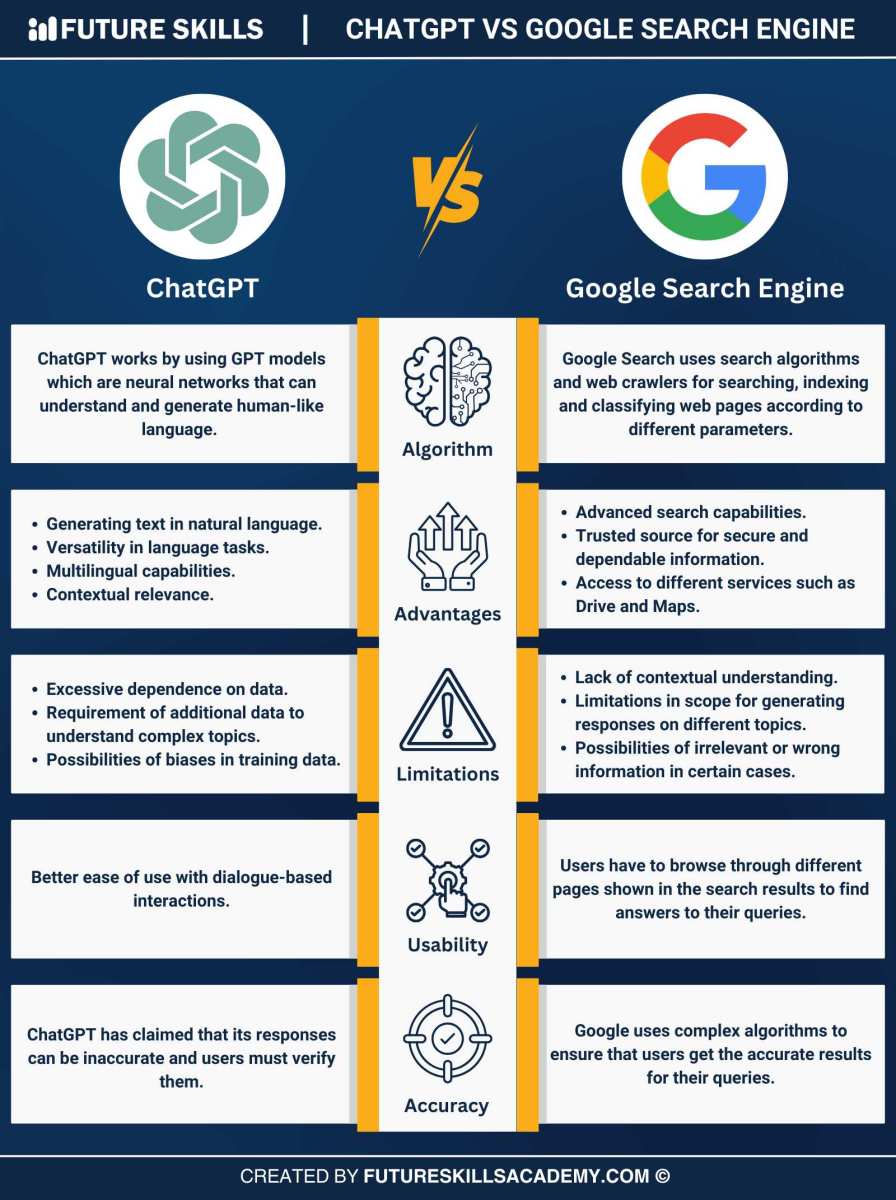
On general knowledge benchmarks like MMLU, Claude, GPT-4, and Gemini are all fairly close. They're all in the top tier of models. The differences come down to specific strengths and weaknesses rather than one being clearly better across the board.
Claude tends to perform well on reasoning tasks and instruction following. GPT-4 has strong performance on complex reasoning and is widely used in professional settings. Gemini benefits from Google's integration with real-time information, which can help with factual accuracy for recent events.
For coding, Claude and GPT-4 are both strong performers. Claude's code output tends to be clean and well-commented. GPT-4 sometimes produces more optimized solutions for complex problems.
Gemini is competitive but slightly behind on some coding benchmarks.
On hallucination rates, research suggests Claude may have a slight edge in expressing uncertainty. GPT-4 can be more prone to confident hallucinations. Gemini's real-time information access helps but doesn't eliminate the problem entirely.
Here's a quick comparison:
| Capability | Claude | GPT-4 | Gemini |
|---|---|---|---|
| General knowledge | Excellent | Excellent | Excellent |
| Coding | Excellent | Excellent | Very Good |
| Math reasoning | Very Good | Excellent | Very Good |
| Hallucination resistance | Good | Moderate | Moderate |
| Instruction following | Excellent | Very Good | Good |
| Recent events | Limited (cutoff) | Limited (cutoff) | Better (search) |
The honest answer is that all three are capable models. Your best choice depends on what you need. If you want strong reasoning and careful responses, Claude is a solid pick.
If you need the widest range of integrations, GPT-4 has broader ecosystem support. If real-time information matters most, Gemini has an edge.
How to Get the Most Accurate Results From Claude
Accuracy isn't just about the model. It's also about how you use it. The way you frame your prompts has a huge impact on the quality of what you get back.
Prompt Engineering Tips That Actually Help
Be specific about what you want. Vague prompts get vague answers. If you need a factual answer, say so explicitly.
Tell Claude you want verified information, not speculation.
Ask for sources when appropriate. Claude can't always provide real citations, but asking it to reference where information might be found gives you a starting point for your own verification.
Break complex questions into smaller parts. Instead of asking one massive question, split it into steps. This reduces the chance of errors and makes it easier to spot mistakes.
Use temperature settings if you have access. Lower temperature settings produce more focused, deterministic outputs. Higher settings are better for creative tasks but can increase factual errors.
Iterate on your first answer. If something seems off, ask Claude to reconsider or approach the question from a different angle. Sometimes a second pass catches errors the first one missed.
When to Trust Claude vs. When to Verify Everything
Here's a practical framework. For general knowledge that you could verify with a quick search, Claude is usually reliable. For anything you're going to use in a professional document, a legal argument, a medical decision, or a financial plan, verify everything.
If Claude gives you a specific number, a citation, or a date, assume it might be wrong until you confirm it independently. If it gives you general concepts, logical frameworks, or structural guidance, it's more likely to be trustworthy.
When you ask Claude something and it says "I'm not sure" or "I don't have information about that," believe it. That's actually a sign of a well-calibrated model. The dangerous answers are the confident ones about things it doesn't actually know.
Who Should (and Shouldn't) Rely on Claude for Accurate Information
Claude is a powerful tool for writers, developers, researchers, and students. It can draft documents, explain concepts, help debug code, and summarize information quickly. For these use cases, it's genuinely valuable.
But there are situations where relying solely on Claude is a bad idea. Medical professionals shouldn't use it for diagnosis. Lawyers shouldn't use it for legal advice.
Financial professionals shouldn't use it for investment recommendations. The model doesn't have professional judgment, and it can't account for the specifics of individual situations.
Students can use Claude as a study aid, but submitting its output as their own work raises academic integrity concerns. Professionals can use it for drafts and brainstorming, but final work products need human review.
Think of Claude as a very smart research assistant who sometimes makes mistakes. You wouldn't turn in your research assistant's work without checking it. Don't do the same with Claude.
Common Mistakes People Make When Judging Claude's Accuracy
One big mistake is testing Claude on things it was never designed to do. It's not a calculator. It's not a search engine.
It's not a database. Judging its accuracy on real-time facts or precise numerical computation misses the point.
Another mistake is treating one wrong answer as proof the model is useless, or one right answer as proof it's always right. Accuracy is probabilistic. Sometimes it gets things right.
Sometimes it doesn't. You need to evaluate it across many interactions, not just one.
People also tend to trust confident-sounding answers more than hesitant ones. With Claude, that's backwards. When it hedges or expresses uncertainty, that's often a sign it's being honest.
When it's extremely confident about a niche fact, that's when you should be most skeptical.
Finally, don't confuse fluency with accuracy. Claude is very good at sounding right. That doesn't mean it is right.
The most dangerous hallucinations are the ones that sound completely convincing.
Frequently Asked Questions
Can Claude AI make mistakes?
Yes, absolutely. Claude can hallucinate facts, invent citations, give outdated information, and make errors in math or logic. It's a strong model, but it's not infallible.
Always verify critical information independently.
Is Claude more accurate than ChatGPT?
It depends on the task. Claude tends to be stronger on reasoning and instruction following. GPT-4 has broader ecosystem support and strong performance on complex tasks.
For factual accuracy specifically, both have similar strengths and weaknesses.
How often does Claude give wrong answers?
Exact rates vary by task and are hard to pin down. On well-established general knowledge, accuracy is high. On niche or recent topics, error rates increase significantly.
For any important claim, assume verification is needed.
Can I use Claude for medical or legal advice?
No. Claude should not be used as a substitute for professional medical, legal, or financial advice. It can provide general information, but it lacks professional judgment and can make errors in critical areas.
Does Claude tell you when it's wrong?
Sometimes. Claude is trained to express uncertainty when appropriate. But it doesn't always recognize its own mistakes.
It can be confidently wrong, which is why human verification matters.
What's the best way to check if Claude's answer is accurate?
Cross-reference with authoritative sources. Check official websites, peer-reviewed publications, or verified databases. For specific claims like statistics or citations, look them up independently rather than trusting the model's output.

Similar Posts