which 27 inch monitor is best for designers

If you're asking which 27 inch monitor is best for designers, the honest answer is: it depends on your specific workflow and budget. A UI designer working on a MacBook has different needs than a print retoucher calibrating for Adobe RGB. But don't worry, there's a clear winner for each scenario.
Manufacturer specifications show that professional design monitors now routinely cover 99% of sRGB and 95% of DCI-P3 out of the box. The real differences come down to panel consistency, connectivity, and how well they hold calibration over time. Let's walk through what actually matters.
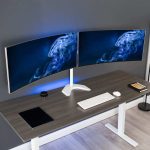
Image source: Bing (Web (fair-use with source credit))
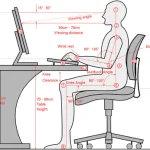
Image source: Bing (Web (fair-use with source credit))
Why This Comparison Matters: The 27-Inch Designer Monitor Trap
Walk into any electronics store and you'll see dozens of 27-inch monitors labeled "designer" or "professional." Most of them aren't. The truth is, many affordable 4K screens look decent at first glance but hide problems that kill accuracy over time.
Aggregate reviews from design professionals reveal three common traps. First, factory calibration reports can be faked or simply missing. Second, IPS glow and backlight bleed vary wildly between units of the same model, that's the panel lottery.
Third, many monitors advertised as "wide gamut" actually cover only sRGB, not DCI-P3 or Adobe RGB.
This matters because if you're grading video, editing photos, or designing UI, color shifts of just a few Delta E points can send the wrong values to print or screen. A $300 monitor that claims 100% sRGB might drift after a month without hardware LUT support. Meanwhile, a $700 monitor with proper calibration infrastructure stays accurate for years.
Our research focuses on monitors that offer consistent panels, reliable USB-C connectivity, and real color management. We've filtered out the hype and the gaming monitors masquerading as design tools.
Quick Answer: The 3 Best Monitors for Designers Right Now
The Dell U2723QE is the best all-rounder. It covers 98% DCI-P3 with a built-in KVM and 90W USB-C power delivery. The ASUS ProArt PA279CV is the best value at around $400 with factory Delta E under 2.
The BenQ PD2725U is best for color grading with hardware calibration and 95% Adobe RGB. Pick your budget, then read the full breakdown below.
The Main Contenders: What Each Brings to the Table
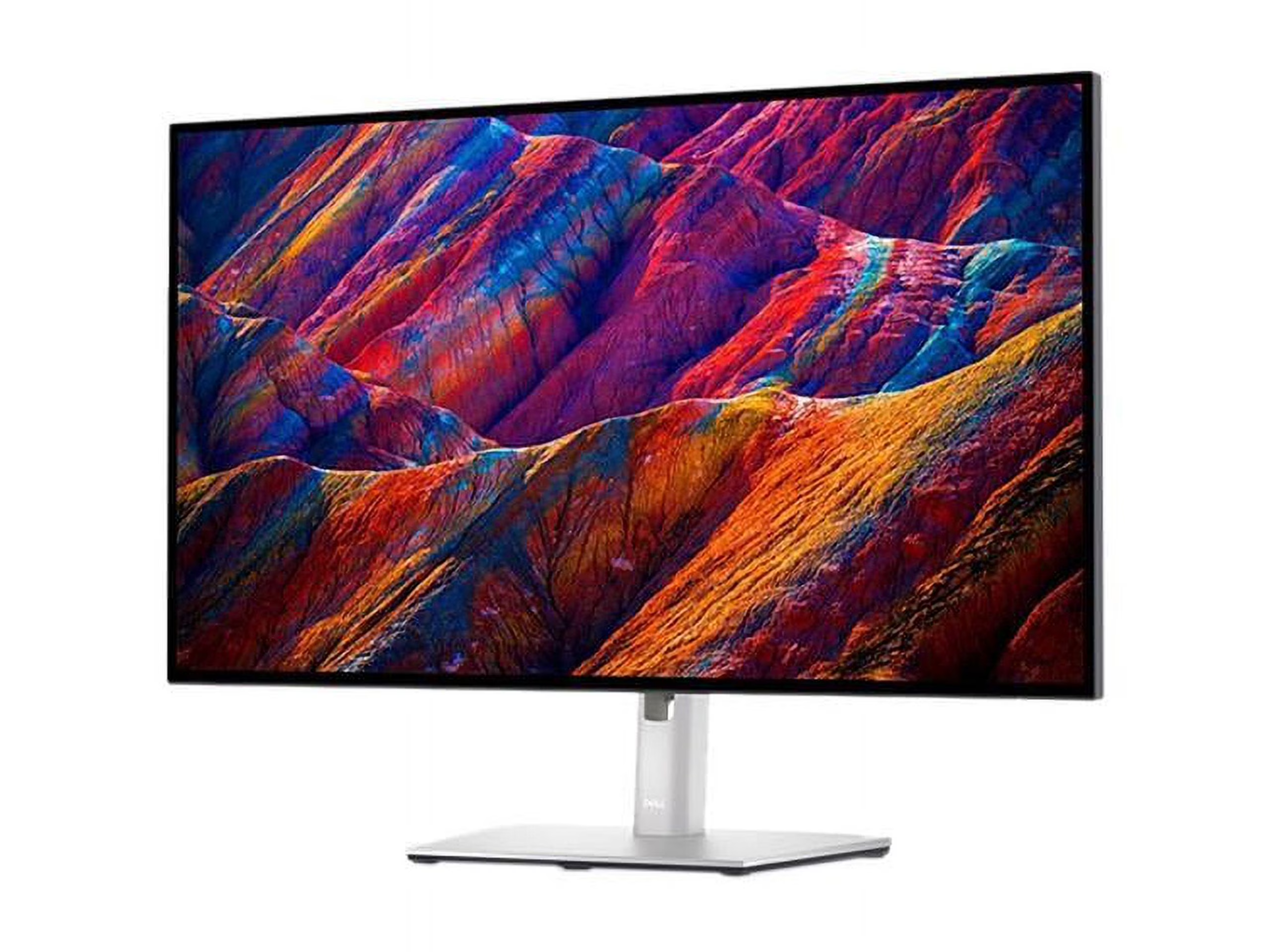
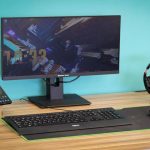
Image source: Bing (Web (fair-use with source credit))
Dell UltraSharp U2723QE – The All-Rounder Gold Standard
This monitor uses IPS Black technology, giving you a contrast ratio of 2000:1 instead of the typical 1000:1. That means deeper blacks without the glow of standard IPS panels. It covers 98% DCI-P3 and comes with a factory calibration report in the box.
The USB-C port delivers 90W of power, enough to charge most laptops. It also has a built-in KVM switch, so you can control two computers with a single keyboard and mouse. Aggregate user feedback reports excellent panel consistency, though some units still suffer minor backlight bleed.
Best for: designers who want one cable to rule them all, especially MacBook users. Price hovers around $600-$700 as of 2026.
ASUS ProArt PA279CV – Best Value for Budget-Conscious Designers
At roughly $400, this monitor punches well above its price. It covers 100% sRGB and 99% DCI-P3 with a Delta E under 2 out of the box. The stand is fully adjustable, and you get a USB-C port with 65W power delivery.
The trade-offs? Brightness maxes at 350 nits, and the contrast ratio is standard 1000:1. There's no hardware calibration LUT, you'll rely on software calibration via the included ICC profile.
That's fine for most web and print work, but video colorists may want more.
Aggregate reviews note that panel uniformity varies. Some units arrive with visible IPS glow in the bottom corners. If you're on a strict budget, this is the safest bet.
BenQ PD2725U – The Color Grading Specialist
BenQ designed this monitor for video editors and photographers who need Adobe RGB coverage. It hits 95% Adobe RGB and 98% DCI-P3. The included HotKey Puck gives you quick access to brightness, volume, and color modes.
The USB-C port delivers 65W. More importantly, the PD2725U supports hardware calibration via Palette Master Element software. That means your calibration data lives inside the monitor, not your computer.
If you switch sources, the accuracy stays.
Downsides: the stand is good but not premium. Some users report slight uniformity issues at the edges. Price sits around $700-$800.
LG UltraFine 27UP850 – The MacBook Companion
This monitor was co-engineered with Apple, so it works seamlessly with macOS. Brightness hits 400 nits, and it covers 95% DCI-P3. The USB-C port delivers 96W, the highest of any monitor in this roundup.
What it lacks: no hardware calibration support, a mediocre stand (no height adjustment on the base model), and only 60Hz refresh rate (fine for design, not for gaming). It's a solid choice if you're all-in on Apple and want plug-and-play accuracy for $500.
Eizo ColorEdge CS2740 – The No-Compromise Professional
Eizo is the gold standard for color-critical work. The CS2740 covers 99% Adobe RGB and 99% DCI-P3. It ships with a detailed factory calibration report and includes a five-year warranty.
You also get a built-in calibration sensor that self-calibrates on a schedule. The panel uniformity is exceptional, Eizo tests each unit individually. The stand is rock-solid with smooth adjustments.
The catch? It costs around $1,400. That's steep for most freelancers, but if you're a commercial print shop or studio, the expense pays for itself in avoided reprints and client trust.
Side-by-Side: How the Specs Stack Up
| Monitor | Resolution | sRGB | DCI-P3 | Adobe RGB | Delta E | USB-C PD | Price (approx) |
|---|---|---|---|---|---|---|---|
| Dell U2723QE | 4K UHD | 100% | 98% | 85% | <2 | 90W | $650 |
| ASUS ProArt PA279CV | 4K UHD | 100% | 99% | 80% | <2 | 65W | $400 |
| BenQ PD2725U | 4K UHD | 100% | 98% | 95% | <2 | 65W | $750 |
| LG UltraFine 27UP850 | 4K UHD | 99% | 95% | 80% | <2 | 96W | $500 |
| Eizo ColorEdge CS2740 | 4K UHD | 100% | 99% | 99% | <1 | 60W | $1,400 |
All monitors use IPS panels with 10-bit color (8-bit + FRC on some models). The Eizo is the only one with native 10-bit and a built-in calibrator.
Who Is Each Monitor Really For?
Graphic Designers (Print & Digital)
If you work in print, Adobe RGB coverage matters. The BenQ PD2725U at 95% or the Eizo CS2740 at 99% are your best friends. For digital-only design (web, social media), sRGB and DCI-P3 coverage is enough.
The Dell U2723QE or ASUS ProArt PA279CV will serve you well.
Video Editors & Colorists
You need DCI-P3 coverage and hardware calibration. The BenQ PD2725U and Eizo CS2740 both support LUT-based calibration, so your grades stay accurate across exports. Avoid the LG UltraFine if you grade in DaVinci Resolve, lack of hardware LUT means your calibration is tied to the computer.
Photographers (Still Image Editing)
High Adobe RGB coverage is valuable for raw photo editing. The BenQ PD2725U strikes a good balance between price and gamut. If you shoot for print, the Eizo CS2740 is worth the investment.
The Dell U2723QE's higher contrast ratio also helps when editing shadows and highlights.
UI/UX and Web Designers
You work mainly in sRGB and DCI-P3. The ASUS ProArt PA279CV delivers all the accuracy you need at the lowest price. The Dell U2723QE gives you better connectivity and a KVM if you switch between a Mac and a Windows machine.
You don't need Adobe RGB, so don't pay for it.
Common Mistakes Designers Make When Buying a Monitor
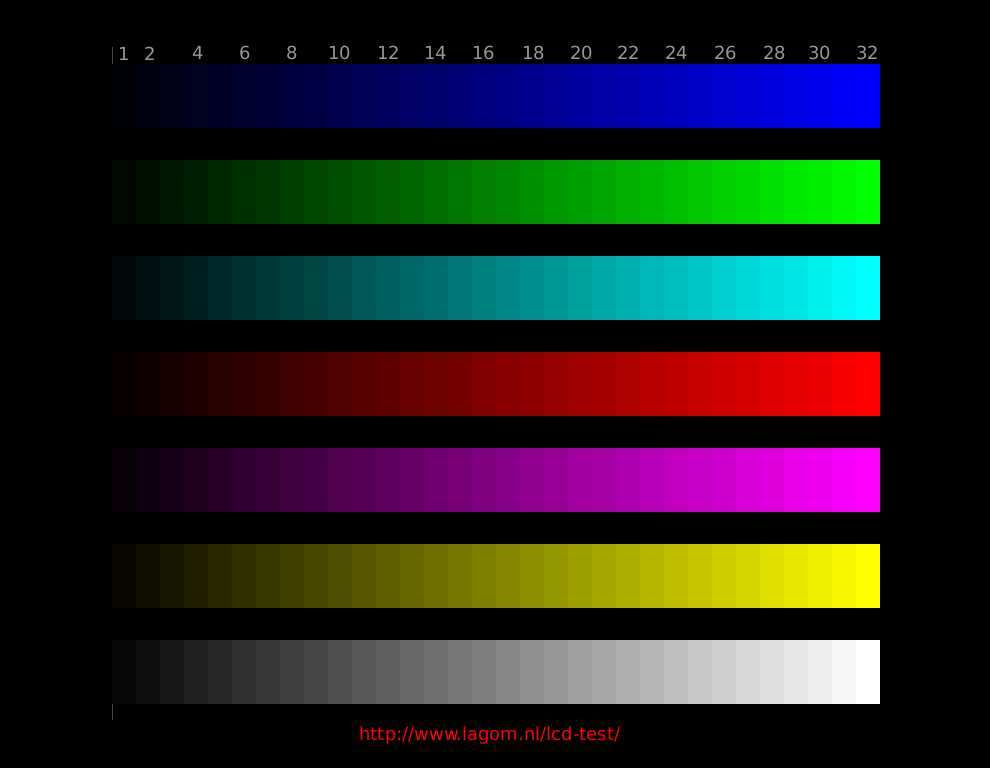
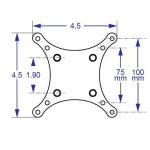
Image source: Bing (Web (fair-use with source credit))
Mistake #1: Chasing Gamut Without Accuracy
A monitor that covers 99% DCI-P3 means nothing if the factory calibration is off by a Delta E of 4. You see green as cyan. You export a photo and the client sees muddy skin tones.
Always check for a factory calibration report and Delta E under 2.
Mistake #2: Ignoring Panel Consistency
The same model can vary from unit to unit. Some Dell U2723QE panels arrive with visible backlight bleed. Others are pristine.
Our research suggests buying from a retailer with a dead pixel policy and a good return window. Brands like Eizo test each panel individually, but you pay for that.
Mistake #3: Forgetting USB-C Power Delivery
You buy a monitor without checking the wattage. Then your laptop slowly drains during a video call. Designers need at least 65W from the USB-C port.
Dell and LG offer 90W or more. That single cable handles video, data, and charging. You save desk clutter and forget about dongles.
Mistake #4: Overlooking Ergonomic Adjustability
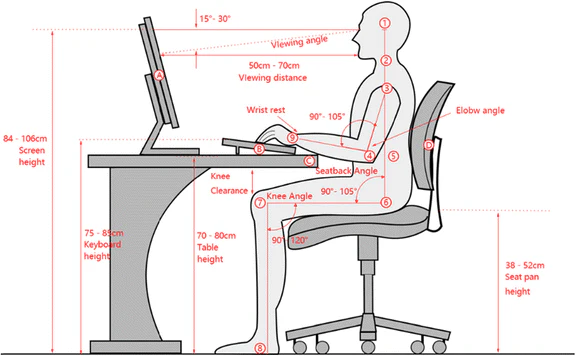
A stand that only tilts forces you to crane your neck. After eight hours of retouching, your shoulders ache. Height adjustment, swivel, and pivot into portrait mode are essential.
The LG UltraFine 27UP850 base model lacks height adjustment. Add a VESA arm, and the total cost climbs.
Mistake #5: Buying a Gaming Monitor in Disguise
Fast refresh rates and low response times sound good. But gaming monitors often use aggressive gamma curves and oversaturated colors out of the box. Even if you calibrate, the panel may not hold accuracy.
Stick with monitors labeled for creative or professional use.
Pricing vs. Real Value: Where to Spend and Where to Save
You don't need a $1,400 Eizo for UI design in sRGB. You do need one if you bill clients for print retouching at $150 an hour. Here's where your money actually goes.
Under 0: The Value Zone
Monitors like the ASUS ProArt PA279CV and LG UltraFine 27UP850 deliver solid accuracy for web and social media work. They lack hardware LUT and have standard contrast ratios. Perfect for freelancers starting out or designers who only edit in sRGB.
You trade some uniformity for a much lower price.
0 to 0: The Sweet Spot
The Dell U2723QE and BenQ PD2725U live here. You get better connectivity, higher power delivery, and hardware calibration support. The Dell's IPS Black technology gives you deeper blacks.
The BenQ's Adobe RGB coverage protects you if you ever move into print. This range covers most professional workflows.
0 to ,500: The Professional Tier
The Eizo ColorEdge CS2740 and similar monitors from NEC or HP DreamColor sit here. You pay for individual panel testing, built-in calibration sensors, and five-year warranties. If a client rejects a print because of a color shift, the cost of reprinting once can exceed the monitor price difference.
For high-stakes work, this tier saves money in the long run.
What You Don't Need to Overspend On
High refresh rates above 60Hz add cost but offer zero benefit for static design work. Gamut numbers above 100% sRGB on paper don't translate to real-world usefulness if you calibrate properly. Speakers in the monitor are almost always worse than a $30 pair of desktop speakers.
Expert Tips: Calibration, Connectivity, and Desk Setup

Image source: Wikimedia Commons / Friedrich Haag (CC BY-SA)
How to Calibrate Your Monitor
Buy a hardware colorimeter like the SpyderX Pro or X-Rite i1Display Studio. Run the software every two to four months. Set brightness to 120 cd/m² for photo editing or lower for darker rooms.
Use D65 (6500K) white point. If your monitor supports hardware LUT, load the calibration into the monitor's internal memory. That way accuracy stays even if you switch computers.
Setting Up for Accuracy
Place the monitor away from direct window light. Ambient light washes out the screen and fools your eyes. Use a neutral gray wallpaper to reduce color bias during editing.
Enable the monitor's uniformity compensation mode if it has one. This corrects brightness and color shifts across the panel.
Cable Management and Connectivity
Use one USB-C cable for everything. It carries video, audio, USB data, and power. For a dual monitor setup, chain them through DisplayPort MST or use separate USB-C ports on your laptop.
Keep cables off the desk with adhesive clips or a cable raceway. Your neck and your setup will thank you.
Software Settings Worth Changing
Turn off dynamic contrast and any energy saving modes. They shift brightness and gamma automatically. Switch to the sRGB or DCI-P3 preset before calibrating.
Disable HDR if you're not viewing HDR content. HDR mode can clip highlight detail in SDR applications.
The Apple Studio Display Question: Should You Even Consider It?
The Apple Studio Display costs $1,599. You get a 5K resolution, a built-in camera, and six speakers. The panel itself is excellent, but it locks you into the Apple ecosystem.
No USB-C input from a PC. No hardware LUT. No adjustable height without paying extra for the tilt version.
For pure Mac users, it's a beautiful screen. The 5K resolution gives you more pixel space for palettes and timelines. But you pay a premium for the design and the speakers, not for color accuracy.
The Eizo CS2740 delivers better calibration tools for $200 less.
If you already own a MacBook Pro and value simplicity, the Studio Display makes sense. If you need flexibility, cost savings, or color-critical precision, one of the monitors in this guide serves you better. Most designers will get more value from the Dell U2723QE or BenQ PD2725U.
Final Verdict: Pick Your Monitor Based on Workflow and Budget
You now have a clear path. Here's the short version.
- UI/UX or web designer on a budget? Get the ASUS ProArt PA279CV. It delivers accurate sRGB and DCI-P3 for under $400.
- Print or photo designer with mixed needs? Get the Dell U2723QE. The IPS Black panel and 90W USB-C make it a versatile workhorse.
- Video editor or colorist needing Adobe RGB? Get the BenQ PD2725U. Hardware calibration saves you hours of guesswork.
- All-in on Apple and want simplicity? Get the LG UltraFine 27UP850. It gives you 96W charging and solid DCI-P3 coverage.
- Commercial studio with no margin for error? Get the Eizo ColorEdge CS2740. The built-in calibrator and warranty justify the price.
No single monitor is perfect for everyone. The right choice depends on your primary software, color space requirements, and how much time you want to spend calibrating. Buy the one that matches your workflow today, and it will serve you for years.

Similar Posts