How To Check If Android App Is Debuggable

How to Check If Android App Is Debuggable
Understanding What Makes an Android App Debuggable
Knowing whether an Android app is debuggable is essential for developers and security professionals. When an app is set to be debuggable, it allows for easier troubleshooting and testing. However, if left enabled in production, it can pose security risks by exposing vulnerabilities. By understanding what makes an app debuggable, you can better analyze and secure Android applications. Debuggable status is controlled by a specific build configuration. Developers enable debugging during the app’s development phase but usually disable it for production releases. The key indicator of this status is the android:debuggable attribute in the app’s manifest file. If set to true, the app is debuggable; if false, it is not. Another point to consider is the build type. Debug builds usually have debugging enabled by default, while release builds disable it. Knowing these configurations helps you determine the debugging capabilities of an Android app accurately.How to Check if an Android App Is Debuggable Using Built-in Tools
The easiest way to verify if an app is debuggable involves using Android’s built-in tools like ADB. These tools allow you to connect to an Android device and inspect the app directly.Using ADB to Check Debuggable Status
Connect your device to your computer via USB and ensure USB debugging is enabled on your device. Launch a command prompt or terminal window and input the command:adb shell dumpsys package [package name]Alternative Method: Checking the APK Manifest
Another approach involves analyzing the app’s APK file directly. You can extract the manifest file using tools like APKTool or Android Studio. Steps include:- Decompile the APK to access the AndroidManifest.xml file.
- Open the manifest and search for the android:debuggable attribute within the application tag.
Using Android Studio to Detect Debuggable Apps
Android Studio offers tools for inspecting and debugging APKs directly. You can import an APK into the IDE to analyze its manifest and build configurations. Steps:- Open Android Studio and select Profile or debug APK from the welcome screen.
- Navigate to your APK file and load it into Android Studio.
- Inspect the manifest file for the android:debuggable attribute.
How to Check if an Android App Is Debuggable Through Code
Sometimes, you want to programmatically determine if an app is debuggable, especially during runtime.Using BuildConfig
Most Android projects include a BuildConfig class generated during build time. You can check the DEBUG flag:if (BuildConfig.DEBUG) {
// App is debuggable
} else {
// App is not debuggable
}Checking ApplicationInfo Flags
Another method involves using the ApplicationInfo class:boolean isDebuggable = (0 != (getApplicationInfo().flags & ApplicationInfo.FLAG_DEBUGGABLE));Considerations and Best Practices for Detecting Debuggable Apps
While checking the debuggable status is useful, it is essential to do so ethically and within legal boundaries. Only analyze apps you own or have permission to scrutinize. Avoid relying solely on static checks, as developers can obfuscate or modify these settings. Using dynamic runtime methods provides a more accurate picture. Always keep security in mind. If an app is debuggable, sensitive data might be accessible through debugging tools. Developers should disable debugging in production builds for safety.Related Topics: Enhancing Android App Security
To ensure your app remains secure, consider the following best practices:- Always set android:debuggable to false in production builds.
- Use ProGuard or R8 for code obfuscation to hide debugging capabilities.
- Implement secure data storage and transmission protocols.
- Regularly analyze your app for debugging vulnerabilities.
Tools and Resources for Developers
Various tools assist in checking whether apps are debuggable:- Android Debug Bridge (ADB): for command-line inspection.
- APKTool: for decompiling APKs and analyzing manifests.
- Android Studio: for comprehensive app analysis and testing.
- Third-party apps: like APK Analyzer or security scanners.
Summary of Key Points
- The android:debuggable attribute in the manifest determines if an app is debuggable.
- ADB provides a quick way to check debuggable status on connected devices.
- APK analysis helps inspect the debuggable setting without running the app.
- Runtime checks via code are useful for dynamic debugging detection.
- Disabling debugging in production enhances app security and protects user data.
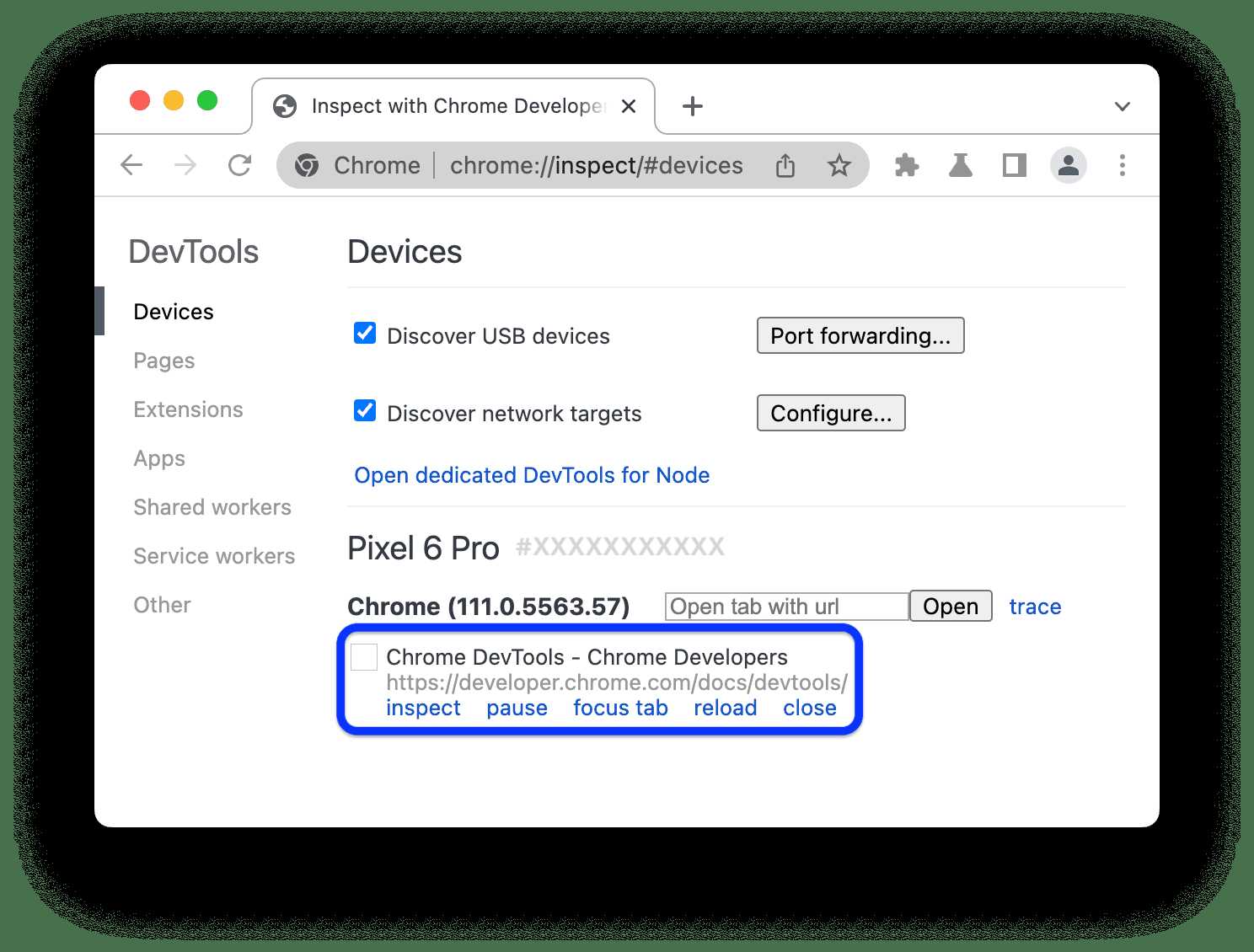
USB Debugging on Android Explained & How To Enable It
Frequently Asked Questions
What tools can I use to verify if an Android application is set for debugging?
You can utilize Android Debug Bridge (ADB) commands to check the application’s debuggable status. For example, running the command `adb shell pm list packages -d` lists all debug-enabled packages. You can also use third-party apps or Android Studio’s profiling tools to inspect whether the app is deployable in debug mode.
How can I examine app build files to determine if debugging is enabled?
Review the app’s build configuration files, such as `build.gradle`. Look for the `debuggable` property within the `buildTypes` block. If you see `debuggable true`, it indicates the app is configured for debugging. Conversely, if `debuggable` is set to false or omitted, the app is likely not debuggable in release mode.
What signs indicate that an Android application is set for debugging?
Indicators include the presence of debug symbols, accessible developer options, or the ability to attach a debugger during runtime. Additionally, if the app responds to debug commands, such as breakpoints or logging, it likely has debugging enabled. You can also check for debug-specific settings in the app’s manifest or configuration files.
Are there any runtime behaviors that reveal whether an Android app is debuggable?
Yes, during runtime, if the app reveals debug-specific menus or log outputs, or if it responds to debugging intents, it suggests debugging is active. You might also notice the presence of debugging tools or features enabled within the app, providing clues about its debug status.
Can reverse engineering tools help determine an app’s debugging status?
Using reverse engineering tools like APK analyzers or decompilers can reveal debug flags or developer-specific code embedded within the application. These tools can help you inspect the application’s structure and identify whether it was built with debugging capabilities enabled.
Final Thoughts
To check if an android app is debuggable, start by examining the APK using tools like APK Analyzer or JADX. These tools reveal the app’s manifest file, where you can find the android:debuggable attribute. If it is set to true, the app is debuggable. Alternatively, connect your device to a computer and use ADB commands, such as `adb shell getprop`, to verify the app’s debug status. This method provides quick, direct insights into the app’s configuration. In conclusion, knowing how to check if android app is debuggable helps ensure your app’s security and stability. This simple process involves inspecting the manifest or using ADB commands, making it straightforward to assess the app’s debug status.
Similar Posts