Claude Projects Explained
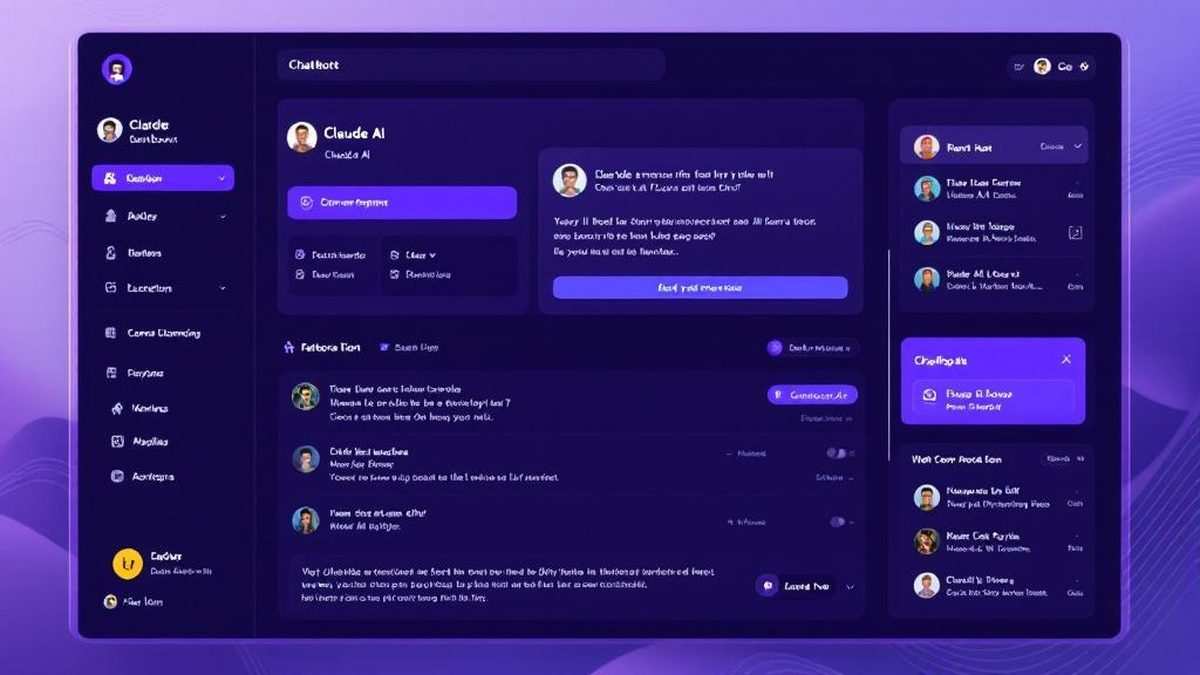
If you've ever typed the same background details into a chatbot over and over, you already know the frustration Projects are built to solve. Claude Projects explained simply: a Claude Project is a persistent workspace inside Anthropic's Claude AI where you set the rules once and let the model follow them across every conversation.
Think of it like a shared brain rather than a blank chat. You feed it your documents (knowledge files), write standing instructions every conversation starts with, and pick a model, all without retyping context every time. As of 2026, usable plans feature a 200K-token context window on supported tiers, making Projects a powerful way to handle long-running work that benefits from accumulated context.
Image source: Bing (Web (fair-use with source credit))
Quick Answer
Claude Projects are persistent workspaces within Anthropic's Claude AI platform. They include custom instructions that fire in every conversation. You can also upload knowledge files for the model to reference.
This feature lets teams reuse context without repetition.
What Claude Projects Actually Are (And What They're Not)
A Claude Project is a saved workspace linked to your Claude account (claude.com or the desktop app). Every Project keeps its own custom instructions and knowledge files. When you open a new conversation inside that Project, the model inherits that context automatically.
This is fundamentally different from a regular chat. Standard conversations start from zero each time, and the only memory is the messages in that thread. A Project layer lives on top.
It primes the model with your standing instructions and uploaded documents before you type a single word.
Here's what you can expect a Project to let you do:
- Set system-level instructions that apply to every conversation within the Project
- Upload knowledge files (PDFs, Markdown, text, code) for reference
- Pick a starting model (Claude Haiku 3, Sonnet, Sonnet 3.5, or Opus) and switch mid-chat
- Share the Project with teammates (on Team and Enterprise plans)
- Use Artifacts for side-by-side code or document output
- Duplicate or archive Projects when workstreams change
What a Project is not is a static document, shared Google Doc, or fine-tuned model. You can't permanently change the model's weights. You're layering context on top of Claude at inference time.
If you remove a knowledge file or edit custom instructions, future conversations reflect that change immediately. Past conversations remain as they were.
One common misunderstanding: Claude Projects are not collaborative editing environments where two people type in the same prompt at once. Sharing means someone else can open the same Project and see the same instructions and files. They're still running their own conversations.
Think of it as a shared starting point, not a live document.
How Claude Projects Work Under the Hood
A Claude Project runs on three core components inside Anthropic's infrastructure:
- Custom Instructions, the persistent system prompt for every conversation in the Project.
- Knowledge Files, the documents the model can pull from when answering your prompts.
- Model + Context Window, Claude serves your request within a token budget (200K tokens on supported tiers).
Here's the logical flow when you hit send on a prompt inside a Project:
- The platform loads your custom instructions into the system message.
- It tokenizes the content of your prompt and adds it to the conversation stack.
- If you've enabled knowledge retrieval, relevant chunks from uploaded files are pulled in.
- The total payload must fit within the model's context window (200K tokens on current plans). If it overflows, the oldest tokens in the conversation are trimmed to fit, potentially eroding earlier context.
- The model generates a response using the composite context (instructions + prompt + file chunks + conversation history).
That middle step matters when you push context limits. A knowledge file full of source code can vaporize your token budget fast, and every subsequent prompt has to share that space.
Practically, this means a very large knowledge base often produces spotty retrieval. The model might surface the wrong section or miss the right detail entirely. Aggregate user reports in 2025, 2026 consistently flagged "lost context" issues when projects carried more than roughly 500 pages of uploaded material.
The good news? Artifacts run in a separate scratchpad space. Artifacts don't consume your main conversation context window in the same way a massive system message does.
When You Should Use a Claude Project vs. a Regular Conversation
Not every task needs a Project. If you're asking for a recipe, debugging one function, or drafting a single email, you're better off in a free-form chat. Projects earn their keep over time, not in a single exchange.
This simple decision logic can help you pick the right approach.
Use a Claude Project when:
- You're repeating yourself across multiple sessions, brand guidelines, research notes, codebase rules
- Each new request depends on prior output you'd otherwise have to re-paste
- Multiple people work off the same reference material and custom instructions (e.g. a content style guide)
- You need Claude to produce a specific output format every time without reminders
- You're managing a long-form project, technical documentation, a book draft, legal review workflow
Stick with a Regular Conversation when:
- You're performing a one-off task (translate a paragraph, summarize an article, draft a single email)
- You don't want persistent instructions steering the model's tone or style
- You're experimenting with prompts before committing them to a Project
- You don't need to store or share configuration with someone else
Use a Project subcomponent (Artifacts only) when:
- You're writing or iterating on code and want separate, storable output windows
- You need to draft Markdown or HTML side-by-side without consuming the main chat context
The trap we see most often? People creating a Project for what's essentially a one-time Q&A. If the work ends in one sitting, save yourself the overhead.
On the other hand, if you've re-pasted the same style guide five times this week, create the Project. Your future self will thank you.
Quick Comparison
| Situation | Best Option | Why |
|---|---|---|
| One-off question | Regular Chat | No context needed beyond the prompt |
| Recurring task with same instructions | Project | Set it once, use it indefinitely |
| Personal notes only | Either | Your preference, low stakes |
| Brand guide + weekly content drafts | Project + Knowledge Files | Consistency without repetition |
| Pair programming session (30 min) | Artifacts in Chat | Short window, low setup cost |
| Multi-week technical documentation effort | Project (shared on Team plan) | Persistent files, multiple team members |
Step-by-Step: Setting Up Your First Claude Project
If you're starting from scratch, this is the reliable setup flow based on current Anthropic platform documentation and verified configurations as of 2026.
Step 1: Create the Project
- Navigate to claude.com or open the Claude desktop app.
- Look for the Projects section in the top-left navigation panel.
- Click + New Project.
- Give it a descriptive name. "Brand Voice 2026" beats "Untitled Project 1" for obvious reasons.
Anthropic does not enforce a strict character limit on Project names in the UI, but very long names truncate in the sidebar. Aim for around 40 characters or fewer.
Step 2: Write Your Custom Instructions
Custom instructions are the backbone of an effective Project. Every new conversation in this Project will start with these as a system-level prompt.
Good instruction writing follows these patterns:
- Be declarative and specific. "You are a senior PR reviewer specializing in B2B SaaS. Our product is a CI/CD tool. Flag anything that sounds too vague or jargon-heavy."
- Structure with bullet points for multi-part instructions. Models parse lists more reliably than dense paragraphs.
- Address tone, format, and audience separately. Mixing them into one sentence invites confusion.
Poor example: "Write good stuff for our brand like last time." That's a recipe for inconsistent output.
Strong example: "You are a technical writer for a cloud security company. Audience: DevOps engineers and security leads. Tone: authoritative, clear, zero fluff.
Format: lead with the implication, then the mechanics. Avoid hedging language ('might', 'could possibly'). Use concrete verbs."
We recommend drafting instructions in a text editor first. Paste them into the custom instructions field. Then test with several prompts across at least two sessions to make sure the model follows them reliably.
Step 3: Upload Knowledge Files
Knowledge files are documents the Claude model has access to during conversations in the Project. This is where the persistent memory magic happens.
Supported formats (based on Anthropic platform behavior):
- Markdown (.md)
- Plain text (.txt)
- PDF (.pdf)
- Source code files (.py.js.ts.go.rs, etc.)
- .docx (basic support, formatting may not be preserved perfectly)
What to upload:
- Brand guidelines
- Product documentation
- Research papers and reference materials
- Style guides (e.g. AP style, company-specific variants)
- Code documentation or README files
- Standard operating procedures
What NOT to upload:
- Raw databases (CSV dumps without context)
- Proprietary credentials, API keys, or secrets (ever)
- Unstructured meeting transcripts (the noise-to-signal ratio kills retrieval accuracy)
- Massive single files that consume your entire context budget
Practical limit: If you have over 400 pages of content, split knowledge files by domain. One file per topic lets the model retrieve more accurately, and you can rotate what's active across Projects.
Step 4: Choose Your Starting Model
You can select the default model for each Project. Within any conversation, you can also switch to another model if the task changes.
- Claude Haiku 3, Fastest, cheapest. Good for lightweight tasks and high-volume content operations.
- Claude Sonnet, Balanced speed and depth. Handles most knowledge work well.
- Claude Sonnet 3.5, Stronger coding and reasoning, higher cost. Worth it for technical projects.
- Claude Opus, Most capable, slowest, most expensive. Best reserved for complex reasoning tasks.
Pro tip: Set the default to the lowest tier that handles your typical task. Upgrade conversation-by-conversation only when needed. This keeps predictable usage under control.
Step 5: Test Before Sharing
Never share a Project with your team before verifying the instructions and knowledge files work as intended. Run through at least 5 distinct prompts that represent your team's actual use cases. Check for:
- Tone consistency
- Accurate knowledge retrieval (does it actually reference the uploaded docs?)
- Output formatting matches your instructions
- No hallucinated content presented as fact from the knowledge base
If the output wobbles, return to Step 2 and tighten your instructions.
Custom Instructions: The Secret to Getting Consistent Results

How2shout.com
Custom instructions are the single most underestimated feature inside Claude Projects. They shape the model's every response without you having to repeat preferences in each prompt.
Here's what makes them different from just typing instructions into the prompt window:
- They are persistent across every conversation in the Project
- They act as a system-level signal, not just another user message
- They are consistent across sessions, unlike improvised prompts that vary in wording
In practice, that means a well-written custom instruction eliminates the "write it like this, but also like that" dance we all do with chatbots.
Anatomy of an Effective Custom Instruction
The best instructions address three layers:
- Role and context, who the AI is pretending to be, and what domain it operates in.
- Behavior rules, what it should always do, and what it should never do.
- Format and tone, should the output be casual, formal, technical, short-form, long-form, listed, or paragraph-dense?
Let's look at a real-world example for a marketing team:
Scenario: A B2B SaaS company wants Claude to draft blog posts that match their established voice.
Custom Instruction:
You are a senior content marketer for a B2B DevOps platform. Our audience is engineering managers and VP-level infrastructure leads. Tone: confident, practical, no fluff. Never use exclamation points. Lead every section with the reader's pain point, then the solution. Avoid generic claims like "industry-leading" or "cutting-edge." Use concrete metrics whenever possible. Format: H2 subheadings, short paragraphs (2-3 sentences max), bullet lists for feature descriptions.
That's 87 words. It covers role, audience, tone, formatting, and explicit anti-patterns. Compare that to a vague "write in our brand voice" instruction, which tells the model almost nothing.
Common Custom Instruction Mistakes
- Too vague: "Be helpful and professional." Every model defaults to that already.
- Too long: Instructions over 500 words tend to dilute the signal. The model may fixate on one section and ignore the rest.
- Contradictory rules: "Be concise" followed by "provide thorough explanations with examples." Pick one priority.
- No negative guidance: Telling the model what not to do is as important as telling it what to do. "Don't use marketing jargon" is a high-value instruction.
- Forgetting to update: If your brand voice evolves, your instructions need to evolve with it. Stale instructions produce stale output.
Testing Your Instructions
After writing custom instructions, run this quick validation set:
- A straightforward request (does it follow the format?)
- An edge case (does it maintain tone when the topic is unfamiliar?)
- A deliberately tricky prompt (does it resist going off-brand?)
- A request that should trigger a "never do this" rule (does it comply?)
If any of those fail, revise the instruction and test again. This loop takes 10 minutes and saves hours of frustration later.
Knowledge Files: What to Upload, How Much, and What to Skip

Blogimages.trainn.co
Knowledge files are documents the Claude model references when answering prompts inside your Project. Think of them as a reference shelf the model can pull from, not a full-text dump it memorizes.
What Works Well as Knowledge Files
- Style guides (brand voice, tone rules, formatting standards)
- Product documentation (API docs, internal wikis, README files)
- Research papers (PDFs under 50 pages with clear structure)
- Structured data (Markdown tables, well-formatted JSON schemas)
- Code files (small, well-commented modules rather than entire repositories)
What Doesn't Work Well
- Meeting transcripts (too much noise, low signal)
- Raw CSV dumps without headers or context
- Scanned PDFs (OCR errors confuse retrieval)
- Entire book manuscripts as a single file (better to split by chapter)
- Anything containing secrets (API keys, PII, credentials). There is no secure enclave inside a Project. If you wouldn't share it with a contractor, don't upload it.
Practical Limits and Optimization
Uploading a 200-page PDF doesn't give the model 200 pages of usable context. The retrieval system pulls relevant chunks, usually in the range of 200-500 tokens per chunk. The quality of your document structure directly impacts retrieval accuracy.
To get the best results:
- Use clear headings and subheadings (Markdown H2 and H3 tags are perfect)
- Keep paragraphs short and focused
- Remove boilerplate (cover pages, table of contents, legal disclaimers) before uploading
- Split large documents into logical sections across multiple files
The knowledge file limit varies by plan tier. Heavier tiers accommodate more content. The exact limit is defined in the Anthropic documentation at docs.anthropic.com.
Regardless of tier, the guiding principle is: only upload what you actually need referenced. Every uploaded document competes for retrieval attention.
Claude Projects for Teams: Sharing, Permissions, and Collaboration

Bing (fair-use with source credit)
Team Projects require a Team or Enterprise plan. Once created, you can invite members who share the same knowledge files and custom instructions.
What shared access means in practice:
- All members see the same Project name and description
- Custom instructions apply uniformly
- Knowledge files are available to every member's conversations
What shared access does NOT mean:
- Members cannot see each other's conversations by default
- Chat message history stays private per user
- One member's prompts do not affect another's unless explicitly shared
This asynchronous collaboration model works well for teams that need consistent context, such as applying a brand guide or standardizing code review practices. Enterprise plans add admin controls like SCIM provisioning and SSO.
Artifacts Inside Projects: When to Use Them and When to Skip Them
Artifacts are a side-by-side output window for code or text generation inside a Project. They are useful for iterative code development, Markdown drafting, and content that requires comparison with prompts. If your work is purely conversational, you probably don't need Artifacts.
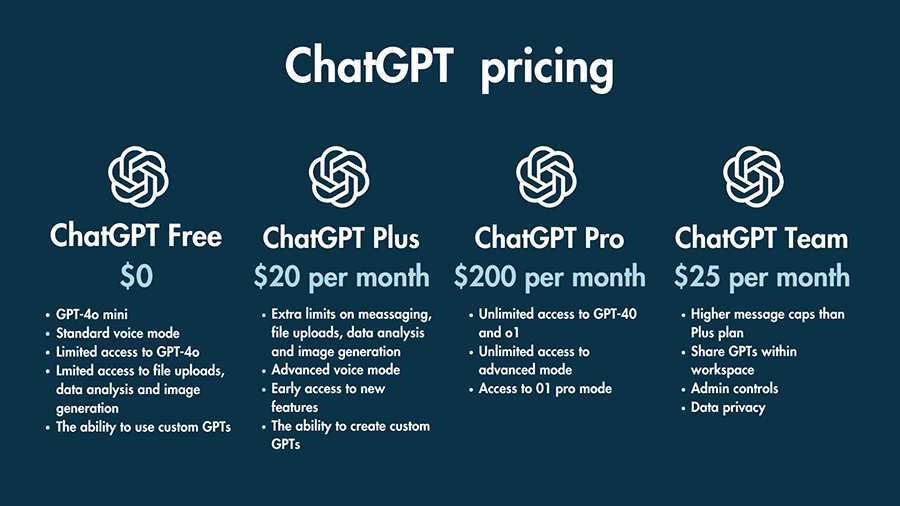
Pricing and Context Window Limits by Plan Tier
| Tier | Starting Price | Context Window | Model Access | Projects Support | Key Limits |
|---|---|---|---|---|---|
| Free | $0 | Standard | Haiku, limited Sonnet | Yes (limited) | Usage caps, no Opus |
| Pro | ~$20/month | Standard | Haiku, Sonnet, Opus | Yes | Higher rate limits |
| Max | ~$200/month | 200K tokens | Full model suite | Yes | Priority access |
| Team | ~$30/seat/month | 200K tokens | Full suite | Yes (shared) | Centralized billing |
| Enterprise | Custom | 200K tokens | Full suite | Yes (admin controls) | SSO, SCIM, BAA |
Token context windows refer to the total input plus output capacity per request. Larger windows let you maintain more conversation history and reference more file content. Once the window is full, older message history is trimmed.
Model pricing differs. Claude Sonnet 3.5 costs roughly 2x less per million tokens than Claude Opus for output. Always set your default model to the most cost-efficient tier that handles the task.
Common Mistakes That Waste Your Context Window (and Money)
Mistake 1: Uploading every document you own as a knowledge file. Massive files diminish retrieval accuracy and push useful content out of the budget.
Mistake 2: Using Opus for every conversation. Switch to Sonnet or Haiku for simpler tasks.
Mistake 3: Ignoring the context window. Filling a 200K window with conversation history leaves less room for knowledge file references. Periodically start a new conversation within your Project.
Mistake 4: Neglecting custom instructions. Every prompt without guidance wastes calls figuring out your intent.
Mistake 5: Uploading sensitive data. Never place credentials, API keys, or personal data into a Project. They are neither encrypted at rest nor excluded from abuse detection logs.
The most important rule: only upload what you need. Every token has a cost, and every irrelevant document dilutes retrieval accuracy.
Claude Projects vs. Custom GPTs vs. Other AI Workspaces
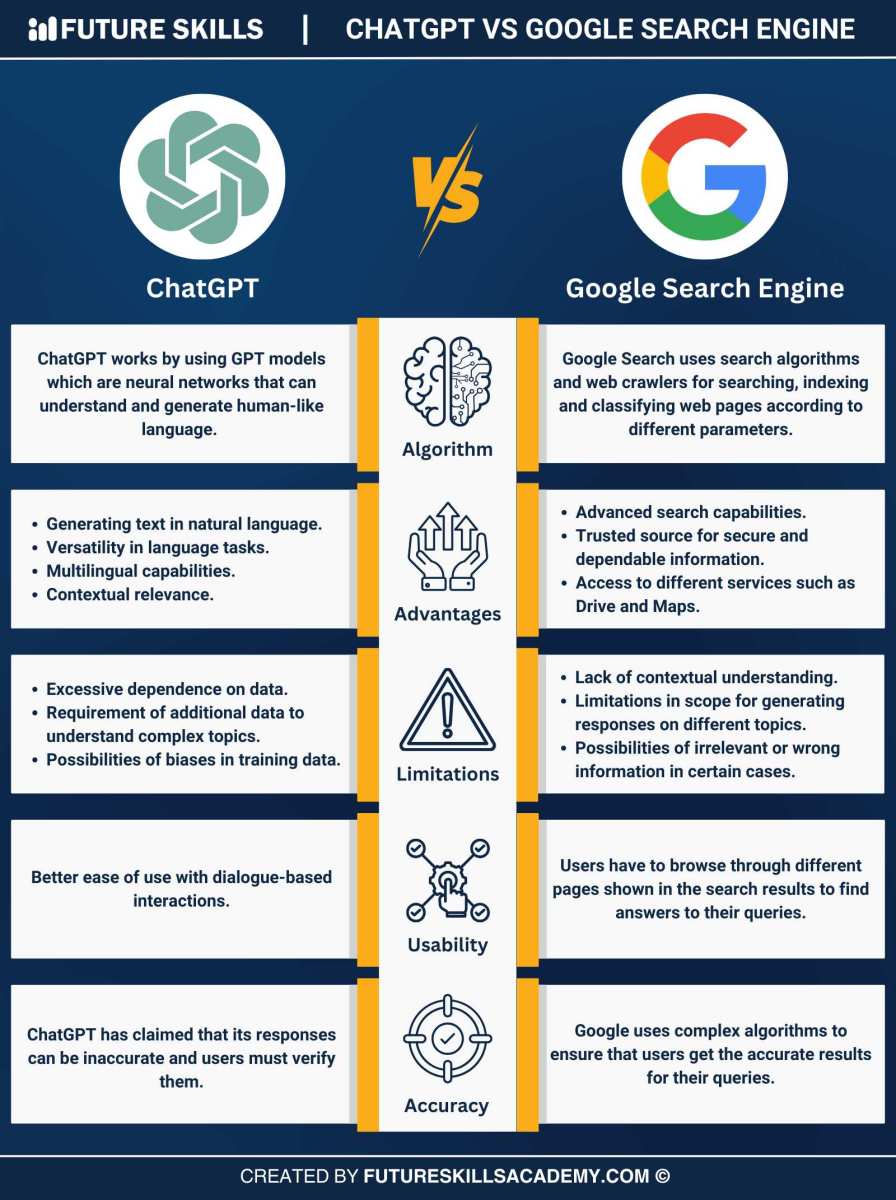
Claude Projects and ChatGPT Custom GPTs solve similar problems but take different approaches. Custom GPTs are publicly distributable and have a visual builder. Claude Projects are workspace-centric and tied to your account.
| Feature | Claude Projects | ChatGPT Custom GPTs | Notion AI |
|---|---|---|---|
| Persistent custom instructions | Yes | Yes | Partial |
| File uploads for reference | Yes (knowledge files) | Yes (file retrieval) | Yes (workspace pages) |
| Public sharing | No (account-based) | Yes (GPT Store) | Yes (shared pages) |
| Artifacts / code workspace | Yes | Limited | No |
| Team collaboration | Yes (Team/Enterprise) | Limited | Yes |
| Model choice per project | Yes | No (GPT-4 default) | No |
Choose Claude Projects when you need persistent, private workspaces with model flexibility. Choose Custom GPTs when you want to publish an assistant for others to use.
Real-World Use Cases: How People Actually Use Claude Projects
Software development teams upload API documentation and coding standards. Every code review prompt starts with the same context.
Content teams maintain brand voice files and campaign briefs. Writers get consistent output without re-explaining the style guide each time.
Researchers upload paper collections and methodology notes. The model references prior work without re-uploading.
Legal teams work with contract templates and compliance checklists. Custom instructions enforce jurisdiction-specific language.
Expert Tips for Getting the Most Out of Your Projects
- Version your knowledge files. Rename files with dates (style-guide-2026-03.md) so you always know what's current.
- Write instructions for the worst performer. If Haiku can follow your instructions, Sonnet and Opus will too.
- Use the duplicate feature as a template. Set up one well-configured Project, then duplicate it for new workstreams.
- Audit quarterly. Stale instructions and outdated knowledge files silently degrade output quality.
- Start a new conversation when retrieval feels off. Long conversations accumulate noise. A fresh chat within the same Project often sharpens results.
Frequently Asked Questions
Can I use Claude Projects on the free plan?
Yes, with limitations. Free tier users can create Projects but face usage caps and restricted model access. Heavy usage requires a paid plan.
How many knowledge files can I upload?
The limit varies by plan tier. Check the current Anthropic documentation at docs.anthropic.com for exact numbers. In practice, quality matters more than quantity.
Do knowledge files update automatically?
No. If you revise a document, you need to re-upload it to the Project. The model references the version that was uploaded.
Can team members see my conversations?
No. Each member's chat history stays private within a shared Project. Only the Project configuration (instructions and files) is shared.
What happens when I hit the context window limit?
Older conversation messages are trimmed to make room for new input. Knowledge file retrieval may also become less accurate. Starting a fresh conversation within the Project resets this.
Is my data used to train Anthropic's models?
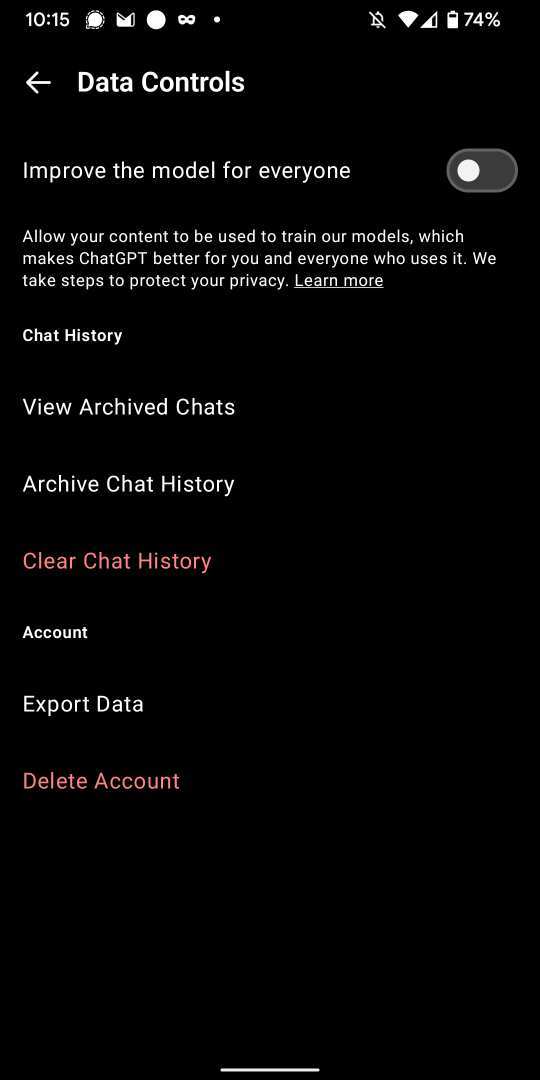
Per Anthropic's published policies, data submitted through the consumer Claude app (including Projects) is not used to train base models by default. Enterprise plans offer zero data retention options. Review the current privacy policy at anthropic.com/privacy for the latest terms.
The Bottom Line: Should You Use Claude Projects?
If you repeat yourself across conversations, work with a team, or manage long-form projects, Claude Projects are worth setting up. The initial investment of 15 minutes pays back quickly in consistency and time saved.
If your usage is occasional and one-off, stick with regular conversations. You can always create a Project later when the need becomes clear.

Similar Posts