Claude Artifacts vs ChatGPT Canvas
When you're comparing Claude Artifacts vs ChatGPT Canvas, you're really deciding between two different philosophies on how AI should hand work back to you. Both let you generate and edit content inline during a conversation, but they go about it in fundamentally different ways, and one of them will fit your workflow way better than the other.
Claude Artifacts launched in mid-2024 and gives you live-rendering previews of code, documents, and visual outputs right inside the chat. OpenAI's Canvas arrived later that year and focuses more on collaborative document editing with persistent workspace state. As of 2026, both are core platform differentiators, so let's break down exactly how they compare.
Quick Answer
Claude Artifacts renders live previews of code, HTML, Markdown, and SVG inside the chat window. ChatGPT Canvas opens a side-by-side workspace for collaborative document editing. Artifacts suits rapid prototyping.
Canvas suits iterative writing. Pick Artifacts for building. Pick Canvas for editing.
How Claude Artifacts Works
Claude Artifacts creates a dedicated rendering pane that sits alongside your conversation thread. When you ask Claude to generate code, a document, Markdown, HTML, or an SVG graphic, it automatically detects the output type and renders a live preview in that pane. You can iterate on what you see, prompting Claude to modify the output, and the preview updates in near real-time.
The feature supports several artifact types, each rendering differently:
- Code: Syntax-highlighted preview for Python, JavaScript, React components, and other languages.
- Documents: Markdown and plain text rendered as formatted output.
- HTML: Live-rendered web page previews, including basic React components.
- SVG: Scalable vector graphics previewed as rendered images.
- JSON: Structured data displayed in a readable tree format.
Artifacts persist for the duration of your conversation, though clearing context resets them. Claude Pro subscribers (at $20/month as of 2026) get full access, and Anthropic has extended Artifacts access on Team and Enterprise plans as well. The standout advantage is speed.
You prompt, you see the result, you tweak it, all without leaving the chat tab or opening an external editor.
One thing worth noting: Artifacts don't support real-time multiplayer editing. If you share an artifact link, the recipient sees a snapshot, not a live collaborative session. That's a meaningful gap compared to what Canvas offers on the collaboration front, which we'll cover next.
How ChatGPT Canvas Works
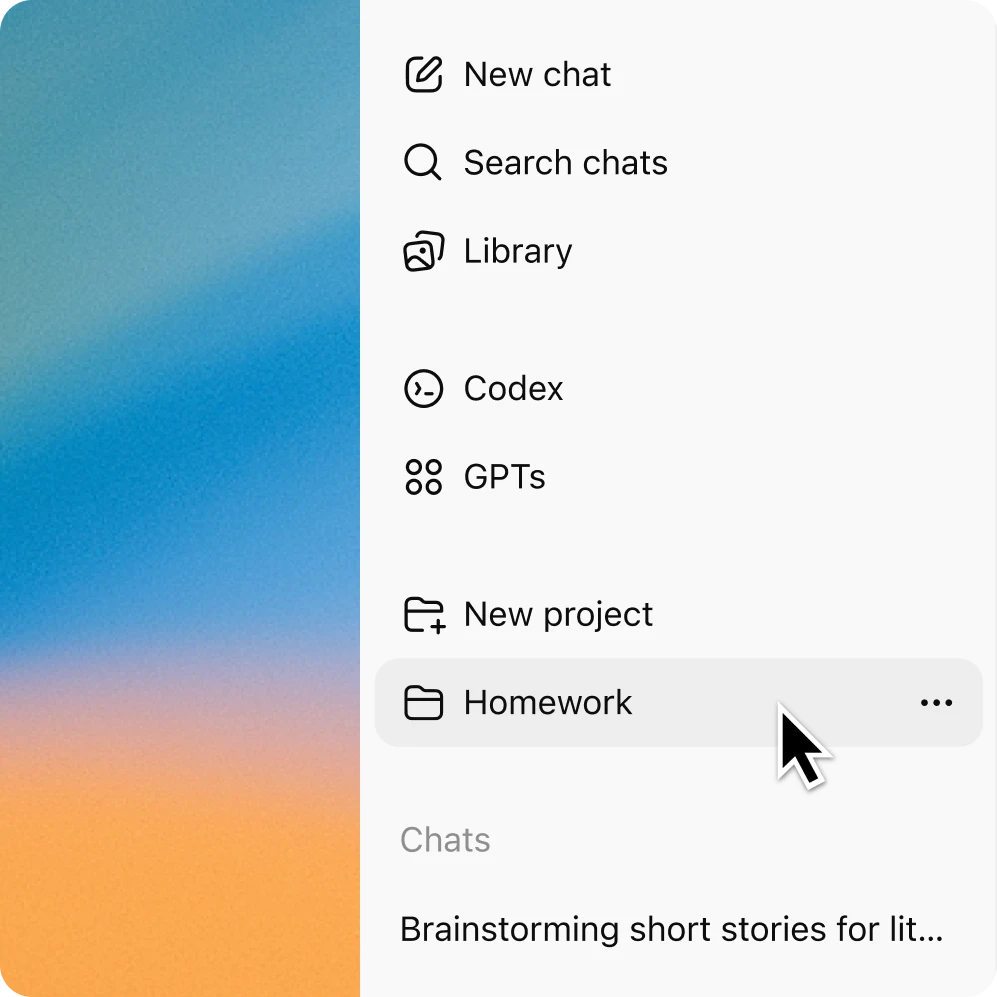
ChatGPT Canvas takes a different approach. Instead of rendering in a sidebar, it opens your AI-generated output into a dedicated, full-width workspace that sits beside the conversation thread. Think of it like opening a document in Google Docs while your research notes stay pinned on the left sidebar.
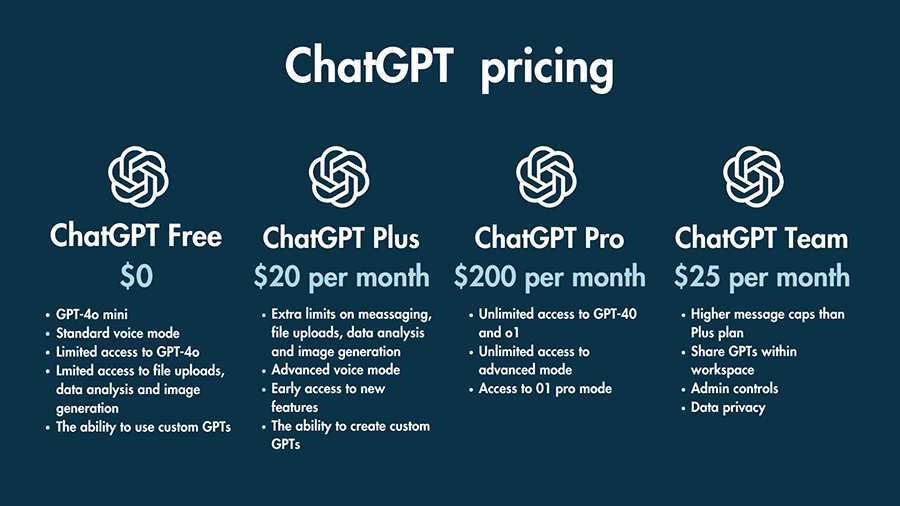
Canvas launched in late 2024 and is available to ChatGPT Plus subscribers at $20/month, as well as ChatGPT Pro and Teams plans. Once you open Canvas, you get a persistent editing environment where you can:
- Edit the document directly in the canvas workspace without sending another prompt.
- Use File Search and Code Interpreter within the canvas environment for more complex tasks.
- Share the canvas with a link, and recipients can view or edit (depending on permissions you set).
- Access version history, though the versioning system is manual rather than automatic.
The sharing model is where Canvas pulls ahead. You can share a canvas link, and teammates can open it directly, see the full conversation context that produced it, and continue editing. That's a genuine collaboration feature that Artifacts simply doesn't match.
Where Canvas gives up ground is in code and visual rendering. It handles text documents beautifully. But if you want to see a live React component preview or an SVG render without switching to an external tool, Artifacts handles that natively and Canvas doesn't.
Side-by-Side Comparison
Here's the breakdown across the features that actually matter when you're choosing between them:
| Feature | Claude Artifacts | ChatGPT Canvas |
|---|---|---|
| Primary Use Case | Code prototyping, visual output preview | Document editing, collaborative writing |
| Live Code Preview | Yes, with syntax highlighting | No native preview; export to view |
| HTML/SVG Rendering | Full live preview | Not supported inline |
| Document Editing | Via prompt iteration | Direct inline editing |
| Side-by-Side View | Chat + artifact pane | Chat + canvas workspace |
| Sharing | Snapshot links with view/edit options | Collaborative links with full context |
| Multi-User Editing | No | Yes (via shared links) |
| Version History | Conversation-based | Manual version access |
| File Export | Supported | Supported |
| Access | Claude Pro ($20/mo), Team, Enterprise | ChatGPT Plus ($20/mo), Pro, Teams |
| Launch | Mid-2024 (Anthropic) | Late 2024 (OpenAI) |
The takeaway from this table isn't that one tool is better. It's that they're built for different moments. Artifacts is your prototyping bench.
Canvas is your editing desk.
Best for Developers and Technical Users
If you're writing code, debugging scripts, or prototyping interfaces, Claude Artifacts is the stronger pick. The ability to see a live React component render, tweak the styling through a natural language prompt, and watch the preview update without leaving the conversation is a genuine workflow shortcut.
Here's where Artifacts shines brightest:
- Rapid prototyping: Spin up a UI mockup in HTML or React, preview it instantly, iterate through prompts.
- Data visualization: Generate SVG charts or HTML dashboards and see rendered output immediately.
- Code review and debugging: Paste a problematic function, get a corrected version rendered as a code artifact, compare side by side with your original.
- Learning to code: Beginners can see what their code produces without setting up a development environment.
Canvas can generate code too, but it renders as text in a document editor. You'd need to export and open it elsewhere to see what it actually does. For any workflow where visual feedback matters, Artifacts wins this category without much contest.

Similar Posts