Can Claude Browse the Internet
Can Claude browse the internet? Yes, but only if you're using the right interface, the right model, and the right settings. The answer isn't a simple yes or no, and that confusion trips up a lot of people.
Some users assume Claude has live web access by default, while others don't realize the feature exists at all.
As of 2026, Anthropic offers web search on Claude.ai for both free and paid tiers in supported regions, and developers can access it through the Claude API using tool use. The feature pulls real-time results and cites sources with clickable links. But availability depends on your subscription, your location, and whether the toggle is actually turned on in your conversation.
Let's break down exactly how it works and how to get it running.
Quick Answer
Yes, Claude can browse the internet. The feature is called web search and it is built into Claude.ai. You need to enable it per conversation using a toggle.
It is available on both free and paid plans in supported regions. Developers can also access web search through the Claude API using tool use. Not all countries have access yet, so check your region first.
The Short Answer: Yes, But It Depends on Your Setup
Here's the thing. Claude's ability to browse the internet isn't a single on/off switch for the whole platform. It depends on three things: where you're accessing Claude, which plan you're on, and whether you've enabled the feature in your current conversation.
If you're on Claude.ai (the web interface), you'll see a web search toggle below the message box. Flip it on, and Claude will search the web for real-time information before responding. If you're using the mobile app, the same toggle exists but only in regions where the feature is available.
If you're a developer working with the API, web search works differently. You configure it as a tool-use function, meaning your application tells Claude when to search and can even restrict which domains it checks.
The free tier does include web search in supported regions, which surprises a lot of people. You don't need Claude Pro just to get live internet access. But Pro and Team users may get priority access during high-traffic periods and potentially higher rate limits.
How Claude's Web Search Actually Works
Claude's web search isn't the same as opening a browser and clicking around. When you enable the toggle, here's what happens behind the scenes. You type your question.
Claude decides whether it needs live information to answer well. If it does, it performs a web search, retrieves relevant results, and synthesizes a response with citations.
The citations matter. Unlike some AI assistants that vaguely reference "online sources," Claude typically includes clickable links to the pages it pulled information from. That lets you verify claims yourself, which is huge for research, fact-checking, or anything accuracy-critical.
There's a distinction worth understanding. Claude's base knowledge comes from its training data, which has a cutoff date. For Claude 3.5 Sonnet, that cutoff is early 2024.
For newer Claude 4 models, it extends further. Anything that happened after that cutoff requires web search to answer accurately. If you ask about a product launch from last week, Claude needs web search turned on.
If you ask about the French Revolution, it probably doesn't.
The web search feature also supports domain-specific queries. You can ask Claude to search within a particular website, which is useful for research tasks where you want results from specific sources.
What Changed: Knowledge Cutoff vs. Live Browsing
This is where most of the confusion comes from. People hear "Claude can't access the internet" from older articles or forum posts, and that information is outdated. Or they hear "Claude has web search" and assume it's always on, which isn't true either.
Before the web search feature rolled out, Claude could only work with what it learned during training. That meant anything after its knowledge cutoff date was a guessing game. Claude would either admit it didn't know or, worse, hallucinate an answer that sounded confident but was completely wrong.
The web search feature changed that dynamic entirely. Now Claude can pull current information on demand. But it's opt-in per conversation, not automatic.
That design choice is intentional. Not every question needs a web search, and searching takes time and resources. Anthropic lets you decide when live information matters.
Here's a quick comparison:
| Scenario | Web Search Off | Web Search On |
|---|---|---|
| Historical facts | Works fine from training data | Still works, may add current context |
| Recent news events | Will say it doesn't know or hallucinate | Pulls live results with citations |
| Stock prices, weather | Outdated or unavailable | Current data with source links |
| Product reviews from last month | Can't answer accurately | Searches and summarizes recent reviews |
| Scientific concepts | Strong from training data | May add latest research papers |
The takeaway is simple. If your question involves anything time-sensitive, turn web search on. If it's a timeless topic, you probably don't need it.
How to Turn On Web Search in Claude.ai (Step by Step)
Getting web search running on Claude.ai takes about five seconds. Here's exactly how to do it.
- Open Claude.ai in your browser and start a new conversation or open an existing one.
- Look below the message input box. You'll see a row of icons and toggles. One of them says "Web search" or shows a globe icon.
- Click the toggle to turn it on. It should change color or show an active state when enabled.
- Type your question. Claude will automatically decide whether to search based on what you ask.
- Check the response for citations. If web search was used, you'll see source links attached to the answer.
A few things to watch out for. The toggle resets for each new conversation, so you need to enable it every time you start a fresh chat. If you don't see the toggle at all, your region probably doesn't have access yet, or you might need to refresh the page after Anthropic expanded availability to your area.
On the mobile app, the process is similar. Look for the web search option in the conversation interface. The placement varies slightly between iOS and Android, but it's always near the message input area.
If you're on the free tier and the toggle is grayed out or missing, try logging out and back in. Sometimes the feature rollout takes a moment to propagate to all accounts. If it still doesn't appear, check Anthropic's official documentation for the current list of supported regions.
Using Web Search Through the Claude API (Developors)
If you're building an application with Claude, web search works differently than the consumer interface. You don't flip a toggle. Instead, you configure it as a tool in your API request.
The Claude API treats web search as a tool-use function. You define a tool specification in your request that tells Claude it has access to web search, including any parameters like allowed domains or search restrictions. Claude then decides when to invoke that tool based on the conversation context.
Here's the basic flow. Your application sends a message to the Claude API with the web search tool defined. Claude evaluates whether it needs live information.
If yes, it returns a tool-use request. Your application performs the actual search (or lets Anthropic's infrastructure handle it, depending on the setup), returns the results, and Claude synthesizes the final response.
This gives developers fine-grained control. You can restrict searches to specific domains, which is useful for enterprise applications that should only pull from approved sources. You can also set rate limits and monitor usage through your API dashboard.
The cost structure matters here. Web search through the API is billed separately from standard token usage. Anthropic charges for the search operation itself plus the tokens used to process and summarize the results.
Check the current pricing page on Anthropic's developer documentation for exact rates, as they've adjusted pricing multiple times since launch.
One common mistake developers make is assuming the API has web search enabled by default. It doesn't. You need to explicitly include the tool specification in every request where you want Claude to have browsing capability.
If you forget, Claude will respond based on its training data alone, which can lead to outdated answers in production applications.
Computer Use: A Different Kind of "Browsing"
There's another capability that often gets confused with web search, and it's worth separating the two. Anthropic's computer use feature lets Claude interact with a graphical desktop environment, which includes opening and navigating a web browser. This is fundamentally different from the web search tool.
With computer use, Claude can literally click buttons, scroll pages, fill out forms, and read content on screen. It's designed for tasks that require interacting with web applications that don't have APIs. Think of it as Claude controlling a virtual mouse and keyboard rather than performing a behind-the-scenes search query.
The web search tool is faster and more efficient for straightforward information retrieval. Computer use is for when you need Claude to complete multi-step tasks on websites that require actual navigation. For example, web search can tell you the current price of a flight.
Computer use could theoretically go through the booking process on an airline's website.
Computer use is still in beta as of early 2026 and requires API access. It's not available on the standard Claude.ai interface. If you're a developer interested in this capability, you'll need to apply for beta access through Anthropic's developer portal and build your application to handle the screen interaction workflow.
For most users asking "can Claude browse the internet," the web search feature is what they actually need. Computer use is a power-user tool for specific automation scenarios.
Where Web Search Works, and Where It Doesn't
Geographic availability is the single biggest reason people think Claude can't browse the internet when it actually can. Anthropic rolled out web search gradually, starting with the United States and expanding to other regions over time.
As of early 2026, web search on Claude.ai is available in the US, the United Kingdom, Canada, Australia, and several other countries. The full list changes as Anthropic expands access, so the most reliable source is their official documentation at docs.anthropic.com.
If you're in a region where web search isn't available, you simply won't see the toggle. There's no workaround within the official interface. Using a VPN to access Claude.ai from a supported region may work technically, but it violates Anthropic's terms of service and could result in account restrictions.
The API has similar geographic restrictions, though enterprise customers sometimes get broader access through custom agreements. If you're building a product that depends on Claude's web search, check availability for your target markets before committing to the architecture.
Here's a quick breakdown of where things stand:
| Platform | Web Search Availability | Notes |
|---|---|---|
| Claude.ai (web) | US, UK, CA, AU, select others | Toggle appears automatically in supported regions |
| Claude mobile app | Same as web | iOS and Android, region-gated |
| Claude API | Developer access in supported regions | Requires tool-use configuration |
| Claude Enterprise | Broader availability | Custom agreements may extend access |
| Third-party integrations | Varies by integration | Depends on how the integration accesses Claude |
Common Reasons Web Search Isn't Working (and How to Fix Them)
You flipped the toggle but Claude still isn't pulling live results. Here are the most common causes and what to do about each one.
The toggle reset. Web search is per-conversation. If you started a new chat, the toggle defaults to off. Flip it on again for each new conversation.
Your region doesn't have access. If the toggle is completely missing, not just grayed out, your region probably isn't supported yet. Check Anthropic's documentation for the current availability list.
Claude decided it didn't need to search. Not every query triggers a web search, even with the toggle on. If Claude thinks its training data is sufficient, it won't search. Try asking something explicitly current, like "What happened in the news today?" to test whether the feature is working.
Rate limits. Heavy users on the free tier may hit rate limits during peak times. If searches stop working temporarily, wait a few minutes and try again. Upgrading to Claude Pro can help with this.
Browser cache issues. Occasionally, an outdated cache prevents the toggle from appearing even in supported regions. Clear your browser cache, log out of Claude.ai, and log back in.
API configuration errors. If you're a developer and web search isn't working through the API, double-check your tool specification. The tool name and parameters must match Anthropic's current API reference exactly. A typo in the tool definition means Claude won't invoke it.
Model version. Make sure you're using a model that supports web search. All current Claude 3.5 and Claude 4 models support it, but if you're pinned to an older version through the API, you may need to update your model parameter.
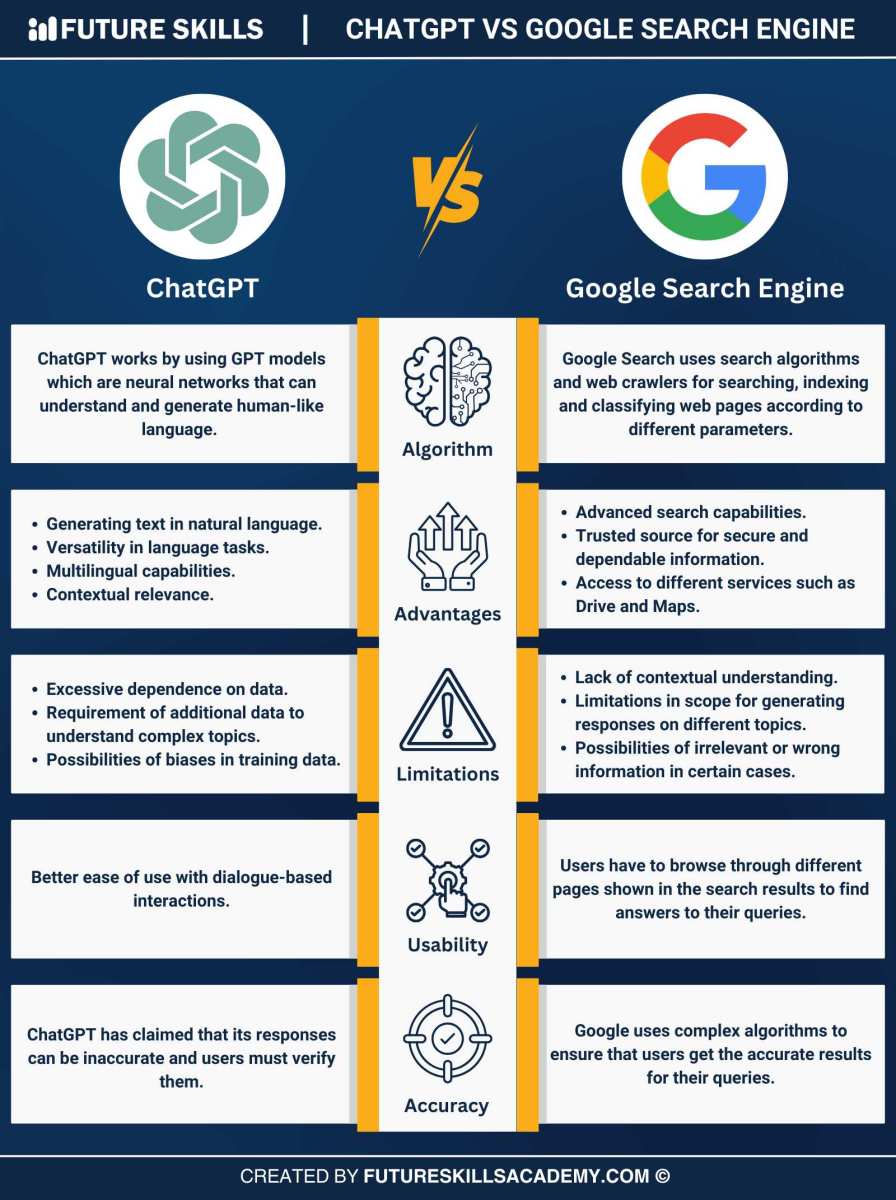
Claude vs. ChatGPT vs. Gemini: How Web Browsing Compares
If you're trying to decide which AI assistant handles web browsing best, the differences matter more than you might expect. Each platform takes a slightly different approach.
Claude (Anthropic) offers web search as a per-conversation toggle on Claude.ai. It's clean, simple, and the citation system is solid. The main limitation is geographic availability.
If you're outside supported regions, you're out of luck. Claude's strength is that its responses tend to be well-reasoned even with search results, not just regurgitated snippets.
ChatGPT (OpenAI) has had web browsing longer, integrated through Bing. It's available in more regions and works on both free and paid tiers. The browsing feature can be slower than Claude's, and ChatGPT sometimes struggles to distinguish between its training data and live search results.
OpenAI also offers a dedicated search product called ChatGPT Search that's separate from the main chat interface.
Google Gemini has the deepest integration with search since it's Google's own AI. Gemini can pull from Google Search results natively and often provides the most current information. The downside is that Gemini's responses can feel more surface-level compared to Claude's analytical depth.
It's great for quick facts but less strong for complex reasoning about search results.
Perplexity AI deserves a mention here because it was built from the ground up as a search-first AI. It doesn't have the conversational depth of Claude or ChatGPT, but for pure research tasks where you want cited sources, it's excellent.
Here's how they stack up on key factors:
| Factor | Claude | ChatGPT | Gemini | Perplexity |
|---|---|---|---|---|
| Citation quality | Strong | Moderate | Good | Excellent |
| Response depth | Excellent | Good | Moderate | Moderate |
| Geographic availability | Limited | Broad | Broad | Broad |
| Speed | Fast | Moderate | Fast | Fast |
| Best for | Analysis and reasoning | General use | Quick facts | Research |
Your choice depends on what you need. If you want an AI that thinks carefully about web results, Claude is hard to beat. If you need broad availability and don't want to think about toggles, Gemini or ChatGPT might be more practical.
Who Actually Needs Claude's Web Search Feature
Not everyone needs web search turned on all the time. Here's a breakdown of who benefits most and who can skip it.
Researchers and students are the obvious use case. When you need current data, recent publications, or up-to-date statistics, web search is essential. The citation links make it easy to verify sources and build bibliographies.
Business analysts and marketers benefit from real-time competitor information, current pricing data, and recent industry news. If your workflow involves tracking market changes, web search saves you from switching between Claude and a browser.
Developers building production applications need web search through the API when their apps must provide current information. Think travel apps, news aggregators, or any tool where stale data creates a bad user experience.
Casual users asking occasional current-events questions can get by with the toggle approach. Turn it on when you need it, leave it off when you don't. There's no penalty for selective use.
People who mainly use Claude for creative writing, coding, or analysis of provided text probably don't need web search at all. If you're pasting content into the conversation or working on tasks that don't depend on current events, the training data is sufficient.
The feature is a tool, not a requirement. The key is knowing when live information adds value and when it's unnecessary overhead.
Mistakes People Make With Claude and Internet Access
The biggest mistake is assuming Claude always has live internet access. It doesn't. Without the toggle enabled, you're working with training data alone, and for anything recent, that means potentially wrong answers.
Another common error is leaving web search on for every conversation out of habit. This slows things down unnecessarily and can introduce noise for questions that don't need it. If you're asking Claude to analyze a document you pasted or help with a coding problem, web search adds no value.
People also tend to trust search results blindly. Claude synthesizes what it finds, and synthesis isn't the same as truth. If the top search results are wrong or biased, Claude's response may reflect that.
Always check the citations for anything accuracy-critical.
Developers sometimes forget that web search through the API requires explicit tool configuration. They expect it to work like the consumer interface and wonder why their app returns outdated information. The API doesn't assume anything.
You have to tell it exactly what tools are available.
Finally, some users confuse computer use with web search. If you need Claude to navigate a specific website with login forms and multi-step processes, web search won't help. That's a computer use scenario, and it requires a completely different setup.
What Web Search Costs (Free Tier, Pro, API, and Enterprise)
On Claude.ai, web search is included in both the free and paid tiers. You don't pay per search on the consumer platform. The limitation is availability and potential rate limits during peak usage.
Claude Pro runs $20 per month in the US and gives you higher usage limits overall. That includes more web search queries during busy periods. If you're hitting limits on the free tier, Pro is the fix.
The API pricing model is different. Web search operations are billed separately from token usage. You pay for the search itself plus the tokens Claude uses to process and summarize the results.
Exact pricing changes, so check Anthropic's current rate card before building a cost-sensitive application.
Enterprise plans are custom-priced and may include higher throughput, broader geographic access, and dedicated support. If your organization needs reliable web search at scale, that's the tier to evaluate.
Expert Tips for Getting Better Results From Claude's Web Search
Be specific with your queries. "Tell me about recent developments in battery technology" works better than "battery news." Claude's search is more effective when it knows exactly what you're looking for.
Use the domain restriction feature when you need targeted results. Asking Claude to search within a specific site can cut through noise and get you exactly what you need.
Verify the citations. Click the source links for anything important. Claude does a solid job synthesizing, but the original sources are always more reliable than a summary.
If a search result seems off, ask Claude to search again with different wording. Sometimes the initial query doesn't surface the best information, and a rephrased question gets better results.
For research workflows, combine web search with document analysis. Search for the latest information, then paste key findings into the conversation for deeper analysis. This two-step approach gets you both current data and thoughtful synthesis.
Frequently Asked Questions
Is Claude's web search free?
Yes, web search is available on the free tier of Claude.ai in supported regions. You don't need a paid subscription to use it. Rate limits may apply during peak usage.
Can Claude access any website?
With the web search tool, Claude searches the web generally but doesn't browse specific sites on command. With computer use (API only), Claude can navigate specific websites through a virtual browser, but that's a separate feature requiring beta access.
Why doesn't Claude search the web automatically?
Anthropic designed web search as opt-in to save resources and keep responses fast. Not every question needs live data. You control when searching happens with the per-conversation toggle.
Does Claude's web search work on mobile?
Yes, the mobile app includes the same web search toggle as the web interface. Availability depends on your region, not your device.
How current are Claude's search results?
Search results reflect what's indexed at the time of your query. For breaking news, there may be a short delay. For most purposes, the information is current within hours.
Can I use Claude's web search through the API?
Yes, but it requires configuring the web search tool in your API requests. It's not enabled by default. You need to include the tool specification and handle the search workflow in your application code.
The Bottom Line: Should You Rely on Claude for Web Browsing?
Claude's web search is genuinely useful when you need current information with source citations. It's not a replacement for manually browsing the web when you need to explore broadly, but for targeted questions where you want a synthesized answer with verifiable sources, it works well.
The limitations are real. Geographic restrictions block access for some users. The per-conversation toggle means you have to remember to enable it.
And like any AI-synthesized information, it's worth verifying critical claims against the original sources.
If you're in a supported region and your workflow involves regular lookups of current information, Claude's web search is a solid tool. Just understand what it is, what it isn't, and when to reach for it versus when to open a browser yourself.

Similar Posts