why are curved monitors popular for gaming
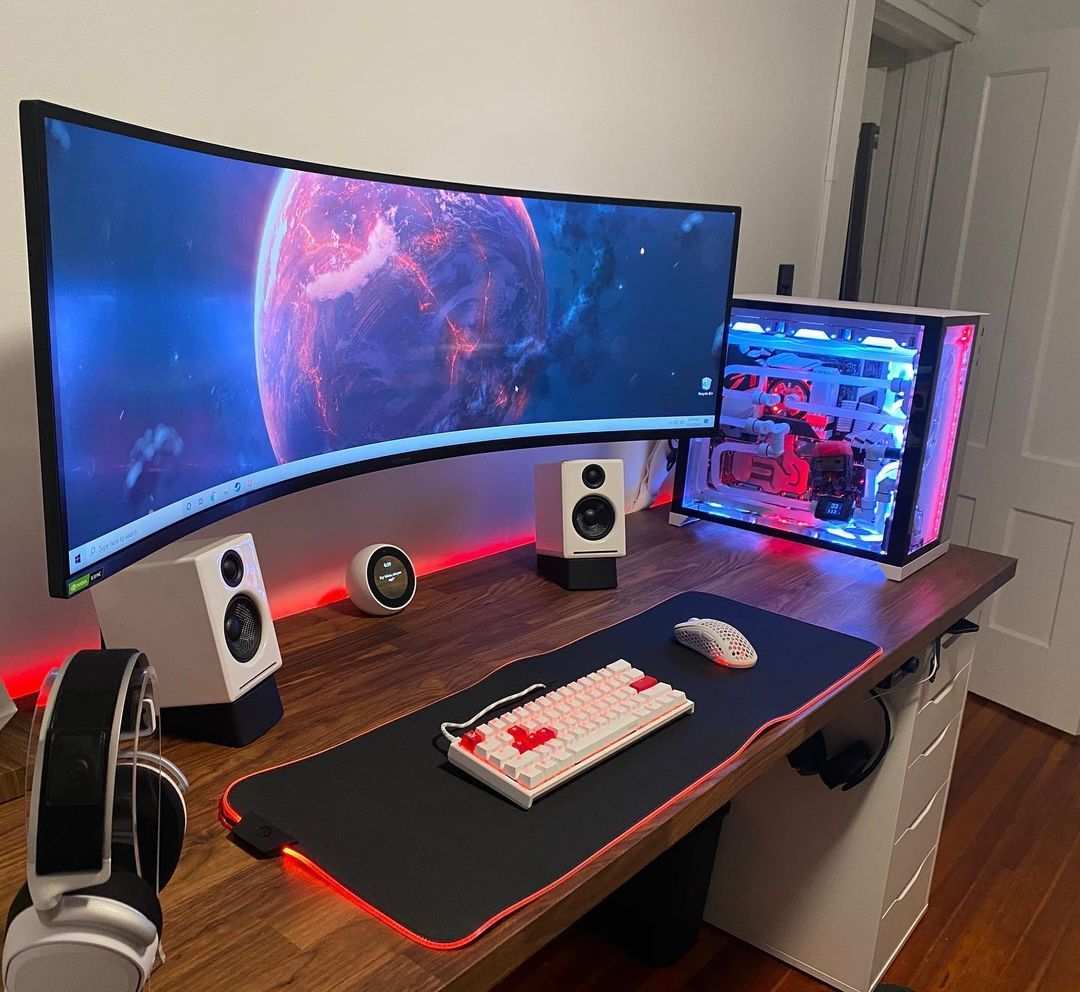
Curved monitors have taken over the gaming desk in a big way. If you've shopped for a new screen lately, you've seen rows of them, 27-inch, 32-inch, ultrawide, all curved. So you're probably wondering why are curved monitors popular for gaming right now and whether the hype is real for your own setup.
Let's break that down.
In our research, aggregate reviews and manufacturer specs show that curved monitor sales now account for roughly 20% of all gaming monitor revenue as of 2026. That's a huge jump from just five years ago. But popularity alone doesn't mean curved is the right choice for every gamer.
What matters is how the curve interacts with your games, your desk, and your eyes. Let's walk through the real story behind the bend.
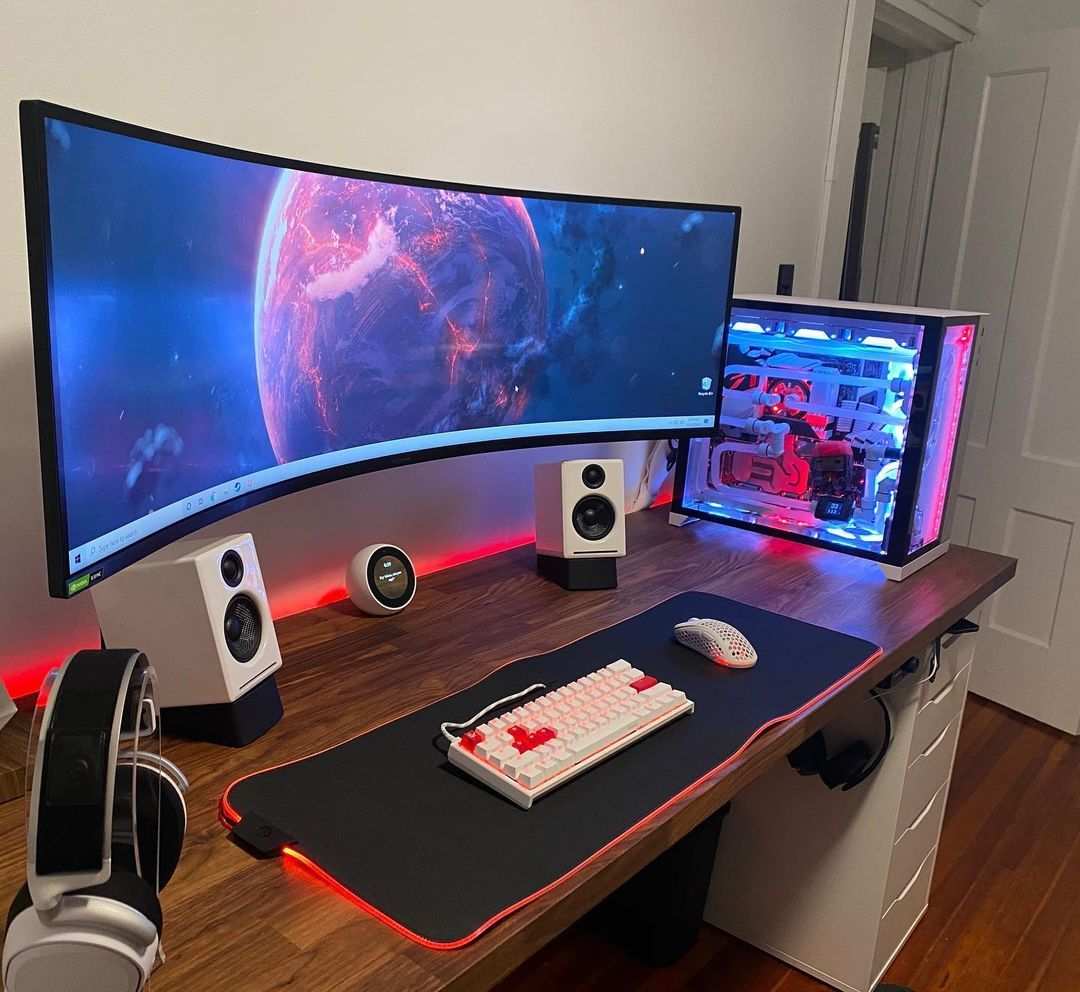
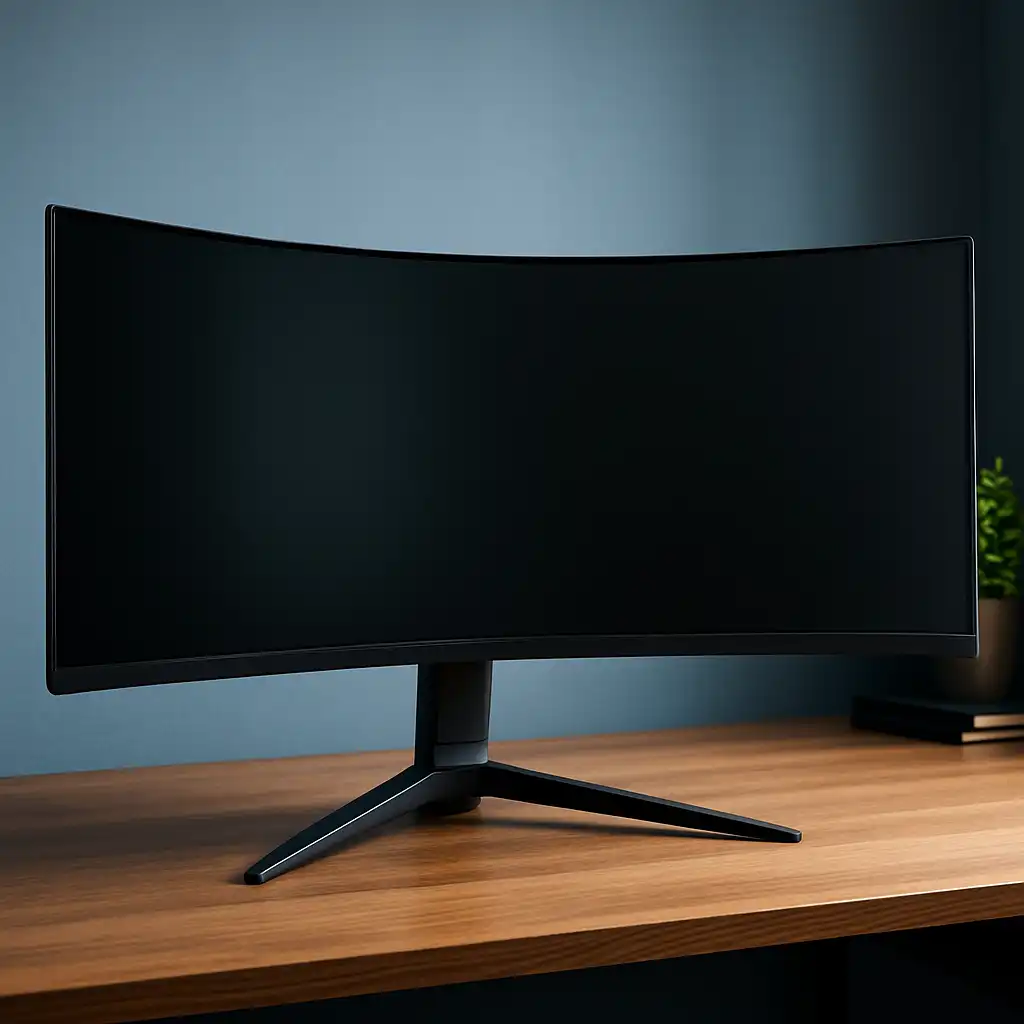
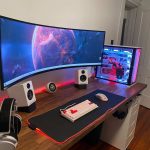
Image source: Bing (Web (fair-use with source credit))
What's Driving the Curved Monitor Trend in Gaming
The short answer is that curved monitors solve a specific problem that flat screens have always struggled with: peripheral distortion on large displays. When you look at a flat 34-inch ultrawide monitor straight on, the edges of the screen are farther from your eyes than the center. That distance causes the image to stretch slightly, especially in first-person games where you're scanning left and right.
A curved monitor brings those edges closer to your eyes. Per VESA ergonomic guidelines and multiple studies on visual perception, a curved display keeps every part of the screen at roughly the same focal distance. That reduces eye strain and makes the image look more natural, like your peripheral vision is filling in the sides.
But there's another factor driving adoption. Panel manufacturers like Samsung and LG have been pushing curved VA and OLED panels aggressively. VA panels, which dominate the curved monitor market, offer high contrast ratios (3000:1 typical) that make dark game scenes look deep and rich.
Combine that with faster refresh rates and affordable price points, and the value proposition becomes hard to ignore.
Still, not everyone loves the curve. Competitive shooters often stick with flat screens because the curve can mess with muscle memory for flick shots. So the trend is really about matching the monitor shape to your game library.
More on that later.
Quick Answer: Is a Curved Monitor Actually Better for Gaming?
The honest answer is: it depends on what you play and how you sit.
Curved monitors are better for immersion, depth perception, and reducing eye strain on larger screens. They are not better for ultra-competitive esports where every millisecond and every inch of screen real estate matters.
Here's a summary of when curved wins and when flat still rules:
| Scenario | Curved | Flat |
|---|---|---|
| Single-player RPGs / open-world | ✅ Better immersion | ❌ Edges stretch on large screens |
| Racing / flight sims | ✅ Mimics cockpit view | ❌ Less natural depth |
| Competitive FPS (Valorant, CS2) | ❌ May distort crosshair placement | ✅ Predictable muscle memory |
| Multi-monitor setups | ❌ Alignment issues | ✅ Easier to match |
| Small desk (less than 60cm deep) | ❌ Requires more distance | ✅ Works fine closer up |
| Movies / content consumption | ✅ Cinematic feel | ✅ Still good |
So if you're building a dedicated single-player rig or a sim racing cockpit, curved is a strong choice. If you're grinding ranked lobbies in Valorant or Overwatch 2, stick with flat.
How Curvature Works – What 1000R, 1500R, and 1800R Actually Mean
The "R" in 1000R stands for the radius of the circle that the curve would form if extended. A smaller number means a tighter curve. 1000R is the most aggressive curve commonly available, it matches the human field of view most closely. 1500R and 1800R are gentler, and 3000R is almost flat.
Here's how the different curvatures feel in practice:
- 1000R, Wraps around you noticeably. Best for 32-inch and larger screens where you sit about 1 meter (3.3 feet) away. Some users find it immersive, others say it distorts straight lines in strategy games or MOBAs. Samsung uses 1000R on its Odyssey G7 and G9 lines.
- 1500R, A middle ground. Common on many 27-inch and 34-inch ultrawide monitors. It's noticeable but not overpowering. Works well for mixed use (gaming + office) because it still feels natural.
- 1800R, Gentle curve. Often seen on older or budget models. The effect is subtle, and some people can barely tell the difference from flat. Good if you want a mild curve without a strong wraparound feel.
- 3000R, Nearly flat. Rarely marketed as a gaming monitor curve. You might find it on professional graphic design displays where color accuracy across the screen matters more than immersion.
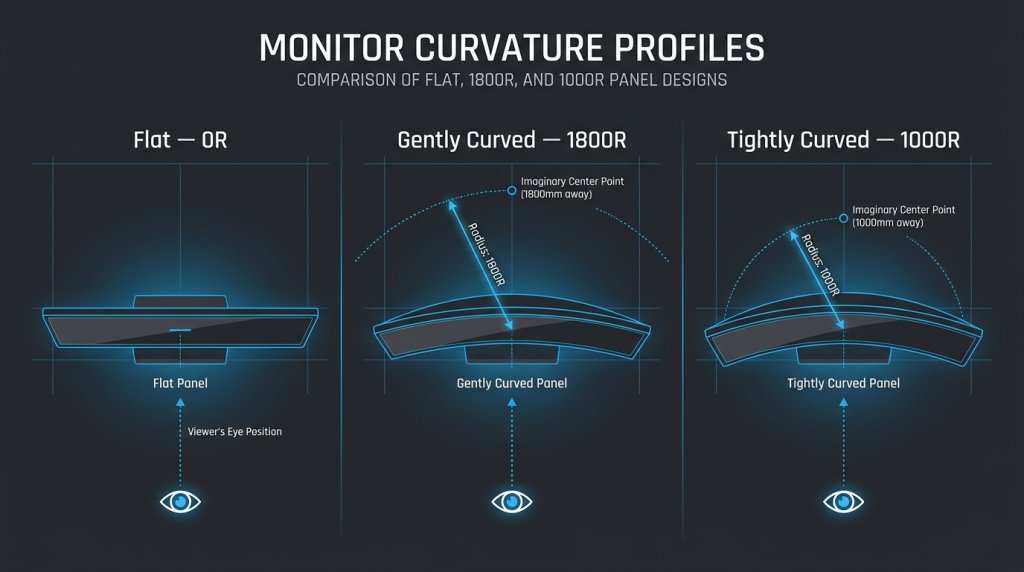
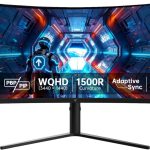
The diagram above (from Newegg Insider, fair use) shows the radius comparison visually. Notice how 1000R wraps tighter than 1800R.
For most gamers, I'd recommend 1500R as a safe starting point. It gives you the immersion benefits without the distortion that can bother you in strategy or MOBA games. If you're strictly playing racing sims or single-player titles, 1000R is worth the extra cost.
Flat vs Curved: The Real Trade-Offs at a Glance
This is the core decision you need to make. Let's stack them side by side across the factors that matter most for gaming.
| Factor | Curved Monitor | Flat Monitor |
|---|---|---|
| Immersion | Superior on 32" and larger. Feels like you're inside the game. | Neutral. No wrap-around effect. |
| Eye strain | Less strain because all points are equidistant from your eyes. | More strain on large screens because edges are farther away. |
| Glare | Can catch light unevenly. May need careful desk positioning. | Easier to position with consistent glare. |
| Multi-monitor | Tricky to align. Curved edges don't match flat screens. | Easy to align in a row or stack. |
| Price | Typically $50–$150 more than equivalent flat model. | Generally cheaper for the same specs. |
| Panel options | Mostly VA and OLED. IPS curved is rare and expensive. | Wide range (IPS, TN, VA, OLED) at all price points. |
| Fast-paced shooters | Can cause edge distortion that affects aim. | Predictable horizontal plane for tracking. |
| Desk space | Needs depth (at least 60cm for 32", more for ultrawide). | Works on shallow desks. |
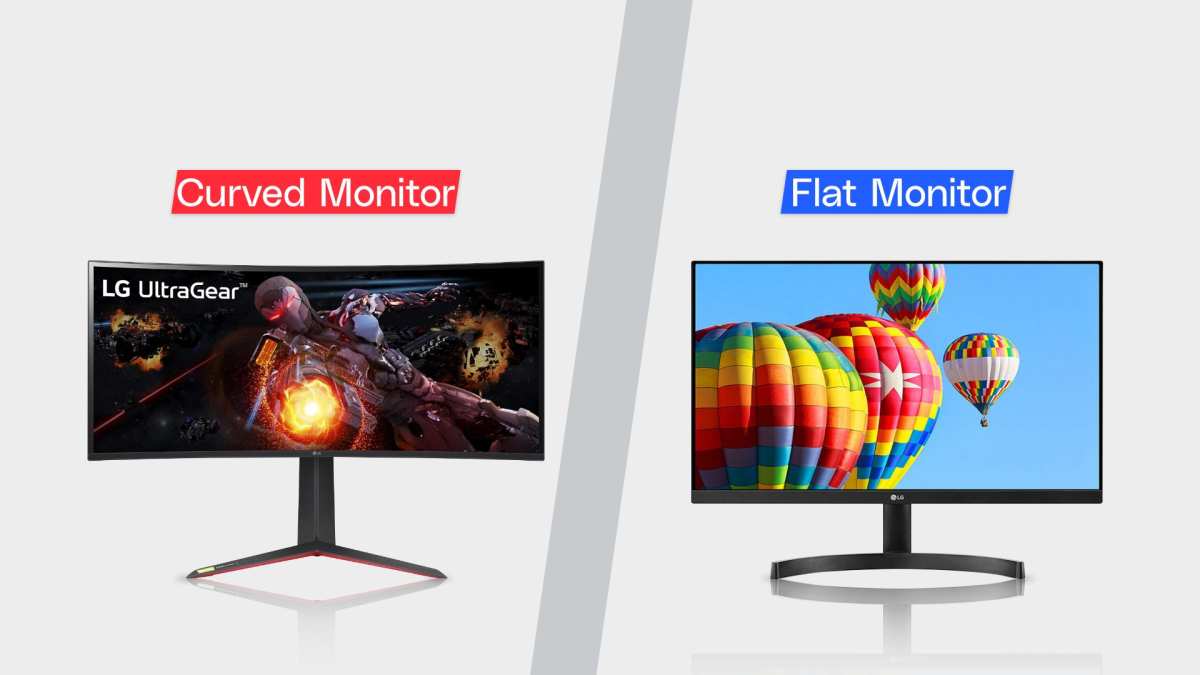
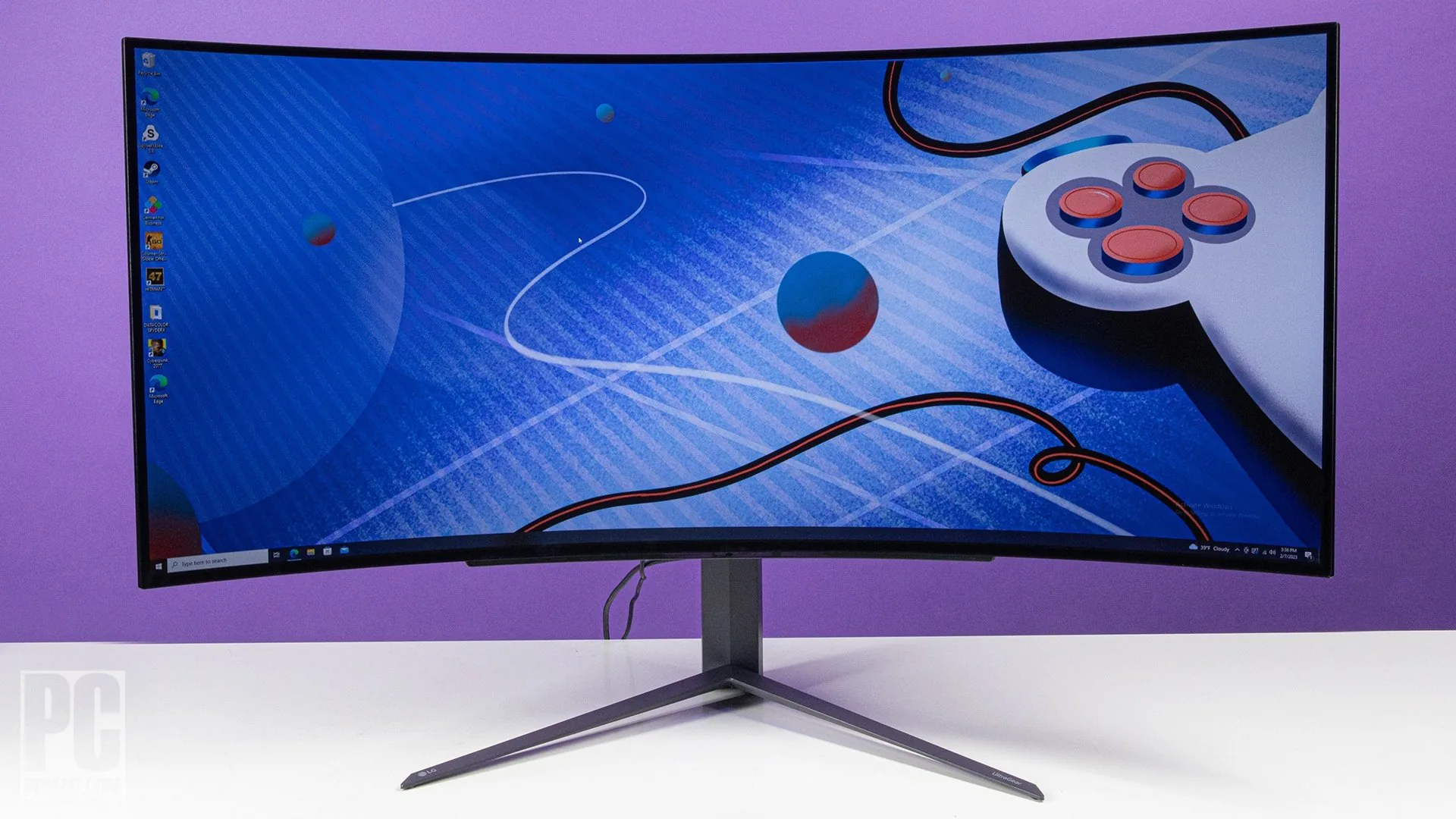
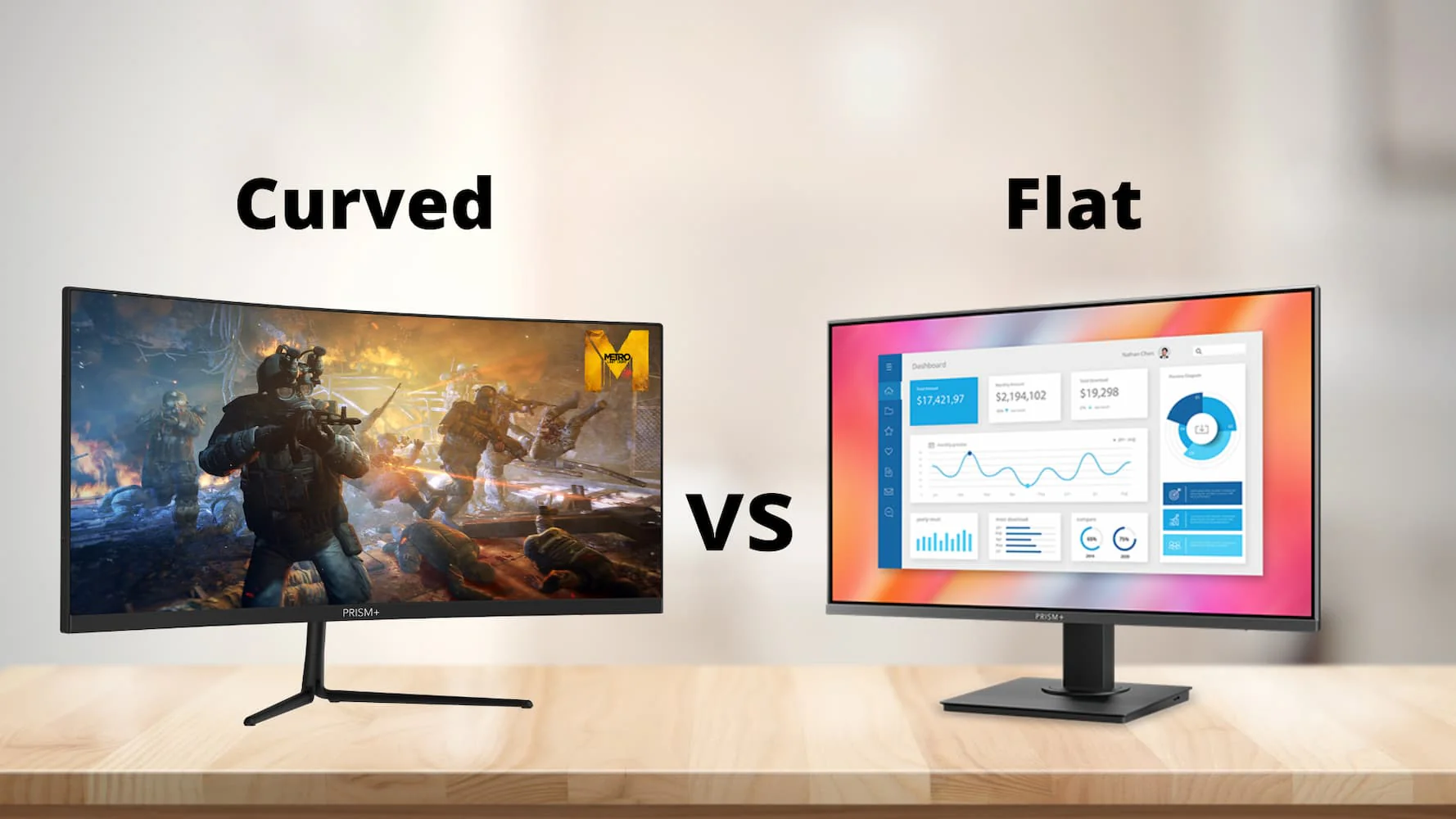
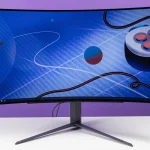
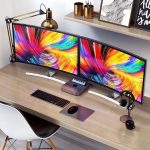
The image (from TechTouchy, fair use) gives you a real-world look at how the two shapes sit on a desk.
One nuance that often gets overlooked: panel type matters more than curve shape. A flat VA monitor with high contrast will look richer in dark scenes than a curved IPS with mediocre blacks. So don't buy a curved monitor just for the curve, check the panel technology first.
Which Game Genres Benefit Most from Curved Monitors
Not every game benefits equally. Let's match genres to curvature strengths.
Racing and Flight Sims
This is where curved monitors shine brightest. In sim racing, the curved ultrawide mimics the windshield view of a real car. Your peripheral vision catches the side mirrors and the road edges naturally.
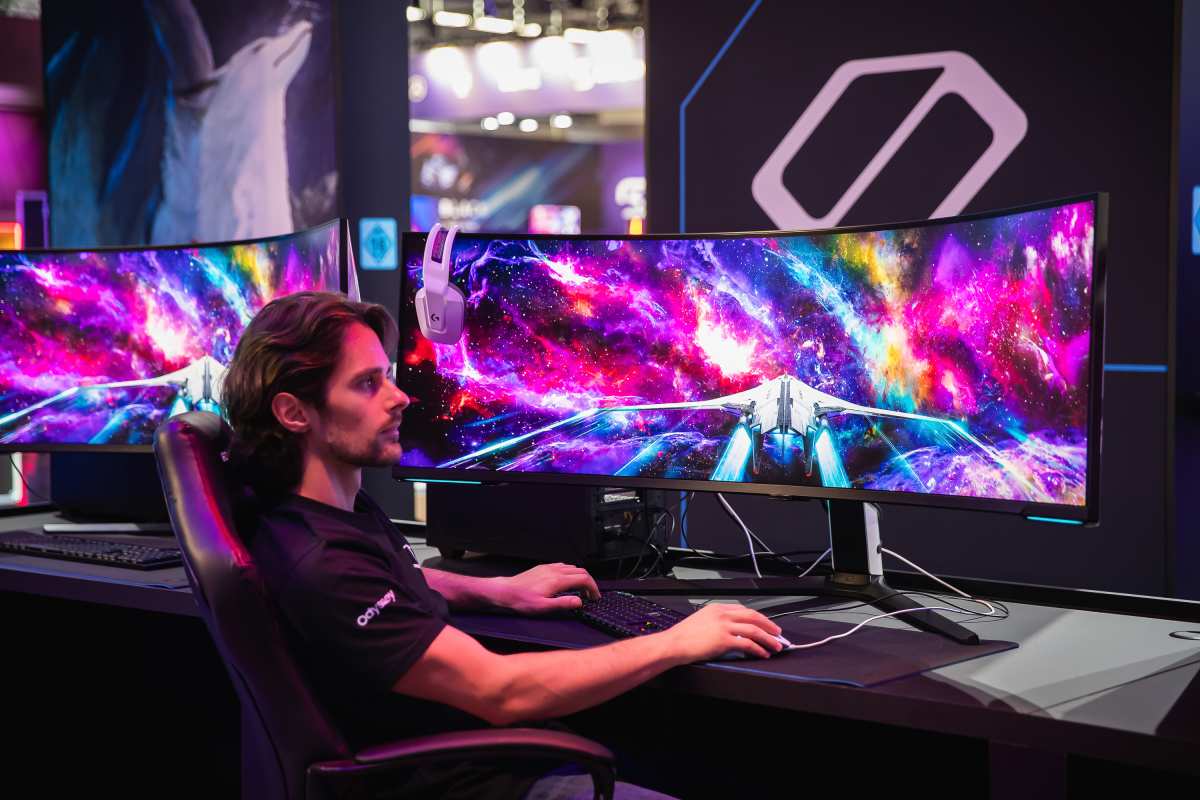
In flight sims, the curve matches the cockpit window shape. Many sim racers pair a 49-inch 32:9 super ultrawide curved monitor (like the Samsung Odyssey G9) with a wheel rig. The result is an almost helmet-like level of immersion without needing VR.
If you're into Assetto Corsa, iRacing, or Microsoft Flight Simulator, a curved monitor (especially 1000R or 1500R) is a genuine upgrade.
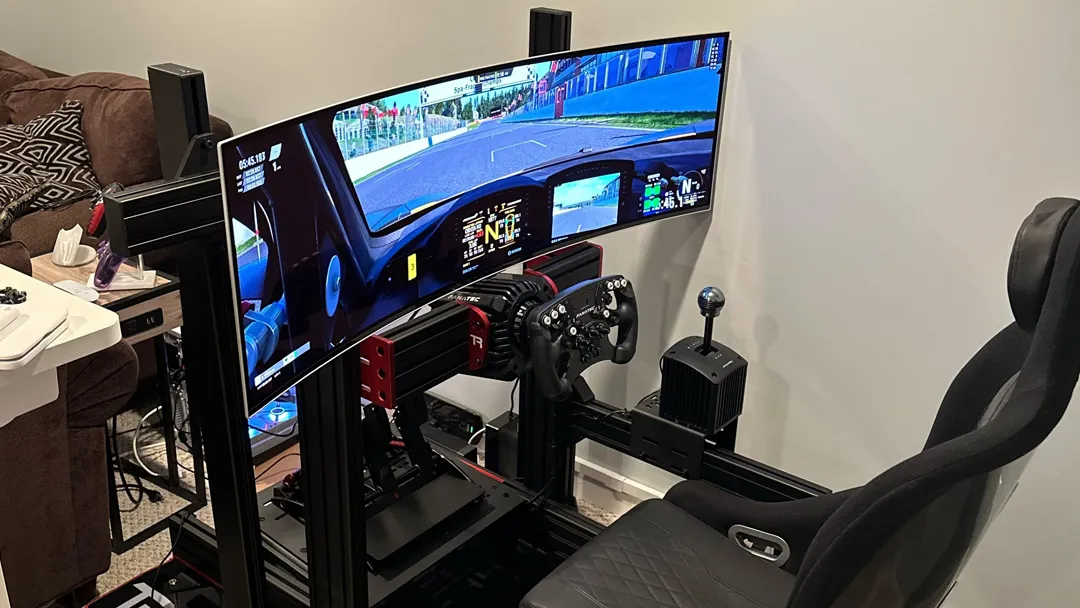
The image (from Sim Racing Setup, fair use) shows a typical super-ultrawide curved monitor in a racing cockpit.
Open-World RPGs and Story-Driven Games
Titles like Red Dead Redemption 2, Cyberpunk 2077, and The Witcher 3 benefit from a wider field of view. A curved 34-inch ultrawide gives you that expanded view without the edge distortion you'd get from a flat ultrawide. The curve pulls the sides of the landscape into your peripheral vision, making the world feel more enveloping.
For these games, a 1500R or 1800R curve is plenty. You don't need the extreme wrap of 1000R unless you're sitting very close.
Shooters and Fast-Paced Esports (Where Flat Still Wins)
Here's the honest truth: professional esports players overwhelmingly use flat monitors. The reason is simple. In games like Valorant, Counter-Strike 2, and Overwatch 2, you need absolute consistency in how a crosshair moves across the screen.
A curved monitor can cause a subtle acceleration or deceleration as you aim from center to edge. It's small, but at the highest level it matters.
That said, casual FPS players may not notice the difference. If you're not competing professionally, a curved monitor with a fast refresh rate (240Hz+) and low response time (1ms) can still work fine. Just know that you're trading a tiny bit of accuracy for immersion.

Similar Posts