what is the difference between microled and qled monitor

If you've ever shopped for a high-end monitor, you've probably bumped into two flashy names: MicroLED and QLED. And if you're wondering what is the difference between microled and qled monitor, you're not alone, the tech is confusing, the marketing is louder than a gaming PC fan, and the price tags can make your wallet wince.
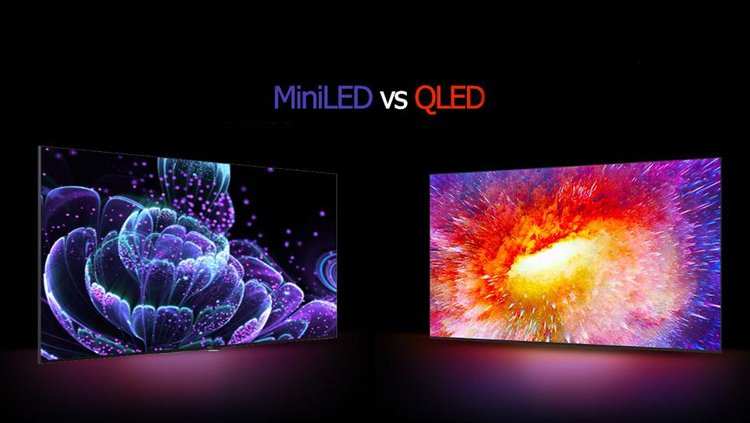
Here's the short of it: MicroLED is a self-emissive display where each tiny LED acts as its own pixel. QLED is a souped-up LCD that uses a quantum dot layer to boost color and brightness. As of 2026, MicroLED delivers perfect blacks and insane brightness but costs as much as a small car.
QLED gives you excellent color and brightness for a fraction of the cost. One is the future you can buy today if you have the budget. The other is the smart choice for almost everyone else.
Let's unpack that.

Image source: Wikimedia Commons / Santasgift (CC BY-SA)
Why This Comparison Matters Right Now
The monitor market is at a weird crossroads. OLED has already taken over the premium gaming and home-theater space. But MicroLED and QLED are often held up as alternatives that avoid OLED's biggest headache, burn-in.
If you've been looking for a display that lasts a decade without image retention, you've heard both names thrown around.
But they're not even in the same league. One is a mature, mass-produced technology you can buy at Best Buy for $400. The other is a cutting-edge modular display that still requires professional installation and a five-figure budget.
Understanding the real difference between them matters because a mistake here can cost you thousands, or push you toward a monitor that doesn't actually solve your pain points.
Our research across manufacturer specs and third-party reviews shows that most buyers fall into one of two camps: they want uncompromised image quality for professional use, or they want a bright, reliable, burn-in-free monitor for gaming and general use. These two technologies serve those camps very differently.
Quick Answer: The One-Sentence Difference
MicroLED uses millions of tiny self-lit LEDs. Each one is its own pixel. This gives perfect blacks and infinite contrast.
QLED uses an LCD panel with a blue backlight. A quantum dot layer turns that blue light into pure red and green. It's bright and colorful, but blacks are never truly black.
MicroLED is emissive. QLED is transmissive. One glows from within.
The other lets light pass through. That single difference explains almost every performance gap you'll see in reviews.
How MicroLED Monitors Actually Work (No Jargon)
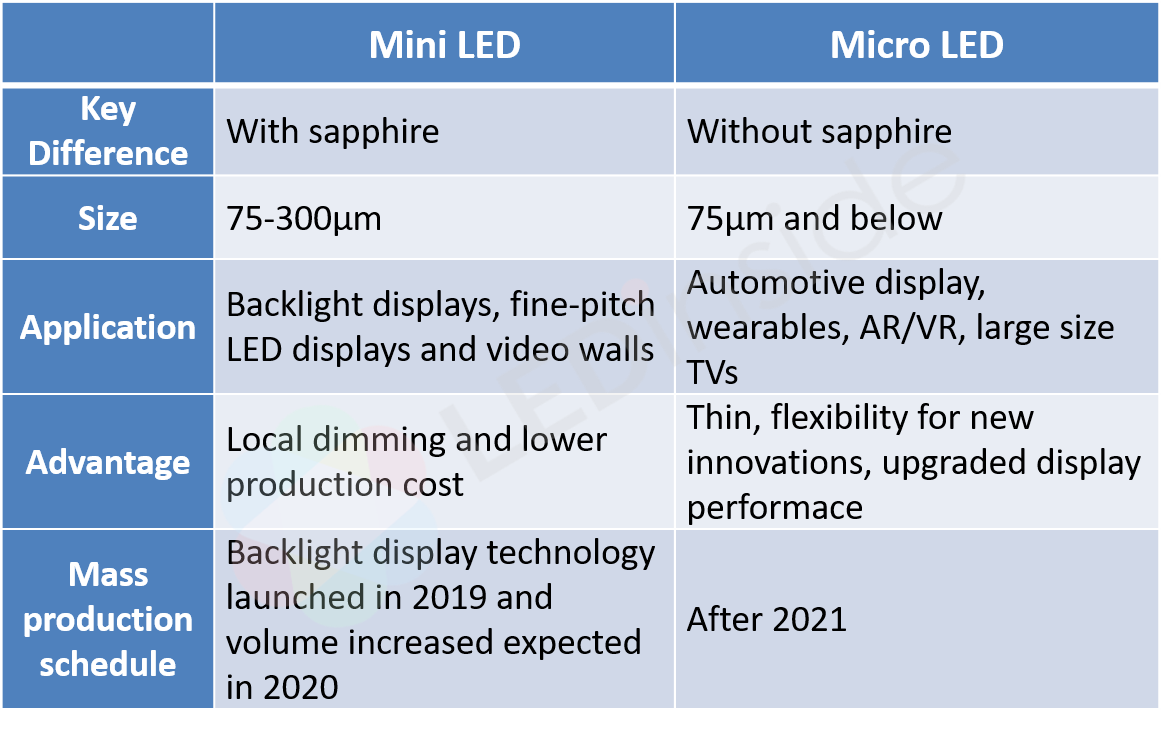
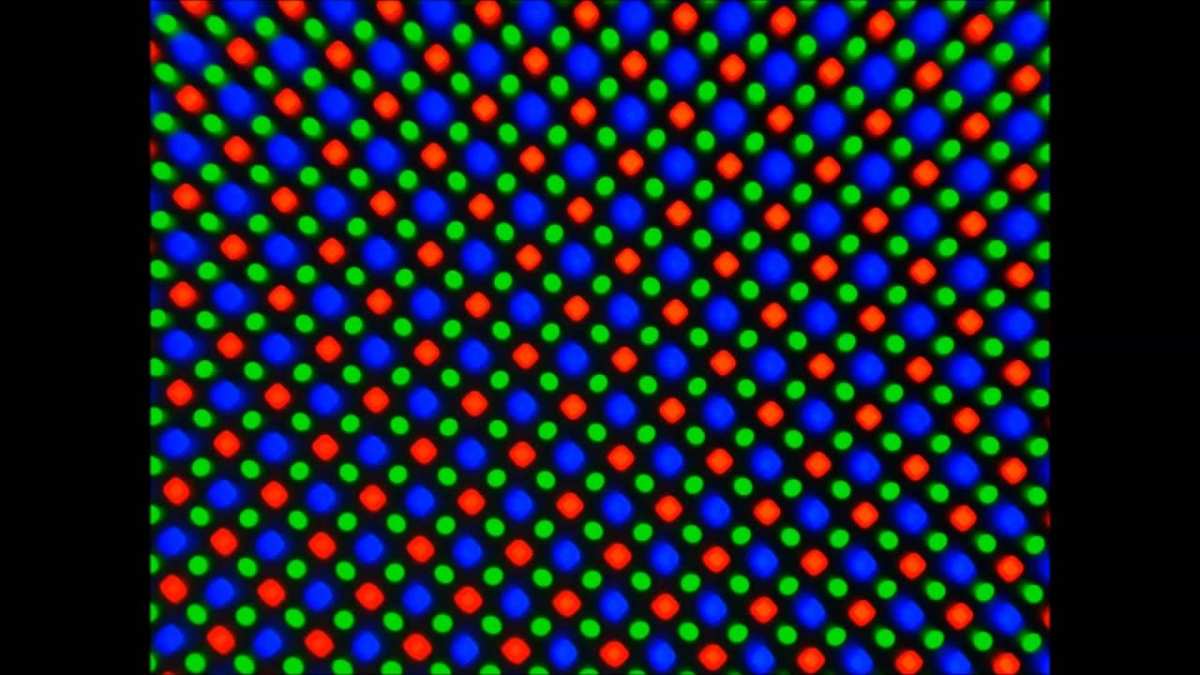
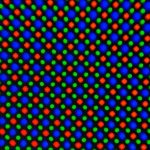
MicroLED is exactly what it sounds like: microscopic light-emitting diodes packed together to form the image. Each diode is inorganic, made from gallium nitride or similar materials, which means it won't degrade the way organic OLED emitters do. No burn-in, not even after years of static HUD elements.
Here's the clever part: because each microLED is its own light source and its own color filter, you get per-pixel dimming. When a pixel should be black, the microLED simply turns off. Zero light leakage.
That's how MicroLED achieves a contrast ratio that's technically infinite, the black level is pure black.
The downside? Making millions of microscopic LEDs and placing them with micrometer precision is brutally hard. That's why MicroLED monitors are still rare and expensive.
The smallest consumer models start at 55 inches and cost well north of $10,000. For a desktop monitor under 40 inches, you're looking at custom commercial panels or waiting a few more years.
Image source: Bing (Web (fair-use with source credit))
How QLED Monitors Actually Work (And What “Quantum Dot” Really Means)
QLED is a marketing name, not a fundamentally different display type. Under the hood, it's still an LCD, liquid crystals, a backlight, and color filters. The quantum dot layer is what sets it apart from a standard LED monitor.
Quantum dots are nanocrystals that emit very pure red or green light when hit by blue light. In a QLED monitor, the backlight is a row of blue LEDs. That blue light passes through a film coated with these nanocrystals.
The dots convert some of that blue into pure red and green. The result is a wider color gamut, more of the DCI-P3 space, and higher brightness than traditional LCDs.
But here's the catch: the backlight is always on behind the LCD panel. Even when the liquid crystals twist to block light, some bleeds through. That's why QLED monitors never achieve true black.
They rely on local dimming zones to darken parts of the screen, but even the best mini-LED backlights with thousands of zones can't match per-pixel control.
Still, for everyday use, QLED is fantastic. It's bright enough to fight glare in a sunlit room. It doesn't suffer burn-in.
And it's available in every size from 24 inches to 85 inches.
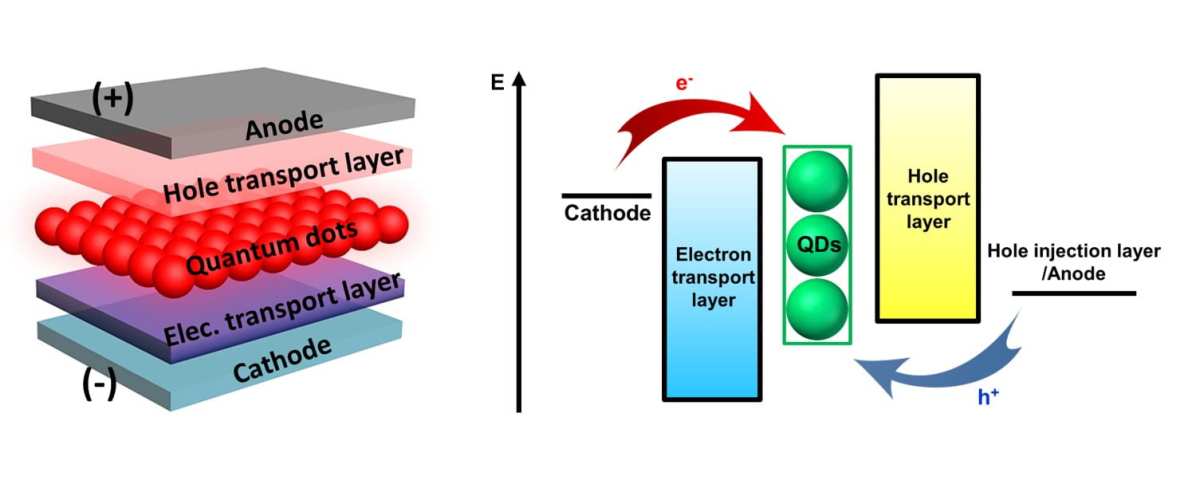
Image source: Bing (Web (fair-use with source credit))
Side-by-Side: MicroLED vs. QLED Specs That Matter
Let's put the numbers where you can see them. The table below uses manufacturer specifications and VESA DisplayHDR standards for reference.
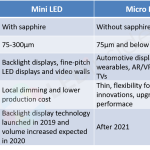
| Spec | MicroLED | QLED (typical high-end) |
|---|---|---|
| Contrast ratio | Infinite (per-pixel off) | 1,000:1 to 3,000:1 (with local dimming) |
| Peak brightness | 2,000+ nits | 600–2,000 nits |
| Black level | True black | Dark gray (blooming visible) |
| Color gamut | 90–100% DCI-P3 | 90–100% DCI-P3 |
| Response time | <1 microsecond | 1–4 milliseconds |
| Burn-in risk | Zero | Zero |
| Lifespan | 100,000+ hours | ~50,000 hours |
| Viewing angle | Near 180° with no shift | Drops 50% contrast at 45° (VA panels) |
| Minimum size | ~55 inches | 24 inches |
| Price range | $15,000 – $50,000+ | $300 – $2,500 |
A few things jump out. Color gamut is nearly identical, both technologies can hit the same wide color spaces. Brightness is higher on MicroLED, but a good mini-LED QLED can reach 1,500 nits, which is already overkill for most HDR content.
The real gap is in contrast and viewing angles. If blacks and off-axis viewing matter to you, MicroLED wins hands down. If you sit directly in front of your monitor in a well-lit room, QLED's brightness advantage in practical use is minimal.
The lifespan difference is worth noting. MicroLED's inorganic LEDs should outlast the rest of your electronics. QLED's quantum dot layer can fade over time, but we're talking a decade or more of daily use before you'd notice.
Neither technology will die on you quickly.
Image source: Bing (Web (fair-use with source credit))

Similar Posts