Are Microled Monitors Better Than Mini LED
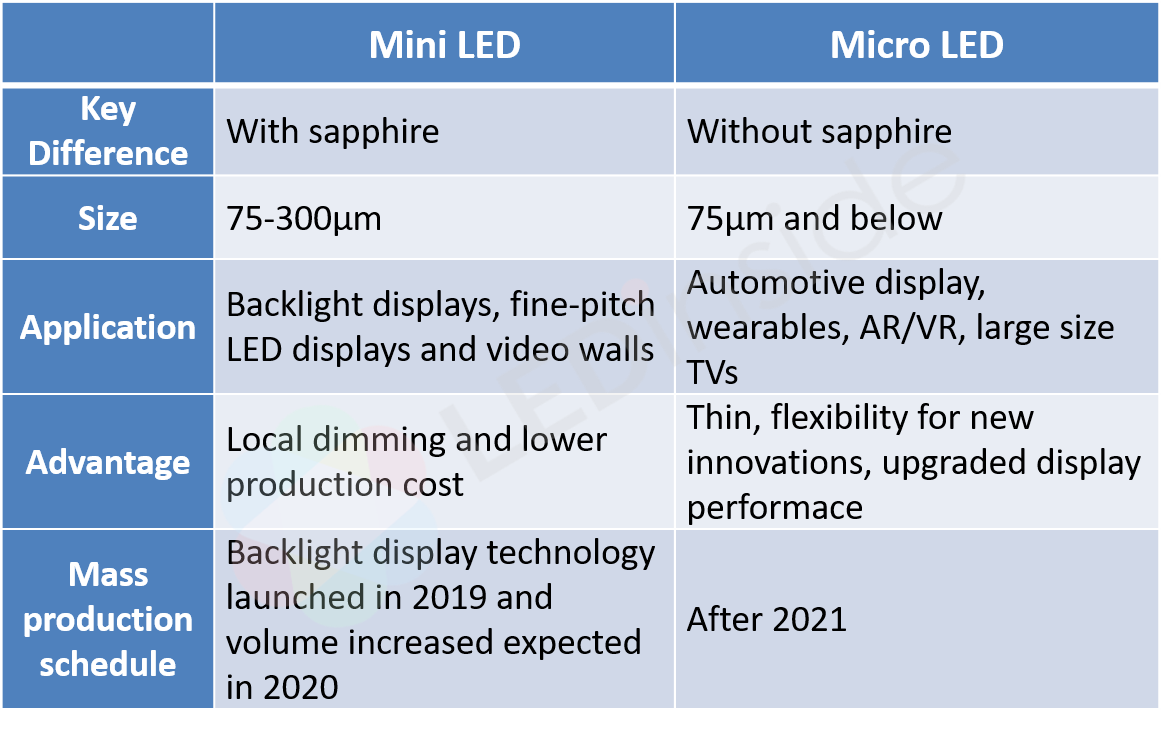
Image source: Bing (Web (fair-use with source credit))
Are MicroLED monitors better than Mini LED? The short answer is yes on paper, but the real answer depends on what you can actually buy and what you need from a display. These two technologies sound similar, but they work in fundamentally different ways.
One is already on shelves. The other is still mostly a promise.
MicroLED is an emissive technology where each pixel produces its own light. Mini LED is an LCD backlight system that uses thousands of small LED zones behind a traditional liquid crystal layer. That single difference drives every performance spec that matters, from contrast to response time to long-term reliability.
As of 2026, Mini LED monitors are widely available and affordable. MicroLED remains largely commercial and prohibitively expensive for consumers.
Quick Answer
MicroLED is technically superior to Mini LED in almost every performance metric. It offers per-pixel dimming, infinite contrast, and zero burn-in risk. Mini LED is available now at consumer prices while MicroLED monitors remain extremely rare and expensive.
For most buyers in 2026, Mini LED is the practical choice. MicroLED is the future, but it is not the present.
What MicroLED and Mini LED Actually Are
The naming confusion is real. Both have "LED" in the name. Both target the premium display market.
But they are not variations of the same thing. They are fundamentally different approaches to creating an image on screen.
MicroLED is an emissive display technology. Each microscopic LED acts as its own pixel. When a pixel needs to be black, it turns off completely.
When it needs to be bright, it lights up independently. This is the same principle as OLED, except MicroLED uses inorganic gallium nitride (GaN) compounds instead of organic materials. Samsung's The Wall is the most prominent example of this technology in commercial use.
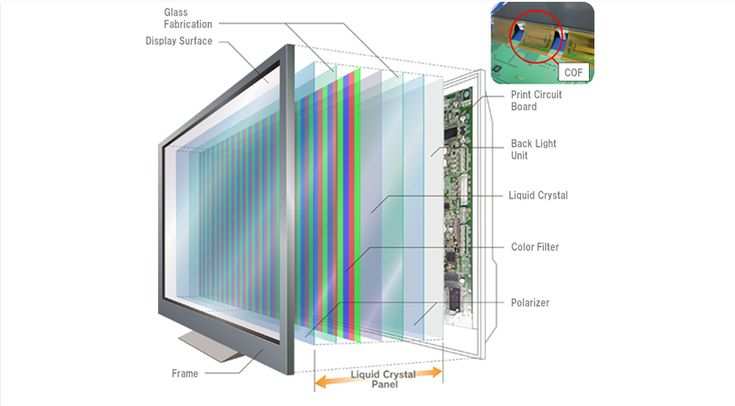
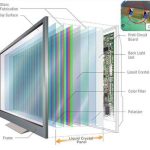
Mini LED is a backlighting method for LCD panels. The liquid crystal layer still does the work of creating the image, just like in any traditional LED monitor. The difference is that instead of a few dozen large LED zones behind the screen, Mini LED packs hundreds or thousands of tiny LEDs into the backlight array.
This allows the display to dim specific areas of the screen independently, improving contrast compared to older LCD designs.
The key distinction is this. MicroLED replaces the entire LCD stack. Mini LED improves on it.
One is a paradigm shift. The other is an evolution.
How They Work Under the Hood
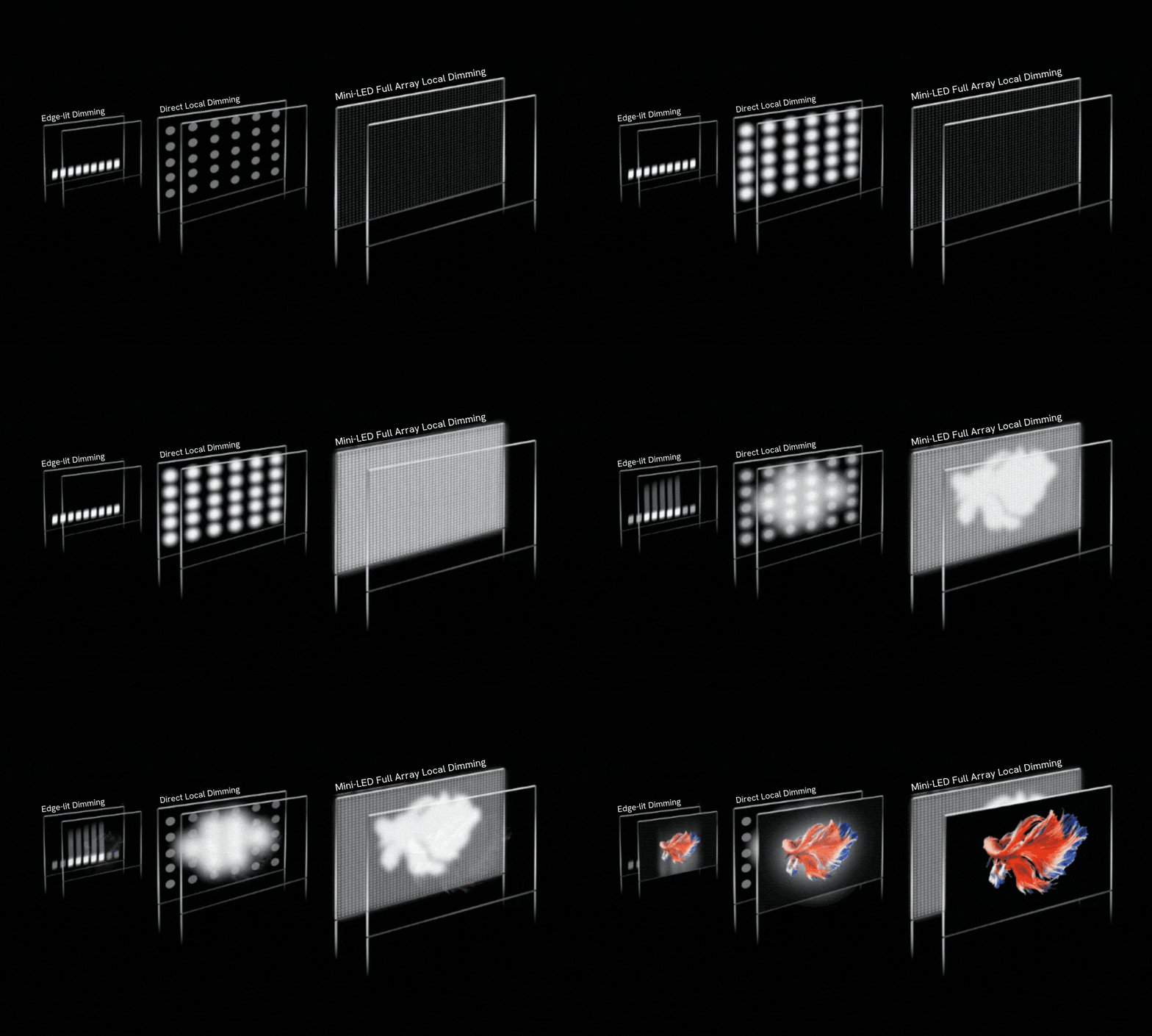
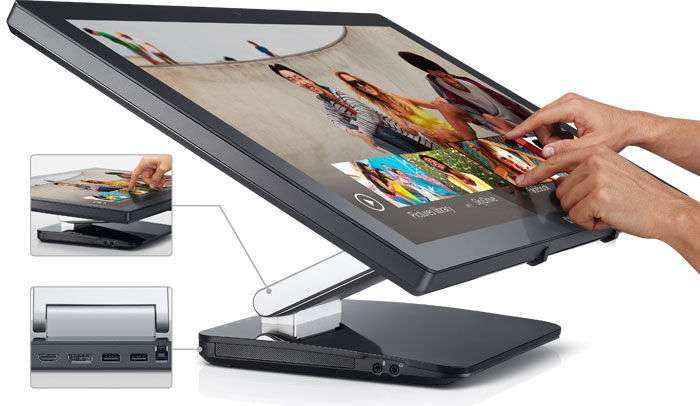
Image source: Bing (Web (fair-use with source credit))
Understanding the technical foundation helps explain why the performance differences are so significant.
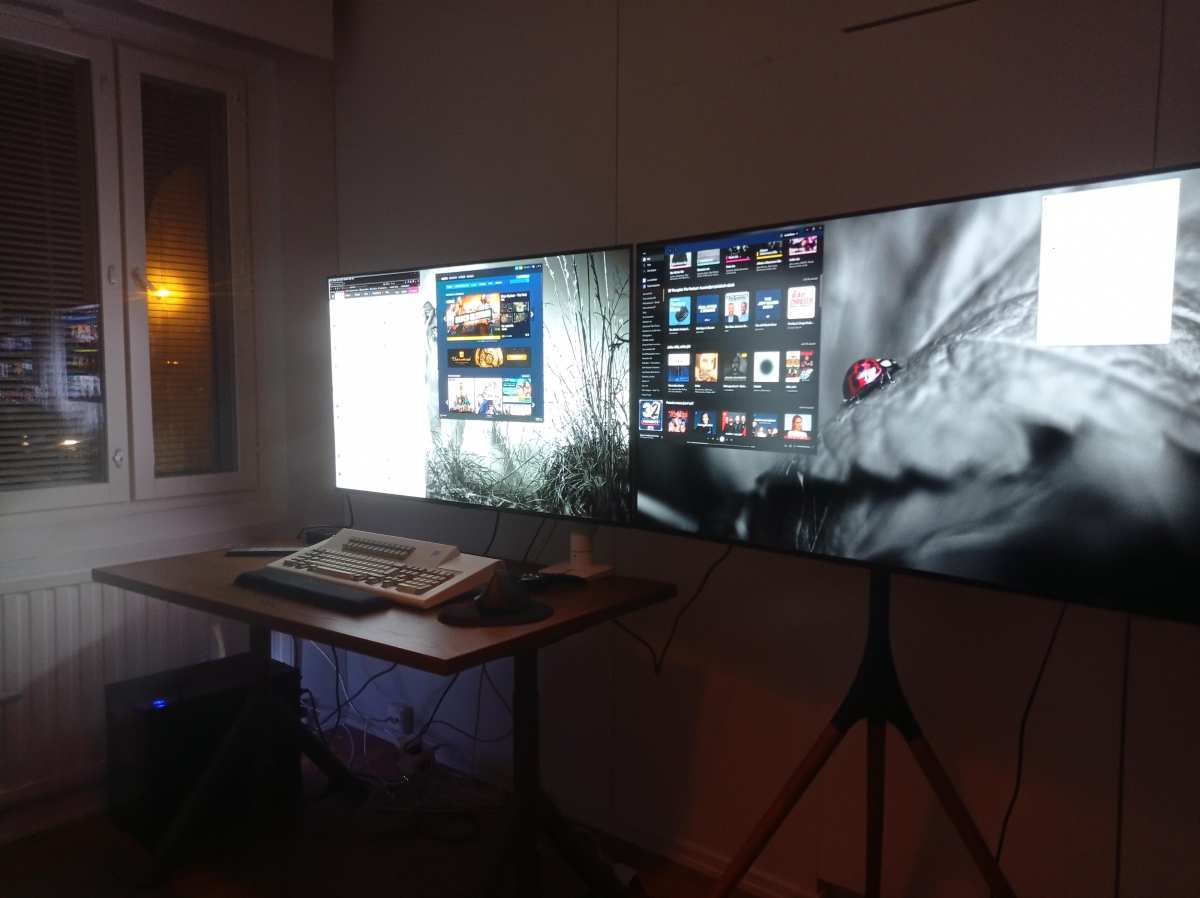
Image source: Bing (Web (fair-use with source credit))
MicroLED: Per-Pixel Emission
A MicroLED display contains millions of individual LED chips, each typically smaller than 50 micrometers. These chips are transferred onto a thin-film transistor (TFT) backplane that controls each pixel independently. When you see a spec that says a MicroLED display has "4K resolution," that means roughly 8.3 million individual LED pixels are mounted on the panel.
Because each pixel emits its own light, there is no backlight. There is no light guide plate. There is no liquid crystal layer.
The display can be remarkably thin, and black levels are absolute because pixels simply turn off. Response times are in the nanosecond range since there is no liquid crystal switching delay.
The manufacturing challenge is enormous. Placing 8 million microscopic chips with near-perfect accuracy, ensuring none are dead, and maintaining color uniformity across the entire surface is a process that remains expensive and difficult to scale.
Mini LED: Zone-Based Backlighting
A Mini LED monitor still uses a traditional LCD panel. The liquid crystal molecules twist and untwist to control light passage, exactly as they have for decades. What changes is the light source behind that LCD layer.
Instead of edge-mounted LEDs or a small array of large zones, Mini LED backlights use thousands of small LED chips arranged in a full-array configuration. These are grouped into dimming zones, typically ranging from a few hundred to around 2,000 in high-end monitors. The display's processor analyzes the incoming image and adjusts each zone's brightness independently.
This is called Full Array Local Dimming, or FALD. It is a significant improvement over edge-lit or direct-lit LED backlights. But it is still an approximation.
Each zone covers multiple pixels, so the dimming is not truly pixel-precise. This is where the blooming artifact comes from, which we will cover in detail shortly.
Side-by-Side Performance Comparison
Let us break down how these technologies compare across the specs that actually matter for real-world use.
| Performance Metric | Mini LED | MicroLED |
|---|---|---|
| Dimming precision | Zone-based (hundreds to ~2,000 zones) | Per-pixel (millions of zones) |
| Black level | ~0.05 to 0.1 nits (zone minimum) | ~0 nits (pixel off) |
| Peak brightness | 1,000 to 2,000 nits | 2,000 to 4,000+ nits |
| Contrast ratio | ~10,000:1 to 100,000:1 (dynamic) | Effectively infinite |
| Response time | 1 to 5 ms (LCD layer dependent) | Under 1 ms (nanosecond range) |
| Color gamut | 97 to 99% DCI-P3 typical | 99%+ DCI-P3, approaching BT.2020 |
| Burn-in risk | None (LED backlight + LCD) | None (inorganic GaN materials) |
| Viewing angles | Varies by LCD type (IPS/VA) | Excellent, consistent across panel |
| Power consumption | 50 to 300W (monitor range) | Varies by pixel activation |
| Consumer price range | $500 to $5,000 | $100,000+ (large format commercial) |
Contrast and Black Levels
This is where the difference is most visible. A Mini LED monitor with 1,152 zones can produce impressive HDR highlights, but dark areas adjacent to bright ones will show a subtle glow. The zone cannot dim to zero while the neighboring zone blasts at full brightness.
MicroLED has no such limitation. A bright white star on a pitch-black space looks exactly as intended. The star is bright.
The space around it is genuinely off. This is why MicroLED is often described as the "perfect HDR" technology.
Brightness and HDR Impact
Mini LED monitors have reached remarkable brightness levels. The Apple Pro Display XDR sustains 1,000 nits full-screen and peaks at 1,600 nits. Samsung's Odyssey Neo G9 hits similar numbers.
This is more than sufficient for impactful HDR content.
MicroLED goes further. Samsung's commercial The Wall modules are rated for up to 4,000 nits peak. This means specular highlights in HDR content can appear genuinely blinding, closer to what you would perceive looking at a real bright object in a dark room.
Response Time and Motion Clarity
Mini LED is limited by the LCD layer. Even with the fastest IPS or VA panels, liquid crystal molecules take time to twist and settle. Response times of 1 to 4 milliseconds are achievable, which is excellent for gaming.
But there is still some inherent motion blur.
MicroLED eliminates this entirely. Without liquid crystals, pixel transitions happen at semiconductor speed. This makes MicroLED arguably the best display technology ever conceived for fast motion, combining the instant response of CRT-era displays with modern resolution and color.
Where Mini LED Wins Right Now
Mini LED's advantages are practical and immediate. These are not theoretical benefits. They are things you can experience today.
Availability. You can walk into an electronics retailer or order online and have a Mini LED monitor delivered tomorrow. Samsung, ASUS, Acer, Dell, HP, and Apple all offer Mini LED models. The product ecosystem is mature and competitive.
Price. A high-quality Mini LED gaming monitor costs between $800 and $2,000 as of 2026. Professional reference monitors like the Pro Display XDR sit around $5,000 to $6,000. These are expensive products, but they are within reach of professionals and enthusiasts.
Sustained brightness. Mini LED backlights can sustain high brightness across the entire screen without aggressive thermal management. This makes them well-suited for HDR mastering where you need to evaluate full-screen white levels and sustained peak brightness simultaneously.
No burn-in concerns. While OLED users worry about static UI elements leaving permanent marks, Mini LED users have no such anxiety. The LED backlight ages slowly and uniformly. The LCD layer does not degrade in a way that causes image retention.
Product variety. Mini LED appears in everything from 27-inch 4K desktop monitors to 57-inch ultrawide gaming displays to 15-inch laptop screens. The technology scales across form factors effectively.
The bottom line is that Mini LED delivers genuinely excellent performance today. For most professional and consumer use cases, it is more than sufficient. The question is whether MicroLED's advantages justify waiting or paying a massive premium.
Where MicroLED Wins on Paper
MicroLED's theoretical advantages are substantial. Every major performance metric benefits from the per-pixel emissive architecture.
Perfect blacks and infinite contrast. This is the headline advantage. When a MicroLED pixel is off, it produces zero light. There is no backlight bleed, no zone glow, no halo around bright objects on dark backgrounds.
HDR content looks exactly as the content creator intended.
Zero burn-in risk. OLED displays use organic compounds that degrade unevenly over time, leading to burn-in. MicroLED uses inorganic gallium nitride LEDs. These degrade far more slowly and uniformly.
For applications involving static elements, command bars, channel logos, or dashboard interfaces, this is a significant advantage.
Modular scalability. MicroLED displays are built from individual modules that tile together seamlessly. Samsung's The Wall can be configured in virtually any size or aspect ratio. This is not possible with LCD-based technologies that require a single continuous panel.
Superior response time. Without liquid crystals to switch, MicroLED pixels change state in nanoseconds. This eliminates motion blur entirely and makes it the fastest display technology available for gaming and fast-motion content.
Higher brightness ceiling. Inorganic LEDs can be driven harder than the LEDs used in LCD backlights. MicroLED displays can achieve peak brightness levels that exceed what Mini LED can sustain, making HDR highlights more impactful.
Better power efficiency at the pixel level. When a MicroLED pixel is black, it consumes no power. A Mini LED backlight always draws some power even in dark scenes, though aggressive dimming helps. For content with lots of dark areas, MicroLED can be more efficient.
Longer lifespan. Inorganic LED degradation rates are significantly lower than organic compounds. MicroLED displays are projected to maintain brightness and color accuracy for well over 100,000 hours of use.
The challenge is that most of these advantages exist in a market context where consumer MicroLED monitors are essentially unavailable. The technology is real. The performance is real.
But the accessibility is not.
The Real-World Blooming Problem with Mini LED
Blooming is the single most visible weakness of Mini LED technology. It is the artifact that keeps Mini LED from matching MicroLED's contrast performance, and it is the thing you need to understand before buying.
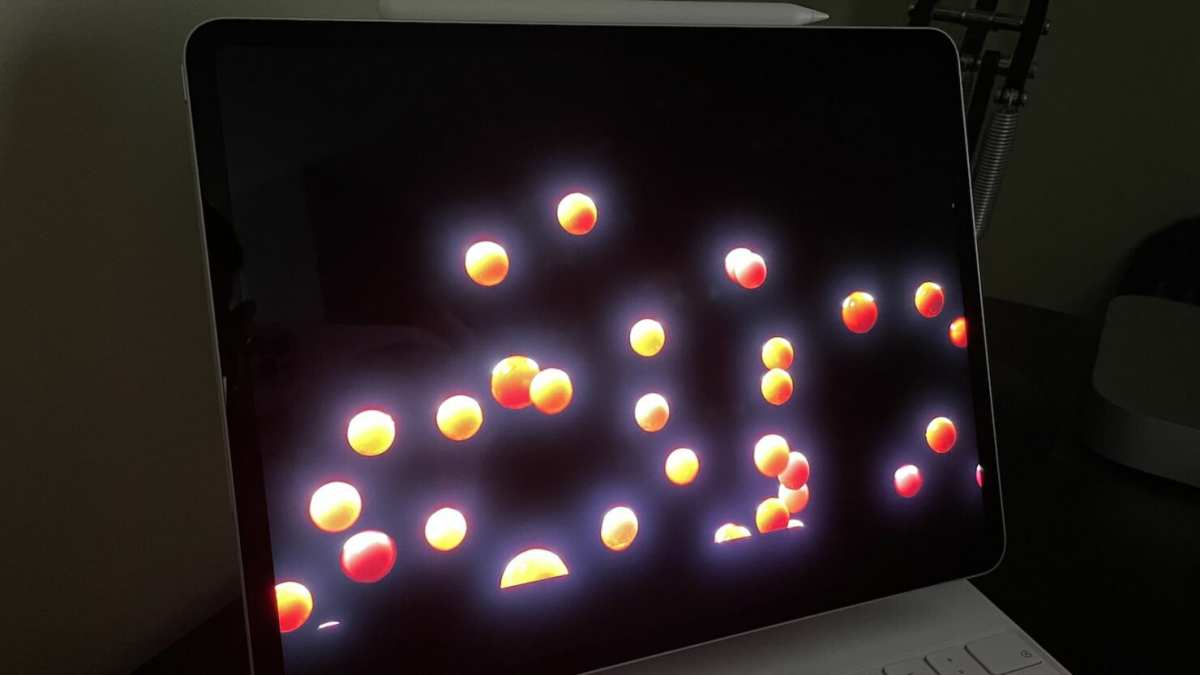
Image source: Bing (Web (fair-use with source credit))
What Blooming Actually Looks Like
Blooming, sometimes called haloing, appears as a soft glow around bright objects against dark backgrounds. White subtitles on a black screen. A cursor moving across a dark UI.
Stars in a night scene. The glow exists because the dimming zone behind those bright pixels cannot fully isolate its light from the surrounding dark zones.
The intensity of blooming depends on two factors. First, the number of dimming zones. More zones mean smaller zones, which means more precise dimming and less visible bleed.
Second, the quality of the dimming algorithm. Some monitors prioritize deep blacks and aggressively dim zones, which can crush shadow detail. Others prioritize smooth gradients and allow more glow to preserve detail in dark areas.
Zone Count Matters More Than Marketing Claims
Manufacturer marketing often highlights zone count as the primary spec. A monitor with 2,000 zones sounds dramatically better than one with 576 zones. In practice, the improvement is real but diminishing.
Going from 100 zones to 1,000 zones is a massive leap in visible quality. Going from 1,000 to 2,000 zones is noticeable but less dramatic.
What matters more than raw zone count is the zone-to-pixel ratio. A 32-inch 4K monitor with 1,152 zones has roughly 7,000 pixels per zone. A 49-inch ultrawide with the same zone count has far more pixels per zone, which means more visible blooming.
The physical size of the display and the zone layout matter as much as the number itself.
How to Evaluate Blooming Before Buying
Aggregate review testing consistently shows that blooming is most visible in specific scenarios. White text on a black background. Bright loading screens.
HDR content with specular highlights against dark scenes. If your workflow or gaming habits involve a lot of dark content, blooming will be a factor.
Some monitors allow you to adjust dimming aggressiveness in the settings menu. Samsung's Odyssey Neo series, for example, offers local dimming settings that range from off to aggressive. Higher aggressiveness reduces blooming but can cause visible brightness transitions when zones change state.
This is sometimes called "zone pumping" and some people find it more distracting than the blooming itself.
The honest assessment is that Mini LED blooming is a compromise, not a dealbreaker. For most content, especially bright content and gaming, it is barely noticeable. For dark movie scenes and professional darkroom work, it is visible and potentially distracting.
Why You Can't Actually Buy a MicroLED Monitor Yet
This is the part of the conversation that often gets lost in spec comparisons. MicroLED's performance advantages are real, but the technology faces significant manufacturing and cost barriers that keep it out of the consumer market.

Image source: Wikimedia Commons / Santasgift (CC BY-SA)
The Manufacturing Bottleneck
Producing a 4K MicroLED display requires placing and bonding approximately 8.3 million individual LED chips onto a backplane. Each chip must be tested, and any defective chips must be removed and replaced. This process is called mass transfer, and it remains one of the most challenging steps in MicroLED production.
Current yield rates improve steadily but remain a constraint. When even a small percentage of pixels are dead or defective, the entire panel may be rejected or require costly repair. This drives up costs significantly compared to LCD manufacturing, where a few dead pixels are often considered acceptable.
Cost Reality
Samsung's The Wall, the most commercially available MicroLED product, starts at approximately $150,000 for a 146-inch configuration as of 2026. Smaller configurations exist but remain in the six-figure range. This places MicroLED firmly in the commercial and ultra-luxury residential market.
There is no consumer-grade MicroLED monitor available at any price point from major manufacturers. Some companies have demonstrated prototype desktop-sized MicroLED displays at trade shows. SID Display Week and CES have featured proof-of-concept units from several manufacturers.
But none have reached mass production for the consumer market.
When Will MicroLED Be Affordable?
Industry roadmaps from Samsung Display and other manufacturers suggest that smaller MicroLED panels for IT applications are in development. Cost reduction depends on improving mass transfer yields, developing repair-friendly architectures, and scaling production volume. Most industry analysts project that consumer MicroLED monitors may become available in the latter half of this decade, but pricing will likely remain premium for several years after that.
If you are considering a display purchase now or in the near future, MicroLED is not a realistic option. It is worth understanding the technology so you can make informed decisions down the road, but it should not factor into your current buying decision.
Best Choice by Use Case
Different users have different priorities. Here is how the recommendation breaks down for common scenarios.
Professional Color Grading and Mastering
Mini LED is the practical choice for most color grading work today. The Apple Pro Display XDR and ASUS ProArt PA32UCG both offer excellent HDR reference performance with sustained brightness and wide color gamut. For absolute black-level accuracy, an OLED reference monitor may still be preferred, but Mini LED offers a burn-in-free alternative with strong HDR capability.
MicroLED would be ideal for this application if it were available. The combination of infinite contrast, high brightness, and zero burn-in would make it the ultimate reference display. Until consumer MicroLED monitors arrive, Mini LED or OLED are the realistic options.
High-End Gaming
Mini LED gaming monitors deliver excellent performance. The Samsung Odyssey Neo G9 57-inch combines Mini LED backlighting with a 7680×2160 resolution, 240Hz refresh rate, and fast VA panel response. Aggregate reviews consistently praise its HDR gaming impact.
The blooming is present but rarely distracting during gameplay.
MicroLED gaming displays do not exist in consumer form factors. When they arrive, the combination of instant response time, perfect blacks, and high refresh rates could be transformative. For now, Mini LED is the best HDR gaming option available.
Content Creation and Video Editing
Video editors working in HDR need a display that can accurately preview how content will look on consumer HDR televisions. Mini LED monitors hit the brightness and color gamut targets that match most HDR delivery specifications. VESA DisplayHDR 1000 and DisplayHDR 1400 certifications are common in this category.
The blooming artifact is a concern for editors working with graphics or text overlays on dark footage. If your work involves a lot of dark content with bright overlays, test a Mini LED monitor in person before committing.
24/7 Commercial or Command Use
For control rooms, digital signage, and environments where static elements are displayed continuously, MicroLED's zero burn-in advantage is significant. Mini LED's LCD layer does not suffer from burn-in either, but the LED backlight does age over time and can develop uneven brightness.
Samsung's The Wall and similar commercial MicroLED products are designed for this use case. They offer modular replacement, 24/7 rated operation, and no organic materials to degrade. The cost is justified in commercial settings where downtime is unacceptable.
Home Theater and Large-Format Viewing
For dedicated home theater setups, MicroLED offers a compelling vision. A massive, seamless, bright, high-contrast display with no burn-in risk is the dream. Current MicroLED products deliver this, but at costs that limit them to luxury installations.
Mini LED televisions are available in more accessible price ranges and offer strong HDR performance for home theater use. Hisense, TCL, and Samsung all offer Mini LED TVs that deliver impressive picture quality at a fraction of MicroLED pricing.
What About OLED and Other Alternatives?
The conversation about premium display technology does not stop at MicroLED and Mini LED. Several competing technologies deserve mention.
QD-OLED: The Current Premium Challenger
Quantum Dot OLED, or QD-OLED, combines OLED's emissive pixel structure with quantum dot color conversion. The result is excellent color volume, perfect blacks, and fast response times. Samsung's Odyssey OLED monitors and Dell's Alienware QD-OLED displays have been well-received by enthusiasts.
The trade-off is burn-in risk. QD-OLED uses organic materials, which degrade unevenly over time. For users who display static content for extended periods, this remains a concern.
Mini LED avoids this issue entirely. MicroLED promises the same burn-in immunity with potentially higher brightness.
Standard Mini LED vs High-Zone-Count Mini LED
Not all Mini LED implementations are equal. A monitor with 384 zones will show noticeably more blooming than one with 1,152 zones. When shopping for a Mini LED display, zone count is one of the most important specs to compare.
Pay attention to the actual zone count, not just the marketing label.
Some manufacturers use "Mini LED" to describe products with as few as 100 zones. This is technically accurate but does not deliver the HDR performance that most people associate with the term. Look for at least 500 zones for meaningful HDR improvement over standard FALD.
The Real Competitive Landscape
In 2026, the premium monitor market offers several strong options. Mini LED provides the best balance of HDR performance, availability, and price. QD-OLED offers superior color and contrast with some burn-in risk.
Standard LED monitors remain excellent for SDR work at lower prices. MicroLED sits at the top of the performance ladder but remains inaccessible to most buyers.
Your choice depends on your priorities. If you need a display today, Mini LED is the strongest all-around option for HDR content. If you can wait and budget is not a concern, MicroLED represents the future of display technology.
Pricing Reality and What Your Money Gets You
The price gap between these two technologies is not a gap. It is a canyon. Understanding what your budget actually buys helps frame the entire comparison.
Mini LED Price Tiers
Mini LED monitors span a wide range as of 2026. Budget-conscious buyers can find 27-inch 4K Mini LED monitors from brands like Cooler Master and AOC in the $400 to $700 range. These typically offer 300 to 500 zones, which is enough for noticeable HDR improvement over standard LED but not reference-quality.
The sweet spot for most enthusiasts sits between $800 and $1,500. This range includes the Samsung Odyssey Neo G7, ASUS ROG Swift PG27AQN, and similar models with 500 to 1,000+ zones, high refresh rates, and solid HDR performance. These monitors deliver genuinely impressive gaming and content creation experiences.
Professional-grade Mini LED monitors occupy the $3,000 to $6,000 tier. The Apple Pro Display XDR at $4,999 and ASUS ProArt PA32UCG at around $4,500 offer 1,000+ zones, factory calibration, wide color gamut, and sustained brightness that meets HDR mastering requirements.
MicroLED Cost Landscape
MicroLED pricing is in a completely different category. Samsung's The Wall starts around $150,000 for a 146-inch modular system. Smaller configurations exist but remain six-figure investments.
These are commercial products sold to businesses, luxury residential integrators, and high-end digital signage operators.
There is no consumer MicroLED monitor at any price. No major manufacturer offers a desktop-sized MicroLED display through retail channels. The technology exists in prototype and demonstration form, but purchasing one requires a custom commercial order and a budget that most individuals simply do not have.
Value Proposition at Each Price Point
For $500 to $1,000, Mini LED offers excellent value. You get meaningful HDR improvement over standard LED, high refresh rates, and good color accuracy. The blooming compromise is real but manageable for most content.
For $3,000 to $6,000, Mini LED approaches reference-grade performance. The zone counts are high enough that blooming is subtle in most scenarios. The sustained brightness and color accuracy meet professional standards.
For $150,000+, MicroLED delivers the ultimate display experience. Perfect blacks, extreme brightness, zero burn-in risk, and modular scalability. The value proposition only makes sense in commercial contexts or for buyers for whom cost is not a primary concern.
Final Verdict: What to Buy in 2024 and Beyond
The honest answer is straightforward. If you need a monitor now, buy Mini LED. It is the best HDR technology available to consumers today, and the performance gap between it and standard LED is significant.
The blooming compromise is real but acceptable for most use cases.
If you are a professional who needs absolute black-level accuracy and can justify the cost, consider a high-zone-count Mini LED reference monitor or a professional OLED display. Neither is perfect, but both are available and proven.
If you are waiting for MicroLED, understand that you are waiting for a fundamental shift in display manufacturing. The technology will arrive in consumer form eventually. Industry roadmaps suggest late this decade for initial consumer products, with meaningful affordability following several years after that.
The wait will be long.
The smart money in 2026 is on Mini LED. It delivers excellent performance, it is available now, and it will continue to improve as zone counts increase and dimming algorithms get better. MicroLED is the future of displays, but Mini LED is the present, and it is a very good present.
Frequently Asked Questions
Is MicroLED the same as Mini LED?
No. MicroLED is an emissive technology where each pixel produces its own light independently. Mini LED is an LCD backlighting method that uses thousands of small LED zones behind a liquid crystal layer.
They are fundamentally different approaches to display design.
Does Mini LED have burn-in?
No. Mini LED monitors use an LED backlight and an LCD layer, neither of which suffers from permanent image retention in the way that organic OLED materials do. The LED backlight ages slowly and uniformly over tens of thousands of hours.
When will MicroLED monitors be affordable?
Consumer MicroLED monitors are not expected at accessible price points until the latter half of this decade at the earliest. Manufacturing challenges around mass transfer yields and production costs remain the primary barriers. Initial consumer products will likely carry premium pricing even after launch.
How many Mini LED zones do you actually need?
For noticeable HDR improvement over standard LED, look for at least 300 to 500 zones on a 27-inch 4K monitor. For reference-quality HDR with minimal blooming, 1,000 or more zones is recommended. The zone count should scale with screen size and resolution.
Is Mini LED better than standard LED for gaming?
Yes, significantly. Mini LED's local dimming provides much better contrast and HDR impact than standard edge-lit or direct-lit LED monitors. The trade-off is potential blooming in dark scenes, but the overall visual improvement is substantial for HDR gaming content.

Similar Posts