How To Make Android App Using Python: Step-By-Step Guide
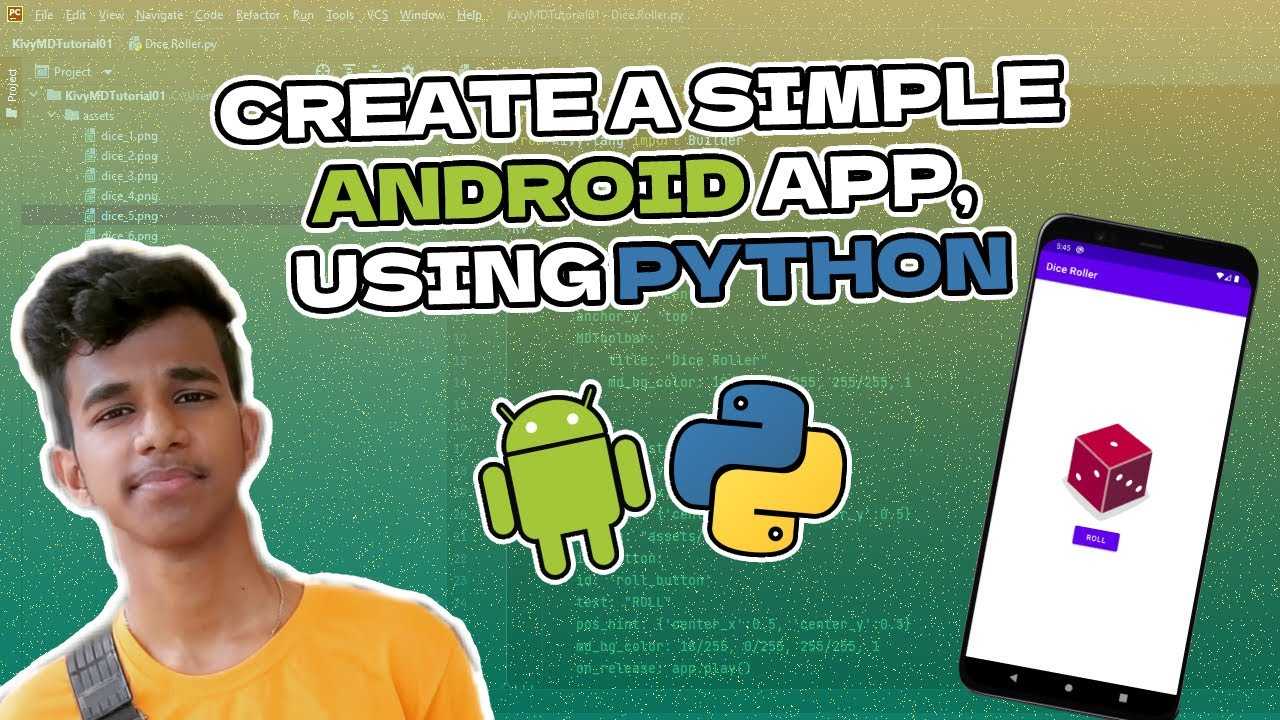

How to Make Android App Using Python
Creating an Android app with Python might seem tricky at first, but with the right tools and steps, it becomes much easier. Python offers several frameworks that allow you to develop Android applications without needing to learn Java or Kotlin. In this section, we’ll explore how you can build an Android app using Python, step by step.
Understanding Why Use Python for Android App Development
Python is a popular programming language because of its simplicity and versatility. It is easy to write, read, and understand, making it ideal for beginners. Using Python for Android app development saves time and effort, especially if you’re already familiar with Python. It also allows you to reuse existing Python code in your Android apps.
Key Tools and Frameworks for Python-Based Android Development
Several frameworks make developing Android apps in Python easy and efficient. The most notable ones include:
- Kivy: An open-source Python library for creating cross-platform applications, especially for Android and iOS. It supports multitouch event handling and graphics.
- BeeWare: A collection of tools and libraries that enable you to write your app in Python and deploy it on multiple platforms, including Android.
- PySide: Provides Python bindings for the Qt framework, which can be used for Android development with additional setup.
Choose a framework based on the needs of your project and your familiarity with the tools. Kivy is most popular for Android app development with Python.
Setting Up Your Development Environment
Before starting coding, you need to prepare your environment. This includes installing Python, necessary SDKs, and other tools. Here is a simple setup guide:
- Download and install Python from the official website.
- Install Java Development Kit (JDK), since Android SDK depends on Java.
- Download the Android SDK or Android Studio. Android Studio provides all the necessary SDK tools.
- Install Kivy or your preferred framework using pip, Python’s package installer.
After installation, verify that all components are working correctly by running simple programs or scripts.
Building Your First Android App with Python
Creating a Basic App with Kivy
Start with creating a simple “Hello World” app to understand the process. Use a basic Kivy script to display a label.
from kivy.app import App
from kivy.uix.label import Label

class MyApp(App):
    def build(self):
        return Label(text='Hello, Android!')

if __name__ == '__main__':
    MyApp().run()
This code creates a simple app that displays “Hello, Android!” on the screen. Use a text editor to write this code and save it as app.py.
Packaging Your App for Android
To run your Python app on Android, you need to package it into an APK file. Kivy provides a tool called Buildozer for this purpose. Here’s how to do it:
- Install Buildozer using pip:
pip install buildozer. - Create a buildozer.spec file in your project directory:
buildozer init. - Configure the buildozer.spec file to specify your app’s name, package, requirements, and permissions.
- Run the build command:
buildozer -v android debug.
This command compiles your app and creates an APK file, which you can install on your Android device for testing.
Testing and Debugging Your Android App
Testing is essential to ensure your app works correctly on different devices and screen sizes. Connect your Android device via USB with USB debugging enabled, and use Buildozer to deploy your app directly to the device for testing.
Use logcat, a command-line tool, to view logs and troubleshoot issues. It helps you identify errors and understand how your app performs in real-world scenarios.
Enhancing Your Android App with Python
Add User Interface Elements
Kivy offers many UI components like buttons, sliders, and text inputs. Use these to make your app interactive and user-friendly. For example, adding a button that updates a label:
from kivy.app import App
from kivy.uix.boxlayout import BoxLayout
from kivy.uix.button import Button
from kivy.uix.label import Label

class MyLayout(BoxLayout):
    def update_label(self, instance):
        self.ids.my_label.text = 'Button Pressed!'

class MyApp(App):
    def build(self):
        layout = MyLayout(orientation='vertical')
        self.label = Label(id='my_label', text='Press the Button')
        button = Button(text='Press Me')
        button.bind(on_press=self.update_label)
        layout.add_widget(self.label)
        layout.add_widget(button)
        return layout

if __name__ == '__main__':
    MyApp().run()
Adding Functionality with Python Libraries
You can incorporate various Python libraries to add features like data processing, animations, or even connecting to web services. For example, use the requests library to fetch data from an API and display it in your app.
Deploying and Distributing Your Android App
Once your app is complete and tested, you can generate a release APK file for distribution. This involves signing your APK with a private key for security and authenticity.
Upload your app to the Google Play Store or distribute it directly to users. Remember to include proper app descriptions, screenshots, and permissions for better visibility and user trust.
Best Practices for Making Android Apps with Python
- Keep your code simple: Focus on core features first before adding complex functionalities.
- Test on multiple devices: Ensure your app functions well on different screen sizes and Android versions.
- Optimize performance: Use efficient coding practices to make your app run smoothly without lag.
- Use version control: Track changes easily by integrating Git or other version control systems.
- Follow platform guidelines: Design your app with user experience and Android design principles in mind.
Related Topics to Explore
- Creating cross-platform applications with Python
- Using Flask or Django to develop backend services for your app
- Integrating Python scripts with Java for advanced Android features
- Learning about mobile UI/UX design principles
Developing Android apps with Python opens up many possibilities for programmers who prefer Python over Java or Kotlin. With proper tools and practice, you can build fully functional and appealing Android applications quickly and efficiently.
Android App Development in Python With Kivy
Frequently Asked Questions
What tools and libraries can I use to develop an Android app with Python?
You can use frameworks such as Kivy, BeeWare, or PyQt to develop Android apps with Python. Kivy is popular for creating multitouch applications and supports Android deployment. BeeWare allows you to write your app in Python and compile it into native Android packages. These tools provide the necessary APIs and tools to build Android applications using Python code.
How do I package my Python code into an Android application?
To package your Python code into an Android app, use tools like Buildozer or Briefcase. Buildozer simplifies the process by automating the build process and managing dependencies. You need to configure build specifications, including permissions and requirements, then run the build command. Once completed, you’ll get an APK file ready to install or distribute on Android devices.
Are there any best practices for optimizing Python-based Android apps?
Yes, to enhance performance and usability, avoid unnecessary computations in your app. Minimize the use of heavy libraries and optimize your code to reduce memory usage. Test the app on various device models to ensure compatibility and responsiveness. Additionally, keep your dependencies up to date and follow the recommended guidelines provided by your chosen development framework.
Final Thoughts
Creating an Android app using Python is straightforward with tools like Kivy and BeeWare. These frameworks allow you to develop your app’s interface and logic efficiently. You can easily test and package your application for Android devices. In summary, how to make android app using python involves choosing the right tools and following simple steps. With practice, you can build functional apps suited to your needs. This approach makes app development accessible even for beginners.
Similar Posts