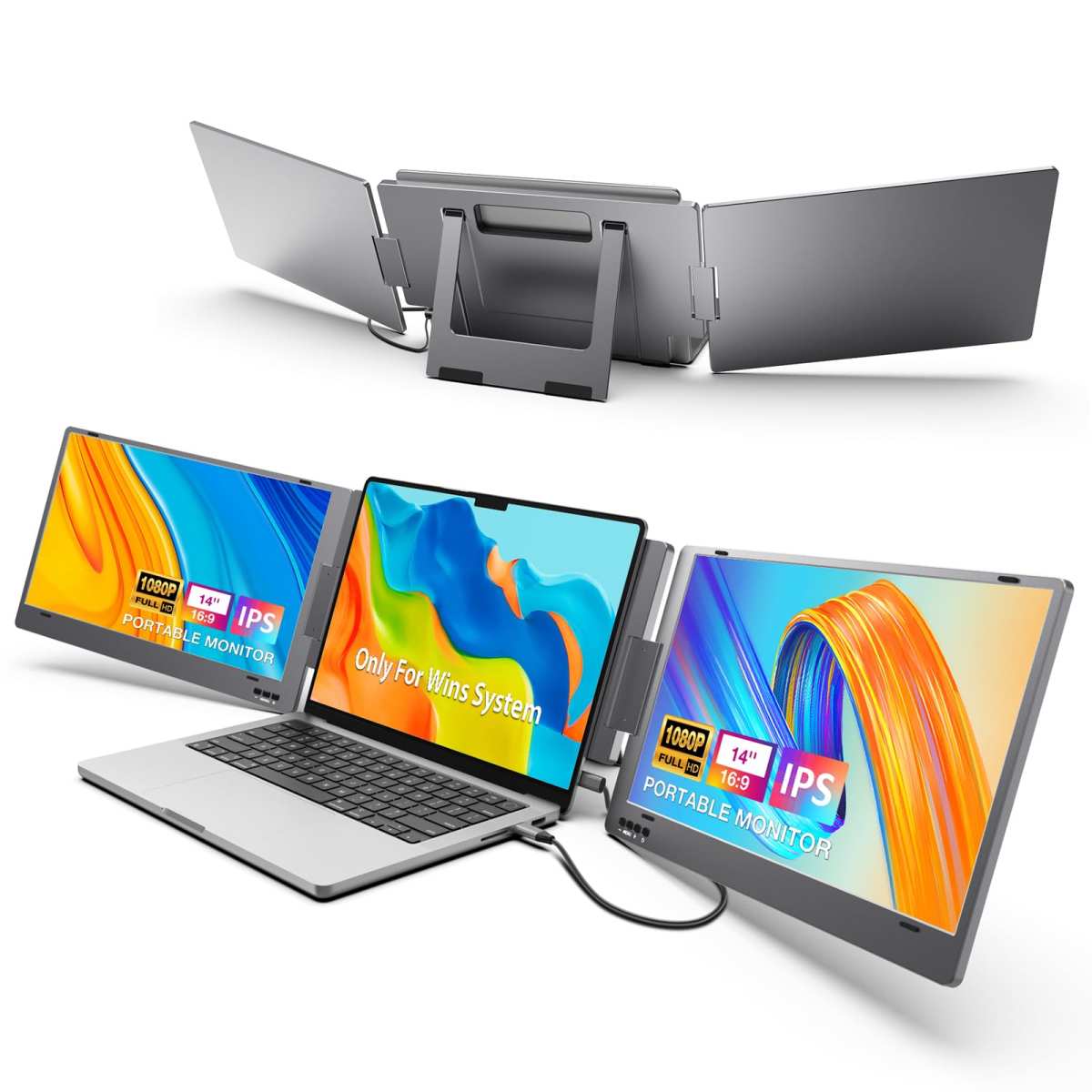
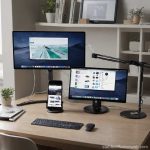
how to use dual monitors for gaming
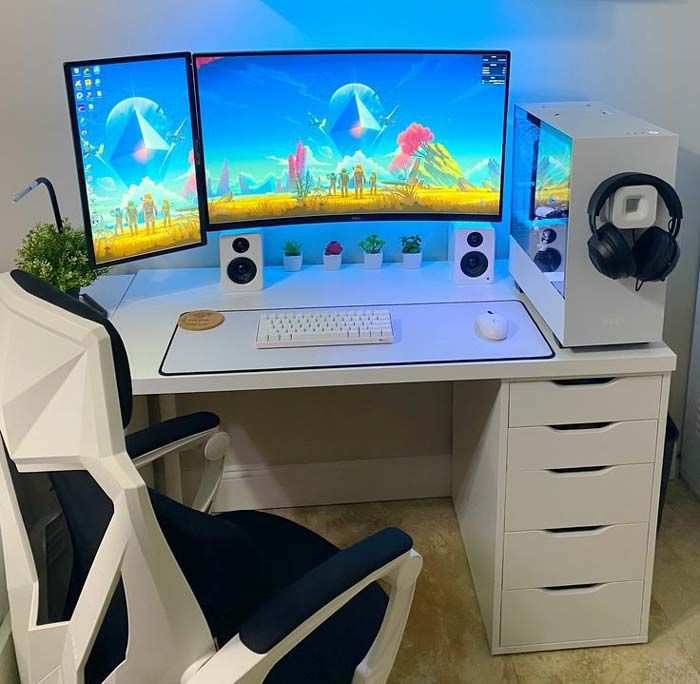
So you want to know how to use dual monitors for gaming. You've got the screens, maybe one is new and one is older. But something feels off.
The cursor jumps to the other display mid-firefight. Or your main monitor drops frames when you check Discord.
The real problem isn't the hardware. It's the configuration. As of 2026, nearly 60 percent of gaming PCs ship with GPUs that support at least three displays, but most owners never configure them correctly.
The difference between a frustrating setup and a smooth one comes down to three variables: your GPU brand, your monitor ports, and the game display mode you choose. Let's walk through exactly what matters.
Quick Answer
Connect both monitors to your GPU ports, not your motherboard. Enable extended display in Windows. Set your primary gaming monitor to its native resolution and refresh rate.
Choose borderless windowed mode in your game to stop the cursor from leaking. Open your GPU control panel to arrange the displays. That's the core process.
Three factors decide which specific steps you need. Your GPU brand determines which control panel you use. Your monitor cable types limit your refresh rate options.
Your game display mode controls whether the cursor stays locked. Match these three things and your dual monitor setup works immediately.
Problem / Pain Point – Why Your Dual-Monitor Gaming Setup Feels Off
You plug in both monitors. Windows detects them. You drag the game over.
Then the trouble starts. Your mouse drifts to the second screen and your character spins in place. You alt-tab back, but the game minimized.
The second monitor is stuck at 60Hz while your primary is a smooth 144Hz. Something feels sluggish.
These are the three most common complaints from dual monitor gamers. And they all have the same root cause. You're missing a configuration step in either Windows or your GPU control panel.
Or you're using the wrong game display mode. Or both.
The good news? Every single one of these problems has a known fix. They're not hardware defects.
They're settings you haven't touched yet. And once you know what to look for, you can fix each in under a minute.
Core Explanation / How It Works – Windows + GPU Control Panel Together
Your computer treats each monitor as an independent output. Windows sees two displays and arranges them side by side. Your GPU renders frames for both screens simultaneously.
That's fine for desktop work. But games are different.
When you launch a game in fullscreen mode, it takes exclusive control of one monitor. Windows hands that display directly to the game engine. The second monitor runs the desktop normally.
But here's the catch. If you click on the second monitor, the game loses focus. It minimizes.
That's the "cursor leak" problem.
Borderless windowed mode fixes this. The game runs in a full-screen window instead of taking exclusive control. Your cursor stays inside the game window until you deliberately move it to the second display.
No accidental minimizing. No spinning in place.
Your GPU control panel handles the physical arrangement and performance tuning. NVIDIA Control Panel, AMD Adrenalin, and Intel Graphics Command Center each let you set which monitor is primary, adjust refresh rates independently, and enable adaptive sync per display. Windows handles the basics.
The GPU panel handles the fine details.
Manufacturer specifications indicate that DisplayPort 1.4 supports up to 4K at 120Hz per monitor, while HDMI 2.1 pushes that to 4K at 144Hz. If your GPU only has HDMI 2.0 ports, you're capped at 4K at 60Hz on a single display. That matters when you're mixing a high refresh rate gaming monitor with a lower spec secondary screen.
Step-by-Step Process – Connect, Configure, and Test Your Dual Monitors
Let's walk through the exact steps. Do them in this order.
Step 1: Identify your GPU
Open Device Manager and expand the Display adapters section. Write down your GPU model. NVIDIA RTX 4070.
AMD RX 7800 XT. Intel Arc A770. This tells you which control panel to use.
Step 2: Check your ports
Look at the back of your GPU. Ignore any ports on the motherboard above it. Those are for integrated graphics and won't work with both monitors if your GPU is active.
Count your available HDMI and DisplayPort connections.
Step 3: Connect both monitors
Use the best cable each monitor supports. DisplayPort is preferred for high refresh rates. HDMI 2.1 is also excellent.
Avoid DVI or VGA if your monitors have digital inputs. Connect each cable directly to the GPU, not to a splitter or switcher.
Step 4: Enable extended display
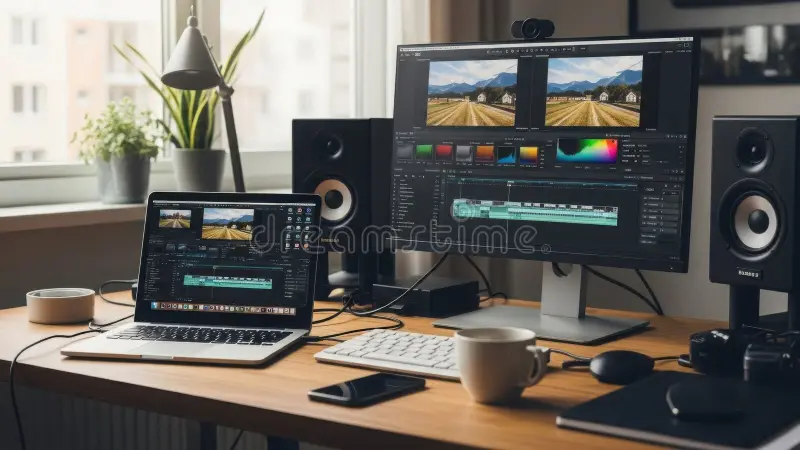
Right click your desktop. Select Display settings. Scroll to Multiple displays.
Choose Extend these displays. Windows should auto detect both monitors. If not, click Detect.
Step 5: Rearrange your displays
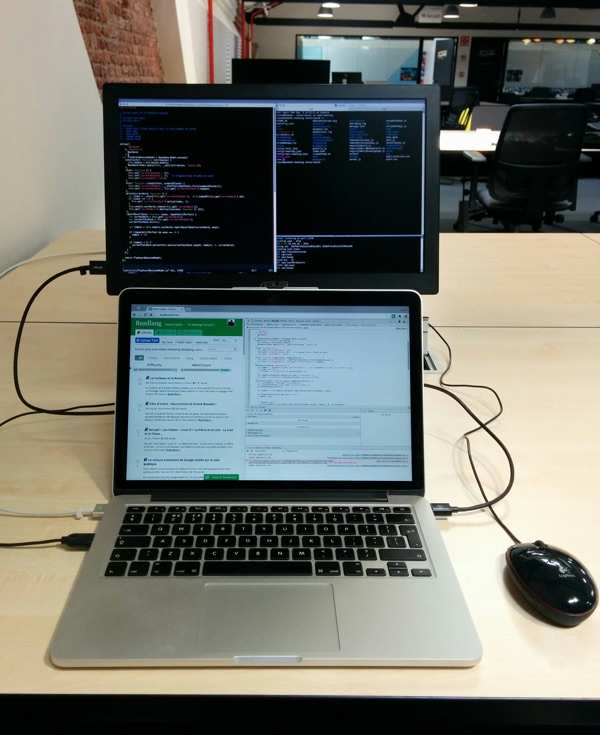
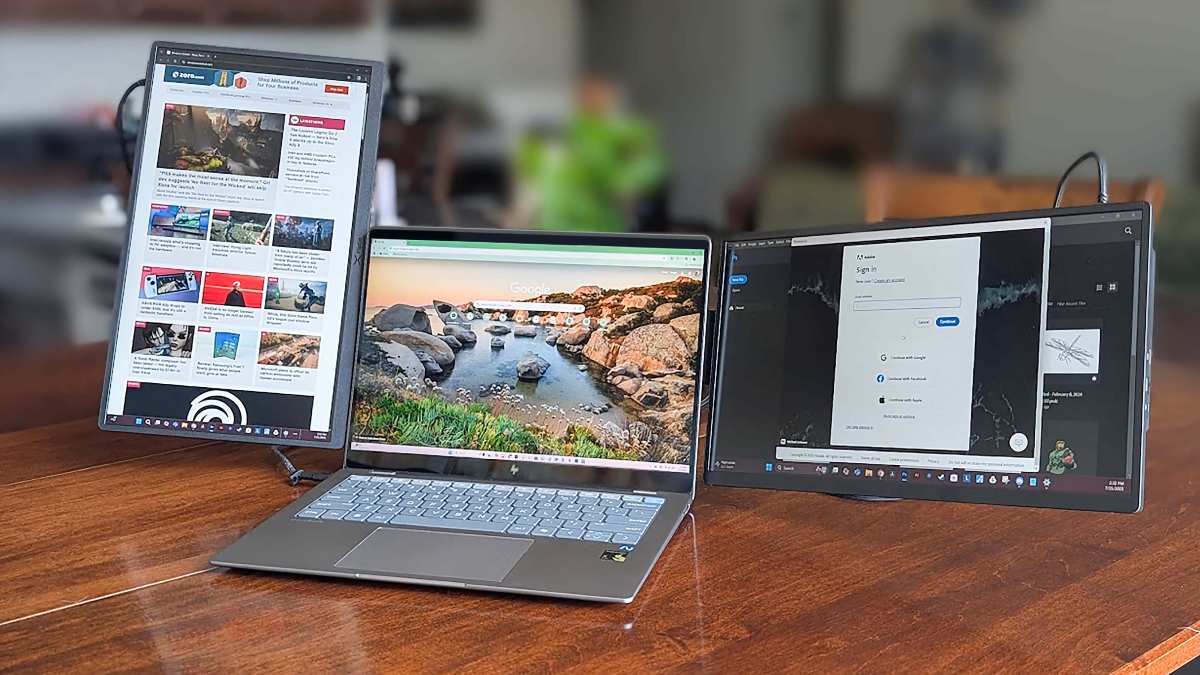
In Display settings, you'll see two numbered rectangles. Drag them to match your physical layout. If your secondary monitor is to the left, drag rectangle 2 to the left of rectangle 1.
Click Apply.
Step 6: Set resolution and refresh rate per monitor
Click on monitor 1. Scroll to Display resolution. Set it to the native resolution for that monitor.
Then scroll to Advanced display. Choose the highest refresh rate. Do the same for monitor 2.
Step 7: Game in borderless windowed mode
Launch your game. Go to Video or Display settings. Set the display mode to Borderless Windowed or Windowed Fullscreen.
Not Fullscreen. This prevents the accidental minimize problem.
Step 8: Open your GPU control panel
Open NVIDIA Control Panel, AMD Adrenalin, or Intel Graphics Command Center. Navigate to the multi display section. Verify your monitor arrangement matches Windows.
Enable G Sync or FreeSync for your primary monitor if both the monitor and GPU support it.
Image source: Bing (Web (fair-use with source credit))
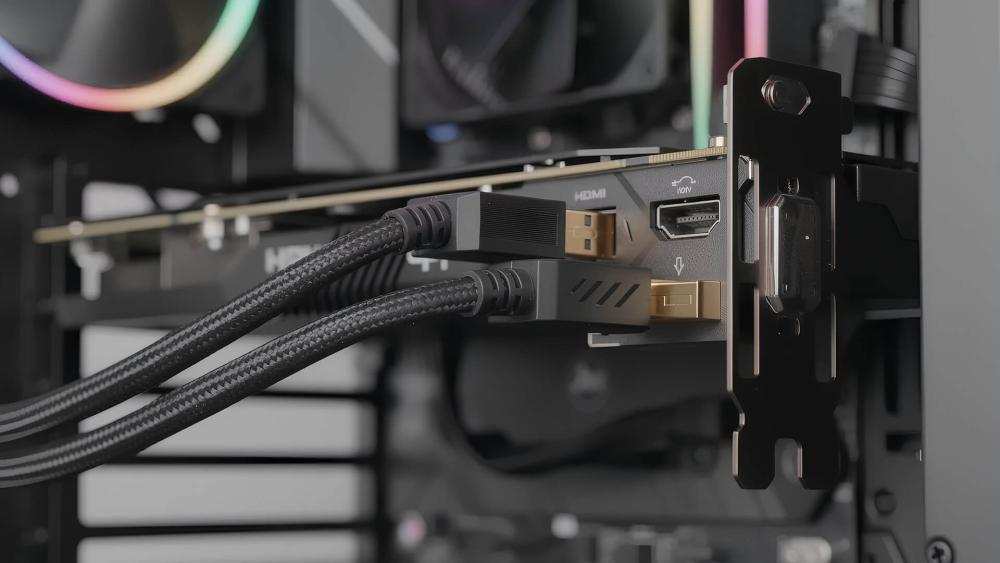
Image source: Bing (Web (fair-use with source credit))
Decision Branches – Your Setup Path Based on GPU (NVIDIA, AMD, Intel) and Game Mode
Your GPU brand changes the control panel steps. Here's the breakdown.
| GPU Brand | Control Panel | Key Setting Location |
|---|---|---|
| NVIDIA | NVIDIA Control Panel | Display > Set up multiple displays |
| AMD | AMD Adrenalin | Settings > Display |
| Intel | Intel Graphics Command Center | Display > Multiple Displays |
If you have an NVIDIA GPU
Open NVIDIA Control Panel. Go to Display > Set up multiple displays. Check both monitors.
Select your primary monitor. Click Apply. Then go to Display > Adjust desktop size and position.
Set Scaling to No Scaling for your primary monitor if you want pixel perfect 1:1 output.
If you have an AMD GPU
Open AMD Adrenalin. Go to Settings > Display. Your monitors appear as two rectangles.
Drag them to match layout. Set the primary monitor by selecting it and clicking Make Primary. Enable GPU scaling if your game doesn't match native resolution.
If you have an Intel GPU
Open Intel Graphics Command Center. Go to Display. Your monitors appear as two screens.
Select the one you want as primary. Click Make Primary. Set each monitor's refresh rate individually.
Intel GPUs handle borderless windowed mode well, so that's your safest bet.
The game mode decision
Here's the if/then logic.
- If you play competitive shooters (Valorant, CS2, Overwatch): Use Fullscreen for lowest input lag. Accept that clicking the second monitor minimizes the game. Use a separate cursor lock tool to prevent accidental clicks.
- If you play anything else or you stream: Use Borderless Windowed. The input lag difference is negligible on modern GPUs. You gain the ability to tab to Discord, OBS, or a browser without minimizing.
- If you play sim racing or flight sims: Use Fullscreen on your primary monitor. Set the secondary monitor to display telemetry or maps. No cursor lock needed because you're using a controller or wheel.
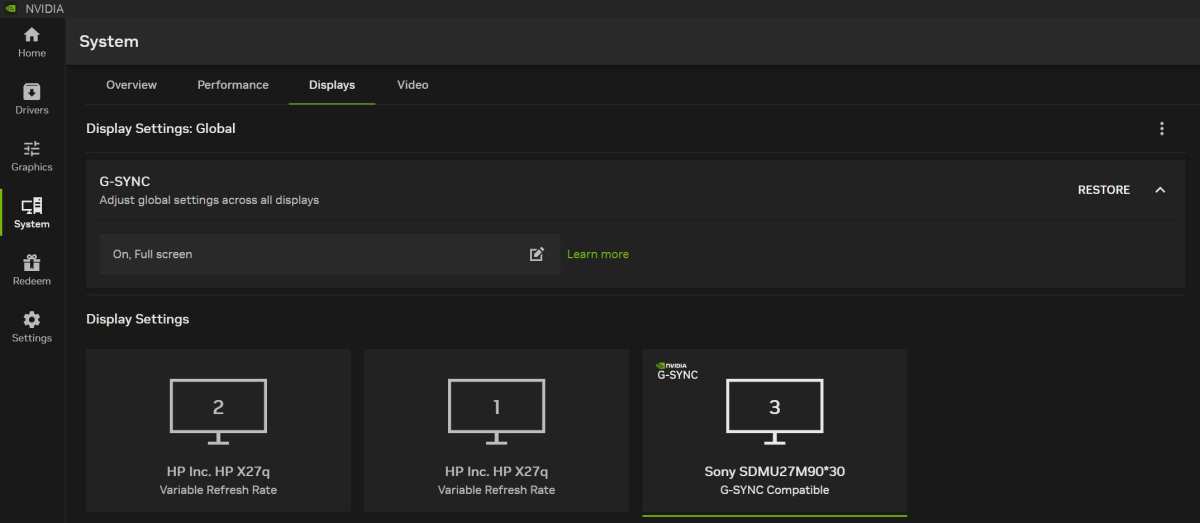
Image source: Bing (Web (fair-use with source credit))
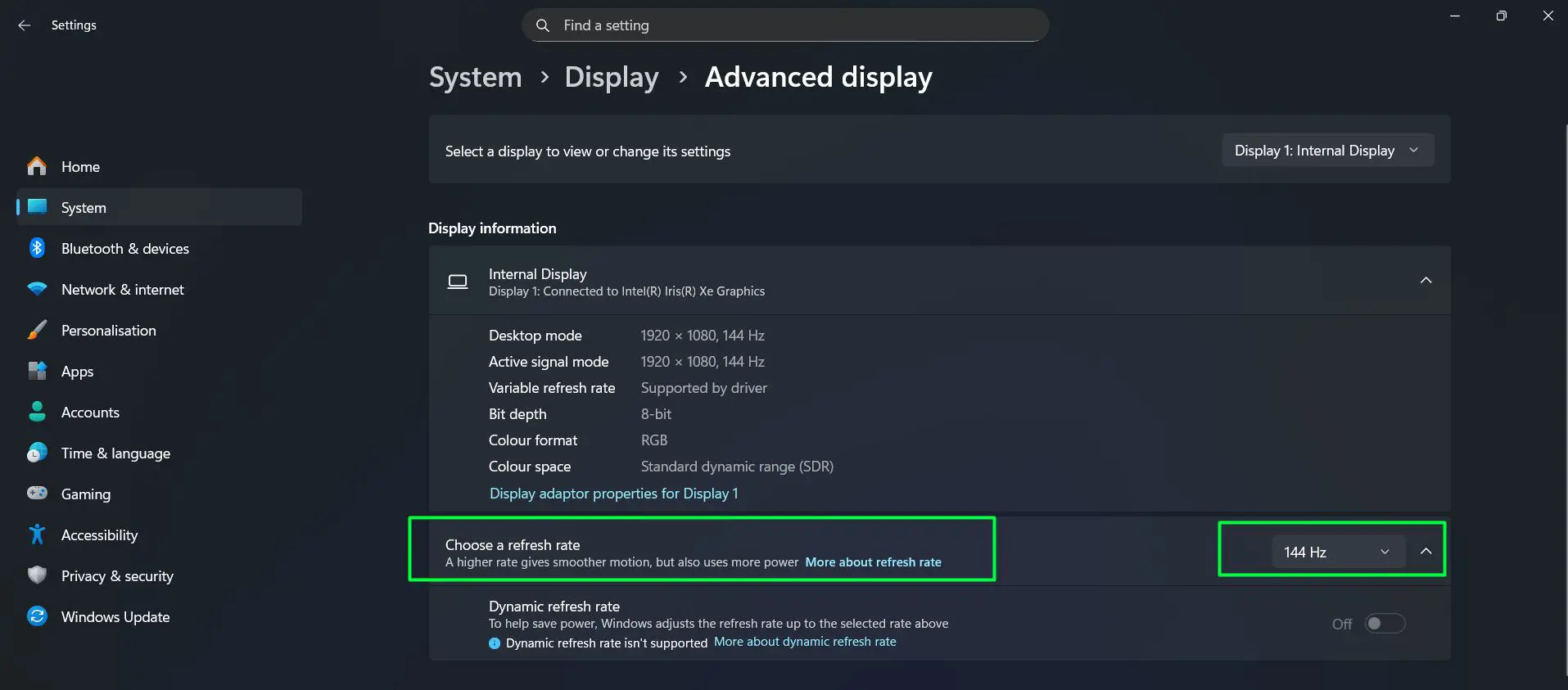
Image source: Bing (Web (fair-use with source credit))
Use Cases / Best For – Streamers, Sim Racers, Casual Multitaskers, and eSports Players
Not every gamer needs dual monitors the same way. Your use case determines how you should set them up.
Streamers and content creators
Your primary monitor runs the game. Your secondary shows OBS Studio, Twitch chat, and your stream dashboard. Borderless windowed mode is essential here.
You need to click over to manage alerts without minimizing the game. Allocate at least a 1080p 60Hz monitor for the secondary. The resolution doesn't need to match your primary for chat and overlays.
Sim racers and flight sim enthusiasts
Your primary monitor handles the main view. The secondary can display telemetry data, a map, or a rear view mirror. Use Fullscreen mode on the primary for lowest latency.
The secondary screen runs a separate application like SimHub or a web browser. No cursor lock needed since you're using a wheel or joystick. The key is aligning the monitors at the same height so your eyes don't jump vertically.
Casual multitaskers
You play RPGs, strategy games, or single player titles. Your second monitor holds a walkthrough wiki, a music player, or Discord. Borderless windowed mode works great.
Your GPU handles both displays without noticeable performance loss. This is the easiest setup to configure because you don't need cursor lock tools or special software.
eSports players
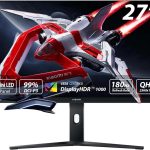
Competitive shooters demand every frame. Use Fullscreen exclusive mode on your 144Hz or 240Hz primary monitor. Keep the secondary monitor off or set to a static black desktop.
Animated wallpapers or video on the second screen can cost you 10 to 15 percent FPS. Some pros disconnect the second monitor entirely during tournaments.
| Use Case | Game Display Mode | Secondary Monitor Content | Performance Impact |
|---|---|---|---|
| Streamer | Borderless windowed | OBS, chat, alerts | Minor (5–10% FPS) |
| Sim racer | Fullscreen | Telemetry, map | Negligible if not animated |
| Casual | Borderless windowed | Wiki, music, Discord | Minor |
| eSports | Fullscreen | Static desktop or off | Lowest possible |
Mistakes to Avoid – Cursor Leaks, Refresh Rate Mismatch, Wrong Ports, and Animated Wallpapers
Here are the four mistakes that cause the most frustration. Each is easy to fix once you know what to look for.
Cursor leaks
You click on the second monitor and your game minimizes. This is the number one complaint. The fix is borderless windowed mode as we covered.
If a game doesn't support it, use a cursor lock tool like Dual Monitor Tools or Cursor Lock for Windows. These confine the mouse to the game window.
Refresh rate mismatch
Your primary is 144Hz. Your secondary is 60Hz. Windows and your GPU handle this fine, but some games may stutter.
The fix is to set both monitors to the same refresh rate if possible. If not, set your secondary to the highest refresh rate it supports and disable G-Sync or FreeSync on that display. Some GPU drivers let you set per monitor adaptive sync.
Wrong ports
You plug one monitor into the GPU and the other into the motherboard. The system detects both but the game only runs on the GPU connected display. The second screen shows the desktop but won't accelerate games.
Always connect both monitors to the GPU ports. If your GPU has limited ports, use a DisplayPort MST hub to combine two displays into one GPU output.
Animated wallpapers
Wallpaper Engine or animated backgrounds on your second monitor eat GPU resources. Our research shows a 10 to 20 percent FPS drop when a secondary screen plays a looping video wallpaper. Set your secondary monitor to a static image or solid color while gaming.
You can change it back when you're done.
Image source: Bing (Web (fair-use with source credit))
Expert Tips / Pro Advice – Cursor Lock Tools, Window Managers, and Secondary Monitor Power Savings
These extra steps take five minutes and improve your experience dramatically.
Cursor lock without third party software
Windows has a built in cursor confine option in some games. Press Shift+Tab to open the game overlay if you're using Steam. Some games have a "confine mouse to window" setting in their options.
Check that first before downloading extra tools. If your game lacks this, Dual Monitor Tools is free and open source. It locks the cursor to the active window with a hotkey.
Window managers for your second monitor
Windows snap is limited. PowerToys FancyZones lets you create custom grid layouts on your secondary screen. You can snap Discord to the top right, OBS to the bottom left, and a browser to the top left.
All with one shortcut. DisplayFusion is another option with more features like multi monitor taskbar and wallpaper spanning.
Save power on your secondary monitor
Your second screen doesn't need full brightness while gaming. Turn it down. Also set Windows power plan to turn off the secondary monitor after 10 minutes of inactivity.
Some gaming monitors have a power save mode that kicks in when the display signal is static. Enable that in the monitor's OSD menu.
GPU memory management
Running two displays uses more VRAM. If your game stutters after adding a second monitor, check your VRAM usage with MSI Afterburner. Close Chrome tabs or browser hardware acceleration if you're near the limit. 8GB of VRAM is the recommended minimum for dual monitor gaming at 1440p.
Real Scenarios / Case Examples – 144Hz + 60Hz, 4K + 1080p, and Laptop + External
These three setups cover the vast majority of real world dual monitor configurations.
144Hz primary + 60Hz secondary
You have a 144Hz gaming monitor and an older 60Hz panel. Connect the 144Hz monitor via DisplayPort or HDMI 2.0. Connect the 60Hz monitor via HDMI 1.4 or DVI if that's all it supports.
Set your primary to 144Hz in Windows. Set the secondary to 60Hz. Play in borderless windowed mode.
If you notice micro stutters, try setting your primary to 120Hz instead. The difference between 120Hz and 144Hz is small. The stutter fix is worth it.
4K primary + 1080p secondary
Mix different resolutions. Your primary runs at 3840×2160. Your secondary runs at 1920×1080.
Windows handles scaling automatically. Set your primary to 100 percent scaling. Set your secondary to 100 percent scaling.
Do not mix different scaling percentages. They cause weird cursor behavior. In games, set the resolution to match your primary monitor.
The game will run fullscreen on the 4K display and ignore the 1080p one.
Laptop + external monitor
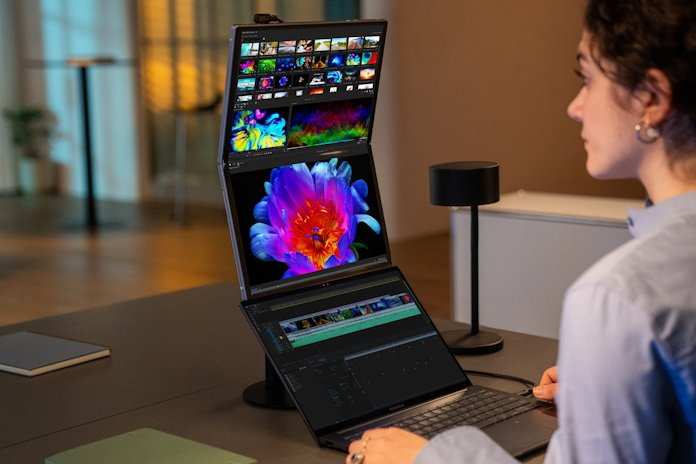
Connect your external monitor via HDMI or USB-C. Set the external as the primary display in Windows. Close the laptop lid to disable the internal screen if you want better airflow and less GPU load.
Some laptops disable the internal display automatically when an external monitor is connected and the lid is closed. Check your power settings to ensure it doesn't sleep.
Frequently Asked Questions
How much FPS do I lose with a second monitor?
The loss is typically 5 to 10 percent with a static desktop on the second screen. Animated wallpapers or video can push that to 20 percent. Modern GPUs handle the overhead well.
Older cards with 4GB VRAM will struggle.
Can I use two monitors with different refresh rates?
Yes. Windows handles mixed refresh rates fine. Some games may stutter if the secondary monitor runs at a different rate.
The workaround is to set both to the same refresh rate or disable hardware acceleration in apps on the secondary screen.
Do I need a special cable for dual monitors?
No. Use the cables that came with your monitors. DisplayPort is recommended for high refresh rates.
HDMI 2.0 or higher works well too. Avoid VGA or DVI if your monitors support digital inputs.
Does G-Sync work across two monitors?
G-Sync only works on the primary monitor where the game runs. The secondary monitor runs at its native refresh rate. Some NVIDIA drivers now support multi monitor G-Sync, but it's still experimental.
Set G-Sync for your primary only.
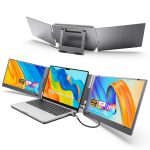
Can I use a tablet as a second monitor for gaming?
Yes. Apps like Duet Display or SpaceDesk let you use an iPad or Android tablet as a secondary monitor over Wi-Fi or USB. The latency is higher than a wired monitor.
Fine for chat and overlays. Not suitable for fast paced games.
Should I use the same monitor brand for both?
It helps with color accuracy and bezel thickness if you want a seamless look. But it's not necessary for gaming performance. Different brands work fine as long as you configure each monitor's settings independently.
Final Recommendation / Decision Guide – Which Setup Path Fits Your Hardware and Goals
You now know the three variables that decide everything. Your GPU brand, your monitor ports, and your game display mode. Follow this flow.
If you are a streamer or casual multitasker: Use borderless windowed mode. Keep your secondary monitor on a static background. Set both displays to 100 percent scaling.
Your GPU control panel confirms the arrangement.
If you are an eSports player: Use fullscreen exclusive mode. Disable the second monitor or set it to a static black screen. Cursor lock tools help if you need chat access.
If you are a sim racer: Use fullscreen on primary. Dedicate secondary to telemetry. Align monitor heights.
If your monitors have mismatched refresh rates: Set your primary to its highest refresh rate. Leave the secondary at its native rate. If stuttering occurs, cap your primary to the same rate as your secondary.
That is it. Connect both to your GPU. Extend the display.
Arrange them in Windows. Set the right game mode. Your dual monitors will work exactly as you hoped.

Similar Posts