How To Stream To Android Tv A Simple Guide

To stream content to your Android TV, you need a reliable method to connect your device with the TV seamlessly. **The easiest way is using Chromecast or a built-in casting feature on your phone or computer.** Simply ensure both devices are on the same Wi-Fi network, select the cast icon, and enjoy your content on the big screen.
Knowing how to stream to Android TV makes entertainment effortless and enjoyable. Whether it’s movies, music, or photos, a few simple steps bring your favorite media to life on your TV.

How to Stream to Android TV: An Easy Guide for Beginners and Tech Enthusiasts
Streaming content to your Android TV can seem tricky at first, but with the right steps, you’ll be able to enjoy your favorite movies, shows, or even games effortlessly. Whether you want to cast content from your phone, laptop, or tablet, understanding the best methods will ensure you get the most out of your device. This guide will walk you through all the essential ways to stream to Android TV, what tools you need, and tips to troubleshoot common issues.
Understanding the Basics of Android TV Streaming
Before diving into specific methods, it’s helpful to understand what streaming is and how Android TV supports it. Streaming essentially means transmitting data over the internet or a local network to view content on your TV. Android TV supports multiple ways to do this, giving you options suited for different devices and content types.
Android TV is built with Google’s Android operating system specially optimized for large screens. It inherently supports streaming protocols such as Chromecast, Miracast, and DLNA. These protocols enable different devices—smartphones, tablets, or computers—to send content directly to your TV wirelessly.
Some key points to remember:
- Most Android TVs come with built-in Chromecast support, making casting from compatible devices straightforward.
- It’s essential that your streaming device and Android TV are connected to the same Wi-Fi network for optimal performance.
- Ensure your Android TV software is updated to access the latest features and improvements for streaming.
Using Chromecast to Stream Content to Your Android TV
One of the easiest and most popular methods to stream content to Android TV is through Chromecast technology. Most Android TVs come with Chromecast built-in, which allows you to cast from smartphones, tablets, or computers seamlessly.
How Chromecast Works in Simple Terms
Chromecast acts as a bridge between your device and your TV. When you hit the cast button on your device, it sends the content to the Chromecast in your TV, which then plays it.
Step-by-Step Guide to Cast with Chromecast
- Make sure your Android TV and your casting device are connected to the same Wi-Fi network.
- Open a compatible app on your device, like YouTube, Netflix, or Spotify.
- Tap the ‘Cast’ icon — usually represented by a small rectangle with Wi-Fi waves in the corner.
- Select your Android TV from the list of available devices.
- The content will start playing on your TV. You can control playback from your device.
Tips for a Smooth Casting Experience
- Keep your Wi-Fi connection strong; weak signals cause lag or disconnections.
- Update your Android TV and casting app regularly for best compatibility.
- Close other apps that might be using bandwidth to prevent buffering.
Screen Mirroring with Miracast or Cast Screen
If you want to mirror your entire device screen to your Android TV, you can use screen mirroring. Many Android devices support Miracast, a wireless display standard, which allows you to mirror your phone, tablet, or computer screen directly.
How to Set Up Miracast
- Enable screen mirroring on your Android TV: go to Settings > Display > Cast or Wireless Display, and turn on the option.
- On your device, open the Settings menu, then navigate to Bluetooth & Device Connections or Display options.
- Tap on Cast or Screen Mirroring and select your Android TV from the list.
- Follow prompts if needed—your device will then begin mirroring your screen to the TV.
Note
Not all devices support Miracast, so check your device specifications. Also, some phones from manufacturers like Samsung or Xiaomi offer their proprietary mirroring options, which can sometimes work better.
Using Streaming Apps on Your Android TV
Many streaming services have dedicated apps designed to run directly on Android TV. If you prefer to browse and watch content without using your phone or computer as a bridge, this might be the best method.
Installing and Using Streaming Apps
- Open the Google Play Store on your Android TV.
- Search for popular apps like Netflix, Hulu, Amazon Prime Video, Disney+, or others you want to use.
- Download and install the app onto your TV.
- Open the app and sign in with your account credentials.
- Use the app’s interface to browse and select content.
Advantages of Using Apps
- Direct access to content without needing another device.
- Better quality streaming with dedicated apps optimized for Android TV.
- Remote control convenience with your TV’s remote or voice commands.
Connecting via HDMI Cables
If wireless options don’t appeal to you or aren’t working well, connecting your device with an HDMI cable provides a reliable connection. This method works for laptops, tablets with HDMI output, or smartphones with HDMI adapters.
Steps to Connect with HDMI
- Identify the HDMI port on your TV and your device.
- Use an HDMI cable to connect both devices.
- Switch your Android TV to the correct HDMI input using the remote.
- Your device’s screen should now display on the TV.
Benefits of HDMI Connection
- Stable and high-quality video and audio.
- No lag or buffering issues caused by Wi-Fi problems.
- Ideal for playing games or displaying presentations.
Troubleshooting Common Streaming Issues
Even when you follow all the right steps, problems can happen. Here are some typical issues and how to fix them.
Wi-Fi Connectivity Problems
- Ensure your device and Android TV are on the same Wi-Fi network.
- Restart your router, TV, and streaming device.
- Move your router closer if signals are weak.
Low Video Quality or Buffering
- Close other apps that might be using bandwidth.
- Lower the video resolution if options are available.
- Use a wired connection for your streaming device if possible.
Device Not Detecting the TV
- Make sure your TV’s casting or mirroring features are enabled.
- Restart your device and TV.
- Check for software updates on both devices.
Enhancing Your Streaming Experience
To enjoy seamless streaming, consider these tips:
- Update your Android TV’s firmware and apps regularly.
- Use a dual-band Wi-Fi network (2.4 GHz and 5 GHz) for better performance.
- Place your router in an open space, away from walls or heavy electronics.
- If using wireless casting, minimize interference by turning off other Wi-Fi devices temporarily.
Additional Tools and Accessories That Can Help
Possibilities to improve or simplify streaming include:
| Device/Accessory | Purpose | Notes |
|---|---|---|
| Chromecast Ultra | Enhanced casting capabilities with 4K support | Costs more but provides higher quality streaming |
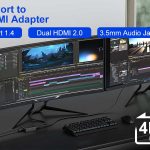
| HDMI Adapter | Connect phones or tablets directly to TV | Check your device’s compatibility before buying |
| Wi-Fi Extender | Boost Wi-Fi signal in large spaces | Helps reduce buffering and disconnections |
In summary, streaming to Android TV opens a world of entertainment options. Whether you prefer casting from other devices, using dedicated apps, or connecting via cables, each method has its benefits. Take some time to explore these options, ensure your devices are up to date, and follow the steps carefully. With a little patience, you’ll find that enjoying content on your Android TV becomes a simple and satisfying experience.
Frequently Asked Questions
What steps should I follow to connect my device to Android TV using a wireless connection?
To connect your device wirelessly, ensure both your device and Android TV are on the same Wi-Fi network. Enable screen mirroring or casting on your device—on Android devices, use the Cast feature; on iOS, activate AirPlay if supported. Open the casting menu and select your Android TV from the list. Wait for the connection to establish, and your device’s screen will be mirrored on the TV.
How can I troubleshoot connectivity issues when attempting to cast content to Android TV?
If your device fails to connect, first verify that both your device and Android TV are connected to the same Wi-Fi network. Restart both devices to reset their network connections. Ensure that your Android TV software is up to date and that the casting feature is enabled. Disable and re-enable Wi-Fi if necessary. If problems persist, check your network’s stability or try resetting your router. Additionally, ensure no VPNs or firewall settings are blocking communication between devices.
Are there specific apps that work better for casting content to Android TV?
Most mainstream apps like YouTube, Netflix, and Hulu support casting directly to Android TV, providing a smooth experience. For other apps, check if they have built-in cast or Screen Mirroring options. Use apps that are optimized for Android TV or support Google Cast for reliable connections. Updating your apps regularly also ensures compatibility and improved streaming performance.
Can I connect my gaming console or laptop to Android TV for gameplay or presentations?
Yes, you can connect gaming consoles or laptops to your Android TV via HDMI cables for high-quality visuals and sound. For wireless connections, use Chromecast or similar technology if supported by your device. Some laptops support Miracast, which allows you to mirror your screen wirelessly. Make sure your TV has the necessary ports or features to facilitate these connections, and adjust input settings accordingly for optimal display.
Final Thoughts
To stream to Android TV, ensure your device and TV are connected to the same Wi-Fi network. Use a compatible app like Chromecast, YouTube, or Netflix to cast content directly from your phone or computer. Adjust your settings if needed to enable screen mirroring or casting options.
Summing up, learning how to stream to Android TV involves selecting the right app and ensuring both devices are connected properly. This simple process makes accessing your favorite content effortless and quick.

Similar Posts