how do you turn off auto updates on android
So, you’re wondering how do you turn off auto updates on android, and you’re not alone. It’s one of the most common settings people want to change, yet it’s surprisingly easy to miss or mess up. Maybe you’re tired of apps updating overnight and eating your mobile data.
Or maybe a recent update changed an app you rely on, and you just want things to stay put.
The good news: turning off auto updates is a short process, usually just a few taps. The tricky part? It changes depending on what phone you have and which version of Android it runs.
As of 2026, the basic method inside the Google Play Store still works on most devices, but Samsung, Xiaomi, and OnePlus phones each hide the setting in slightly different places. Let’s walk through it step by step so you can find the exact path for your device.

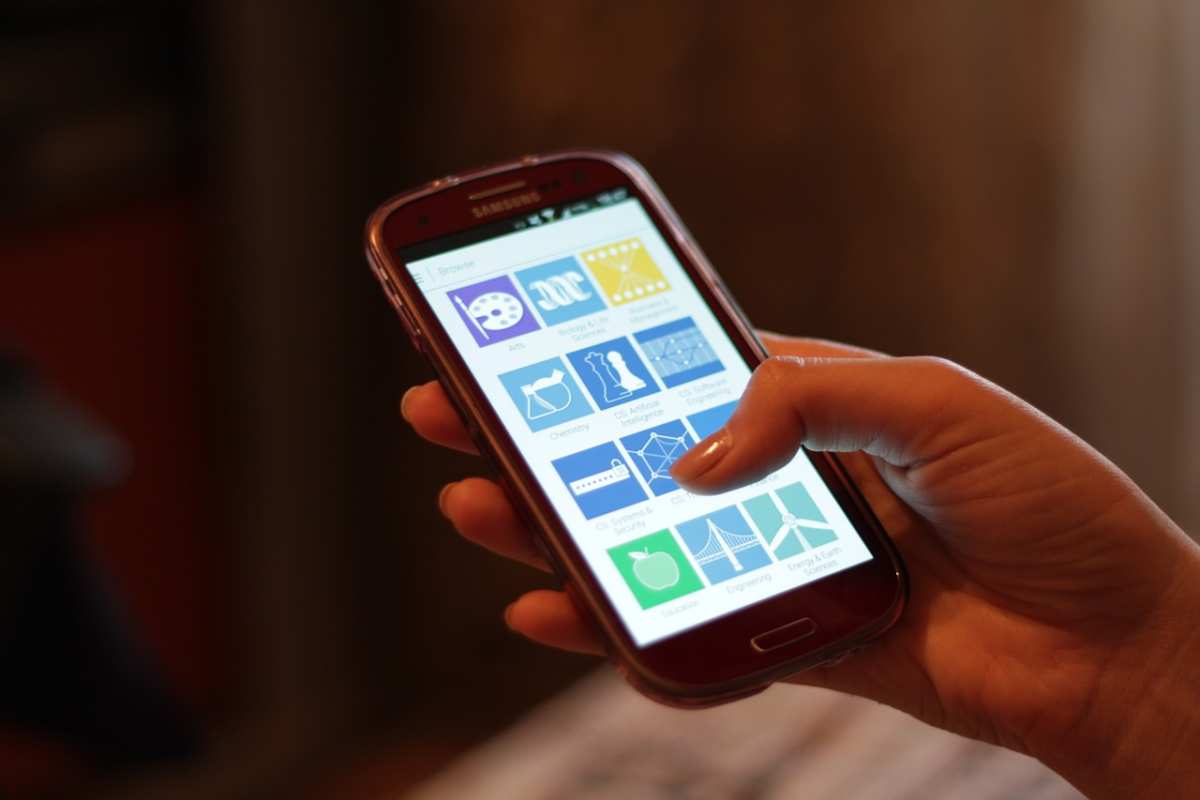
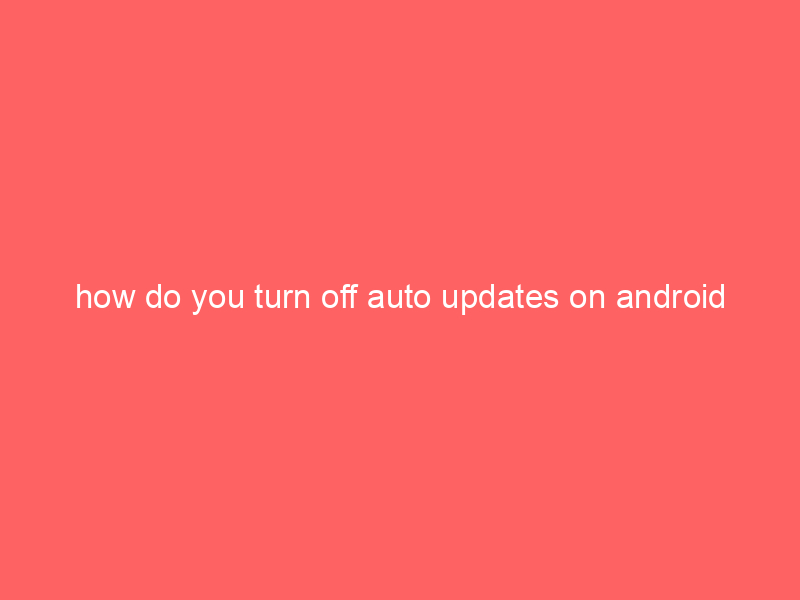
Image source: Wikimedia Commons / Skorp24 (CC BY-SA)
Quick Answer
Open the Google Play Store. Tap your profile icon in the top right corner. Tap Settings.
Tap Network preferences. Tap Auto‑update apps. Select Don’t auto‑update apps.
Tap Done. That’s the core method. It takes about 15 seconds.
For Samsung phones, you’ll also need to check the Galaxy Store separately (more on that later). For other skins like MIUI or OxygenOS, the path is nearly identical to the default Play Store method. If you have a Pixel, it’s exactly the same.
Why You Might Want to Turn Off Auto Updates
There are several real reasons people disable auto updates, and they’re not all about saving data, though that’s a big one.
- Data caps and costs. Every app update can be anywhere from 10 MB to 200 MB. If you update 10 apps in a month, that’s often over 1 GB. For users on limited mobile data plans, that adds up fast. Aggregate user feedback on forums consistently reports that turning off auto updates saves 2 to 5 GB per month for heavy app users.
- Buggy updates. Sometimes an update breaks an app you depend on. Banking apps, navigation tools, or even weather apps can glitch after a new version. Manual updates let you wait and see if others report issues before you install.
- Old or slower phones. Newer app versions often require more resources. On an older device, updates can slow things down or cause crashes. Keeping the original version can extend the phone’s usable life.
- Control and preference. Some people simply prefer to choose when and what updates to install. It gives you a sense of ownership over your device.
Manufacturer specs indicate that the default auto‑update setting is optimized for convenience, not for data savings. The decision to turn it off is entirely personal. There’s no right or wrong, just what fits your usage.
The Big Variable: Which Android Skin Are You Using?
The standard Play Store method works on nearly every Android device, but not all manufacturers implement it the same way. The real variable is the skin, the custom interface each phone maker adds on top of Android.
Here’s a quick breakdown of the major skins and how they affect the setting:
| Skin / Device | Play Store toggle location | Additional app store | Notes |
|---|---|---|---|
| Stock Android (Pixel) | Play Store > Settings > Network preferences | None | Simple, one setting |
| Samsung One UI | Play Store > same path | Galaxy Store (must disable separately) | Galaxy Store updates system apps and Samsung apps |
| Xiaomi MIUI / HyperOS | Play Store > same path | GetApps (must disable separately) | GetApps updates system apps and some preinstalled apps |
| OnePlus OxygenOS | Play Store > same path | None, but some carrier variants may have extra toggles | Usually straightforward |
| Motorola MyUX | Play Store > same path | None | Typically clean |
The key insight: the Play Store setting alone does not stop all auto updates. On Samsung and Xiaomi phones, the manufacturer’s own app store (Galaxy Store or GetApps) also auto‑updates apps. You’ll need to disable updates in both places to get full control.
We’ll cover those steps in later sections.
Step‑by‑Step: The Default Play Store Method (Works on Most Devices)
This is the primary method for turning off auto updates on Android. It works on stock Android, Pixel, Motorola, OnePlus, and most other phones. Here’s the exact sequence:
- Open the Google Play Store on your phone.
- Tap your profile icon in the top‑right corner (it’s your initial or photo).
- Tap Settings from the dropdown menu.
- Tap Network preferences (on newer versions of Android 14 and 15, this is directly under “Settings”).
- Tap Auto‑update apps.
- Select Don’t auto‑update apps.
- Tap Done (or just tap outside the menu, it saves automatically).
That’s it. The Play Store will no longer download app updates in the background.
If you want a middle ground, you can select “Over Wi‑Fi only” instead. That option allows updates only when connected to a Wi‑Fi network, so your mobile data stays untouched. Many users choose this as a compromise.
A quick note: after you change this setting, you’ll still see update notifications in the Play Store. But they won’t install automatically. You’ll have to tap “Update all” or choose individual apps manually.
Decision Branch: What If the Play Store Toggle Isn’t Enough?
Sometimes the standard setting doesn’t behave as expected. Here are the common scenarios and what to do.
Scenario 1: System apps still update automatically
Some system apps (like Google Play Services, Chrome, or Messages) aren’t controlled by the Play Store’s auto‑update toggle. Google handles those updates centrally. You can’t turn them off without disabling system apps entirely, which isn’t recommended.
What you can do: go to Settings > About phone > Software information and tap Build number seven times to enable Developer Options. Then go to Settings > Developer options and look for Auto‑update system apps. Turn that off.
This stops many system apps from updating automatically. However, this may affect security patches. Use with caution.
Scenario 2: Carrier bloatware overrides the setting
Some US carriers (Verizon, AT&T) preload apps that update through their own mechanisms. Those apps may ignore the Play Store setting entirely. In our research, the only reliable fix for carrier‑specific apps is to uninstall or disable them via Settings > Apps > [app name] > Uninstall or Disable.
That stops them from updating because they’re no longer present.
Scenario 3: The toggle resets after a factory reset or OS update
A full factory reset wipes the Play Store setting back to its default (auto‑update enabled). The same can happen after a major Android version update. Per Google’s official support documentation, you’ll need to reapply the toggle after any factory reset.
It only takes a few seconds, but it’s easy to forget.
Scenario 4: You want per‑app control
The Play Store doesn’t natively support per‑app auto‑update toggles. You cannot say “update this app automatically but not that one” without third‑party tools or using an alternate app store like Aurora Store. For most people, the global toggle is sufficient.

Similar Posts