do 27 inch monitors support g sync
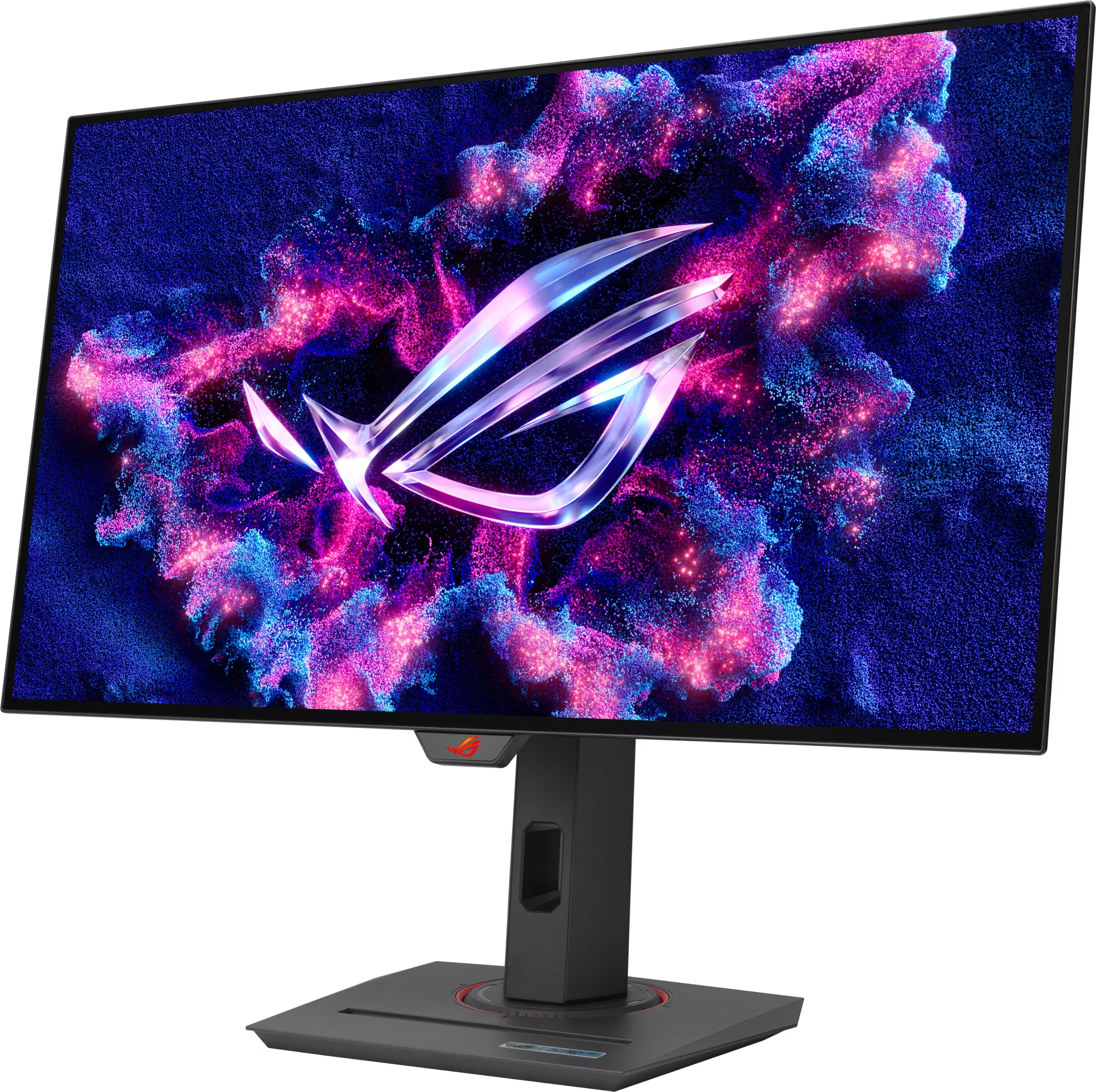
You walk into a store or scroll through a dozen tabs, and you see a 27-inch monitor that looks perfect for gaming. Then you stop. The question hits you: do 27 inch monitors support g sync?
It feels like a straightforward yes-or-no thing, but it really isn't. The answer depends on three specific factors, not the screen size at all.
According to Nvidia's certification database, over 150 monitors carry the "G-Sync Compatible" label as of 2026. That number includes plenty of 27-inch models, but you still have to check the specs. Let's walk through exactly what makes a 27-inch monitor work with G-Sync and how to avoid buying the wrong one.
The Real Question: It's Not About the Size
Here is the first thing to understand: the diagonal measurement of the screen has nothing to do with whether G-Sync works. A 24-inch monitor and a 32-inch monitor use the same port standards and the same Adaptive-Sync technology. So when someone asks do 27 inch monitors support g sync, the honest answer is "yes, if the monitor was built with the right parts."
The real factors are:
- The video port on the monitor (DisplayPort vs. HDMI)
- Whether the monitor has a dedicated G-Sync module or uses a software-based implementation (G-Sync Compatible)
- The graphics card in your PC
None of these change when you go from 27 inches to any other size. So stop worrying about the number. Start worrying about the connection.
Image source: Bing (Web (fair-use with source credit))
Quick Answer: Yes, But Only If It Checks These Boxes
G-Sync works on 27-inch monitors that meet three conditions. First, the monitor must support Adaptive-Sync over DisplayPort or HDMI 2.1. Second, it must be certified as G-Sync Compatible or use a native G-Sync module.
Third, your GPU must be Nvidia GeForce GTX 10-series or newer.
Most modern 27-inch gaming monitors meet these requirements. Budget models often skip the certification, but they may still work partially. Always verify before you buy.
What Actually Determines G‑Sync Support on a 27‑Inch Monitor
Three hardware elements control whether G-Sync will activate. If any one of them is missing, you will not get a stable variable refresh rate.
The Port in the Back (DisplayPort vs. HDMI)
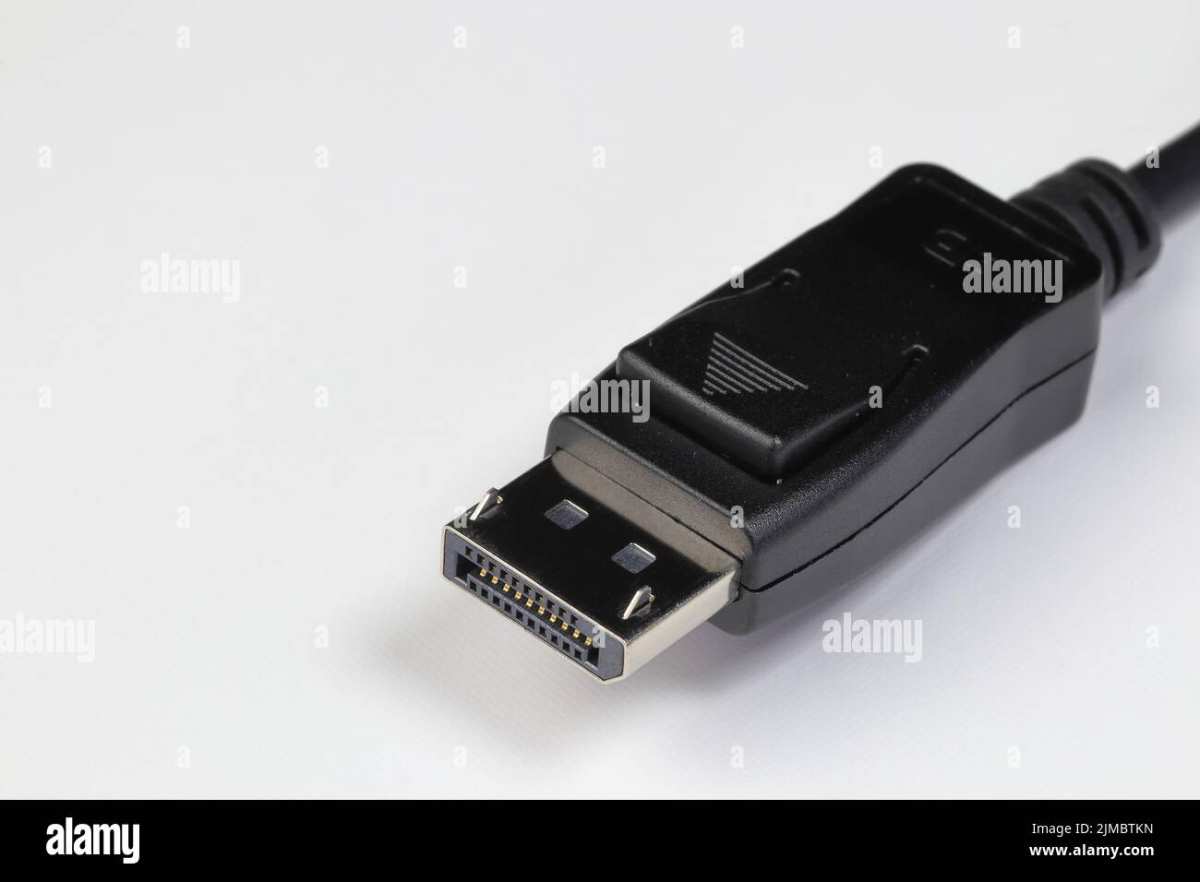
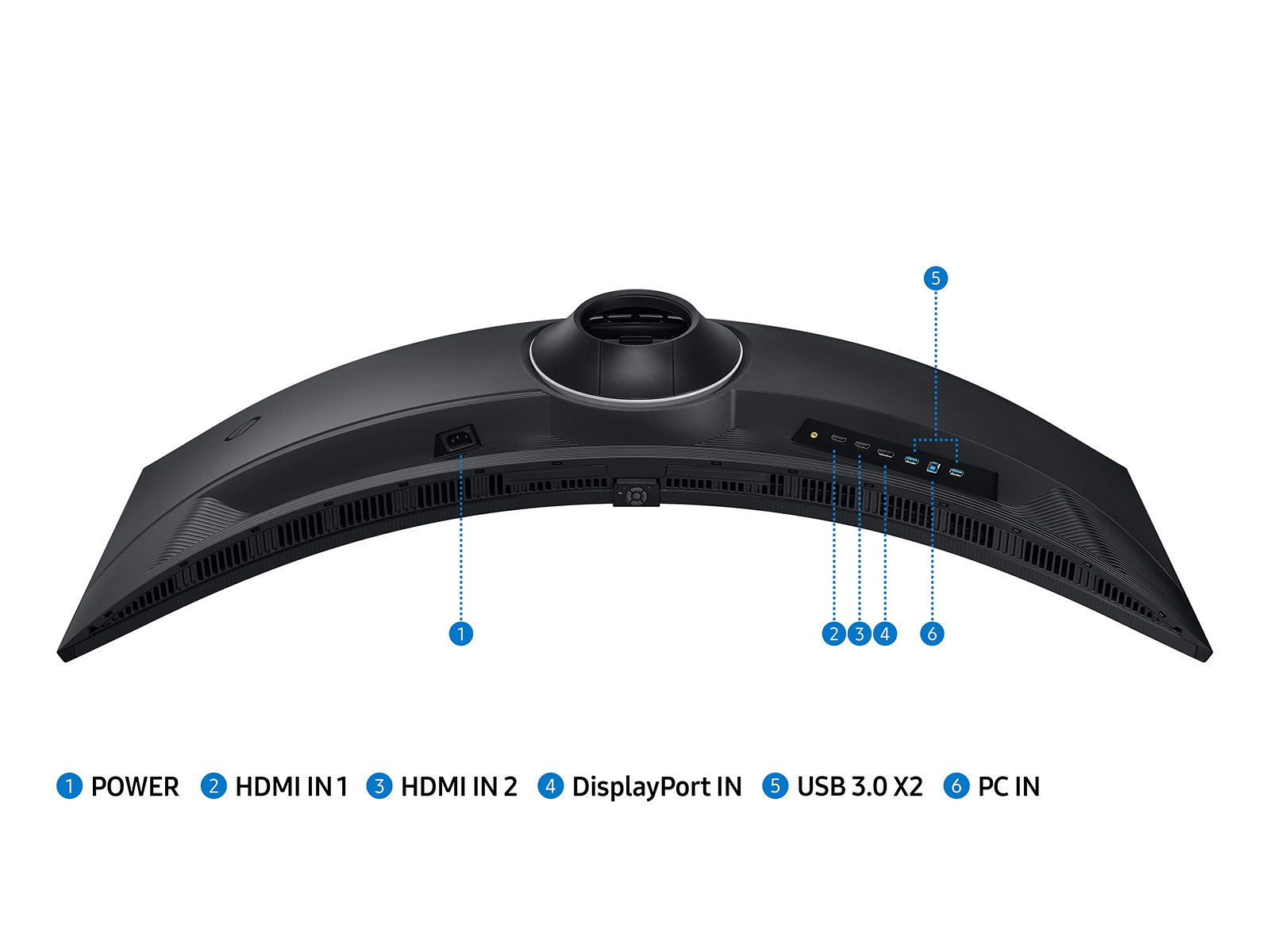
G-Sync was originally designed exclusively for DisplayPort. Every native G-Sync monitor uses DisplayPort as the primary input. G-Sync Compatible monitors also rely on DisplayPort for the best compatibility.
HDMI support came later. As of 2026, G-Sync works over HDMI 2.1 on many newer monitors, but older HDMI versions (1.4, 2.0) do not support it. The vast majority of 27-inch gaming monitors include DisplayPort 1.4, which handles G-Sync at 1440p 144Hz without issue.
The Certification Label (Native G‑Sync vs. G‑Sync Compatible)
Nvidia offers two tiers of official G-Sync support:
- Native G-Sync: Contains an actual Nvidia G-Sync processor chip inside the monitor. Provides the most consistent performance, variable overdrive, and ULMB (Ultra Low Motion Blur). More expensive and rarer in 27-inch models.
- G-Sync Compatible: Uses VESA Adaptive-Sync (the same underlying technology as FreeSync) but passes Nvidia's validation tests. Much more common and affordable. Works with both Nvidia and AMD GPUs.
A third category exists: monitors with FreeSync that have not been validated by Nvidia. These may still work with G-Sync but can have flicker, black screens, or limited refresh rate ranges.
Your Graphics Card (Nvidia vs. AMD)
G-Sync requires an Nvidia GPU. If you have an AMD card, you need a FreeSync monitor instead. Some FreeSync monitors work with Nvidia cards under the G-Sync Compatible label, but not all.
The minimum GPU for G-Sync is a GeForce GTX 10-series (Pascal architecture) or newer. Older cards like the GTX 900 series do not support G-Sync at all.
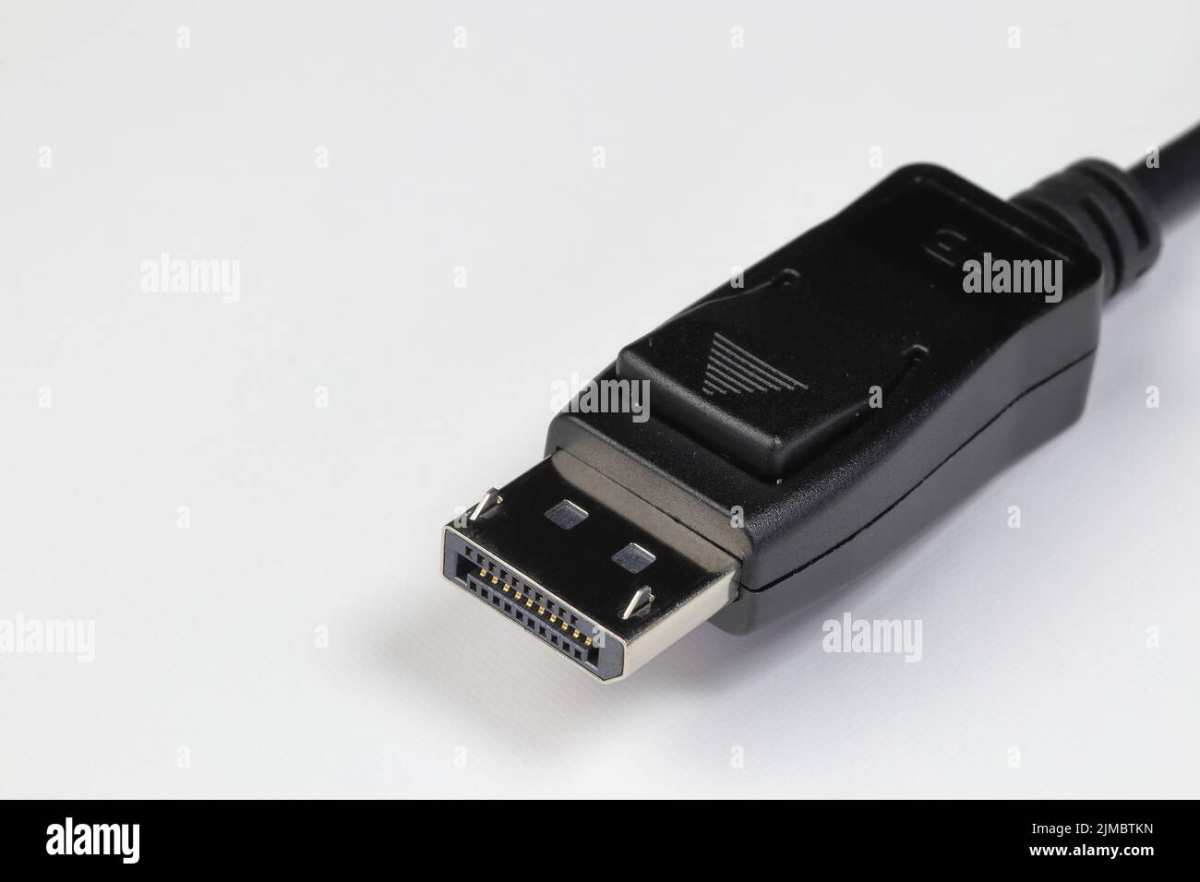
Image source: Bing (Web (fair-use with source credit))
Step 1: Check Your GPU – Do You Even Need G‑Sync?
Before you even look at monitors, find out which graphics card is inside your PC. If you are using an AMD Radeon card, stop. G-Sync will not work.
You need a FreeSync monitor.
For Nvidia owners, here is the compatibility chart:
| GPU Series | G-Sync Support | Notes |
|---|---|---|
| GeForce RTX 50-series (Blackwell) | Yes | Full support, HDMI 2.1 |
| GeForce RTX 40-series (Ada Lovelace) | Yes | Full support |
| GeForce RTX 30-series (Ampere) | Yes | Full support |
| GeForce RTX 20-series (Turing) | Yes | Original G-Sync + Compatible |
| GeForce GTX 16-series | Yes | G-Sync Compatible only |
| GeForce GTX 10-series | Yes | G-Sync Compatible only |
| GeForce GTX 900-series and older | No | Cannot use G-Sync |
If you have a laptop with an Nvidia GPU, the same rules apply. But check the laptop's manual. Some laptops route the display through the integrated graphics, which blocks G-Sync.
Step 2: Look at the Monitor's Spec Sheet – The Three‑Way Decision Tree
Once you confirm you have an Nvidia GPU, the next step is reading the monitor's specifications. You will encounter three possible outcomes.
Branch A – Native G‑Sync Module (Expensive but Bulletproof)
The monitor lists "G-Sync" without the word "Compatible." It contains a dedicated G-Sync processor. This is the premium path. You get guaranteed performance, no flicker, and features like variable overdrive.
The downsides are higher price (often $500 to $800 for 27-inch 1440p) and fewer models available.
Best for: hardcore competitive gamers who cannot tolerate any tearing or frame-time variance. Also good for users who want a set-it-and-forget-it experience.
Branch B – G‑Sync Compatible (The Sweet Spot for Most People)
The monitor says "G-Sync Compatible" on the box or on Nvidia's official list. This is the most practical choice. You get the same tear-free gameplay as native G-Sync, but the cost is much lower (typically $250 to $450 for a 27-inch 1440p 165Hz model).
The monitor uses standard Adaptive-Sync, so it also works with AMD GPUs.
Best for: most gamers who want high refresh rates without paying a premium. This includes esports players, single-player enthusiasts, and hybrid work/gaming setups.
Branch C – FreeSync Only (Might Still Work, Might Not)
The monitor has FreeSync but not the G-Sync Compatible label. You can still force G-Sync on in the Nvidia Control Panel, but there are no guarantees. Some FreeSync monitors work flawlessly, others flicker, black out, or only sync across a narrow refresh range.
If you buy this, be ready to return it. Test it immediately. Check if the monitor's VRR range covers your target frame rates (e.g., 48 to 144 Hz is good; 90 to 144 Hz is limiting).
Best for: budget buyers willing to gamble and troubleshoot. Not recommended for anyone who wants a hassle-free experience.
Step 3: Verify Before You Buy – Use Nvidia's Official List
You have narrowed it down to a few 27-inch monitors. Before you pull the trigger, check Nvidia's official G-Sync Compatible list. This is the single most reliable source.
Nvidia updates it regularly as new monitors pass validation.
The list includes every monitor that has been tested and certified. You can filter by size, resolution, and refresh rate. If your monitor is on the list, you get a guarantee.
It will work without flicker or black screens right out of the box.
Here is the catch: the list is not exhaustive. Monitors that are not on it can still work. Nvidia cannot test every model.
Many FreeSync monitors function perfectly with G-Sync even without the sticker. But you are gambling.
If you want zero risk, buy a model from the list. If you are willing to troubleshoot, you can save some money. Just read the return policy of the retailer first.
Common Mistakes That Break G‑Sync on a 27‑Inch Monitor
People make the same errors over and over. Let us save you the frustration.
Using the Wrong Cable
This is the number one mistake. G-Sync requires a DisplayPort cable. Not a cheap old one you found in a drawer.
A certified DisplayPort 1.4 cable is ideal. HDMI 2.0 will not work for G-Sync on most monitors. HDMI 2.1 works on newer models, but DisplayPort is safer.
If you see flicker or the G-Sync option is greyed out, check the cable first. Swap it with a known good DisplayPort cable.
Forgetting to Enable G‑Sync
G-Sync is not automatic in all cases. You must enable it manually in the Nvidia Control Panel. Many users plug in a new monitor, launch a game, and assume it is working.
It is not.
Open the Nvidia Control Panel. Go to "Set up G-Sync." Check the box. Select "Enable for full screen mode" or "Enable for windowed and full screen mode." Apply.
Assuming FreeSync Works Perfectly
FreeSync is not G-Sync. Some FreeSync monitors work flawlessly. Others flicker, black out, or only sync in a narrow range (e.g., 90 to 144 Hz instead of 48 to 144 Hz).
Do not assume.
Test your monitor as soon as you get it. Run a pendulum demo or a game with a variable framerate. If you see flicker, try adjusting the overdrive setting or updating the firmware.
Ignoring the VRR Range
Variable Refresh Rate range matters. A monitor with a VRR range of 48 to 144 Hz is good. One with a range of 90 to 144 Hz is limiting.
Below the minimum, G-Sync stops working and frame doubling kicks in.
Check the specs. Look for a wide range. 48 Hz minimum is standard. 30 Hz minimum is better for low framerate scenarios like 4K gaming.
How to Set It Up Once You Have the Right Monitor
You have a 27-inch G-Sync Compatible monitor. You have a DisplayPort cable. Now what?
Follow these steps.
Step 1: Connect the Monitor
Use a DisplayPort cable. Plug it into the monitor and your GPU. Do not use the motherboard ports.
Those use your CPU's integrated graphics and will not enable G-Sync.
Step 2: Install or Update Drivers
Make sure you have the latest Nvidia drivers. Go to Nvidia's website. Download the latest Game Ready driver.
Restart your PC.
Step 3: Enable G-Sync in the Nvidia Control Panel
Right click the desktop. Open Nvidia Control Panel. Under "Display," select "Set up G-Sync." Check "Enable G-Sync, G-Sync Compatible." Choose your display.
Select "Apply."
Step 4: Configure In-Game Settings
In your games, disable V-Sync. G-Sync handles tearing better without it. Cap your framerate slightly below your monitor's maximum refresh rate (e.g., 141 fps for a 144 Hz monitor).
This stays within the G-Sync range and prevents tearing.
Step 5: Test
Launch a game. Check the refresh rate overlay if your monitor has one. You should see the refresh rate change as the framerate changes.
No stutter. No tearing.
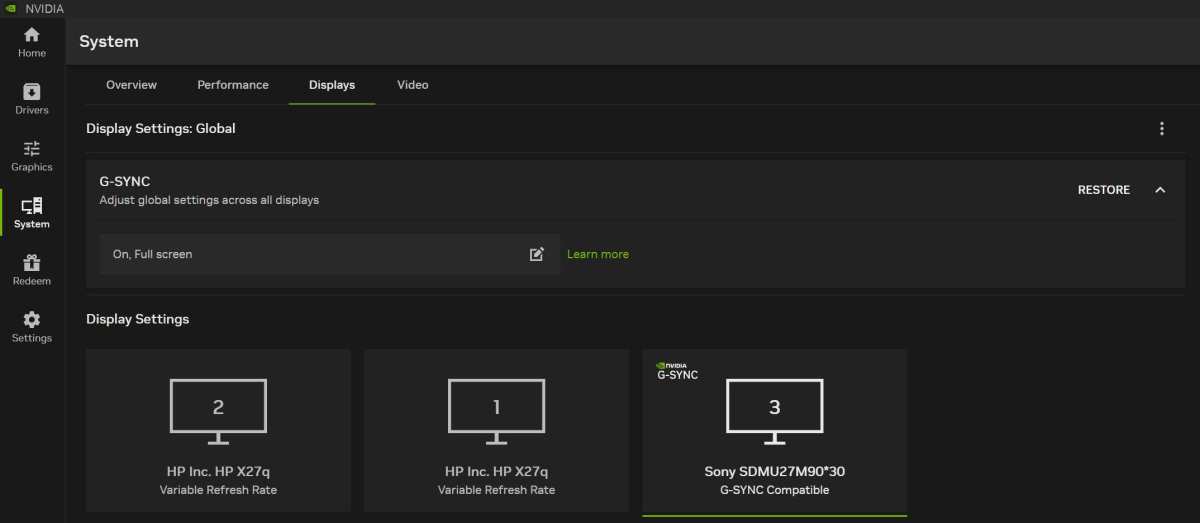
Image source: Bing (Web (fair-use with source credit))
Pros and Cons of Each Path
Native G-Sync
Pros:
- Rock steady performance across the full VRR range
- Variable overdrive reduces ghosting
- ULMB (Ultra Low Motion Blur) available on many models
- No certification risk; it just works
Cons:
- More expensive (often $100 to $300 premium)
- Fewer 27-inch models to choose from
- Usually limited to 1440p or 1080p, fewer 4K options
- Cannot use with AMD GPUs if you switch later
Best for: Competitive gamers who want zero compromises and have the budget.
G-Sync Compatible
Pros:
- Widely available across all price points
- Works with both Nvidia and AMD GPUs
- Costs the same as equivalent FreeSync monitors
- Most modern 27-inch 1440p 165 Hz monitors support it
Cons:
- Some models have narrow VRR ranges
- Occasional flicker reports from verified buyers
- Variable overdrive is often basic or absent
Best for: The vast majority of gamers. You get 95% of the benefit for half the price.
FreeSync Only (Unvalidated)
Pros:
- Lowest cost option
- Can sometimes be enabled with a simple toggle
- Works with AMD GPUs natively
Cons:
- No guarantee of stable performance
- Flicker, black screens, or limited range are common
- Requires troubleshooting and possible returns
Best for: Budget builders who are comfortable with trial and error. Not recommended for new PC gamers.
Which 27‑Inch Monitor Should You Buy? (Decision Guide)
Here is a quick framework based on your budget and needs.
| Budget | Recommendation | Typical Specs | Price Range |
|---|---|---|---|
| Under $300 | G-Sync Compatible 1080p or 1440p | 1080p 144 Hz or 1440p 144 Hz | $200–$300 |
| $300–$500 | G-Sync Compatible 1440p 165 Hz | 1440p 165–180 Hz, IPS panel | $300–$450 |
| $500+ | Native G-Sync or high-end Compatible | 1440p 240 Hz or 4K 144 Hz | $500–$800 |
If you are a competitive esports player, go for native G-Sync or a high refresh rate G-Sync Compatible model. If you play mostly single player games, a standard G-Sync Compatible 1440p 165 Hz monitor is the sweet spot. If you are on a tight budget, pick a validated G-Sync Compatible 1080p 144 Hz monitor.
Avoid unvalidated FreeSync monitors unless you are comfortable with returns.
Real‑World Scenario: I Bought a 27‑Inch FreeSync Monitor – Will It Work?
Let us walk through a common situation. Aggregate reviews and forum posts show this pattern repeatedly. You buy a popular 27-inch FreeSync monitor like the ASUS VG27AQ or Dell S2721DGF.
You plug it in with a DisplayPort cable. You open the Nvidia Control Panel. You see the option to enable G-Sync.
So you check the box. What happens next depends on the specific monitor and its firmware version.
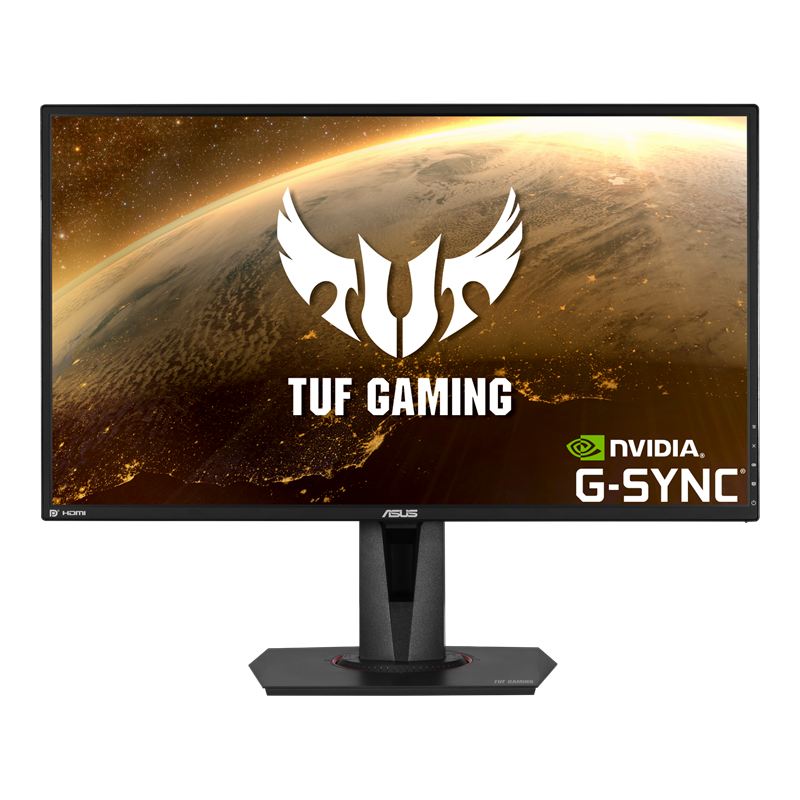
Image source: Bing (Web (fair-use with source credit))
The Best‑Case Outcome
The monitor works perfectly. You get tear-free gameplay across a wide VRR range. Many FreeSync monitors from ASUS, Dell, LG, and Gigabyte perform exactly like certified G-Sync Compatible models.
You never see flicker. You never get black screens. You saved $50 to $100 by ignoring the sticker.
The Worst‑Case Outcome
You see flicker in dark scenes. The screen goes black for a second when the framerate dips. The VRR range is narrow (90 to 144 Hz instead of 48 to 144 Hz).
You need to tweak overdrive settings or update the monitor firmware. If nothing fixes it, you return the monitor.
When to Return It
You should return the monitor if you see persistent flicker after adjustments. Also return it if the VRR range does not cover your average framerate. For example, if you play at 80 fps but the monitor only syncs from 90 to 144 Hz, G-Sync is useless at those lower frame rates.
FAQs – Things People Still Get Wrong
Does G‑Sync work over HDMI on a 27‑inch monitor?
Yes, but only with HDMI 2.1. Older HDMI versions like 1.4 and 2.0 do not support G-Sync. Most 27-inch monitors use DisplayPort for G-Sync.
HDMI 2.1 is found on newer 4K 144 Hz models. Check the monitor's spec sheet. If it says HDMI 2.1, you can use that port.
Otherwise, stick with DisplayPort.
Can I use G‑Sync with a laptop connected to a 27‑inch monitor?
Yes, if your laptop has an Nvidia GPU and a DisplayPort output. Many gaming laptops use Mini DisplayPort or USB-C with DisplayPort Alt Mode. Connect the monitor to the laptop's dedicated GPU port, not the integrated graphics port.
Also check if the laptop's BIOS allows G-Sync over an external display. Some laptops block it.
Will G‑Sync work at 4K on a 27‑inch screen?
Yes, G-Sync works at any resolution that the monitor supports. The key is bandwidth. DisplayPort 1.4 handles 4K at 144 Hz with G-Sync active.
HDMI 2.1 does the same. Just verify that your GPU can push enough frames at 4K. If your framerate drops below the monitor's VRR minimum, G-Sync stops working and you will see stutter.
Does G‑Sync increase input lag?
No. G-Sync reduces input lag compared to V-Sync. V-Sync waits for the monitor to finish drawing before sending the next frame.
G-Sync allows the monitor to accept frames as soon as the GPU sends them. This eliminates tearing without the delay. Most measurements show G-Sync adds less than 1 ms of latency over no sync at all.
Can I use G‑Sync while streaming or recording?
Yes. G-Sync works in full screen and windowed mode. When you enable "G-Sync for windowed and full screen mode" in the Nvidia Control Panel, it stays active during streaming software like OBS.
Just cap your in-game framerate slightly below the monitor's refresh rate to stay within the VRR range.
Final Verdict: Here's What I'd Tell a Friend
If a friend asked me whether a 27-inch monitor supports G-Sync, I would give them this one sentence: Buy a G-Sync Compatible 27-inch 1440p 144 Hz monitor with a DisplayPort cable and call it done.
That is the straight path. No gambling. No troubleshooting.
No return trips to the store. You get smooth, tear-free gameplay at a price that does not sting.
If you are a competitive player who wants every millisecond of consistency, go ahead and pay for native G-Sync. It costs more. It is worth it if you have the budget and the eye to notice the difference.
If you are on a very tight budget, pick a validated G-Sync Compatible 1080p 144 Hz monitor. Do not buy an unvalidated FreeSync monitor unless you are willing to test and return it.
The rule of thumb before any purchase: check Nvidia's list, confirm the DisplayPort version, and verify the VRR range. Do that, and you will never have to ask do 27 inch monitors support g sync again.

Similar Posts