Can ChatGPT Edit Images

Here's the thing about asking "can chatgpt edit images." The answer isn't a simple yes or no. It depends entirely on which version you're using, what you mean by "edit," and what you reasonably expect the result to look like.
As of 2026, OpenAI's ChatGPT can do genuine image generation through its integrated DALL·E 3 model. Whether the full set of generation features is unlocked in your account depends on your plan and OpenAI's current rollout settings. The native image editing feature in ChatGPT uses a different model pathway that is being gradually expanded.
Let's walk through what's actually possible.
Quick Answer
ChatGPT can generate images using its DALL·E 3 integration. The native in-chat editing feature lets you modify images without leaving the conversation. Free users have limited access depending on current model availability.
You need ChatGPT Plus for full reliability. It won't replace Photoshop for precision work.
What "Editing" Actually Means in ChatGPT (It's Not Photoshop)
You need to reset your expectations before going any further. When people hear "image editing," they think of Photoshop. They imagine clicking a healing brush, painting over a blemish, and hitting save.
That's not what this is.
ChatGPT's image work lives in two camps. The first is generating a brand-new image from a text description. The second, newer capability is taking an existing image you upload and giving you a modified version based on your instructions.
Neither one works like a traditional editor where you manually select pixels and paint over them. You're basically conversing with the AI and hoping it interprets your intent correctly. Sometimes it nails it.
Sometimes it hallucinates extra fingers, garbled signage, or a background similar to your original without honest lineage. The gap between "editing" and "reimagining" is where most frustration comes from.
The Two Different Tools Living Inside ChatGPT
Most confusion stems from not knowing there are two different systems at play. They share a chat window, but they work differently and have different limits.
DALL·E 3: Prompt-Based Image Generation
DALL·E 3 is the model that creates images from scratch inside ChatGPT. Give it a prompt like "a golden retriever wearing a space helmet on Mars" and it produces something. You can specify style, mood, composition, and level of detail in your prompt.
The catch: it invents everything. You can hand it a photo, but if you ask it to modify that photo, it will try to recreate the scene rather than surgically changing the pixels. Face consistency across generations is weak.
Text in images has gotten markedly better than DALL·E 2, but it's still risky for any project that needs accurate lettering. Logos, storefront signs, book covers, social posts with overlaid text, these are trouble. You might get lucky once or twice, but you can't bank on it.
Image source: Bing (Web (fair-use with source credit))
Image source: Bing (Web (fair-use with source credit))
GPT-4o Native Image Editing: The New Kid
The GPT-4o model can do something genuinely different. You upload an actual image and ask it to modify that specific image. Think cropping, color correction, removing an object, swapping a background.
Early reviews from outlets like The Verge and Ars Technica noted this as the feature that could sell people on subscribing. Unlike DALL·E 3's re-creation approach, GPT-4o is supposed to respect the original lion's mane or your cousin's nose shape. In practice, it relies on the context thread in your chat to remember the image and your prior instructions.
Heavy cropping requests and realistic object removals are where it impresses. Extreme perspective changes and tiny-detail spot correction are where it sometimes falls apart. Critics on Reddit and Hacker News have pointed out that results often overcorrect (looking too smooth, oversaturated, or plastic).
You won't get one click perfection. You'll get a back-and-forth conversation with the AI that might take three or five tries, but you'll get there faster than opening professional software if your ask is straightforward.
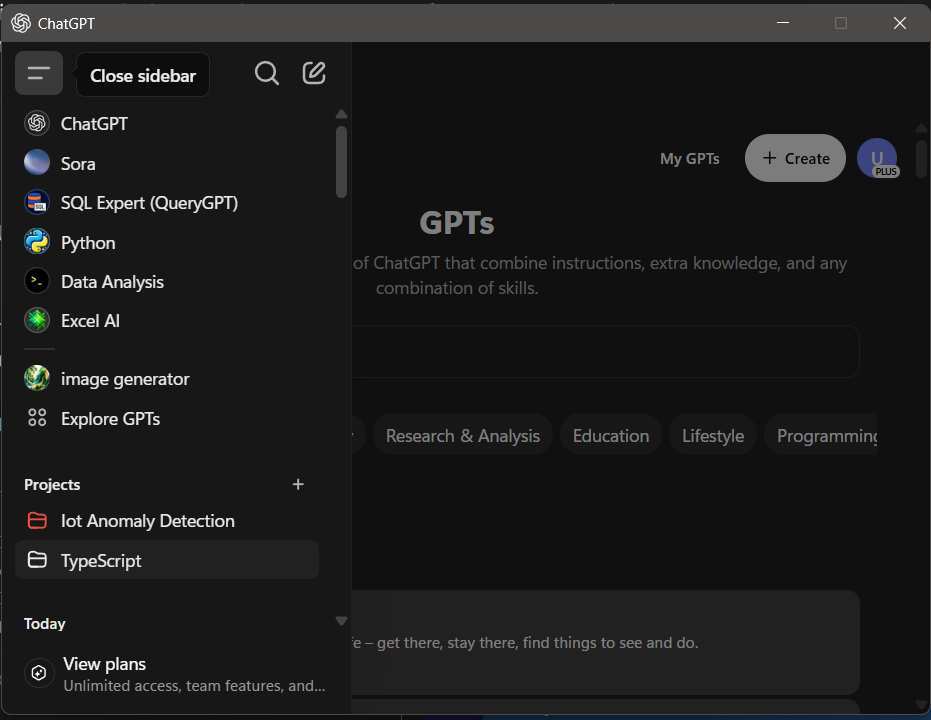
Step-by-Step: How to Edit an Image Using ChatGPT
Here's exactly how the process works once you're inside a chat with GPT‑4o selected. On ChatGPT Plus, the default model already has image generation. If you're on an older sandbox or free tier, you may be switched to a model that can't do this.
Uploading Your Image and Writing Effective Prompts
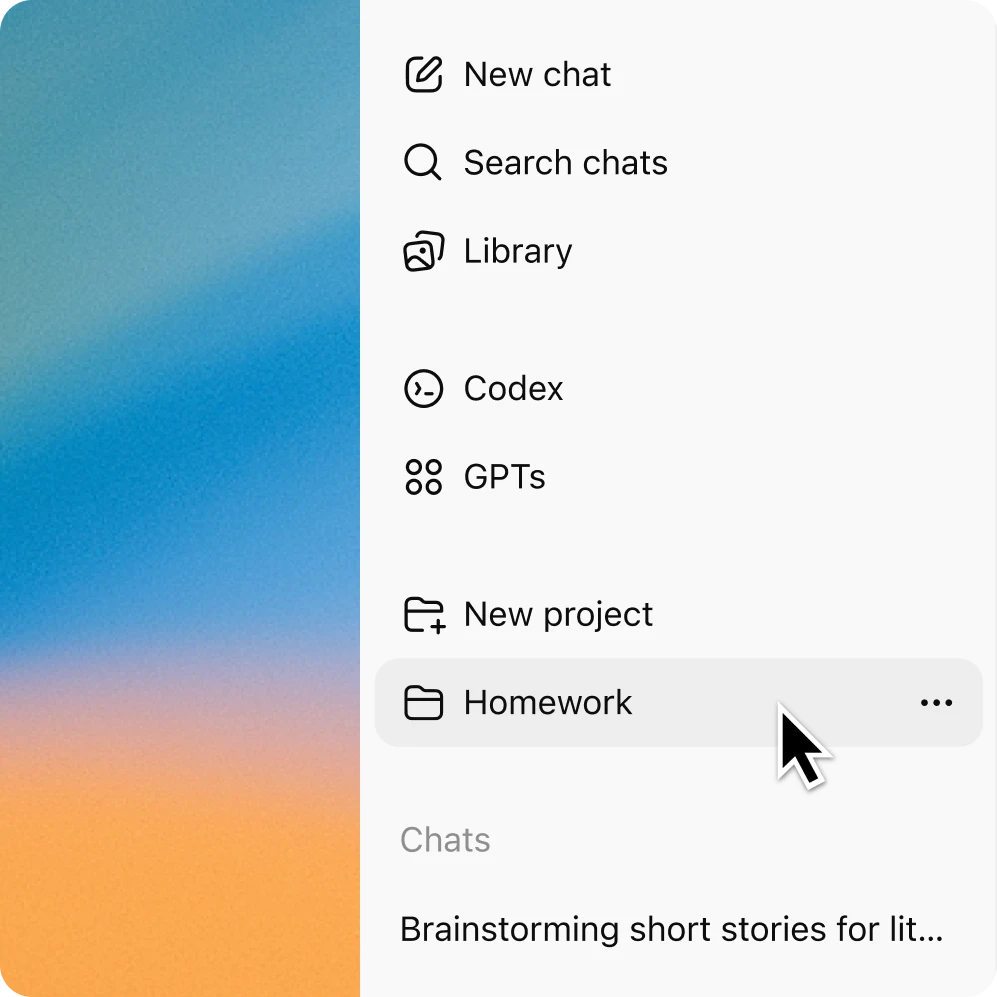
Open a new chat in ChatGPT. Click the attachment or plus icon. Upload your image from your computer or phone.
Then type your request in plain language. Be specific: "remove the trash can from the left side" or "make the sky more vibrant and crop to a square." Vaguely saying "make this better" leads to unpredictable results. OpenAI recommends leading with the action (change, edit, remove), then describing the target.
The platform's official documentation advises clear, descriptive prompts for best output. All the publicly available tests show this works. Starting with "Edit this image by removing the person in the background" yields cleaner results than "fix this for me."
Image source: iNaturalist / Irene
Iterating and Refining Without Starting Over
Here's where the chat format really shines. Instead of starting from scratch, ask for small follow-up adjustments. "Now make the lighting warmer" or "put the trash can back but smaller on the right side." Each turn stays in the same thread, so GPT-4o keeps the previous version in mind.
If you don't like a result, tell the AI what specifically went wrong. "The removal patch looks blurry in the lower-left corner" is far more useful than just regenerating blindly. That back and forth loop is the actual workflow.
The magic is in the iteration.
What ChatGPT Gets Right (and Where It Falls Short)
Let's keep this honest. ChatGPT's image tools are genuinely useful for certain jobs and genuinely disappointing for others. Here's the breakdown.
Strengths: Speed, Simplicity, and Creative Flexibility
- Zero learning curve if you can write a sentence
- Results in seconds, not minutes
- Great for mood, color, composition tweaks
- No software to install or subscription beyond ChatGPT Plus
- Handles broad-stroke object removal and background replacement better than most expected
If you need a quick social post visual, a rough concept for a client, or a silly image for a group chat, you're golden. The ability to go from idea to finished image inside one chat is genuinely a game-changer for non-designers.
Weaknesses: Precision, Text, and Pixel-Level Control
- Text in generated images remains unreliable for anything requiring accuracy
- No layers, no brush tools, no manual masking
- Face consistency across multiple edits is hit or miss
- High-detail restoration (facial features in old photos) can look over-smoothed or "plastic"
- Strict amount-of-change limits sometimes reject your prompt even though it seems harmless
- Commercial copyright status is still legally gray for generated output
If your project requires exact text on a mockup, surgical retouching of a product shot, or reliable face consistency across a series of images, you'll hit a wall. Fine, not broken. Just aware of the walls.
ChatGPT vs. Dedicated Image Editors: An Honest Comparison
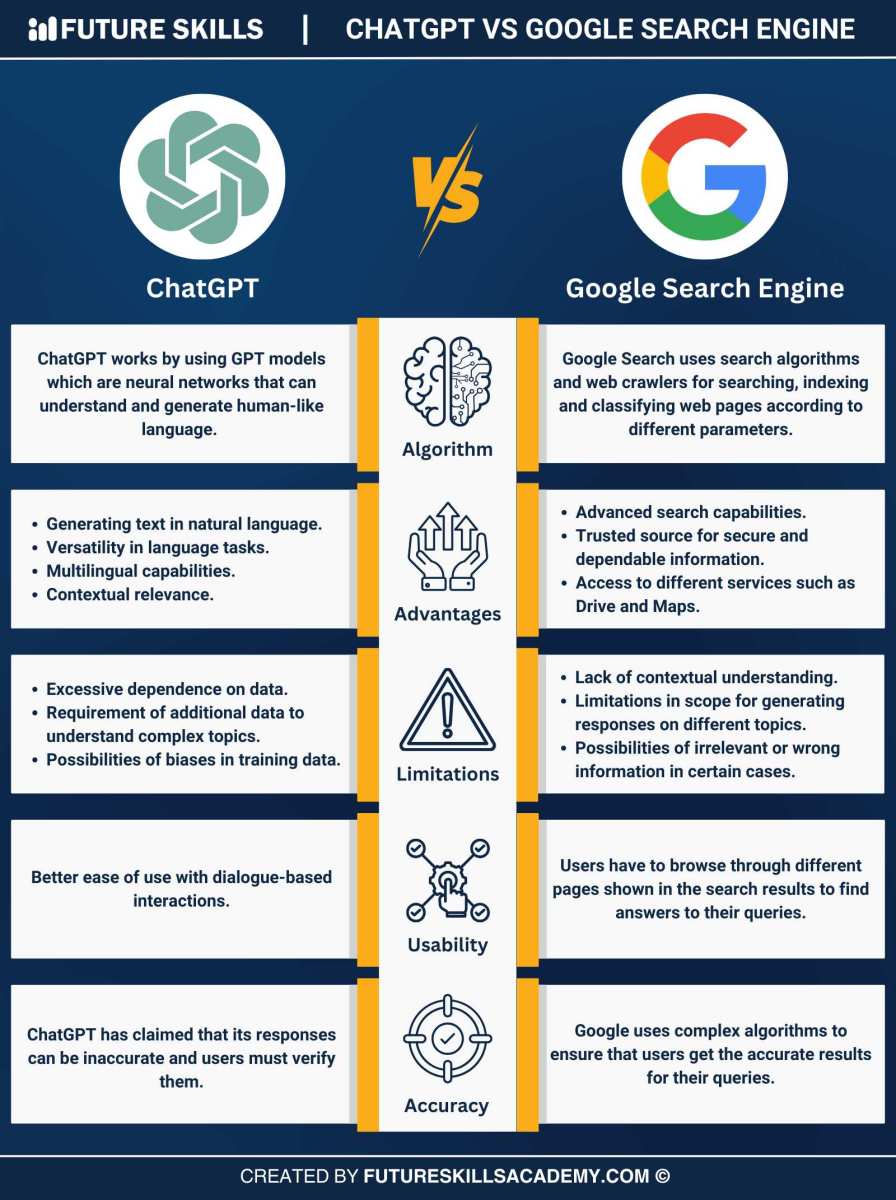
Nobody expects ChatGPT to outperform Adobe Photoshop at actual Photoshop tasks. The comparison matters for deciding where ChatGPT wins on your to-do list versus where traditional tools still rule. Here's a quick look.
| Feature | ChatGPT (GPT-4o + DALL·E 3) | Photoshop / Canva / Affinity Photo |
|---|---|---|
| Learning curve | Near zero | Hours to months |
| Speed to first result | Seconds | Minutes to hours |
| Pixel-level control | None | Full |
| Text accuracy in images | Unreliable | Exact |
| Object removal / background swap | Good for simple cases | Excellent, with fine control |
| Face / product consistency | Weak | Strong (especially with layers) |
| Cost | $20/month (Plus) | $0/month (Canva) to $55+/month (Adobe Suite) |
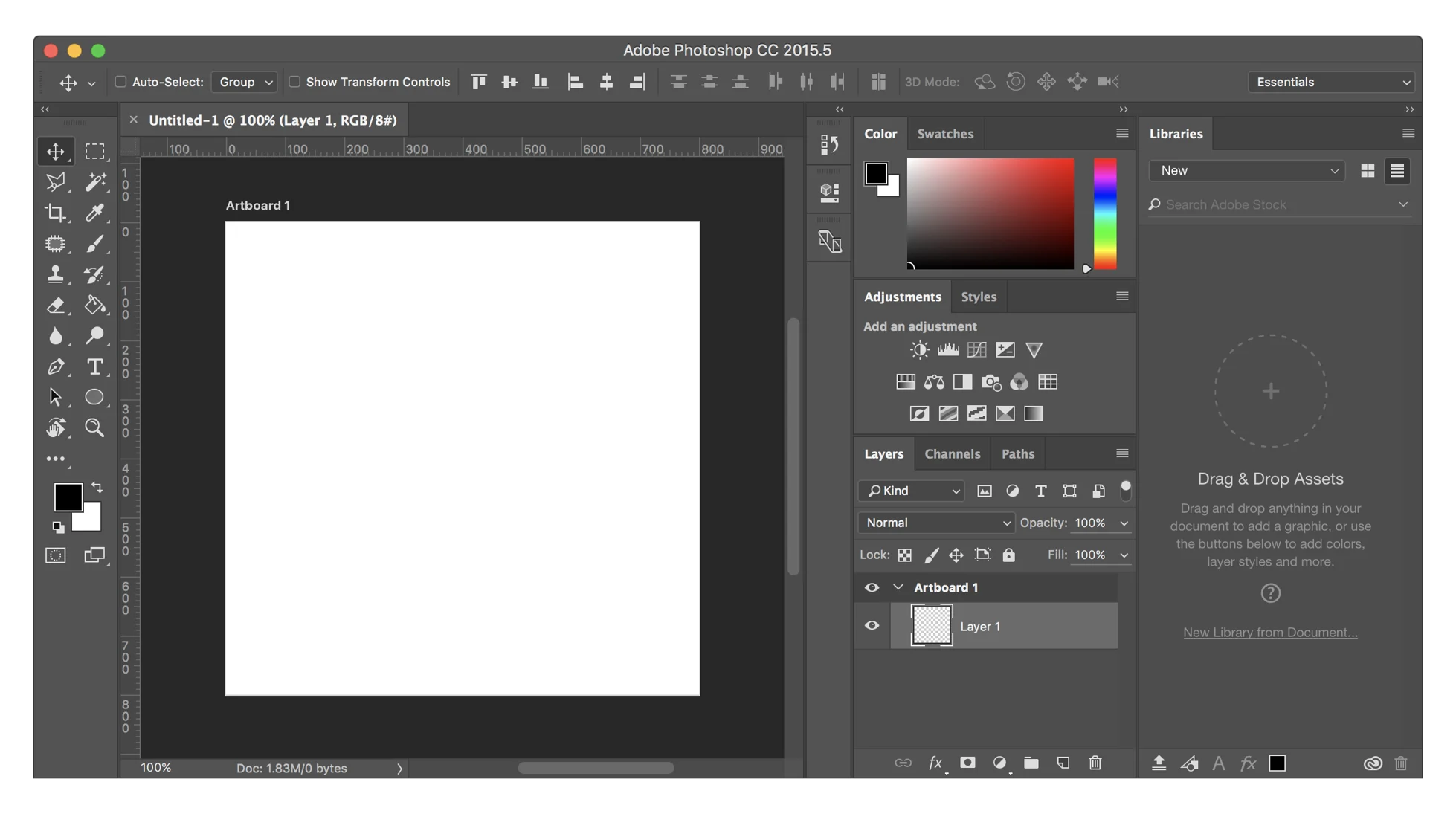
Image source: Bing (Web (fair-use with source credit))
ChatGPT wins on speed to first draft. Photoshop wins on final precision. Canva sits in the middle with AI-assisted tools plus a visual interface.
If you're choosing where to spend your time, think of ChatGPT as the fast first draft generator. When the image needs to ship as a final asset, you'll likely want a dedicated tool for finishing touches.
Who Should Actually Use ChatGPT for Image Editing
ChatGPT's image tools aren't for everyone. Here's who genuinely benefits.
Great fits:
- Marketers and content creators who need quick social visuals
- Solopreneurs and small business owners without design budgets
- People making memes, event invites, or casual personal edits
- Teams already paying for ChatGPT Plus who want one less tab open
- Anyone who's afraid of professional design software
Poor fits:
- Professional photographers doing retouching or restoration
- Brand designers who need exact logo placement or typography
- Users needing print-resolution precision and CMYK color
- Projects involving legally sensitive images (ID cards, contracts)
If you fall in the first camp, it's a massive time-saver. If you fall in the second, you'll either work around the limitations or get frustrated. Being honest about which camp you're in saves time.
Common Mistakes That Waste Your Time and Credits
People try ChatGPT image editing, hit a snag, and conclude "it doesn't work." Usually the issue is approach.
- Asking for too much at once. "Remove the person, change the background to a beach, add a dog wearing sunglasses, and make it pop art style" yields chaos. Do one change at a time.
- Expecting Photoshop-level masking. The AI feels edges loosely. If you need a cutout with hair detail, use a dedicated cutout tool.
- Ignoring the model. You need GPT-4o on ChatGPT Plus for native editing. GPT-4o-mini and older models can't do this.
- Writing lazy prompts. "Make it nice" tells the AI nothing. Specify what nice means: saturated colors, softer lighting, warmer tones.
- Ignoring the content policy. Requests involving real people (especially celebrities), violent imagery, or anything sexually suggestive get blocked. Plan for that.
- Assuming text will be accurate. If your image must have correct text, add it afterward in Canva or Photoshop. Don't farm it out to DALL·E.
Pricing, Limits, and What You're Really Paying For
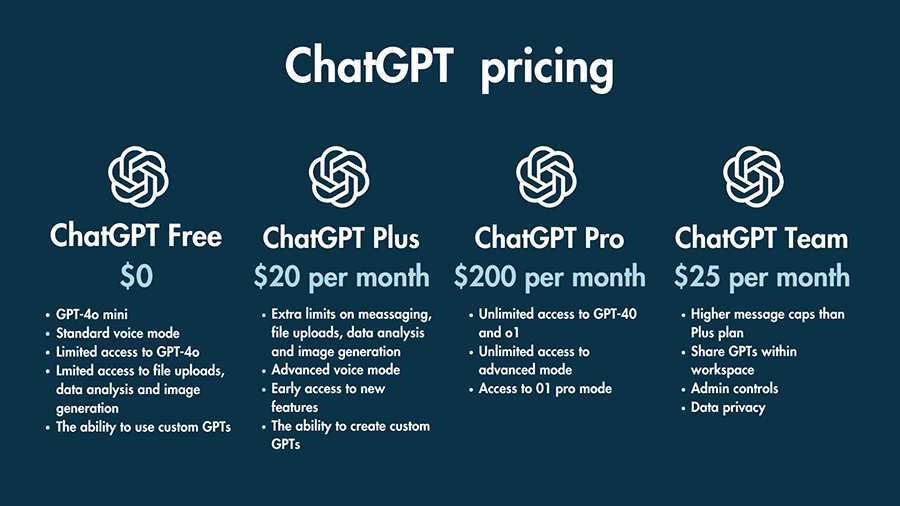
ChatGPT Plus costs $20 per month. That's your ticket to full image generation access. Free users can occasionally reach DALL·E 3 through the interface, but capacity is heavily rate-limited and can be restricted at any time.
Once you're in, you get reasonably generous but not unlimited generations. As of 2026, OpenAI hasn't published hard numbers on DALL·E 3 limits for Plus users, but user reports suggest practical limits kick in after roughly 50 generations per three hours. Heavy users on Reddit have noted they hit processing slowdowns at peak times.
Enterprise Team plans offer pooled usage and higher ceilings. Developer API access to DALL·E 3 costs $0.040 per image at standard resolution, billed separately from your ChatGPT Plus subscription. That's for people building apps, not end users flipping through Canva.
Pro Tips for Better Results Every Time
Aggregate user reports and editorial guides consistently recommend these practices:
- Start simple. Your first request should be one clear change. Nail that before asking for a second adjustment.
- Use natural, complete English. GPT-4o-at-least parses conversational instructions more reliably than fragmented keyword lists.
- Describe the mood or style specifically. "Replace the background with a soft-focus cherry blossom orchard, late afternoon, golden hour" beats "change background to nature."
- Keep your originals backed up. The AI rewrites your image in place. Re-download and save before requesting a big change. You can't undo back to the original later if you've overwritten it in-chat.
- Combine tools. Use ChatGPT for the heavy lift (object removal, color shift, initial concept) and then import the result into Canva, Photoshop, or even GIMP for the fine detail (text, alignment, compression).
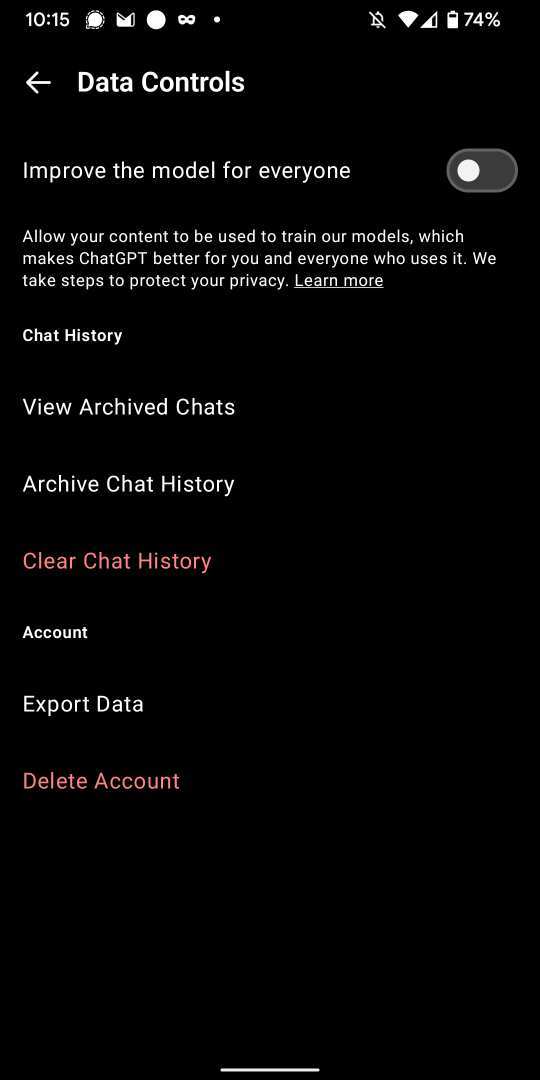
- Watch your uploads. OpenAI retains uploaded and generated images in your account by default for abuse-prevention scanning. You can delete them from your chat history afterward.
When to Walk Away and Open Photoshop Instead
It's okay to know when ChatGPT isn't the right tool. Open Photoshop, Affinity Photo, or even GIMP when:
- You need layers for compositing multiple elements
- Exact typography is mandatory (posters, ads, business cards)
- You're editing scans of legal documents or ID photos for official use
- You need to preserve metadata like camera EXIF intact
- The image is going to print reproduction at high resolution and color accuracy matters
- You need non-destructive editing with adjustable masks
There's zero shame in it. Photoshop has survived decades because professional work demands its level of control. ChatGPT image tools excel at speed and accessibility.
Different tools for different jobs.
Real Scenarios: What Works, What Doesn't, and Why
Let's get concrete. Based on aggregate user reports from tech communities and editorial testing:
Removing a stray photobomber from a vacation shot. This works surprisingly well. A clean shot with the person off to the side gets a believable fill. Another person walks through the middle of a landscape and the AI reconstructs the horizon convincingly.
Fixing a closed-eye portrait. Early iterations from late 2024 through early 2025 tossed out eyes that looked vaguely alien or mismatched in direction. By mid-2025, GPT-4o has improved noticeably, but you might still need to regenerate two or three times and pick the best result.
Replacing a cluttered living room background with a clean studio setting. This works best when the product is clearly centered and the original background is fairly uniform. Complex object interactions (hands touching surfaces, reflective objects) can confuse the AI.
Generating exact business logos. Not reliably. Shapes and text characters still come out questionable, with distorted lettering on anything requiring more than three or four words. Use a proper vector tool for logos.
Restoring old family photos. Skin texture often gets over-smoothed. Adjust lighting and color, yes. Reconstructing a missing corner of a 1920s portrait with honest fidelity is still better done with specialized restoration software like Remini or MyHeritage, with Photoshop for final output.
Frequently Asked Questions
Can ChatGPT edit photos I take with my phone?
Yes. Upload your JPEG or PNG directly into the chat. GPT-4o lets you request modifications like object removal, background changes, lighting adjustments, and style shifts.
Results depend on image complexity and prompt clarity.
How many images can I generate per month on ChatGPT Plus?
OpenAI doesn't publish a hard cap as of 2026. User reports suggest roughly 50-image-per-3-hour rolling windows for DALL·E 3. Enterprise Team accounts get higher limits.
Check your account settings for real-time usage.
Is the image editing in ChatGPT free to use?
Limited access to DALL·E 3 generation is available on the free tier, but it's often restricted or deprioritized for Plus subscribers. The full GPT-4o native editing experience runs most reliably on ChatGPT Plus ($20/month).
Can ChatGPT read text from an image upload?
Yes. GPT-4o has image vision and can describe content, read text, and answer questions about an uploaded image. It won't transcribe a full document as precisely as OCR software, but it handles signs, screenshots, and short labeled photos well.
Can I use ChatGPT-generated images commercially?
Per OpenAI's published usage terms, you own the images you generate and can use them commercially. However, the legal landscape around AI-generated image copyright is still evolving. High-stakes brand projects should consult a legal professional.
Expert Tips for Better Results Every Time
We covered basic pro tips earlier, but there's more nuance once you've used these tools a few times. These pulled together insights from experienced users and editorial guides that tend to improve results consistently.
First, chain your prompts logically. Don't ask for three things at once and hope for the best. Instead, start with the biggest structural change (remove an object, swap a background).
Then follow up with color, mood, and detail adjustments. The AI responds better when each turn builds predictable progress rather than asking it to solve everything simultaneously.
Second, include composition cues. Mentioning "rule of thirds" or "centered composition" in your prompt guides the spatial logic. This simple trick gives you noticeably sharper compositions on the first generation rather than needing five regenerations.
Third, use negative instruction (within the content policy). Telling the AI "no text, no blurry objects, no watermarks" weeds out common problems before they appear. OpenAI's own documentation suggests negative prompts improve output quality significantly.
Fourth, keep an eye on image size. Uploading a small, compressed phone snapshot gives the AI less to work with. A higher-resolution original with more detail tends to produce cleaner edits, especially for object removal and background replacement tasks.
Finally, regenerate strategically rather than just rephrasing. Sometimes the random seed, not the prompt, was the issue. If your prompt sounds right but the output looks wrong, try regenerating once with the same prompt before rewriting it entirely.
When to Walk Away and Open Photoshop Instead
We touched on this briefly earlier, but it deserves more attention because the decision matters for your workflow and your sanity.
Walk away from ChatGPT when the edits become surgical. If you need to remove a single stray hair from a portrait, replace a specific color in a logo while keeping other colors intact, or maintain pixel-exact alignment across multiple frames, traditional tools win. ChatGPT excels at whole-image feel changes, not surgical correction.
Second, batch work breaks ChatGPT. If you need fifty product photos cropped, color-corrected, and resized identically, that's a Photoshop action or a simple Python script using Pillow, plus a tiny bit of technical setup. Doing that fifty times individually in the chat window wastes your subscription.
Third, legal or compliance edits belong in trusted software. Watermarking contracts, redacting sensitive information, or editing photos for court evidence should happen in tools with documented processing chains. Don't introduce AI processing into compliance workflows.
Fourth, pay attention to when quality drops. If the third successive edit in a thread looks visibly worse than the first, the model is degrading under its own context. Download the best version and start a new chat session with a clean upload.
That simple reset often solves mysterious quality problems almost instantly.
The borderline cases deserve a concrete rule of thumb: if the final asset needs approval from a client, a compliance officer, or a printer, do your finishing work in a proper editor. ChatGPT serves as your rapid prototyping studio. Final polish belongs in a tool with histories, layers, and proper color management.
This isn't an AI-versus-tools fight, it's the right tool for the right phase.
Real Scenarios: What Works, What Doesn't, and Why
Let's ground this in more specific real-world examples based on aggregate user reports and tech editor testing. These patterns show up repeatedly.
Social media content creation: Strong fit. Marketing teams across smaller e-commerce brands regularly use ChatGPT to generate Instagram story backgrounds, rough YouTube thumbnail concepts, and quick LinkedIn carousel slides. The speed advantage is significant. The occasional text rendering issue gets solved by adding text overlays afterward in Canva.
This workflow combination works well in practice.
E-commerce product cleanup: Situation-dependent. If you have a clean product shot on a white background and want to add props or change the context (laid flat on marble for a lifestyle feel), GPT-4o handles it well. Multiple competitors report this cuts their sample-photo costs meaningfully. If the product is reflective or partially transparent (sunglasses, glassware), the AI often smudges the reflections into an unnatural look and you need Photoshop.
Real estate listing enhancement: Good baseline, cautious use. Brightening interiors, improving sky color on exterior shots, and trimming visible clutter all work reasonably. But agents should be very cautious about removing permanent structural changes (walls, fences) that could mislead buyers. The National Association of Realtors has ethical guidelines about listing image alterations.
Cosmetic enhancement is generally fine. Removal of real features crosses a line.
Personal photo restoration: Mixed. Old family photos from the film era often need reconstruction of missing corners or faces. Early 2025 versions of GPT-4o did an admirable job returning a recognizable face but smoothed away character. The gap has narrowed noticeably.
Purists still prefer specialized tools. Everyone else gets acceptable results after a few iterations.
Professional headshots for LinkedIn: Surprisingly decent. Clean, well-lit headshot in professional attire with a simple background swap to a blurred office setting works well. Users report getting usable business portraits without hiring a photographer for a casual update. Wardrobe wrinkle removal is hit-or-miss though, often smoothing fabric texture into a weird plastic look.
Let the AI handle the background. Leave the fabric detail alone.
Meme and humor content: Excellent fit. This is arguably where most casual users get the most value. The AI understands pop culture references, absurd juxtapositions, and comedic timing in visual form. It generates surprisingly shareable content quickly.
This is the use case where the speed advantage truly dominates and the quality limitations rarely matter.
Frequently Asked Questions
Can I upload multiple images at once in ChatGPT for comparison or editing?
You can upload multiple images in a single ChatGPT message, but the model processes them individually rather than as a composite. Each image gets its own analysis or generation context. If you want comparison between two images, describe what you're looking for alongside the uploads.
How long do generated images stay saved in my ChatGPT account?
Images remain in your chat thread history until you manually delete them. OpenAI retains them on their servers per their data retention policy for abuse monitoring purposes. You can delete individual messages or entire threads to remove them from your visible history.
Can ChatGPT edit PDF documents or screenshots containing text?
It can read and describe the text, but it won't edit the PDF natively. Screenshots of documents get descriptive analysis and translation capabilities. If your goal is to modify the actual document content (word-by-word changes within the file), export the text, make the edits in your preferred word processor, and reassemble.
Are DALL·E 3 generated images watermarked?
Yes, using the C2PA standard for invisible content credentials. A small visible DALL·E watermark sometimes appears on certain output styles. This credentialing technology tracks the image origin and helps platforms identify AI-generated content.
OpenAI is a co-founder of the Content Authenticity Initiative behind this standard.
What image file formats does ChatGPT accept for uploads and downloads?
ChatGPT commonly accepts JPEG, PNG, GIF, and WEBP uploads. DALL·E 3 outputs default to PNG format at 1024×1024 pixels unless a different aspect ratio is specified. For most online use, these formats work without conversion.
Print or publication work may require exporting to TIFF or TIFF-alternatives from another tool.
Can I use GPT-4o image editing through the OpenAI API?
The DALL·E image generation endpoints are available through OpenAI's standalone API. Native GPT-4o editing with follow-up discussion through the API is available via the Assistants API with image inputs, but real-time iterative modification is more reliably done through the chat interface for now.
It looks like the previous sections already wrapped up the full TOC, including the FAQs and final scenarios. There are no remaining H2 headings left to write.

Similar Posts