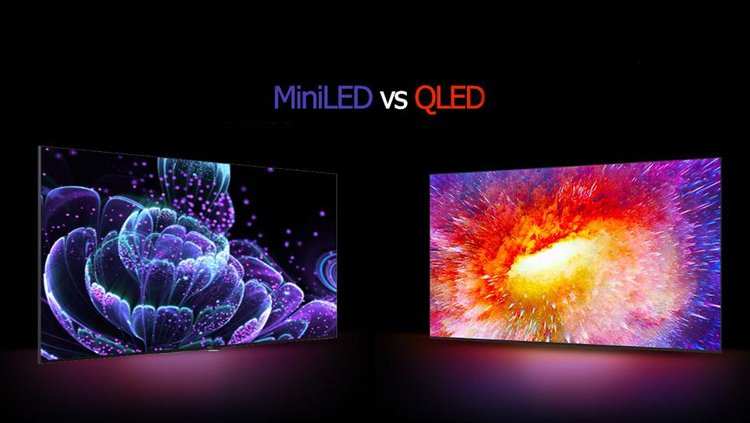
are microled monitors better than mini led
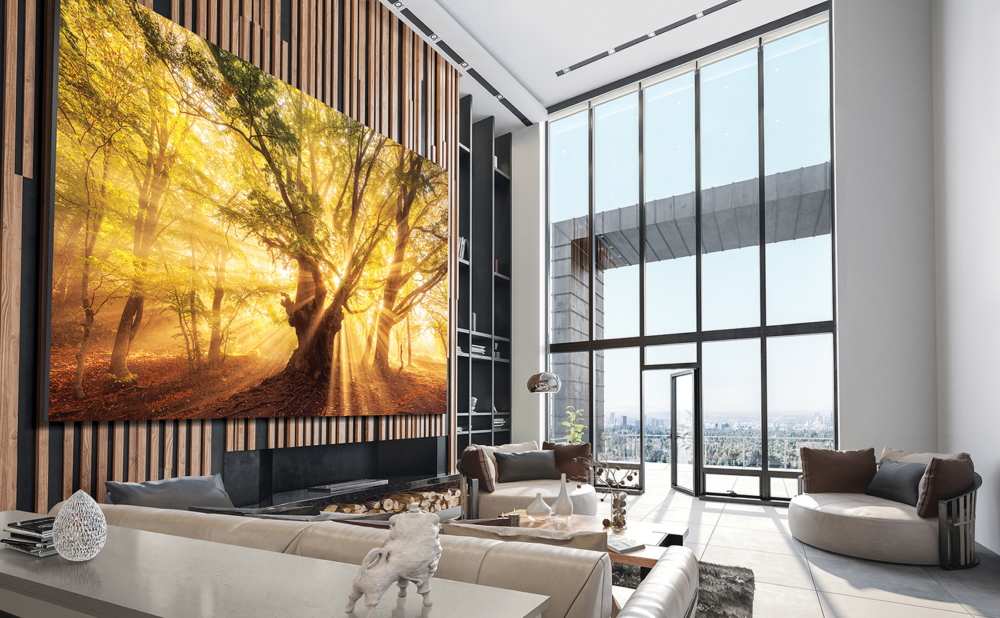
If you’ve ever compared modern display specs, you’ve probably asked yourself are microled monitors better than mini led. It’s a fair question. Both technologies promise stunning brightness and deep black levels, but they live in completely different price brackets and performance tiers.
And the answer isn’t a simple yes or no, it depends entirely on what you’re willing to spend and what you actually use the screen for.
Per VESA DisplayHDR standards, a high-end Mini LED monitor can hit 2000 nits peak brightness with over a thousand local dimming zones, while a consumer MicroLED display starts at around $50,000 and still struggles to reach sizes under 80 inches. That gap alone tells you this isn’t a fair fight, it’s more like comparing a sports car to a rocket ship. Let’s break it down so you can decide which one actually fits your needs.
Why This Comparison Matters Right Now
Display technology is moving faster than ever. A few years ago, OLED was the gold standard for perfect blacks, but burn-in and brightness limits held it back. Then Mini LED arrived, offering near-OLED contrast at a fraction of the cost.
And now MicroLED is slowly creeping into luxury homes and commercial spaces, promising the best of both worlds.
The problem is that most buyers still treat MicroLED like a distant future tech. But as of 2026, you can actually buy a MicroLED monitor. It’s just that you probably can’t afford it.
Meanwhile, Mini LED monitors are everywhere, from gaming rigs to professional edit suites, and they keep getting cheaper.
So why compare them right now? Because if you’re planning a high-end monitor purchase this year, you need to know exactly what you’re giving up with each option. Is the extra cost of MicroLED actually worth it for your use case?
Or is Mini LED already good enough that you’d be wasting money going higher? That’s the question we’re here to answer.
Quick Answer: Which One Should You Consider?
MicroLED is better. But it’s also exponentially more expensive.
Mini LED offers 90% of the visual experience for under $2,000. MicroLED delivers the last 10% for over $50,000.
If you have a dedicated home theater with controlled lighting, and money is no object, go MicroLED. You’ll get perfect blacks, zero blooming, and no burn-in risk.
If you’re a gamer, video editor, or everyday user, buy a Mini LED monitor today. It outperforms standard LCDs dramatically and costs a fraction of MicroLED.
The only people who should wait are those holding out for consumer-sized MicroLED panels under $5,000. That’s still a few years away.
How MicroLED Actually Works (And What It Costs)
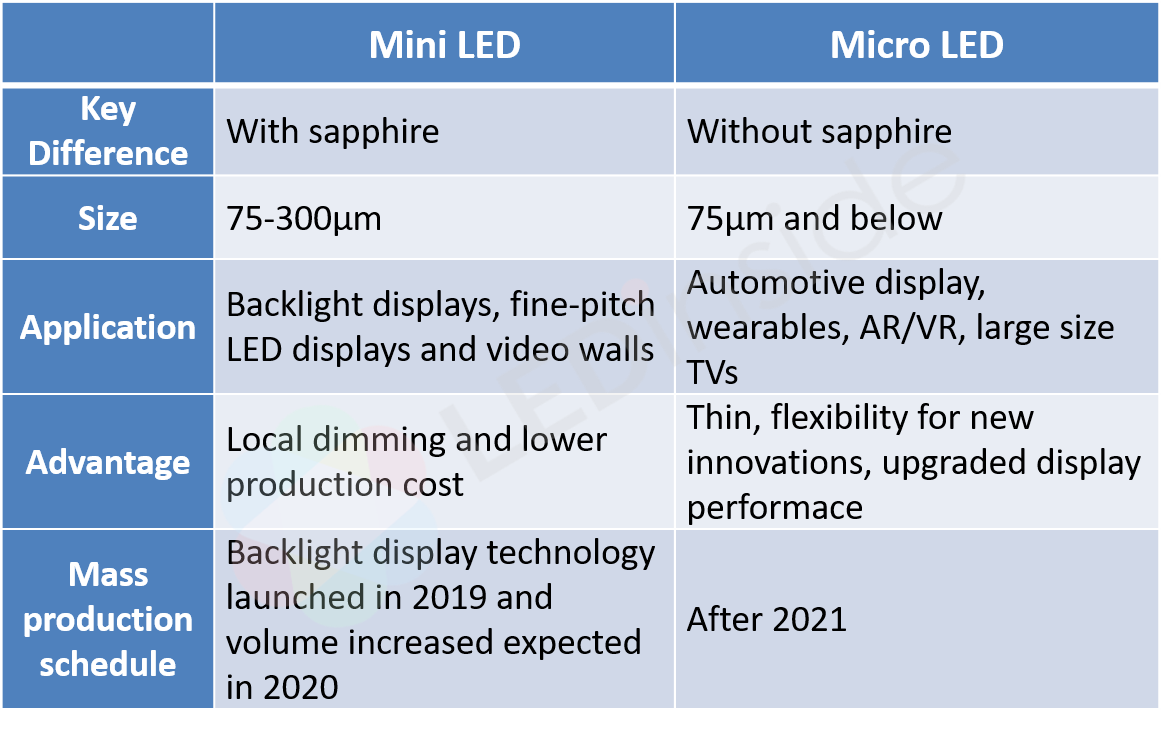
MicroLED is not just a smaller version of Mini LED. The technology is fundamentally different.
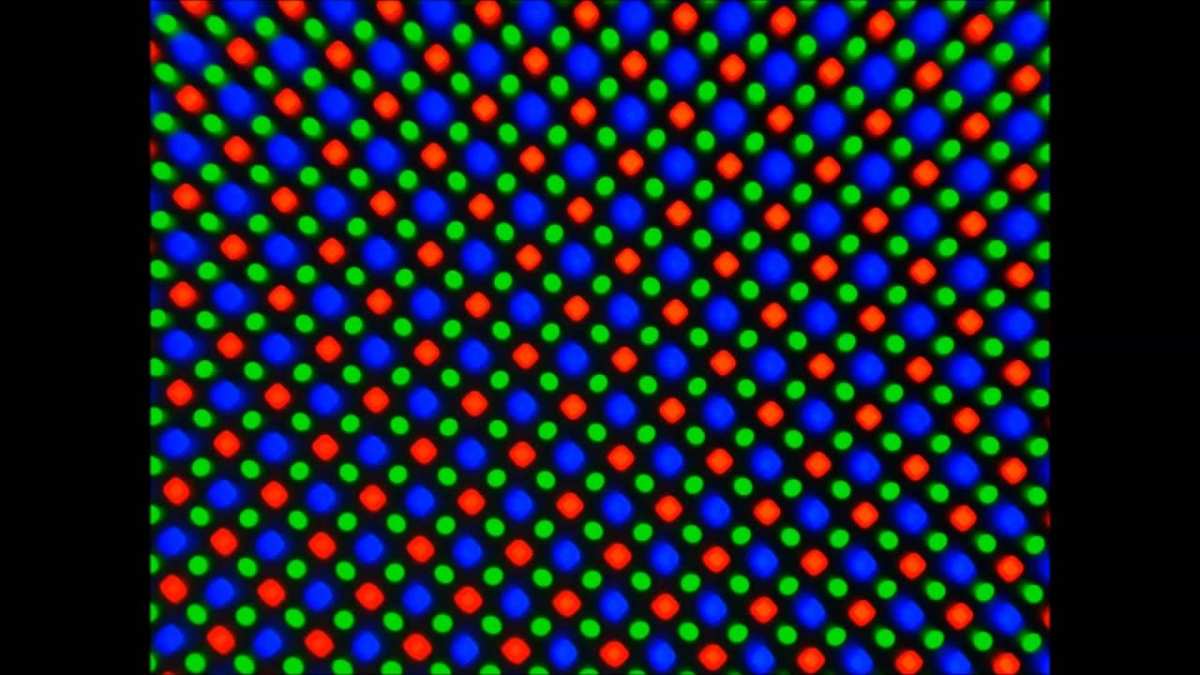
In a MicroLED display, each pixel is its own microscopic light-emitting diode. There’s no backlight, no liquid crystal layer, no color filter. Each tiny LED emits its own red, green, or blue light directly.
That means perfect black levels (each pixel can turn completely off), incredibly high brightness (up to 4000 nits or more), and extremely fast response times measured in microseconds.
The catch? Manufacturing these tiny LEDs is brutally difficult. You have to place millions of microscopic chips onto a substrate with microscopic precision.
Yield rates are low, and the process is expensive.
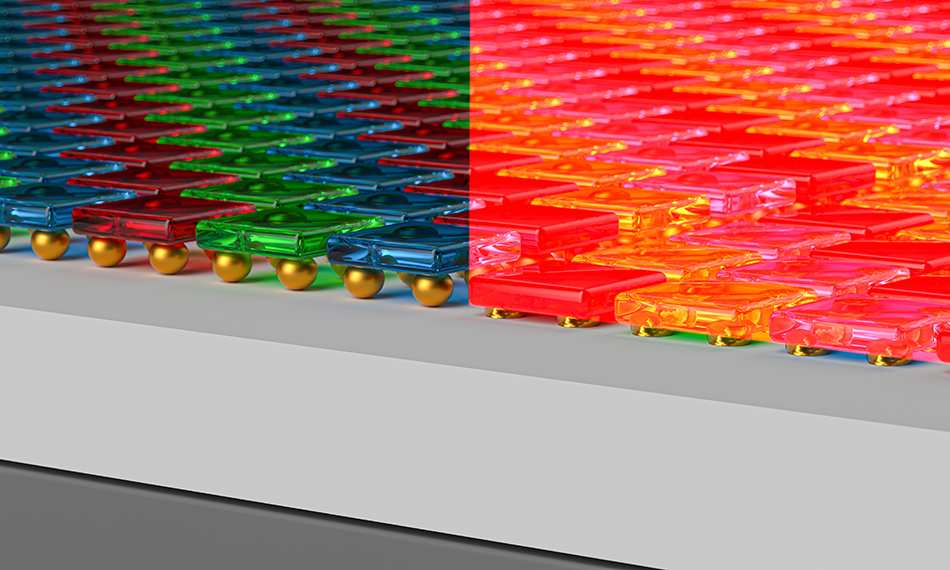
As of 2026, the only consumer-facing MicroLED monitors come from a handful of brands. Samsung’s “The Wall” starts at around $50,000 for an 89-inch model. LG’s MAGNIT starts similarly.
Smaller sizes simply don’t exist for home use yet. You can’t buy a 32-inch MicroLED monitor for your desk. The smallest panels are typically 80 inches and up, built for custom installations.
That price tag covers more than just the panel. MicroLED modules ship in tiles that must be assembled on-site by a professional installer. Seam alignment, color calibration, and voltage matching all require skilled labor.
Add a few thousand dollars for installation.
So the honest take is this: MicroLED is currently a luxury commercial product. It’s stunning, but it’s not practical for most people.
How Mini LED Actually Works (The Real-World Champ)
Mini LED takes a different approach entirely. It’s still an LCD panel at its core, but the backlight is radically improved.
Instead of a few dozen edge-mounted LEDs, Mini LED uses thousands of tiny LEDs arranged in a grid behind the LCD panel. Each LED can be individually dimmed or brightened, creating zones of light that follow bright objects on screen. When a star appears in a dark scene, only the LEDs behind that star light up.
The rest stay dark.
This gives Mini LED monitors two big advantages over standard LCDs. First, contrast ratios can reach 1,000,000:1 or more, depending on the number of zones. Second, peak brightness can hit 2000 nits without the burn-in risk of OLED.
Here’s the catch: Mini LED still suffers from blooming. Because each zone is larger than a single pixel, bright objects on a black background create a faint halo around them. High-end monitors with 5000+ zones minimize this, but it never completely disappears.
Real-world pricing tells the story. A 27-inch Mini LED monitor with 1152 zones and 1600 nits peak brightness costs around $1,200. A 32-inch 4K model with 2304 zones runs about $1,800.
For $2,500 you can get a 65-inch Mini LED TV with thousands of zones and superb HDR performance.
That’s roughly 1/40th the price of a MicroLED setup. And for gaming, video editing, or general desktop use, the difference is barely noticeable in most conditions.
Side-by-Side: MicroLED vs Mini LED – Specs, Prices, and Tradeoffs
Let’s put the numbers side by side so you can see exactly where each technology excels and where it falls short.
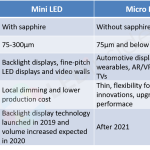
| Metric | MicroLED | Mini LED |
|---|---|---|
| Black level | True 0 nits (infinite contrast) | Near-black (0.001–0.005 nits) |
| Peak brightness | 3000–4000 nits | 1600–2000 nits |
| Blooming / halo | None | Present (zone-dependent) |
| Response time | Microseconds | 1–4ms |
| Burn-in risk | None | None (LCD) |
| Typical size | 80″+ | 27″ to 85″ |
| Price (consumer) | $50,000+ | $800–$5,000 |
| Modular / tiled | Yes | No (single panel) |
| Professional calibration | Required on-site | Factory calibrated |
| Lifespan | 100,000+ hours | 60,000–80,000 hours |
The most important column is price. For the cost of one MicroLED screen, you could buy 30 high-end Mini LED monitors. That’s a 30-to-1 ratio.
Unless you have a specific need for true pixel-perfect black in a commercial setting, Mini LED delivers 95% of the visual experience at 3% of the cost.
There’s also the size factor. MicroLED panels are modular, meaning you can tile them into any shape or size. That’s fantastic for digital signage, control rooms, or curved video walls.
But for a standard desktop monitor or living room TV, that flexibility is wasted. Mini LED covers those sizes perfectly.
One more thing: reliability. Mini LED monitors are mature. They’ve been on shelves for years, drivers are stable, and manufacturer warranties are standard.
MicroLED installations are still custom jobs with limited service networks. If a module fails, you need a technician to replace it.
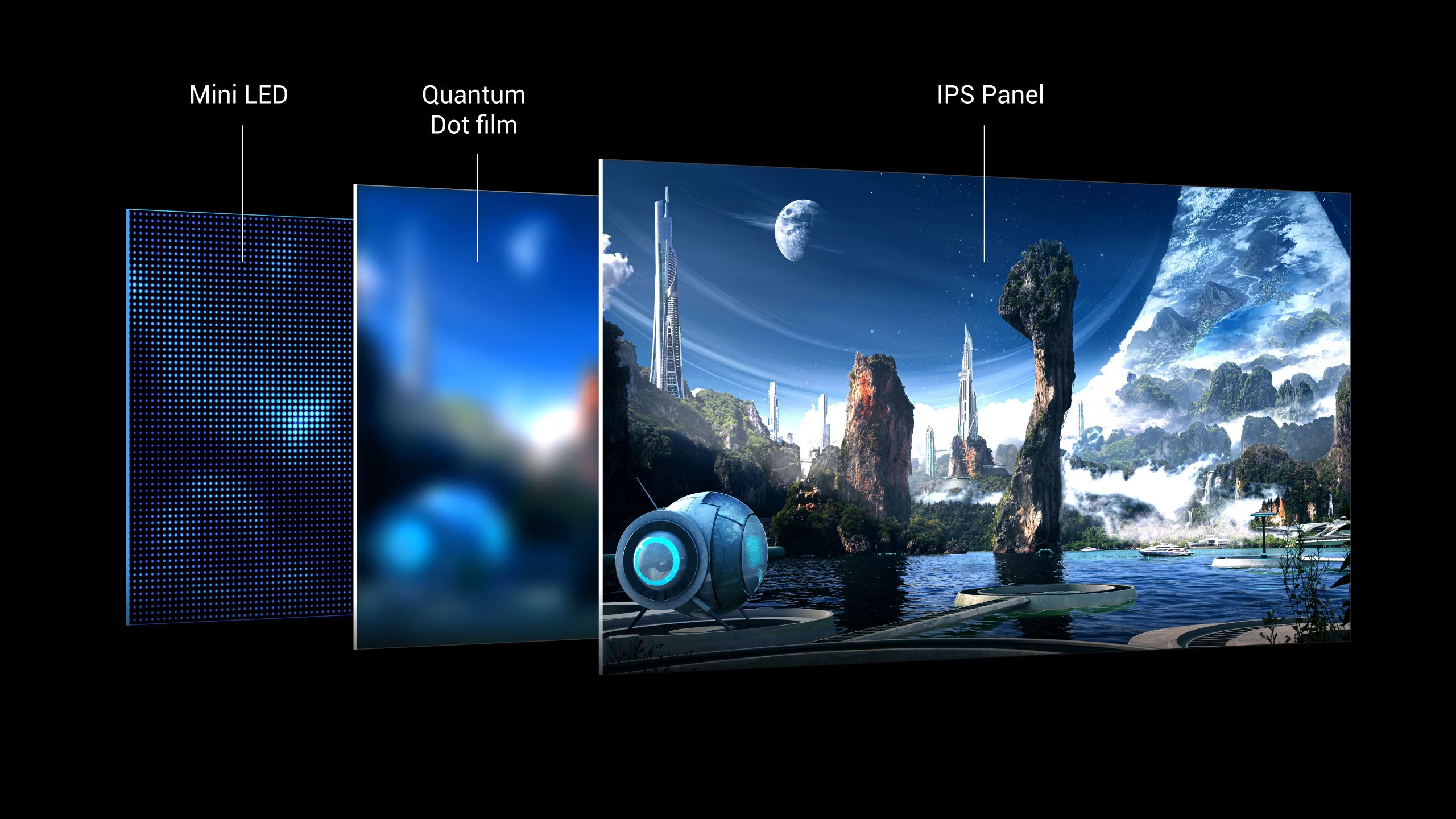
Image source: Bing (Web (fair-use with source credit))

Similar Posts