How to Fix Country Lock on iPhone: Easy Step-by-Step
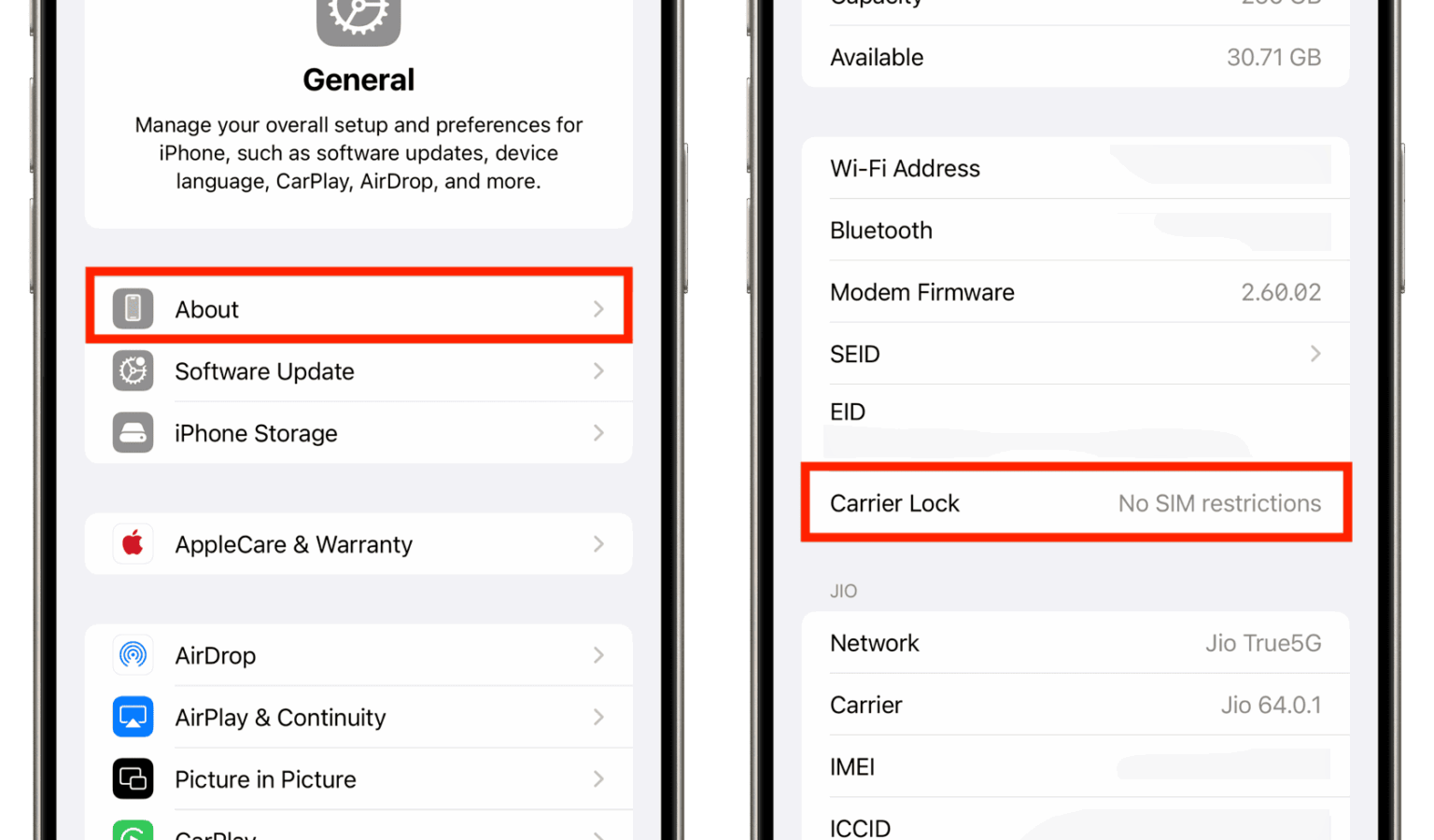
Seeing "SIM Not Supported" on a phone you just bought or carried across a border is genuinely annoying, and most explanations of how to fix country lock in iPhone skip the step that actually matters. Before you touch anything, you need to know which lock you're dealing with. A carrier lock, an Activation Lock, and an Apple ID region mismatch look almost identical on screen and need completely different fixes.
In our research across carrier unlock policies, most postpaid US and UK carriers approve requests roughly 40 to 60 days after activation, while prepaid lines often wait longer. Apple's documentation names the IMEI, a 15-digit device identifier, as the single detail every official unlock request depends on. So let's start by identifying your lock type, because that decides everything after it.
Quick Answer
Fixing a country lock means removing the carrier restriction. Check Settings, then General, then About, then Carrier Lock. If it says SIM locked, contact your carrier.
Activation Lock needs proof of purchase. Region settings alone never unlock a phone.
First, Figure Out Which "Lock" You're Actually Dealing With

Image source: Web (Bing) / idownloadblog.com (Web image (fair-use with source credit))
"Country lock" isn't an Apple term. It's a catch-all people use when an iPhone refuses to accept a SIM from another country. Four different problems hide behind that phrase, and each one has its own fix.
The four things people call a country lock
- Carrier lock, also called a network lock or SIM lock. The iPhone only accepts SIM cards from one carrier.
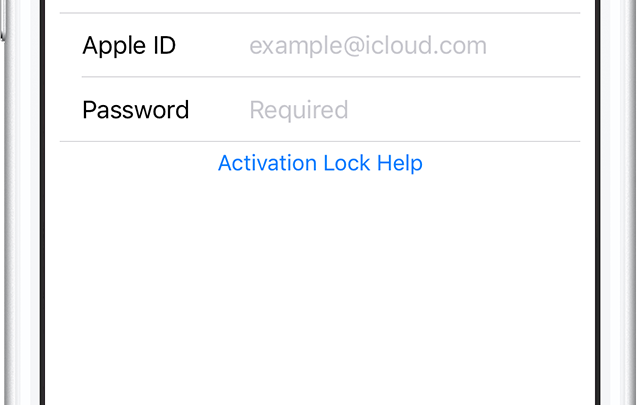
- Activation Lock, also called an iCloud lock. The phone is tied to someone else's Apple ID.
- MDM or configuration profile lock. The device is managed by a company, school, or reseller policy.
- Apple ID, App Store, or region-format mismatch. Nothing is locked, but your settings don't match where you are.
Only the first one is a true carrier restriction. People mix these up constantly, and that's where money gets wasted.
The 60-second check
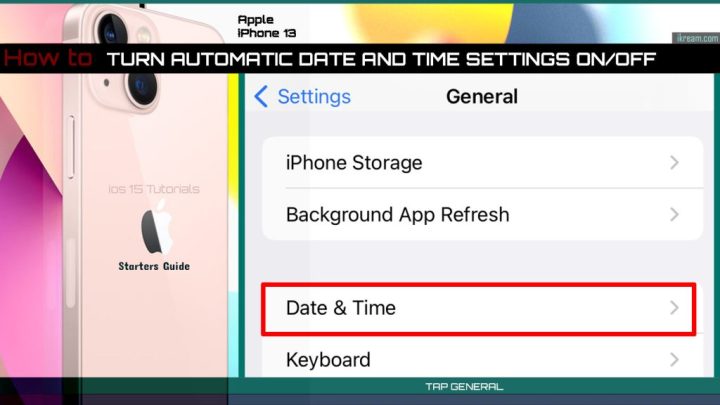
Open Settings, then General, then About. Scroll to Carrier Lock. If it reads "No SIM restrictions," your phone is already unlocked.
If it reads "SIM locked," you have a carrier lock and you'll need your carrier to release it.
Second-hand iPhone? Run these three checks first
- Confirm the IMEI isn't blacklisted, meaning reported lost, stolen, or tied to an unpaid balance.
- Check whether Find My is still on. If it is, Activation Lock is active.
- Look at the Carrier Lock line before you hand over any cash.
If a seller dodges these three, walk away. No unlock method fixes a blacklisted IMEI.
The Decision Map: Match Your Situation to the Right Fix

Image source: Web (Bing) / unloky.com (Web image (fair-use with source credit))
Use the same language you see on your screen, then follow the matching branch. This is the whole decision in one table.
| What you see | What it means | Where to start |
|---|---|---|
| "SIM locked" in About | Carrier lock | Your carrier's unlock request |
| "iPhone is linked to an Apple ID" | Activation Lock | Proof of purchase, then Apple |
| "This iPhone is managed by…" | MDM or profile lock | Your IT admin or reseller |
| Apps and prices look wrong | Region mismatch | Apple ID country settings |
If it's a carrier lock
Then your carrier is the only party who can release it. Apple can't override a carrier's policy on a financed or contract device. Unlock requests are free when you qualify, so never pay a stranger for one.
If it's Activation Lock, MDM, or a region mismatch
Then the carrier is irrelevant. Activation Lock needs the original owner or a receipt. MDM needs whoever enrolled the device.
A region mismatch just needs your Apple ID country and billing address updated.
Pick the wrong branch and you'll spend days on hold for nothing. So confirm the branch before you call anyone.
How to Remove a Carrier Lock the Right Way

Image source: Web (Bing) / att.com (Web image (fair-use with source credit))
Once you've confirmed a carrier lock, the process itself is straightforward. It's the eligibility rules that trip people up.
Check unlock eligibility before you contact anyone
Most carriers require the device to be paid off, off contract, and active on the network for a set period. In our research, that window runs about 40 to 60 days for postpaid lines. Prepaid lines commonly wait longer.
You'll also need the IMEI and the account holder's details.
Submitting the unlock request
Call your carrier, use their online unlock portal, or visit a store. Give them the IMEI and your account PIN. Then get a reference number, because follow-up calls go much faster with one.
After approval: restore, swap the SIM, and test everything
- Back up your iPhone first.
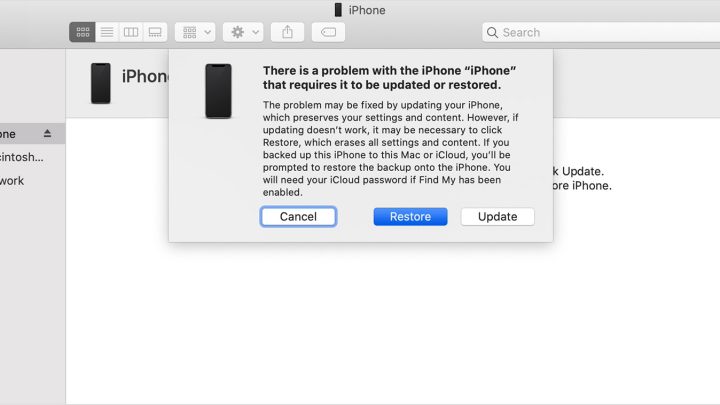
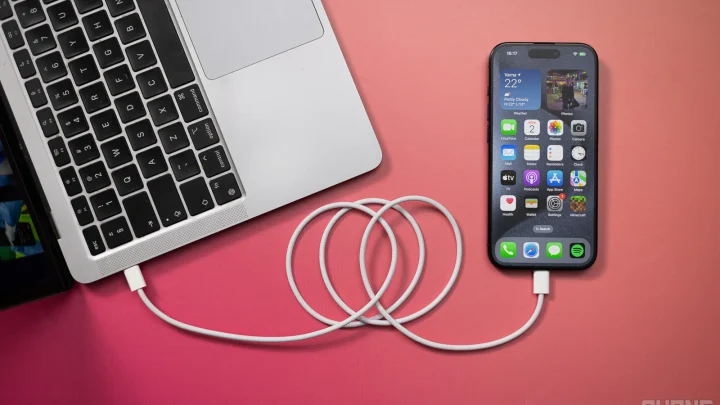
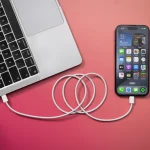
- Connect to a computer and restore, or erase and reset the device.
- Insert the new SIM or install your eSIM profile.
- Test calls, mobile data, SMS, MMS, and personal hotspot.
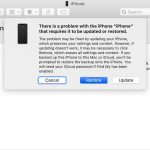
If a restore fails partway through, that's usually a communication error rather than a lock problem, and our walkthrough on common restore failures covers the fixes.
If your carrier says no
Ask for the specific policy that blocks you, in writing. If the device is genuinely paid off and out of contract, escalate to a supervisor. In the US, the FCC publishes consumer guidance on wireless complaints at fcc.gov and the FTC handles unlocking scams at ftc.gov.
Both are free routes, and both get carrier attention.
When It's Not the Carrier: Activation Lock, MDM, and Apple ID Region
This is where people waste the most time, because they keep calling the carrier about a problem the carrier can't touch. Apple's own support site at support.apple.com confirms that only the carrier can lift a carrier lock, and only the account owner or Apple can lift an Activation Lock.
Activation Lock removal with proof of purchase
Activation Lock exists to make stolen iPhones worthless. To remove it, you need the original owner to sign out of iCloud, or you need a receipt showing your name and the device. Apple won't budge without one, and that's by design.
If you're stuck at an Apple ID sign-in prompt, the steps in our guide to a stuck Apple ID unlock can help you tell a genuine lock apart from a glitch.
Removing an MDM profile you're allowed to remove
If your iPhone says it's managed by an organization, the profile usually can't be deleted from Settings. That's a deliberate restriction. Contact the IT department or reseller that enrolled it.
Buying a cheap "MDM bypass" tool almost always ends with a paperweight.
Changing Apple ID country or App Store region
This is a settings job, not an unlock. You'll need to spend any store credit, cancel subscriptions, and switch to a payment method that works in the new country. Your billing address has to match.
Why region settings never fix a carrier lock
Changing your region format, language, or App Store country does nothing to the Carrier Lock line. If that line says "SIM locked," you have a carrier problem. Full stop.
Who This Actually Affects: Travelers, Expats, Students, and Second-Hand Buyers
Some people hit this problem far more than others, and their best route differs.
Using a local SIM abroad vs a travel eSIM
A local physical SIM is usually the cheapest option for a long stay, but it only works on an unlocked phone. A travel eSIM works on a locked iPhone in many cases because it rides on a partner network, but coverage and data allowances vary. If your data crawls after you switch, see our fixes for a phone stuck on a slow network, since APN settings often need adjusting.
Dual SIM and eSIM-only iPhones
US iPhone models from recent generations are eSIM-only, with no SIM tray. UK, EU, and most Asian models still take a physical nano-SIM, and China models often use two. That matters when you're buying abroad, because the hardware you get depends on the region the phone was sold in.
Buying a used iPhone: the questions that save you money
- Is it carrier unlocked right now, not "will be soon"?
- Is Find My switched off?
- Can I see the IMEI and check it myself?
One more practical note for frequent travelers: dual SIM and roaming both drain the battery faster than a single local line, so factor that into long trips.
What Not to Do: R-SIMs, Unlock Services, and Blacklist Traps
If a website promises a permanent unlock for $15 and asks for your IMEI, that's a scam. In our research, legitimate carrier unlocks are free when you qualify. Anyone charging for one is either reselling a free service or pocketing your money and your device data.
Why cheap remote-unlock sites fail
These services have no access to a carrier's activation policy. Only the carrier can change it. What most of them do is collect your IMEI, take the payment, and send a vague "try again later" email.
Some sell you a fake unlock code. Modern iPhones don't accept typed unlock codes the way older handsets did. The carrier unlock is applied server-side, matched against your IMEI.
R-SIMs and interposer chips
An R-SIM, Gevey SIM, or SIM interposer sits between your SIM card and the tray. It tricks the phone into reading a different carrier profile. Verified buyer feedback reports inconsistent results, and many of these chips stop working entirely after an iOS update.
They also add physical bulk that can damage the SIM tray contacts. If your phone starts misbehaving after one, odd system glitches like unresponsive settings panels are a common symptom.
Blacklist traps
A blacklisted IMEI cannot be fixed by any unlock method. Blacklists follow the device, not the owner. So check the IMEI before you hand over cash for any used iPhone.
Every time.
Costs, Timelines, and What You'll Actually Pay
A legitimate carrier unlock costs nothing. That's the headline, and it's worth repeating. Everything else being sold to you is either a workaround or a rip-off.
| What you're paying for | Typical cost | What you actually get |
|---|---|---|
| Carrier unlock (eligible) | Free | Permanent release, applied by IMEI |
| Travel eSIM | $5 to $50 per trip | Data abroad, lock-independent |
| Local physical SIM | $10 to $30 per month | Cheapest long-stay option |
| Third-party unlock service | $10 to $60 | Usually nothing |
Timelines matter just as much. Our research shows postpaid approvals usually land within 24 hours to 7 business days. Prepaid devices often wait until a set active-use period passes, sometimes 6 to 12 months.
The restore and reactivation step afterwards takes 15 to 30 minutes on a decent connection.
Where the money quietly disappears
Roaming charges are the sneaky one. A single day of international roaming can cost more than a full month of local data. Travel for more than a few days and a local SIM or travel eSIM wins almost every time.
One more cost-saver: after any restore, make sure the phone is running current software. Our walkthrough on installing the latest iOS build covers that, and it prevents plenty of carrier settings glitches people wrongly blame on locks.
Frequently Asked Questions
Does restoring my iPhone unlock it?
No. A restore or erase wipes your data, not the carrier restriction. The Carrier Lock line in Settings will still read SIM locked afterwards.
Unlocking happens on the carrier's side against your IMEI. Once they approve it, a restore or reactivation pushes that new policy down to your device.
Can I unlock an iPhone that still has a balance owing?
Usually no. Most carriers withhold the unlock until the device is paid off. A few will release a financed phone after a set active-use period, but policies vary by market.
If you're still under an installment plan, expect a refusal until the final payment clears.
Is a country lock the same as a region lock?
No. A region lock restricts hardware or services to a specific market, while a carrier lock controls which network accepts the SIM. What people call a country lock is almost always a carrier lock.
Changing your region format or App Store country won't shift the Carrier Lock line.
How do I check if an iPhone is blacklisted before I buy it?
Get the IMEI and check it against the GSMA IMEI database or a carrier blacklist checker. A clean result means it isn't reported lost, stolen, or tied to an unpaid account. If the seller won't share the IMEI, don't buy the phone.
Will unlocking my iPhone void the warranty?
An official carrier unlock doesn't void the warranty. Apple's limited warranty covers manufacturing faults, not network restrictions. Third-party hardware tricks like R-SIMs and interposer chips can void it, and they can cause damage the warranty won't cover.

Similar Posts