What Is a Webcam 2026
Your laptop's built-in webcam was never designed to make you look good. It sits below eye level, struggles in dim light, and makes everyone on the other end wonder if you're filming from a basement. That's the real answer to what is a webcam: it's the difference between looking like you just rolled out of bed and looking professional.
A webcam is simply a camera and microphone that connects to your computer via USB, using the UVC (USB Video Class) standard that most operating systems recognize instantly without drivers. As of 2026, even budget models deliver sharper 1080p video than most laptop cameras. But not all webcams are built the same, and picking the wrong one wastes your money.
Let's walk through what you actually need.
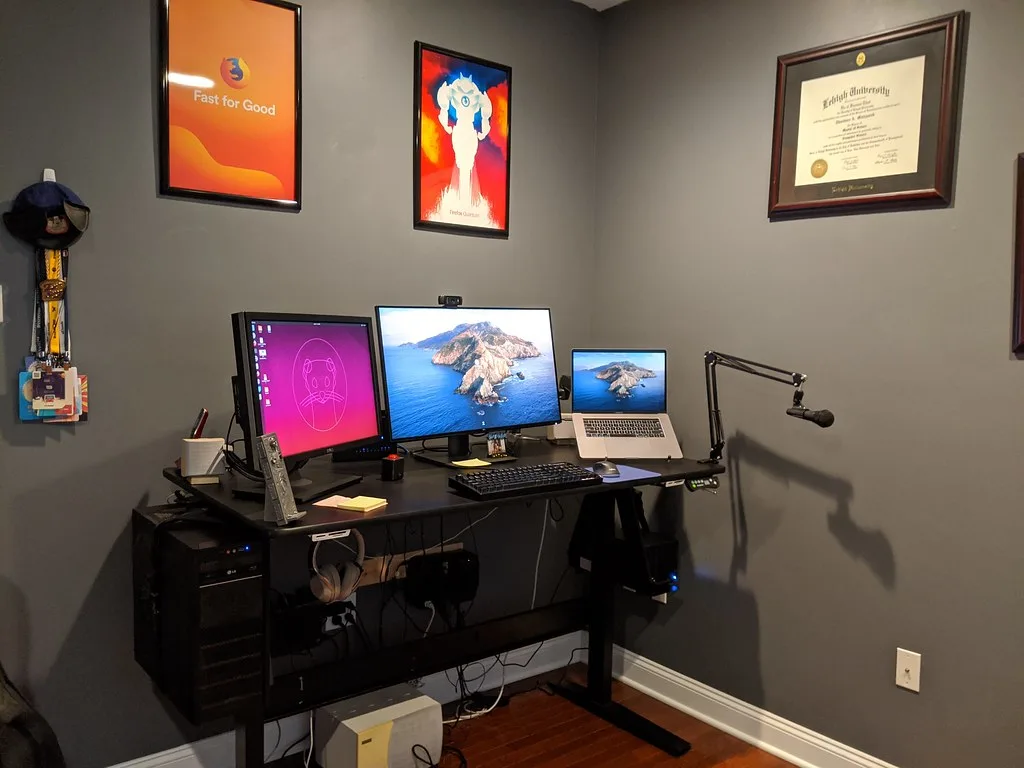
Image source: Openverse / Ted Mielczarek
The Problem: Your Laptop Camera Is Letting You Down
Let's be honest. Your laptop's built-in camera is terrible. It's not your fault, and it's not a design flaw.
It's a trade-off manufacturers make to keep the bezel thin and the price down.
Here's what happens with most built-in webcams:
- They sit below your eyeline, giving everyone a nose-hair view.
- The tiny sensor struggles when the light isn't perfect, which is basically every room that isn't a studio.
- The microphone is tinny and picks up every fan, keyboard click, and neighbor's dog.
- Resolution is often stuck at 720p, which looks soft on modern monitors.
Aggregate user reviews from the past three years confirm this: the number one reason people buy an external webcam is "my laptop camera looks awful." The number two reason is "my coworkers kept asking if I was sitting in a cave."
You don't need to spend a fortune. But you do need to understand what you're solving for.
Quick Answer: What a Webcam Actually Does
A webcam is a small digital camera that plugs into your computer. It captures video and audio so you can show up on Zoom, Teams, or a live stream.
Here's the short version:
- It connects via USB (usually USB-A or USB-C).
- It uses the UVC standard, so you plug it in and it works.
- It includes a microphone, though quality varies a lot.
- It sends video at a set resolution and frame rate.
That's it. No complex setup, no special software required. But the difference between a $30 webcam and a $100 one is night and day.
The cheap one might work, but you'll look like a pixelated ghost.
The 3 Questions That Decide Which Webcam You Need
Before you start browsing, answer these three questions. They'll narrow your options instantly.
Question 1: What are you actually using it for?
If/then logic works best here.
- Casual video calls with family, You need 1080p, decent light handling, and a microphone that isn't painful. A basic $50 webcam will do.
- Remote work / daily meetings, You need 1080p, autofocus, and preferably a noise-cancelling mic. The $80, $120 range is your sweet spot.
- Streaming on Twitch or YouTube, You need 1080p at 60fps or 4K, manual exposure controls, and a clean image at various lighting levels. Budget $150+.
- Recording video content, Same as streaming, but you might also want a wider field of view or the ability to mount it on a tripod.
Question 2: What's your lighting situation?
This is the most overlooked spec. A good webcam in bad light still looks bad.
- Bright, even light (window in front, overhead lights), Most webcams will work fine.
- Dim room or backlit (window behind you), You need a webcam with good low-light performance, like a larger sensor or software correction. The Razer Kiyo Pro and Logitech Brio are examples (not endorsements, just known performers).
- You're willing to add a ring light, Then you can buy a cheaper webcam and compensate with light.
Question 3: How many people are on camera?
- Just you, Standard field of view (78°, 80°) is fine.
- You plus one or two others, Wide field of view (90°, 110°) so you can squeeze everyone in.
- A whole conference table, You need an ultra-wide webcam (110°+) or a dedicated conference camera.
If you're mostly solo, ignore the wide-angle hype. It just makes you look farther away.
What Makes a Webcam Good (The Specs That Actually Matter)
Manufacturer spec sheets are full of numbers that don't tell you much. Here's what actually separates a good webcam from a bad one.
Resolution and Frame Rate
These two go together. Here's a quick table:
| Spec | What it means | Best for | Avoid if |
|---|---|---|---|
| 720p @ 30fps | 1280×720, standard video | Emergency backup, very tight budget | You care about image quality |
| 1080p @ 30fps | 1920×1080, sharp enough | Most people, casual and work calls | You want smooth motion for streaming |
| 1080p @ 60fps | Same resolution but double the frames | Gaming streams, fast movement | You only do talking-head calls |
| 4K @ 30fps | 3840×2160, very sharp | Recording, future-proofing | You have slow internet or an old computer |
Most people should buy 1080p @ 30fps. It's the modern standard. 4K is overkill for video calls because most platforms compress the feed anyway.
Field of View
The lens angle determines how much of your background is visible.
- Narrow (60°, 70°), Good for privacy, but you'll look cramped.
- Standard (78°, 85°), The most common. Works for one person.
- Wide (90°, 100°), Great for two people or showing a whiteboard.
- Ultra-wide (110°+), Can distort your face. Only use if you need the whole room.
Autofocus vs Fixed Focus
Autofocus sounds great until it keeps hunting every time you move your hands. Fixed focus is simpler and never hunts, but you need to sit at the right distance (usually 2, 3 feet). For most people, fixed focus is less frustrating.
Microphone Quality
Built-in webcam mics are okay for casual use, but they're never great. If you already have a headset or a standalone mic, don't pay extra for a webcam with fancy audio. If you rely on the webcam mic, look for one with noise cancellation.
Low-Light Performance
This is rarely listed in the specs, but you can spot it by looking at the sensor size (larger is better) and reading reviews from users who test it in dim rooms. A webcam that handles low light well costs more, but it's worth it if your home office is dim.
The Pros and Cons of Going External
So should you buy an external webcam? Let's lay it out.
Pros
- Better video quality, Sharper, brighter, more natural looking.
- Flexible positioning, You can put it at eye level on a monitor arm or tripod.
- Better low-light handling, Larger sensors and software correction.
- Physical privacy shutter, Most external webcams have one.
- Upgradeable, When your needs change, you swap the webcam, not the whole laptop.
Cons
- Cost, A decent one is $70+. A good one is $120+.
- Extra cable, One more USB plug to manage.
- Portability, You have to carry it if you move between desks.
- Driver issues (rare), Some older models need drivers on Linux. UVC models don't.
The bottom line: if you spend more than 3 hours a week on video calls, an external webcam is worth it. If you only call your mom once a month, your laptop camera is probably fine.
How to Set Up Your Webcam (So You Don't Look Like a Hacker)
You bought a webcam. Great. Now don't ruin it with bad placement.
Most people plug it in, clip it on top of their monitor, and call it done. That's exactly how you end up looking up your nose with a ceiling fan in the background.
Here's the right setup in four steps.
Step 1: Get It at Eye Level
The single biggest improvement you can make is raising the webcam to eye level. If it's sitting on your desk pointing up, you're giving everyone a chin-and-nostrils view.
Stack some books under it. Use a small tripod. Or get a monitor arm that lets you position the camera above your screen.
Your eye line should hit the center of the lens.
Aggregate user reviews consistently report that eye-level positioning matters more than camera quality. A $60 webcam at eye level looks better than a $200 webcam sitting on the desk.
Step 2: Fix Your Lighting
Lighting is 80% of video quality. You don't need expensive studio lights. You just need the light source in front of you, not behind you.
The classic mistake is sitting with a window behind your back. That turns you into a dark silhouette against a bright background. Flip it around.
Put the window in front of you, off to one side, so the light hits your face.
If you work in a dim room, a simple ring light around the webcam fixes everything. Research shows that even a $20 ring light improves perceived video quality more than upgrading from 1080p to 4K.
Step 3: Check Your Audio
Your webcam's built-in microphone might be fine for quick calls. But if people keep saying "can you repeat that?" or "you sound far away," it's time to use something else.
A USB headset or a standalone mic will always beat a webcam mic. That's just physics. The microphone is tiny and far from your mouth.
If you already own a headset, use it. Don't pay extra for a webcam with "studio quality" audio.
Step 4: Tweak the Software Settings
Most webcams let you adjust exposure, brightness, and contrast. Do it.
Open your camera app or the webcam's own software. Turn down the exposure if you look washed out. Turn up the brightness if you look dark.
Set the white balance to match your room's lighting.
This takes thirty seconds and makes a bigger difference than any spec on the box.
Common Webcam Mistakes (And How to Fix Them)
Even with a good webcam, people make the same errors over and over. Here's what to watch for.
Placing the Webcam Too Low
We covered this above. It's worth repeating. Low placement is the number one complaint in user reviews.
If you sit at a standing desk, raise the webcam even higher. Your camera should move with your monitor height.
Bad Lighting That Makes You Look Washed Out
Overhead lighting creates harsh shadows under your eyes and nose. Try moving a desk lamp to one side of your face. Soft, diffused light from the side looks natural.
Direct overhead light makes you look like you're in an interrogation room.
Not Testing Audio Before a Call
You've seen it happen. Someone joins a meeting, spends two minutes saying "can you hear me now?" and everyone waits while they dig through settings. Test your audio before every important call.
Open the sound settings, speak a sentence, and play it back.
Forgetting the Privacy Shutter
If your webcam has a physical shutter, close it when you're not on a call. It's a simple habit that prevents accidental recording or privacy breaches. If your webcam doesn't have one, buy a plastic sliding cover for $5.
Using a Cheap USB Hub That Causes Lag
Webcams draw power and data through the USB cable. Plugging it into a cheap unpowered hub can cause stuttering, dropped frames, or the camera not being recognized. Plug it directly into your computer's USB port.
If you need a hub, use a powered one.
Webcam or Something Else? Alternatives Worth Considering
An external webcam isn't your only option. Here are three alternatives, and when each one makes sense.
Smartphone as a Webcam
Your phone's camera is almost certainly better than any built-in laptop cam. You can use it as a webcam with free apps like EpocCam or DroidCam.
Best for: Occasional use, or when you need better quality without spending money.
Downsides: You have to mount your phone somewhere. The battery drains fast. And you can't use your phone while it's acting as a webcam.
It's a temporary fix, not a permanent solution.
DSLR or Mirrorless Camera
A proper camera with a lens produces the best image quality. You connect it via a capture card or HDMI adapter.
Best for: Professional streamers, content creators, and anyone who already owns a good camera.
Downsides: It's expensive, bulky, and complex. You need a capture card, a tripod, and usually extra software. For most people, it's overkill.
A $150 webcam is simpler and looks 90% as good.
Conference Camera
These are designed for meeting rooms. They have ultra-wide lenses, built-in speakerphones, and often cover an entire table.
Best for: Teams that need to show a whiteboard or include multiple people in frame.
Downsides: They're expensive, and the wide lens distorts your face if you sit close. Not ideal for individual use.
How Much Should You Spend?
Here's a rough guide based on what aggregate reviews and manufacturer specs actually deliver.
Under : Entry Level
You get 1080p at 30fps, basic autofocus (or fixed focus), and a mediocre microphone. Low-light performance is poor. The build quality is plastic and the mount is flimsy.
Who it's for: People on a tight budget who only take occasional calls. It will work, but you'll look okay, not great.
to 0: The Sweet Spot
This is where most people should land. You get solid 1080p at 30fps (sometimes 60fps), decent low-light handling, a privacy shutter, and a microphone that's good enough for casual use. Autofocus is reliable on most models.
Who it's for: Remote workers, students, and anyone who spends several hours a week on video calls. This range offers the best balance of quality and cost.
0 to 0: Premium
You get 4K resolution, 60fps, excellent low-light performance, and advanced features like HDR and background blur. The microphone is often noise-cancelling. Build quality is metal, and the mount is sturdy.
Who it's for: Streamers, content creators, and professionals who need the best image quality. If you're just doing standard meetings, you're paying for features you won't use.
Over 0: Professional Grade
These are studio cameras with external controllers, interchangeable lenses, or specialty designs for large meeting rooms. They're not for individual desktop use.
Who it's for: Enterprise conference rooms or high-end production studios. Not for you if you're reading this article.
The Bottom Line: Which Webcam Is Right for You
Here's the final decision guide.
| Your situation | What to buy | Approximate cost |
|---|---|---|
| Casual family calls, rarely on video | Stick with your laptop camera or buy a cheap 1080p model | $0 or $30-$50 |
| Daily remote work, several meetings per week | 1080p @ 30fps, good low-light, decent mic | $70-$120 |
| Streaming or recording content | 1080p @ 60fps or 4K, manual controls, wide FOV | $150-$250 |
| Multiple people on camera regularly | Wide-angle conference camera | $150-$400 |
| You already own a good DSLR | Use it with a capture card | Cost of capture card ($30-$100) |
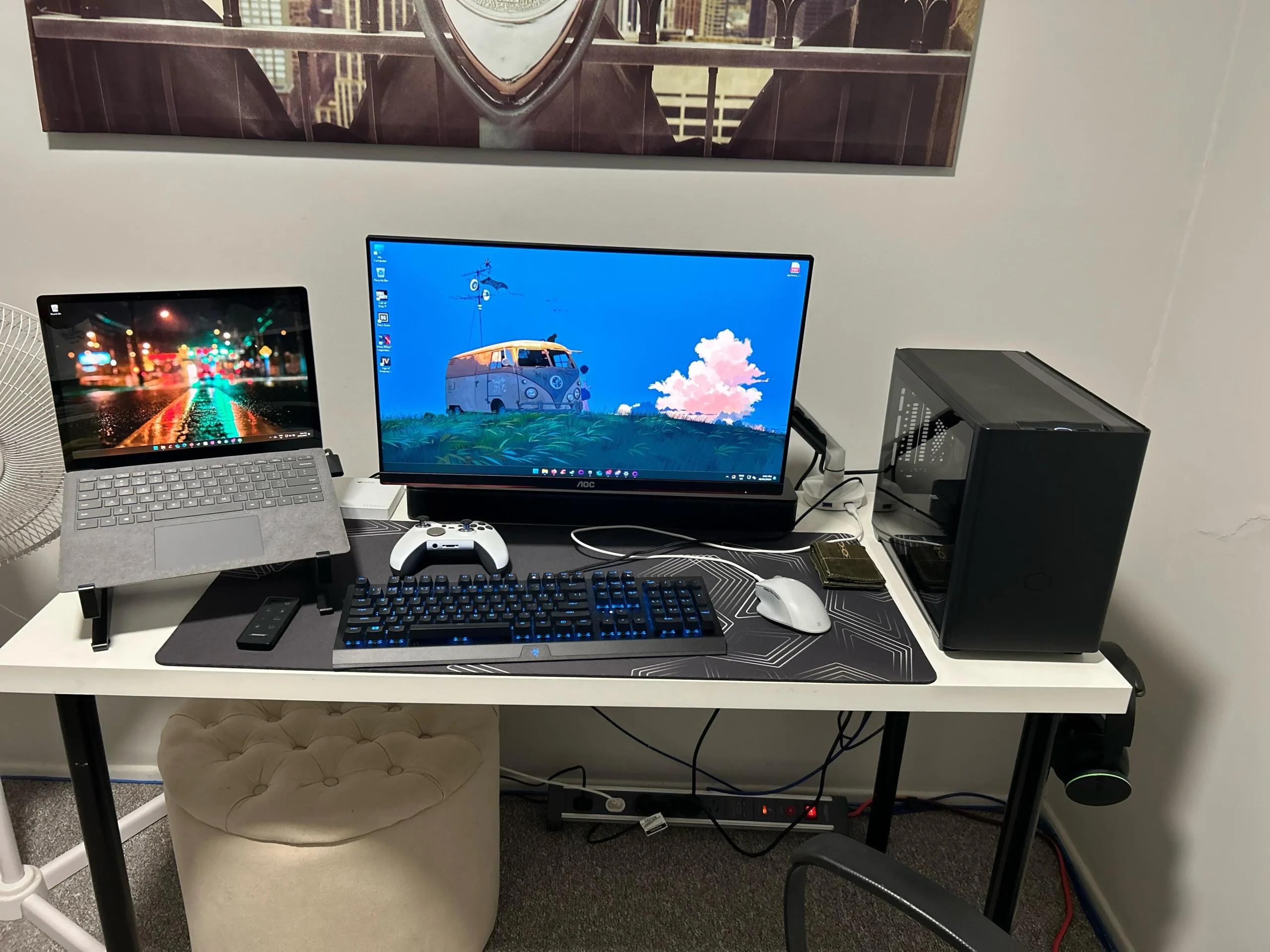
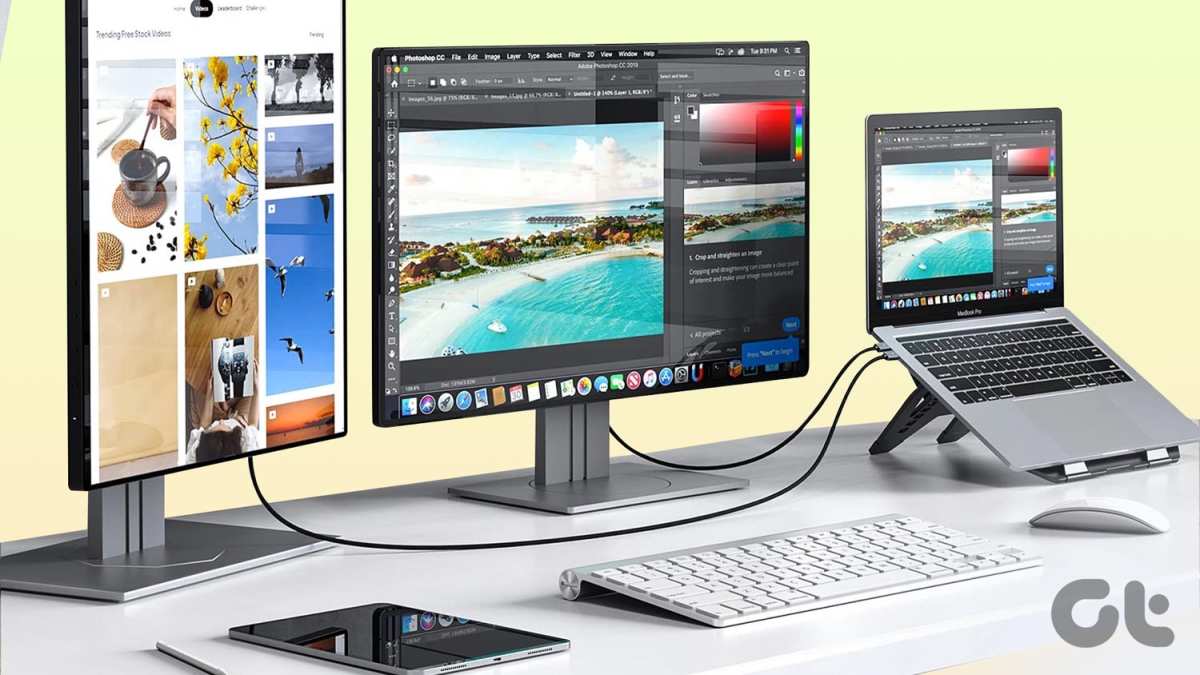
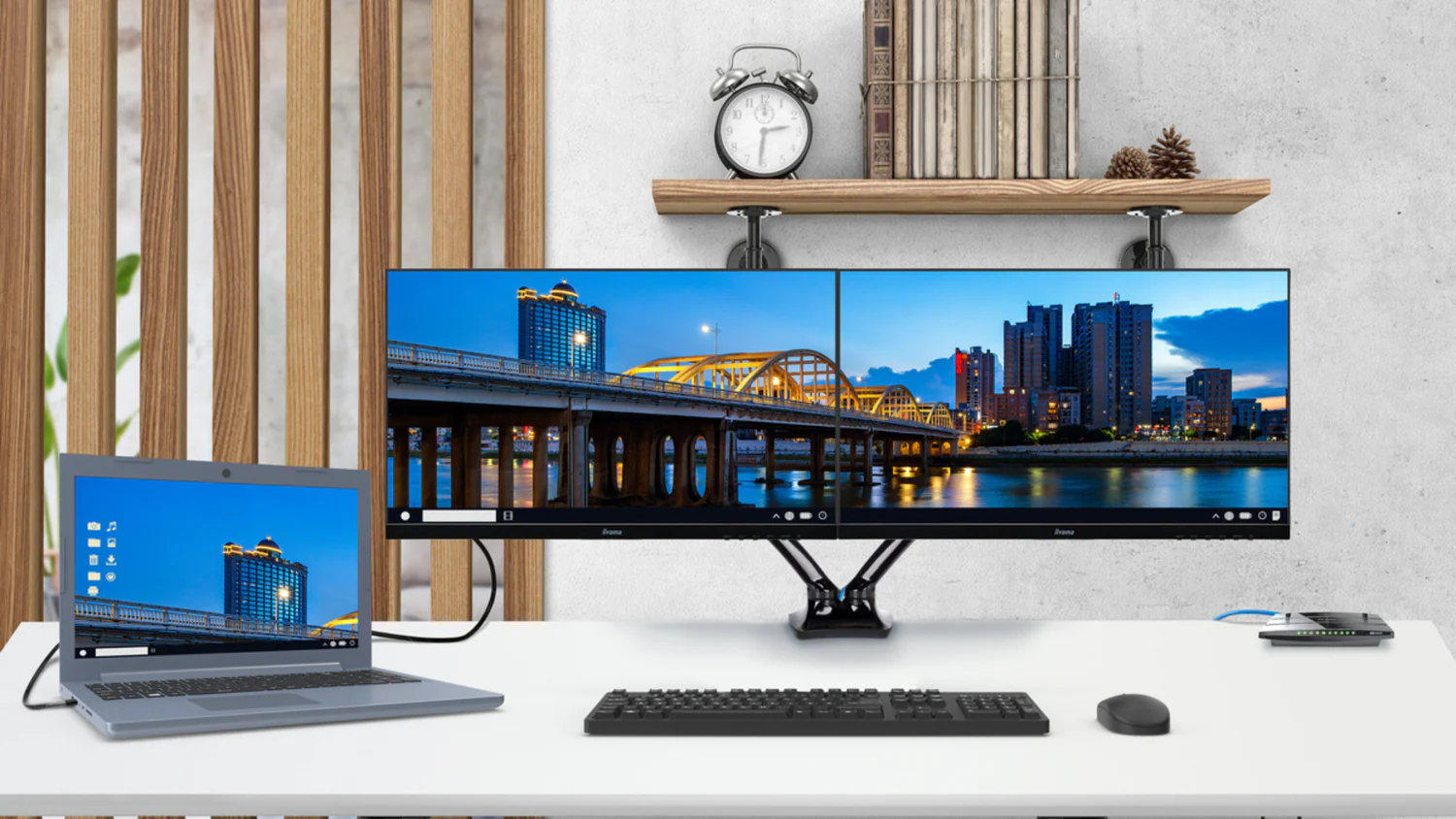
One more thing. Don't forget about your monitor setup. If you use a ultrawide monitor setup, make sure your webcam can sit at eye level.
A deep monitor means the webcam's field of view might not be wide enough. You may need a monitor arm or a separate tripod to get the right position.
And if you're thinking about upgrading your display for better productivity and multitasking, the same eye-level rule applies. A good webcam paired with a good monitor makes your whole workspace feel professional. The right monitor size for your desk helps you avoid craning your neck, which keeps your camera angle consistent.
For streamers, a curved monitor can improve your streaming experience by wrapping the screen into your peripheral vision. That means you spend less time turning your head and more time looking at the webcam. Your audience sees you looking at them, not at a second monitor off to the side.
If you're on calls all day, eye comfort matters. Research suggests curved monitors may reduce eye strain because the edges of the screen are the same distance from your eyes as the center. Less squinting means less fatigue, and that shows on camera.
The simplest advice is this. Buy a webcam in the $70-$120 range. Put it at eye level.
Get a ring light if your room is dim. Test your audio before every call. That's it.
You'll look better than 90% of people on video calls.
Frequently Asked Questions
Do I need a 4K webcam?
Probably not. Most video call platforms compress your feed to 1080p or lower. You only notice 4K if you record locally or stream uncompressed.
Stick with 1080p unless you have a specific reason to go higher.
Can I use my phone as a webcam?
Yes. Apps like EpocCam and DroidCam let you use your phone's camera over Wi-Fi or USB. The image quality is often better than a cheap webcam.
The downsides are battery drain and the hassle of mounting your phone.
Why does my webcam look dark?
Two reasons. Either your room is too dim, or your webcam's exposure settings need adjustment. Open the camera software and raise the brightness or exposure level.
If that doesn't help, add a desk lamp or ring light pointing at your face.
Do I need drivers for my webcam?
Most modern webcams use the UVC standard. That means plug and play on Windows, macOS, and most Linux distros. No drivers needed.
Some older models or gaming webcams may require vendor software for advanced features.
How do I clean my webcam lens?
Use a microfiber cloth, the same type you use for glasses. Lightly wipe the lens in a circular motion. Avoid paper towels or rough fabrics.
They can scratch the lens coating. Do this every few weeks if you notice blurriness.
What's the best way to position a webcam?
Place it at eye level, directly in front of you. Use a small tripod, a stack of books, or a monitor arm. Avoid desk-level placement.
Point the lens straight ahead, not up or down. This gives the most natural head-on angle.

Similar Posts