Is USB C Monitor Good for Video Editing Setup

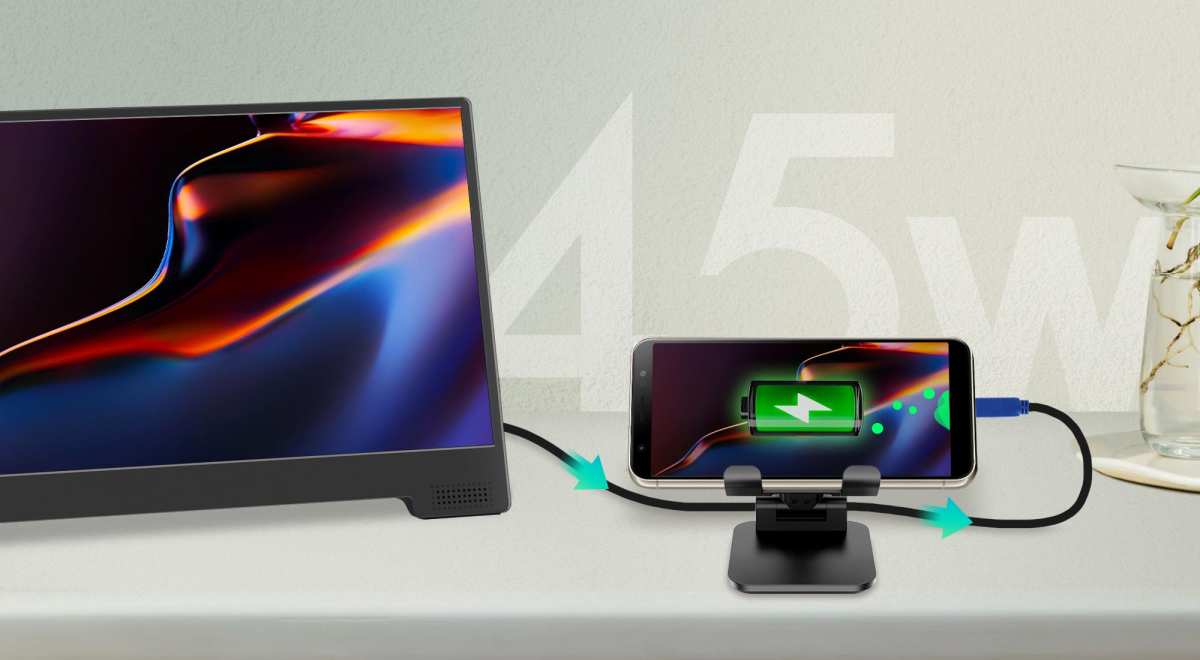
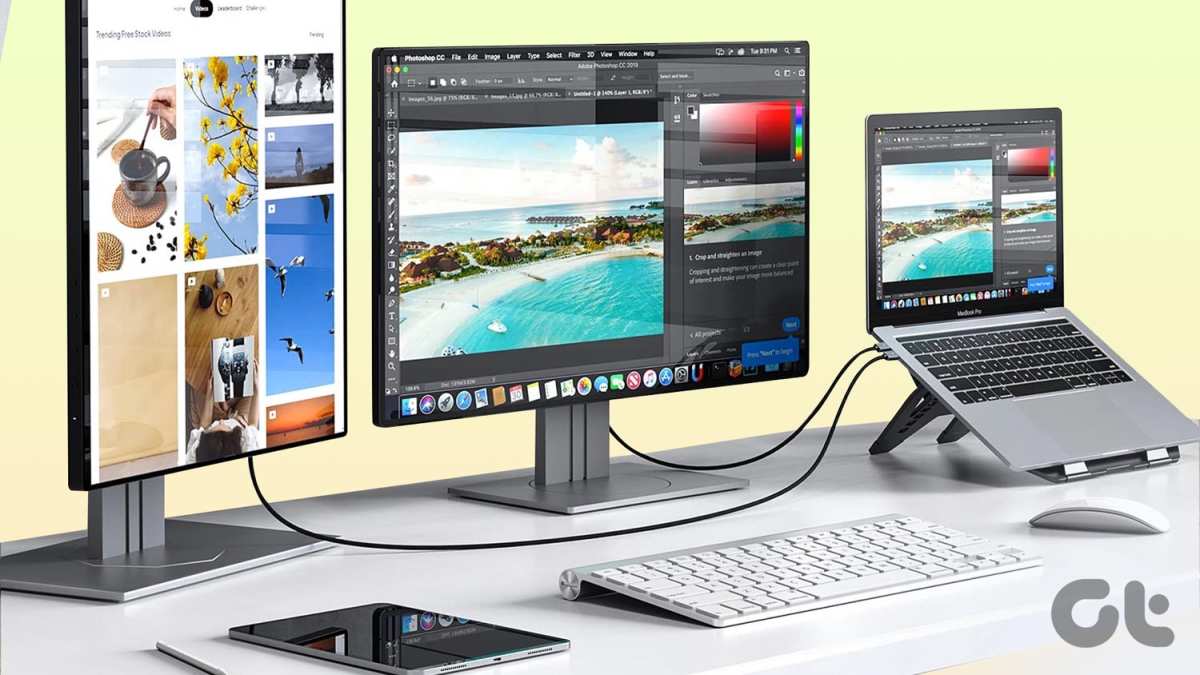
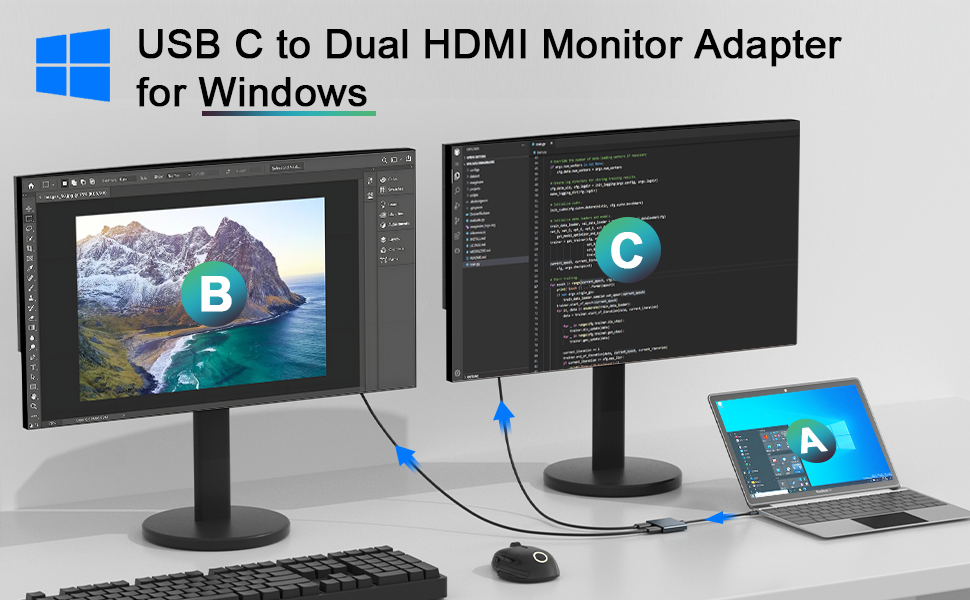
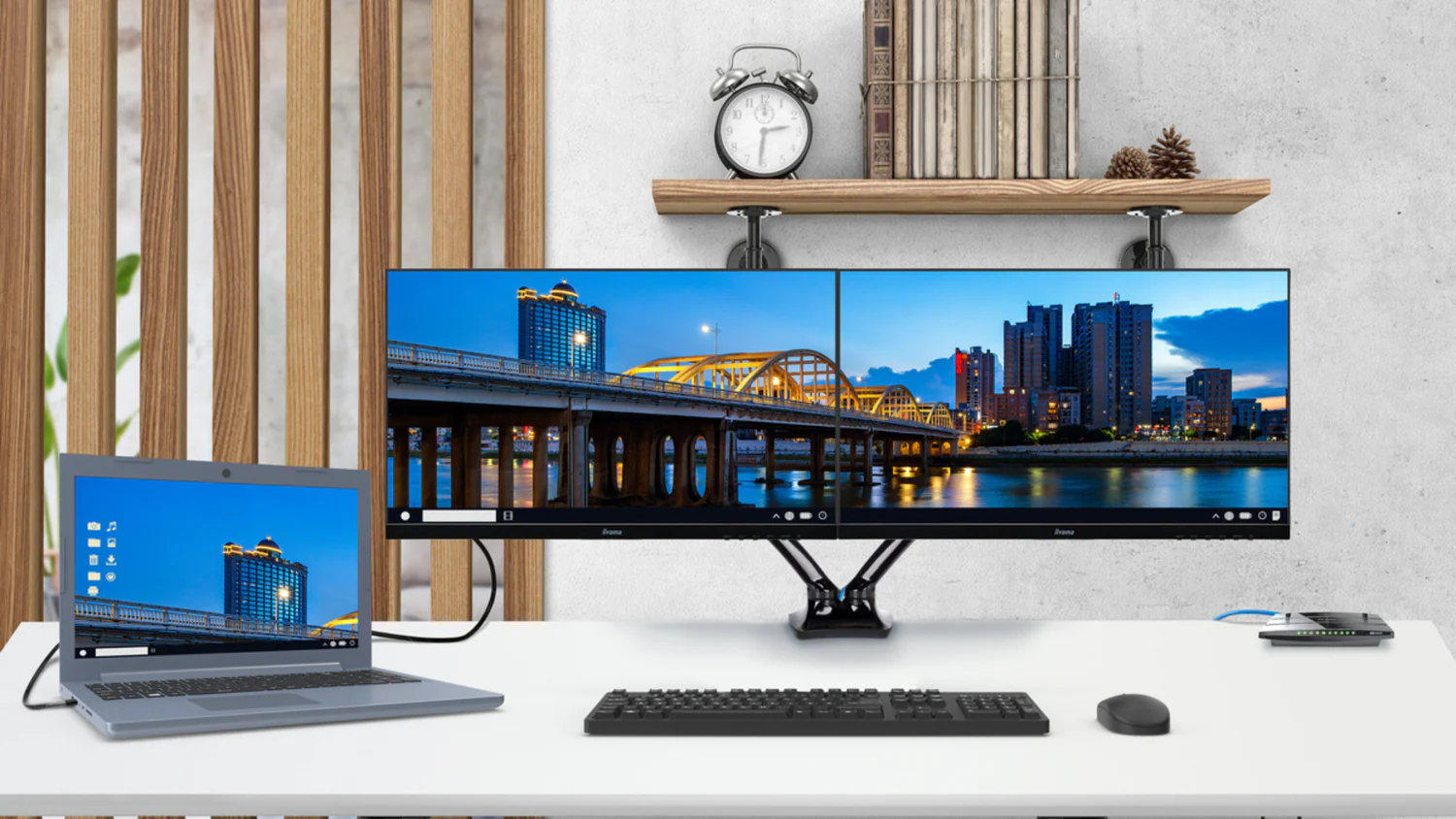
If you're asking is usb c monitor good for video editing setup the short answer is yes for most laptop-based editors but the connector alone does not guarantee a color-accurate workflow. The real value sits in the single cable that carries 4K video plus 90 watts of charging plus data and Ethernet. That cable eliminates a separate dock and a power brick.
The catch is that not every USB-C port on every laptop supports the required DisplayPort Alt Mode or enough power delivery to sustain an export session.
Manufacturer specifications indicate that a typical 27-inch IPS Black panel with hardware calibration covers 98 percent DCI-P3 and drifts less than 0.5 Delta E per year when calibrated internally. Per VESA DisplayHDR 600 testing the same monitor sustains 600 nits for HDR grading. As of 2026 the bandwidth math still matters: 4K60 10-bit 4:2:2 consumes roughly 15 Gbps leaving only 5 Gbps for USB data on a 20 Gbps port.
That bottleneck shapes every buying decision.
Quick Answer
A USB-C monitor works well for video editing when it supports DisplayPort Alt Mode and delivers at least 90 watts of power. Color accuracy depends on the panel not the connector. Bandwidth sharing can limit high-speed SSD transfers during 4K exports.
Hardware calibration and a true 10-bit panel matter more than the port type. Choose based on your laptop's actual port capabilities.
Why the Connector Choice Changes Your Entire Desk Setup
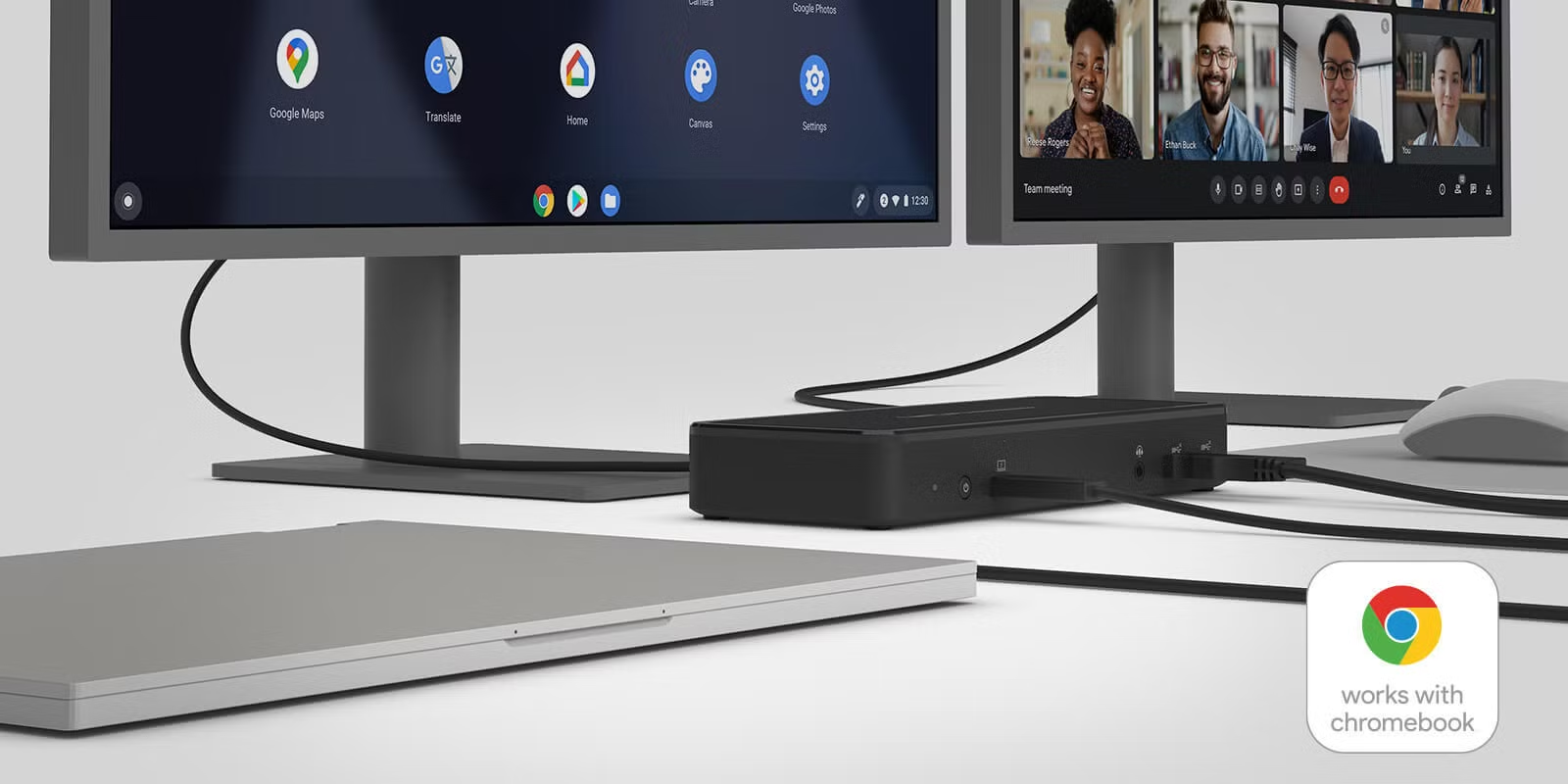
The cable you plug in dictates how many boxes sit on your desk. A traditional DisplayPort chain needs a monitor cable plus a USB-C dock plus your laptop charger. That is three cables three power bricks and a hub that often runs hot.
A Thunderbolt 4 or USB4 monitor with 100-watt power delivery collapses all of that into one braided cable. You gain a clean surface and instant hot-plug when you move from desk to couch.
The difference shows up in daily friction. With a dock you wait for drivers to enumerate each time you reconnect. With a native USB-C monitor the handshake happens in the display controller firmware.
Wake from sleep is faster. KVM switching between work and personal machines works without unplugging anything. For editors who move locations weekly that reliability saves hours per month.
Your laptop port capability is the gatekeeper. A MacBook Pro M3 Max supports Thunderbolt 4 and 140-watt charging over USB-C. A Dell XPS 15 often limits its USB-C port to DisplayPort 1.4 Alt Mode and 60 watts.
An ASUS ProArt Studiobook may offer two Thunderbolt 4 ports but only one drives the internal GPU for hardware acceleration. Check the manufacturer spec sheet before you buy any monitor.
What a USB-C Monitor Actually Delivers for Video Editing
The monitor panel determines color not the connector. A USB-C monitor with an IPS Black panel covers 98 percent DCI-P3 and hits 1000:1 contrast. The same panel with a Mini-LED backlight reaches DisplayHDR 1000 and 90 percent Rec.2020.
An OLED panel delivers infinite contrast but risks burn-in with static timeline bars. The USB-C port simply moves pixels. It does not improve gamut or bit depth.
Hardware calibration is the feature that separates editing monitors from office displays. Models like the Dell UltraSharp U2723QE or BenQ PD2705U store a 3D LUT inside the scaler. You calibrate once with a Calibrite Display Plus HL and the monitor holds that profile across any input.
Factory reports on entry-level units often show Delta E under 2 but drift to Delta E 4 within six months without hardware LUT support.
Power delivery wattage decides whether your laptop charges while you render. A 60-watt port maintains a MacBook Air M2 but drops a MacBook Pro 16-inch under load. A 96-watt port holds steady on the 16-inch.
A 140-watt PD 3.1 port fast-charges it. The monitor spec sheet lists maximum PD. Your laptop spec sheet lists required input.
Match them or keep the brick handy.
The built-in hub handles your peripherals. Most current monitors offer two USB-A 10 Gbps ports one USB-C 10 Gbps downstream port and gigabit Ethernet. Thunderbolt 4 models add a second 40 Gbps downstream port for NVMe RAID arrays.
Bandwidth sharing is real. Driving 4K60 10-bit video consumes 15 Gbps of a 20 Gbps USB4 link. That leaves 5 Gbps for the hub.
Large proxy copies will slow down during playback.
The Traditional Alternative: DisplayPort + Dedicated Dock + Charger
A DisplayPort 1.4 cable carries 4K120 10-bit 4:4:4 without compression. That is 25.9 Gbps of pure video bandwidth. No sharing with USB data.
No negotiation handshake. The monitor wakes instantly. The GPU drives the display directly.
Color output is stable because the path is dedicated.
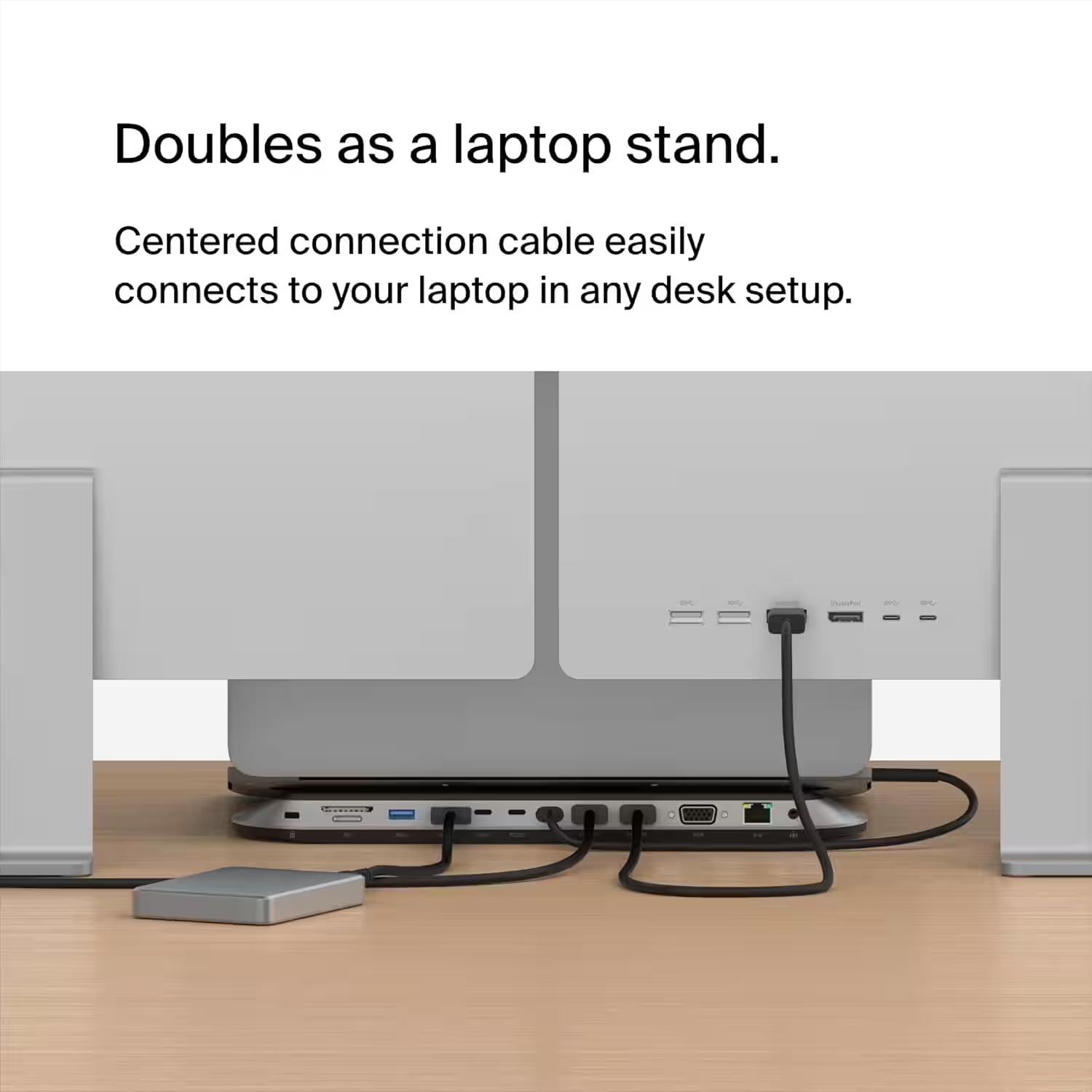
A Thunderbolt 4 dock like the CalDigit Element Hub adds four 40 Gbps downstream ports gigabit Ethernet and 90-watt host charging. It costs $200 to $300. You plug the dock into the laptop and the monitor into the dock via DisplayPort.
You gain port count and flexibility. You lose the single-cable simplicity. The dock becomes another piece of gear to carry.
This path shines when you need multiple high-speed NVMe drives. A dual-bay RAID over Thunderbolt 4 delivers 2800 MB/s sustained. The same drives through a monitor hub max out at 1000 MB/s because the hub shares bandwidth with video.
For multicam 4K proxy workflows that difference cuts export time by 30 percent.
The charger stays separate. A 140-watt GaN brick is the size of a deck of cards. It plugs into the laptop directly.
The dock passes 90 watts through its upstream port. Total desk cable count rises to four: power to dock power to brick DisplayPort to monitor USB-C to laptop. For a stationary suite that is acceptable.
For a mobile editor it is a dealbreaker.
Side-by-Side: Bandwidth Color Power and Reliability Compared
| Factor | USB-C Monitor (Thunderbolt 4) | DisplayPort + Thunderbolt Dock |
|---|---|---|
| Video bandwidth | 15 Gbps (shared) | 25.9 Gbps (dedicated) |
| USB data bandwidth | 5 Gbps remaining | 40 Gbps dedicated |
| Power delivery | Up to 140W single cable | 90W via dock + brick direct |
| Cable count | 1 | 4 |
| Wake reliability | Firmware dependent | Near instant |
| KVM support | Common built-in | Requires dock support |
| Multi-monitor daisy chain | Limited to 2x 4K | 2x 4K or 1x 8K |
| NVMe RAID speed | ~1000 MB/s | ~2800 MB/s |
| Color accuracy | Panel dependent | Panel dependent |
| Hardware calibration | Select models | All pro monitors |
The table reveals the trade-off. USB-C monitors win on simplicity and portability. DisplayPort plus dock wins on raw throughput and expandability.
Color accuracy is identical when the same panel is used. The connector does not change gamma or gamut.
Bandwidth sharing is the hidden variable. Running 4K60 10-bit HDR video plus a 10 Gbps SSD transfer exceeds a 20 Gbps USB4 link. The monitor hub controller drops USB packets to prioritize video.
You see stuttering playback or failed file copies. A 40 Gbps Thunderbolt 3 or 4 monitor avoids this. So does a DisplayPort cable with a separate 40 Gbps dock.
Power negotiation fails silently. A monitor advertising 100 watts may only deliver 60 watts if the laptop requests 20V/3A instead of 20V/5A. The Dell U2723QE negotiates 90 watts with a MacBook Pro but only 65 watts with a Lenovo ThinkPad X1 Carbon.
The DisplayPort plus dock path avoids this because the dock and brick negotiate independently.
Where USB-C Monitors Win (And Where They Still Fall Short)
USB-C monitors win for the solo editor who values a bag that weighs less. One cable charges the laptop drives the reference display and connects the keyboard mouse and Ethernet. Setup takes ten seconds.
Teardown takes five. No hunting for the dock power adapter in a hotel outlet. No forgotten HDMI dongle in a client meeting.
They win for hot-desk environments. Plug into any Thunderbolt 4 monitor and your color profile loads from the monitor LUT. Your RAID connects at 10 Gbps.
Your internet hits gigabit. You are editing in under a minute. The same workflow with a dock requires cable management and driver enumeration each time.
They fall short for the high-volume proxy editor. Bandwidth sharing caps sustained SSD speeds at 1000 MB/s. A 4K multicam timeline with eight proxy streams needs 1500 MB/s minimum.
The DisplayPort plus dock path delivers 2800 MB/s. Export times double on the USB-C monitor. That adds up across a 40-hour project week.
They fall short for HDR mastering at scale. Most USB-C monitors top out at DisplayHDR 600. The LG 32EP950 hits DisplayHDR 400 True Black but costs $3000 and risks burn-in.
A Flanders Scientific DM250 reference monitor over DisplayPort delivers 1000 nits sustained with zero drift. The connector does not limit the panel but the market segment does. USB-C monitors target creatives not colorists.
They fall short when the laptop port is the bottleneck. A 2023 ultrabook with USB 3.2 Gen 2 Type-C cannot drive 4K60 10-bit. It maxes at 4K30 8-bit.
The monitor works but the editing experience degrades. The DisplayPort path bypasses the laptop USB controller entirely using the discrete GPU output. That reliability matters on deadline.
Real Editing Scenarios: Laptop-Only, Hybrid Desk, On-Set DIT
A freelance editor cutting 4K proxies on a MacBook Pro M3 Max in a coffee shop needs one cable. The LG UltraFine 5K at the home desk delivers 96 watts and 5K60 over Thunderbolt 4. The same editor plugs into a client's Dell U2723QE on site and gets 90 watts plus a calibrated DCI-P3 image.
No dock travels. No brick travels. The workflow holds color because both monitors store the same hardware LUT.
A hybrid studio editor splits time between a desktop Threadripper workstation and a Dell XPS 17. The workstation connects via DisplayPort to an EIZO CG2700S. The laptop connects via USB-C to the same monitor using the monitor's KVM.
One keyboard one mouse two sources. The monitor's USB hub stays wired to the RAID and the Wacom tablet. Switching takes one button press.
No cable swapping.
A DIT on set pulls ProRes RAW from a RED V-RAPTOR into a MacBook Pro 16-inch. The ASUS ProArt PA32UCG-K monitor runs on V-mount battery via 140-watt PD 3.1. It displays HDR at 1000 nits sustained.
The monitor's USB hub ingests footage from a CFexpress reader at 10 Gbps while the timeline plays back. The single cable carries video power and data. The DIT wraps in five minutes when the camera moves.
Each scenario works because the monitor matches the laptop's port spec. The coffee shop editor uses Thunderbolt 4 on both ends. The hybrid editor uses DisplayPort on the desktop and USB-C with DP Alt Mode on the laptop.
The DIT uses Thunderbolt 4 with PD 3.1. Mismatch any link and the chain breaks.
The Hidden Gotchas: PD Negotiation Hub Bottlenecks Wake Failures
Power delivery negotiation fails silently. A monitor rated for 100 watts may only deliver 60 watts if the laptop requests 20V/3A. The Dell U2723QE negotiates 90 watts with a MacBook Pro but only 65 watts with a Lenovo ThinkPad X1 Carbon Gen 11.
The fix is a firmware update on the monitor scaler. Check the manufacturer support page before you blame the cable.
Bandwidth sharing throttles SSD speed during playback. A 20 Gbps USB4 link carrying 4K60 10-bit 4:2:2 video leaves 5 Gbps for USB data. A Samsung T9 NVMe drive caps at 500 MB/s in that window.
The same drive hits 2000 MB/s on a dedicated Thunderbolt 4 port. If your workflow copies dailies while editing, budget for a separate 40 Gbps downstream port or a dock.
Wake-from-sleep handshake breaks on mixed vendor pairs. A MacBook Pro M2 connected to an LG 32EP950 often wakes to a black screen. The fix is disabling "Deep Sleep" in the monitor OSD or updating macOS to 14.4 or later.
Windows laptops with Nvidia GPUs sometimes drop the USB hub on wake. A BIOS update for the laptop and a firmware update for the monitor usually resolve it.
Cable length matters more than marketing claims. A passive 1-meter Thunderbolt 4 cable supports 40 Gbps. A 2-meter passive cable drops to 20 Gbps.
An active 2-meter cable restores 40 Gbps but costs $80. Using a cheap 2-meter cable from a parts bin halves your bandwidth and introduces intermittent disconnects. Buy the cable the monitor manufacturer bundles or recommends.
Pricing Reality: What You Get at 0 00 00
At $500 you get a 27-inch IPS panel with 99 percent sRGB 90 percent DCI-P3 60-watt PD and a USB 3.2 Gen 1 hub. The BenQ GW2790QT and Dell S2722QC sit here. No hardware calibration.
No HDR beyond 400 nits peak. Good for Rec.709 social cuts. Not for broadcast delivery.
At $1000 you get IPS Black or Mini-LED 98 percent DCI-P3 90-watt PD hardware calibration support and a 10 Gbps USB hub. The Dell UltraSharp U2723QE BenQ PD2705U and LG 27UP850-W live here. Factory Delta E under 1.
Hardware LUT stores your profile. DisplayHDR 600 on Mini-LED models. This is the sweet spot for most freelance editors.
At $2000 you get 32-inch 4K OLED or Mini-LED 1000 nits sustained 99 percent Rec.2020 Thunderbolt 4 with 140-watt PD 40 Gbps downstream port for RAID. The ASUS ProArt PA32UCR-K LG 32EP950 and Apple Studio Display (with caveats) compete here. True 10-bit panel.
Dolby Vision support. Hardware calibration with built-in probe on some models. This tier buys you a reference-grade image and zero bandwidth compromise.
The jump from $1000 to $2000 is mostly HDR headroom and port speed. Color accuracy at $1000 is already within 1 Delta E of the $2000 unit after calibration. If you deliver SDR Rec.709 or DCI-P3 the $1000 tier covers you.
If you master HDR for streaming platforms the $2000 tier pays for itself in fewer revisions.
Pro Setup Checklist: Verifying Your Laptop Cables and Calibration Path Before You Buy
Confirm your laptop port spec. Open the manufacturer spec sheet. Look for "Thunderbolt 4" "USB4 40Gbps" "DisplayPort 1.4 Alt Mode" and "Power Delivery 3.0 100W" or "PD 3.1 140W".
If the sheet says "USB 3.2 Gen 2 Type-C" only, you cannot drive 4K60 10-bit. Stop. Buy a dock and a DisplayPort monitor instead.
Match the monitor PD to your laptop charge requirement. MacBook Pro 14-inch needs 96 watts. MacBook Pro 16-inch needs 140 watts for fast charge 96 watts to maintain.
Dell XPS 15 needs 130 watts. HP ZBook Fury needs 200 watts (no monitor delivers this). If the monitor max PD is lower than your laptop nominal draw, keep the brick.
Verify the cable in the box. Thunderbolt 4 monitors ship with a 0.8m 40 Gbps cable. USB4 monitors often ship with a 1m 20 Gbps cable.
If you need 2 meters, buy an active Thunderbolt 4 cable ($80). Do not use a passive 2m cable. Do not use a USB-C charge cable (USB 2.0 speed).
Label the cable so it never migrates to a phone charger.
Plan your calibration path. If the monitor supports hardware LUT (Dell UltraSharp U series BenQ PD series ASUS ProArt PA series EIZO CG series) buy a Calibrite Display Plus HL or X-Rite i1Display Pro Plus. Calibrate to DCI-P3 for Rec.709 delivery.
Calibrate to Rec.2020 for HDR delivery. Store the profile in the monitor. Recalibrate every 30 days for critical work.
Test the full chain before a job. Connect laptop to monitor. Run a 4K timeline in DaVinci Resolve.
Start a 100 GB file copy to the monitor hub SSD. Let it run 30 minutes. Check that laptop battery percentage rises.
Check that the copy completes without error. Check that the monitor does not flicker. If any fails, update firmware on both sides then retest.
Final Verdict: Which Workflow Matches Your Actual Editing Life
Choose a USB-C monitor if you edit on a laptop that supports Thunderbolt 4 or USB4 40 Gbps with 90-watt PD. You value a single cable. You work in multiple locations.
You deliver Rec.709 or DCI-P3 SDR. You do not need sustained 2000 MB/s RAID speeds. The Dell U2723QE or BenQ PD2705U at $1000 solves 90 percent of this life.
Choose DisplayPort plus Thunderbolt dock if you edit on a desktop or a laptop with weak USB-C video. You need multiple high-speed NVMe drives. You master HDR at 1000 nits.
You want zero wake failures. You sit at one desk. The CalDigit Element Hub plus an EIZO CG2700S costs $1500 total and removes every bandwidth and power compromise.
Choose a reference monitor path if color is your product. You grade for Netflix HDR. You need 10-bit 4:4:4 12G-SDI.
You need legal broadcast scopes. A Flanders Scientific DM250 over DisplayPort from a DeckLink card is the floor. The connector is irrelevant.
The pipeline is everything.
Most editors reading this fall in the first group. A modern Thunderbolt 4 monitor with hardware calibration is a genuine workflow upgrade. It reduces clutter it reduces setup time and it delivers color you can trust.
Just verify your laptop port first. The monitor cannot fix a port that doesn't speak the language.

Similar Posts