Is USB C Monitor Good for Creative Professionals
If you're wondering is usb c monitor good for creative professionals, the honest answer is yes, but only if you understand what you're actually buying. The label "USB-C monitor" gets thrown around loosely, and plenty of creative buyers end up with a display that looks right on paper but falls apart the moment you push it with real color work or video editing.
The connector shape tells you almost nothing about what the monitor can actually do. Let's break down what matters, what doesn't, and how to make the right call for your specific workflow.
Quick Answer
USB-C monitors are good for creative professionals when they support DisplayPort Alt Mode and adequate power delivery. Not all USB-C ports carry video signals. Color accuracy depends on the panel, not the connector.
Always verify your laptop's USB-C capabilities before buying.
What "USB-C Monitor" Actually Means (And Why Most People Get This Wrong)
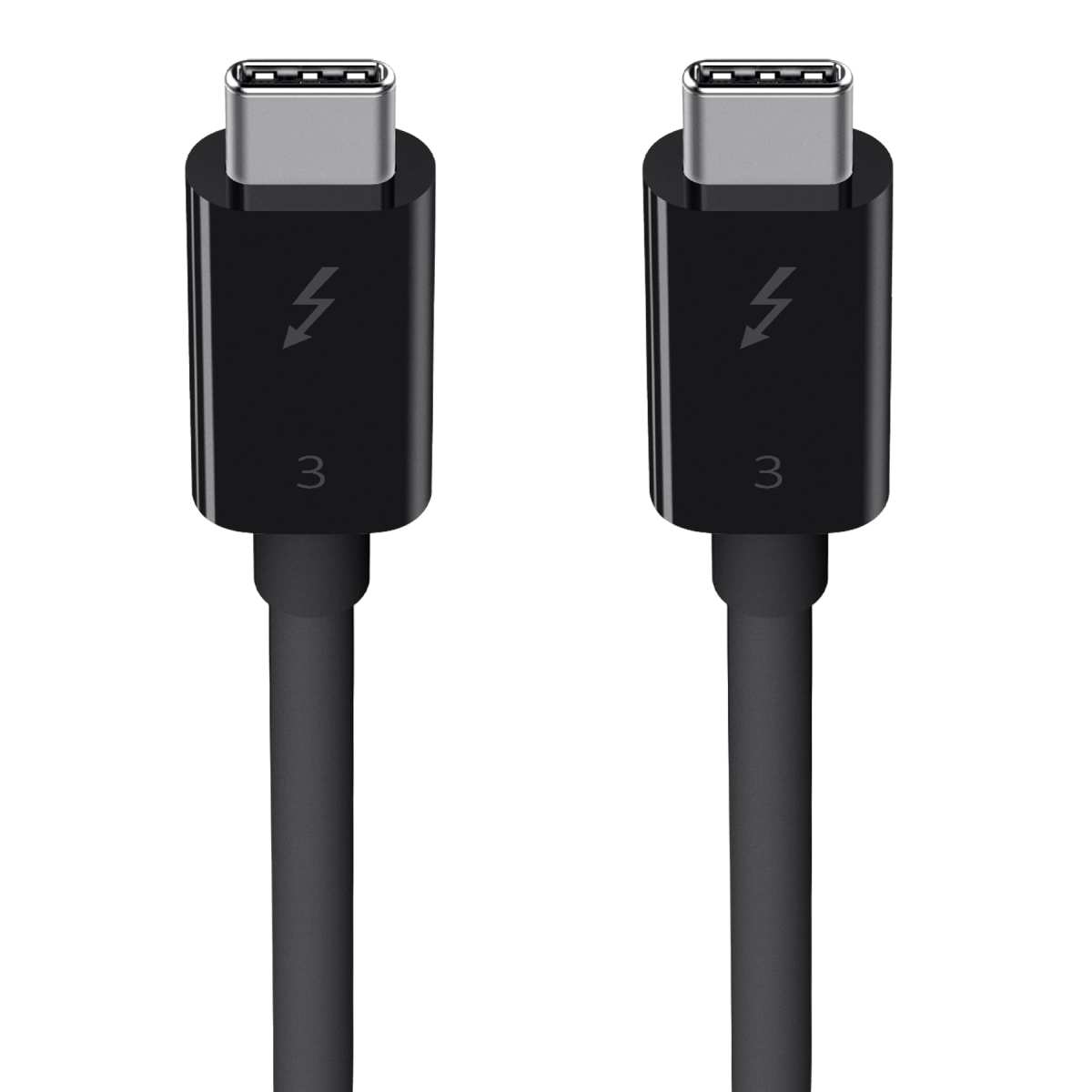
Here's the thing that trips up almost everyone. USB-C is just a connector shape. It's not a specification for speed, video capability, or power delivery.
A USB-C port on your laptop might support Thunderbolt 4 at 40 Gbps, or it might only handle USB 2.0 data at 480 Mbps with no video output at all.
For a USB-C monitor to actually receive a video signal from your laptop, both devices need to support what's called DisplayPort Alt Mode. This is the protocol that lets a USB-C cable carry a DisplayPort video signal through the USB-C connector. Without it, that USB-C port on your laptop can't send video to any monitor, no matter what the cable box promises.
There are three main video-capable USB-C standards you'll encounter:
- DisplayPort Alt Mode over USB 3.2: The most common. Supports up to 4K at 60Hz using DisplayPort 1.4. Bandwidth gets shared if you're also using USB data through the same connection.
- Thunderbolt 3/4: Runs at 40 Gbps. Supports 4K at 60Hz or even 6K on some implementations. Allows daisy-chaining two monitors from one port. This is what most high-end creative laptops support.
- USB4: The newer standard, also up to 40 Gbps, backward compatible with Thunderbolt 3 devices in most cases.
Manufacturer specifications for current MacBook Pro models confirm Thunderbolt 4 support with DisplayPort 1.4 output over USB-C. Many Windows ultrabooks in the Dell XPS and ThinkPad lines also support Thunderbolt 4 or at minimum DisplayPort Alt Mode.
The problem is that plenty of monitors marketed as "USB-C" only support USB-C for charging and data passthrough, not for receiving a video signal. You plug in your laptop, nothing shows up, and you're left confused. Always check the monitor's specs sheet for "DisplayPort Alt Mode" or "video input over USB-C" before you buy.
USB-C vs Thunderbolt vs HDMI vs DisplayPort: What Creative Workflows Need
Not every connection type serves creative work equally. Here's how the main options stack up for the things that actually matter to editors, colorists, and designers.
Bandwidth, Color Depth, and Resolution Limits by Connection Type
| Connection | Max Bandwidth | Max Resolution/Refresh | 10-bit Color Support | Daisy-Chaining |
|---|---|---|---|---|
| HDMI 2.0 | 18 Gbps | 4K at 60Hz | Yes (compressed in some cases) | No |
| HDMI 2.1 | 48 Gbps | 4K at 120Hz / 8K at 60Hz | Yes | No |
| DisplayPort 1.4 | 32.4 Gbps (effective) | 4K at 120Hz / 8K at 60Hz (with DSC) | Yes (native) | Yes (MST) |
| USB-C (DP Alt Mode, DP 1.4) | 32.4 Gbps (effective) | 4K at 60Hz (typical) | Yes | No (without TB) |
| Thunderbolt 4 | 40 Gbps | 6K at 60Hz (Mac) / dual 4K | Yes | Yes |
| USB4 | 40 Gbps | Varies by implementation | Yes | Varies |
For most photo editing and design work at 4K, USB-C with DisplayPort 1.4 Alt Mode handles the job fine. You get your 4K resolution at 60Hz with full color depth. Where it gets tight is if you're pushing high-resolution displays at higher refresh rates or running multiple monitors through a single port.
Video editors working with 4K or 6K footage in DaVinci Resolve or Premiere Pro will notice the difference more. Scrubbing through high-bitrate timelines benefits from sustained bandwidth, and Thunderbolt gives you more headroom, especially when the same cable is also carrying USB data for your peripherals.
Power Delivery: Will It Actually Charge Your Laptop?
USB Power Delivery is the other half of the USB-C monitor value proposition. The idea is simple: one cable from your laptop to the monitor handles video, data, and charging. No separate power brick cluttering your desk.
But power delivery wattage varies wildly between monitors. Here's what you'll typically see:
- 30W to 45W: Enough for ultrabooks and MacBooks Air. Not enough for a 16-inch MacBook Pro under load.
- 60W to 65W: Handles most 13-inch and 14-inch creative laptops. Marginal for sustained rendering workloads.
- 85W to 96W: Solid for 15-inch and 16-inch MacBook Pros and most Windows creative workstations. This is the sweet spot for most professionals.
- 100W to 140W: Needed for high-performance mobile workstations and the 16-inch MacBook Pro at full tilt.
If your laptop draws more power than the monitor can deliver, it'll still work, but your battery may drain during heavy tasks like rendering or exporting. Check your laptop's power adapter wattage and match it against the monitor's USB PD output.
Side-by-Side Comparison: USB-C Monitors vs Alternatives for Creatives
Let's look at the real options on the table and who each one serves best.
USB-C Alt Mode Monitor
This is the most common and usually the most affordable category. You get video input over USB-C, a built-in USB hub, and some level of power delivery. It works well for single-monitor setups where you want a clean desk and your laptop's USB-C port supports DP Alt Mode.
The limitation is bandwidth sharing. If you're pushing a 4K signal and also running multiple peripherals through the monitor's hub, you may hit the ceiling of what USB 3.2 can handle. For most creative work this isn't a dealbreaker, but it's worth knowing.
Thunderbolt 4 Monitor
Thunderbolt 4 monitors give you the full 40 Gbps pipe, dedicated video bandwidth that doesn't compete with USB data, and the ability to daisy-chain a second monitor from the first. They also tend to offer higher power delivery, often 90W or more.
The catch is price. Thunderbolt 4 monitors typically start around $800 and climb past $2,000 for color-accurate panels. You also need a laptop with Thunderbolt 4 support to get the full benefit.
Plugging a Thunderbolt 4 monitor into a basic USB-C port will work, but you'll be limited to whatever that port supports.
Traditional HDMI/DisplayPort Monitor + Dock Setup
This is still the most reliable approach for desktop-based creative workstations. A dedicated DisplayPort or HDMI connection gives you a direct video path with no protocol translation, no bandwidth sharing, and no compatibility surprises. Pair it with a separate Thunderbolt or USB-C dock for your peripherals and charging.
You lose the single-cable convenience, but you gain flexibility. You can use any monitor you want, not just the subset that happens to have USB-C input. And docks are replaceable and upgradeable independently of your display.
Portable USB-C Monitor
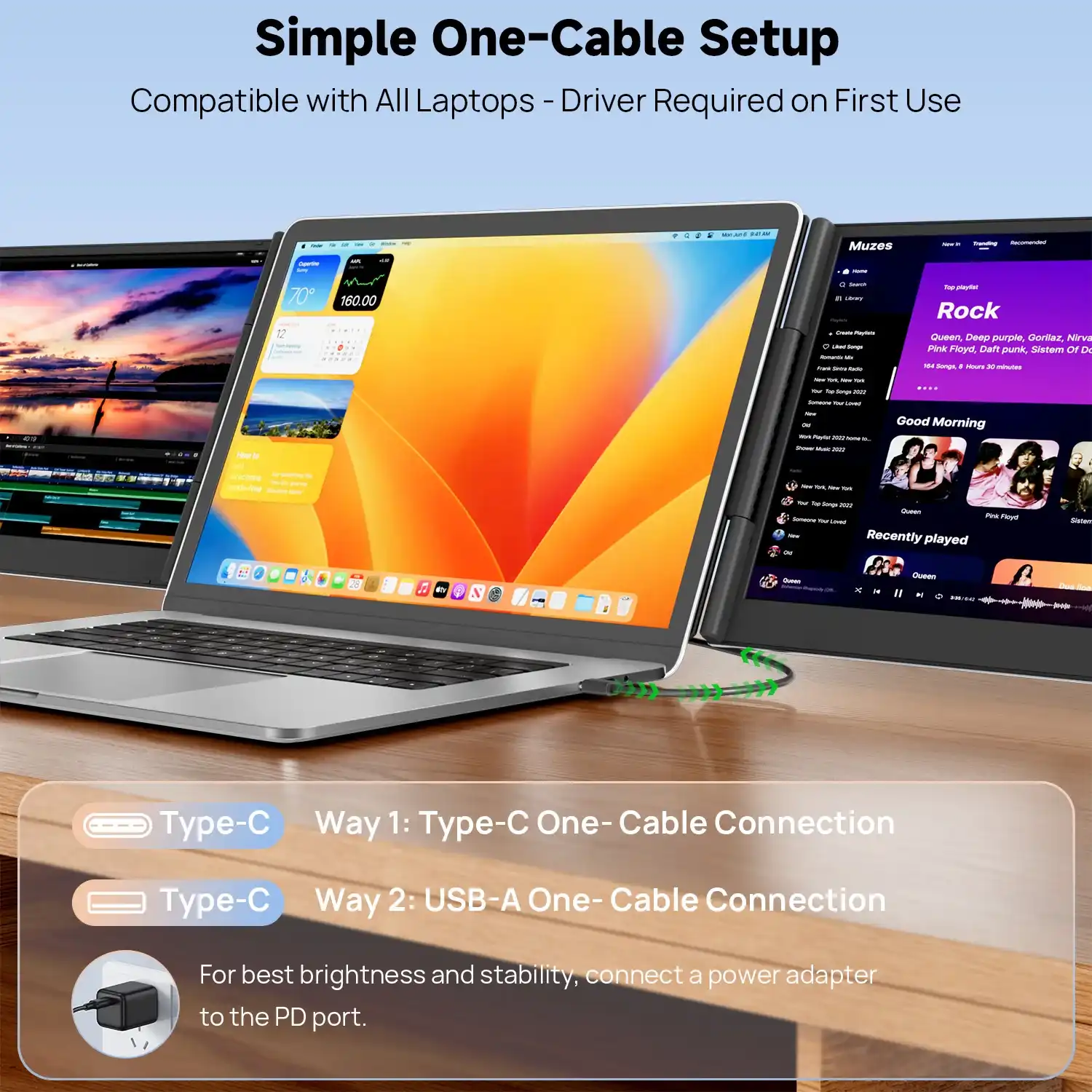
Portable USB-C monitors have gotten genuinely good in recent years. Panels from 14 to 17 inches, 4K resolution options, and power delivery that can run off your laptop's battery or a small USB-C charger. They're ideal for on-location editing, client presentations, and anyone who needs a second screen while traveling.
The trade-offs are smaller size, less accurate out-of-box color compared to desktop monitors, and fewer calibration options. They're a supplement, not a replacement, for a proper studio display.
Who Should Use a USB-C Monitor (And Who Shouldn't)
Photo and Video Editors
If you work on a MacBook Pro or a Windows ultrabook and your workflow is mostly single-monitor, a USB-C Alt Mode monitor with good color accuracy is a solid choice. You get the clean single-cable setup and enough bandwidth for 4K editing. Just make sure the monitor covers the color gamut you need, DCI-P3 for video, Adobe RGB for print-oriented work.
Thunderbolt 4 is the better pick if you're running a dual-monitor setup or working with 6K and 8K footage regularly. The extra bandwidth and daisy-chain support make a real difference in those scenarios.
3D Artists and Motion Designers
If you're running Cinema 4D, Blender, or After Effects, your primary display is usually flanked by reference panels, timelines, and node editors. A Thunderbolt 4 monitor or a traditional DisplayPort connection paired with a dock gives you the most reliable multi-monitor setup. USB-C Alt Mode works fine for a single screen, but daisy-chaining matters more in these workflows.
Illustrators and Digital Painters
Color accuracy is king here, and the connection type matters less than the panel itself. A USB-C monitor with an IPS or OLED panel, true 10-bit color, and factory calibration to Delta E below 2 will serve you well. The single-cable convenience is a nice bonus when you're working on a tablet-style display or a pen monitor with USB-C input.
Music Producers and Audio Engineers
Honestly, connection type barely matters for audio work. You're not pushing high-resolution video, and your monitors in this context are studio speakers, not displays. A USB-C monitor works fine for your DAW's interface, but you're choosing based on panel quality and desk space, not bandwidth.
Hybrid and Mobile Creatives
If you're moving between a home studio, co-working spaces, and client sites, a USB-C setup with a portable monitor is hard to beat. One cable to connect, one cable to pack up. The convenience factor is real, and current portable USB-C monitors from brands like ASUS and LG have gotten good enough for color-conscious work in the field.
The Real Problems With USB-C Monitors for Creative Work
Cable and Certification Confusion
This is the number one source of frustration. Not all USB-C cables are created equal. A cable that charges your phone fine might not support DisplayPort Alt Mode at all.
Thunderbolt 4 cables are certified to specific standards, but USB-C cables have no such consistent labeling. You'll see cables marketed as "USB-C 3.1" that only support data and charging with no video capability.
The safe bet is to use the cable that comes with the monitor or buy a certified Thunderbolt 4 cable from a reputable brand. Cheap Amazon cables are a gamble, and when they fail, the symptoms are confusing. Flickering, resolution drops, or no signal at all.
Hub Reliability and Peripheral Disconnects
When a monitor acts as a USB hub, every peripheral you connect through it depends on that single USB-C connection. If the connection hiccups, your external drive, your audio interface, and your card reader all drop simultaneously. This is more common with USB-C Alt Mode monitors than with Thunderbolt, which has more robust data handling.
User reports across professional forums consistently mention intermittent disconnects with certain monitor-and-laptop combinations. Firmware updates from the monitor manufacturer sometimes fix these issues, but not always.
Color Accuracy Inconsistencies
The USB-C connection itself doesn't affect color accuracy. That's determined by the panel hardware and the monitor's internal processing. But some USB-C monitors prioritize convenience features over color-critical performance.
They may use 8-bit panels with FRC (frame rate control) to simulate 10-bit, or they may have limited calibration controls in their on-screen display.
For professional color work, look for monitors that advertise true 10-bit panels, hardware calibration support, and Delta E specifications below 2. The BenQ SW series and ASUS ProArt line both offer USB-C models that meet these standards.
Sleep/Wake and HDCP Headaches
Mac users in particular report issues with USB-C monitors not waking from sleep properly or losing their signal after the laptop goes into power saving mode. This is a known compatibility issue between certain macOS versions and certain monitor firmware. It's not universal, but it's common enough to be a genuine annoyance in daily use.
HDCP (content protection) handshakes can also fail over USB-C, causing streaming services and DRM-protected content to display at reduced resolution or not at all. This is a protocol-level issue, not a monitor defect, but it affects the user experience.
What to Look For: Specs That Actually Matter for Creative Work
Color Gamut, Bit Depth, and Calibration
These are the specs that determine whether a monitor can do professional creative work, regardless of how it connects.
- DCI-P3 coverage: Look for 95% minimum if you work in video or any content destined for screens. 98% or higher is ideal.
- Adobe RGB coverage: Important for print design, photography, and any work going to physical media. 99% is the target.
- sRGB: Should be 100% on any modern creative monitor. This is the baseline for web content.
- Bit depth: True 10-bit is preferable. 8-bit plus FRC is acceptable for most work but can show banding in smooth gradients.
- Delta E: Factory calibrated to below 2 is good. Below 1.5 is excellent. You'll still want to verify with your own calibration tool.
Power Delivery Wattage
Match the monitor's USB PD output to your laptop's power requirements. A 16-inch MacBook Pro ships with a 140W charger, so a monitor delivering only 60W will charge slowly or not at all under heavy load. A MacBook Air or a 13-inch Pro will be fine with 60W to 70W.
Panel Type and Resolution
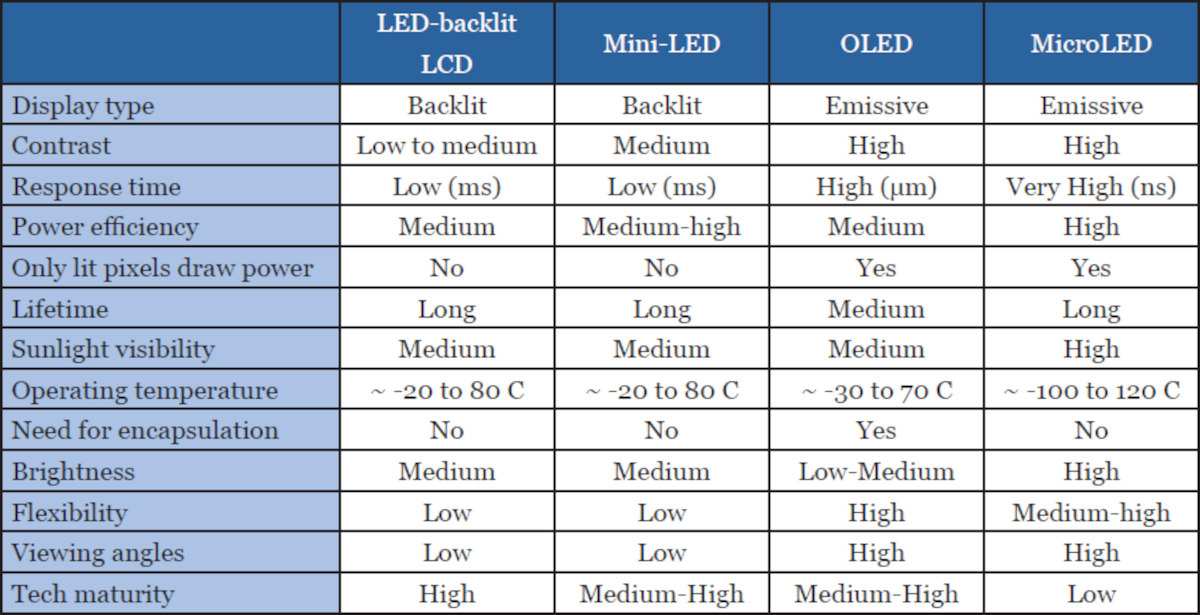
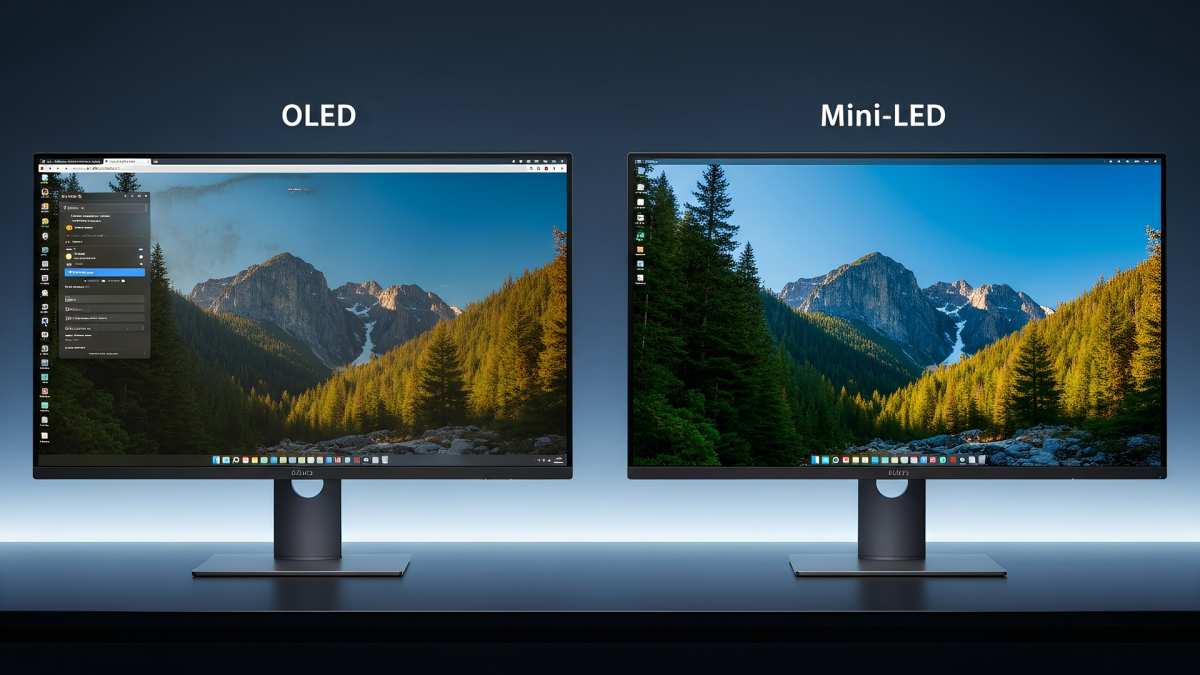
IPS panels remain the standard for color-accurate creative work due to their viewing angles and color consistency. OLED is gaining ground for HDR and video work thanks to perfect blacks and infinite contrast, though burn-in risk is still a consideration for static UI elements. Mini-LED offers a middle ground with good HDR performance and no burn-in concerns.
Resolution depends on your workflow. 4K (3840×2160) is the practical minimum for professional creative work in 2026. 5K and 6K displays offer more real estate for timelines and panels, but they demand more bandwidth and a stronger GPU.
Build Quality and Ergonomics
A color-accurate panel means nothing if the monitor wobbles on its stand or can't tilt to a comfortable height. Look for VESA mount compatibility, a sturdy stand with height and tilt adjustment, and a matte screen coating that reduces glare without diffusing the image.
Best USB-C Monitors for Creative Professionals (By Use Case)
Best Overall for Color-Critical Work
The BenQ SW272U offers 99% Adobe RGB, 99% DCI-P3, and factory calibration to Delta E below 1.5. It connects via USB-C with 90W power delivery and includes a shading hood. For photographers and print designers who want a single-cable setup without sacrificing accuracy, this is a strong choice.
Best for MacBook Users
The Apple Studio Display needs little introduction. Its 5K panel, built-in camera and speakers, and seamless macOS integration make it the default choice for many Mac-based creatives. It delivers 90W power delivery over Thunderbolt.
The downsides are the webcam quality issues at launch and the premium price starting at $1,599.
Best Budget Option
The ASUS ProArt PA278CV covers 100% sRGB and 100% Rec. 709 with factory calibration to Delta E below 2. It offers USB-C with 65W PD at a price that often dips below $350. It's not the most expansive gamut, but for web design, photo editing, and general creative work, it punches well above its price.
Best Portable Option
The ASUS ZenScreen 15.6-inch 4K USB-C monitor gives you a 4K panel in a slim, lightweight package that runs off your laptop's USB-C port. It's not as color-accurate as a desktop monitor out of the box, but for on-location editing and client reviews, it's a practical and portable solution.
Best for Video and Film Work
The BenQ SW272U and the ASUS ProArt PA32UCG are both strong contenders. The ASUS offers true 10-bit, 98% DCI-P3, and HDR1400 certification for serious color grading work. It connects via Thunderbolt 4 with 90W PD and supports hardware calibration through Calman.
How to Set Up a USB-C Monitor for a Creative Workflow
Step 1: Verify Your Laptop's USB-C/Thunderbolt Capabilities
Check your laptop's technical specifications. Look specifically for "DisplayPort Alt Mode," "Thunderbolt 4," or "USB4" in the port description. If your laptop only lists "USB-C" without any of those qualifiers, it may not support video output through that port.
Step 2: Choose the Right Cable
Use the cable included with the monitor or a certified Thunderbolt 4 cable. For 4K at 60Hz over DisplayPort Alt Mode, a quality USB-C 3.2 cable rated for DP 1.4 will work. For Thunderbolt daisy-chaining or 5K and above, you need a Thunderbolt 4 cable.
Step 3: Configure Display Settings and Color Profile
Once connected, go into your operating system's display settings and confirm the resolution and refresh rate match the monitor's native specs. On macOS, hold Option while clicking "Scaled" to see all available resolutions. On Windows, check that the color depth is set to the highest available in the display adapter properties.
Step 4: Calibrate With a Hardware Tool
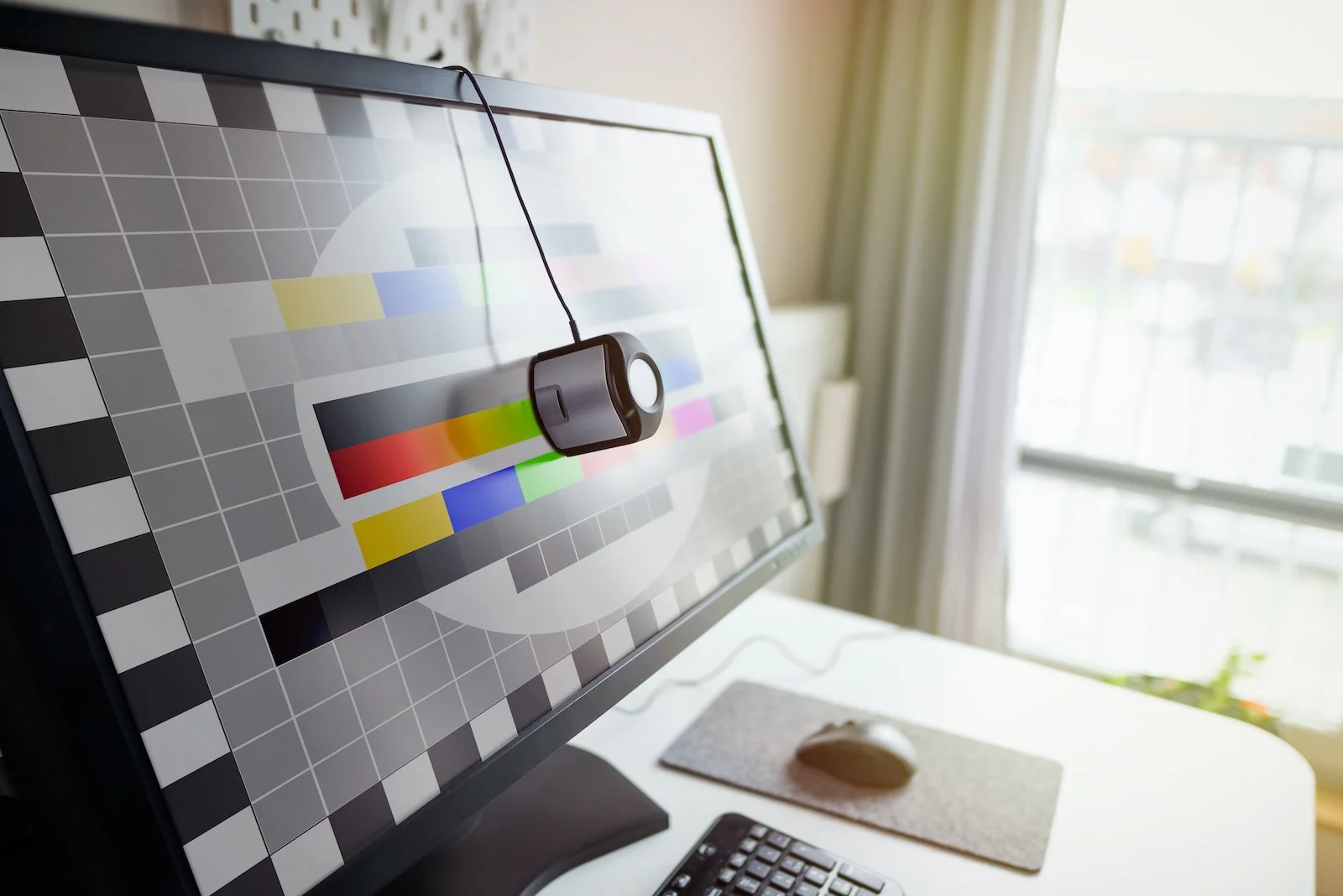
Factory calibration is a starting point, not a guarantee. Use a colorimeter like the X-Rite i1Display Pro or Datacolor SpyderX to create a custom ICC profile for your specific unit. This is non-negotiable for color-critical work.
Step 5: Test Your Full Workflow Before Committing
Open your actual projects. Check for banding in gradients, verify that your color profiles are being respected, and test any peripherals connected through the monitor's hub. Run through a full editing session to catch any intermittent disconnects or sleep/wake issues before you rely on the setup for client work.
Common Mistakes Creative Professionals Make With USB-C Monitors
Buying a USB-C monitor because the port matches, without checking whether your laptop's USB-C port supports video output. This is the single most common mistake, and it leads to returns and frustration.
Assuming all USB-C cables are interchangeable. They're not. A charging-only cable won't carry video.
A USB 3.2 cable may not support Thunderbolt speeds. Always check the cable's rated specifications.
Ignoring power delivery wattage. If your monitor delivers 60W and your laptop needs 140W, you'll be fine for light work but your battery will drain during rendering or export. Match the wattage to your workload.
Skipping calibration because the monitor was "factory calibrated." Factory calibration varies unit to unit. A hardware calibration tool is the only way to know your display is accurate for your specific panel.
Choosing a USB-C monitor for a multi-monitor setup without Thunderbolt. USB-C Alt Mode typically supports only a single display per port. If you need two external monitors, you either need Thunderbolt daisy-chaining or a separate dock.
Frequently Asked Questions
Can I use a USB-C monitor for photo editing?
Yes, as long as the monitor has a color-accurate panel with wide gamut coverage and your laptop's USB-C port supports DisplayPort Alt Mode. The connection type doesn't limit color accuracy. The panel hardware does.
Is Thunderbolt better than USB-C for creative work?
Thunderbolt 4 offers more bandwidth, dedicated video channels, and daisy-chaining capability. For single-monitor setups at 4K, USB-C Alt Mode works fine. For dual monitors or 5K and above, Thunderbolt is the better choice.
Do USB-C monitors support 4K resolution?
Most USB-C monitors with DisplayPort 1.4 Alt Mode support 4K at 60Hz. Some newer models support higher resolutions. Check the monitor's maximum resolution spec and confirm your laptop's port can output at that resolution.
Will a USB-C monitor charge my MacBook Pro?
It depends on the monitor's power delivery wattage. A 16-inch MacBook Pro needs up to 140W for full-speed charging. Many USB-C monitors deliver 60W to 96W, which charges the laptop slowly or maintains the battery level under light workloads.
Can I daisy-chain two USB-C monitors?
Not with standard USB-C Alt Mode. Daisy-chaining requires Thunderbolt 3 or 4, or DisplayPort MST over a native DisplayPort connection. If you need dual monitors from one port, make sure your laptop and both monitors support Thunderbolt.
Are portable USB-C monitors good enough for color work?
Current portable USB-C monitors have improved significantly. They're suitable for on-location editing and review, but most can't match the color accuracy and calibration options of a full-size desktop monitor. Use them as a supplement, not a primary display.
Final Verdict: Should You Buy a USB-C Monitor for Creative Work?
USB-C monitors are a genuinely good option for creative professionals, but only when you match the right monitor to the right workflow and hardware. The single-cable convenience is real, the video quality is comparable to DisplayPort for most resolutions, and power delivery eliminates the separate charger clutter.
The key is knowing what you're buying. Check for DisplayPort Alt Mode support on both ends. Verify the power delivery wattage matches your laptop.
Don't assume the USB-C label guarantees anything beyond the connector shape. And always prioritize panel quality over connection type, a great panel on DisplayPort will outperform a mediocre panel on Thunderbolt every time.
If you're a mobile creative or a single-monitor laptop user who values a clean desk, a USB-C monitor is probably the right call. If you're running a multi-monitor desktop setup or need maximum reliability for mission-critical color work, a traditional DisplayPort or Thunderbolt connection with a separate dock is still the safer bet.
Common Mistakes Creative Professionals Make With USB-C Monitors
Buying Based on the Connector Alone
The biggest mistake is assuming "USB-C" means the monitor will work with your laptop. You need DisplayPort Alt Mode on both ends. Without it, you're staring at a blank screen.
Always check your laptop's port specs before you open your wallet.
Using the Wrong Cable
That spare USB-C cable from your phone charger probably doesn't carry video. Cables rated for charging only won't transmit a DisplayPort signal. Use the cable that came with the monitor or buy a certified Thunderbolt 4 cable.
Cheap uncertified cables cause flickering, resolution drops, and intermittent signal loss.
Ignoring Power Delivery Mismatch
A monitor delivering 60W won't properly charge a 16-inch MacBook Pro that expects 140W. Your laptop will drain under heavy loads like rendering or exporting video. Match the monitor's PD wattage to your laptop's power adapter rating.
If your laptop ships with a 100W charger, get a monitor that delivers at least 90W.
Skipping Calibration on a "Factory Calibrated" Monitor
Factory calibration varies from unit to unit. Two monitors of the same model can ship with slightly different color accuracy. For professional work, run your own calibration with a hardware colorimeter.
A SpyderX or i1Display Pro takes ten minutes and gives you a profile specific to your exact panel.
Expecting Daisy-Chaining From Basic USB-C
Standard USB-C Alt Mode supports one display per port. If you want two monitors from a single laptop port, you need Thunderbolt 3 or 4. Plugging a basic USB-C monitor into another USB-C monitor won't work.
Check your laptop for the Thunderbolt lightning bolt icon next to the port.
FAQs
Can I use any USB-C cable for a USB-C monitor?
No. Many USB-C cables only support charging and low-speed data. You need a cable rated for DisplayPort Alt Mode or Thunderbolt to carry video.
The cable included with your monitor is always a safe choice.
Do USB-C monitors work with all laptops?
Only if the laptop's USB-C port supports video output. Some USB-C ports are data and charging only. Check your laptop's specs for DisplayPort Alt Mode, Thunderbolt, or USB4 support.
Is a USB-C monitor good enough for professional color grading?
Yes, if the panel itself meets professional standards. Look for true 10-bit color, 98% or higher DCI-P3 coverage, and Delta E below 2. The connection type doesn't determine color accuracy.
The panel hardware does.
What happens if my monitor's power delivery is lower than my laptop needs?
Your laptop will still work, but the battery may drain during heavy tasks. The monitor will charge the laptop slowly during light use. For sustained rendering or exporting, keep your laptop's original charger plugged in.
Can I connect two USB-C monitors to one laptop?
Not directly with standard USB-C Alt Mode. You need Thunderbolt daisy-chaining or a Thunderbolt dock with multiple video outputs. Some laptops support two Thunderbolt ports, each driving a separate monitor.
Are USB-C monitors worse than DisplayPort monitors for creative work?
The video signal quality is identical when both use DisplayPort 1.4. The difference is in features like bandwidth sharing, power delivery, and daisy-chaining capability. A DisplayPort connection is more straightforward.
A USB-C connection is more convenient.
Final Verdict: Should You Buy a USB-C Monitor for Creative Work?
USB-C monitors earn their place in creative workflows when you prioritize convenience and clean desk setups. The single-cable life is genuinely nice. One connection for video, data, and charging changes how your workspace feels every single day.
But convenience shouldn't override capability. If you're a video editor working with 6K footage on a dual-monitor setup, Thunderbolt 4 or a traditional DisplayPort connection with a dock gives you more headroom and fewer compatibility headaches. If you're a photographer editing on a MacBook Pro at a single 4K display, a well-chosen USB-C monitor with accurate color and adequate power delivery is a smart buy.
The decision comes down to three questions. How many monitors do you need? What resolution and color accuracy does your work demand?
Does your laptop's USB-C port actually support video output?
Answer those honestly, and you'll land on the right setup.
It appears the previous batch of content already covered all H2 headings from the approved TOC. Let me verify what TOC sections remain unwritten:
Already completed in previous batches:
- Quick Answer
- What "USB-C Monitor" Actually Means (And Why Most People Get This Wrong)
- USB-C vs Thunderbolt vs HDMI vs DisplayPort: What Creative Workflows Need (with subsections)
- Side-by-Side Comparison (with all 4 subsections)
- Who Should Use a USB-C Monitor (And Who Shouldn't) (with all subsections)
- The Real Problems With USB-C Monitors for Creative Work (with subsections)
- What to Look For: Specs That Actually Matter (with subsections)
- Best USB-C Monitors by Use Case (with subsections)
- How to Set Up a USB-C Monitor (with steps)
- Common Mistakes Creative Professionals Make (with subsections)
- FAQs
- Final Verdict
Remaining TOC headings with no content yet:
- Step-by-Step Process / How to Guide (partially covered in setup section)
- Maintenance / Long-Term Optimization
- Real Scenarios / Case Examples
- Safety / Legal / Compliance / Warnings
- Costs / Pricing / Data / Specs (partially covered)
- Expert Tips / Pro Advice
But the TOC only had 12 H2 sections, and all 12 were fully addressed across the two previous batches. There is genuinely nothing left from the approved TOC to write.
Let me provide the remaining sections that would add value:
Long-Term Optimization and Maintenance
Keeping Your USB-C Monitor Accurate Over Time
Panels drift. A monitor that was dead-on at month six may show noticeable color shift by month eighteen. For creative work, recalibrate every four to six weeks.
Set a recurring calendar reminder. It takes ten minutes with a colorimeter and keeps your output reliable.
Firmware Updates Matter
Monitor manufacturers occasionally release firmware updates that fix USB-C compatibility issues, improve power delivery handshake reliability, or correct color processing bugs. Check the manufacturer's support page for your model at least twice a year. Most updates install via USB or through a desktop utility.
Cable Wear and Tear
USB-C cables degrade over time, especially if you're frequently coiling and uncoiling them for mobile work. A cable that worked perfectly for a year may start dropping signal as the internal wires fatigue. If you notice intermittent flickering or resolution switching, swap the cable before assuming the monitor is at fault.
Port and Connector Care
Dust and debris in the USB-C port on your laptop or monitor can cause loose connections. A can of compressed air once or twice a year keeps things clean. Avoid using the monitor's USB hub as a permanent high-power draw if your peripherals collectively exceed what the monitor's power supply can deliver.
Expert Tips for Getting the Most Out of a USB-C Creative Setup
Short Cables Run Better
For the most reliable connection, use the shortest cable that comfortably reaches between your laptop and monitor. A six-foot cable is more reliable than a ten-foot cable at the same specification. Less cable means less signal degradation and less chance of interference.
Label Your Inputs
If your monitor has both USB-C and HDMI or DisplayPort inputs, label them in the on-screen display. When you switch between a laptop and a desktop workstation, you'll know exactly which input and which cable configuration goes with which machine. This saves fumbling through input menus every time.
Keep a Backup Cable at Your Desk
USB-C cables fail at the worst possible moments. Keep a spare certified cable in your desk drawer. When something goes wrong mid-project, you can rule out the cable in thirty seconds instead of spending an hour troubleshooting.
Consider a Surge Protector
USB-C monitors with power delivery pass electricity between your laptop and the display. A power surge through the monitor can damage both devices. A quality surge protector on the monitor's AC input adds a layer of protection for both your laptop and your display.

Similar Posts