Is Hdr600 Monitor Good for Gaming
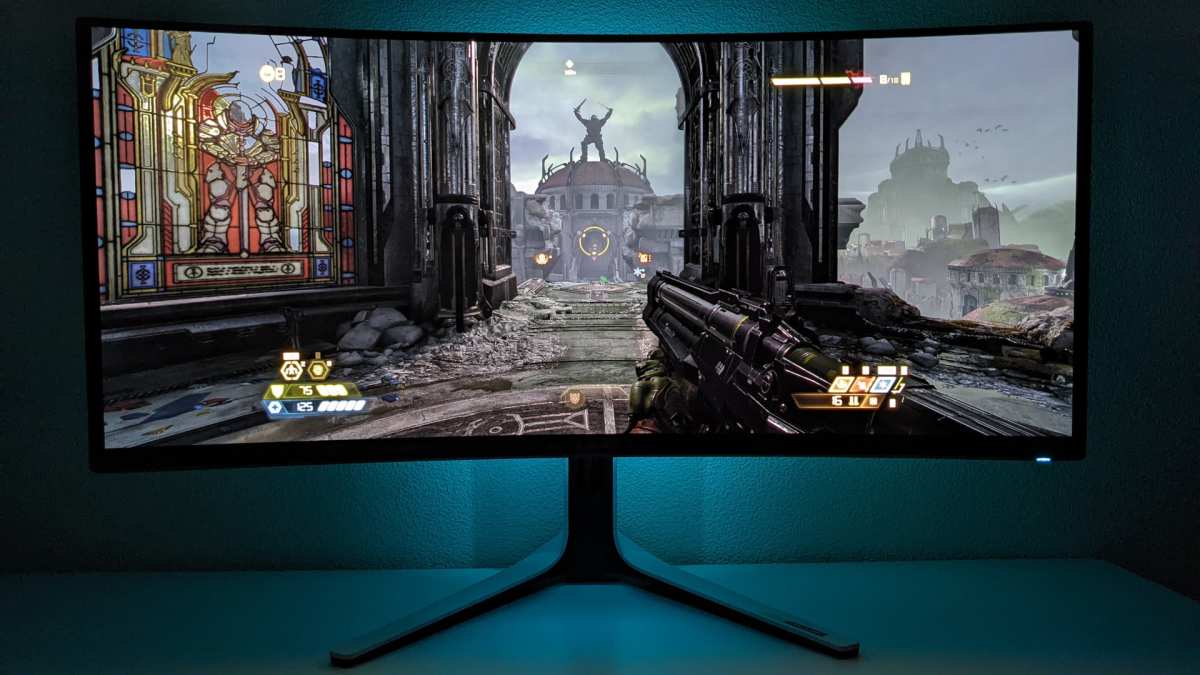
Image source: Bing (Web (fair-use with source credit))
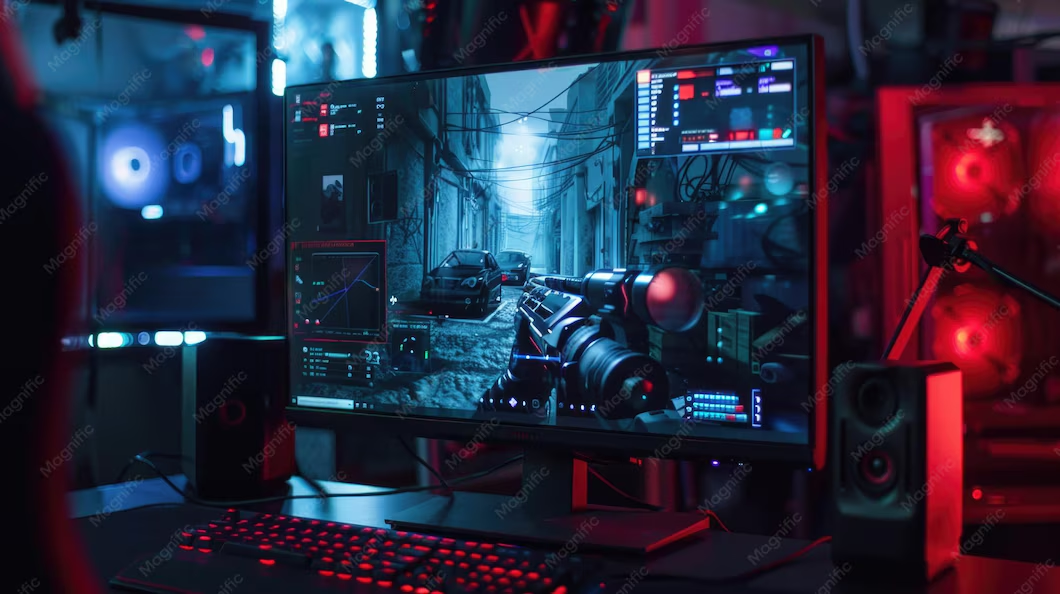
If you're wondering is hdr600 monitor good for gaming, the short answer is: it depends on what you expect from HDR. HDR600 sits in a weird middle ground. It's a step up from basic SDR, but it's not the jaw-dropping HDR experience most people picture when they hear the term.
The VESA DisplayHDR 600 certification means the monitor hits 600 nits of peak brightness. That's genuinely useful for highlight detail. But the certification doesn't require local dimming, which is the feature that actually makes HDR look transformative.
Let's break down what that means for your actual gaming experience.
Quick Answer
HDR600 is decent for gaming if you want better brightness than SDR. It won't deliver true HDR impact without local dimming. It's a solid mid-range choice for casual HDR gaming.
Serious HDR enthusiasts should look at HDR1000 or OLED instead.
What HDR600 Actually Means (Beyond the Marketing)
HDR600 refers to VESA's DisplayHDR 600 certification. It's part of the DisplayHDR standard created by VESA, the Video Electronics Standards Association. This standard gives us a common language for HDR performance instead of relying on vague manufacturer claims.
To earn DisplayHDR 600 certification, a monitor must meet specific requirements. The key specs include:
- Peak luminance of 600 cd/m² (candela per square meter) on a small white window
- Black level below 0.05 cd/m² in the same measurement window
- 95% coverage of the BT.709 color space or equivalent
- 8-bit panel minimum (10-bit with dithering acceptable)
Here's what matters most for gaming. The 600 nit peak brightness is real and measurable. That's bright enough to make highlights pop in games with HDR support.
Explosions, sun reflections, and bright light sources will look noticeably more vivid than on a standard SDR display.
But here's the catch that marketing doesn't emphasize. DisplayHDR 600 does not require local dimming. Most HDR600 monitors use edge-lit backlights or direct-lit backlights without zone control.
That means the entire screen brightens or dims as a unit, not in specific areas.
The result? You get the brightness boost, but you lose the contrast that makes HDR truly impressive. A bright explosion on screen will cause the whole display to pump up luminance.
Dark areas near that explosion will look washed out instead of staying deep and inky.
Manufacturer specifications confirm this across popular HDR600 models. Monitors like the LG 27GN950, the ASUS VG27AQ1A, and the Dell S2721QS all carry DisplayHDR 600 certification. None of them feature full array local dimming.
They rely on their panel's native contrast ratio, which is good but not HDR-transformative.
HDR600 vs. Other HDR Tiers: Where It Sits
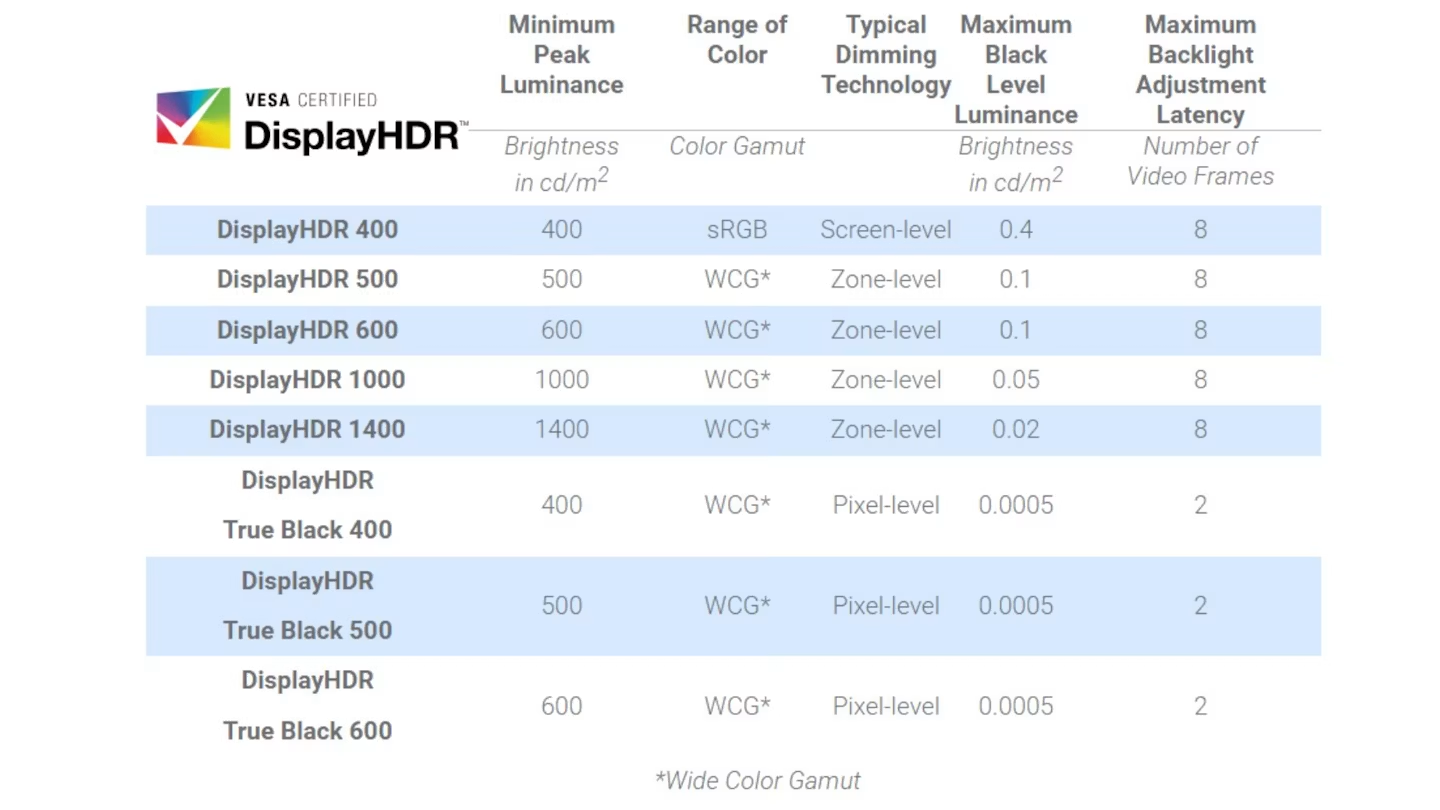
Image source: Bing (Web (fair-use with source credit))
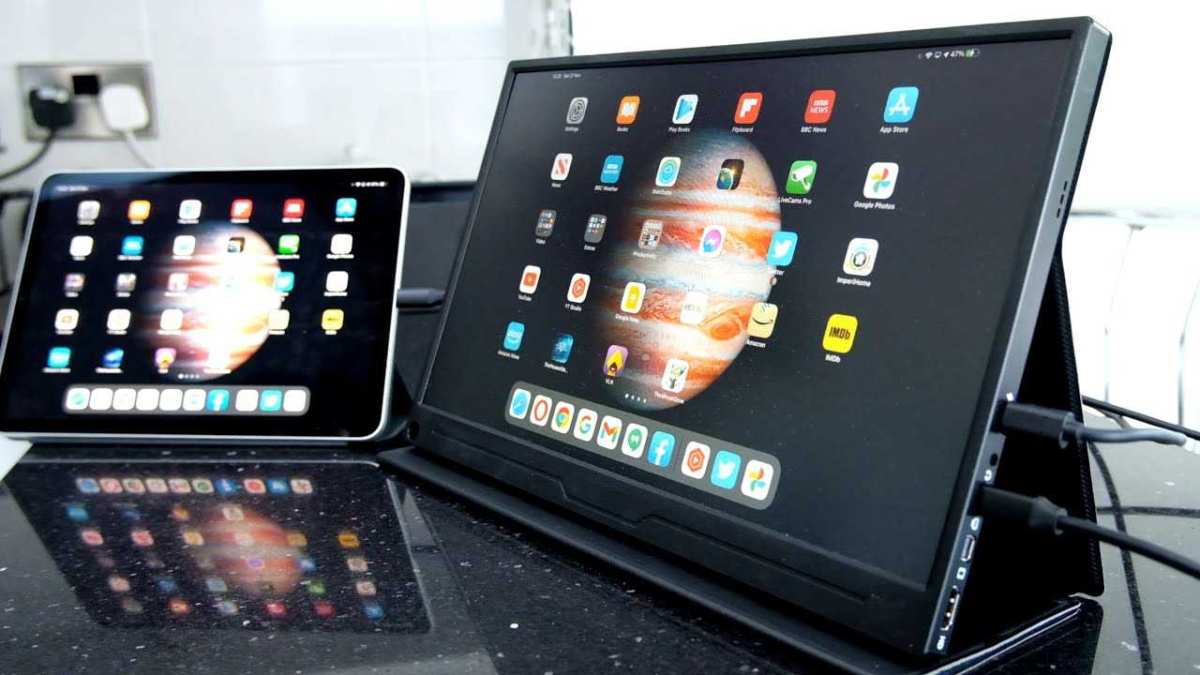
HDR600 doesn't exist in a vacuum. It's one tier in VESA's DisplayHDR system, and understanding where it sits helps you make a smarter choice.
DisplayHDR Certification Breakdown
VESA created the DisplayHDR standard in 2017 to bring order to the mess of HDR marketing claims. The standard has several tiers, each with increasing performance requirements.
| Tier | Peak Brightness | Local Dimming Required | Typical Panel Type | Price Range (2024) |
|---|---|---|---|---|
| DisplayHDR 400 | 400 cd/m² | No | IPS/VA/TN | $150-$350 |
| DisplayHDR 500 | 500 cd/m² | No | IPS/VA | $250-$450 |
| DisplayHDR 600 | 600 cd/m² | No | IPS/VA | $250-$500 |
| DisplayHDR 1000 | 1000 cd/m² | Yes (minimal zones) | IPS/VA with FALD | $500-$1,200 |
| DisplayHDR 1400 | 1400 cd/m² | Yes (more zones) | VA with FALD | $800-$2,000 |
The jump from HDR400 to HDR600 is noticeable in practice. You're getting 50% more peak brightness. That translates to punchier highlights and better specular detail in games.
The jump from HDR600 to HDR1000 is where things get transformative. HDR1000 requires some form of local dimming. That's the feature that lets the screen show bright highlights and deep shadows simultaneously.
It's the difference between "brighter picture" and "actual HDR experience."
HDR600 vs. HDR400 vs. HDR1000
Let's compare these three tiers directly for gaming use.
HDR400 is the entry point. It's better than nothing, but barely. The 400 nit peak brightness is only slightly brighter than a good SDR monitor.
Most HDR400 monitors lack the color gamut to make HDR look meaningfully different. Many reviewers consider it a checkbox feature rather than a real HDR upgrade.
HDR600 hits a sweet spot for budget-conscious gamers. The 600 nit brightness is enough to see real highlight improvement. Colors tend to be more vibrant because HDR600 monitors usually ship with better panels than HDR400 models.
You're getting a genuinely better picture than SDR, just not a revolutionary one.
HDR1000 is where HDR starts to feel like the marketing photos. Local dimming means bright objects stay bright while dark areas stay dark. The contrast ratio effectively explodes.
This is the tier that makes you say "wow" when you first see it in person.
The price gap between HDR600 and HDR1000 is significant. You're typically looking at double the cost or more. That's the tradeoff you're making.
What HDR600 Gets Right for Gaming
HDR600 isn't all compromise. There are genuine benefits that make it worth considering.
Brightness that matters. 600 nits is bright enough for most indoor gaming environments. In a room with normal lighting, highlights will pop noticeably. Sunlit scenes in games like Forza Horizon 5 or Cyberpunk 2077 look better than they do on a 300 nit SDR display.
Better color volume. HDR600 monitors typically cover a wider color gamut than budget SDR panels. Many hit 90% or more of DCI-P3. That means colors aren't just brighter, they're more saturated and varied.
Skin tones, neon signs, and environmental lighting all benefit.
HDR10 compatibility. Every HDR600 monitor supports HDR10, the base standard used by PS5, Xbox Series X, and PC HDR. You won't run into compatibility issues. Your console or GPU will recognize the display and send HDR signals without problems.
Decent response times. Because HDR600 monitors tend to use mid-range IPS panels, you often get response times in the 1ms to 5ms range. That's fast enough for competitive gaming. You're not sacrificing speed for the HDR feature.
Price accessibility. You can find solid HDR600 monitors in the $250 to $400 range. That's not nothing, but it's far less than HDR1000 or OLED alternatives. For gamers who want a taste of HDR without breaking the bank, it's a reasonable entry point.
Where HDR600 Falls Short
Now let's talk about the compromises. Because there are real ones.
No local dimming is the big one. Without local dimming zones, the monitor can't control brightness in specific areas of the screen. A bright white text on a black background will cause the entire backlight to brighten. The black bars in a letterboxed movie or game will look gray instead of truly dark.
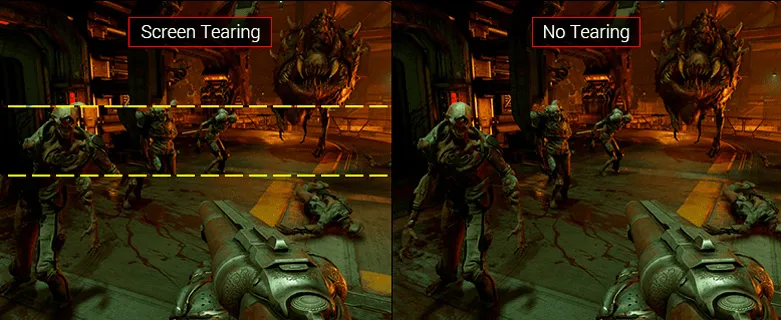
Blooming and halo effects. This is the visual artifact that plagues HDR600 gaming. When a bright object appears on a dark background, you'll see a glow or halo around it. The backlight bleeds light into areas that should be dark.
It's subtle in some games and distracting in others.
Washed-out blacks in HDR mode. Many HDR600 monitors actually look worse in dark scenes when HDR is enabled. The backlight has to stay bright enough to hit those 600 nit peaks. That means dark scenes lose the deep blacks you'd get in SDR mode with the backlight turned down.
Inconsistent quality across models. The DisplayHDR 600 certification sets a floor, not a ceiling. Two monitors with the same certification can look very different. One might have excellent color accuracy and minimal blooming.
Another might have terrible HDR tone mapping and obvious backlight bleed. You need to check specific reviews for the exact model you're considering.
HDR tone mapping varies wildly. Tone mapping is how the monitor translates HDR content to its actual capabilities. A monitor that can only hit 600 nits needs to map the full HDR signal (often mastered at 1000 or 4000 nits) into its limited range. Good tone mapping preserves detail in highlights and shadows.
Bad tone mapping crushes blacks or blows out highlights. Many HDR600 monitors get this wrong.
The "HDR washed out" complaint is common. If you've seen people online saying "HDR looks worse than SDR," they're often using an HDR600 or HDR400 monitor with poor tone mapping. The image looks flat, desaturated, and dim compared to SDR. This isn't an HDR problem.
It's a monitor limitation problem.
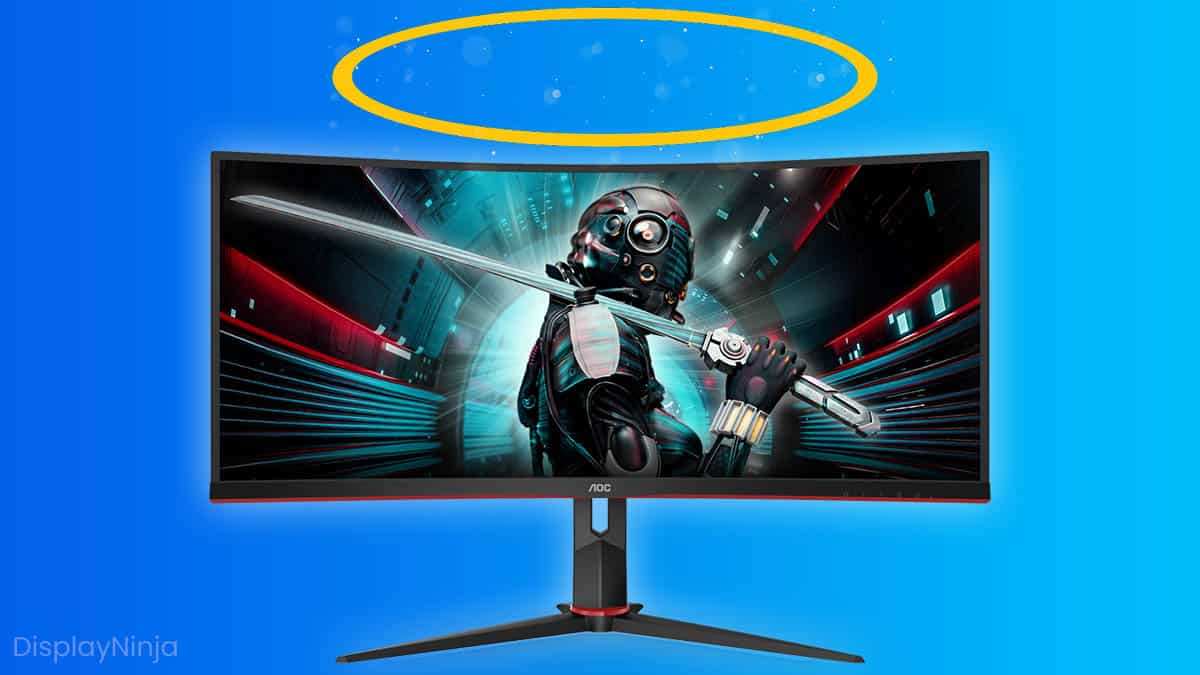
Image source: Bing (Web (fair-use with source credit))
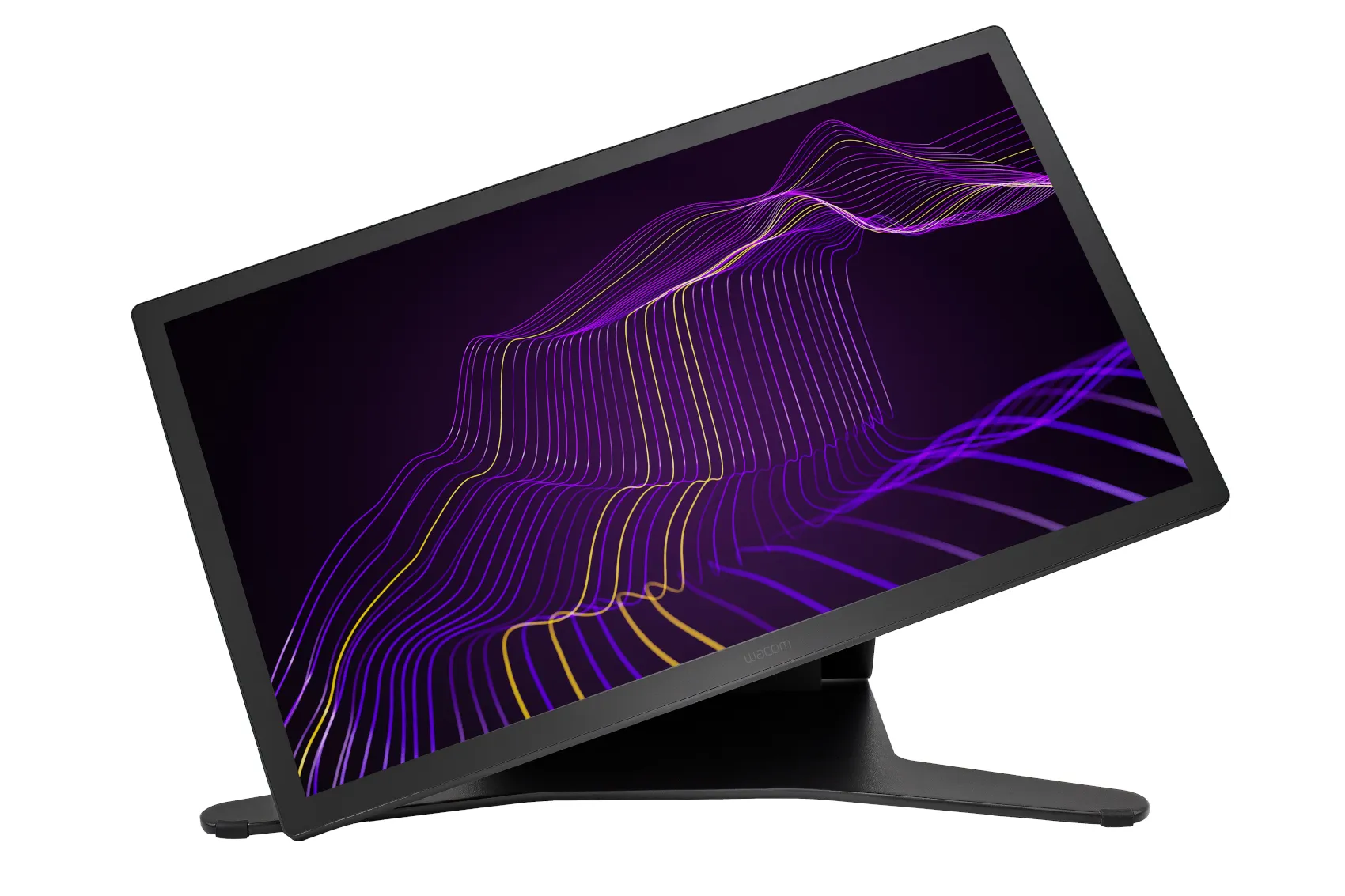
The blooming effect shown above is what you'll notice most in dark gaming scenes. Bright UI elements, muzzle flashes, and light sources all create visible halos on HDR600 monitors without local dimming.
Who Should Buy an HDR600 Monitor
HDR600 makes sense for a specific type of gamer. You're the right buyer if you play in a normally lit room. You care more about bright, punchy highlights than perfect blacks.
You want HDR compatibility without spending $600+ on a display.
It's also a solid choice if you're coming from a standard 300 nit SDR monitor. The jump to 600 nits is visible and welcome. You'll notice the difference immediately in games with HDR support.
Console gamers on PS5 and Xbox Series X should pay attention. Both consoles support HDR10 output. An HDR600 monitor will give you a better HDR experience than most HDR400 options.
You won't get the full HDR potential of those consoles, but you'll get a meaningful upgrade over SDR.
PC gamers who play bright, colorful titles will enjoy HDR600 more than those who play dark horror games. Games like Forza Horizon 5, Spider-Man Remastered, and Ratchet and Clank Rift Apart look great at 600 nits. The vibrant art styles benefit from the extra brightness and color volume.
Who Should Skip HDR600
You should skip HDR600 if you primarily play in a dark room. Without local dimming, dark scenes will look washed out in HDR mode. The backlight bleed and blooming become much more obvious when your surroundings are dim.
Competitive gamers focused on esports titles should think twice. Many competitive players actually disable HDR for more consistent image quality. If you're playing Valorant or CS2 at a high level, you might prefer a fast SDR monitor with 240Hz+ refresh rate over an HDR600 display.
If you've already seen a good HDR1000 or OLED display in person, going back to HDR600 will feel disappointing. The contrast difference is significant enough that you'll notice what you're missing. In that case, save up for a higher tier.
Budget buyers who are tempted by the cheapest HDR600 options should be careful. Some budget HDR600 monitors cut corners on panel quality, response times, or color accuracy. A good SDR monitor at the same price might serve you better than a mediocre HDR600 display.
Real Gaming Scenarios: How HDR600 Performs
Let's look at how HDR600 actually performs in common gaming situations.
Console Gaming (PS5, Xbox Series X)
Both PS5 and Xbox Series X support HDR10 output. When connected to an HDR600 monitor, they'll automatically negotiate the HDR signal. The consoles do a decent job of tone mapping, though not as well as a PC GPU.
In practice, HDR600 on console looks good in bright, open-world games. Horizon Forbidden West and Forza Horizon 5 benefit from the extra highlight detail. Sunlit environments pop in a way they can't on SDR.
Dark dungeon crawlers and horror games are where you'll notice the limitations. Shadow detail suffers when the backlight is pushed bright enough to hit peak luminance. You might find yourself toggling HDR on and off depending on the game.
PC Gaming
PC HDR depends heavily on your GPU and the specific game's HDR implementation. NVIDIA and AMD both support HDR output through their drivers. Windows 11 has improved its HDR handling significantly since launch.
Games with native HDR support like Cyberpunk 2077 and Control look genuinely good on HDR600. The extra brightness adds to the atmosphere and visual impact. These games were designed with HDR in mind, so the tone mapping tends to be better.
Older games or games with poor HDR implementation can look worse than SDR. Bad tone mapping crushes detail or blows out highlights. You'll want to check game-specific HDR settings and sometimes adjust them manually.
HDR Content Consumption
HDR600 handles HDR video content reasonably well. Streaming HDR on Netflix or Disney+ looks better than SDR. The brightness boost helps with HDR mastering that assumes higher peak luminance.
However, the same local dimming limitations apply. Letterboxed movies will show gray bars instead of true black. If you watch a lot of movies in HDR, you'll notice this more than gamers do.
How to Get the Most Out of an HDR600 Monitor
You can improve your HDR600 experience with some adjustments. These won't add local dimming, but they'll help you get the best picture possible.
Calibrate HDR in Windows. Windows has a built-in HDR calibration tool. It helps your desktop and HDR content look more accurate. Search for "HDR calibration" in Windows settings to find it.
Adjust the monitor's HDR mode. Most HDR600 monitors have multiple HDR modes in their on-screen display. Some are brighter, some prioritize contrast. Try each one to see which looks best to you.
Check your game's HDR settings. Many games have separate HDR brightness, peak luminance, and paper white sliders. Set the peak luminance slider to 600 to match your monitor's actual capability. Adjust paper white to your room lighting.
Consider your room lighting. HDR600 looks best in rooms with moderate ambient light. A completely dark room makes the backlight limitations more obvious. Some bias lighting behind the monitor can help perceived contrast.
Update your monitor firmware. Some HDR600 monitors have received firmware updates that improve HDR tone mapping. Check the manufacturer's support page for your specific model.
Common Mistakes People Make With HDR600
People make predictable mistakes with HDR600. Here's what to avoid.
Leaving HDR on all the time. HDR mode on an HDR600 monitor often looks worse than SDR for desktop use and non-HDR content. The raised black levels and aggressive tone mapping make everything look flat. Turn HDR on only when you're playing an HDR game or watching HDR video.
Ignoring the monitor's specific HDR mode. Many monitors ship with HDR disabled by default or in a "fake HDR" mode that just cranks brightness. Make sure you're using the actual HDR mode that engages proper tone mapping.
Setting in-game HDR brightness too high. If you set the in-game peak luminance slider to 1000 nits on a 600 nit monitor, the tone mapping will be wrong. Set it to match your monitor's actual peak brightness for the most accurate image.
Expecting OLED-level performance. HDR600 is not OLED. If you go in expecting perfect blacks and infinite contrast, you'll be disappointed. Set your expectations to "better than SDR" rather than "true HDR."
Buying based on the HDR label alone. Two monitors with DisplayHDR 600 certification can perform very differently. One might have excellent color accuracy and minimal blooming. Another might have terrible viewing angles and obvious backlight bleed.
Always check reviews for the specific model.
HDR600 vs. OLED HDR: The Honest Gap
The comparison between HDR600 and OLED HDR is worth making because many gamers eventually ask: should I just get OLED instead?
OLED displays don't use a backlight. Each pixel produces its own light. That means perfect blacks, infinite contrast, and zero blooming.
When an OLED pixel is off, it's truly off.
The HDR experience on OLED is fundamentally different from HDR600. A starfield in a space game shows individual bright stars against true black. On HDR600, those stars would have visible halos and the background would be gray instead of black.
Most OLED gaming monitors support DisplayHDR True Black 400 or True Black 600. The True Black certification is VESA's standard for self-emissive displays. It prioritizes contrast over raw peak brightness.
Here's the tradeoff. OLED typically peaks at lower brightness than high-end LED displays. A good OLED might hit 600 to 1000 nits on small windows.
LED HDR1000 monitors can sustain higher brightness for longer periods.
OLED also carries a risk of burn-in with static elements like HUD elements. Modern OLEDs have mitigation strategies, but it's still a consideration for gamers who play one game for hundreds of hours.
Price is the biggest differentiator. OLED gaming monitors start around $700 to $900 for 1440p models. HDR600 monitors can be found for $250 to $400.
That's a significant gap for a noticeable but not revolutionary improvement.
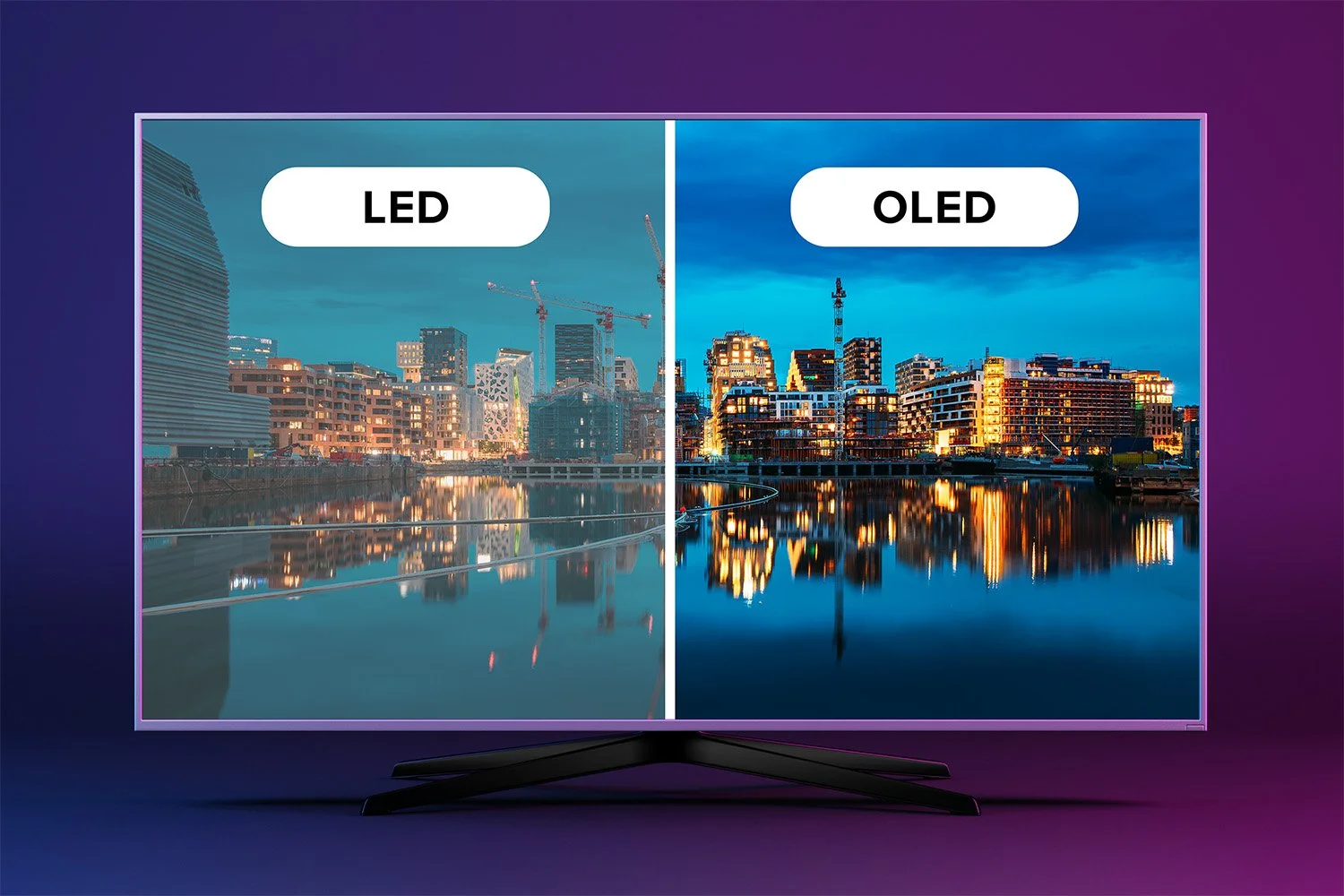
Image source: Bing (Web (fair-use with source credit))
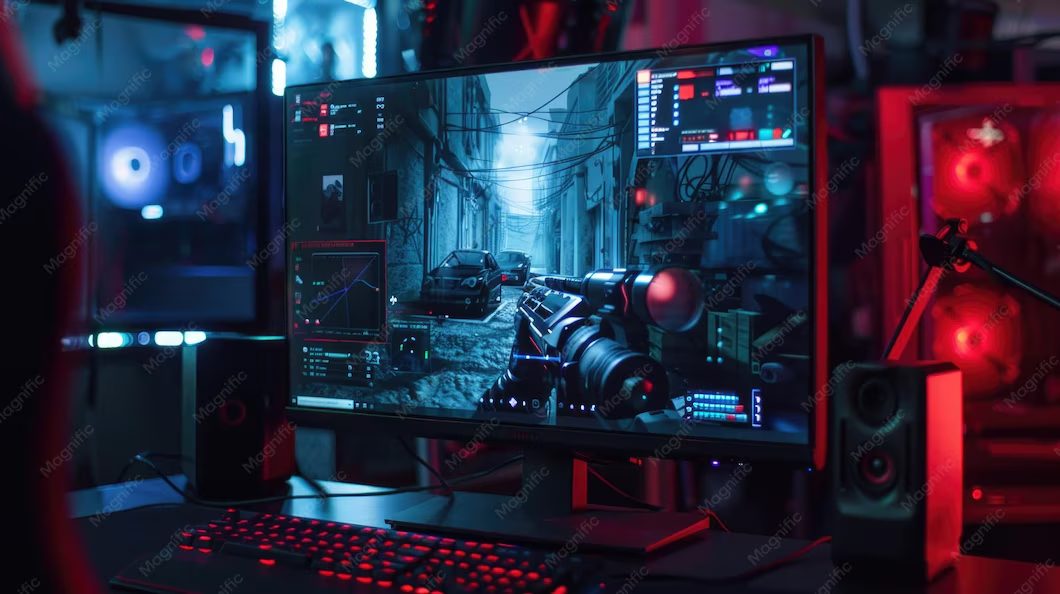
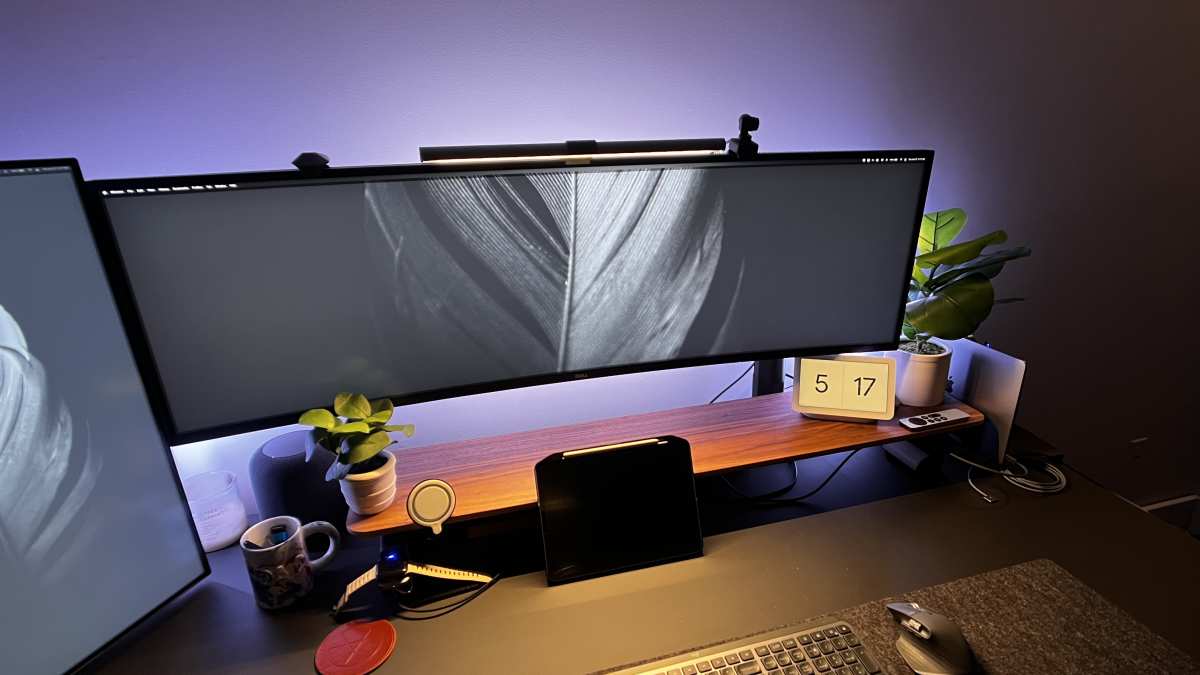
The visual difference is clear in side-by-side comparisons. OLED delivers deeper blacks and more precise highlights. HDR600 LED monitors can't match that contrast, even at similar brightness levels.
Pricing and Value: What You're Actually Paying For
HDR600 monitors span a wide price range. Understanding what you're getting for your money helps you make a smarter decision.
Budget HDR600 ($200-$300): These monitors hit the certification requirements but often cut corners elsewhere. Expect slower response times, narrower viewing angles, or less accurate color reproduction. The HDR experience is there, but it's not polished.
Mid-range HDR600 ($300-$450): This is the sweet spot. You get solid HDR performance plus good gaming features. Fast IPS panels, 144Hz+ refresh rates, and decent color accuracy are common.
Most gamers should shop in this range.
Premium HDR600 ($450-$600): At this price, you're paying for extras like better build quality, wider color gamuts, or higher refresh rates. The HDR performance itself isn't necessarily better than mid-range options. You're paying for the overall package.
Compare this to HDR1000 monitors, which typically start around $500 and go up to $1,200. Or OLED gaming monitors, which start around $700. HDR600 offers the most affordable entry into functional HDR gaming.
The value proposition depends on your expectations. If you want "better than SDR" and you're paying under $400, HDR600 delivers. If you want "wow factor HDR," you need to spend more.
Final Verdict: Should You Buy an HDR600 Monitor for Gaming?
HDR600 is a reasonable choice if you want better-than-SDR visuals without spending a lot. It works well for bright rooms and colorful games. You'll see real improvements in highlight detail and color vibrancy.
But it's not "true HDR" in the way that HDR1000 or OLED displays are. The lack of local dimming holds it back in dark scenes. If you play a lot of atmospheric or horror games, you might find yourself disappointed.
Here's our straightforward recommendation. Buy an HDR600 monitor if you want affordable HDR compatibility and you play mostly bright, vibrant games. Skip it if you want the full HDR experience or you game primarily in dark rooms.
In that case, save up for HDR1000 or OLED.
The best approach is to see HDR in person before buying. Visit a electronics store and compare HDR600 side by side with higher tiers. The difference is easier to see in person than in photos or videos.
Frequently Asked Questions
Is HDR600 good enough for PS5 gaming?
Yes, HDR600 works well with PS5 for most games. You'll get a visible improvement over SDR in titles like Spider-Man 2 and Horizon Forbidden West. Dark scenes won't look as good as they would on OLED, but bright open-world games benefit from the extra brightness.
Does HDR600 require a specific GPU?
No. Any modern GPU that supports HDR output works with HDR600 monitors. NVIDIA GTX 10-series and newer support HDR.
AMD RX 400-series and newer support HDR. Just make sure you're using HDMI 2.0 or DisplayPort 1.4 or newer.
Why does HDR look washed out on my HDR600 monitor?
This usually means the tone mapping is off. Check that HDR is actually enabled in both Windows and your monitor's OSD. Set the in-game peak luminance slider to 600 nits.
Some monitors also have a "fake HDR" mode that just adjusts brightness without proper tone mapping.
Is HDR600 better than 4K SDR?
They're different strengths. HDR600 adds better brightness and color. 4K SDR adds sharper detail. For gaming, many people prefer the resolution advantage of 4K SDR.
It depends on whether you value visual fidelity or visual impact more.
Can I add local dimming to an HDR600 monitor?
No. Local dimming is a hardware feature built into the backlight. You can't add it through software or firmware updates.
If you want local dimming, you need a monitor that ships with it, typically HDR1000 or higher.
How long do HDR600 monitors last?
LED backlit monitors typically last 30,000 to 60,000 hours before significant brightness degradation. That's roughly 10 to 20 years of normal gaming use. The HDR capability doesn't degrade differently than the rest of the display.

Similar Posts