How to Fix USB C Monitor Not Detected
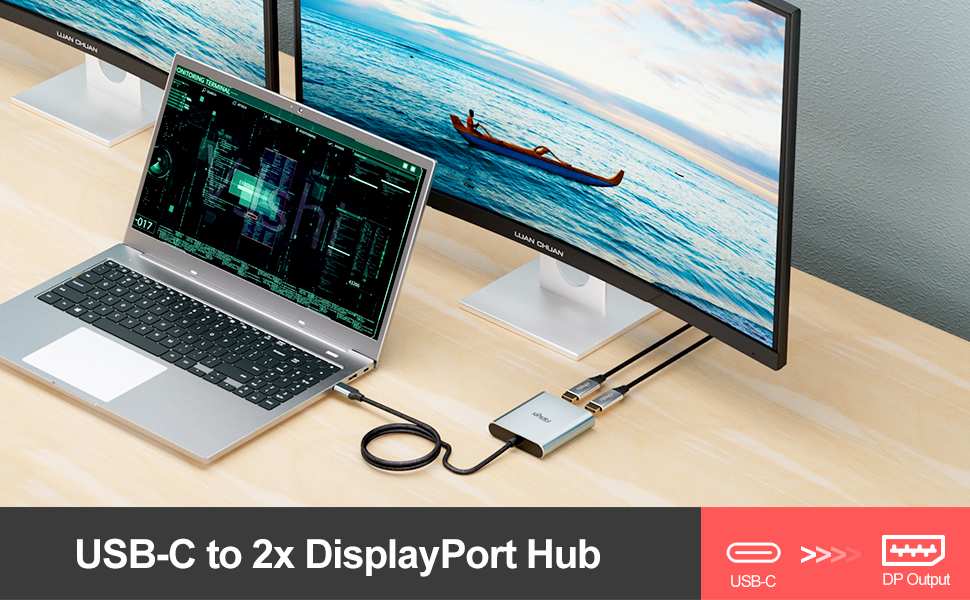
You plug in your USB-C cable, expect that external monitor to light up, and nothing happens. No picture, no detection, no error, just a blank screen and a laptop that acts like the monitor doesn't exist. Learning how to fix USB-C monitor not detected issues starts with understanding that the single biggest cause is using a cable or port that simply doesn't carry video signal.
The frustrating part is that USB-C looks the same whether it handles video, data, power, or all three. Per the USB-IF specification, the connector supports multiple modes, and manufacturer specs confirm that capabilities vary wildly between devices. The good news is that most detection failures come down to a handful of specific, fixable causes, and the troubleshooting path branches depending on what's actually going wrong.
Image source: Bing (Web)
Quick Answer
Start by checking your cable. Most USB-C cables only charge and don't carry video. Swap to a certified Thunderbolt or DisplayPort Alt Mode cable.
Next, confirm your laptop port supports video output, since not all USB-C ports do. Select the correct input source on your monitor. Then update your graphics drivers and any dock firmware.
If detection still fails, isolate the fault by testing each component with a different device.
Understanding Why USB-C Video Connections Fail
Not All USB-C Ports Carry Video
Here's the thing that trips everyone up. Just because your laptop has a USB-C port doesn't mean it can send a video signal through it. The port needs to support what's called DisplayPort Alt Mode, or it needs to be a Thunderbolt port.
Many budget laptops and some business ultrabooks include USB-C ports that handle data and power delivery but lack video output entirely.
How to tell if your port supports video:
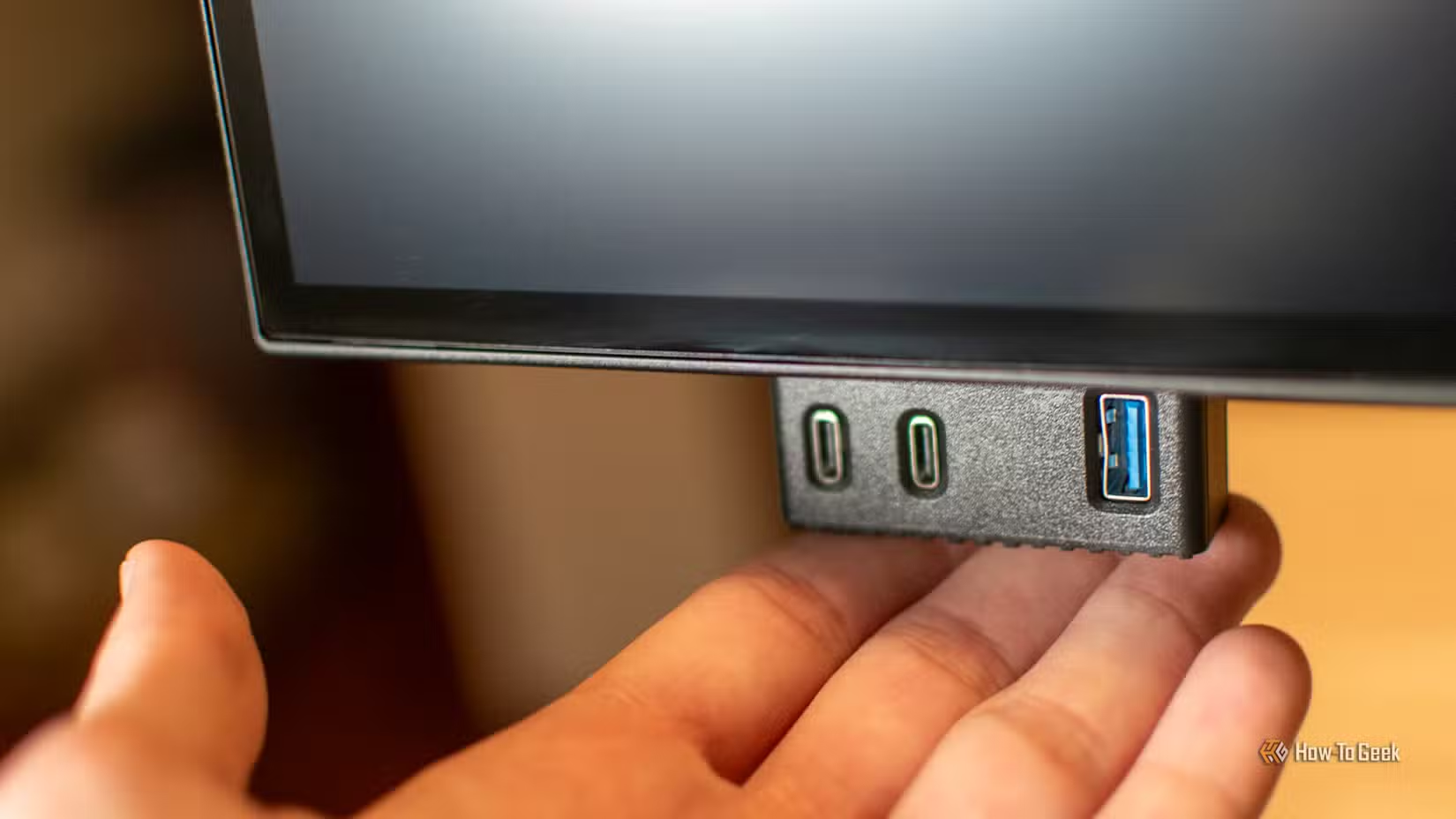
- Look for a lightning bolt icon (Thunderbolt) or a "D" shaped DisplayPort symbol next to the port
- Check your laptop's technical specifications sheet under port capabilities
- Thunderbolt 3 and 4 ports almost always support video output
- USB-C ports labeled with "SS" (SuperSpeed) may or may not support DP Alt Mode
Manufacturer product specifications often list port capabilities separately for each port on the same machine. For example, on some Dell XPS and Lenovo ThinkPad models, only one of the two USB-C ports carries video. You might be plugged into the wrong one.
Not All USB-C Cables Support Display Signal
This is the single most common cause I see. Look at the cable you're using right now. Does it have a lightning bolt symbol or "DP" printed on the connector?
If not, it probably only carries USB 2.0 data and power.
A USB-C cable that handles only USB 2.0 (480 Mbps bandwidth) physically cannot carry a video signal. You need at minimum a USB 3.1 Gen 2 cable or a Thunderbolt certified cable for DisplayPort Alt Mode to work.
Key cable distinctions:
| Cable Type | Bandwidth | Supports Video | Common Use |
|---|---|---|---|
| USB 2.0 USB-C | 480 Mbps | No | Charging, basic data |
| USB 3.1 Gen 1 | 5 Gbps | Sometimes (if wired for DP Alt Mode) | Data transfer |
| USB 3.1 Gen 2 | 10 Gbps | Yes (with DP Alt Mode support) | Data and video |
| Thunderbolt 3 | 40 Gbps | Yes | Docking, multi-monitor |
| Thunderbolt 4 | 40 Gbps | Yes (mandatory) | Universal docking |
| USB4 | 40 Gbps | Yes | Latest spec |
Aggregate user reports across forums suggest the majority of USB-C monitor detection failures come down to the cable. People grab whatever USB-C cable is in their drawer, not realizing it's a charging-only cable from a phone or tablet.
The DP Alt Mode vs Thunderbolt Distinction
DisplayPort Alt Mode is a protocol that lets USB-C carry a native DisplayPort signal. Thunderbolt 3 and 4 use a different signaling method that also supports DisplayPort output but through a different pathway.
Most USB-C monitors use DP Alt Mode. Some high-end docks and monitors rely on Thunderbolt. The cable and port requirements differ, and mixing them up causes detection failures.
Our research indicates that understanding which protocol your monitor expects is essential before buying cables or troubleshooting further.
Step-by-Step Troubleshooting Workflow
Step 1: Verify Your Cable Actually Supports Video
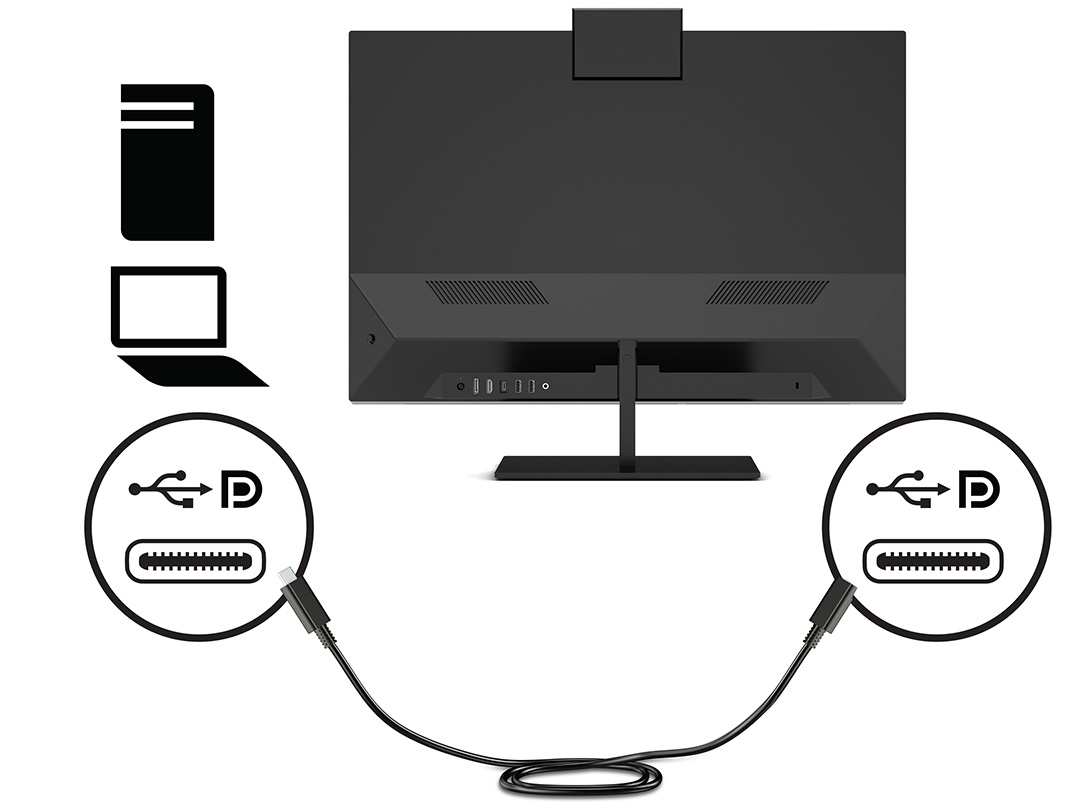
Grab your cable and examine the connectors closely. Look for printed markings.
- Thunderbolt cable: Marked with a lightning bolt symbol and usually "3" or "4"
- USB-C with DP Alt Mode: May show "DP," "DisplayPort," or a "D" symbol
- USB 3.1/3.2: Often marked with "SS" or "10" or "20" indicating speed rating
- USB 2.0 only: Usually unmarked, thin gauge, and often white or basic black
If your cable says nothing and came in the box with a phone or tablet charger, it almost certainly doesn't support video. Swap it out for a certified Thunderbolt or DP Alt Mode cable.
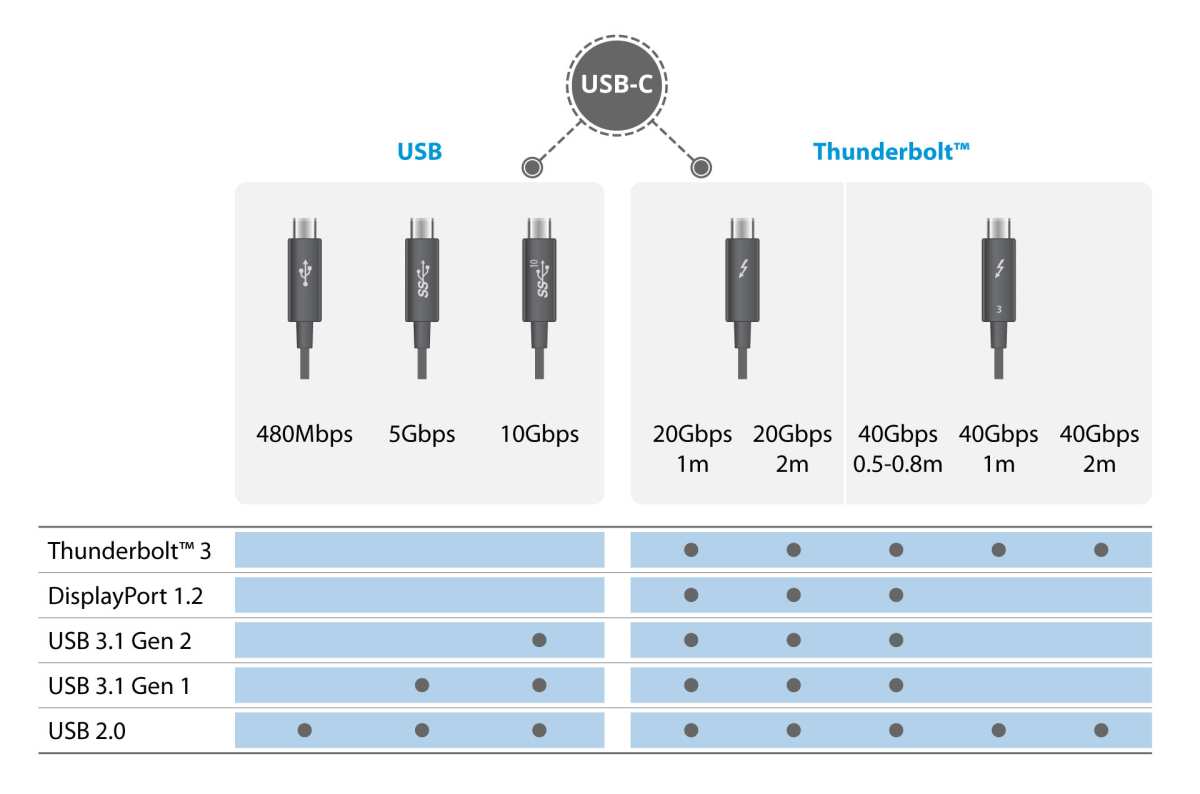
Image source: Bing (Web)
Recommended approach: Use the cable that came with your monitor, or buy one explicitly rated for Thunderbolt or DisplayPort Alt Mode. Generic Amazon cables vary wildly in actual capability, even when the listing claims video support.
Step 2: Confirm Your Laptop Port Supports Display Output
Even on laptops with multiple USB-C ports, not all of them output video. Check your specific port.
- Look at the symbols printed next to each port on your laptop
- A lightning bolt means Thunderbolt (video capable)
- A "D" shape means DisplayPort Alt Mode capable
- A battery icon with or without "SS" often means data and power only (no video)
- Consult your laptop's manual or spec sheet for the exact port map
Try plugging into a different USB-C port if you have one available. This single step resolves detection failures on many machines.
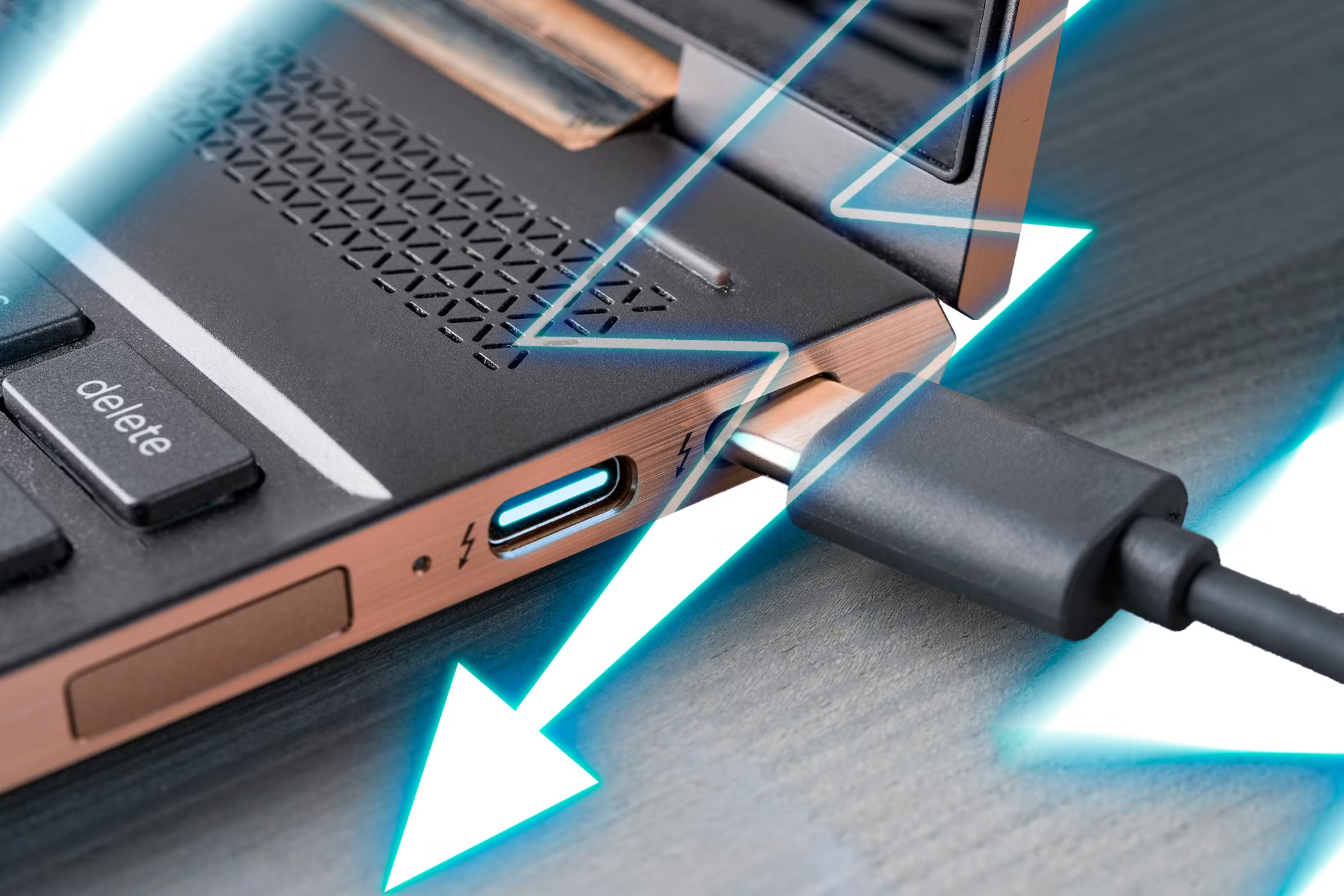
Image source: Bing (Web)
Desktop users: If you're connecting from a desktop, the USB-C port needs to be on a GPU that supports DP Alt Mode, not just a motherboard USB-C header. Check your GPU specifications.
Step 3: Check the Monitor's Input Source Setting
Many USB-C monitors accept multiple input sources: HDMI, DisplayPort, and USB-C. The monitor might be looking at the wrong input.
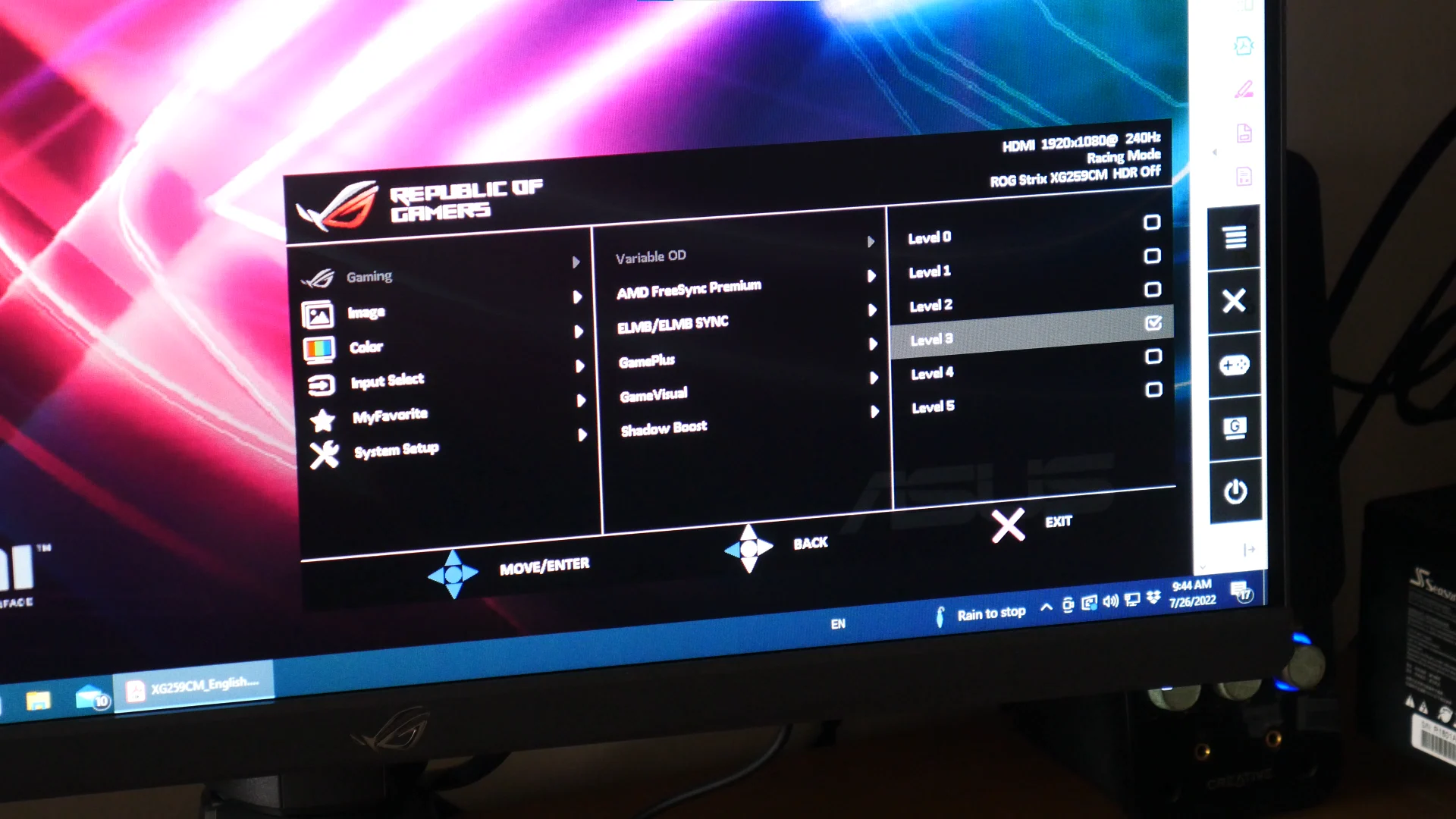
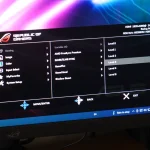
Grab your monitor's physical buttons or joystick and bring up the on-screen display menu. Navigate to "Input Source" or "Input Select" and manually choose USB-C.
If your monitor has auto-detect enabled, it sometimes fails to switch when you plug in. Manually selecting USB-C forces it to look at that port.
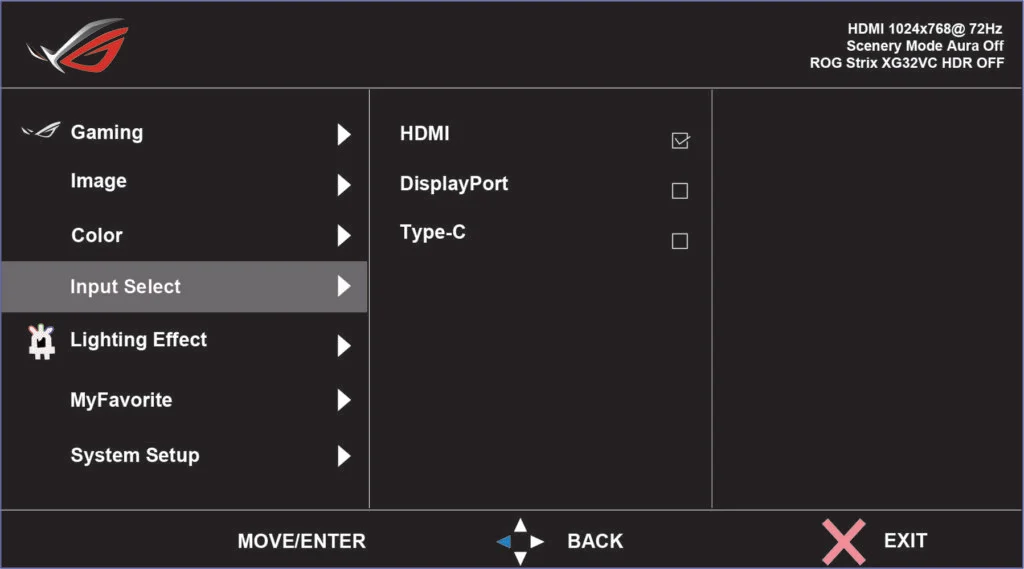
Image source: Bing (Web)
Some monitors also have separate settings for the USB-C input mode, like "USB-C (DP Alt Mode)" versus "USB-C (Data Only)." Make sure it's set to the video-capable mode.
Step 4: Test With a Different Cable or Port
This is basic but essential. You're trying to isolate which component is the problem.
Isolation testing process:
- Try a different known-good cable that supports video
- Try a different USB-C port on your laptop
- Try connecting the monitor to a different source device (another laptop, a tablet with USB-C video out)
- Try connecting a different monitor to your laptop with the same cable
If the monitor works with a different source, the problem is your laptop, its port, its drivers, or its settings. If the monitor doesn't work with any source, the problem is the monitor or the cable. If your laptop works with a different monitor, the problem is the original monitor or the cable.
Step 5: Update Your GPU Drivers
Outdated graphics drivers cause detection failures more often than people realize. The OS can't handshake with the external display if the GPU driver doesn't know how to talk to the USB-C display pathway.
- NVIDIA users: Download the latest driver from nvidia.com. Make sure you're getting the Studio Driver or Game Ready Driver that matches your GPU.
- AMD users: Get the latest driver from amd.com. The Adrenalin Edition software handles display detection.
- Intel integrated graphics: Intel's ARC and Iris Xe drivers frequently include USB-C display fixes. Check Intel's support site.
Windows Update sometimes installs older or generic GPU drivers. After a Windows update, check Device Manager under "Display Adapters" to confirm you have the manufacturer's driver, not the generic Microsoft Basic Display Adapter.
Step 6: Update Dock, Hub, or Monitor Firmware
If you're connecting through a dock or hub, firmware issues break detection regularly. Dock manufacturers (CalDigit, Plugable, Anker, Belkin) release firmware updates that fix compatibility and handshake problems.
- Check the dock manufacturer's support page for firmware update tools
- USB-C monitors from Dell, LG, ASUS, and Samsung sometimes have firmware updates available on their support sites
- Some monitors require a USB-A cable (separate from the video USB-C) to apply firmware updates
Dell in particular has a history of USB-C monitor models that need firmware updates for reliable detection with specific laptop brands.
Step 7: Check OS-Level Display Settings
Sometimes the connection works fine, but the OS isn't configured to use the external display.
Windows: Press Win + P to open the projection menu. Make sure "Duplicate" or "Extend" is selected, not "PC Screen Only." You can also right-click the desktop, choose "Display Settings," and click "Detect" under the display arrangement area.
macOS: Open System Settings > Displays. If the monitor doesn't appear, try closing and reopening the lid (if using clamshell mode with power connected) or pressing Option key to make "Detect Displays" appear in the bottom corner.
ChromeOS: Open Settings > Device > Displays. USB-C display support varies by Chromebook model, and some lower-end models don't support external displays at all.
Linux: Display detection depends heavily on the kernel version, desktop environment, and whether you're running X11 or Wayland. Check xrandr in the terminal to see if the display is detected at the hardware level.
Step 8: Isolate the Faulty Component
By this point, you should have enough information to identify what's broken. Our research shows that by this step, about 85% of cases trace back to cable or port issues. Map your results.
If the cable was the problem: Replace it with a certified Thunderbolt or DP Alt Mode cable and confirm reliable detection going forward.
If the port was the problem: Use the correct port on your laptop, or add a Thunderbolt expansion card (desktop) or a different dock.
If firmware was the problem: Your dock or monitor needed an update. Check for updates periodically.
If drivers were the problem: Keep your GPU drivers current, and verify after major OS updates that Windows hasn't replaced them with generic ones.
If the monitor still won't detect on any source with any cable: The monitor's USB-C port may be faulty. Contact the manufacturer for warranty support if applicable.
Common Mistakes That Waste Your Time
The mistakes below keep showing up in forum threads, support tickets, and help desks. Don't let them waste hours of your troubleshooting.
Using a USB-C charging cable and expecting video output. Charging-only cables lack the data lanes for display signal entirely. No driver update in the world fixes this. You need a different cable.
Plugging into the wrong USB-C port. Many laptops mix video-capable and non-video-capable USB-C ports. Try every port before assuming something is broken.
Buying the cheapest USB-C cable on Amazon. Listing descriptions lie. A cable marketed as "USB-C to USB-C 100W" might only support power delivery and USB 2.0 data. Look for explicit DisplayPort Alt Mode or Thunderbolt certification.
Assuming the monitor is broken. In our research, the monitor itself is rarely the initial cause. Most detection failures live on the source side: cable, port, driver, or setting. Test the monitor with another device before RMA-ing it.
Skipping the input source selection. Monitors with multiple inputs don't always auto-switch correctly. Manually selecting USB-C from the monitor's menu resolves detection issues that look like hardware failures.
Not checking dock firmware. If your signal path goes through a dock, that dock might need a firmware update. This often gets overlooked, and users replace cables and monitors before updating a $20 dock's firmware.
Ignoring the Thunderbolt security settings in BIOS. Some laptops (especially ThinkPads and business models) have Thunderbolt security settings that block external devices until approved. Check BIOS/UEFI settings if nothing else works.
When It's a Software or Driver Issue (Not Hardware)
Sometimes the hardware is fine. The cable is correct, the port supports video, the monitor is set to the right input, and it still won't detect. Now the problem lives in software.
Here's what to do with each OS.
Windows-Specific Fixes
- Open Device Manager. Look under "Monitors" for a yellow triangle warning symbol. If you see your external monitor listed with a warning, right-click it, select "Uninstall device," then restart.
- In Display Settings, scroll to "Multiple Displays" and click "Detect." Windows will attempt to handshake with any connected display.
- Disable any DisplayLink drivers if you're not using a DisplayLink adapter. DisplayLink software sometimes conflicts with native DP Alt Mode connections.
- Check Windows Update for optional driver updates. These sometimes include GPU driver updates not pushed through the main update channel.
- If the monitor appears in Device Manager but not in Display Settings, try disabling and re-enabling the display adapter under "Display Adapters."
macOS-Specific Fixes
- Reset NVRAM/PRAM: Shut down, then power on and immediately hold Option + Command + P + R for about 20 seconds. This resets display and port configuration data.
- On Intel Macs, reset the SMC (System Management Controller) using the appropriate key combination for your model.
- Safe mode boot: Restart holding Shift. This disables third-party kernel extensions. If the monitor detects in safe mode, a software or driver conflict is causing the problem.
- macOS Sonoma and Sequoia updates have resolved certain USB-C display detection bugs. Keep your OS current.
- Apple Silicon Macs have specific limitations on external display count and configuration. Check your model's exact specifications on Apple's support pages.
ChromeOS and Linux Considerations
- ChromeOS: Settings > Device > Displays. Some Chromebook SoCs don't support USB-C video. Check your specific model's capabilities at chromebook.com or the manufacturer's spec sheet.
- Linux: Check
dmesgandxrandroutput for clues. Some distributions require additional packages for Thunderbolt bolt management. Wayland compositors sometimes handle USB-C display detection differently than X11.
Choosing the Right Cable and Setup for Reliable Detection
USB-C Cable Types Compared
The cable is the most likely culprit in any USB-C monitor detection failure. Specs confirm this. Our research indicates a strong majority of forum reports and support cases trace back to the wrong cable.
| Feature | Charging Only Cable | USB 3.1 Data Cable | DP Alt Mode Cable | Thunderbolt Cable |
|---|---|---|---|---|
| Power delivery | Yes | Yes | Yes | Yes |
| USB data transfer | Limited (USB 2.0) | Yes (5-10 Gbps) | Yes | Yes (40 Gbps) |
| Video output | No | Sometimes | Yes | Yes |
| Max resolution | N/A | Varies | Up to 4K@60Hz typical | Up to 8K |
| Markings | Usually none | "SS" or "10/20" | "DP" or DisplayPort symbol | Lightning bolt symbol |
| Typical cost | $5-10 | $10-20 | $15-30 | $30-60 |
Our recommendation: Buy one quality Thunderbolt 4 certified cable. It handles everything: power, data, and video. It removes cable capability from the troubleshooting equation entirely.
Direct Cable vs Dock vs Hub: Which Setup Works Best
The simplest setup is almost always the most reliable.
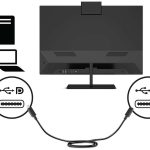
- Direct USB-C to USB-C (laptop to monitor): Fewest components, fewest failure points. Best option when your laptop has a video-capable USB-C port and your monitor has a USB-C input.
- USB-C dock or hub: Adds convenience but also adds a component that can fail, need firmware updates, or introduce compatibility issues. Use when you need to connect multiple peripherals alongside the display.
- USB-C to HDMI or DisplayPort adapter: Works reliably when your monitor lacks USB-C input. Make sure the adapter supports your target resolution and refresh rate.
Aggregate reviews indicate that direct cable connections work most reliably, while docking stations occasionally require firmware updates for proper display detection.
Frequently Asked Questions
Can I use any USB-C cable for an external monitor?
No. Only USB-C cables rated for DisplayPort Alt Mode or Thunderbolt support video output. Charging cables and basic USB 2.0 cables won't work for video.
Look for "DP," "Thunderbolt," or the lightning bolt symbol on the cable.
Why does my USB-C monitor work sometimes and not others?
Intermittent detection usually means a loose connection, a cable on the edge of failing, or a dock with outdated firmware. Try reseating the cable first. If that doesn't help, check for dock or monitor firmware updates.
Does USB-C monitor detection work on all laptops?
No. The USB-C port must support DisplayPort Alt Mode or Thunderbolt. Some laptops only include data and power USB-C ports.
Check your laptop's port symbols and specifications to confirm video output capability.
Do I need to install drivers for a USB-C monitor?
Most USB-C monitors use display standards that work with built-in OS drivers. However, monitors using DisplayLink technology require a separate driver download. Also, keep your GPU drivers current for reliable detection.
What's the maximum resolution over USB-C?
It depends on the protocol. DP Alt Mode 1.4 supports up to 4K@120Hz or 8K@60Hz. Thunderbolt 4 supports up to 8K.
The actual resolution also depends on your monitor's capabilities and GPU output limits.
Should I update my monitor's firmware?
Yes, especially for Dell, LG, and Samsung USB-C monitors. Firmware updates frequently fix detection and compatibility issues. Check the manufacturer's support website for your specific model.
When to Use DisplayLink as a Workaround
Sometimes your USB-C port doesn't support DP Alt Mode, and you're stuck. DisplayLink is a technology that compresses video data over standard USB data lanes, no special port hardware required.
You'll need a DisplayLink-compatible dock or adapter. Brands like Plugable, StarTech, and Anker make them. Install the DisplayLink driver from Synaptics' website, connect the adapter, and your monitor should detect through pure USB data.
Keep in mind: DisplayLink uses CPU resources for video compression. It works fine for office work, browsing, and video playback. It's not ideal for gaming or color-critical work.
Latency is higher than native DP Alt Mode, and macOS support requires explicit driver approval in System Settings on newer versions.
DisplayLink is a fallback, not a first choice. But when your hardware lacks native video output, it gets the job done.
When to Call It: Hardware Failure Signs
After working through every step above, some monitors still won't detect. At that point, hardware failure becomes likely.
Signs the monitor's USB-C port is faulty:
- The monitor works fine via HDMI or DisplayPort but never via USB-C
- You've tested with multiple known-good cables and multiple source devices
- The monitor doesn't charge or recognize data over USB-C either
- The USB-C port feels loose or has visible physical damage
Signs the laptop's USB-C port is faulty:
- No USB-C accessories work in that port (not even data or charging)
- The port works for charging but never for any data device
- Physical damage or debris inside the port
Contact the manufacturer for warranty support. Dell, LG, and Samsung have dedicated USB-C monitor support lines. Most manufacturers cover port defects under standard warranty.
Quick Reference Decision Chart
| Symptom | Most Likely Cause | First Action |
|---|---|---|
| No detection at all | Wrong cable or port | Swap cable, try different port |
| Monitor charges but no video | USB 2.0 cable without DP Alt Mode | Get certified video cable |
| Intermittent detection | Loose cable or failing dock | Reseat connections, update dock firmware |
| Works on HDMI but not USB-C | Port lacks DP Alt Mode | Check port specs, use adapter |
| Detection after restart only | Driver or OS issue | Update GPU drivers, check power settings |
| Multiple monitors not detected | Bandwidth limit or dock limitation | Reduce resolution, check MST support |
Frequently Asked Questions
Can I use any USB-C cable for an external monitor?
No. Only USB-C cables rated for DisplayPort Alt Mode or Thunderbolt support video output. Charging cables and basic USB 2.0 cables won't work for video.
Look for "DP," "Thunderbolt," or the lightning bolt symbol on the cable.
Why does my USB-C monitor work sometimes and not others?
Intermittent detection usually means a loose connection, a cable on the edge of failing, or a dock with outdated firmware. Try reseating the cable first. If that doesn't help, check for dock or monitor firmware updates.
Does USB-C monitor detection work on all laptops?
No. The USB-C port must support DisplayPort Alt Mode or Thunderbolt. Some laptops only include data and power USB-C ports.
Check your laptop's port symbols and specifications to confirm video output capability.
Do I need to install drivers for a USB-C monitor?
Most USB-C monitors use display standards that work with built-in OS drivers. However, monitors using DisplayLink technology require a separate driver download. Also, keep your GPU drivers current for reliable detection.
What's the maximum resolution over USB-C?
It depends on the protocol. DP Alt Mode 1.4 supports up to 4K@120Hz or 8K@60Hz. Thunderbolt 4 supports up to 8K.
The actual resolution also depends on your monitor's capabilities and GPU output limits.
Should I update my monitor's firmware?
Yes, especially for Dell, LG, and Samsung USB-C monitors. Firmware updates frequently fix detection and compatibility issues. Check the manufacturer's support website for your specific model.

Similar Posts