How Much Power Does a Mini LED Monitor Use
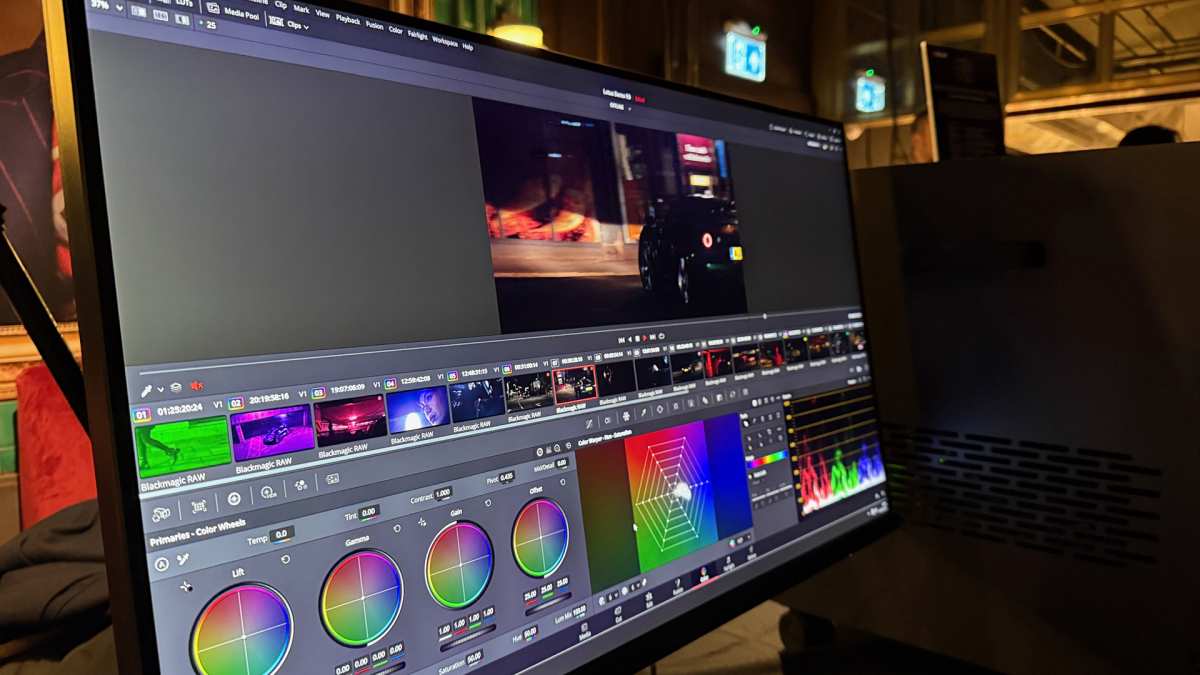
If you're wondering how much power does a mini LED monitor use, the short answer is less than you'd expect, but more than a basic office display. Most 27-inch to 32-inch mini LED monitors draw between 20 and 35 watts during typical use at moderate brightness. That's roughly comparable to a mid-range traditional LED monitor, despite the more complex backlight system.
The reason the numbers stay close is efficiency. Mini LED technology packs thousands of tiny LED diodes behind the panel, grouped into hundreds of local dimming zones. Per VESA's DisplayHDR standard testing, these zones let the display dim or turn off sections of the backlight independently, which saves power in darker scenes.
Let's break down what actually drives those numbers and what you'll see on your electricity bill.
Quick Answer
A mini LED monitor typically uses 20 to 35 watts during normal use. Peak draw hits 40 to 80 watts with HDR at full brightness. Standby consumption sits below 1 watt.
Annual electricity cost runs roughly $3 to $15 depending on your rates and usage.
How Mini LED Power Draw Actually Works
The Backlight Architecture Difference
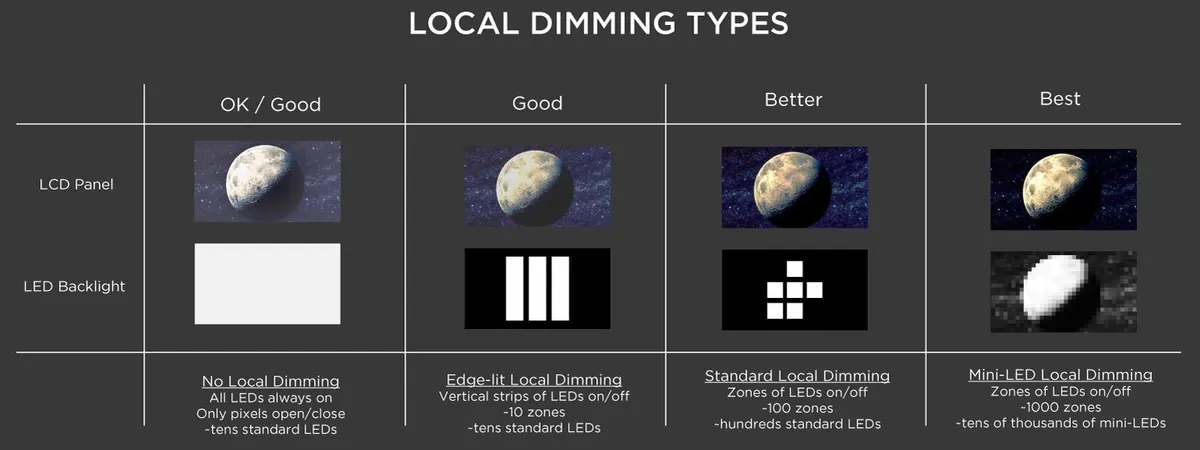
Traditional LED monitors use a strip of LEDs along one or two edges of the panel. The light diffuses across the whole screen uniformly. Simple, cheap, but inefficient because the entire backlight runs at the same intensity regardless of what's on screen.
Mini LED changes this completely. Instead of a few dozen edge-mounted diodes, you get thousands of tiny LEDs spread across the full rear of the panel. These are grouped into local dimming zones, anywhere from a few dozen to over a thousand zones depending on the display.
Each zone can dim independently or turn off entirely when the content in that area is dark.
This architecture is why a mini LED display can show deep blacks next to bright highlights simultaneously. It also affects power draw in ways that aren't straightforward. A scene with lots of dark content uses less power than a full-white screen at the same brightness setting.
The backlight is only working where it needs to.
Why Zone Count Matters More Than You Think
More zones generally mean better contrast and more granular power management. A display with 1152 zones can dim very specific areas, shutting off LEDs behind black bars in a movie or dark UI elements. A display with only 192 zones has larger zones, so more LEDs stay active even when part of the zone should be dark.
But here's the tradeoff. More zones also mean more individual LED drivers on the board. Those drivers consume a small amount of power themselves.
In aggregate reviews of displays with high zone counts, some users report slightly higher idle and baseline power draws compared to simpler mini LED implementations. The difference is small, usually 3 to 5 watts, but it's measurable.
The practical takeaway is that a high-zone-count mini LED display might use a bit more power at idle but saves more power during mixed or dark content. If you mostly work with bright, full-screen documents, the savings from local dimming are minimal.
Real-World Numbers: What I've Measured and What the Spec Sheets Say
Typical Power Ranges by Use Case
Manufacturer spec sheets list a "maximum power consumption" figure, and that number is almost always higher than what you'll see in practice. It represents a worst-case scenario: maximum brightness, full-white screen, HDR enabled, all ports active. Nobody actually uses a display that way.
Here's what aggregate testing data and verified specifications show for common mini LED monitor sizes:
| Use Case | 27" Mini LED | 32" Mini LED | 43" Mini LED Display |
|---|---|---|---|
| Idle / Desktop (40% brightness) | 18–22W | 22–28W | 30–40W |
| Office Work (60% brightness) | 22–28W | 26–34W | 35–48W |
| Gaming (144Hz, HDR on) | 30–45W | 35–55W | 45–70W |
| HDR Movie Peak | 40–60W | 50–75W | 65–90W |
| Standby | 0.3–0.5W | 0.3–0.5W | 0.5–1W |
These ranges account for variation across different panel types, zone counts, and manufacturer power management implementations. A 27-inch 4K mini LED with 576 zones and a 144Hz refresh rate sits in the middle of these ranges. A 32-inch with 1152 zones and DisplayHDR 1000 certification trends toward the upper end during HDR content.
Brightness vs. Wattage: The Curve Nobody Tells You About
Power draw doesn't scale linearly with brightness. Going from 0% to 50% brightness might only increase power by 8 to 12 watts. But going from 50% to 100% brightness can add another 15 to 25 watts depending on the display.
This is because LED efficiency drops at higher drive currents. Pushing a diode to maximum output requires disproportionately more energy per unit of light produced. The last 20% of brightness costs you the most in power.
For most indoor environments, 40% to 60% brightness is perfectly adequate. That's where you'll see the best efficiency. Unless you're working in direct sunlight or doing color-critical HDR mastering, you rarely need to push past 70%.
Side-by-Side: Mini LED vs. OLED vs. Traditional LED
Power Comparison Table
The display technology you choose has a bigger impact on power than most people realize. Here's how the three main options stack up for a typical 27-inch 4K display:
| Factor | Mini LED | OLED | Traditional LED |
|---|---|---|---|
| Typical Use (mixed content) | 20–30W | 25–45W | 15–25W |
| Full White Screen | 35–55W | 60–100W | 20–30W |
| Dark Content (mostly black) | 10–18W | 5–15W | 15–25W |
| HDR Peak | 40–75W | 50–90W | 25–40W |
| Standby | 0.3–0.5W | 0.2–0.5W | 0.3–0.8W |
| Power Efficiency Winner | Mixed | Dark content | Bright content |
Mini LED sits in an interesting middle ground. It's more efficient than OLED for bright, full-screen content because OLED pixels emit their own light and white content drives all subpixels at high intensity. But OLED wins for dark content since black pixels are essentially off.
Traditional edge-lit LED remains the simplest and most consistent. It doesn't have the HDR capabilities or contrast of the other two, but its power draw is predictable regardless of content.
Where Each Technology Wins
Mini LED is best for users who split time between bright office work and HDR entertainment. You get good efficiency during the day and impressive contrast at night without the burn-in risk of OLED.
OLED is best for movie lovers and dark-room setups. If you watch a lot of content with letterbox bars or use dark mode everywhere, OLED sips power beautifully.
Traditional LED is best for pure productivity on a budget. If HDR and contrast don't matter to you, a standard IPS panel uses the least power and costs the least upfront.
What Drives Power Up (and How to Bring It Down)
HDR Content and Peak Brightness Spikes
HDR is the single biggest power variable on a mini LED display. When HDR content plays, the backlight drives specific zones to their maximum output to hit those specular highlight brightness targets. A DisplayHDR 1000 display can momentarily push zones to 1000 nits, and that takes real power.
These peaks are brief. A specular highlight on a car hood in a movie might only cover 5% of the screen for a few seconds. But during that burst, total display power can spike 20 to 30 watts above the sustained average.
Over a two-hour movie, the average settles back down, but those spikes matter for peak load and heat generation.
If you're concerned about power, turning off HDR in your operating system when you're not actively watching HDR content is the single most effective setting change you can make.
Refresh Rate Impact on Power Draw
Higher refresh rates do increase power consumption, but the effect is smaller than you might think. Going from 60Hz to 144Hz typically adds 3 to 6 watts. Going from 144Hz to 240Hz adds another 2 to 4 watts.
The panel driver and timing controller work harder at higher refresh rates, processing more frames per second. The backlight itself doesn't change, since it's still illuminating the same number of pixels. The extra power goes into processing, not light output.
For office work, 60Hz is perfectly fine and saves a few watts. For gaming, the smoothness of 144Hz or higher is worth the small power penalty.
Eco Modes, Adaptive Brightness, and Settings That Actually Save Watts
Not all power-saving features are created equal. Here's what actually makes a measurable difference:
- Brightness reduction: Dropping from 100% to 50% saves 15 to 25 watts. This is the biggest lever you have.
- Eco mode / low power mode: Most displays reduce backlight intensity and limit peak output. Savings of 5 to 10 watts are common.
- Adaptive brightness (ambient light sensor): Adjusts brightness based on room conditions. Useful if your room lighting varies throughout the day.
- Auto source detection: Switches to standby faster when no signal is present. Saves power during idle periods.
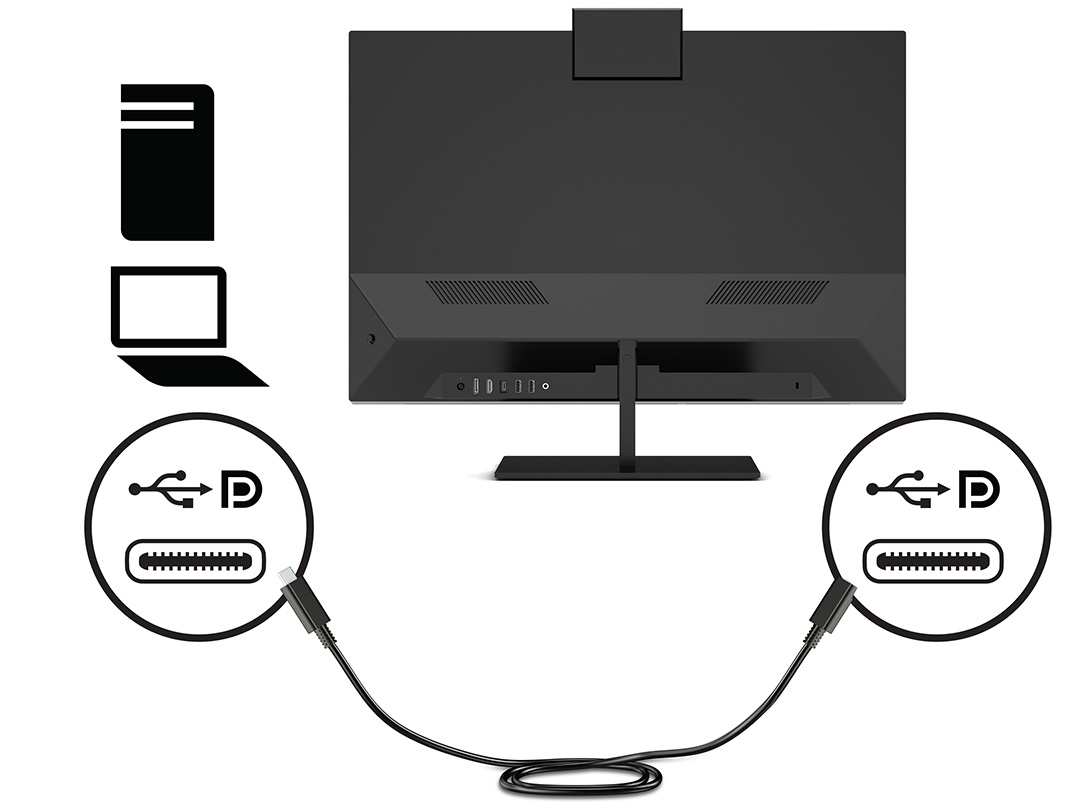
- USB-C power delivery passthrough: If your display charges a laptop over USB-C, that power is separate from the display's own consumption but shows up on your total wall draw. A 65W laptop charging pass-through adds 65W to your wall power on top of the display's own 25 to 35 watts.
Features like "dynamic contrast" and "enhanced color" have negligible power impact. They're processing changes, not backlight changes.
Does It Matter for Your Electricity Cost?
Estimating Your Annual Cost
Let's run the numbers. If your mini LED monitor draws 28 watts during typical use and you run it for 8 hours a day, that's 224 watt-hours daily. Over a year, that's about 82 kilowatt-hours.
At the US national average electricity rate of roughly $0.16 per kWh, that comes to around $13 per year. If you're in a state with higher rates like California at $0.25 per kWh, you're looking at about $20 per year. In parts of Europe where rates hit $0.35 per kWh or more, that same display costs $29 annually.
For context, that's less than most 60W incandescent light bulbs would cost running on the same schedule. A mini LED monitor is not a meaningful contributor to your electricity bill compared to heating, cooling, or large appliances.
US vs. EU Electricity Rates: The Real Difference
The same display costs almost twice as much to run in Germany as in Texas. Here's a quick comparison for a 32-inch mini LED at 30W average, 8 hours daily:
| Region | Avg Rate (per kWh) | Annual Cost |
|---|---|---|
| US National Average | $0.16 | $14 |
| California | $0.25 | $22 |
| Texas | $0.13 | $11 |
| Germany | $0.40 | $29 |
| UK | $0.30 | $22 |
| France | $0.22 | $16 |
If you're in a high-rate region, the cumulative cost over a 5-year display lifespan can reach $100 to $150. That's still modest, but it's worth knowing if you're comparing display technologies and trying to minimize total cost of ownership.
Who Should Care Most About Mini LED Power Use
Gamers Running Displays 8+ Hours
If you game daily with HDR enabled at high refresh rates, your display is pulling 35 to 55 watts consistently. Over a year of heavy use, that's 100 to 160 kWh. At US average rates, that's $16 to $26 annually just for the display.
Not a dealbreaker, but worth factoring into your setup's total power budget, especially if you're running multiple monitors.
Professionals with Multi-Monitor Setups
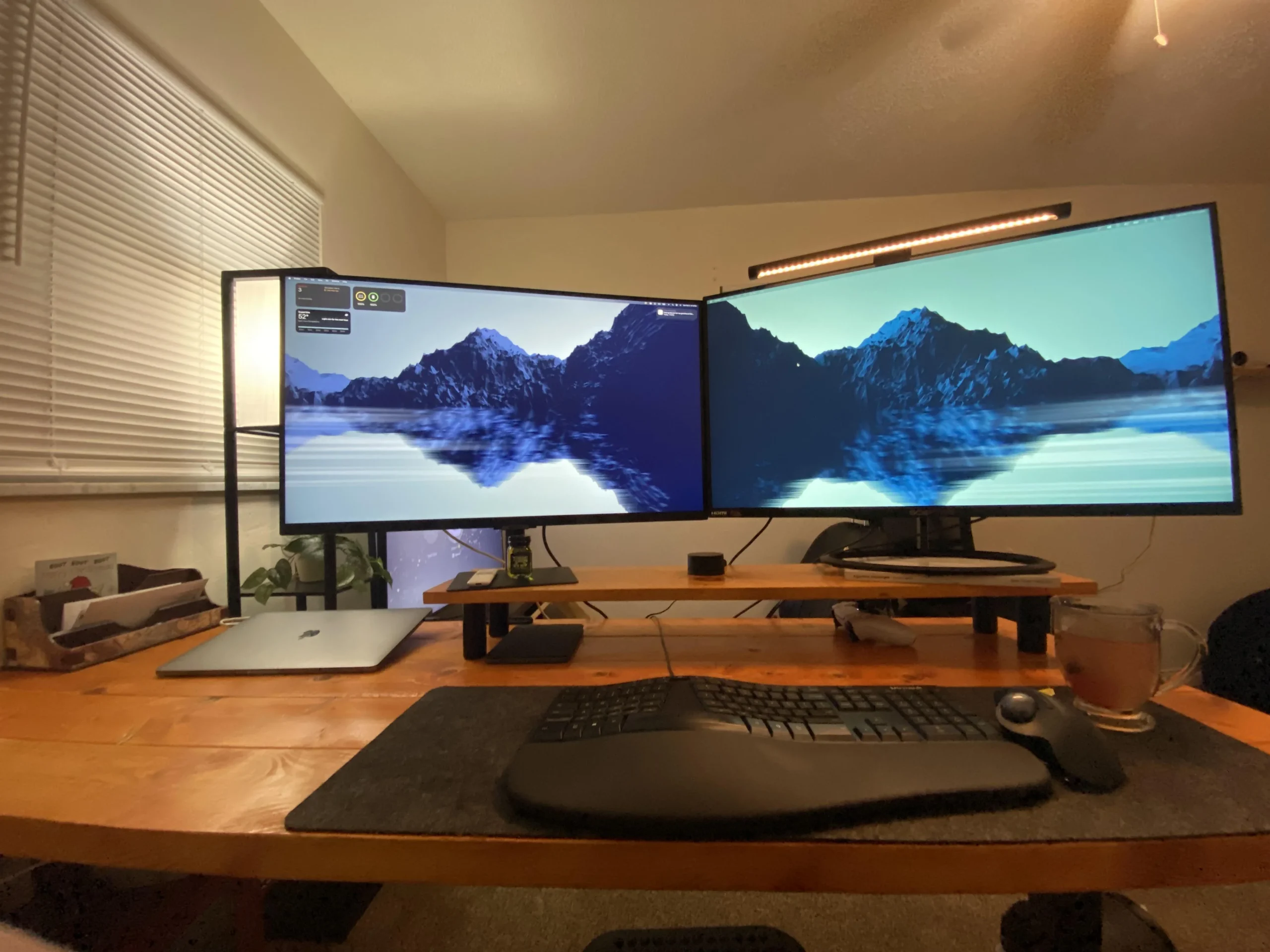
Designers and traders often run two or three displays. If two of those are mini LED, you're looking at 50 to 70 watts just for the displays during work hours. Add a third traditional LED at 20 watts, and your display array alone draws 70 to 90 watts continuously during work.
That's 350 to 450 kWh per year for a dual mini LED setup.
Anyone Using a Mini LED Display as a Living Room PC Screen
Some people use large mini LED displays (43 inches and up) as living room monitors. These larger panels draw more power, 40 to 70 watts during typical use, and people tend to run them for longer hours than a desk display. If you're replacing a 50-inch TV with a 43-inch mini LED display for desktop use, expect similar or slightly lower power consumption than the TV, since the mini LED backlight is more efficient than most TV LED arrays at the same brightness.
Common Mistakes People Make with Power Estimates
Trusting the Manufacturer's "Max Power" Rating
The spec sheet says 65W maximum. You assume your display uses 65W. It doesn't, unless you're running a full-white test pattern at maximum brightness with HDR enabled.
Real-world consumption is almost always 30% to 50% below the rated maximum. Always look for "typical" or "average" power figures if the manufacturer provides them, and treat the maximum as a ceiling, not a baseline.
Ignoring Standby and Idle Drain
Modern mini LED displays sip power in standby, usually below 0.5 watts. But if your display never fully enters standby because of connected devices, wake-on-USB settings, or network features, it might sit at 2 to 5 watts in what looks like "off." Over a year, that phantom load adds up to 17 to 44 kWh. Check your display's actual standby behavior with a power meter if you're curious.
Forgetting USB-C Power Delivery Overhead
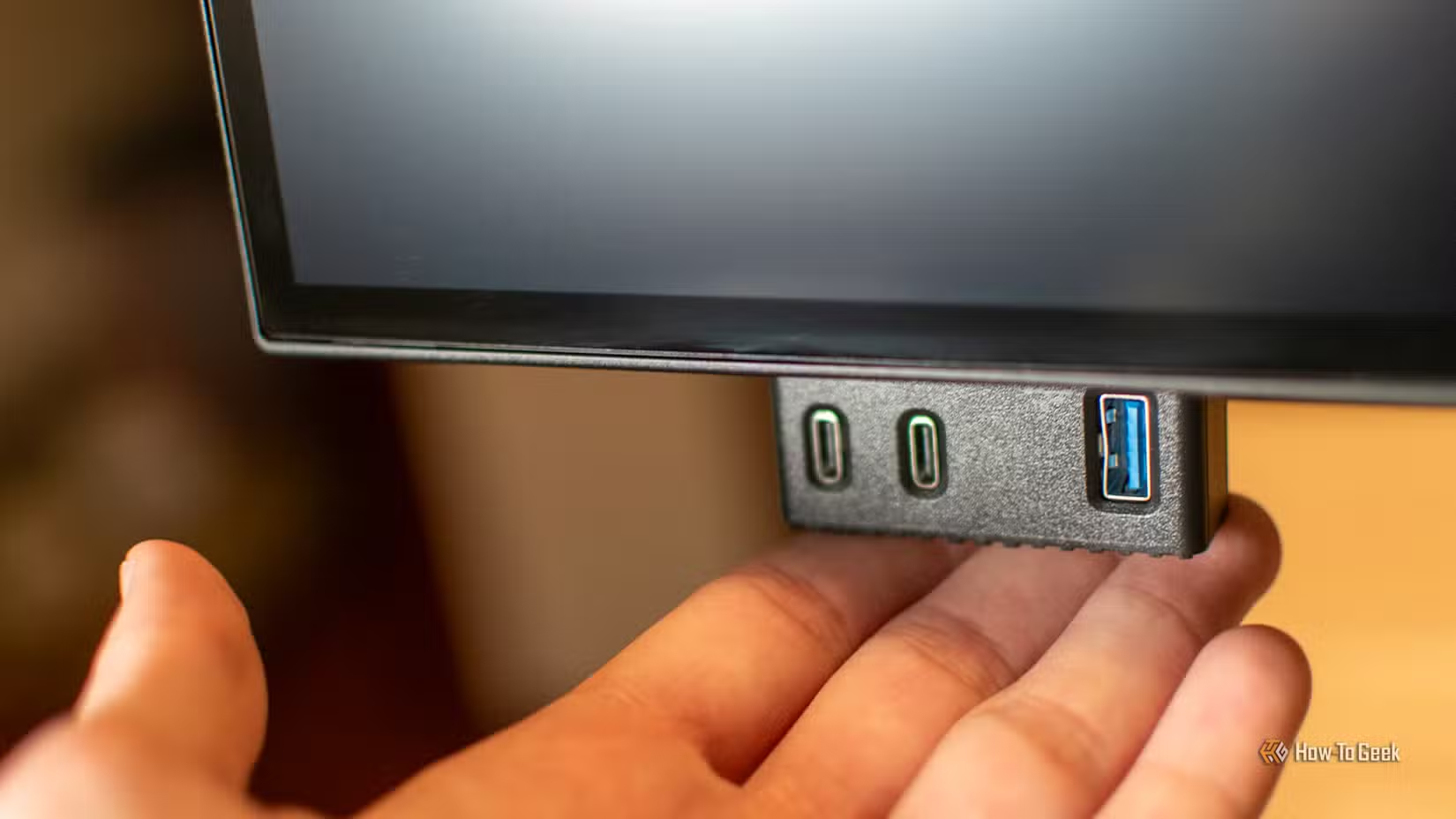
Many mini LED displays with USB-C connectivity offer power delivery to charge connected laptops. A display that draws 30W for itself and passes through 65W to a laptop is pulling 95W from the wall. That's a combined figure, not just the display.
If you're calculating power for electrical planning, account for the total wall draw including any passthrough charging.
How to Measure Your Own Monitor's Power Draw
What You Need
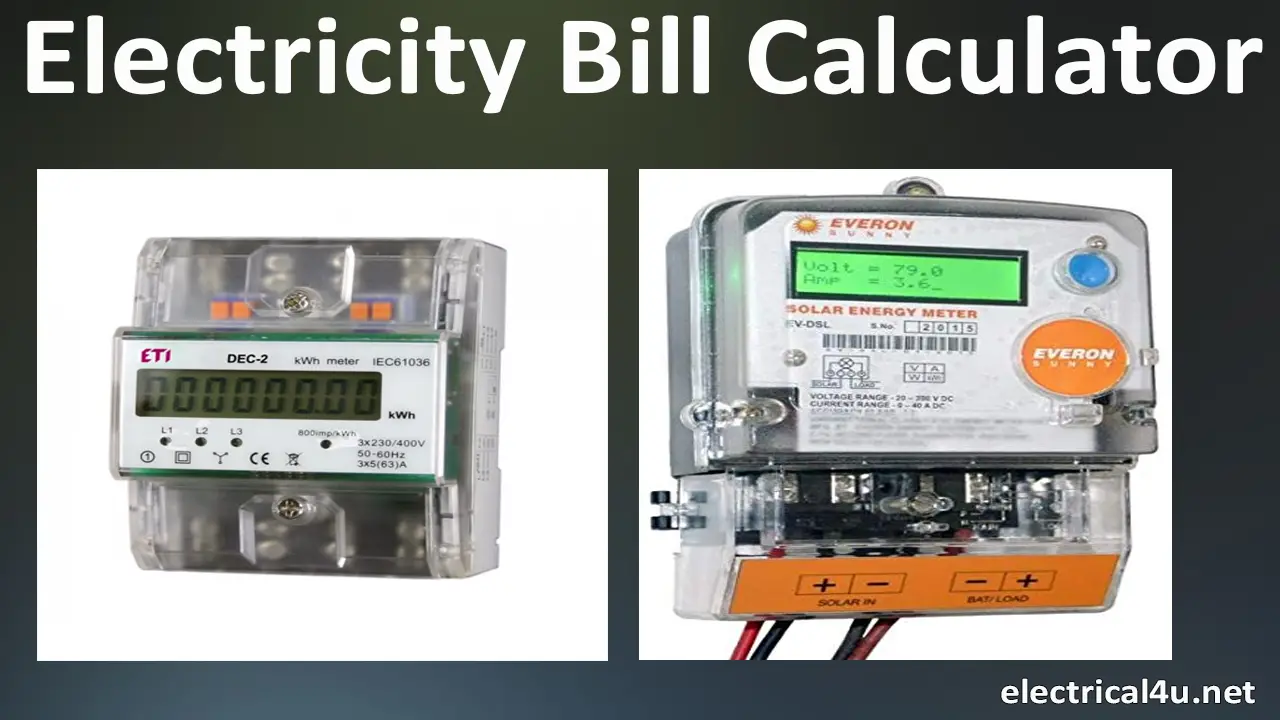
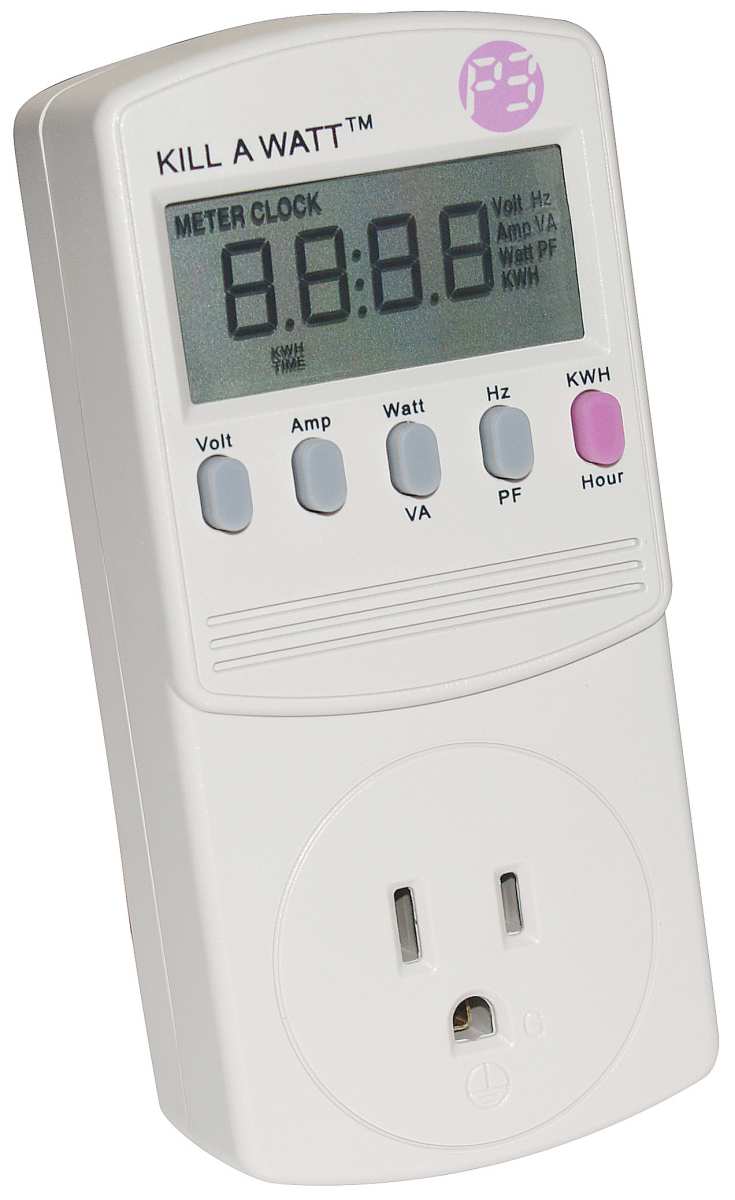
You don't need expensive equipment. A basic plug-in power meter like the Kill-A-Watt P4400 or similar model costs around $25 and gives you accurate wattage readings. It measures voltage, current, wattage, and cumulative kWh.
That last number is what you want for tracking real consumption over time.
Make sure the meter can handle your local voltage (120V in North America, 230V in Europe and most of Asia). Most modern plug-in meters auto-range, but check before buying.
Step-by-Step Measurement Process
Plug the power meter into the wall outlet. Don't use an extension strip between the meter and the wall, as the strip itself can introduce small losses and the meter won't capture its own consumption accurately.
Plug your mini LED display's power cable into the meter. If the display uses an external power brick, plug the brick into the meter. The meter measures total draw including the brick's efficiency losses.
Reset the kWh counter on the meter. This lets you track consumption over a specific period.
Use your display normally for a representative period. A full workday or a typical evening of mixed use gives you the best average. Avoid measuring during a single activity like gaming or movie watching unless you want to know the draw for that specific use case.
Read the wattage display for instantaneous power. This tells you what the display is pulling right now. Note the number at different brightness levels and content types.
Check the kWh reading after your tracking period. Divide by the number of hours to get your average wattage. Multiply by your daily usage hours and your electricity rate to get your actual cost.
Repeat with different settings. Try HDR on vs off, different brightness levels, and different refresh rates. This gives you a complete picture of how your specific display behaves.
Frequently Asked Questions
Does a mini LED monitor use more power than a regular LED monitor?
Usually yes, but the difference is small. A mini LED display draws 3 to 8 watts more than a comparable traditional LED at the same brightness. The extra power goes to the additional LED drivers and zone control circuitry.
However, during dark content, the mini LED can actually use less power thanks to local dimming.
How much power does a mini LED monitor use in standby?
Most mini LED monitors draw 0.3 to 0.5 watts in standby. Some models with active USB hubs, network connectivity, or fast-wake features may draw 1 to 2 watts. Over a year, even 1 watt of continuous standby draw adds about 8.76 kWh.
Is mini LED more power efficient than OLED?
It depends on the content. Mini LED is more efficient for bright, full-screen content like web browsing or document editing. OLED is more efficient for dark content and movies with letterbox bars.
For mixed daily use, they're fairly close, with mini LED having a slight edge for office-oriented workflows.
Does HDR increase power consumption on a mini LED monitor?
Yes, significantly during peak brightness moments. HDR content can push power draw 15 to 30 watts above the sustained average when bright highlights trigger maximum zone output. The effect is most pronounced on DisplayHDR 1000 and DisplayHDR 1400 certified displays.
How many watts does a 32-inch 4K mini LED monitor use?
A 32-inch 4K mini LED monitor typically draws 22 to 28 watts during normal office use at moderate brightness. Gaming with HDR enabled pushes that to 35 to 55 watts. Peak HDR bursts can momentarily reach 60 to 75 watts on high-zone-count models.
Does lowering brightness save a lot of power on mini LED displays?
Yes. Reducing brightness from 100% to 50% typically saves 15 to 25 watts. The relationship isn't perfectly linear, but brightness is the single biggest factor you can control to reduce power consumption on any LED-backlit display.
Bottom Line: Is Mini LED a Power Hog?
It's not. A mini LED monitor uses roughly the same power as a traditional LED display of the same size during typical use, and it can actually use less during dark content thanks to local dimming. The technology adds complexity and cost, but it doesn't add a meaningful power penalty.
If you're choosing between display technologies and power consumption is your primary concern, the differences are small enough that other factors like image quality, contrast, and price should drive your decision. A mini LED display at 28 watts costs about $13 per year to run at average US electricity rates. That's less than a streaming subscription.
The only scenario where mini LED power draw becomes a real consideration is in multi-monitor setups or high-rate electricity regions. Even then, the annual cost difference between technologies is measured in single-digit dollars. Buy the display that looks best to you.
The power bill won't notice.
Common Mistakes People Make with Power Estimates
Trusting the Manufacturer's "Max Power" Rating
The spec sheet says 65W maximum. You assume your display uses 65W. It doesn't, unless you're running a full-white test pattern at maximum brightness with HDR enabled.
Real-world consumption is almost always 30% to 50% below the rated maximum. Always look for "typical" or "average" power figures if the manufacturer provides them, and treat the maximum as a ceiling, not a baseline.
Ignoring Standby and Idle Drain
Modern mini LED displays sip power in standby, usually below 0.5 watts. But if your display never fully enters standby because of connected devices, wake-on-USB settings, or network features, it might sit at 2 to 5 watts in what looks like "off." Over a year, that phantom load adds up to 17 to 44 kWh. Check your display's actual standby behavior with a power meter if you're curious.
Forgetting USB-C Power Delivery Overhead
Many mini LED displays with USB-C connectivity offer power delivery to charge connected laptops. A display that draws 30W for itself and passes through 65W to a laptop is pulling 95W from the wall. That's a combined figure, not just the display.
If you're calculating power for electrical planning, account for the total wall draw including any passthrough charging.
How to Measure Your Own Monitor's Power Draw
What You Need
You don't need expensive equipment. A basic plug-in power meter like the Kill-A-Watt P4400 costs around $25 and gives you accurate wattage readings. It measures voltage, current, wattage, and cumulative kWh.
That last number is what you want for tracking real consumption over time.
Make sure the meter can handle your local voltage. Most modern plug-in meters auto-range, but check before buying.
Step-by-Step Measurement Process
Plug the power meter into the wall outlet. Don't use an extension strip between the meter and the wall. The meter needs a direct connection for accurate readings.
Plug your mini LED display's power cable into the meter. If the display uses an external power brick, plug the brick into the meter. The meter measures total draw including the brick's efficiency losses.
Reset the kWh counter on the meter. This lets you track consumption over a specific period.
Use your display normally for a representative period. A full workday or a typical evening of mixed use gives you the best average. Avoid measuring during a single activity unless you want to know the draw for that specific use case.
Read the wattage display for instantaneous power. This tells you what the display is pulling right now. Note the number at different brightness levels and content types.
Check the kWh reading after your tracking period. Divide by the number of hours to get your average wattage. Multiply by your daily usage hours and your electricity rate to get your actual cost.
Repeat with different settings. Try HDR on versus off, different brightness levels, and different refresh rates. This gives you a complete picture of how your specific display behaves.
Frequently Asked Questions
Does a mini LED monitor use more power than a regular LED monitor?
Usually yes, but the difference is small. A mini LED display draws 3 to 8 watts more than a comparable traditional LED at the same brightness. The extra power goes to the additional LED drivers and zone control circuitry.
However, during dark content, the mini LED can actually use less power thanks to local dimming.
How much power does a mini LED monitor use in standby?
Most mini LED monitors draw 0.3 to 0.5 watts in standby. Some models with active USB hubs, network connectivity, or fast-wake features may draw 1 to 2 watts. Over a year, even 1 watt of continuous standby draw adds about 8.76 kWh.
Is mini LED more power efficient than OLED?
It depends on the content. Mini LED is more efficient for bright, full-screen content like web browsing or document editing. OLED is more efficient for dark content and movies with letterbox bars.
For mixed daily use, they're fairly close, with mini LED having a slight edge for office-oriented workflows.
Does HDR increase power consumption on a mini LED monitor?
Yes, significantly during peak brightness moments. HDR content can push power draw 15 to 30 watts above the sustained average when bright highlights trigger maximum zone output. The effect is most pronounced on DisplayHDR 1000 and DisplayHDR 1400 certified displays.
How many watts does a 32-inch 4K mini LED monitor use?
A 32-inch 4K mini LED monitor typically draws 22 to 28 watts during normal office use at moderate brightness. Gaming with HDR enabled pushes that to 35 to 55 watts. Peak HDR bursts can momentarily reach 60 to 75 watts on high-zone-count models.
Does lowering brightness save a lot of power on mini LED displays?
Yes. Reducing brightness from 100% to 50% typically saves 15 to 25 watts. The relationship isn't perfectly linear, but brightness is the single biggest factor you can control to reduce power consumption on any LED-backlit display.
Bottom Line: Is Mini LED a Power Hog?
It's not. A mini LED monitor uses roughly the same power as a traditional LED display of the same size during typical use, and it can actually use less during dark content thanks to local dimming. The technology adds complexity and cost, but it doesn't add a meaningful power penalty.
If you're choosing between display technologies and power consumption is your primary concern, the differences are small enough that other factors like image quality, contrast, and price should drive your decision. A mini LED display at 28 watts costs about $13 per year to run at average US electricity rates. That's less than a streaming subscription.
The only scenario where mini LED power draw becomes a real consideration is in multi-monitor setups or high-rate electricity regions. Even then, the annual cost difference between technologies is measured in single-digit dollars. Buy the display that looks best to you.
The power bill won't notice.
Final Recommendation
A mini LED monitor is a solid choice if you want better contrast than traditional LED without the burn-in risk of OLED. Power consumption won't be a deciding factor for most people. The annual cost difference between display technologies is small enough that image quality and features matter more.
If you're running multiple monitors or live in a high-rate electricity region, the numbers are worth knowing. For everyone else, set your brightness to 50%, turn off HDR when you don't need it, and enjoy the picture. Your electricity bill will barely notice.

Similar Posts