Do Budget Monitors Support HDR
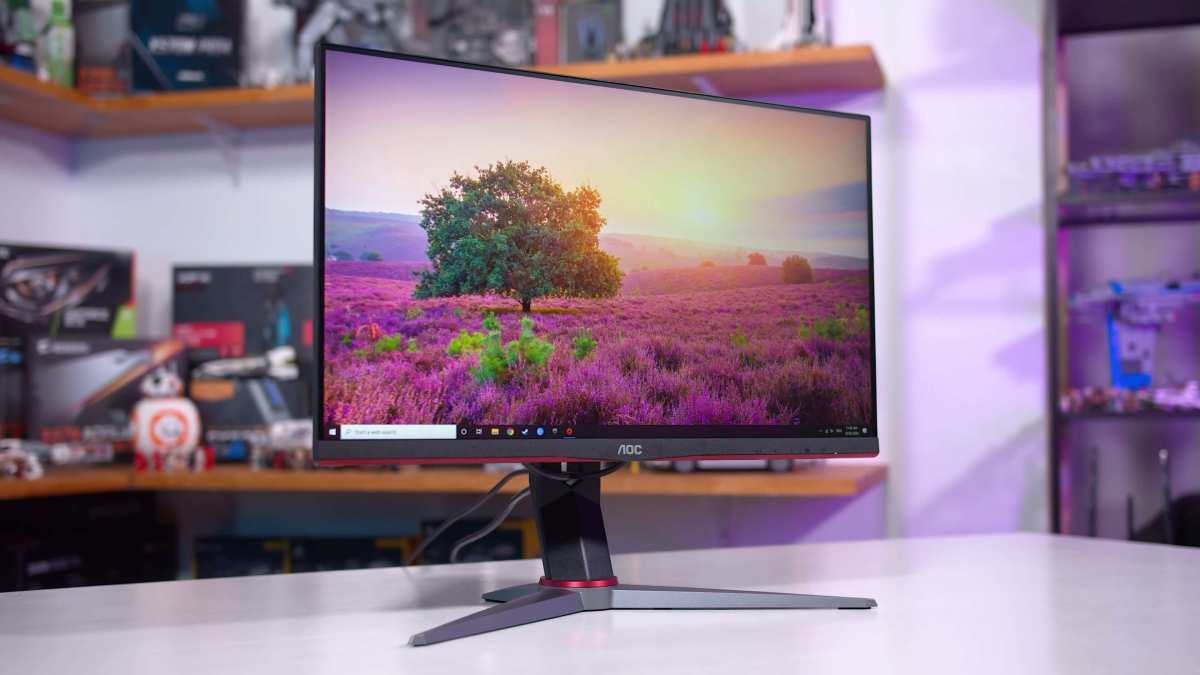
The short answer is yes, most budget monitors do support HDR, but the real question is whether that support actually does anything meaningful. The gap between "HDR compatible" on a spec sheet and a genuine HDR experience is wide enough to drive a truck through. If you've been eyeing a sub-$250 monitor with an HDR badge and wondering if it's worth your money, you're asking exactly the right question.
The Video Electronics Standards Association (VESA) created the DisplayHDR certification system specifically because manufacturers were slapping "HDR Ready" on panels that barely qualified. As of 2026, the budget HDR monitor market has improved, but the fundamentals haven't changed. Let's break down what you're actually getting.
Image source: Bing (Web (fair-use with source credit))
The Quick Answer
Budget monitors do support HDR, but most only meet the entry-level threshold. They accept an HDR signal and display it, but lack the hardware for a true HDR experience. You'll see some improvement over SDR, but not the dramatic difference premium monitors deliver.
If you want real HDR, you need to spend more or manage your expectations.
What "Budget HDR" Actually Means on the Spec Sheet
When you see "HDR" on a budget monitor listing, it almost always means one thing: the monitor accepts an HDR10 signal. That's the baseline HDR format used by HDR content, games, and consoles like the PS5 and Xbox Series X. Accepting the signal and displaying actual HDR are two very different things though.
Most budget monitors in the $150 to $300 range use IPS panels with edge-lit backlights. They typically hit 300 to 400 nits of peak brightness in SDR mode, and maybe 400 to 500 nits in short HDR bursts. For context, true HDR content is mastered for 1,000 nits or more.
The monitor has to compress that dynamic range down into what its hardware can actually produce, and the results vary wildly.
Here's what typically happens when you flip HDR on in a budget monitor:
- The monitor switches to a different picture mode
- Peak brightness increases slightly, often with aggressive backlight boosting
- Color saturation gets bumped up, sometimes inaccurately
- Tone mapping kicks in to squeeze the HDR signal into the panel's limited range
- You might notice the desktop looks washed out or oversaturated
The key spec to watch is peak brightness measured in nits. A monitor that can only hit 350 nits simply cannot produce the highlight detail that HDR content is designed to show. You'll get the expanded color gamut and the wider contrast ratio relative to SDR, but the "wow factor" of bright specular highlights against deep blacks requires hardware most budget monitors don't have.
The VESA DisplayHDR Tiers Explained
VESA introduced the DisplayHDR certification system in 2017 to bring some order to the HDR monitor market. Before that, any manufacturer could slap "HDR" on a box with zero accountability. The certification has multiple tiers, and understanding them is the single most important thing you can do before buying a budget HDR monitor.
Here's how the tiers break down:
| Tier | Peak Brightness | Black Level | Color Gamut | Bit Depth | Typical Price Range |
|---|---|---|---|---|---|
| DisplayHDR 400 | 400 nits | 0.4 nits | 95% sRGB | 8-bit | $150–$300 |
| DisplayHDR 500 | 500 nits | 0.1 nits | 90% DCI-P3 | 8-bit + FRC | $300–$450 |
| DisplayHDR 600 | 600 nits | 0.1 nits | 90% DCI-P3 | 10-bit | $400–$600 |
| DisplayHDR 1000 | 1,000 nits | 0.05 nits | 99% DCI-P3 | 10-bit | $600–$1,200 |
| DisplayHDR 1400 | 1,400 nits | 0.02 nits | 99% DCI-P3 | 10-bit | $1,000+ |
The budget sweet spot sits squarely at DisplayHDR 400. This is the tier where most affordable monitors land, and it's also the tier where the HDR experience is most underwhelming. DisplayHDR 400 requires only 400 nits peak brightness and doesn't mandate local dimming.
That means the entire backlight is one zone, so you can't have bright highlights and deep blacks in the same scene.
DisplayHDR 600 is where things start getting genuinely interesting. The jump from 400 to 600 nits is noticeable, and the requirement for 10-bit color depth means smoother gradients and less banding. But very few budget monitors hit this tier.
You're usually looking at $400 and up.
Image source: Bing (Web (fair-use with source credit))
HDR400 vs HDR600 vs True HDR: Where the Line Is
This is where most buyers get confused, and honestly, the marketing doesn't help. Let's draw some clear lines.
DisplayHDR 400 is "HDR Lite." The monitor accepts the signal, bumps the brightness, and calls it a day. You'll see a difference compared to SDR, especially in games and streaming content. But it's not going to blow you away.
Think of it as a modest upgrade rather than a transformative experience.
DisplayHDR 600 is the minimum for a genuinely good HDR experience. The extra brightness headroom means specular highlights actually pop. Combined with better color depth and tighter black levels, this tier delivers what HDR is supposed to feel like. The catch is that very few monitors under $350 achieve this certification.
True HDR starts at DisplayHDR 1000 with full-array local dimming (FALD). This is where you get the full contrast range that makes HDR content shine. Bright highlights against genuinely dark blacks in the same frame. This is what content creators and HDR enthusiasts are talking about.
It's also where prices jump to $600 and well beyond.
Here's a practical way to think about it:
- HDR400: You can see that HDR is on. Colors are a bit richer. Highlights are slightly brighter. It's fine.
- HDR600: HDR actually looks noticeably better than SDR. You'd prefer to keep it on.
- HDR1000+: HDR looks dramatically better. You'd be disappointed going back to SDR.
The uncomfortable truth is that most budget monitors live in that first category. They technically support HDR, and there is a visible improvement, but it's the kind of improvement you'd describe as "nice" rather than "wow."
What Budget HDR Monitors Get Right
It's not all doom and gloom. Budget HDR monitors do deliver some real benefits, especially if you're coming from an older SDR panel.
Better color volume. Even at HDR400, many budget monitors cover 95% or more of the sRGB gamut and touch the edges of DCI-P3. HDR content is typically mastered in a wider color space, so even the partial coverage means you're seeing more color information than you would in SDR.
Improved perceived contrast. HDR tone mapping on a budget monitor can make scenes look more dynamic than they do in SDR. A sunset in a game might show more detail in both the bright sky and the darker foreground simultaneously. It's not true HDR contrast, but it's a step up.
Console gaming works well. Both PS5 and Xbox Series X output HDR by default, and budget monitors handle this reasonably well. Console HDR tone mapping is generally more forgiving than PC HDR, so you're less likely to run into the washed-out desktop problem that plagues PC users.
Future-proofing. HDR content is only becoming more common. Netflix, Disney+, YouTube, and virtually all modern games support HDR. Having a monitor that accepts the signal means you won't need to upgrade when HDR becomes the baseline expectation.

Image source: Bing (Web (fair-use with source credit))
What Budget HDR Monitors Get Wrong
Now for the painful part. There are real compromises with budget HDR, and you should know about them before you buy.
No local dimming. This is the single biggest limitation. Without local dimming zones, the entire backlight adjusts as one unit. When a scene has both bright and dark areas, the monitor has to choose.
It either crushes the blacks to make highlights brighter, or it dims the highlights to preserve shadow detail. You rarely get both.
Washed-out SDR content in HDR mode. When you enable HDR in Windows, the entire desktop runs in HDR mode. SDR content like web pages, documents, and most desktop applications gets tone-mapped through the HDR pipeline. On a budget monitor with limited brightness and no local dimming, this often makes everything look flat and washed out.
Many users end up toggling HDR on and off depending on what they're doing.
Inconsistent tone mapping. Every monitor manufacturer implements their own tone mapping algorithm. Some do it well. Many don't.
Poor tone mapping means clipped highlights (bright areas lose detail and become pure white) or crushed blacks (dark areas lose detail and become pure black). Budget monitors are more likely to have mediocre tone mapping because it costs money to get right.
8-bit panels with FRC dithering. Most budget HDR monitors use 8-bit panels that use frame rate control (FRC) to simulate 10-bit color. This works reasonably well in most content, but you can sometimes see banding in smooth gradients, especially in HDR mode where the wider luminance range makes banding more visible.
Input lag increase. Enabling HDR adds processing overhead. On some budget monitors, this adds 1 to 5 milliseconds of input lag. That might not sound like much, but in competitive gaming it matters.
Check reviews for specific models to see if HDR mode introduces noticeable lag.
The "HDR Ready" trap. Some monitors aren't VESA certified at all but still advertise "HDR Ready" or "HDR Compatible." This usually means they accept an HDR signal but don't meet any formal standard for displaying it. These monitors often have the worst HDR performance of all.
Real-World Performance: Gaming, Movies, and Streaming
Gaming is where budget HDR monitors earn their keep the most. Console games in particular tend to look noticeably better with HDR enabled, even on DisplayHDR 400 panels. The combination of wider color gamut and improved tone mapping adds depth to environments. In our research, games like Horizon Forbidden West and Forza Horizon 5 show visible improvements on budget HDR monitors compared to SDR.
Explosions have more punch. Sunlight filtering through trees looks more natural.
Movie and streaming content is more of a mixed bag. HDR movies mastered for 1,000 nit displays get heavily compressed on a 400 nit panel. Sometimes the tone mapping handles this well. Other times you lose detail in bright scenes.
Netflix and Disney+ both offer extensive HDR catalogs, and budget monitors will display that content in HDR. Just don't expect the same experience you'd get on a premium TV.
Desktop productivity suffers with HDR enabled. This is a well-documented issue across budget monitors. Windows desktop elements, web pages, and applications designed for SDR can look washed out or oddly saturated. Many users report toggling HDR off for desktop work and turning it back on for games and movies.
Windows 11 has improved its SDR content handling in HDR mode, but budget monitors still struggle more than premium ones.
How to Check If Your Budget Monitor Actually Does HDR
Before you assume HDR is working just because the spec sheet says so, here's how to verify what's actually happening.
Step 1: Confirm your GPU supports HDR output. Both NVIDIA and AMD have supported HDR output for several generations. Check your GPU control panel. NVIDIA users should look for "HDR" under "Change resolution" in the NVIDIA Control Panel.
AMD users find it in Radeon Settings under Display.
Step 2: Enable HDR in your operating system. On Windows 11, go to Settings > System > Display > HDR and toggle it on. On PS5, go to Settings > Screen and Video > Video Output > HDR and set it to "On." Xbox users find it under Settings > General > TV & Display Options > Video Modes.
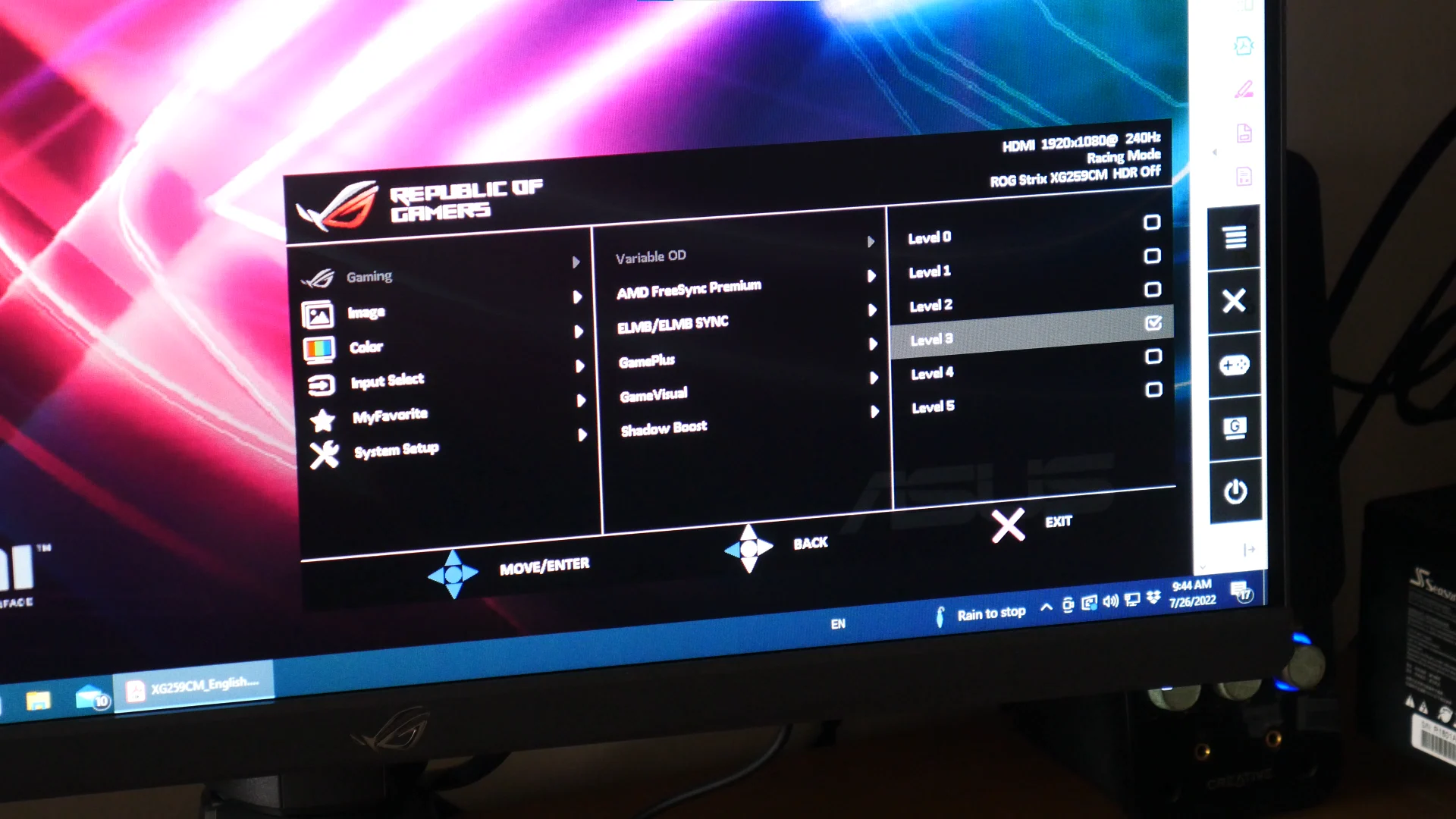
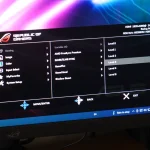
Step 3: Check the monitor's on-screen display. Most monitors show an HDR indicator when an HDR signal is active. Look for an "HDR" badge or notification in the OSD. If you don't see one, the monitor might not be receiving an HDR signal even though Windows says HDR is on.
Step 4: Test with actual HDR content. Use the Windows HDR calibration app from the Microsoft Store. It walks you through setting the correct peak brightness, black level, and saturation for your specific panel. For consoles, use the built-in HDR calibration tools.
They're basic but effective.
Step 5: Verify the actual signal. You can use the NVIDIA Control Panel or AMD Radeon Software to check what signal format is being output. Look for "RGB 10-bit" or "YCbCr 4:2:2 10-bit" in the display information. If you're seeing 8-bit RGB, HDR probably isn't active at the signal level.
The Best Budget HDR Monitors Worth Choosing
Based on aggregate review data and VESA certification verification, here are some budget monitors that handle HDR better than most in their price range.
Gigabyte G27Q ($230-$270). This 27-inch 1440p IPS monitor carries a DisplayHDR 400 certification. Reviewers consistently praise its color accuracy and decent HDR tone mapping for the price.
It hits around 400 nits peak brightness in HDR mode and covers roughly 95% of sRGB.
AOC Q27G2S/EU ($200-$240). A solid 1440p option with DisplayHDR 400. It performs well in console gaming scenarios.
The HDR implementation is straightforward without aggressive oversaturation. Build quality is decent for the price.
Dell S2721QS ($250-$300). Dell's 4K IPS monitor with HDR support. The higher resolution means sharper text and more detailed images.
HDR performance is modest but it handles tone mapping better than many competitors at this price. Dell's warranty support is a genuine advantage.
LG 27UL500-W ($250-$300). Another 4K option with HDR10 support. It hits around 350 nits peak brightness, which is below the HDR400 threshold.
The HDR experience is subtle but present. It's a reasonable choice if you want 4K and basic HDR without spending much.
What these monitors have in common is honest HDR implementation. They don't overpromise. They accept the signal, apply reasonable tone mapping, and deliver a modest but real improvement over SDR.
That's the realistic expectation for budget HDR in 2026.
When to Skip HDR and Buy a Better SDR Monitor Instead
Sometimes the smarter move is to skip HDR entirely and put that money toward a better SDR monitor. Here's when that makes sense.
If you primarily do productivity work. Photo editing, coding, writing, and spreadsheet work all benefit more from a high-quality SDR panel with accurate colors than from a mediocre HDR panel. A good IPS monitor with 99% sRGB coverage and factory calibration will serve you better than a budget HDR monitor with questionable accuracy.
If you're on a very tight budget. Below $150, HDR support is almost always a marketing gimmick. The panels at this price point lack the brightness and color depth to display HDR meaningfully. You're better off spending that money on a solid 1080p or 1440p SDR monitor with good contrast and color accuracy.
If you hate toggling settings. If the idea of turning HDR on for games and off for desktop work annoys you, a good SDR monitor eliminates that friction entirely. Consistency matters, and a well-calibrated SDR image is better than an inconsistent HDR experience.
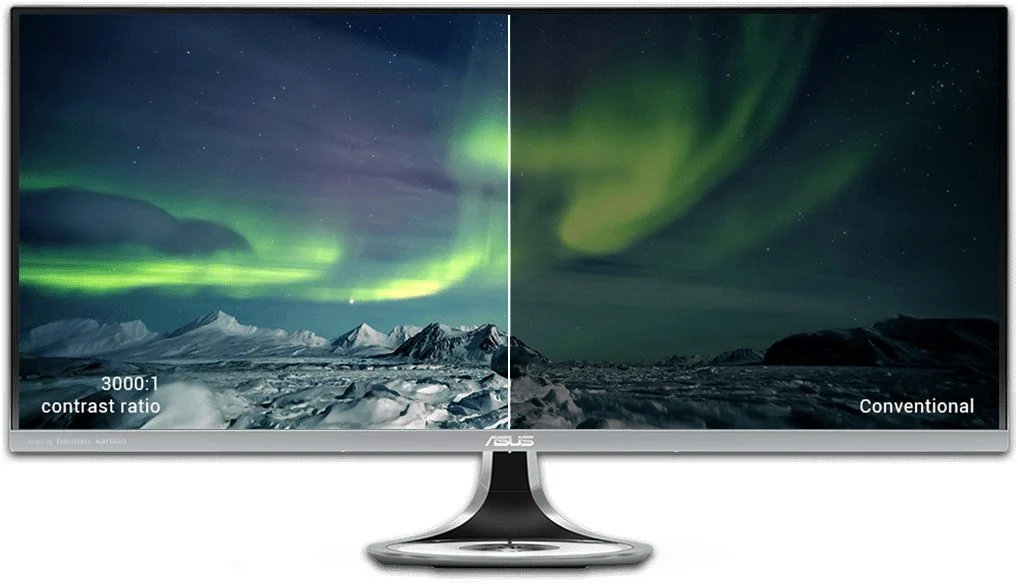
Image source: Bing (Web (fair-use with source credit))
Common Mistakes People Make With Budget HDR
Leaving HDR on all the time. This is the most common mistake. Windows HDR mode makes SDR content look worse on budget monitors. Toggle HDR on only when you're consuming HDR content.
Turn it back off for desktop work.
Ignoring the HDR calibration tools. Both Windows and consoles include free calibration tools. Skipping them means your HDR image isn't optimized for your specific panel. Five minutes of calibration makes a noticeable difference.
Expecting OLED-quality HDR from a $200 monitor. This expectation leads to disappointment. Budget HDR is a step up from SDR. It's not a revolution.
Set your expectations accordingly and you'll be pleasantly surprised rather than let down.
Buying based on the HDR label alone. "HDR Ready" without a VESA DisplayHDR certification is a red flag. Always check for the specific certification tier. HDR400 is the minimum worth considering.
Anything less is mostly marketing.
Not checking the connection. HDR requires enough bandwidth. HDMI 2.0 can handle 4K HDR at 60Hz. DisplayPort 1.2 cannot.
Make sure your cable and port support the resolution, refresh rate, and HDR combination you want.
Final Verdict: Should You Buy a Budget HDR Monitor?
Yes, if you game on console and want a noticeable improvement over SDR without spending much. A DisplayHDR 400 monitor in the $200-$300 range gives you a genuine, visible upgrade in supported games and streaming content. Just keep your expectations realistic. You're getting a taste of HDR, not the full meal.
No, if you primarily do productivity work or you're below a $150 budget. Spend that money on the best SDR monitor you can afford. A well-calibrated IPS panel with good contrast will serve you far better than a budget HDR panel that can't deliver on its promise.
The middle ground is where most buyers sit. If you can find a DisplayHDR 600 monitor in the $350-$450 range, that's where budget HDR starts getting genuinely good. The jump from HDR400 to HDR600 is more significant than most people expect.
Frequently Asked Questions
Can a budget monitor display HDR10 content?
Yes. Most budget monitors accept HDR10 signals. The question is how well they display that content.
Without sufficient peak brightness and local dimming, the HDR effect is muted compared to premium displays.
Is DisplayHDR 400 worth it?
It depends on your expectations. DisplayHDR 400 is a modest improvement over SDR. It's not transformative, but it's noticeable in games and movies.
If you understand what you're getting, it's worth the small price premium over non-HDR monitors.
Does HDR increase input lag on budget monitors?
It can. Some budget monitors add 1 to 5 milliseconds of processing lag in HDR mode. Check reviews for specific models if you play competitive games where every millisecond counts.
Should I enable HDR on Windows with a budget monitor?
Only when consuming HDR content. Leave it off for desktop work and SDR applications. Windows HDR mode makes SDR content look washed out on budget panels.
Toggle it on for games and HDR video, then off again.
What's the cheapest monitor with good HDR?
True HDR performance starts around $350-$450 with DisplayHDR 600 certified models. Below that, you're getting entry-level HDR that's a nice bonus rather than a primary feature. The Gigabyte G27Q and Dell S2721QS are solid options in the $250-$300 range if you want basic HDR without overspending.

Similar Posts