Are Microled Monitors Faster Than OLED
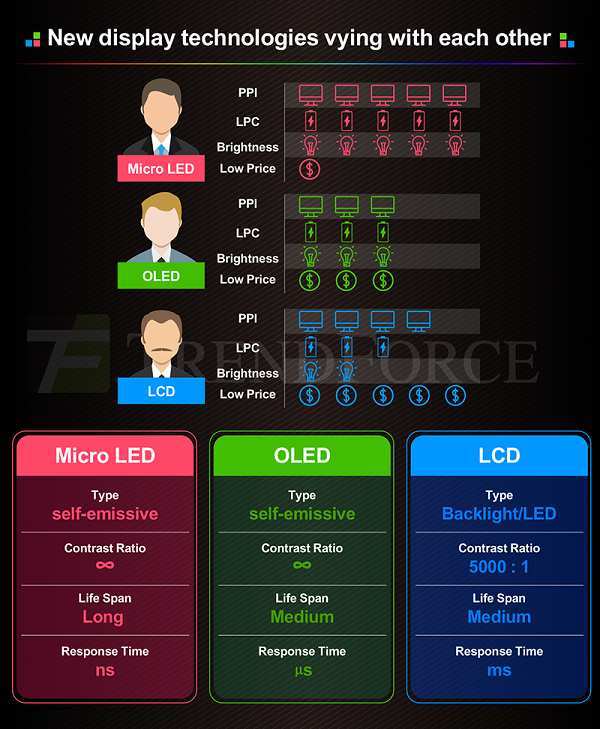
When people ask whether MicroLED monitors are faster than OLED, they're usually trying to figure out which display tech will give them smoother motion, less blur, and a more responsive feel, especially for gaming or fast-paced content. The short answer is that OLED still holds a slight edge in raw pixel response speed, but MicroLED closes the gap in ways that matter for sustained performance and longevity.
Manufacturer specifications indicate OLED panels can achieve gray-to-gray transition times around 0.1 milliseconds under ideal conditions, while MicroLED typically lands in the 0.5 to 2 millisecond range depending on the specific LED die design. But specs alone don't tell the full story, and the real-world difference depends heavily on what you're actually doing with your display.
Quick Answer
OLED monitors are generally faster in raw pixel response time. Real-world gray-to-gray transitions run around 1 to 3 milliseconds on OLED versus 0.5 to 2 milliseconds on MicroLED. The difference is small and often imperceptible.
MicroLED wins on sustained brightness without burn-in risk. Your choice depends on use case, not just speed.
Why This Comparison Trips People Up
The confusion starts because "faster" means different things in display specs. People see refresh rate numbers like 240Hz or 480Hz and assume that tells the whole story. It doesn't.
Refresh rate and pixel response time are two completely separate measurements that work together to determine how smooth and clear motion looks on screen.
Refresh rate refers to how many times per second the display draws a new image. A 240Hz monitor updates the screen 240 times every second. That's the ceiling for how many unique frames you can see.
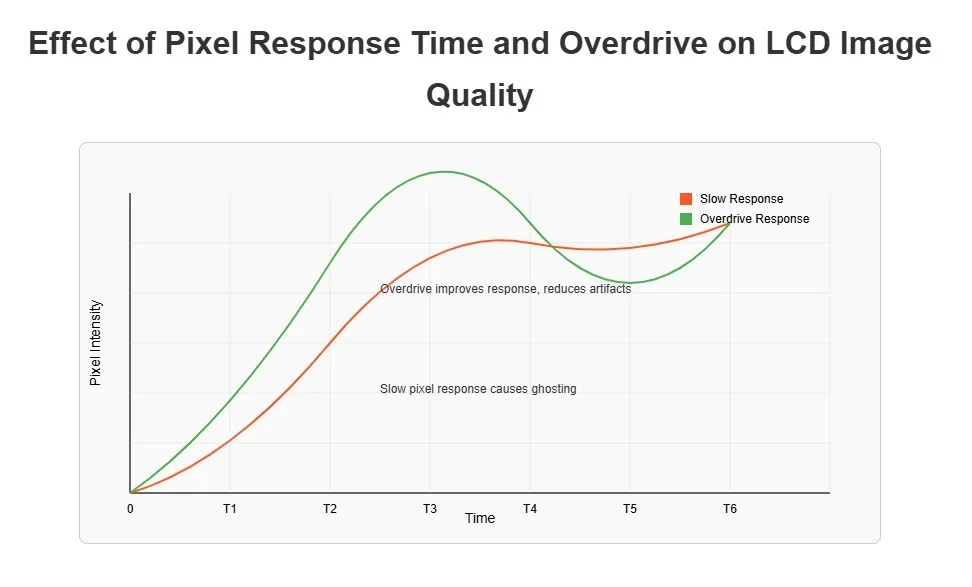
But pixel response time determines how quickly each individual pixel can change from one color to another. If pixels can't keep up with the refresh rate, you get ghosting, smearing, and motion blur regardless of how high that refresh number climbs.
Here's where it gets tricky. A 480Hz MicroLED display with slower pixel transitions can actually look worse in motion than a 240Hz OLED with near-instant response times. The MicroLED refreshes more often, but each pixel takes longer to complete its color change.
The result is overlapping images and visible trails behind moving objects.
Another layer of confusion comes from how manufacturers report response times. Some quote best-case scenarios, like black-to-white transitions, which are inherently faster. Others average across multiple gray shades, which gives a more realistic picture.
OLED's claimed 0.1ms figure typically represents the fastest possible transition, not the average across all color changes. Real-world gray-to-gray performance usually lands between 1 and 3 milliseconds for modern OLED panels.
MicroLED faces similar marketing inflation. The technology uses inorganic LEDs that switch states very quickly, but the driving electronics and pixel architecture introduce their own delays. A MicroLED panel might use pulse-width modulation or current-driven switching, and the speed of those transitions depends on the specific implementation.
Samsung's modular MicroLED walls and Sony's Crystal LED systems may perform differently than a hypothetical smaller MicroLED monitor.
The honest takeaway is that both technologies are fast enough for the vast majority of users. The differences show up in edge cases, competitive gaming at the highest level, and professional applications where motion accuracy is critical. Understanding what you're actually comparing helps cut through the marketing noise.
How Each Technology Handles Speed
OLED: Near-Instant Pixel Response
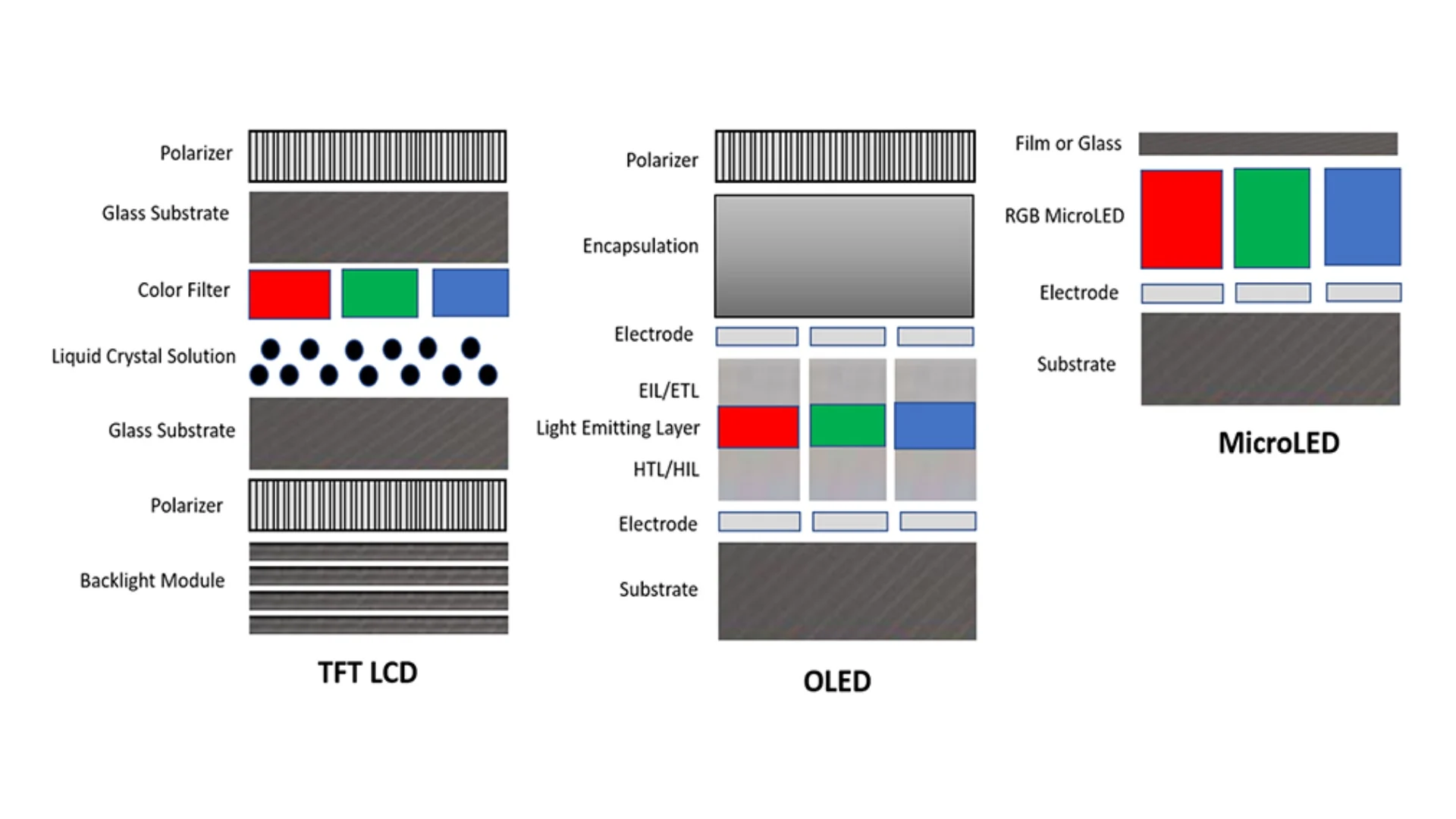
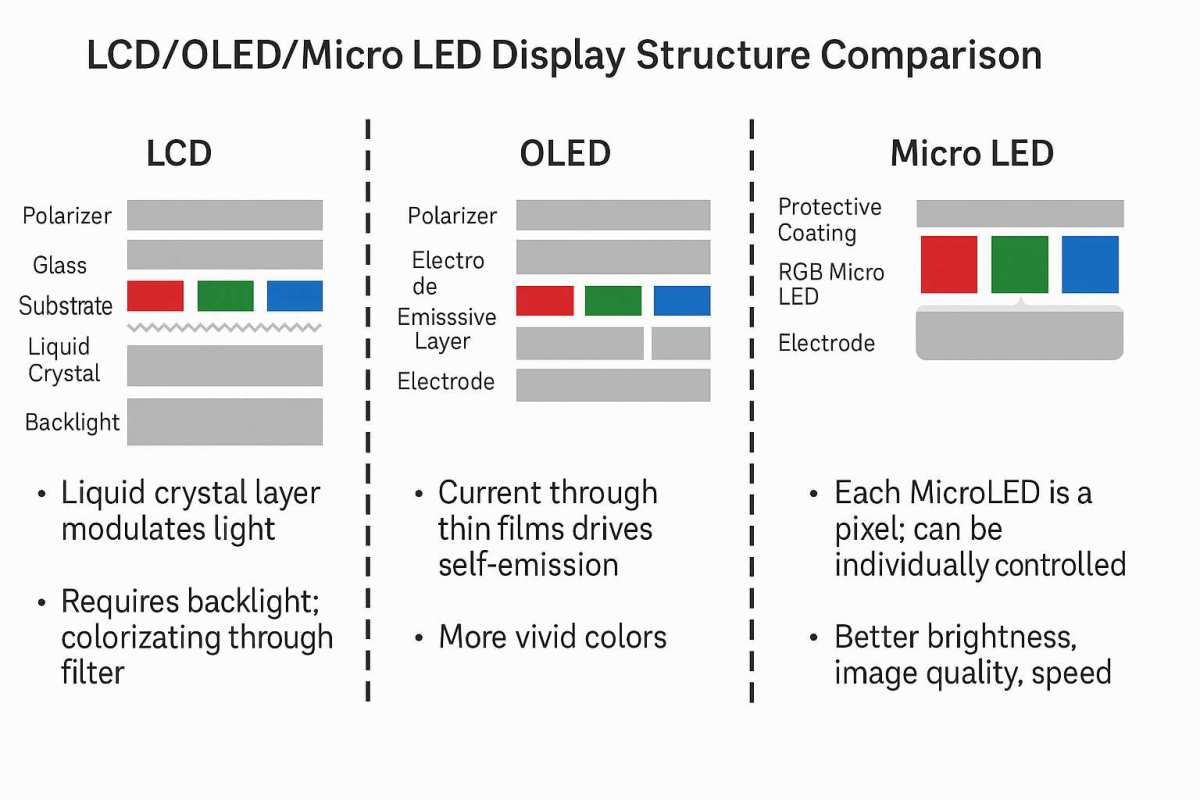
OLED, which stands for Organic Light Emitting Diode, works by passing electrical current through organic compounds that emit light directly. Each pixel generates its own light and can turn on or off independently. There's no backlight layer and no liquid crystal to twist or untwist.
This self-emissive nature is exactly why OLED achieves such fast response times.
When a pixel needs to change color, the electrical signal adjusts the current flowing through the organic material. The light output changes almost immediately. There's no mechanical movement involved, no crystal rotation, and no waiting for a backlight to shift.
The physics of the organic compounds allow for extremely fast state changes, which is why OLED has been the gold standard for motion clarity since it entered the monitor market.
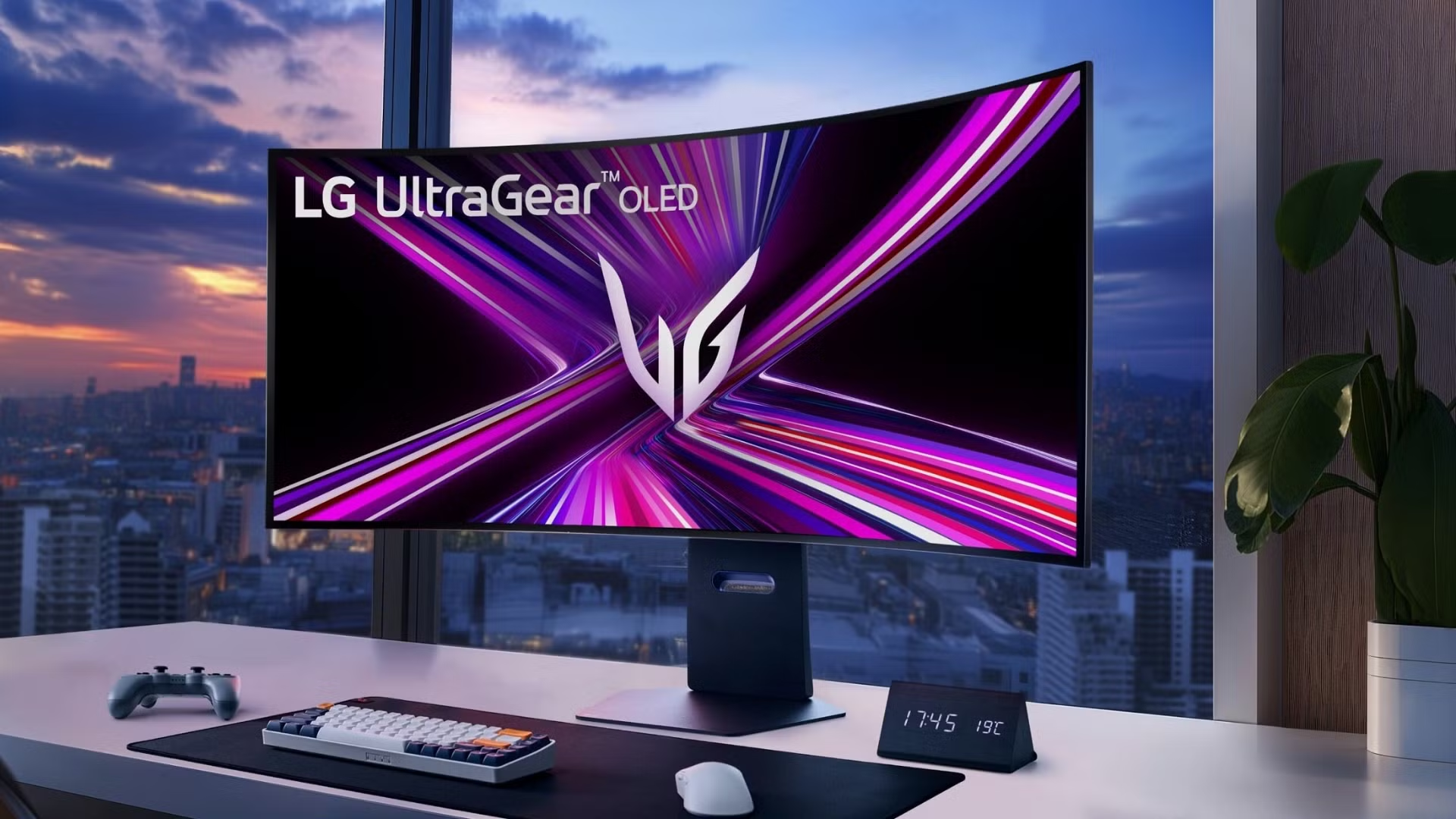
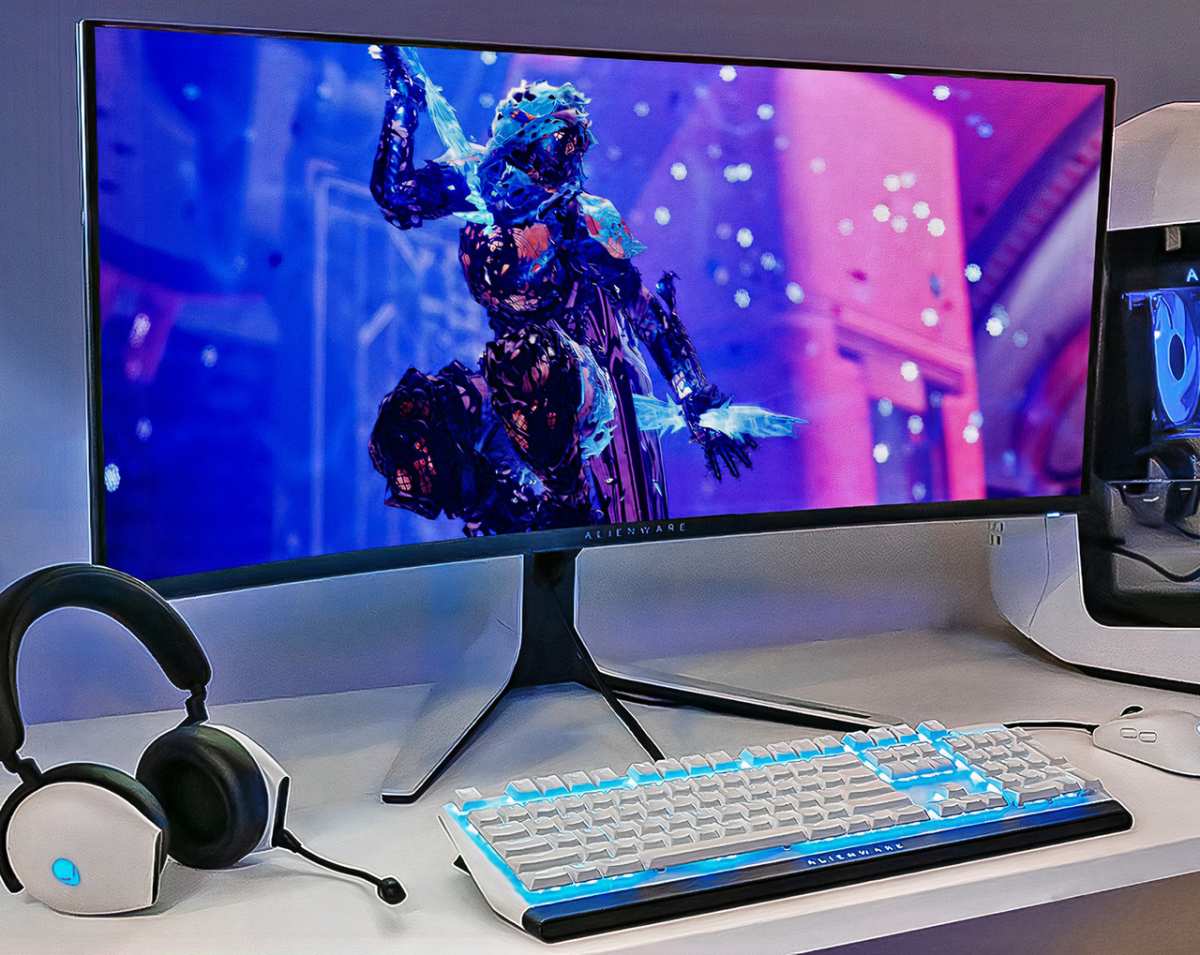
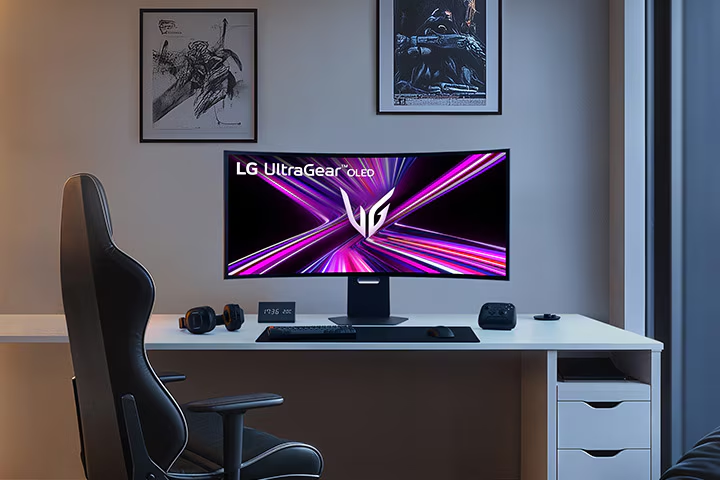
Modern OLED monitors, including QD-OLED variants from Samsung Display used in products like the Alienware AW3423DW and LG's own UltraGear lineup, achieve real-world gray-to-gray response times between 1 and 3 milliseconds. Some transitions, particularly bright-to-dark changes, complete even faster. Dark-to-bright transitions can sometimes take slightly longer due to the organic material's response characteristics, but the overall average remains extremely quick.
One area where OLED does show a weakness is near-black performance. Transitions between very dark gray shades can exhibit slight smearing because the pixel doesn't have enough light output to make the change instantly visible. This is sometimes called "black smearing" and it's a known characteristic of OLED technology.
Most users won't notice it during normal content, but it can appear in dark gaming scenes or movie sequences.
OLED also uses a sample-and-hold method where each frame stays lit until the next refresh. This means your eyes track across a static image during the frame duration, creating perceived motion blur that's unrelated to pixel response time. Some OLED monitors implement black frame insertion or strobing backlight techniques to reduce this effect, but those introduce their own trade-offs like flicker and reduced brightness.
MicroLED: Fast But Different Architecture
MicroLED uses arrays of tiny inorganic gallium nitride LEDs as individual pixels. Like OLED, each pixel is self-emissive, so there's no backlight. The key difference is the material.
Inorganic LEDs don't degrade the way organic compounds do, and they can sustain much higher brightness levels without damage.
The speed of a MicroLED pixel transition depends on how quickly the LED can change its light output in response to the driving signal. Inorganic LEDs switch very fast in theory, but the actual response time is influenced by the pixel circuit design, the current driving scheme, and the physical characteristics of the LED die itself. Current MicroLED implementations typically show gray-to-gray response times between 0.5 and 2 milliseconds.
That range is slightly slower than OLED's best-case numbers, but it's worth understanding what's happening at the hardware level. MicroLED pixels are driven by thin-film transistor backplanes, similar to what LCD and OLED use. The TFT design, pixel capacitance, and driving waveform all affect how fast the LED can transition.
Manufacturers can tune these parameters, but there are trade-offs between speed, power consumption, and color accuracy.
One advantage MicroLED has is consistency across brightness levels. OLED's response time can vary depending on the current being driven through the organic material, and very low brightness levels can slow transitions. MicroLED maintains more uniform response characteristics across its brightness range, which means motion quality stays predictable whether you're at 200 nits or 2000 nits.
MicroLED also doesn't suffer from the near-black smearing issue that affects OLED. Because the inorganic LEDs can achieve very precise low-level light output, transitions between dark shades tend to be cleaner. This gives MicroLED a slight edge in dark scene motion clarity, even if the raw millisecond numbers favor OLED on paper.
The refresh rate ceiling is another area where MicroLED shows potential. Current professional MicroLED displays, like Samsung's The Wall and Sony's Crystal LED, support high refresh rates in modular configurations. The architecture scales well because each module drives its own pixels independently.
As of 2026, MicroLED panels have demonstrated refresh rates up to 480Hz in professional applications, though consumer-grade monitors at that speed remain rare.
Side-by-Side Speed Comparison
Here's where we put the numbers next to each other so you can see exactly how these technologies stack up. Keep in mind that manufacturer specs often represent best-case measurements, and real-world performance varies by implementation.
| Metric | OLED | MicroLED |
|---|---|---|
| Pixel Response (GtG, best case) | ~0.1ms | ~0.5ms |
| Pixel Response (GtG, real-world average) | 1-3ms | 0.5-2ms |
| Input Lag (typical) | 0.5-2ms | 1-4ms |
| Max Refresh Rate (consumer) | 240Hz | 480Hz+ |
| Peak Brightness (sustained) | 1000-1500 nits | 2000-5000+ nits |
| Near-Black Transition Speed | Moderate (some smearing) | Good |
| Motion Clarity Rating | Excellent | Excellent |
| Burn-In Risk | Yes | None |
The table tells a nuanced story. OLED wins on raw pixel response speed in most transitions. MicroLED wins on brightness, longevity, and refresh rate ceiling.
Input lag differences are small enough that most users won't perceive them. Both deliver excellent motion clarity for gaming and video content.
What the table doesn't capture is how these differences feel in practice. A competitive gamer playing fast-paced shooters at 240Hz on an OLED will see slightly cleaner motion during rapid camera movements. That same gamer on a MicroLED at 480Hz will see more frames per second, which can improve input responsiveness, but individual frames may show slightly more ghosting.
The net effect depends on personal sensitivity and the specific games being played.
For content creators working with HDR material, MicroLED's sustained brightness advantage matters more than the millisecond response difference. A color grader working with 4000-nit HDR content needs a display that can hit those brightness levels consistently. OLED's automatic brightness limiter kicks in to protect the panel, which means sustained highlights are dimmer than MicroLED can achieve.
What "Faster" Actually Means for Different Use Cases
Competitive Gaming and Esports
If you're playing competitive titles at the highest level, every millisecond matters. OLED's faster pixel response translates to cleaner motion during fast camera pans and quick target tracking. The difference between 1ms and 2ms response time is subtle, but at the professional level, it can affect target acquisition speed and visual clarity during high-speed movement.
That said, refresh rate also plays a role in competitive gaming. A 480Hz MicroLED display shows more frames per second, which reduces the time between input and visual feedback. If your system can push 480 frames per second, the higher refresh rate provides a tangible responsiveness advantage that may outweigh OLED's slightly faster pixel transitions.
Most competitive esports titles are designed to run at very high frame rates on modest hardware. Games like Counter-Strike 2, Valorant, and Overwatch 2 can easily exceed 300 FPS on current hardware. In these scenarios, a high-refresh MicroLED display paired with a fast system can deliver a more responsive experience than a 240Hz OLED, even if the OLED has technically faster pixel response.
The honest recommendation for competitive gamers is that both technologies are excellent. If you prioritize motion clarity above all else, OLED has a slight edge. If you prioritize frame rate and input responsiveness, a high-refresh MicroLED may serve you better.
Neither choice will hold you back.
Professional Video and Color Grading
Video professionals care about motion accuracy, color consistency, and the ability to judge temporal effects like motion blur and stutter. OLED's near-instantaneous pixel response makes it easier to evaluate motion characteristics without the display itself introducing artifacts. When you're trying to judge whether a 24fps cinematic shot looks right, you want the display to be transparent.
MicroLED's advantage here is sustained brightness for HDR mastering. If you're grading content targeting 4000-nit or 10,000-nit displays, you need a reference monitor that can actually hit those brightness levels. OLED tops out around 1000 to 1500 nits for sustained content due to ABL constraints.
MicroLED can go much higher, making it more suitable for HDR reference work.
Color transition speed also matters for professional work. When grading gradients or working with color-critical content, you want smooth transitions without banding or temporary artifacts. Both OLED and MicroLED handle this well, but OLED's faster pixel response can make fine color adjustments easier to evaluate in real time.
HDR Content Creation and Consumption
HDR content benefits enormously from high peak brightness and deep blacks. MicroLED delivers both without compromise. The self-emissive pixels provide perfect blacks, and the inorganic LEDs can sustain brightness levels that OLED simply can't match over full-screen content.
For HDR gaming and movie watching, MicroLED's brightness advantage creates a more impactful visual experience. Specular highlights in sunlight scenes, explosions, and bright light sources look more realistic when the display can actually output 2000 or more nits. OLED's ABL system reduces peak brightness as more of the screen becomes bright, which can make HDR content look less dynamic on large bright scenes.
The speed difference is less relevant for HDR content consumption. Movies and most HDR games run at 24 to 120 frames per second, which both technologies handle with ease. The motion quality difference between OLED and MicroLED is negligible at these frame rates.
What matters more is the contrast, brightness, and color volume that each technology can produce.
General Productivity and Mixed Use
For everyday tasks like web browsing, document editing, video calls, and photo editing, both technologies are more than fast enough. The speed differences we've discussed are measured in fractions of a millisecond. You won't notice them when scrolling through a webpage or moving windows around your desktop.
Where speed does matter in productivity is cursor tracking and scrolling smoothness. Both OLED and MicroLED handle these well, but OLED's near-zero pixel response can make cursor movement feel slightly more immediate. This is a subtle perceptual difference that most users won't consciously notice, but it contributes to the overall feeling of responsiveness.
MicroLED's advantage for productivity is its lack of burn-in risk. If you have static elements on screen all day, like taskbars, status indicators, or application toolbars, OLED can develop permanent image retention over time. MicroLED doesn't have this issue, which makes it a safer choice for users who keep the same screen layout for extended periods.
The Burn-In Factor That Changes Everything Over Time
Here's something most speed comparisons ignore. OLED panels degrade with use. Blue sub-pixels wear faster than red or green, and static elements like taskbars or channel logos leave permanent marks.
As burn-in develops, response times can shift unevenly across the screen. Pixels that have been stressed by static content may respond slightly slower than fresh pixels in rarely-used areas.
MicroLED doesn't have this problem at all. Inorganic gallium nitride LEDs don't degrade the way organic compounds do. A MicroLED pixel that's been displaying the same HUD element for five years performs exactly as it did on day one.
That consistency matters more than most people realize.
For anyone buying a monitor they plan to keep for four or more years, this longevity advantage changes the speed equation. An OLED that felt blazing fast at launch might show minor unevenness in motion performance after heavy use. MicroLED maintains its speed characteristics across the entire lifespan of the display.
Current Market Reality: What You Can Actually Buy
Here's the thing nobody talks about enough. As of 2026, true MicroLED monitors basically don't exist in the consumer space. What MicroLED exists falls into two categories.
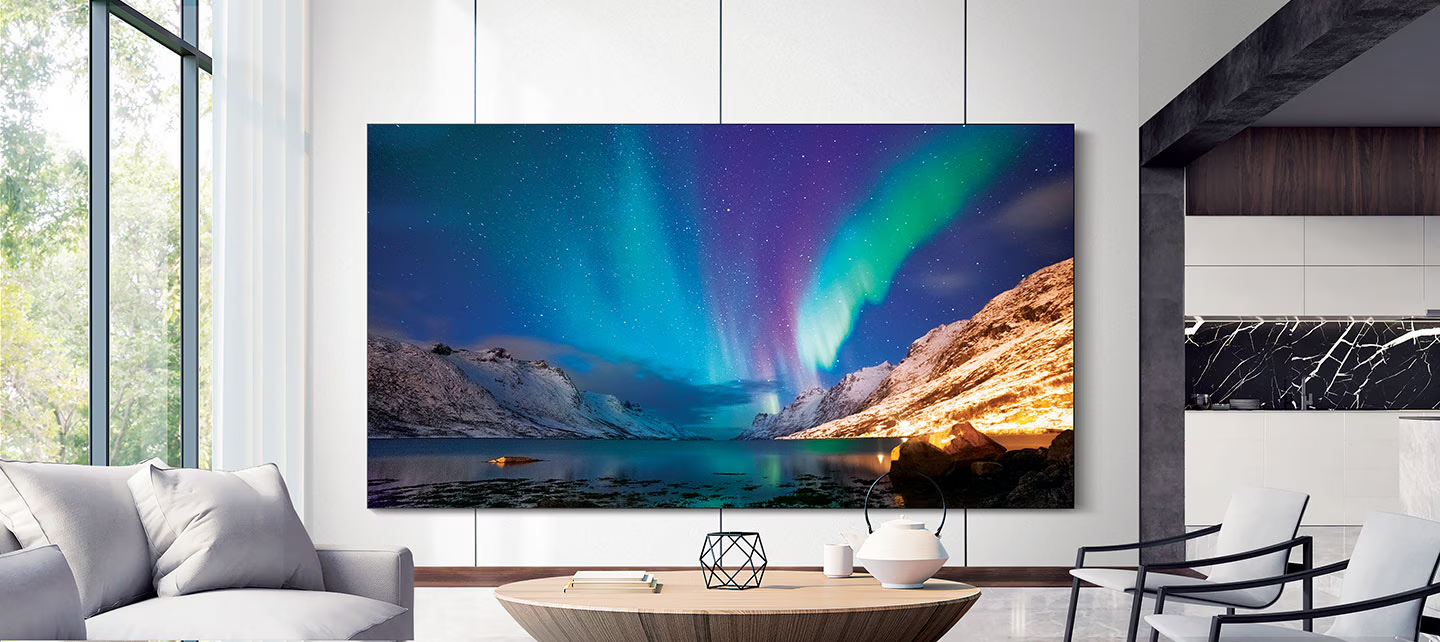
There are massive modular display walls like Samsung's The Wall and Sony's Crystal LED, aimed at commercial installations and ultra-high-end residential. Then there are professional reference displays costing tens of thousands of dollars.
The smallest MicroLED displays start around 79 inches and go up from there. These aren't desk monitors. They're room installations.
And they typically cost between $20,000 and $150,000 depending on size and pixel pitch. The speed advantages we discussed are real, but they're locked behind price and form factor barriers that make MicroLED irrelevant for most buyers.

OLED monitors, on the other hand, are everywhere. You can buy a 27-inch 1440p 240Hz QD-OLED for around $700. A 34-inch curved ultrawide runs $800 to $1000.
LG, Samsung Display, Alienware, ASUS, Dell, and MSI all offer competitive OLED gaming monitors. They're fast, they're affordable by premium standards, and they're available right now.
MicroLED will eventually become more accessible. Samsung and other manufacturers have announced plans for smaller, more affordable MicroLED displays. But the timeline stretches years into the future, and the cost reduction needed to compete with OLED at monitor sizes remains significant.
If you need a display today, OLED is your answer. If you're planning a luxury setup in 2028, MicroLED might finally be an option.
Common Mistakes People Make When Comparing These
The biggest mistake is treating response time as a single number. OLED panels show huge variation depending on which gray shade transition you're measuring. White-to-black might complete in 0.3 milliseconds while one dark gray to another dark gray takes 4 milliseconds.
A single advertised response time tells you almost nothing about real motion performance.
Another common error is confusing refresh rate with response time. A 480Hz display sounds twice as fast as a 240Hz display. But if the 480Hz panel has slower pixel transitions, the higher refresh rate just shows you more frames with more blur.
The effective motion clarity depends on both numbers working together.
People also overlook input lag in the display processing pipeline. A monitor's scaler, HDR tone mapping, and overdrive processing all add latency before the signal reaches the pixels. Two panels with identical response times can feel different if one has a scaler that adds 3 milliseconds of processing delay.
This is why professional monitor reviews measure end-to-end input lag rather than just pixel speed.
Burn-in behavior is frequently misunderstood too. Some buyers avoid OLED entirely because they fear burn-in. But with modern pixel shifting, screen savers, and panel care features, burn-in takes thousands of hours of static content to develop.
For mixed-use scenarios with varied content, burn-in risk is minimal. The gaming and video crowd generally doesn't need to worry.
Frequently Asked Questions
Is MicroLED response time slower than OLED?
Slightly, in most current measurements. OLED achieves 1 to 3 millisecond gray-to-gray transitions while MicroLED typically runs 0.5 to 2 milliseconds. The real-world difference is small enough that most users won't perceive it in casual use.
Does refresh rate matter more than response time?
Both matter. Refresh rate determines how many frames you see per second. Response time determines how clearly each frame appears.
A high refresh rate with slow response time still shows motion blur. A fast panel with low refresh rate misses frames. You need both to be good.
Can OLED burn-in affect response time?
Over very long periods, yes. Degraded pixels may respond slightly unevenly compared to fresh ones. This typically takes several years of heavy static content use to become noticeable.
For most users with varied content, this won't be a practical concern.
Will MicroLED replace OLED for gaming monitors?
Eventually, probably. But not soon. Current MicroLED technology is too expensive and too large for standard monitor applications.
When MicroLED reaches 27 to 32-inch sizes at consumer price points, it could replace OLED. That timeline likely extends to 2028 or later.
Which is better for HDR gaming?
MicroLED wins on brightness and longevity. OLED wins on current availability and price. If you want HDR gaming today, OLED is the practical choice.
If money and space are no object, MicroLED delivers a more impactful HDR experience with peak brightness exceeding 2000 nits.
Final Verdict: Which Should You Choose?
If raw motion clarity is your top priority and you're buying today, OLED is faster and more practical. The pixel response advantage is real, even if small, and you'll find excellent options across multiple price points and sizes.
MicroLED matches or comes very close on speed while offering zero burn-in risk and dramatically higher sustained brightness. But current products are large-format and expensive, making them impractical for most desk setups.
For competitive gamers, stick with a high-refresh OLED. For HDR enthusiasts with generous budgets and space, consider a MicroLED wall. For everyone else, OLED delivers the better overall experience right now while MicroLED continues its slow march toward consumer accessibility.

Similar Posts