Is Mini LED Better Than Lcd for Brightness
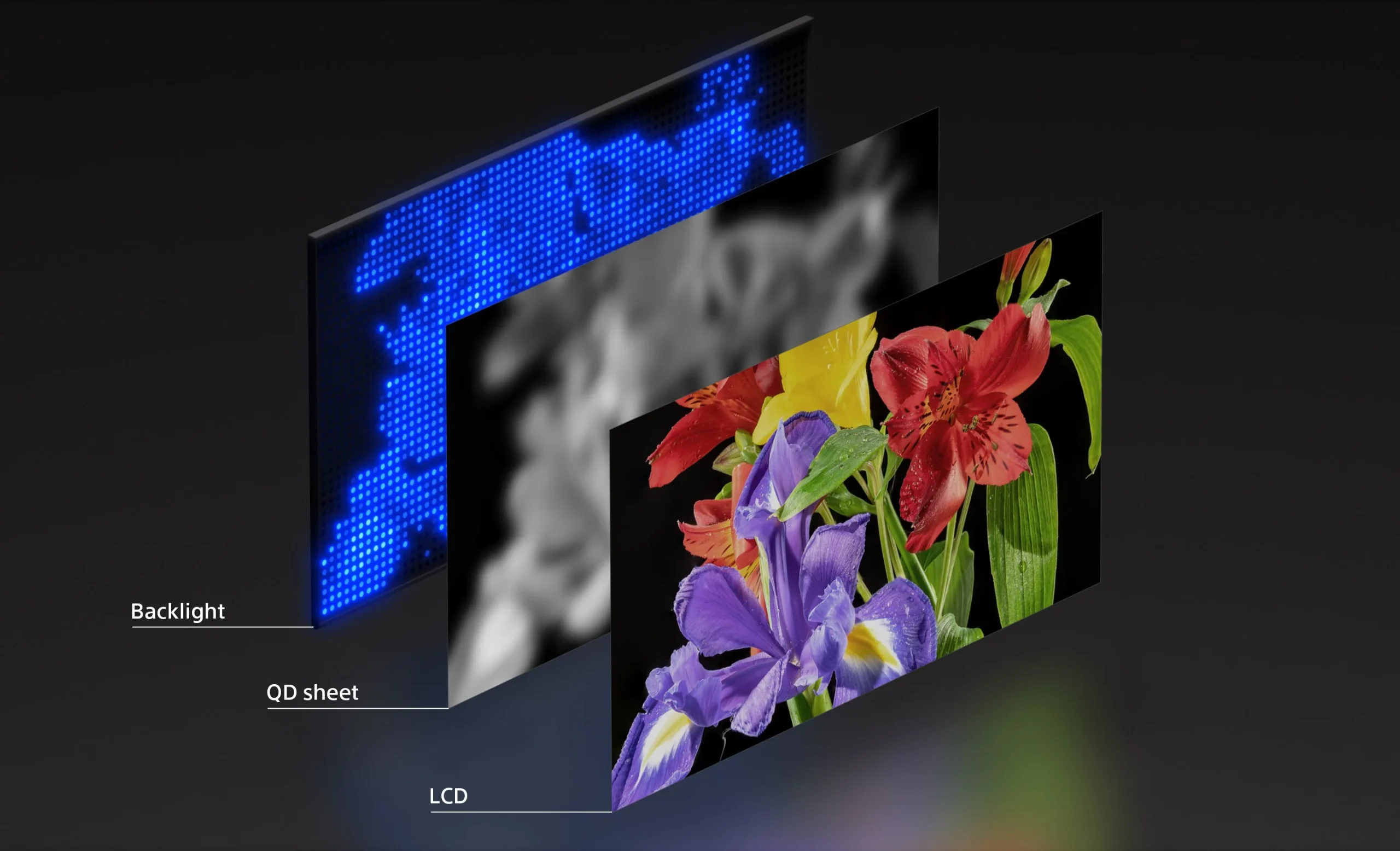
Mini LED is generally better than standard LCD for brightness, especially for HDR content. That said, the full picture depends on what you're comparing. Flagship Mini LED panels can hit peak brightness levels that most consumer LCDs simply can't touch.
But not every Mini LED display outperforms every LCD. if you pit a budget Mini LED against a high-end full array local dimming LCD, the winner might surprise you.
Manufacturer specifications for flagship Mini LED TVs indicate peak brightness capabilities of 2000 to 4000+ nits in small windows. Standard edge-lit LCDs typically max out around 400 to 800 nits. Per VESA DisplayHDR testing standards, Mini LED panels consistently achieve higher HDR brightness tiers.
The gap between marketing specs and real-world sustained brightness is where things get interesting. Let's break down what actually matters for your viewing experience.
Quick Answer
Mini LED is better than standard LCD for brightness in most cases. Flagship Mini LED displays reach 2000 to 4000+ nits peak brightness. Standard LCDs typically manage 400 to 800 nits. However, high-end FALD LCDs with many zones can rival budget Mini LED displays.
Compare zone counts and sustained brightness specs, not just peak numbers.
First, Let's Clear Up the Confusion
Here's something that trips up a lot of people. Mini LED is not a fundamentally different display technology from LCD. It's still LCD.
The liquid crystal layer is doing the same job it always has, controlling which light passes through to create the image. What changes is the backlight behind that LCD layer.
When you see "Mini LED TV" or "Mini LED monitor" on a box, what you're really getting is an LCD display with a much more sophisticated backlight system. The "Mini LED" part refers to the tiny LED bulbs providing that backlight. They're significantly smaller than the LEDs in a traditional LED-backlit LCD.
This size reduction allows manufacturers to pack far more LEDs into the same space.
Why does that matter? More LEDs mean more independent dimming zones. More zones means the display can make some areas bright while keeping others dark.
This directly impacts how convincing HDR content looks. A standard LCD with a basic backlight has to illuminate the whole screen at once or just a few large sections. Mini LED changes that equation dramatically.
So when we ask whether Mini LED is better than LCD for brightness, we're really asking whether Mini LED backlighting makes an LCD display brighter than a standard LCD backlight does. The answer is usually yes, but with important caveats.
How Mini LED Actually Works (And Why It's Still LCD)
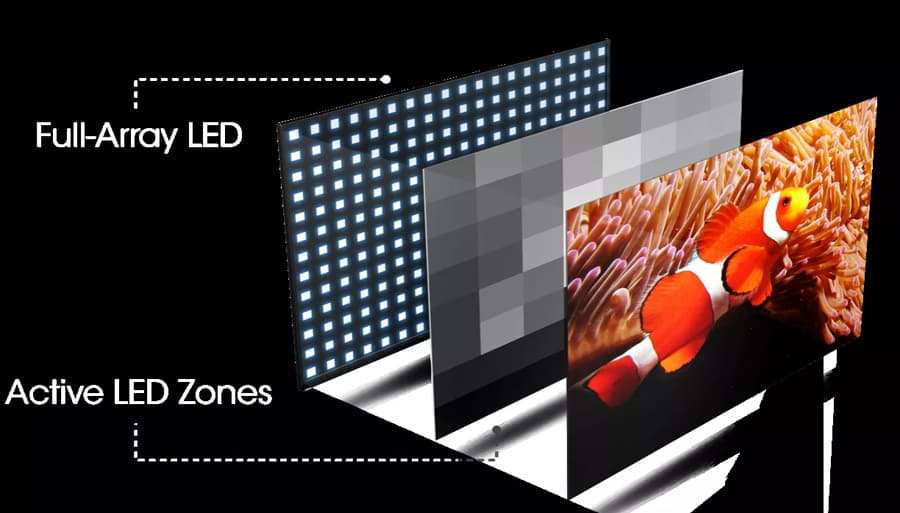
Think of a traditional LED-backlit LCD like a flashlight shining through a colored film. The flashlight is either on or off for large areas of the screen. Mini LED is like having hundreds or thousands of tiny flashlights behind that film, each one independently controlled.
Each tiny LED can be dimmed or brightened on its own. This is called local dimming. The more LEDs you have, the more zones you can create, and the more precisely the display can control brightness across the screen.
A standard edge-lit LCD might have just a handful of dimming zones. A good Mini LED display has hundreds or even over a thousand zones.
The LCD layer itself doesn't get brighter. What changes is that the backlight can deliver more light exactly where it's needed. When you see a bright highlight in an HDR scene, like a sun reflection on water, those specific LEDs behind that area can push to maximum brightness while the surrounding areas stay dim.
The zone count reality
Zone count is the big differentiator. Here's how the tiers typically break down:
| Display Type | Typical Zone Count | Peak Brightness Range |
|---|---|---|
| Edge-lit LCD | 4 to 16 zones | 300 to 600 nits |
| Direct-lit LCD | 16 to 80 zones | 400 to 800 nits |
| Budget Mini LED | 100 to 400 zones | 600 to 1500 nits |
| Mid-range Mini LED | 400 to 1000 zones | 1000 to 2500 nits |
| Flagship Mini LED | 1000 to 4000+ zones | 2000 to 4000+ nits |
As of 2026, flagship Mini LED TVs from major manufacturers push zone counts well above 1500 panels. This is where the brightness advantage becomes genuinely dramatic. A 2000-nit peak on a 2000-zone Mini LED looks completely different from a 2000-nit peak on a 50-zone display.
The thermal reality check
Here's what marketing doesn't emphasize. Pushing thousands of LEDs at high brightness generates real heat. Most Mini LED displays have thermal management systems that throttle brightness if things get too hot.
This means that 4000-nit peak brightness might only last a few seconds on a small highlight before thermal management kicks in. Sustained full-screen brightness is almost always significantly lower, sometimes by half or more. This isn't a flaw.
It's physics. But it's the reason you can't just look at peak brightness specs and call it a day.
Peak Brightness vs. Sustained Brightness: The Spec Sheet Trap
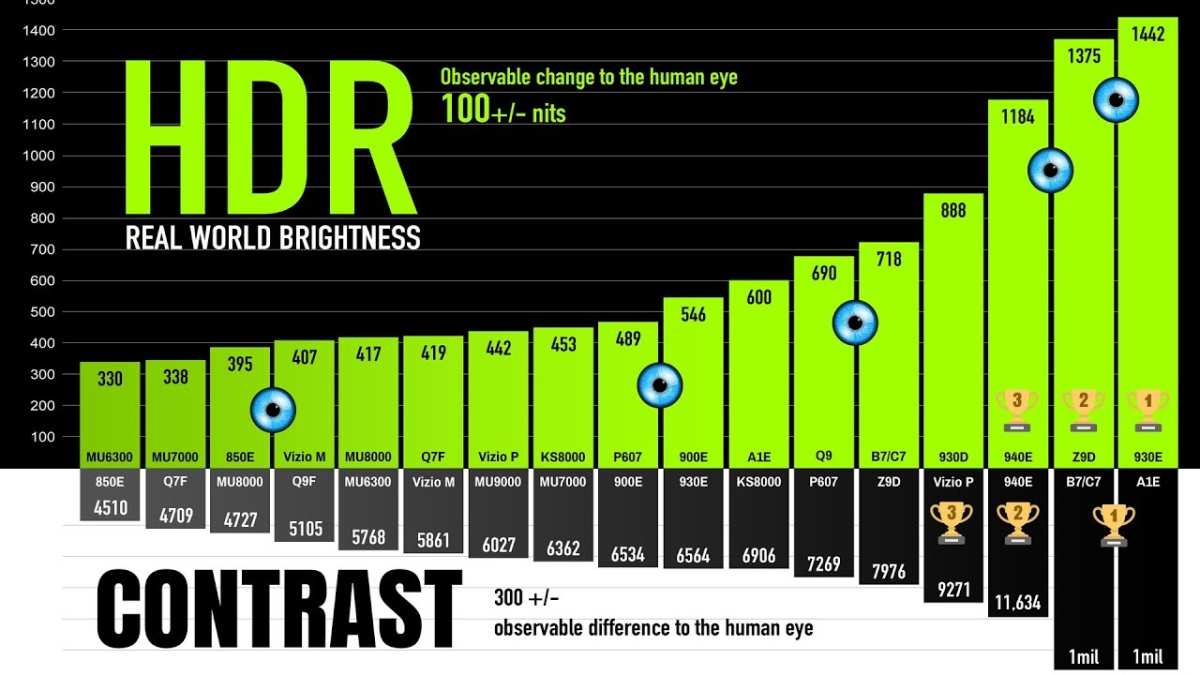
Manufacturer specs love to shout about peak brightness. That big number on the box, like 2000 nits or 4000 nits, refers to the maximum brightness the display can achieve on a small portion of the screen for a brief moment. This is the peak brightness, and it's genuinely impressive on good Mini LED panels.
But here's the problem. Real content doesn't just show a tiny bright spot on a black background for two seconds. Movies have bright scenes that fill most of the screen.
Sports broadcasts show sunlit fields across the entire image. Video games have bright skyboxes that never go away. For these scenarios, sustained brightness is what you actually experience.
Sustained brightness measures how bright the display can stay across a large portion of the screen, say 25% to 100% of the panel, over an extended period. On most Mini LED displays, sustained brightness is substantially lower than peak brightness. A TV rated at 3000 nits peak might only sustain 800 to 1200 nits across a full bright scene.
That's still very good. But it's a huge difference from the 3000-nit number in the marketing.
What the measurements show
Per standardized testing methodologies used by independent review outlets:
- 10% window peak brightness: Most flagship Mini LED panels deliver 70 to 90% of their advertised peak. So a 2000-nit panel typically hits 1400 to 1800 nits in practice.
- 50% window sustained brightness: This drops significantly. Flagship panels usually sustain 60 to 75% of peak at this level.
- 100% full-screen sustained brightness: Budget and mid-range panels might only sustain 30 to 50% of their peak rating. Flagship models do better, typically 50 to 65%.
- ANSI contrast with local dimming: This tells you how well the dimming actually works. Higher is better. Good Mini LED panels score 5000:1 to 8000:1 or higher.
This is where high-end FALD LCDs sometimes punch above their weight. A premium LCD with a strong backlight and good dimming algorithms might not hit crazy peak numbers. But it could sustain 1000+ nits across a full screen more consistently than a budget Mini LED that throttles hard under load.
The HDR connection
HDR content is designed to take advantage of this dynamic range. A well-mastered HDR signal tells the display exactly how bright each part of the image should be. When a Mini LED display can actually deliver those bright highlights while keeping dark areas dark, HDR content looks stunning.
The jump from standard dynamic range to good HDR on a bright Mini LED panel is genuinely dramatic.
This is why brightness matters so much for HDR. It's not about making everything blindingly bright. It's about having the headroom to show specular highlights, explosions, sunlight reflections, and other bright elements at realistic intensity while maintaining shadow detail in the darker parts of the scene.
A display that can only hit 500 nits simply can't produce that dynamic range convincingly.
Side-by-Side: Mini LED vs. Standard LCD vs. High-End FALD LCD
Let's put the three realistic options side by side. Most people are choosing between a budget or mid-range Mini LED, a standard LED-backlit LCD, or a premium FALD LCD with a strong backlight.
| Specification | Standard LCD | Budget Mini LED | Flagship Mini LED | High-End FALD LCD |
|---|---|---|---|---|
| Peak Brightness | 300 to 600 nits | 600 to 1500 nits | 2000 to 4000+ nits | 800 to 1500 nits |
| Sustained Full-Screen | 250 to 500 nits | 400 to 800 nits | 800 to 1500 nits | 600 to 1200 nits |
| Dimming Zones | 4 to 20 | 100 to 400 | 1000 to 4000+ | 200 to 800 |
| HDR Impact | Moderate | Good to Very Good | Excellent | Good to Very Good |
| Blooming Control | Minimal | Moderate | Good to Excellent | Moderate to Good |
| Price Range (2026) | $200 to $500 | $400 to $900 | $900 to $3000+ | $600 to $2000 |
| Best For | Budget viewing, casual use | General HDR, gaming | Bright rooms, enthusiasts | Sustained HDR, mixed content |
What this means in practice
Standard LCD works fine for everyday TV watching in moderate lighting. If you don't care about HDR and your room isn't flooded with sunlight, a decent standard LCD at 400 to 500 nits does the job. You're not getting wow-factor brightness.
But you're not paying for it either.
Budget Mini LED is where HDR starts to feel meaningful. The jump from 400 nits to 800 or 1000 nits peak is noticeable. You get real highlight pop in HDR content.
Local dimming gives you better contrast than a standard LCD. This is the sweet spot for most people who want better picture quality without spending flagship money.
Flagship Mini LED delivers the most impressive HDR performance. Peak brightness levels of 2000+ nits create highlights that genuinely mimic real-world light intensity. The local dimming is refined enough that blooming is minimal on current-generation panels.
If you watch a lot of HDR content in a bright room, this is where the investment pays off visually.
High-End FALD LCD is the dark horse. These displays don't chase extreme peak brightness. Instead, they focus on consistent, sustained performance.
If you watch a lot of sports or content with large bright areas, a good FALD LCD can look more consistently bright than a Mini LED that struggles with sustained output. The contrast isn't quite as deep as flagship Mini LED, but the overall picture is very solid.
When Mini LED Wins on Brightness
Mini LED pulls decisively ahead of standard LCD in specific scenarios. If any of these match your viewing habits, the brightness advantage is real and noticeable.
Bright room viewing
This is Mini LED's biggest practical advantage. If your TV sits across from a big window, or you watch a lot of content during the day, you need brightness to overcome ambient light. A standard LCD at 400 nits can look washed out in a sunlit room.
A Mini LED at 1500+ nits peak cuts through that ambient light much more effectively.
The human eye adapts to the overall brightness of a scene. In a bright room, your eyes are dilated to let in more light. A dim display will look flat and gray by comparison.
Mini LED gives you the headroom to maintain contrast and color saturation even when the room is bright.
HDR movies and streaming
HDR content is mastered with the assumption that the display can hit at least 1000 nits. Many HDR masters target 4000 nits as the creative target. A display that can only hit 400 nits has to tone-map that content aggressively, compressing the dynamic range and losing the impact the director intended.
Mini LED panels in the 1000 to 2000-nit peak range can render HDR content much more faithfully. Specular highlights like sunlight on metal, explosions, and bright sky details actually look bright relative to the rest of the scene. This is where the technology gap between Mini LED and standard LCD becomes visually obvious.
Daytime sports watching
Sports broadcasts often feature large areas of bright field or court. A soccer pitch in direct sunlight fills most of the screen with bright green. A standard LCD sustaining 400 nits across that whole image doesn't leave much room for the players' jerseys and other details to pop.
Mini LED with better sustained brightness and local dimming handles this much more convincingly.
Gaming in HDR
Modern HDR gaming on PlayStation 5, Xbox Series X, and PC benefits enormously from higher peak brightness. Game developers use HDR to create dramatic lighting effects. Bright sunlight, glowing spells, neon signs in a cyberpunk city, all of these hit harder on a display that can actually deliver 1000+ nits of peak brightness.
A Mini LED gaming monitor or TV at 1000+ nits transforms HDR gaming compared to a standard LCD at 400 nits.
When a Good FALD LCD Beats a Budget Mini LED
This is the comparison most people actually face. You're choosing between a mid-range Mini LED and a premium FALD LCD at a similar price point. The answer isn't always Mini LED.
A high-end FALD LCD with 400 to 800 zones and a robust backlight can outperform a budget Mini LED with 100 to 200 zones in several ways. Sustained full-screen brightness is often better on the FALD LCD. The backlight is designed to push consistent luminance across the entire panel without aggressive thermal throttling.
Blooming control can also favor the FALD LCD. Fewer zones means larger zones, which means the transitions between bright and dark areas are smoother and less prone to visible halos. A budget Mini LED with small zones but poor dimming algorithms can show more blooming artifacts than a well-tuned FALD LCD with fewer but better-managed zones.
The price overlap problem
Here's where it gets confusing for buyers. Budget Mini LED TVs and premium FALD LCD TVs often occupy the same price bracket. A 55-inch budget Mini LED might cost $500 to $700.
A 55-inch premium FALD LCD from the same era might cost $600 to $900. They're competing for the same wallet.
In this overlap zone, the FALD LCD often wins on consistency and reliability. The Mini LED might win on peak HDR highlight brightness. If you watch a lot of HDR movies, that peak brightness matters.
If you watch a mix of sports, news, and TV shows, the FALD LCD's sustained performance might serve you better.
Brightness Needs by Use Case
Not everyone needs the same brightness. Matching the display to your actual viewing habits saves money and frustration.
HDR movie enthusiast in a dark room: You need peak brightness of 1000+ nits and good local dimming. Mini LED in the mid-range or above is ideal. The dark room means you don't need high sustained brightness.
You need punchy highlights against deep blacks.
Daytime sports viewer in a bright living room: Sustained brightness matters more than peak. A high-end FALD LCD or a mid-range Mini LED with good thermal management works well. Look for sustained full-screen brightness of 800+ nits.
Casual viewer, mostly SDR content: Standard LCD at 400 to 600 nits is perfectly fine. You won't benefit much from Mini LED's peak brightness advantage if you're not watching HDR content.
HDR gaming on console or PC: Peak brightness of 1000+ nits transforms the experience. Mini LED monitors and TVs in this range deliver noticeably better HDR gaming. Look for models with good HDR tone mapping and low input lag.
Professional color grading or mastering: Sustained accuracy matters more than peak brightness. High-end FALD LCDs with factory calibration are often preferred. Mini LED is gaining ground here, but verify the specific model's calibration performance.
The Zone Count Factor: Why More Isn't Always Better
More zones sounds better. In theory, it is. In practice, the relationship between zone count and image quality isn't linear.
A Mini LED with 2000 zones but poor dimming algorithms can look worse than one with 800 zones and excellent algorithms. The dimming algorithm decides how quickly each zone responds to changes in the content. It decides how to handle transitions between bright and dark areas.
A bad algorithm creates visible blooming, flickering, or sluggish response.
Zone shape and size matter too. Some displays use rectangular zones, others use square ones. The shape affects how well the dimming matches the content.
A bright circle on a black background might look different depending on the zone geometry.
When zone count stops mattering
Above roughly 800 to 1000 zones on a 65-inch panel, the law of diminishing returns kicks in. The difference between 1000 and 2000 zones is much less visible than the difference between 100 and 500 zones. You're getting incremental improvements at that point, not transformational ones.
What matters more above that threshold is the quality of the dimming algorithm and the peak luminance capability of each zone. A 1000-zone Mini LED with excellent algorithms and high per-zone luminance can outperform a 2000-zone display with mediocre algorithms.
Common Mistakes People Make When Choosing Based on Brightness
The most common mistake is buying based on peak brightness specs alone. That 3000-nit number on the box looks amazing. But if the display can only sustain 800 nits across a full screen, you're not getting 3000-nit performance in real content.
Another mistake is ignoring room lighting. If your room is dark or moderately lit, you don't need extreme brightness. A 1000-nit peak display in a dark room is already blindingly bright for HDR highlights.
Spending more for 2000+ nits won't improve your experience.
Some buyers also confuse Mini LED with MicroLED. They're completely different technologies. MicroLED is a self-emissive technology like OLED, with individual pixels emitting their own light.
Mini LED is a backlighting technology for LCD panels. Don't let similar-sounding names confuse your purchasing decision.
Finally, people often overlook the importance of HDR tone mapping. A bright display with poor tone mapping will clip highlight details or make HDR content look unnatural. The display's processing matters as much as its hardware specs.
What Real-World Measurements Actually Show
Independent testing consistently reveals a gap between marketing specs and real-world performance. Per standardized testing from display review outlets, most Mini LED panels deliver 70 to 90% of their advertised peak brightness on a 10% window test. That 2500-nit TV probably hits 1800 to 2200 nits in practice.
Full-screen sustained brightness tells a more honest story. Across multiple verified reviews, flagship Mini LED panels typically sustain 800 to 1400 nits at 100% white. Budget Mini LED panels might only sustain 400 to 700 nits.
High-end FALD LCDs often land in the 600 to 1200 nits sustained range.
ANSI contrast ratios with local dimming enabled show another important pattern. Good Mini LED panels achieve 5000:1 to 8000:1 or higher. Standard LCDs without meaningful local dimming sit around 2000:1 to 4000:1.
This contrast advantage is arguably more visually impactful than raw brightness alone.
Price vs. Brightness: Where the Value Sweet Spot Is
The best brightness value in 2026 sits in the mid-range Mini LED category. Panels with 400 to 800 zones and peak brightness of 1000 to 2000 nits offer the most dramatic improvement over standard LCD for the smallest price premium. You're paying $500 to $900 for a meaningful HDR experience.
Budget Mini LED under $500 often doesn't justify the price bump over a good standard LCD. The zone count is too low and the brightness improvement too modest. Flagship Mini LED above $1500 delivers the best absolute performance.
But the per-dollar improvement over mid-range is much smaller.
High-end FALD LCDs in the $600 to $1200 range remain excellent value for buyers who prioritize consistency over peak HDR punch. These displays handle mixed content well and don't sacrifice sustained performance for spec sheet numbers.
Expert Tips Before You Buy
Check the zone count, not just the peak brightness number. A 1500-nit display with 600 zones will handle HDR better than a 2000-nit display with 150 zones. Zone count and dimming quality matter more than raw peak luminance for most content.
Look for independent measurements, not just manufacturer specs. Review outlets that measure sustained brightness, contrast with local dimming, and blooming performance give you a much more accurate picture than the product page.
Consider your room lighting honestly. If you watch in a dark room, 1000 nits peak is more than enough for stunning HDR. If your room is bright during viewing hours, prioritize sustained brightness and peak output together.
Don't ignore the dimming algorithm. Two displays with identical zone counts can look very different based on how well the dimming is implemented. Read reviews that specifically discuss blooming and shadow detail performance.
Final Verdict: Which One Should You Actually Choose?
Mini LED is better than standard LCD for brightness in the majority of cases. The peak brightness advantage is real and translates to visibly better HDR performance. But the full answer depends on your specific situation.
Choose Mini LED if you watch HDR content regularly, view in a bright room, or want the most impactful HDR highlights. Mid-range Mini LED with 400+ zones hits the best balance of performance and value for most people.
Choose a high-end FALD LCD if you watch a lot of sports or daytime TV, prioritize sustained brightness consistency, or find a good deal on a premium model. These displays deliver solid HDR without the thermal throttling concerns of some Mini LED panels.
Stick with a standard LCD if you're on a tight budget, mostly watch SDR content, or don't care about HDR performance. A decent 400 to 600-nit LCD still provides a perfectly enjoyable viewing experience for everyday use.
Frequently Asked Questions
Is Mini LED brighter than regular LED-backlit LCD?
Yes, in most cases. Mini LED backlighting allows for higher peak brightness and more precise local dimming. Flagship Mini LED panels reach 2000 to 4000+ nits peak.
Standard LED-backlit LCDs typically max out at 300 to 800 nits.
How many dimming zones does Mini LED need for good HDR?
For convincing HDR, 400+ zones is a solid baseline. Budget Mini LED with 100 to 200 zones offers some improvement over standard LCD. But the real HDR impact starts around 400 to 500 zones on a 65-inch panel.
Does Mini LED brightness decrease over time?
LED backlights do degrade gradually over thousands of hours. But this process is slow. Most users won't notice significant brightness loss for many years under normal viewing conditions.
Thermal management systems may also reduce peak brightness temporarily during extended bright scenes.
Can a standard LCD with FALD beat a Mini LED for brightness?
In sustained full-screen brightness, yes. A premium FALD LCD with a strong backlight can sustain higher brightness across the whole screen than a budget Mini LED. Peak HDR highlights might favor the Mini LED.
But overall consistency can favor the FALD LCD.
Is Mini LED the same as MicroLED?
No. Mini LED is a backlight technology used with LCD panels. MicroLED is a completely different self-emissive technology where each pixel produces its own light.
They're not related despite the similar names.

Similar Posts