Is Microled Worth It Compared to OLED
If you've been eyeing the next big thing in TV technology, you've probably asked yourself: is MicroLED worth it compared to OLED? It's a fair question, especially when you see the price tags floating around. The short answer depends on your room, your budget, and how much you care about having the absolute latest tech on your wall.
OLED has been the gold standard for picture quality for years, and it's only gotten better with QD-OLED panels pushing brightness higher. MicroLED promises even more brightness, no burn-in risk, and modular sizes that OLED simply can't match. But as of 2026, that promise comes at a cost that puts it out of reach for most households.
Let's break down exactly where each technology wins, where it falls short, and which one actually makes sense for you.
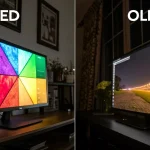
Image source: Bing (Web (fair-use with source credit))
Quick Answer
MicroLED is not worth it for most people right now. OLED delivers comparable picture quality at a fraction of the cost. MicroLED makes sense only for very large installations or bright commercial spaces.
For typical living rooms and home theaters, OLED remains the smarter buy.
Why This Comparison Actually Matters Right Now
We're at an interesting point in display technology. OLED has matured into a reliable, widely available option with prices that keep dropping. Meanwhile, MicroLED is finally moving from trade-show concept to actual consumer product, but it's still firmly in the luxury category.
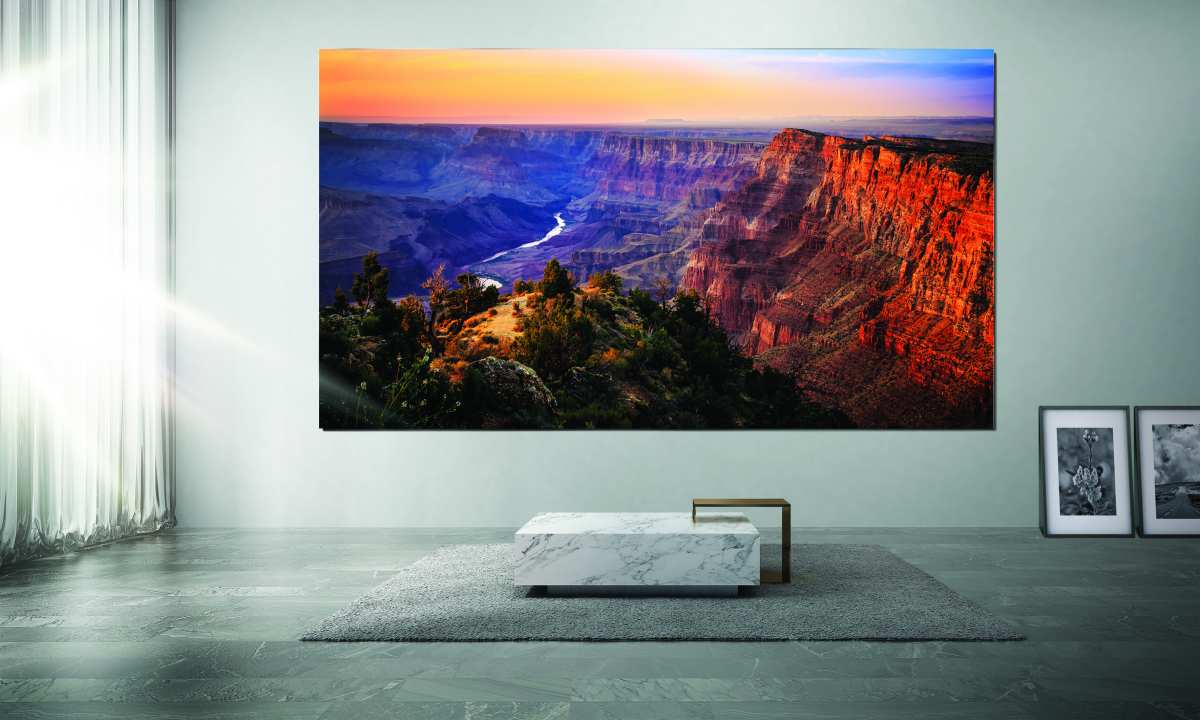
Samsung's 110-inch MicroLED TV exists. You can buy one. But you'll spend more on that single TV than most people spend on their entire living room setup.
LG's OLED lineup, on the other hand, spans from 42 inches all the way up to 97 inches, with prices that start around $1,200 for a 55-inch model.
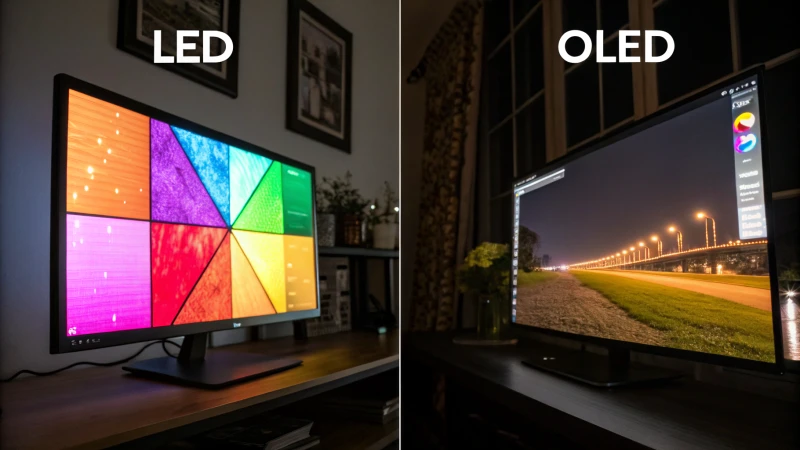
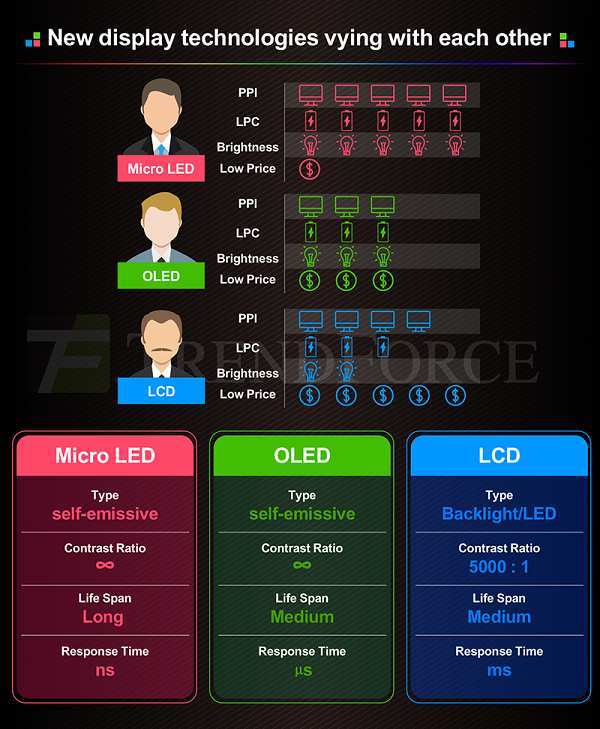
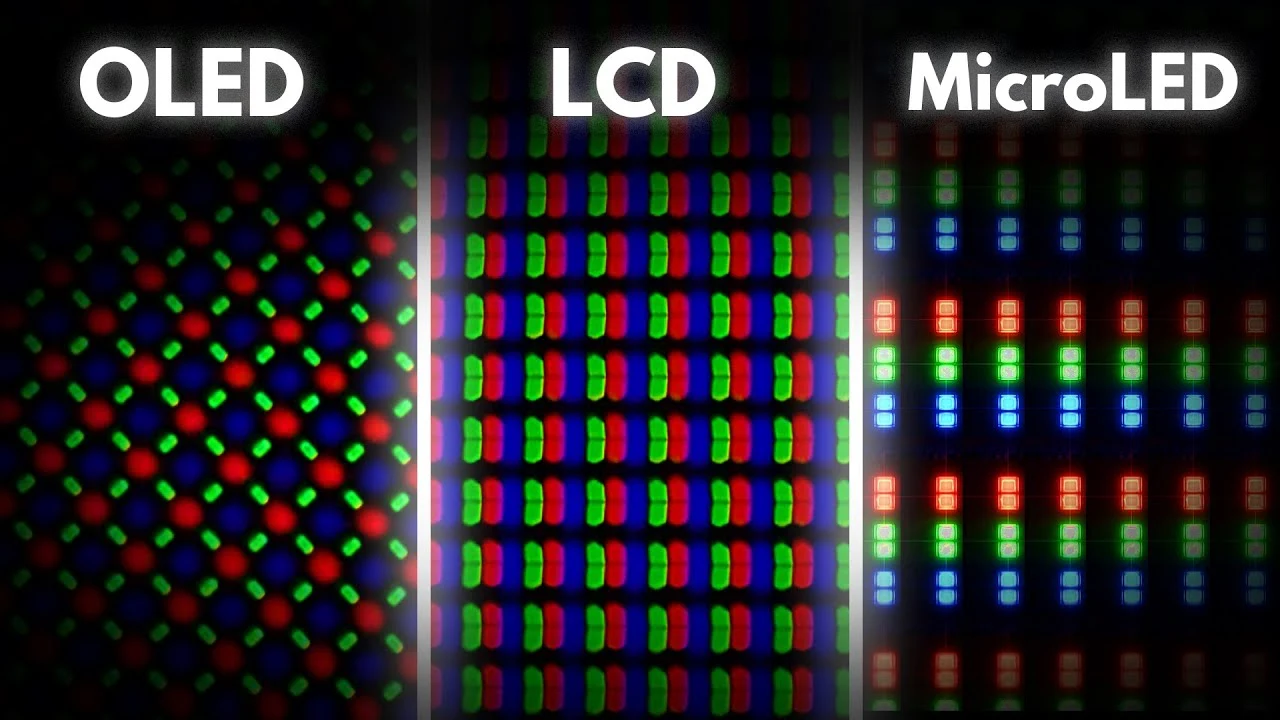
The reason this comparison matters is that both technologies share a key feature: self-emissive pixels. Unlike traditional LED-LCD TVs that use a backlight, both MicroLED and OLED light each pixel independently. That means perfect blacks, infinite contrast, and no blooming around bright objects on dark backgrounds.
The differences come down to how those pixels are made and what trade-offs each approach brings.
The Quick Answer: Is MicroLED Worth the Money Over OLED?
For the vast majority of buyers, no. OLED gives you 90% of the MicroLED experience at 10% of the price. The picture quality difference in a normal viewing environment is smaller than you'd expect from the cost gap.
MicroLED earns its premium in specific scenarios. If you're building a massive display wall, need extreme brightness for a sun-drenched room, or want a screen larger than 100 inches without compromise, MicroLED starts to make sense. For everyone else, OLED is the better value by a wide margin.
How MicroLED and OLED Actually Work (And Why It Matters)
Understanding the basic technology helps explain why these two look similar but perform differently.
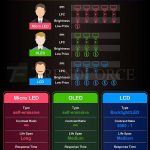
OLED uses organic compounds that emit light when electricity passes through them. Each pixel generates its own light and can turn off completely for true black. The organic material is what creates the burn-in risk over time, since those compounds degrade with use.
LG Display's WOLED panels use a white OLED subpixel with a color filter, while Samsung Display's QD-OLED uses blue OLED material with quantum dot color conversion for wider color gamut.
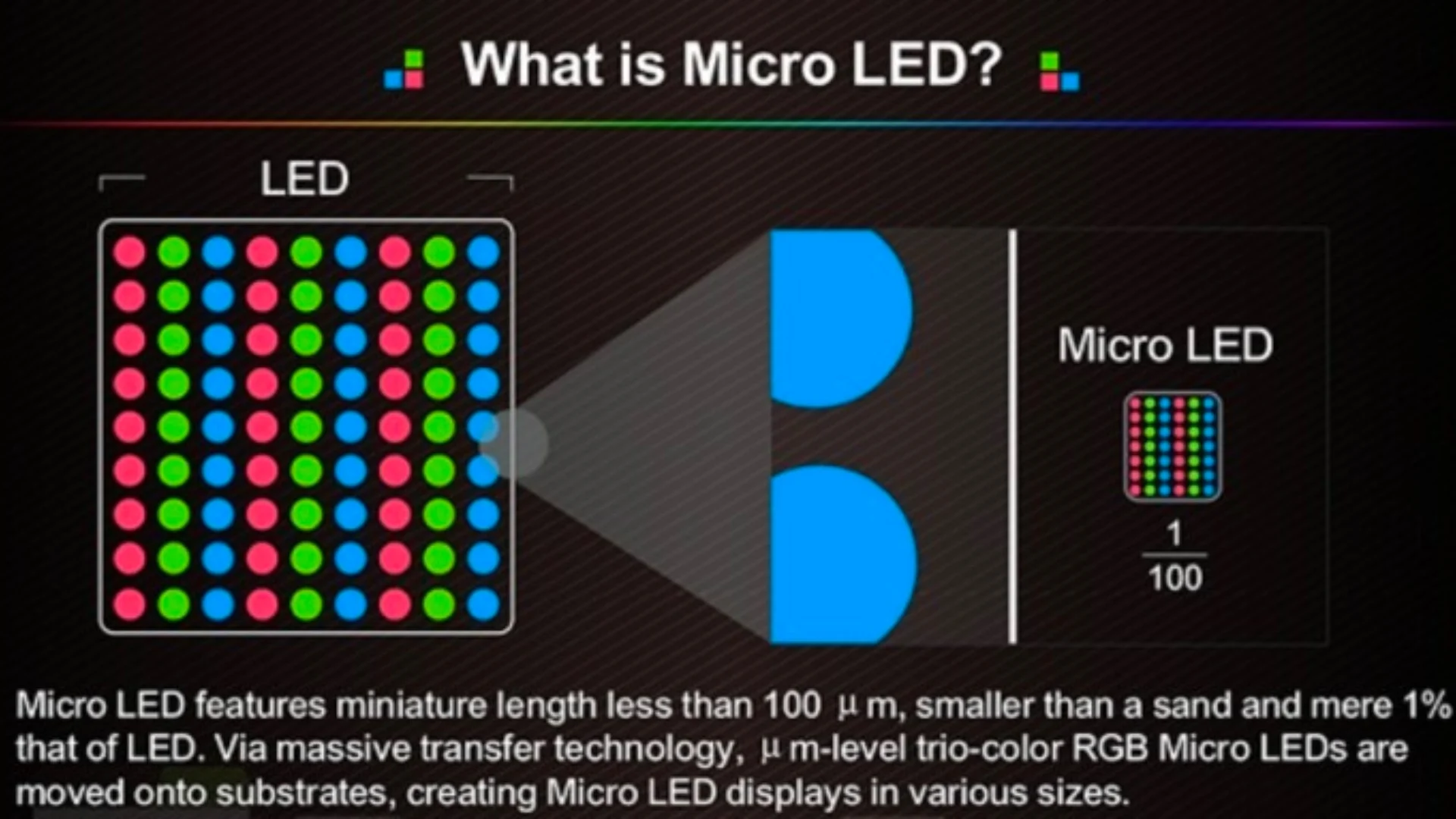
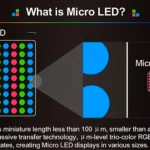
MicroLED uses tiny inorganic gallium nitride LEDs, the same basic material found in standard LED lighting but shrunk down to microscopic size. Each red, green, and blue MicroLED chip is its own light source. Because the material is inorganic, it doesn't degrade the way organic compounds do.
That means no burn-in and a longer theoretical lifespan.
The manufacturing challenge with MicroLED is picking and placing millions of these microscopic LEDs onto a substrate with perfect precision. Yield rates improve every year, but the process remains expensive and difficult to scale. That's the primary reason MicroLED costs so much more than OLED right now.
MicroLED vs OLED: Side-by-Side Breakdown
Here's where things get practical. Let's look at how these technologies stack up across the factors that actually affect your viewing experience.
Picture Quality and Real-World Viewing
Both technologies deliver perfect blacks because each pixel turns off completely. In a dark room, the difference is nearly impossible to spot. OLED has a slight edge in near-black handling on some content, where its organic pixels can transition more smoothly through the darkest shades.
Color performance favors QD-OLED in most current comparisons, covering around 90% of the Rec. 2020 color space. MicroLED covers a wide gamut too, but the current consumer implementations don't dramatically exceed what the best QD-OLED panels achieve.
Viewing angles are excellent on both. You won't see significant color shift when watching from off-center positions with either technology.
Brightness, HDR, and Room Conditions
This is where MicroLED pulls ahead measurably. Current MicroLED displays push peak brightness around 2,000 to 4,000 nits, while even the best QD-OLED panels top out around 1,500 nits in small window measurements. Full-screen brightness tells a similar story, with MicroLED maintaining higher sustained output.
For a bright room with lots of ambient light, that extra brightness helps HDR content pop and keeps the image looking vivid. OLED handles bright rooms fine in most cases, but direct sunlight hitting the screen is where you'll notice the gap.
In a controlled lighting environment or dedicated theater room, the brightness advantage matters less. OLED's perfect contrast carries the image beautifully without needing extreme peak output.
Lifespan, Burn-In Risk, and Long-Term Durability
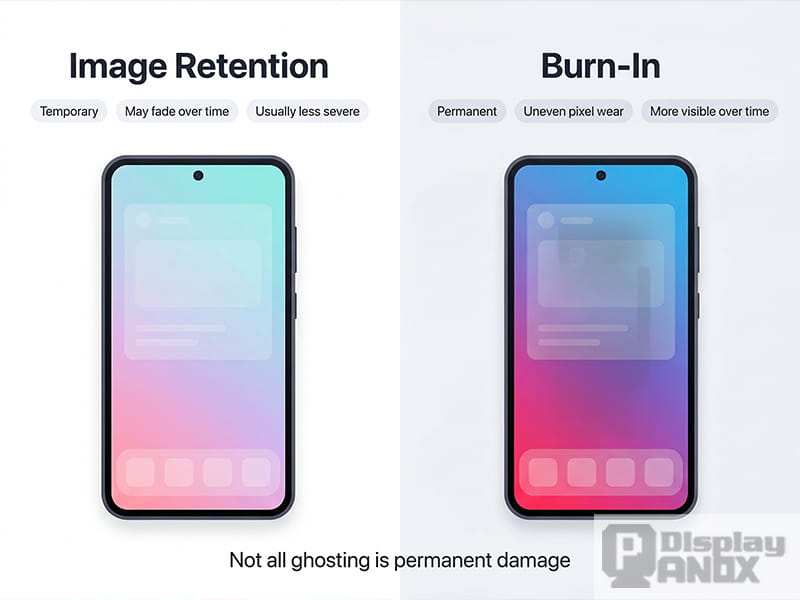
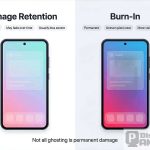
MicroLED wins on paper here. The inorganic LEDs don't suffer from the organic degradation that causes OLED burn-in. Static elements like news tickers, channel logos, and gaming HUDs can permanently etch into an OLED panel over thousands of hours of cumulative exposure.
That said, modern OLED panels include pixel shift algorithms, logo dimming, and panel refresh cycles that significantly reduce burn-in risk. Most users who vary their content won't encounter issues within the TV's useful life. Heavy users who watch the same news channel eight hours a day or play the same game with a static HUD for years are the ones who need to pay attention.
MicroLED's longer lifespan and zero burn-in risk make it the clear choice for commercial applications like digital signage, control rooms, and any environment where static content displays for extended periods.
Size, Design, and Installation Reality
OLED comes in fixed panel sizes: 42, 48, 55, 65, 77, 83, and 97 inches are the current consumer options. The panels are remarkably thin, often under a quarter inch for the display portion, and lightweight enough for simple wall mounting.
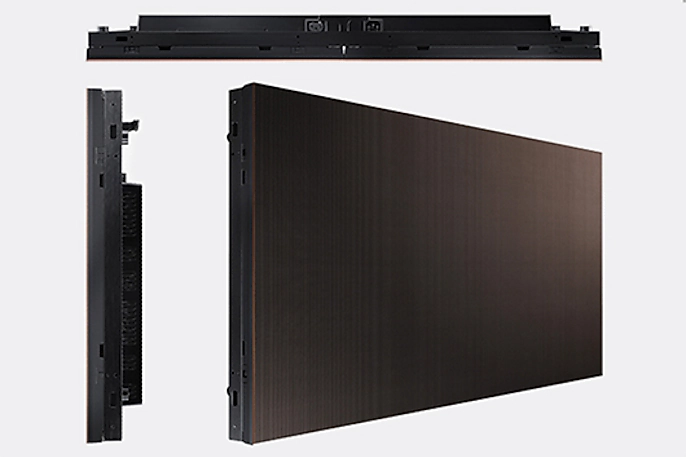
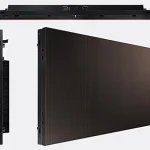
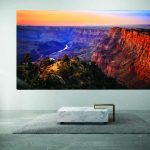
MicroLED is modular. Samsung's The Wall system uses individual cabinet modules that tile together to create displays of virtually any size and aspect ratio. Want a 146-inch diagonal?
A 219-inch wall? A custom 21:9 ultrawide cinema display? MicroLED can do it.
The trade-off is installation complexity. MicroLED requires professional installation, structural assessment for the weight, and careful module alignment. The panels are thicker than OLED, and the overall system demands more planning.
It's closer to a construction project than a TV purchase.
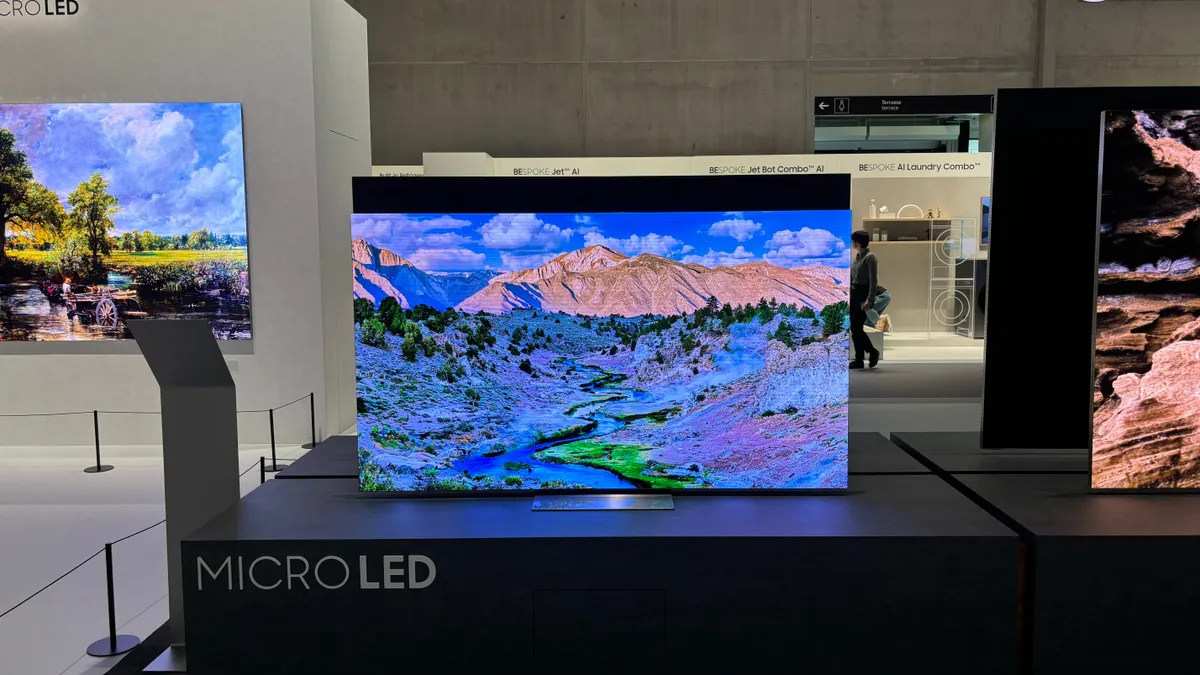
Image source: Bing (Web (fair-use with source credit))
What MicroLED and OLED Actually Cost
Let's talk numbers, because this is where the comparison becomes stark.
| Display Type | Size | Approximate Price Range |
|---|---|---|
| LG OLED C4 | 55 inches | $1,200 – $1,400 |
| LG OLED G4 | 65 inches | $2,000 – $2,500 |
| LG OLED G4 | 77 inches | $2,800 – $3,500 |
| Samsung S95D QD-OLED | 65 inches | $2,000 – $2,300 |
| LG OLED G4 | 83 inches | $3,500 – $4,500 |
| LG OLED | 97 inches | $15,000 – $25,000 |
| Samsung MicroLED | 110 inches | $100,000+ |
| Samsung MicroLED (commercial) | 146+ inches | $150,000 – $500,000+ |
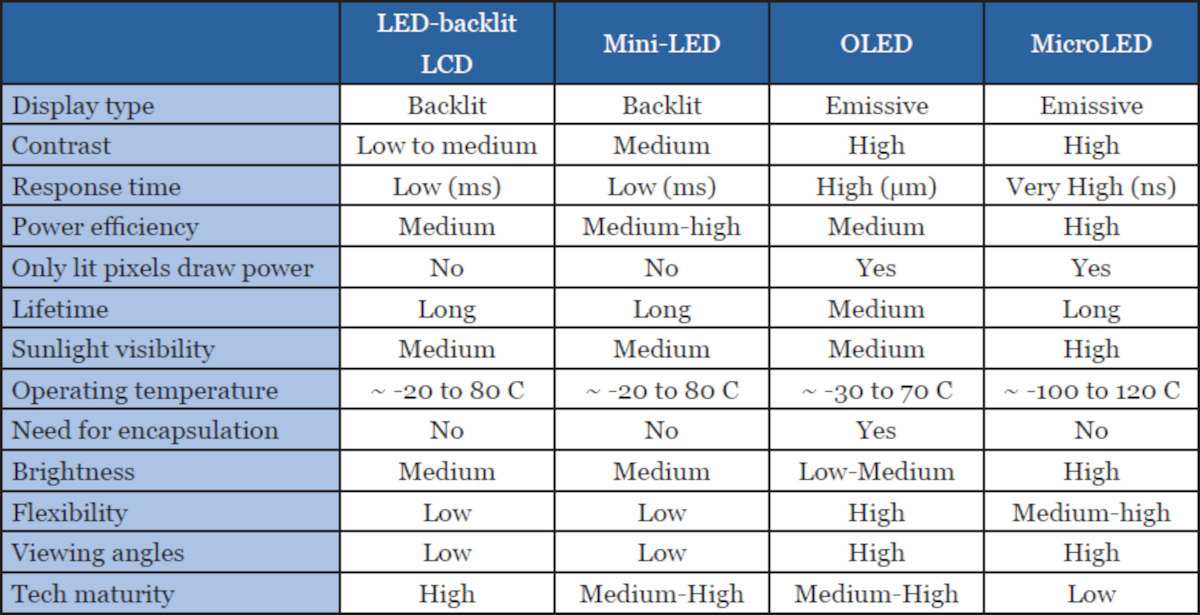
Image source: Bing (Web (fair-use with source credit))
The pricing gap is enormous. You could buy a top-tier 77-inch OLED and still have enough left over for a premium soundbar, a 4K Blu-ray player, and a game console for the cost of a single 110-inch MicroLED.
Commercial MicroLED pricing varies wildly based on pixel pitch, size, and installation requirements. A large corporate lobby display can easily run into six figures. That's a fundamentally different market than consumer TV buying.
Best Choice for Each Use Case
Rather than declaring one technology the winner, let's match each option to the situation where it makes the most sense.
Bright Living Room with Lots of Windows
Winner: MicroLED (if budget allows), otherwise high-end OLED.
If your room gets direct sunlight and you're choosing between a MicroLED and an OLED at the same size, MicroLED's brightness advantage is noticeable. But a QD-OLED like the Samsung S95D or LG G4 handles bright rooms well enough for most people. Only go MicroLED here if money isn't a concern and you want the absolute best performance in challenging light.
Dedicated Home Theater or Dark Room
Winner: OLED.
In a light-controlled room, OLED's perfect blacks and pixel-level dimming create a stunning image. The brightness advantage of MicroLED is wasted in a dark environment. A 77-inch or 83-inch LG G4 or Sony A95L will give you a reference-quality theater experience at a fraction of MicroLED's cost.
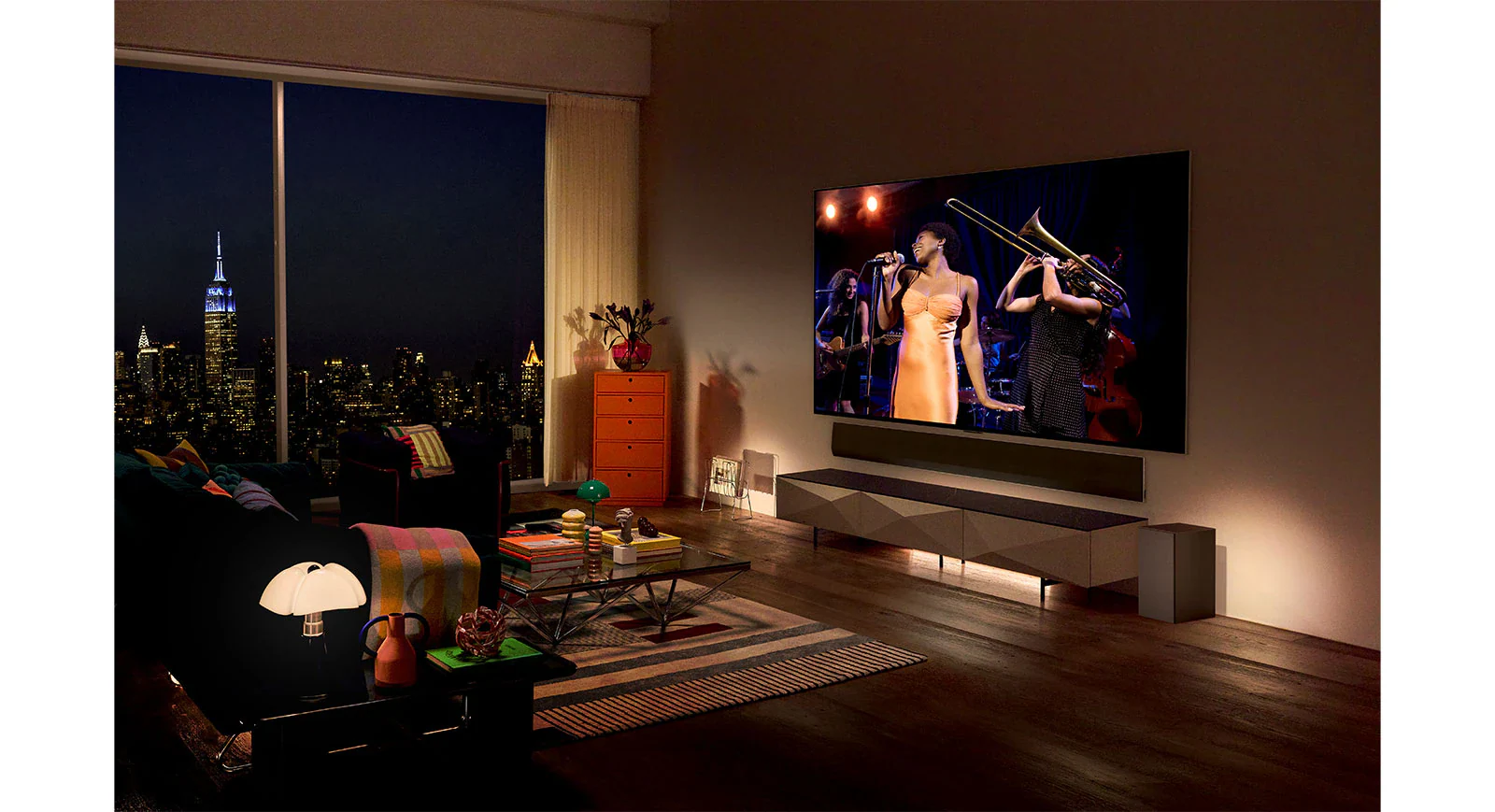
Image source: Bing (Web (fair-use with source credit))
Gaming Setup
Winner: OLED for most gamers.
Both technologies offer fast response times and support HDMI 2.1 features like 4K at 120Hz and VRR. OLED's near-instantaneous pixel response gives it a slight edge in motion clarity. The burn-in concern is real for gamers who play the same title with a static HUD for thousands of hours, but for varied gaming use, modern OLED handles it well.
MicroLED's zero burn-in risk is theoretically better for extreme gaming use cases, but the cost premium is hard to justify for this alone.
Commercial or Statement Installation
Winner: MicroLED.
For lobbies, showrooms, museums, or any space where a massive, bright, durable display is needed, MicroLED is the clear choice. The modular sizing, brightness, and lack of burn-in make it purpose-built for these applications. This is where the technology genuinely earns its premium.
Budget-Conscious Premium Buyer
Winner: OLED, no contest.
If you want the best picture quality per dollar, OLED is the answer. A 65-inch LG C4 or Samsung S95D delivers a stunning HDR experience for around $1,500 to $2,000. That's extraordinary value compared to anything MicroLED offers at consumer scale.
Common Mistakes People Make When Choosing
A few pitfalls come up regularly in this comparison.
Assuming MicroLED looks dramatically better. In a typical living room at normal viewing distances, most people can't reliably distinguish MicroLED from a high-end OLED in a blind comparison. The spec sheet looks impressive, but the real-world difference doesn't match the price gap.
Ignoring room conditions. Buying a MicroLED for a dark home theater is a waste of its brightness advantage. Conversely, putting an OLED in a room with floor-to-ceiling west-facing windows and expecting it to compete with daylight is setting yourself up for disappointment.
Overestimating OLED burn-in risk. Yes, it's a real phenomenon. But for normal mixed use, modern OLED panels are far more resilient than earlier generations. Pixel management features work well.
Most buyers will upgrade their TV before burn-in becomes a visible issue.
Underestimating MicroLED installation requirements. This isn't a TV you unbox and put on a stand. It requires professional installation, potential wall reinforcement, electrical planning, and ongoing service access. Factor those costs into your budget.
Waiting for MicroLED prices to drop to OLED levels. Manufacturing improvements will bring costs down over time, but MicroLED uses fundamentally more expensive materials and processes than OLED. It will likely always carry a premium. The question is how large that premium becomes over the next five to ten years.
What to Expect From MicroLED in the Next Few Years
The trajectory looks promising but measured. Samsung and other manufacturers continue investing in MicroLED production, and costs will gradually decrease. Smaller pixel pitches will improve close-viewing clarity, and more consumer sizes may become available.
Industry analysis suggests MicroLED could reach price points competitive with high-end OLED in the 75-inch and above range within the next five to seven years. That timeline depends heavily on manufacturing yield improvements and demand from the commercial sector driving scale.
For now, MicroLED remains a niche product for early adopters with deep pockets and specific use cases. OLED continues to improve too, with higher brightness panels and better burn-in mitigation arriving each year. The gap in picture quality is narrowing even as the price gap remains wide.
Final Verdict: Which One Should You Actually Buy?
For almost everyone reading this, buy an OLED. Get a 65-inch or 77-inch LG G4, a Samsung S95D, or a Sony A95L depending on your size preference and budget. You'll get a phenomenal picture, proven reliability, and a price that leaves room in your budget for the rest of your setup.
MicroLED is worth it if you fall into one of these categories: you're installing a display larger than 100 inches, you need extreme brightness for a commercial or sun-drenched space, burn-in risk from static content is a genuine concern for your use case, or you simply want the most advanced display technology available regardless of cost.
Everyone else should enjoy OLED's excellent picture quality and revisit MicroLED when the prices come down. That day is coming, but it's not here yet.
Frequently Asked Questions
Will MicroLED replace OLED in the next few years?
Not in the consumer space. MicroLED will gradually become more affordable, but OLED's mature manufacturing and lower material costs give it a lasting price advantage. Both technologies will likely coexist for the foreseeable future, serving different market segments.
Is MicroLED better than OLED for bright rooms?
Yes, measurably. MicroLED's higher peak and sustained brightness gives it a clear advantage in rooms with significant ambient light or direct sunlight. For moderately bright rooms, a high-end QD-OLED still performs very well.
Does MicroLED have burn-in like OLED?
No. MicroLED uses inorganic gallium nitride LEDs that don't degrade the way organic OLED materials do. Static content won't cause permanent image retention, making MicroLED ideal for digital signage and commercial applications.
What is the biggest downside of MicroLED right now?
Cost. Consumer MicroLED displays start around $100,000 for a 110-inch model, with commercial installations running significantly higher. Professional installation adds further expense.
The technology delivers excellent performance but at a price that excludes most buyers.
Should I wait to buy a TV until MicroLED gets cheaper?
If you need a TV now, buy an OLED. Waiting for MicroLED to reach mainstream pricing could take five to ten years. OLED picture quality is excellent and will serve you well throughout that entire waiting period.
Common Mistakes People Make When Choosing
We covered some of these earlier, but a few deserve more attention because they lead to real buyer's remorse.
Chasing specs instead of experience. A spec sheet showing 4,000 nits peak brightness sounds impressive. In practice, most content is mastered for 1,000 to 4,000 nits, and you rarely watch at full panel brightness. The visible difference between a 1,500-nit QD-OLED and a 2,000-nit MicroLED in a normal room is smaller than the numbers suggest.
Planning for worst-case burn-in scenarios. If you watch varied content, mix streaming with movies and gaming, and don't leave a static news channel running 12 hours a day, OLED burn-in is unlikely to affect you within the panel's useful life. The users who encounter burn-in are typically those with very specific, repetitive viewing habits.
Ignoring the total cost of ownership for MicroLED. The purchase price is just the start. Professional installation, potential electrical upgrades, wall reinforcement, and future service access all add cost. A MicroLED installation is more like a home renovation project than an electronics purchase.
Assuming OLED technology is standing still. Each generation brings meaningful improvements. The shift from WOLED to QD-OLED delivered a noticeable jump in brightness and color volume. Further improvements in OLED materials and panel efficiency continue to close the gap with MicroLED's theoretical advantages.
What to Expect From MicroLED in the Next Few Years
The trajectory is clear even if the timeline isn't. Manufacturing costs will continue dropping as pick-and-place technology improves and yields increase. More panel sizes will become available as production scales up.
Industry roadmaps from Samsung Display and other manufacturers suggest consumer MicroLED panels in the 75-inch to 99-inch range could reach prices competitive with high-end OLED within five to seven years. That's still a premium product, but it moves from "luxury estate" territory to "serious home theater enthusiast" territory.
Pixel pitch will continue shrinking, which improves image clarity at closer viewing distances. Current MicroLED looks best at distances where individual pixels blend seamlessly. As pixel pitch decreases, the technology becomes viable for smaller screens and closer viewing.
Don't expect MicroLED to hit OLED price parity anytime soon. The fundamental material and manufacturing differences mean MicroLED will always carry some premium. The question is whether that premium shrinks from "absurd" to "reasonable for enthusiasts."
Final Verdict: Which One Should You Actually Buy?
The answer hasn't changed since we started. For the overwhelming majority of people, OLED is the right choice right now. It delivers stunning picture quality, comes in practical sizes, and costs a fraction of MicroLED.
Here's a simple decision framework:
Buy OLED if: you want the best picture quality for your money, your viewing room has controlled or moderate lighting, you watch varied content, and you want a TV you can buy off the shelf and set up this weekend.
Buy MicroLED if: you need a display larger than 100 inches, your installation is in a very bright environment where OLED brightness falls short, you're displaying static content for extended periods and burn-in is unacceptable, or you're building a commercial installation where budget follows function rather than the other way around.
Wait and see if: you're curious about MicroLED but not ready to spend six figures. The technology will improve and prices will drop. Revisit the comparison in a few years when the landscape looks different.
The honest truth is that OLED is one of those rare technologies that hits a sweet spot of performance, price, and availability. MicroLED is genuinely exciting, and it represents where display technology is heading. But exciting and practical aren't the same thing yet.
Frequently Asked Questions
Will MicroLED replace OLED in the next few years?
Not in the consumer space. MicroLED will gradually become more affordable, but OLED's mature manufacturing and lower material costs give it a lasting price advantage. Both technologies will likely coexist for the foreseeable future, serving different market segments.
Is MicroLED better than OLED for bright rooms?
Yes, measurably. MicroLED's higher peak and sustained brightness gives it a clear advantage in rooms with significant ambient light or direct sunlight. For moderately bright rooms, a high-end QD-OLED still performs very well.
Does MicroLED have burn-in like OLED?
No. MicroLED uses inorganic gallium nitride LEDs that don't degrade the way organic OLED materials do. Static content won't cause permanent image retention, making MicroLED ideal for digital signage and commercial applications.
What is the biggest downside of MicroLED right now?
Cost. Consumer MicroLED displays start around $100,000 for a 110-inch model, with commercial installations running significantly higher. Professional installation adds further expense.
The technology delivers excellent performance but at a price that excludes most buyers.
Should I wait to buy a TV until MicroLED gets cheaper?
If you need a TV now, buy an OLED. Waiting for MicroLED to reach mainstream pricing could take five to ten years. OLED picture quality is excellent and will serve you well throughout that entire waiting period.

Similar Posts