How To Optimize Storage Space With Built In Tools For?

How to optimize storage space with built in tools
Understanding Built-in Storage Tools
Built-in storage tools are software features included with your device’s operating system. They help you manage space efficiently without needing extra applications. These tools can identify large files, suggest cleanup options, and keep your storage organized. Using them regularly can prevent your device from slowing down due to clutter.How to Access Built-in Storage Management Tools
Accessing these tools is simple and varies slightly between devices. On Windows devices, you can find Storage settings in the Control Panel or Settings menu. For Mac users, go to the Apple menu and select About This Mac then Storage. Smartphones often have storage options in Settings under Device Care or Storage. Familiarize yourself with these locations for quick access.Using Disk Cleanup and Storage Sense on Windows
Windows offers a feature called Disk Cleanup that deletes unnecessary files such as temporary files and system caches. To use it, search for Disk Cleanup in the Start menu. Storage Sense automatically frees up space by removing junk files and emptying recycle bins. Activate Storage Sense in Settings under Storage to enable automatic cleanup.Steps to Use Disk Cleanup Effectively
- Open Disk Cleanup from the search bar.
- Select the drive you want to clean.
- Check the boxes next to the file types you want to delete.
- Click OK to remove files.
Configuring Storage Sense for Automated Management
In Settings under Storage, turn on Storage Sense. Adjust its settings to run automatically at preferred intervals. You can set it to delete temporary files, files in your recycle bin, or those not accessed in a certain number of days. This setup keeps your storage optimized without manual effort.Managing Storage in macOS with Built-in Tools
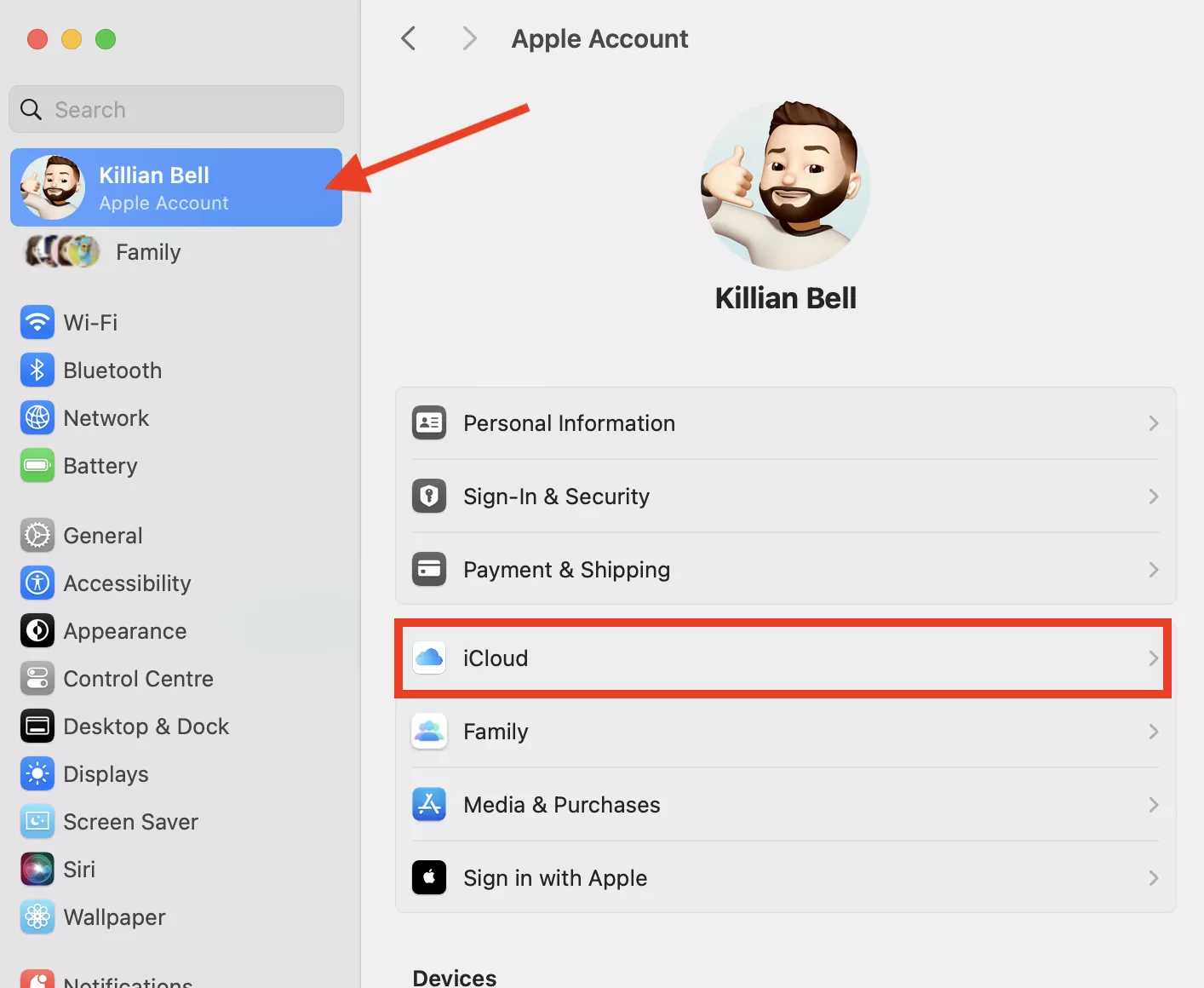
Mac users can utilize tools like Storage Management, accessed via About This Mac and then Storage. It provides recommendations to optimize storage and review large or unused files. Use the Manage button to see options and implement cleanup strategies.Optimizing Storage with macOS Recommendations
macOS suggests actions such as storing files in iCloud, optimizing photo storage, and removing duplicates. Review these suggestions carefully and select those that fit your needs. This helps free up space efficiently while keeping important files accessible.Manual Cleanup and File Organization
Regularly go through your files and delete what you no longer need. Organize your documents into folders for easy access. Use the built-in finder search to locate large files or duplicates that are taking up unnecessary space.Built-in Tools for Mobile Devices
Smartphones and tablets have their own storage management features. Android devices typically include Storage in Settings, allowing you to view what’s occupying space. iOS devices provide Storage Management options in Settings under General.Cleaning Up on Android Devices
Navigate to Settings > Storage to see detailed information. Use the “Free Up Space” feature to delete cached data, large files, or apps you no longer use. Some devices also offer recommendations for optimizing storage.Managing Storage on iOS Devices
Go to Settings > General > iPhone Storage. Here, you can review recommendations, delete unused apps, and remove old messages or media. Enable “Optimize Photos” if you want to store lower-resolution images locally.Best Practices for Using Built-in Storage Tools
To get the most out of these tools, schedule regular cleanup sessions. Always review what files are being deleted to avoid removing important data. Combine automated tools with manual organization for comprehensive management.Scheduling Regular Maintenance
Set reminders to check storage weekly or monthly. Turn on automatic cleanup features where available. Regular maintenance prevents clutter accumulation and keeps your device running smoothly.Backup Important Files Before Cleanup
Before deleting large files or clearing caches, back up important data to an external drive or cloud service. This ensures you won’t lose valuable information during cleanup.Additional Tips to Maximize Storage Optimization
You can further increase available space by removing duplicate files and uninstalling unused applications. Compress old files and move them to external drives or cloud storage for safekeeping.Removing Duplicate Files
Use built-in or third-party tools to scan for duplicate photos, documents, or media. Deleting duplicates frees up significant space with minimal effort.Uninstalling Unused Apps
Review your applications regularly. Delete apps you haven’t used in months. On mobile devices, especially, unused apps often take up unnecessary space.Using Cloud Storage to Expand Space
Services like Google Drive, OneDrive, or iCloud can store files that you don’t need on your device constantly. Move files to the cloud and free up local storage efficiently.Compressing Files for Space Saving
Compress large files such as videos and archives to reduce their size. This method is perfect for archiving old projects or files you need to keep but don’t access often.Monitoring Storage Usage with Built-in Tools
Most devices offer storage graphs or charts to help you monitor space utilization over time. Keeping an eye on these visuals can alert you to growing clutter or unusual usage patterns.Identifying Space Hogs
Use detailed storage reports to find large files and folders. Focus cleanup efforts on these areas to make the biggest impact in freeing space.Regularly Checking Storage Trends
Tracking usage trends helps anticipate when your storage might fill up. This proactive approach allows you to plan cleanup sessions before space becomes critical. Using built-in storage management tools offers a simple yet powerful way to keep your devices clutter-free. Regular maintenance, manual file management, and automation via settings can optimize space effectively. Implementing these strategies ensures your device operates smoothly and saves you from potential frustrations caused by limited storage.Optimize Storage Space on Windows 11 Step-by-step Guide | Free Up Computer Storage Space in Minutes!
Frequently Asked Questions
How can I identify large files taking up most of my storage space?
Use the built-in storage management tools to scan your device for large files. Many operating systems provide a feature that displays files sorted by size, making it easier to locate and delete or move files that occupy significant space. Regularly reviewing these files helps prevent unnecessary storage consumption.
What steps can I take to automatically free up space using built-in features?
Enable automatic cleanup options available within your device’s storage settings. These features often delete temporary files, cache data, and unused apps or files periodically. Setting up scheduled cleanups ensures your storage remains optimized without manual intervention.
How can I manage apps to optimize storage effectively?
Check which applications consume the most space and review their data usage. Uninstall apps that you no longer use or clear cache and app data to free up storage. Some systems also allow moving app data to external storage or SD cards, reducing internal storage load.
Is it possible to compress files directly with built-in tools?
Many operating systems include options to compress files or folders to save space. Use the compression feature to bundle multiple files into a single archive, reducing their overall size. This method is especially helpful for archiving infrequently accessed data.
How can I utilize cloud storage options with built-in tools?
Take advantage of integrated cloud services offered by your device or operating system. Upload files to the cloud to free up local storage while keeping your data accessible. Many built-in tools also offer automated backup and synchronization features to make this process seamless.
Final Thoughts
Optimizing storage space with built-in tools ensures your device runs smoothly and stays organized. Use features like disk cleanup and storage management to identify unnecessary files and free space efficiently. Regularly reviewing your storage settings helps avoid clutter. Deleting old files and uninstalling unused applications also boosts storage performance. Take advantage of automatic backups and compression options to save space without losing data. Staying proactive with these tools keeps your device optimized and responsive. How to optimize storage space with built-in tools provides a simple, effective way to maintain your device’s health and functionality.
Similar Posts