How To Clean Up Storage Using Built-In Tools Efficiently


How to clean up storage using built-in tools
Managing storage space on your device can seem tricky, but built-in tools make it easier than ever. These tools help identify unnecessary files and clear up space efficiently. In this section, we will explore how to use these tools step-by-step and share tips to keep your device running smoothly.
Understanding built-in storage cleanup tools
Most devices come with pre-installed features designed specifically for storage management. These tools analyze your device’s storage and recommend files to delete. Knowing how these tools work helps you decide which files to remove safely.
Built-in cleanup tools typically scan for:
- Temporary files and cache
- Old downloads and outdated app data
Using these tools regularly can prevent your device from slowing down due to clutter. They are designed to be user-friendly, so you don’t need technical skills to operate them.
Accessing storage cleanup tools on Windows
Using Storage Sense
Windows has a feature called Storage Sense that automates cleanup tasks. To access it, click on the Start menu and select Settings. Then, go to System and click on Storage.
Once in Storage settings, toggle on Storage Sense to enable automatic cleanup. You can customize what it deletes, such as temporary files or files in your Recycle Bin.
Running Storage Sense manually
To run Storage Sense immediately, click on ‘Run Storage Sense Now’ within the settings. This process scans your system and deletes unnecessary files based on your preferences.
Using Disk Cleanup tool
This traditional tool offers more control over what gets deleted. To open Disk Cleanup, type ‘Disk Cleanup’ in the search bar and select the app.
Choose the drive you want to clean, then check the boxes for files you want to remove. Click ‘OK’ to delete selected files.
Cleaning storage on Mac devices
Managing storage with ‘Manage’ option
On macOS, click on the Apple menu and select ‘About This Mac.’ Then, click on the ‘Storage’ tab and choose ‘Manage’ to access storage tools.
This opens a window with recommendations like emptying trash automatically, reviewing large files, and deleting old documents.
Using Optimize Storage
Under Manage, enable ‘Optimize Storage’ to automatically remove iTunes movies and TV shows you’ve watched, and keep only recent email attachments.
Manual cleanup tips for Mac
Review large files manually by browsing through your files folder. Use Finder to locate and delete unnecessary files or duplicates.
Cleaning storage on Android devices
Utilizing the ‘Free Up Space’ feature
Android offers a built-in option called ‘Free Up Space’ accessible through Settings. Tap on Storage, then select ‘Free Up Space’ or ‘Smart Storage’ to start cleaning.
This tool scans for junk files, residual data, and caches to delete automatically or with your approval.
Clearing cache for individual apps
Go to Settings, then Apps, and select a specific app. Tap on Storage, then choose ‘Clear Cache’ to free up space occupied by temporary data.
Removing unused apps and files
Review your apps and delete those you no longer use. Use file managers to find large files or downloads that are no longer needed.
Cleaning storage on iOS devices
Managing storage with ‘iPhone Storage’
Open Settings, then go to ‘General’ and select ‘iPhone Storage.’ Here, you see a breakdown of your usage and recommendations for clearing space.
Offloading unused apps
Enable ‘Offload Unused Apps’ to automatically remove apps you rarely use while keeping their data for easy reinstallation.
Reviewing large files and messages
The storage menu highlights large attachments in Messages and large app files. Delete unnecessary items to free space.
Additional tips to maximize storage cleaning
Removing duplicate files
Use built-in tools or third-party apps to identify and delete duplicate files, photos, or videos stored on your device.
Managing backups and cloud storage
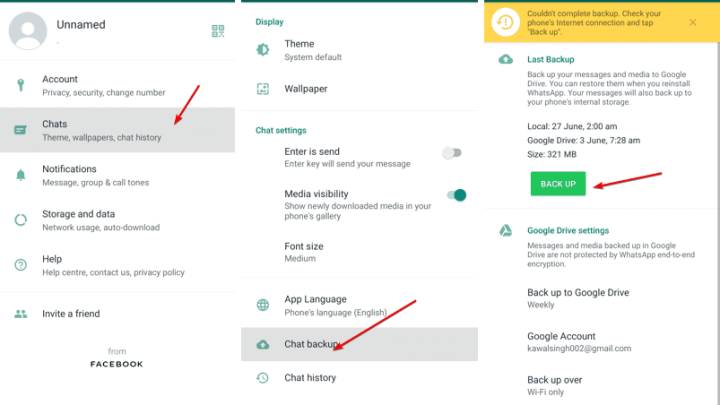
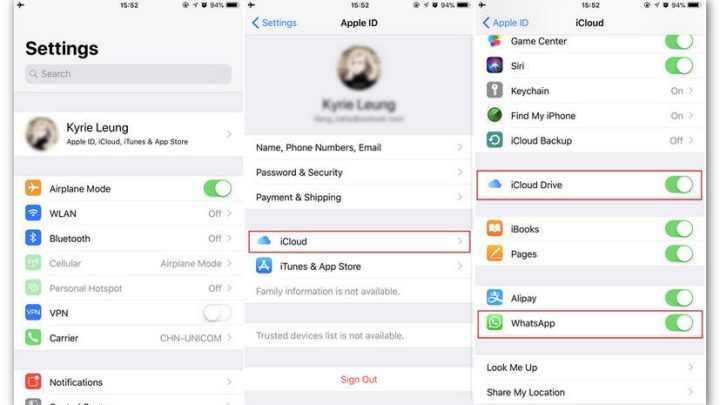
Regularly review and delete old backups stored locally or in the cloud. Use cloud services like Google Drive or iCloud to offload files from your device.
Using external storage options
Consider moving large files to external drives, SD cards, or network-attached storage. This reduces clutter on your device and keeps your data safe.
Best practices for ongoing storage maintenance
Set a regular schedule to run cleanup tools on your device. Keeping your device free of unnecessary files enhances speed and efficiency.
Stay vigilant about downloads, app data, and caches. Periodic review prevents storage from filling up unexpectedly.
Utilizing built-in tools is a simple, effective way to keep your device’s storage organized without additional software. These tools save you time while maintaining peak performance.
How to free up storage space on your iPhone or iPad | Apple Support
Frequently Asked Questions
What steps can I take to clear temporary files from my device?
To remove temporary files, access your device’s storage settings and locate the temporary or cache files section. Use the built-in cleanup tool to scan your device, then select the temporary files you want to delete. Confirm the deletion to free up space and improve performance.
How can I identify large files taking up space on my device?
Utilize the storage management feature in your device’s settings to view a breakdown of files by size. This tool helps you pinpoint large files, such as videos or downloads, that are occupying significant space. You can then decide which files to delete or move to an external storage option.
Is it possible to automatically free up storage using built-in tools?
Yes, most devices offer automatic storage optimization features. Enable these options in your device settings to allow the system to regularly clean cache, delete unused files, and manage storage. This helps keep your device running smoothly without manual intervention.
Can I delete app data safely to free space?
Deleting app data can free significant space, but it may remove saved information or preferences. Review each app’s storage details in your settings before clearing data. Remove data only from apps that you no longer need or use, to retain essential information and ensure app functionality.
How do built-in tools help manage storage across different devices?
Built-in storage management tools are designed to analyze your device’s storage and recommend actions such as deleting unnecessary files, clearing cache, or removing unused apps. They provide a centralized way to keep your device organized and prevent storage issues over time.
Final Thoughts
To clean up storage using built in tools, start by accessing your device’s storage settings. Use the built-in cleanup options to identify and delete unnecessary files, temporary data, and old backups. These tools simplify the process, saving time and effort. Regularly running these tools helps maintain optimal device performance and frees up valuable space.
Similar Posts