Why Do Gamers Want Microled Monitors
If you've been down the display tech rabbit hole lately, you've probably asked yourself why do gamers want microled monitors so badly. The short answer is simple. MicroLED promises everything gamers crave, perfect blacks, insane brightness, zero burn-in risk, and lightning-fast response times, all in one package.
It sounds like the holy grail of gaming displays.
But here's the reality check. As of 2026, true MicroLED gaming monitors in the 27" to 34" range that most gamers use simply don't exist yet. What does exist is extraordinary, and genuinely exciting, but it comes with some massive caveats.
Let's break down what makes MicroLED so appealing, where it actually stands right now, and whether you should care today or wait it out.

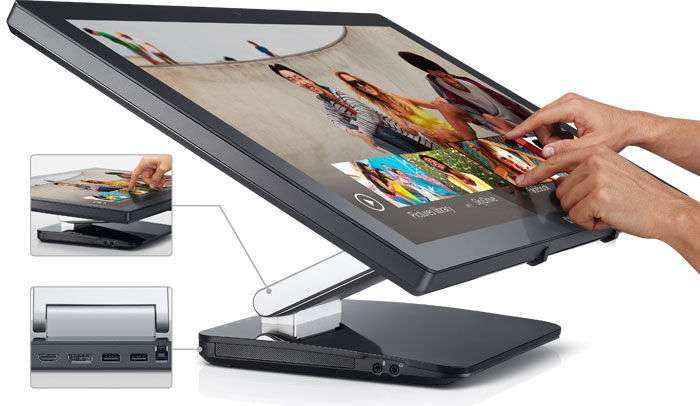
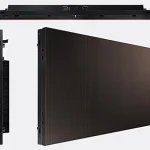
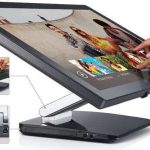
Image source: Wikimedia Commons / Santasgift (CC BY-SA)
Quick Answer
Gamers want MicroLED monitors because they offer perfect blacks with no blooming. They deliver extreme HDR brightness without burn-in risk. Response times are sub-millisecond for competitive play.
The technology is still extremely expensive and limited to very large panel sizes as of 2026.
What MicroLED Actually Is (And Why It's Different)
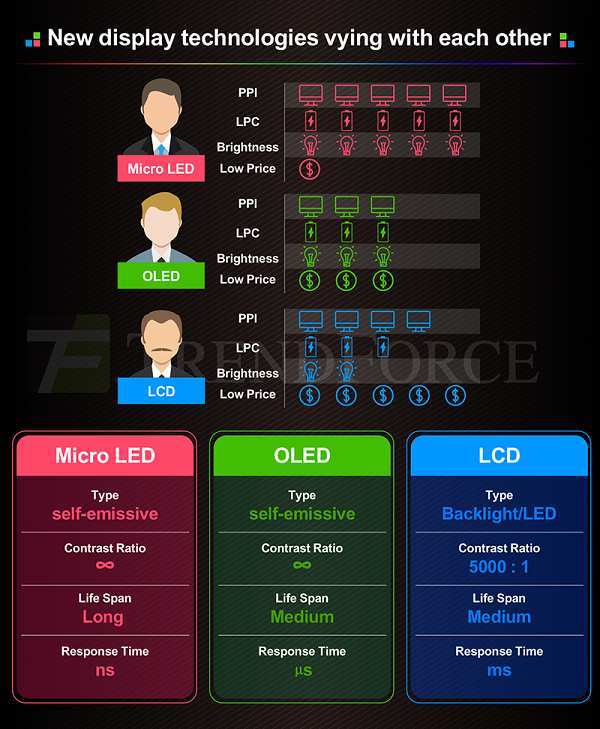
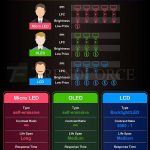
MicroLED is a self-emissive display technology, meaning every single pixel produces its own light. If you're familiar with OLED, the concept sounds similar at first. Both technologies light up individual pixels independently, which is how you get true blacks and infinite contrast.
The critical difference is what those pixels are made of.
OLED uses organic compounds to emit light. Those organic materials degrade over time, which is exactly why burn-in happens. You leave a static HUD element on screen for hundreds of hours, and those pixels wear out faster than the surrounding ones.
MicroLED uses inorganic gallium nitride (GaN) LEDs, the same basic material you'd find in a high-end LED light bulb, just shrunk down to microscopic scale.
Each pixel in a MicroLED display contains three tiny red, green, and blue LED emitters. These are individual semiconductor devices, not organic compounds. That distinction matters enormously for longevity and sustained brightness.
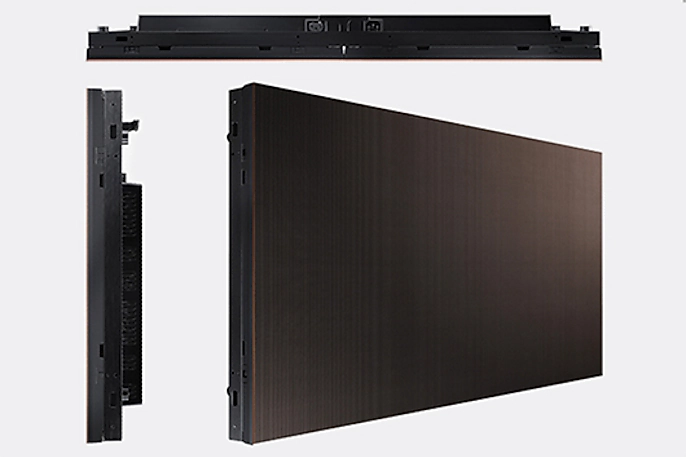
Samsung's current MicroLED panels, marketed under "The Wall" brand, use LED emitters measured in the tens of microns. Each one is essentially a microscopic version of the LED technology that's been proven reliable for decades in industrial and commercial applications.
The modular nature is another key differentiator. MicroLED panels are built from individual tiles that snap together. You can theoretically create a display of any size.
Samsung currently offers configurations from 110 inches up to 292 inches. There are no fixed panel sizes in the traditional sense. This is fundamentally different from how LCD or OLED panels are manufactured, where you're locked into specific substrate sizes.
The Five Things Gamers Care About Most With MicroLED
Zero Burn-In, Zero Worry
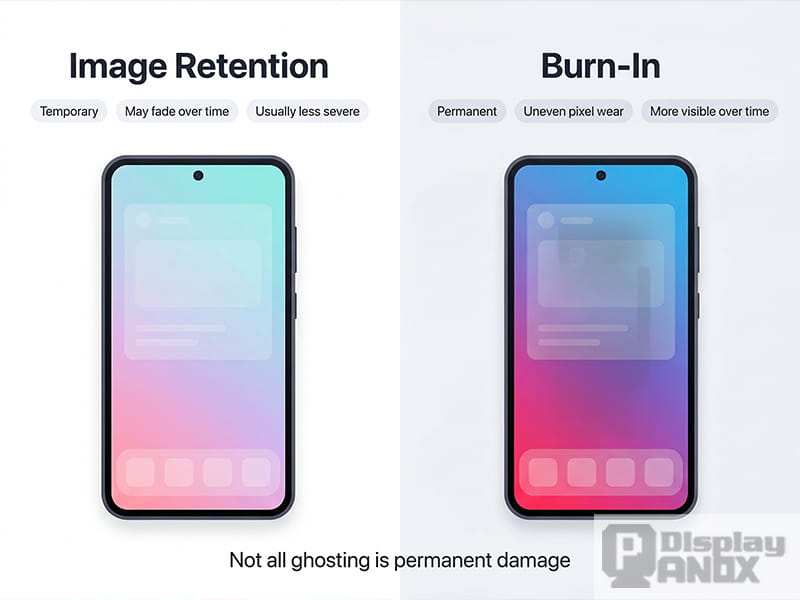
This is the single biggest selling point for gamers, and it's not even close. If you play competitive titles for hours every day, you've probably thought about burn-in at some point. Static elements like health bars, minimaps, and stream overlays create uneven pixel wear on OLED panels over time.
MicroLED doesn't have this problem at all. The inorganic LED emitters don't degrade the way organic materials do. Manufacturer specifications from Samsung indicate that their MicroLED panels are rated for over 100,000 hours of use without significant image retention.
That's roughly 11 years of continuous operation.
For streamers and esports players who keep the same game running for 8 to 12 hours daily, this is genuinely meaningful. You never have to think about screen savers, pixel shifting, or hiding your taskbar. The display just works.
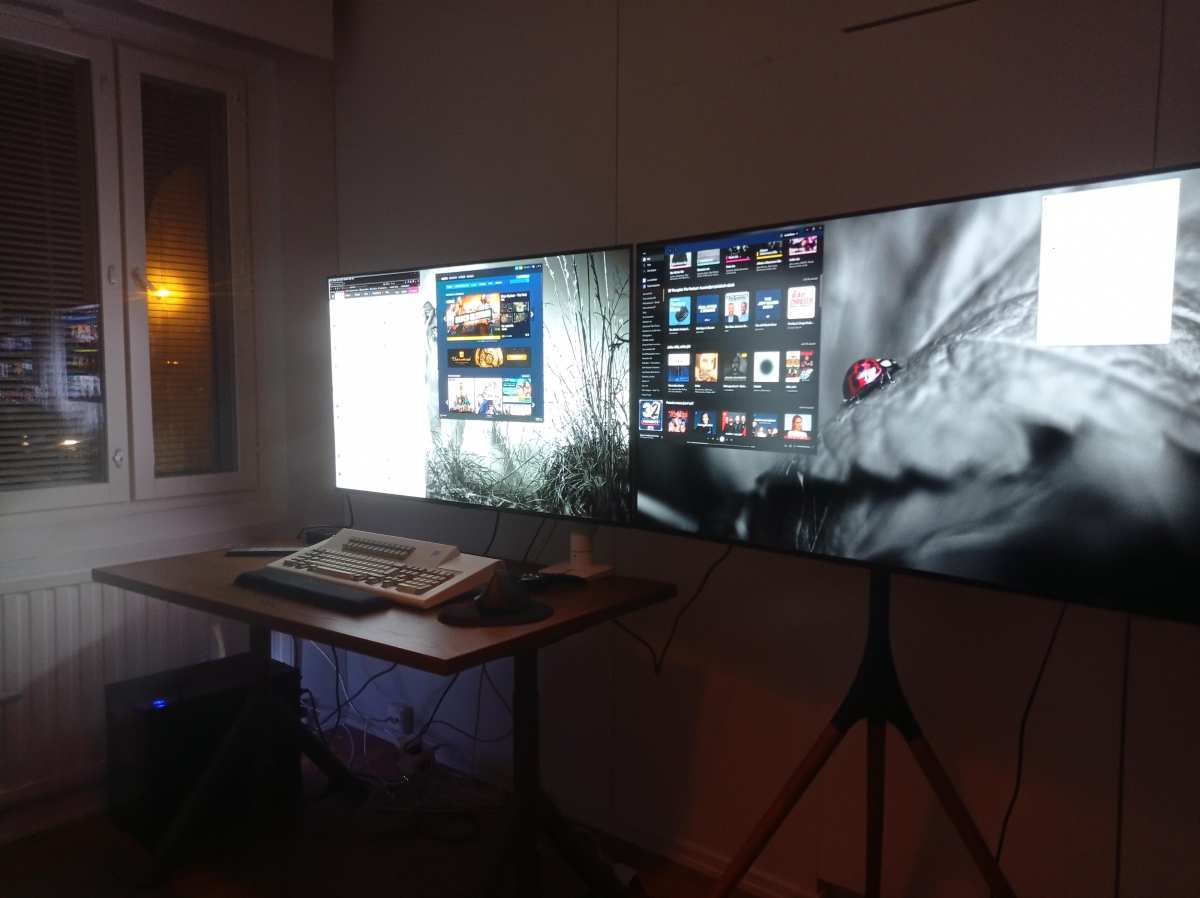
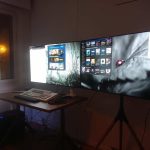
Image source: Bing (Web (fair-use with source credit))
Brightness That Makes OLED Look Dim
Current OLED gaming monitors, including the best QD-OLED panels from Samsung Display, typically hit around 1,000 nits of peak brightness in small windows. Sustained full-screen brightness often drops to 200-250 nits due to thermal and power constraints. That's fine for dim rooms, but it falls apart in bright gaming spaces.
MicroLED doesn't play by those rules. Samsung's current generation MicroLED panels deliver up to 2,000 nits of sustained peak brightness. Theoretical future generations could push beyond 5,000 nits.
Per SID (Society for Information Display) measurement standards, this puts MicroLED in a completely different brightness class than any consumer OLED.
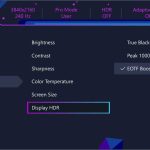
What does that mean in practice? HDR content actually looks like HDR. Specular highlights in games like Cyberpunk 2077 or Alan Wake 2 genuinely pop instead of looking washed out.
Sunlight in open-world games feels like sunlight. If you game in a room with windows or overhead lighting, the extra brightness isn't a luxury. It's the difference between seeing your game and seeing a reflection.
Perfect Blacks Without the Blooming
Because every pixel emits its own light and can turn off completely, MicroLED achieves true zero-nit black levels. The contrast ratio is effectively infinite. This is the same advantage OLED has over traditional LCD, but without the trade-offs.
Mini LED monitors with full-array local dimming get close, but they still exhibit blooming around bright objects on dark backgrounds. You've seen it. A white cursor on a black screen has a faint halo around it.
A starfield in a space game shows light bleeding into adjacent zones. MicroLED eliminates this entirely because there are no zones. Every single pixel is its own dimming zone.
For horror games, space sims, and any title with dark scenes, this is transformative. The inky blacks give you a sense of depth and immersion that even the best Mini LED displays can't match.
Response Times That Actually Matter for Competitive Play
MicroLED response times are rated at sub-millisecond by multiple manufacturers. Samsung and Sony both claim response times under 0.1ms for their MicroLED products. Compare that to the 0.03ms GtG claims on the fastest QD-OLED panels or the 1ms typical of IPS gaming monitors.
In practice, the difference between 0.03ms and 0.1ms is imperceptible to humans. Where MicroLED's speed matters is in combination with its brightness. High refresh rate HDR gaming at 240Hz or above requires both fast pixel transitions and enough brightness to maintain HDR impact in each frame.
OLED struggles to maintain peak brightness at very high refresh rates due to pixel response and thermal limits. MicroLED doesn't have that constraint.
For competitive gamers running 360Hz or 540Hz monitors, this combination of speed and sustained brightness could be meaningful once MicroLED reaches smaller panel sizes.
A Display That Lasts (Almost) Forever
The inorganic nature of MicroLED emitters means they degrade far more slowly than organic OLED materials. While OLED brightness can noticeably decrease over 3 to 5 years of heavy use, MicroLED panels are rated for 100,000+ hours of operation. That's a lifespan measured in decades, not years.
For anyone who's replaced an OLED monitor or TV due to burn-in or brightness degradation, this longevity is a genuine financial argument. Yes, the upfront cost is astronomical. But a MicroLED display that performs identically in year eight to how it performed on day one changes the long-term value calculation significantly.
The Honest Downsides Nobody Talks About Enough
The Price Is Still Absurd
Let's not sugarcoat this. Samsung's 110-inch MicroLED display starts around $150,000 as of 2026. Larger configurations can exceed $300,000.
That's not a typo. You're looking at the price of a luxury car for a display.
This isn't a "wait for prices to drop" situation in the near term. The manufacturing process involves placing millions of microscopic LED chips onto substrates with extreme precision. Yield rates are still improving but remain challenging.
Each panel requires individual testing and calibration. There's no economy of scale yet because the production volumes are tiny.
For context, a top-tier 32-inch QD-OLED gaming monitor costs around $800 to $1,200. A 49-inch super-ultrawide QD-OLED runs $1,000 to $1,500. MicroLED isn't even in the same universe pricing-wise.
You Can't Buy a 27" or 32" Gaming Monitor
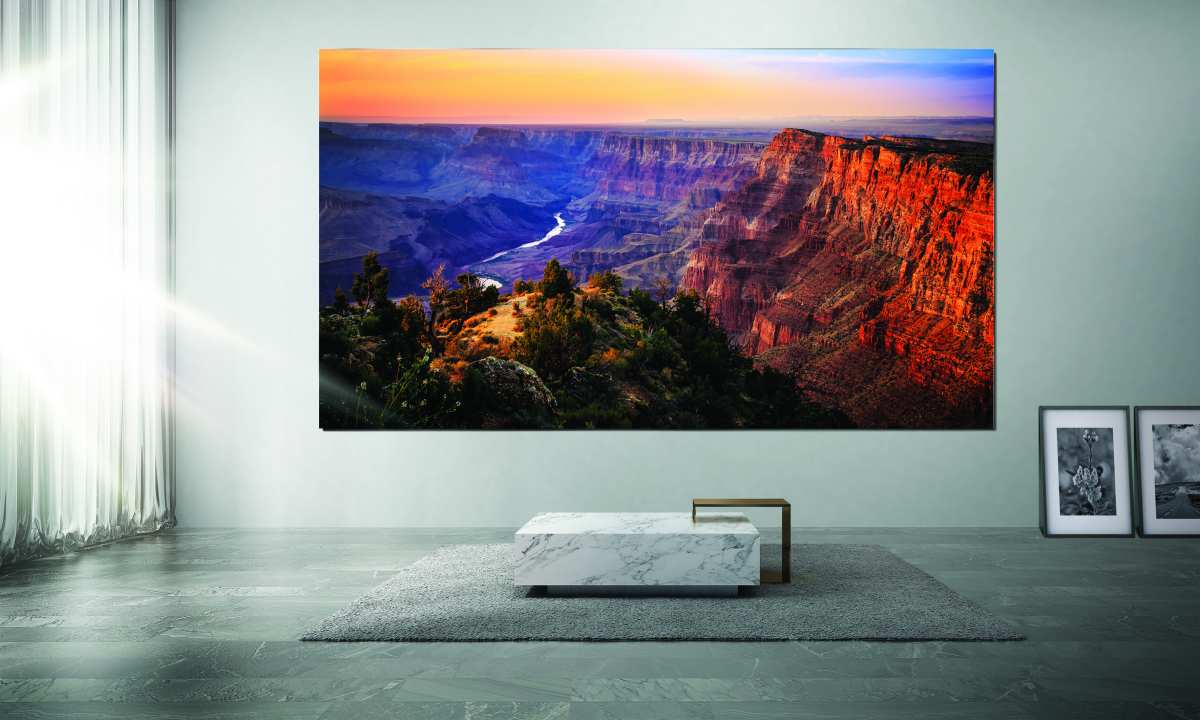
This is the dealbreaker for most gamers. Current MicroLED products start at 110 inches. That's a TV-sized display meant for wall installation in a living room or home theater.
There are no desktop-friendly sizes available.
The reason comes down to pixel density and manufacturing constraints. Samsung's 110-inch MicroLED panel has a pixel pitch of approximately 0.8mm. That works fine at viewing distances of 6 feet or more.
But at typical desktop viewing distances of 2 to 3 feet, you'd see the pixel structure clearly. It would look like looking through a screen door.
To achieve the pixel density needed for a 27-inch 4K gaming monitor, the LED emitters would need to be significantly smaller and packed much more densely. The manufacturing precision required for that is still being developed. Most industry analysts don't expect MicroLED panels in the 27 to 34-inch range before 2028 to 2030 at the earliest.
Installation Isn't Plug-and-Play
Current MicroLED products like Samsung's The Wall require professional installation. The modular panels are heavy. They need precise alignment.
Power and data connections run through the modular interface system. This isn't something you unbox, plug into your PC, and start gaming with.
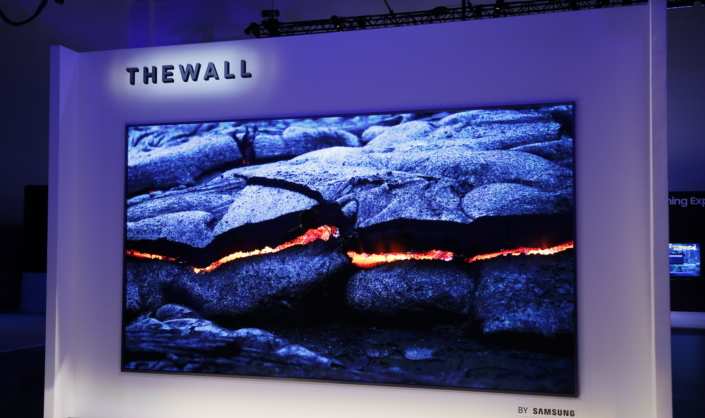
Image source: Bing (Web (fair-use with source credit))
You'll need a dedicated space, likely wall mounting, and a professional installer who's familiar with the system. Some configurations require structural assessment of your wall due to weight. The 110-inch configuration weighs over 150 pounds without the mounting hardware.
For a gaming setup, this means MicroLED is currently a room commitment, not a monitor purchase. It's closer to a home theater installation than a desk upgrade.
Pixel Density Isn't There Yet for Desktop Use
Even if you had the space and budget for a 110-inch MicroLED, using it as a desktop gaming monitor presents a real problem. At typical arm's-length viewing distances, the pixel density of current MicroLED panels is roughly 28 to 35 PPI. A 27-inch 4K IPS monitor delivers about 163 PPI.
The difference is immediately visible.
Text looks soft. UI elements lack crispness. Fine details in games don't have the sharpness you'd expect from a premium display.
This isn't a calibration issue. It's a fundamental limitation of the current emitter size and pitch.
For couch gaming at 4 to 6 feet, the pixel density is perfectly acceptable. For desktop use at 2 feet, it's not competitive with existing LCD or OLED options. This is the primary reason MicroLED won't replace your gaming monitor anytime soon.
MicroLED vs. OLED vs. Mini LED: The Real Comparison
The Quick Comparison Table
| Feature | MicroLED | QD-OLED | Mini LED (FALD) | IPS LCD |
|---|---|---|---|---|
| Black Level | True zero (per-pixel) | True zero (per-pixel) | Near-black (zone-based) | Gray-ish (backlight bleed) |
| Peak Brightness | 2,000+ nits sustained | ~1,000 nits peak, ~250 sustained | 1,500-2,000 nits peak | 300-600 nits typical |
| Burn-In Risk | None | Yes (organic degradation) | None | None |
| Response Time | <0.1ms | 0.03ms GtG | 2-8ms | 1-5ms (fast IPS) |
| HDR Impact | Excellent | Very Good | Good | Mediocre |
| Available Sizes | 110"+ only | 27" to 97" | 27" to 49" | 15" to 57" |
| Price Range | $150K-$300K+ | $800-$10,000 | $400-$3,000 | $100-$800 |
| Best For | Home theater, HDR immersion | Gaming, mixed use | Bright room gaming | Budget gaming |
Where MicroLED Wins
MicroLED dominates in three specific areas. First, sustained HDR brightness. No other consumer technology can match 2,000 nits of full-screen brightness with perfect blacks.
Second, zero burn-in. For commercial installations or streamers running static content 12+ hours daily, this is unmatched. Third, modular scalability.
You can build a display literally any size you want.
If you're building a dedicated home theater and want the absolute best image quality available today, MicroLED is it. Full stop. Nothing else comes close for sheer visual impact in a dark room.
Where OLED Still Makes More Sense
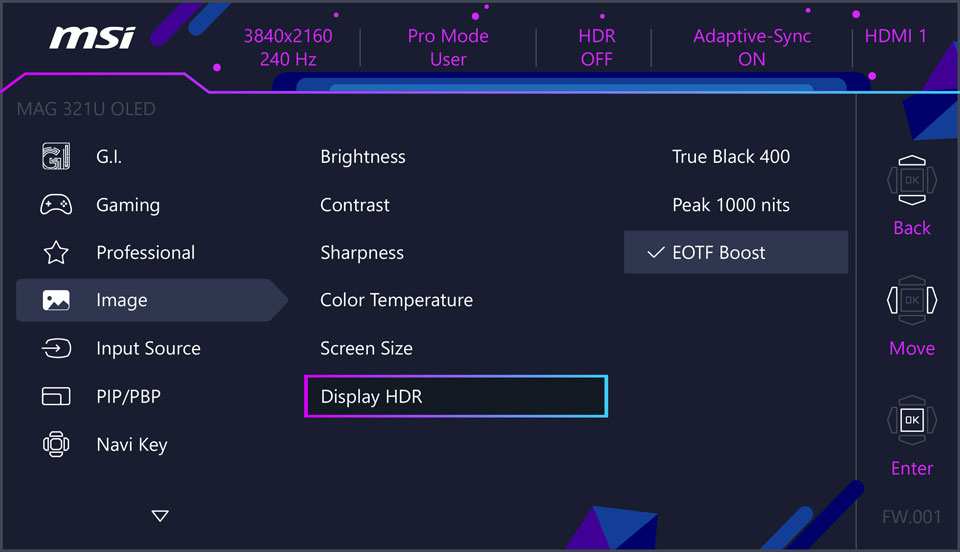
For actual gaming monitors at your desk, QD-OLED is the better choice right now. You get true blacks, near-instantaneous response times, and excellent HDR in sizes that actually fit on a desk. The 27-inch 4K 240Hz QD-OLED panels from Samsung Display are currently the sweet spot for high-end gaming.
The burn-in concern is real but often overstated for typical gaming use. Modern OLED panels have mitigation algorithms, and verified user feedback from large communities suggests burn-in takes years of extreme use to develop. If you game 3 to 5 hours daily and vary your content, you'll likely upgrade for other reasons before burn-in becomes an issue.
QD-OLED pricing has also dropped significantly. The Alienware AW3225QF (32" 4K 240Hz QD-OLED) regularly sells under $800. That's a fraction of any MicroLED product and delivers 95% of the gaming performance.
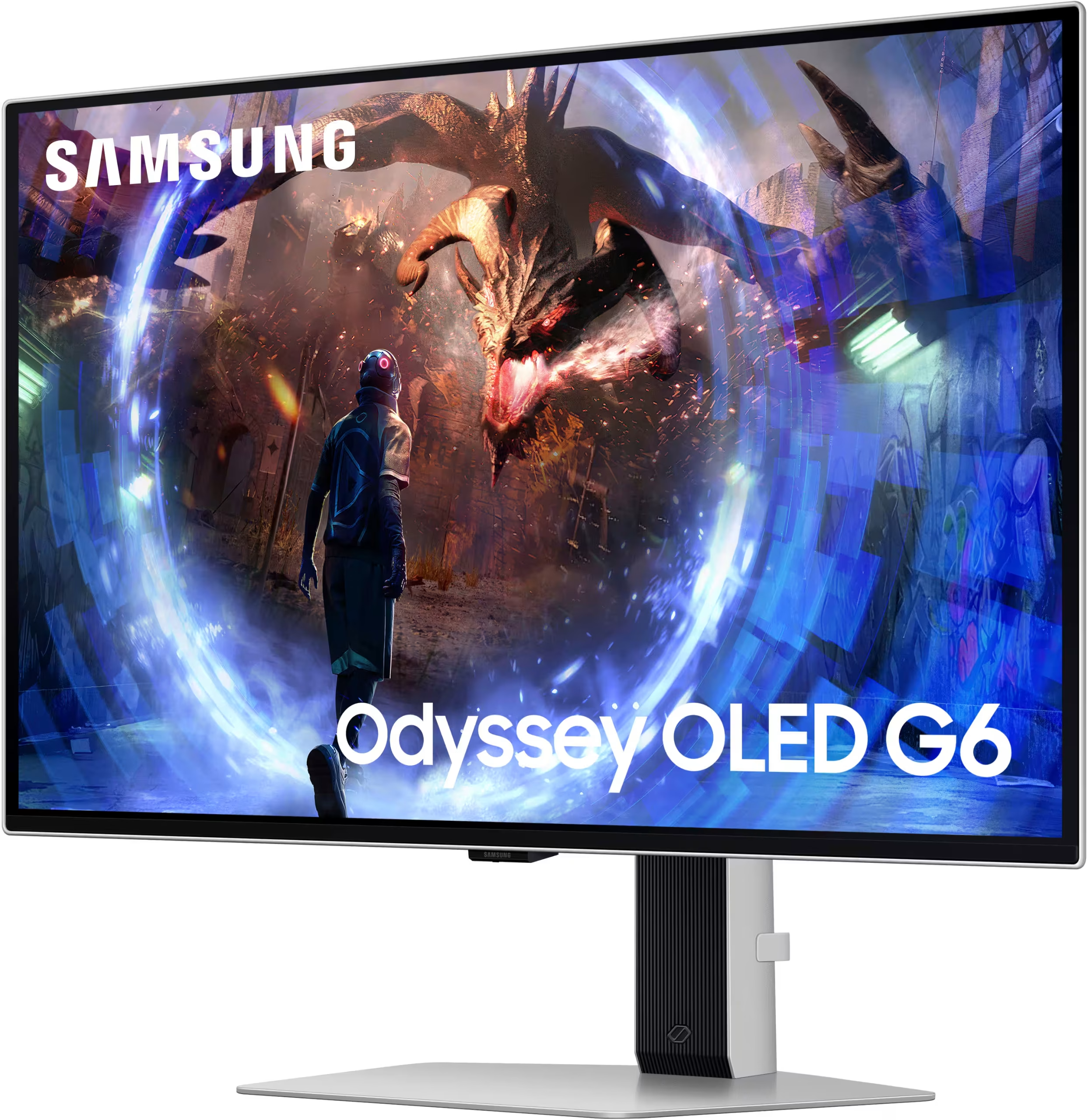
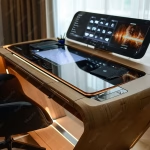
Image source: Bing (Web (fair-use with source credit))
Where Mini LED Fits In
Mini LED with full-array local dimming occupies the middle ground. It won't give you perfect per-pixel blacks, but modern implementations with thousands of dimming zones get remarkably close. The HDR1400 and HDR2000 certifications on high-end Mini LED monitors deliver genuine HDR impact without OLED's burn-in risk.
For gamers in bright rooms who want HDR but can't justify OLED's price or worry about burn-in, Mini LED is the pragmatic choice. The 49-inch 5120×1440 240Hz Mini LED super-ultrawides are particularly compelling for sim racing and flight sim enthusiasts who want immersion without compromise.
Who Should Actually Buy a MicroLED Display Right Now
The Ideal MicroLED Gamer
The person who benefits from MicroLED today is someone building a dedicated gaming or home theater room with a budget that doesn't budge at six figures. You need a viewing distance of at least 5 feet. You want the absolute best image quality money can buy.
You're not concerned with competitive response time advantages because you're playing immersive single-player titles.
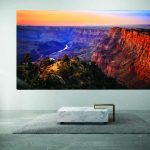
If you're installing a 146-inch MicroLED for Cyberpunk 2077, Alan Wake 2, or a home theater setup, the experience is genuinely breathtaking. The combination of extreme HDR brightness, perfect blacks, and massive scale creates something no other consumer display technology can replicate.
For commercial esports venues, showrooms, or luxury gaming lounges, MicroLED also makes sense. The zero burn-in and modular repairability (you can replace a single tile) are genuine operational advantages.
Who Should Wait (That's Most of Us)
If you're reading this hoping for a desk-friendly MicroLED gaming monitor, you'll be waiting for years. The technology isn't there yet for small, high-density panels at consumer price points. Buying advice from aggregate industry analysis suggests MicroLED in the 27 to 34-inch range won't arrive before 2028 at the earliest, and initial pricing will likely be premium even then.
For now, QD-OLED is the best high-end gaming monitor technology available. Mini LED is the best all-around choice for bright rooms and mixed use. Traditional IPS remains the budget king.
MicroLED is a home theater and commercial technology, not a gaming monitor technology, at least not yet.
What the Next 3-5 Years Look Like for MicroLED Gaming
The trajectory is promising but measured. Samsung Display, Apple, and several Chinese panel manufacturers are investing heavily in MicroLED R&D. Apple has been developing MicroLED for its own devices, though their plans have reportedly shifted multiple times.
The core challenge remains the same: shrinking LED emitters while maintaining yield and uniformity.
Most display industry roadmaps project MicroLED entering the 50 to 65-inch consumer TV market around 2027 to 2028 at significantly lower prices than current offerings. Desktop monitor sizes in the 27 to 34-inch range are expected closer to 2029 to 2031, assuming manufacturing breakthroughs in mass transfer technology continue on pace.
When MicroLED does reach gaming monitor sizes, expect pricing to start in the $3,000 to $5,000 range for early adopters before gradually declining. That's still premium, but it's a far cry from $150,000. The technology has the potential to eventually become the default premium display option, but we're looking at a 5 to 7 year timeline for that to materialize.
Frequently Asked Questions
Is MicroLED better than OLED for gaming?
MicroLED matches OLED's perfect blacks and exceeds it in brightness and burn-in resistance. However, current MicroLED products only exist in 110"+ sizes, making them impractical as desk monitors. For actual gaming setups, QD-OLED remains the better choice today.
Will MicroLED replace OLED monitors?
Eventually, yes, MicroLED is expected to supersede OLED in the premium display market. But this transition will take 5 to 10 years for gaming monitor sizes. OLED and QD-OLED will remain the dominant high-end gaming technologies through at least 2030.
How long do MicroLED displays last?
Samsung rates their MicroLED panels for over 100,000 hours of use. That's roughly 11 years of continuous operation. The inorganic LED emitters degrade far more slowly than OLED's organic materials, making MicroLED the most durable self-emissive display technology available.
Why are MicroLED monitors so expensive?
The manufacturing process involves placing millions of microscopic LED emitters onto substrates with extreme precision. Yield rates are still improving, production volumes are low, and each panel requires individual calibration. These factors combine to keep prices in the six-figure range for current products.
Can I use a MicroLED display as a PC monitor?
Technically yes, but current MicroLED products start at 110 inches and have low pixel density at desktop viewing distances. They're designed for couch viewing distances of 5 feet or more. Using one at arm's length would result in visible pixel structure and soft text rendering.
When will MicroLED gaming monitors be available?
Industry analysts project MicroLED panels in the 27 to 34-inch range won't reach consumer availability before 2028 to 2030. Initial pricing will likely start in the $3,000+ range. For most gamers, QD-OLED and Mini LED are the practical high-end choices for the foreseeable future.
The Bottom Line: Should You Care About MicroLED for Gaming?
Here's the honest summary based on everything we've covered. MicroLED is genuinely the most promising display technology for gaming that exists right now. Its combination of perfect blacks, extreme brightness, zero burn-in risk, and sub-millisecond response times is unmatched by any current technology.
When it reaches gaming monitor sizes, it will likely become the premium standard.
But that future isn't here yet. As of 2026, MicroLED is a six-figure home theater technology available only in massive sizes with low pixel density for desktop use. It's not a gaming monitor.
It's not something you buy for your desk. It's something you install in a dedicated room if you have the budget and the space.
For your actual gaming monitor purchase today, here's the practical hierarchy. If you want the best image quality at your desk and can accept a small burn-in risk, get a QD-OLED. If you game in a bright room or want zero burn-in worry, get a high-end Mini LED.
If you're on budget, a good IPS panel still delivers excellent performance.
Keep your eye on MicroLED. The technology is evolving fast. In five years, the conversation will look completely different.
For now, it's the future of gaming displays, just not the present.

Similar Posts