Steps To Solve Iphone Overheating Problem For Better
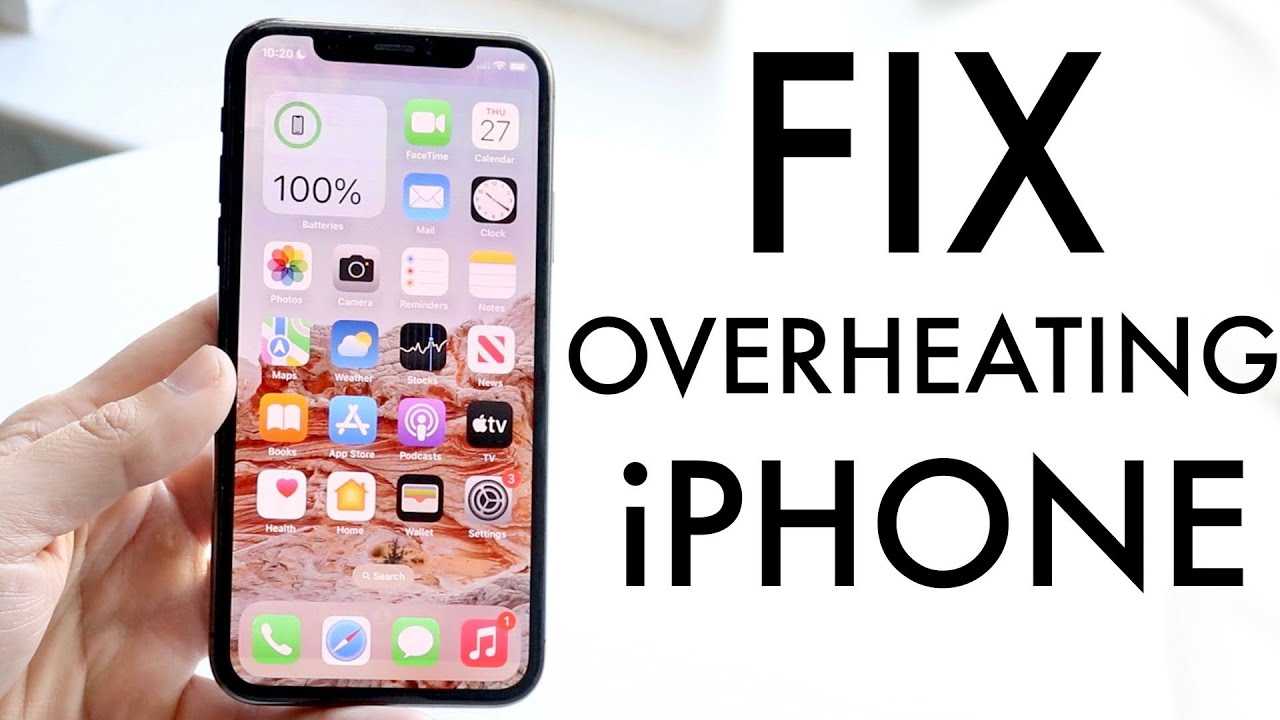

Steps to solve iPhone overheating problem
Understanding Why Your iPhone Overheats
Before jumping into solutions, it’s important to understand what causes your iPhone to overheat. Common reasons include prolonged use of demanding apps, exposure to direct sunlight, or a malfunctioning battery. Recognizing these causes helps you prevent future overheating issues.
Overheating can also happen if your device is running out of storage space or if background processes are overloading the system. High ambient temperatures naturally push your iPhone’s temperature higher. Identifying these factors is the first step toward resolving the problem effectively.
Check for Software Updates
Why Software Updates Matter
Updating your iPhone’s iOS ensures you have the latest features and security patches. Sometimes, bugs that cause overheating are fixed in newer versions. Keeping your device updated minimizes the chances of software-related overheating.
How to Check for Updates
- Open the Settings app on your iPhone.
- Tap on General, then select Software Update.
- If an update is available, tap Download and Install.
Allow your device to download and install updates. Remember to connect to Wi-Fi and ensure your battery has enough charge.
Manage Apple and Third-Party Apps
Identify Power-Intensive Apps
Some apps consume high CPU resources, leading to overheating. Use the Battery section in Settings to see which apps drain the most power. If an app shows high energy consumption, consider closing or deleting it.
Close Unnecessary Apps
- Double-click the Home button or swipe up from the bottom (depending on your iPhone model) to view open apps.
- Swipe up on apps you are not using to close them.
Delete Unused Apps
- Long press on the app icon.
- Tap Delete App, then confirm to remove it.
Reduce Screen Brightness and Timeout Settings
Adjust Brightness Manually
High screen brightness can cause your device to heat up. Lower the brightness via Settings > Display & Brightness, or swipe down from the top right to access the Control Center and adjust manually.
Set Auto-Lock to a Shorter Duration
- Go to Settings > Display & Brightness > Auto-Lock.
- Select a shorter time like 30 seconds or 1 minute.
This reduces screen usage, lowering heat generation during idle times.
Disable Background App Refresh and Location Services
Stop Apps from Refreshing in the Background
- Open Settings.
- Tap General > Background App Refresh.
- Turn it off or select Wi-Fi only to limit activity.
Disable Unnecessary Location Services
- Navigate to Settings > Privacy > Location Services.
- Turn off location access for apps that don’t need it.
These steps reduce background activity, helping your iPhone stay cooler.
Ensure Proper Ventilation and Avoid Direct Sunlight
Physical environment impacts device temperature significantly. Never leave your iPhone in direct sunlight or inside a hot car. Use your device in cool, shaded areas. Make sure your iPhone has enough space around it for air circulation.
If you notice your phone overheating outdoors, move it to a shaded spot as soon as possible to prevent potential damage.
Turn Off Unnecessary Features and Services
Switch Off Wi-Fi, Bluetooth, and Cellular Data
- Access the Control Center by swiping down from the top right corner.
- Tap the Wi-Fi, Bluetooth, and Cellular Data icons to turn them off.
Disable AirDrop and Personal Hotspot
- Go to Settings > General > AirDrop.
- Select Receiving Off.
- Turn off Personal Hotspot if not in use.
Limiting these features reduces background activity and heat buildup.
Reset Settings or Perform a Hard Reset
Reset All Settings
- Navigate to Settings > General > Reset.
- Choose Reset All Settings.
- This resets system settings without deleting your data.
Perform a Hard Reset
- For iPhone 8 and newer: Press and quickly release volume up, then volume down, then press and hold the side button until the Apple logo appears.
- For iPhone 7 and 7 Plus: Press and hold both volume down and sleep/wake buttons until the Apple logo appears.
This can resolve temporary glitches causing overheating.
Replace or Service the Battery
If your iPhone continues to overheat even after software fixes, the battery might be the issue. A degraded battery generates excess heat. Contact Apple Support or visit an authorized service provider for a battery health check.
Replacing an old or faulty battery often restores normal device temperature and performance.
Limit Heavy Usage and Intensive Tasks
Playing graphics-heavy games, streaming high-quality videos, or using navigation apps for long periods increase device temperature. Try to limit intensive activities or take breaks during prolonged use.
Using your iPhone in moderation helps prevent overheating and extends the device’s lifespan.
Keep Your iPhone Updated and Maintain It Regularly
Regular updates and maintenance prevent many overheating issues. Keep an eye on software updates and perform routine checks for storage and app activity. This keeps your device running smoothly.
Proper care and prompt action can avoid future overheating problems and ensure your iPhone functions optimally.
iPhone overheating. How to fix?
Frequently Asked Questions
What are the initial steps to prevent iPhone from overheating during heavy use?
Begin by closing all unnecessary apps running in the background to reduce processor strain. Avoid exposing your device to direct sunlight or high temperatures. Lower the screen brightness and disable features like Bluetooth, Wi-Fi, or Location Services when not in use. Turning on Airplane Mode temporarily can also help reduce heat generation during intensive tasks.
How can I effectively cool down my iPhone if it starts overheating?
Remove your iPhone from hot environments immediately and keep it in a cool, shaded place. Power off the device to halt all processes, allowing it to cool down naturally. If possible, place your iPhone in a cool area or inside a breathable case. Avoid using external cooling methods like ice or cold water, as they may damage the device.
Which software solutions help in addressing iPhone overheating issues?
Update your iPhone to the latest iOS version, as updates often include performance improvements and bug fixes targeting overheating concerns. Restart your device to clear temporary caches and processes that may cause heat buildup. Additionally, managing app activity through settings can prevent apps from consuming excessive resources and causing overheating.
Are there hardware-related factors contributing to iPhone overheating?
Yes, hardware components such as a damaged battery or internal components can generate excess heat. Over time, batteries degrade and produce more heat under load. Physical damage or dust accumulation inside the device can also impair thermal management. Replacing an aging battery or seeking professional repairs can resolve these hardware-related issues.
What preventive measures can I take to avoid future iPhone overheating?
Regularly update your device software and keep your iPhone clean from dust and debris. Avoid using your phone in extreme temperatures and prevent covering it with thick cases that trap heat. Limit resource-intensive activities during hot weather and monitor app behavior to detect any that cause excessive heat. Proper handling and maintenance help sustain optimal device temperatures over time.
Final Thoughts
Steps to solve iPhone overheating problem require simple yet effective actions. First, avoid exposing your device to direct sunlight and high temperatures. Next, close unnecessary apps to reduce CPU workload. Reduce screen brightness and disable background app refresh to minimize heat generation. If overheating persists, remove the phone case and restart the device. Following these steps will help control the temperature of your iPhone and prevent damage.
Similar Posts