Is a Waterproof Sound Box Good for Travel Vloggers
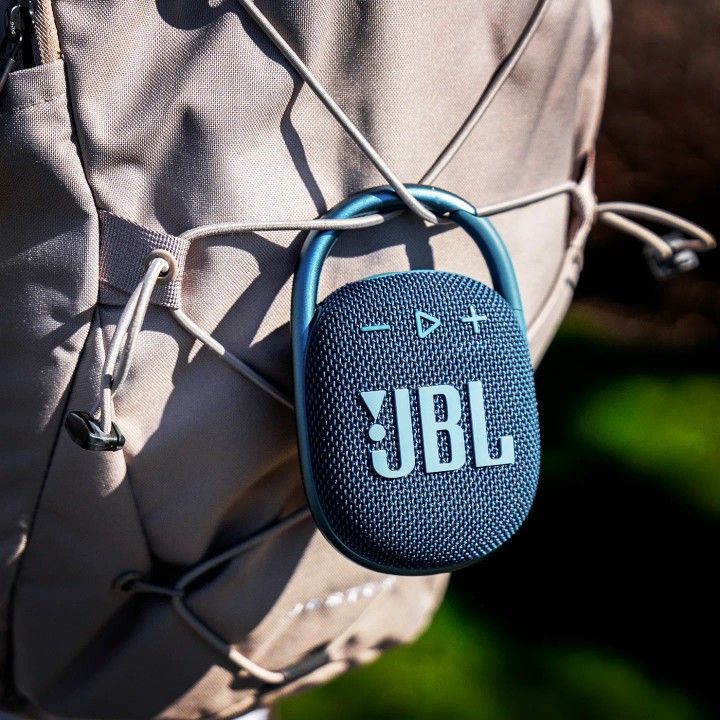
So you're packing for your next trip, and you're wondering if a waterproof sound box is good for travel vloggers. It's a fair question. You want decent audio without carrying a separate microphone setup, and you'd rather not stress about rain or a splash ruining your gear.
But here's the thing. A waterproof speaker is built to play music loud, not to record your voice clearly. The IP rating system, developed by the International Electrotechnical Commission, tells you how well a device resists water and dust.
That's useful for durability, but it says nothing about audio quality for recording. So let's walk through when this setup works and when it doesn't.
Quick Answer
A waterproof speaker can work for travel vloggers. But it has limits. It's best for background audio or group vlogs.
It struggles with clear voice recording. For narration, a dedicated mic is better.

Image source: Bing (Web (fair-use with source credit))
What's the Real Question Here? (The Problem with Recording Audio On the Go)
Travel vloggers face a unique problem. You're moving constantly. You're in different environments.
Your audio needs change from one clip to the next.
A waterproof speaker promises durability. It can handle rain, sand, and drops. That's great for peace of mind.
But when you're recording, you need clear voice pickup. Most speakers are optimized for music playback, not for capturing your voice.
The microphone on a typical waterproof speaker is small and omnidirectional. It picks up everything around you. Wind noise, traffic, other people talking.
Your voice gets buried in the mix.
So the real question isn't just about durability. It's about whether the audio quality meets your standards for your channel. That depends on what you're filming and where.
Aggregate reviews from verified buyers show that even premium waterproof speakers struggle with voice clarity in windy conditions.
The Decision Tree: Is a Waterproof Speaker Right for Your Vlogging Style?
This section helps you decide based on your specific situation. Answer each question honestly.
Condition 1: Where Are You Filming?
If you're filming near water, in the rain, or in dusty environments, a waterproof speaker makes sense. The IP rating protects against the elements. An IP67 rating means the speaker can survive submersion in water for 30 minutes.
That's a lot of protection.
But if you're filming indoors or in controlled environments, you don't need the waterproofing. You'd get better audio from a standard microphone. The International Electrotechnical Commission sets the standards for IP ratings, so you can trust that an IP67 certified device has been tested properly.
Condition 2: What Are You Recording?
If you're recording background ambiance or group reactions, a waterproof speaker can work. It captures the general soundscape. But if you're recording narration or direct-to-camera speaking, you'll need a microphone that focuses on your voice.
Some vloggers use a waterproof speaker as a backup. They record the main audio with a lavalier mic and use the speaker for ambient sound. That's a practical approach.
Condition 3: How Much Gear Can You Carry?
Travel vloggers are always balancing weight and space. A waterproof speaker adds bulk. Some models weigh over 500 grams.
If you're already carrying a camera, tripod, and other gear, the extra weight might not be worth it.
For a closer look at the size and weight of these units, check out our breakdown of how much these units typically weigh. It helps to know what you're signing up for before you pack.
Condition 4: What's Your Audio Budget?
Waterproof speakers range from $20 to $200. A dedicated microphone can cost less than $50 for a decent lavalier. If you're on a tight budget, a microphone gives you better audio quality for less money.
But if you have room in your budget, a waterproof speaker can serve double duty. It's a speaker for music and a recording device in a pinch. Just know the trade-offs.
Image source: Bing (Web (fair-use with source credit))
What to Look for in a Waterproof Speaker for Vlogging (Key Specs That Actually Matter)
Not all waterproof speakers are the same. Here are the specs that matter most for vlogging.
IP Rating. Look for at least IP67. That means it's dust-tight and can handle submersion. IPX7 is fine for water resistance but not for dust.
As of 2026, most reputable brands offer IP67 as a baseline.
Battery Life. You need at least 10 hours for a full day of shooting. Some models offer 20 hours. That's enough for a full day of filming without recharging.
Weight. Under 300 grams is ideal for travel. Heavier models are more durable but harder to carry. If you're hiking or backpacking, every gram counts.
Microphone Quality. Check user reviews for voice clarity. Some speakers have a dedicated voice mode that boosts the mids. That can help with narration.
Bluetooth Version. Version 5.0 or higher gives better range and stability. If you're having trouble connecting, it might be the Bluetooth version. You can troubleshoot common pairing issues in our guide on fixing connection problems.
Portability. Look for a built-in carabiner or strap. That lets you attach it to your backpack. It keeps your hands free for filming.
Maintenance. Waterproof seals wear out over time. You'll need to care for them. Our guide on keeping the seal intact will help you extend the life of your speaker.
The Trade-Off: Waterproof Speaker vs. Dedicated Microphone Options

Image source: Bing (Web (fair-use with source credit))
This is the core decision. Here's a comparison.
| Feature | Waterproof Speaker | Dedicated Microphone |
|---|---|---|
| Audio Quality | Good for music, weak for voice | Excellent for voice |
| Durability | High (IP67+) | Low (needs protection) |
| Portability | Moderate (200-700g) | High (50-150g) |
| Battery Life | 10-20 hours | 6-10 hours |
| Cost | $20-$200 | $30-$300 |
| Best For | Background audio, group vlogs | Narration, interviews |
A waterproof speaker is a good backup option. It's versatile. You can use it for music and for quick audio clips.
But for consistent quality, a dedicated microphone wins.
If you want to mount your speaker on a bike or backpack, check out the available mounting options for attaching speakers to gear. That can make a big difference for hands-free recording.
The trade-off comes down to priorities. If you value durability and versatility over pristine audio, go with the speaker. If you want clear, professional-sounding narration, invest in a microphone.
You can always carry both if you have the space and budget.
Real-World Use Cases: Who Should Buy One and Who Should Skip It
A waterproof speaker is a tool for specific situations. It's not a one-size-fits-all solution. Here's how to know if it fits your style.
Buy one if you shoot adventure content. You're hiking, kayaking, or camping. You need audio that survives rain and splashes. A rugged speaker gives you that peace of mind.
You can also use it to play music for the vibe.
Buy one if you vlog in groups. You need to capture reactions from multiple people. A speaker placed in the middle picks up everyone. It's better than a single lavalier mic.
Skip it if you narrate directly to camera. A waterproof speaker won't give you clean voice. You'll hear wind, rustling, and background noise. A dedicated mic is a better investment.
Skip it if you record interviews. You need clear audio from your subject. A speaker's microphone is too omnidirectional. It picks up everything.
Use a lavalier or shotgun mic instead.
Use it as a backup. Many vloggers carry a waterproof speaker as a secondary audio source. If your main mic fails, you have a fallback. It's better than no audio at all.
| Vlogger Type | Speaker Works? | Better Option |
|---|---|---|
| Adventure / outdoor | Yes | Speaker + lavalier hybrid |
| City / urban | Maybe | Depends on crowd noise |
| Studio / indoor | No | Shotgun or condenser mic |
| Interviewer | No | Wireless lavalier system |
| Group / travel buddy | Yes | Speaker for ambiance |
Common Mistakes Travel Vloggers Make with Waterproof Speakers
Even experienced vloggers mess this up. Here are the most common errors.
Relying on the built-in mic for narration. The speaker is designed for playback, not recording. The microphone is small and picks up everything. Your voice gets buried in the noise.
Placing the speaker too far away. Distance kills clarity. Keep the speaker within two feet of the action. Any farther and the audio gets thin and echoey.
Ignoring wind noise. Waterproof speakers rarely have wind protection. A light breeze can ruin your audio. Use a windscreen or record in sheltered spots.

Image source: Bing (Web (fair-use with source credit))
Forgetting to clean the ports. Sand and dirt can get into the charging port or buttons. Over time, that can damage the seals. A quick rinse with fresh water after each trip helps.
Assuming all IP ratings are the same. IPX7 only covers water. IP67 covers dust and water. If you film in sandy environments, IP67 is a must.
Check the rating before you buy.
Not testing the audio before a shoot. Always run a test recording. Listen for distortion, wind noise, or clipping. Adjust the volume and position before you start filming.
Another mistake is using the speaker in direct sunlight for too long. The black rubber can absorb heat, which affects battery life. You can learn more about the risks of overheating in our guide on heat exposure.
How to Set Up Your Waterproof Speaker for Better Audio Quality
Getting good audio from a waterproof speaker takes some setup. Follow these steps.
Step 1: Choose the right location. Place the speaker on a flat, stable surface. Avoid putting it on a table that vibrates. That rumble shows up in your recording.
Step 2: Position it close to you. Two to three feet is the sweet spot. Any farther and your voice gets weak. Any closer and you risk distortion.
Step 3: Angle the speaker toward you. The built-in microphone is usually on the front or top. Point that side toward your face. This gives the best voice pickup.
Step 4: Lower the volume. You don't need the speaker loud. A moderate volume gives cleaner audio. High volume causes distortion and clipping.
Step 5: Use a windscreen. Some speakers have a foam cover. If yours doesn't, buy an aftermarket windscreen. It cuts down wind noise significantly.
Step 6: Mount it on your bag. If you're moving, attach the speaker to your backpack strap. This keeps it at a consistent distance. You can explore different methods for mounting a speaker on your gear.
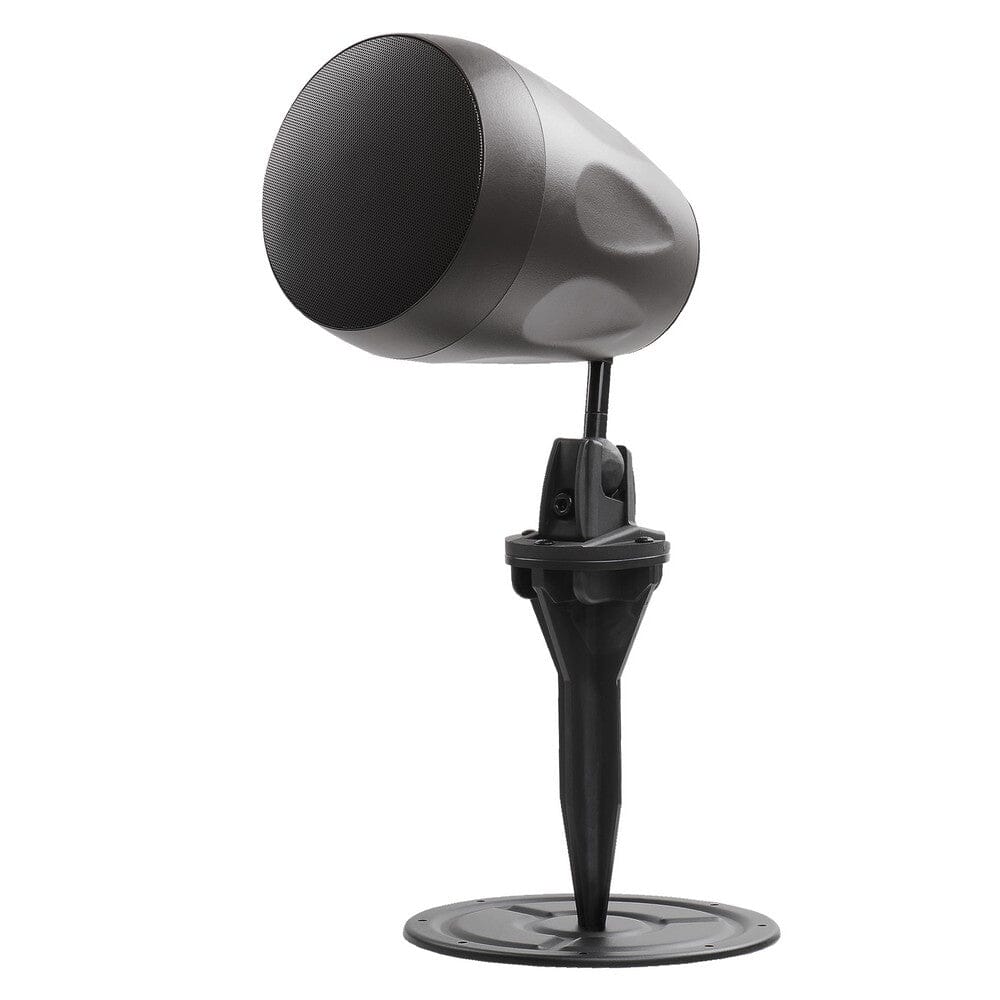
Image source: Bing (Web (fair-use with source credit))
Step 7: Test your levels. Record a short clip. Listen back on headphones. Adjust the volume and position as needed.
Pro Tips for Getting Cleaner Voice Recordings Outdoors
You can improve your audio without buying new gear. Here are some expert tricks.
Record in a sheltered spot. Wind is your biggest enemy. Stand behind a wall, a tree, or a rock. Even a slight barrier helps.
Use the speaker's voice mode. Some models have an EQ preset for voice. It boosts the mid frequencies. This makes your voice cut through the noise.
Hold the speaker closer. If you're stationary, hold the speaker in your hand. Keep it near your chest. This gives the mic a clear path to your voice.
Record in short bursts. Long clips increase the chance of noise. Record in 30 to 60 second segments. This gives you more usable takes.
Edit the audio in post. Use a noise gate or EQ to clean up the track. You can remove background hum and boost your voice. Most editing software has these tools built in.
Use a second audio source. Record a backup track on your phone or camera. If the speaker audio is noisy, you can use the other track. This is a common practice among experienced vloggers.
For more on this, see our guide on recording with both a speaker and a USB source.
Maintenance and Long-Term Care for Rugged Speakers
A waterproof speaker is durable, but it's not indestructible. Proper care extends its life.
Rinse after saltwater exposure. Saltwater is corrosive. Rinse the speaker with fresh water after a beach trip. Dry it thoroughly before charging.
Clean the ports regularly. Use a soft brush or compressed air. Remove sand and dirt from the charging port and buttons. This prevents damage to the seals.
Store it in a dry place. Moisture can build up inside the speaker. Store it in a cool, dry area. Avoid leaving it in a hot car.
Check the IP seals. Over time, the rubber seals can wear out. Inspect them every few months. If they look cracked or loose, the speaker may lose its waterproof rating.
Update the firmware. Some speakers have firmware updates via an app. These updates can improve battery life and audio performance. Check for updates every few months.
Avoid extreme temperatures. High heat can damage the battery. Freezing temperatures drain the battery faster. Keep the speaker within its operating temperature range.
The Verdict: Your Decision Guide Based on Your Vlogging Style
So where does this leave you? Let's make it simple.
If you shoot adventure content outdoors, a waterproof speaker is a solid choice. It survives rain, dust, and drops. You get peace of mind.
Just pair it with a backup mic for narration.
If you vlog in groups, the speaker works well. It captures multiple voices. Place it in the center of the group.
You'll get usable audio for casual content.
If you narrate directly to camera, skip the speaker. Get a dedicated microphone instead. The audio quality difference is night and day.
A lavalier mic costs less and sounds better.
If you're on a tight budget, a waterproof speaker can serve double duty. It's a music player and a recording device. But manage your expectations.
The audio won't be studio quality.
If you want the best of both worlds, carry both. A waterproof speaker for ambiance and backup. A lavalier mic for clean narration.
It's more gear, but it covers every scenario.
Here's a final decision table.
| Your Vlogging Style | Speaker Works? | Recommended Setup |
|---|---|---|
| Adventure / outdoor | Yes | Speaker + lavalier backup |
| Urban / city | Maybe | Speaker for background, mic for voice |
| Indoor / studio | No | Shotgun or condenser mic |
| Group travel | Yes | Speaker for group audio |
| Solo narration | No | Lavalier or shotgun mic |
| Budget conscious | Yes | Speaker for both uses |
| Professional quality | No | Dedicated mic system |
The bottom line is honest. A waterproof speaker is a versatile tool. It's not a replacement for good audio gear.
Know your needs. Test your setup. And always have a backup plan.
Frequently Asked Questions
Can I use a waterproof speaker as my only microphone for vlogging?
You can, but the audio quality will be lower than a dedicated mic. The speaker's microphone picks up background noise and struggles with wind. Use it only for casual or backup audio.
What IP rating do I need for a travel vlogger?
IP67 is the sweet spot. It protects against dust and submersion in water. IPX7 only covers water.
If you film in sandy or dusty environments, IP67 is worth the extra cost.
How do I reduce wind noise when recording with a speaker?
Place the speaker in a sheltered spot. Use a windscreen if available. Keep the volume moderate.
You can also edit out wind noise in post-production using a noise gate.
Can I charge the speaker while recording?
Most waterproof speakers have a port cover that seals the charging port. Charging while recording is possible, but it weakens the waterproof seal. Avoid it in wet conditions.
How long does the battery last for a full day of vlogging?
Most models offer 10 to 20 hours of playback. That's enough for a full day of shooting. Lower the volume to extend battery life.
Carry a power bank for longer trips.
Is a waterproof speaker safe to use in a rainstorm?
A speaker with an IP67 rating can handle rain. But heavy rain can still cause issues. The speaker is safe from water damage, but the audio quality will suffer from rain noise.

Similar Posts