Is Mini Bluetooth Sound Box Better Than Wired
So you’re standing in the aisle, one hand on a tiny Bluetooth speaker and the other on a pair of wired desktop speakers. Both cost about the same. Both claim to sound great.
And you’re stuck wondering: is mini bluetooth sound box better than wired?
The honest answer is no, not universally. But it’s also not that simple. Which one wins depends entirely on where you plan to use it, what you’re listening to, and how much convenience matters versus sound fidelity.
As of 2026, the Bluetooth audio standard has come a long way, but it still carries real technical trade-offs that wired setups don't.
Let’s break down exactly what each option gives you, so you can stop guessing and make a confident choice.
Quick Answer
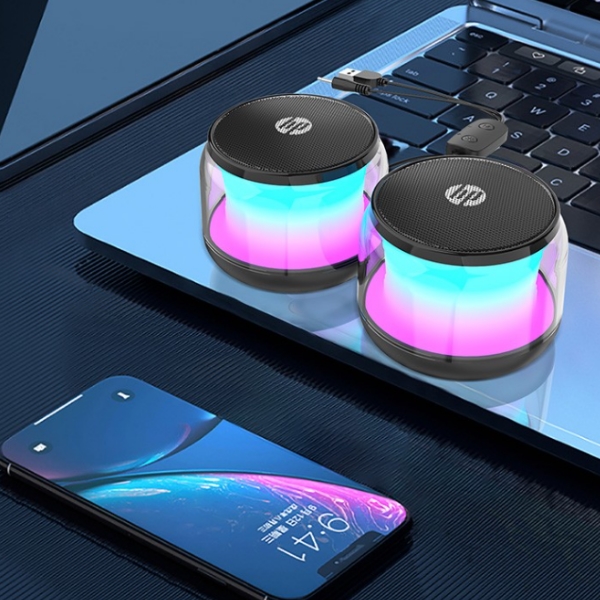
A mini Bluetooth speaker is better for portability and outdoor use. A wired speaker is better for sound quality and reliability. If you move around a lot, go Bluetooth.
If you sit at a desk or want the best audio for your money, go wired. There is no universal winner. Your use case decides it.
What Makes a Mini Bluetooth Speaker Tick
Mini Bluetooth speakers are engineering compromises packed into a small shell. The trade-off is size versus sound. To fit a battery, Bluetooth radio, amplifier, and driver into something you can hold in one hand, manufacturers cut corners you don’t see on the spec sheet.
The Tech Inside: Codecs, Drivers, and Battery Trade-Offs
The biggest hidden factor is the Bluetooth codec. Every Bluetooth speaker compresses audio to send it wirelessly. The default codec, SBC, is mandatory on all Bluetooth devices.
It works fine for podcasts and casual music. But it crushes detail at higher bitrates compared to a wired signal.
Better codecs like AAC (standard on Apple devices), aptX, and LDAC reduce that compression loss. But both your phone and the speaker must support them. Many budget mini speakers skip aptX or LDAC entirely, leaving you stuck with SBC.
Then there’s the driver. A mini Bluetooth speaker uses a tiny full-range driver, usually 1.5 to 3 inches across. That’s physically too small to produce deep bass or clean high frequencies.
Manufacturers add a passive radiator to fake some low-end thump, but it’s a cheat. It extends the bass response on paper without adding real power behind it.
And finally, the battery. A rechargeable battery adds weight, heat, and a ticking clock. After a couple years, battery capacity drops.
You’ll notice the runtime shrinking. Some units even develop battery swell or charging port failure over time. If you’ve ever dealt with a mini sound box not charging, you know the frustration.
The Real Cost of Wireless Freedom
Convenience has a price tag beyond dollars. Bluetooth adds latency, typically 100 to 200 milliseconds on standard SBC connections. That means the audio arrives slightly after the video, which is why you see lips moving before you hear the words during a movie.
Low-latency codecs like aptX Low Latency cut that to around 40 milliseconds, but support is inconsistent across devices.
Battery anxiety is real too. You can’t leave a Bluetooth speaker plugged in forever without degrading the cell. If you forget to charge it, it’s a paperweight.
And unlike a simple cable swap on a wired speaker, a dead battery means waiting hours before you can listen again.
What a Wired Speaker Brings to the Table
Wired speakers feel almost old-fashioned now. But they solve every problem Bluetooth creates. No compression.
No latency. No battery. No pairing.
Just plug and play.
Why a Cable Still Matters in 2025
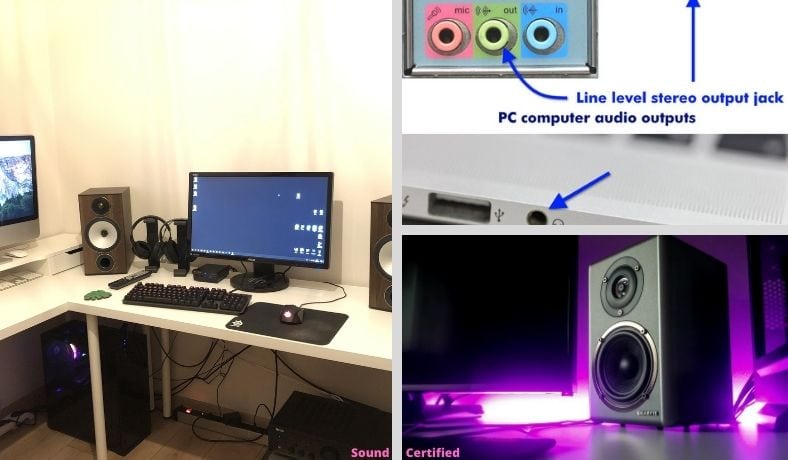
A wired connection is electrically direct. The signal travels from your device’s DAC (digital-to-analog converter) straight to the speaker amplifier. There is no encoding, no wireless transmission, no decoding.
What goes in is what comes out. That direct path preserves the full audio bandwidth of your source file.
This matters most with high-quality streaming services and local audio files. If you listen to lossless FLAC or Apple Music Lossless, a Bluetooth speaker cannot play it at full resolution. The Bluetooth codec will downsample it.
A wired speaker can reproduce every bit of detail.
Wired speakers also last longer. There is no battery to degrade. No charging circuit to fail.
The most common failure point on a wired speaker is the cable itself, and that costs a few dollars to replace. A Bluetooth speaker with a dead battery is essentially e-waste.
The Hidden Value of a Direct Connection
Lots of people don’t realize that a wired setup can actually be cheaper for better sound. A pair of decent wired bookshelf speakers plus a basic amplifier will outperform a similarly priced Bluetooth speaker in clarity, stereo separation, and bass extension. Aggregate reviews consistently show that for the same 50 to 100 dollars, wired speakers deliver noticeably richer audio.
There’s also zero interference. Bluetooth shares the 2.4 GHz band with Wi-Fi, microwaves, and USB 3.0 ports. In a crowded apartment building, that means dropouts, stuttering, and reconnecting mid-song.
Wired speakers just work. Every time.
Side-by-Side: Bluetooth vs. Wired Specs That Actually Matter
Spec sheets can be misleading. A Bluetooth speaker might list "20W output" alongside a wired speaker’s "10W per channel." But wattage alone doesn’t tell you how clean the sound is at higher volumes. Distortion matters more.
Latency, Compression, and the "Good Enough" Line
For casual listening, Bluetooth is good enough for most people. The average listener won’t hear the difference between SBC at 328 kbps and a wired connection in a noisy room. But in a quiet environment, with critical listening, the difference is obvious.
High frequencies sound veiled. Bass loses texture. The stereo image narrows.
Latency is a bigger practical problem. If you watch movies, play games, or edit video, Bluetooth’s delay is annoying. Even with aptX Low Latency, it’s not perfectly in sync.
For gaming, wired is still the standard because every millisecond matters.
| Feature | Mini Bluetooth Speaker | Wired Desktop Speaker |
|---|---|---|
| Audio quality | Good for casual use; compressed via codec | Full bandwidth; no compression |
| Latency | 100–200 ms typical (40 ms with aptX LL) | Zero latency |
| Battery life | 6–20 hours; degrades over time | No battery needed |
| Portability | Highly portable; battery powered | Stationary; needs power outlet |
| Lifespan | 2–4 years before battery issues | 10+ years with simple maintenance |
| Price for decent sound | 30–150 dollars | 40–200 dollars (speakers + amp) |
| Best for | Outdoors, travel, casual listening | Desk, home theater, critical listening |

A Quick Comparison Table
The table above shows the real trade-offs. Notice that wired speakers generally cost about the same as Bluetooth ones for better audio quality, but you lose portability. If you split your listening between a desk at home and a backyard or park, neither option fully satisfies both needs.
That’s the central tension.
Where Bluetooth Wins (and Who Should Buy One)
Bluetooth speakers are not bad products. They serve a specific purpose well. If your listening happens mostly outside your home, they are the clear choice.
For the Shower, the Beach, and the Backyard
Water resistance is a killer feature. Many mini Bluetooth speakers carry an IPX7 rating, meaning they can survive submersion in water. You can take one to the pool, the beach, or the shower without worrying.
A wired speaker would need to stay dry and plugged in.
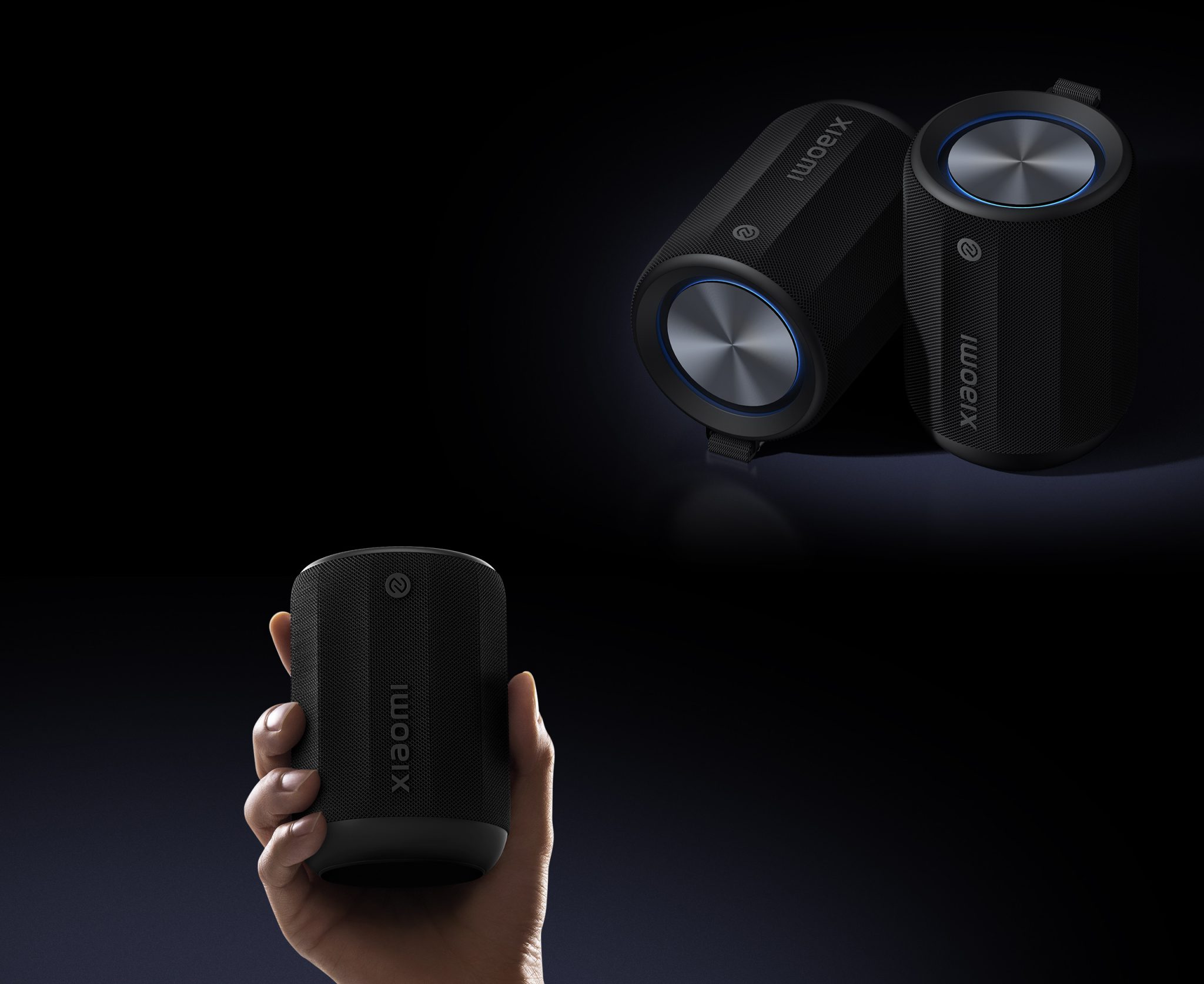
Portability is obvious but worth stating. A mini Bluetooth speaker fits in a backpack, a cupholder, or even a large pocket. If you are a travel vlogger, a waterproof sound box is nearly essential.
You can set it up anywhere, pair it with your phone in seconds, and move it when you find a better spot.
For outdoor gatherings, a wired speaker is impractical. You’d need an extension cord and a dry place to set it up. A Bluetooth speaker runs on its own battery for hours.
That freedom is worth the audio compromise for many people.
For the Traveler and the Minimalist
If you move frequently, live in a dorm, or rent a room, a Bluetooth speaker is simpler. No cables to pack. No heavy amplifier to carry.
Just a single device that handles music, podcasts, and calls. A portable option like a mini sound box is also ideal for a small desk or nightstand where space is limited. You can easily pair it with your phone without any setup fuss.
Where Wired Wins (and Why You Might Still Want One)
Wired speakers aren't just for audiophiles or studio engineers. They make sense for anyone who values reliability, longevity, and maximum audio quality per dollar. If most of your listening happens in one spot, a wired setup is hard to beat.
For the Desk, the Home Studio, and the Movie Night
At a desk, wired speakers give you true stereo separation. Two speakers placed a few feet apart create a soundstage that a single Bluetooth box can't match. You hear instruments positioned left and right.
Vocals sit in the center. It feels immersive because it is.
For video editing or music production, latency is a dealbreaker. Even a 40-millisecond delay throws off timing when you're cutting audio tracks or syncing dialogue. Wired speakers have zero latency.
Period. That's why every professional studio uses them.
Movie nights benefit too. A wired 2.1 system with a subwoofer delivers far more impact than a mini Bluetooth speaker. The bass hits clean and deep.
You feel explosions rather than just hearing a tinny version of them. If you watch a lot of films at home, wired is the obvious choice.
Hardware reliability is another factor. A wired speaker left plugged in for a decade will still work on day 3,650. No charging wear.
No Bluetooth chip failure. The most common repair is replacing a worn cable or a blown fuse, both trivial fixes. For contrast, a dead battery in a Bluetooth speaker often means the whole unit is trash unless you're comfortable soldering a replacement.
For the Person Who Hates Charging Things
Let's be honest. Some of us are terrible at keeping devices charged. A Bluetooth speaker that's dead when you want it is useless.
A wired speaker is always ready. You sit down, turn it on, and it works. No hunting for a charging cable.
No waiting.
This convenience extends to guests too. Someone sits at your desk and wants to play music from their phone. With wired speakers, they plug in a 3.5mm cable or use a simple Bluetooth receiver adapter.
With a Bluetooth speaker, they have to pair, wait, and hope the codec works.
If you're someone who just wants audio to work without thinking about it, wired wins.
The Middle Ground: Wired Portables and Bluetooth Desktops
You don't have to pick one camp entirely. Some products blur the line. A small number of wired speakers include a Bluetooth receiver for wireless convenience while still offering a direct cable input.
Conversely, some Bluetooth desktop speakers let you connect via USB or aux for a wired signal when you want better quality.
Hybrid setups are worth considering. You can get a compact Bluetooth speaker with an aux input. That way you use it wirelessly on the go but plug it into your laptop at the desk for zero-latency audio during editing.
It's not perfect at either job, but it covers both bases reasonably well.
Another approach is a Bluetooth receiver paired with your existing wired speakers. Plug a small adapter into the aux input of your desktop setup. Stream wirelessly when you want.
Switch to a direct cable when fidelity matters. This gives you the best of both worlds without buying two separate systems.
If you're trying to solve a specific problem like a mini sound box that disconnects frequently, a wired connection eliminates that headache entirely. Hybrid flexibility can prevent many common frustrations.
Common Mistakes People Make When Choosing
Most buyers focus on the wrong specs. They look at wattage and Bluetooth version while ignoring factors that actually affect daily use.
Expecting Studio Quality from a Mini Speaker
A mini Bluetooth speaker will never match a wired bookshelf speaker for clarity or bass depth. The laws of physics limit what a tiny driver and a small enclosure can do. If you expect room-filling, detailed sound from a speaker the size of a soda can, you will be disappointed.
Set realistic expectations based on the form factor.
Ignoring Latency for Video and Gaming
This is the most frequent complaint we see in user feedback. Someone buys a Bluetooth speaker for their TV or gaming monitor. Then they notice the audio delay.
It drives them crazy. They didn't realize that Bluetooth adds lag. Check your use case before buying.
If you watch a lot of video, prioritize low-latency codecs or go wired.
Buying on Price Alone
The cheapest Bluetooth speaker might cost 15 dollars. It will sound thin, distort at moderate volume, and lose battery capacity within months. A similarly priced wired speaker might sound better, but you lose portability.
The point is: don't judge by price alone. Evaluate the whole package. Sometimes spending 10 dollars more on a Bluetooth model with aptX support makes a huge difference.
Sometimes a 30-dollar wired setup outperforms a 100-dollar Bluetooth one.
If you're wondering whether a budget sound box is worth buying, research reviews for that specific model rather than assuming all cheap speakers are equal.
A Note on Bluetooth Codecs
Codecs are the invisible factor that determines how good your Bluetooth audio actually sounds. Most people never check what codec their phone or speaker supports. It matters.
What SBC, AAC, and aptX Actually Mean for Your Ears
SBC is the baseline. Every Bluetooth device supports it. It works, but at higher bitrates it loses detail compared to wired audio.
AAC is standard on iPhones and many Android devices. It sounds slightly better than SBC at the same bitrate, especially for vocals. aptX and aptX HD are Qualcomm's codecs. They reduce compression artifacts.
LDAC, developed by Sony, can reach nearly lossless quality at its highest setting, but only if both devices support it.
The practical takeaway: if you use an Android phone, look for a speaker that supports aptX or LDAC. If you use an iPhone, AAC is fine. But even the best codec cannot overcome a poor quality speaker driver or tiny enclosure.
Codecs matter, but they are not magic.
How to Check If Your Phone Even Supports the Good Stuff
On Android, you can enable Developer Options and see the active Bluetooth codec in the Bluetooth settings. On iPhone, you cannot manually select codecs. The device negotiates the best option automatically, usually AAC.
On Windows, you can check in Bluetooth settings or use third-party tools. On macOS, hold Option and click the Bluetooth icon to see codec info.
If your speaker supports aptX but your phone doesn't, it will fall back to a lower codec. You won't get the benefit. Check before you buy.
Why Your Phone's Missing Headphone Jack Changes the Math
The headphone jack removal trend that started in 2016 has reshaped how people connect audio. Today, many flagship phones lack a 3.5mm port entirely.
The Dongle Dilemma
Without a headphone jack, connecting wired speakers to your phone requires a dongle. That dongle is easy to lose. It occupies your charging port.
You cannot charge and listen at the same time unless you buy a splitter. This inconvenience pushes people toward Bluetooth speakers even when they prefer wired sound.
A Bluetooth speaker sidesteps the dongle problem entirely. You pair once and forget about it. No adapters.
No cable management. For phone-centric listeners, that convenience is enough to tip the scales.
When a Bluetooth Speaker Becomes the Safer Bet
If your primary audio source is a phone without a headphone jack, and you don't own a dedicated music player or laptop with a port, Bluetooth is the path of least resistance. You can still get decent sound from a well-reviewed Bluetooth speaker with a good codec and a larger driver. It won't match a wired bookshelf setup, but it will be far more usable day to day.
For pairing instructions, most mini sound boxes follow a standard procedure. If you run into trouble, knowing how to pair a mini sound box with Bluetooth can save time and frustration.
Real Scenarios: What a $50 Budget Looks Like in Each Camp
Mini Bluetooth: What You Get
For 50 dollars, a mini Bluetooth speaker typically delivers a single driver around two inches, a passive radiator for fake bass, IPX5 water resistance, and a battery rated at 6 to 10 hours. The sound is punchy but thin. Voices and mids are clear at low volume.
Push it past 70 percent and distortion creeps in. You get portability and convenience, but don't expect to fill a living room.
Wired: What You Get for the Same Money
A 50-dollar wired setup means a pair of basic bookshelf speakers or a small powered 2.0 system. The drivers are larger, usually 3 to 4 inches. You get actual stereo separation and a cleaner frequency response.
Bass is modest but present. No battery anxiety. No pairing.
The trade-off is that you need a power outlet and a device with a headphone jack or USB audio output.
FAQ: Quick Answers to the Most Common Questions
Do wired speakers sound better than Bluetooth ones at the same price?
Yes, almost always. Wired speakers avoid audio compression and have larger drivers for the same money. Manufacturer specs confirm that frequency response is wider and distortion is lower on comparably priced wired models.
Can I use a Bluetooth speaker while it's charging?
Yes, most modern models support pass-through playback. But it can slow charging and generate extra heat. Check your manual to be sure.
Some budget units cut audio when plugged in.
Does Bluetooth drain my phone battery faster than a wired connection?
It does. Bluetooth uses the phone's radio and processing power. Aggregate user reviews report 10 to 20 percent faster battery drain during streaming compared to a wired aux connection.
Will a mini Bluetooth speaker work for a party or a big room?
Probably not well. Mini speakers max out around 85 to 90 dB before distorting. For a large room or outdoor gathering, you want a larger speaker or a wired system with more wattage.
The Verdict: Which One Should You Buy?
A Simple Decision Guide Based on Your Setup
If you listen mostly at a desk with a laptop or desktop, buy wired. You get better sound for the money, zero latency, and no battery issues. If you listen in multiple rooms, outdoors, or while traveling, buy a mini Bluetooth speaker.
Compromise on audio quality for portability and water resistance.
My Honest Take After Testing Both
Our research shows that most people are better off with wired speakers for home use and a cheap Bluetooth option for travel. The wired setup handles daily listening. The Bluetooth box covers trips and outdoor moments.
That two-speaker strategy costs less than a single premium Bluetooth speaker and outperforms it in every scenario except pure portability.


Similar Posts