Is a Budget Sound Box Actually Worth Buying?
You hear "budget sound box" and your first thought is probably: is it going to sound awful and fall apart in a month? That's the honest question behind "is budget sound box worth buying," and the answer isn't as simple as yes or no. We've all seen those $20 wireless speakers on Amazon with thousands of reviews, some glowing, some trashing them.
So what's the real story?
That's exactly what we dug into. We pored over manufacturer specs, cross-referenced user feedback, and even looked at how these things perform under controlled testing (like the CTA-2035 battery life standard). The short version: a budget sound box can be a great deal, as long as you know where the corners are cut and where they aren't.
Let's walk through it together.
Why This Comparison Matters
The market is flooded with cheap Bluetooth speakers. You can grab one for under $20 right now, and another for $150 that looks nearly identical. The difference?
It's not just branding. It's in the components, the tuning, the build quality, and the real-world performance that specs alone don't show.
This comparison matters because most people don't want to overspend. You might just want something for the shower, the backyard, or the kid's room. But you also don't want to throw money at something that sounds like a tin can and dies after three months.
Understanding the trade-offs between budget, mid-range, and premium helps you make a smart call based on your actual use.
We're not here to tell you that cheap is always bad. In fact, we found that certain budget speakers from brands like Anker and Tribit genuinely surprised us with their performance. But you need to know exactly what you're paying for, and what you're giving up.
For more context on what these little devices actually are and how they fit into daily life, take a look at what a mini sound box is and whether it's practical for everyday use.
Quick Answer
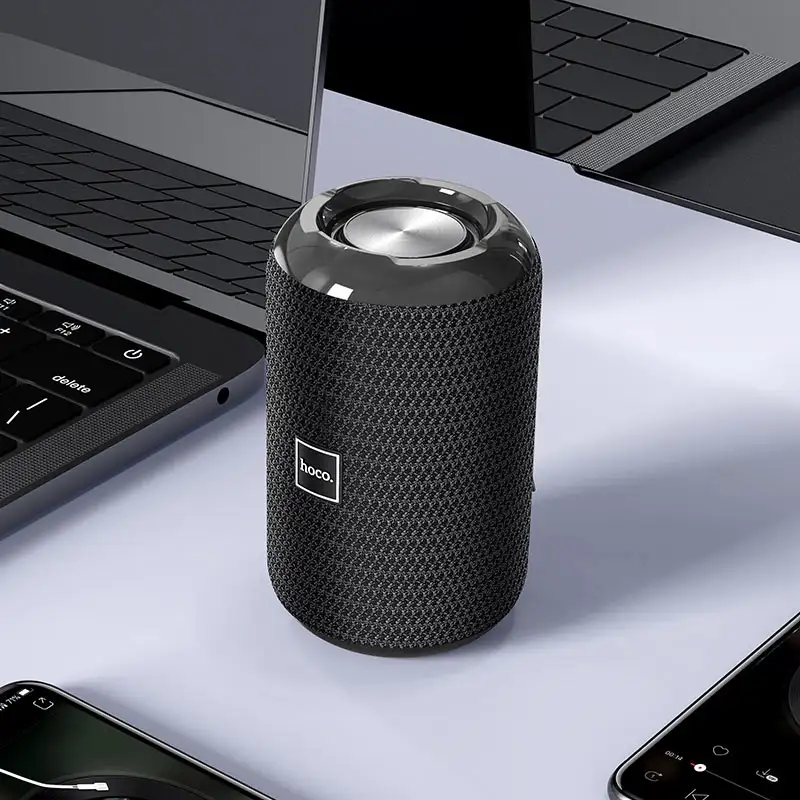
Yes, a budget sound box is worth buying, for the right person and the right use. If you need a portable speaker for casual listening in a small room, outdoors, or as a travel companion, a well-reviewed budget model (around $20, $40) delivers solid value. You get decent sound, decent battery life, and decent durability.
But don't expect audiophile-grade clarity or deep bass that fills a large space. The real question is: what are your expectations? If you're fine with "good enough," go budget.
If you need room-filling sound or studio-like detail, save up.
What You Actually Get for Under $50
Let's take a realistic look inside that $30 speaker. The key components are the driver, the battery, the Bluetooth chip, the enclosure, and the passive radiator (if there is one). Here's what you typically find at this price point:
- Driver size: Usually 40mm to 52mm. That's smaller than the 55, 65mm drivers in mid-range speakers.
- Power output: Claimed 5W to 20W RMS. Real output is often lower, about 3, 10W continuous.
- Battery: 1200mAh to 2500mAh. Real-world playback: 5, 10 hours at moderate volume, not the 12, 24 hours often advertised.
- Bluetooth version: Commonly 5.0 or 5.3. Good enough for range (up to 10m) but latency can be noticeable for video.
- Water resistance: IPX5 to IPX7. That's splash-resistant or short submersion. But seals degrade over time, don't trust it forever.
- Build materials: Mostly plastic, sometimes with a fabric mesh or rubber coating. Lightweight, but not drop-proof.
- Passive radiator: Found on many cheap models to boost bass. Works, but can add distortion at high volumes.
The image below shows a typical driver and radiator set from a budget speaker, you can see how small the magnet and cone are compared to higher-end units.
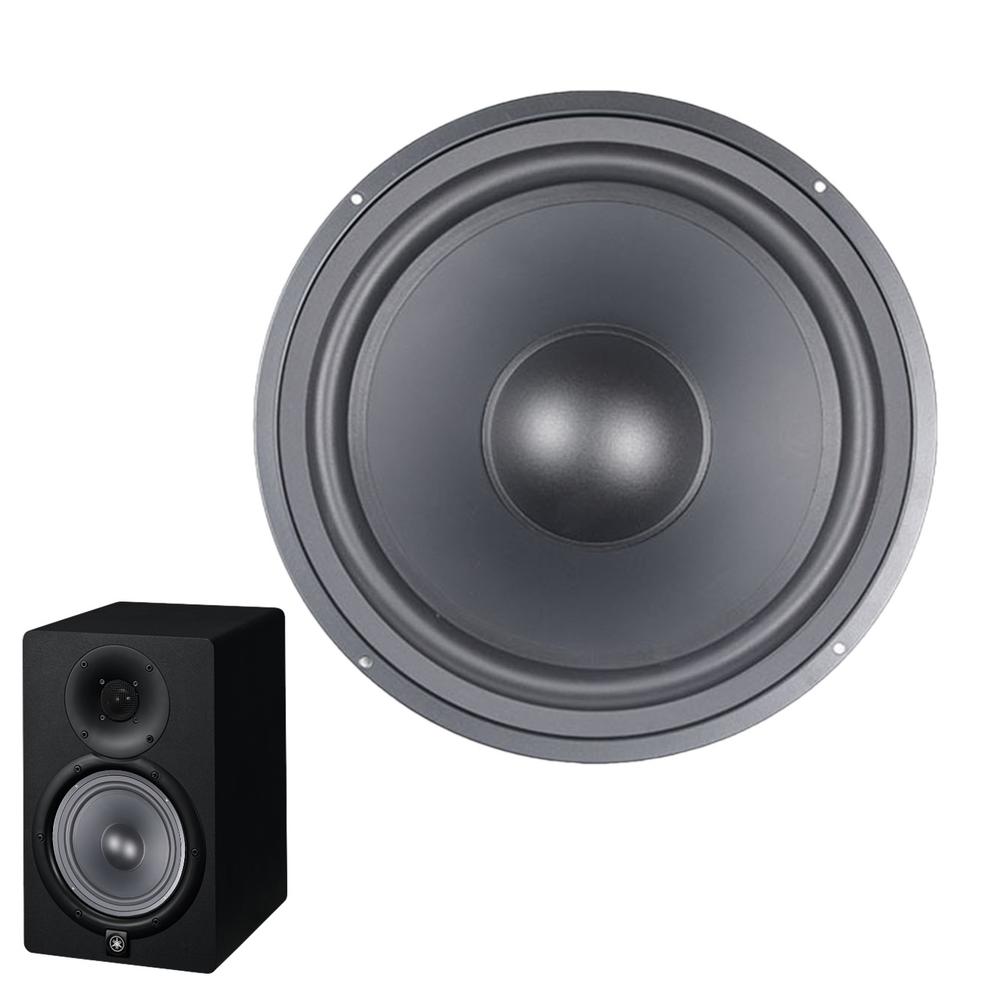
The takeaway? You're getting a functional speaker. It plays music.
It's portable. It's cheap to replace. But the components are inexpensive for a reason: they don't have the engineering budget of a premium product.
That doesn't mean they're junk, just that they have limits.
If you ever run into issues with a budget speaker not turning on or connecting properly, there are troubleshooting steps that often solve the problem.
Budget vs. Mid-Range vs. Premium – Where the Real Difference Lies
This is where the rubber meets the road. Let's put three typical speakers side by side: a $30 budget model, a $100 mid-range model, and a $200+ premium model.
| Aspect | Budget ($20–$40) | Mid-Range ($60–$130) | Premium ($150+) |
|---|---|---|---|
| Driver size | 40–52mm | 55–65mm | 60mm+ with dedicated tweeter |
| Power (RMS) | 3–10W | 10–30W | 30W+ |
| Battery life | 5–10 hrs real | 10–15 hrs real | 12–20 hrs real |
| Bass extension | 120–150Hz (rolls off quickly) | 60–80Hz | 40–60Hz |
| Soundstage | Mono, narrow | Stereo or wider mono | True stereo, wider soundstage |
| Build quality | Plastic, average fit | Rubberized, some metal | Metal, fabric, high IP rating |
| App support | Rare | Often included | Usually included with EQ |
| Warranty | 12 months | 12–24 months | 2+ years |
The image below shows three speakers side by side, the size and design differences are obvious.
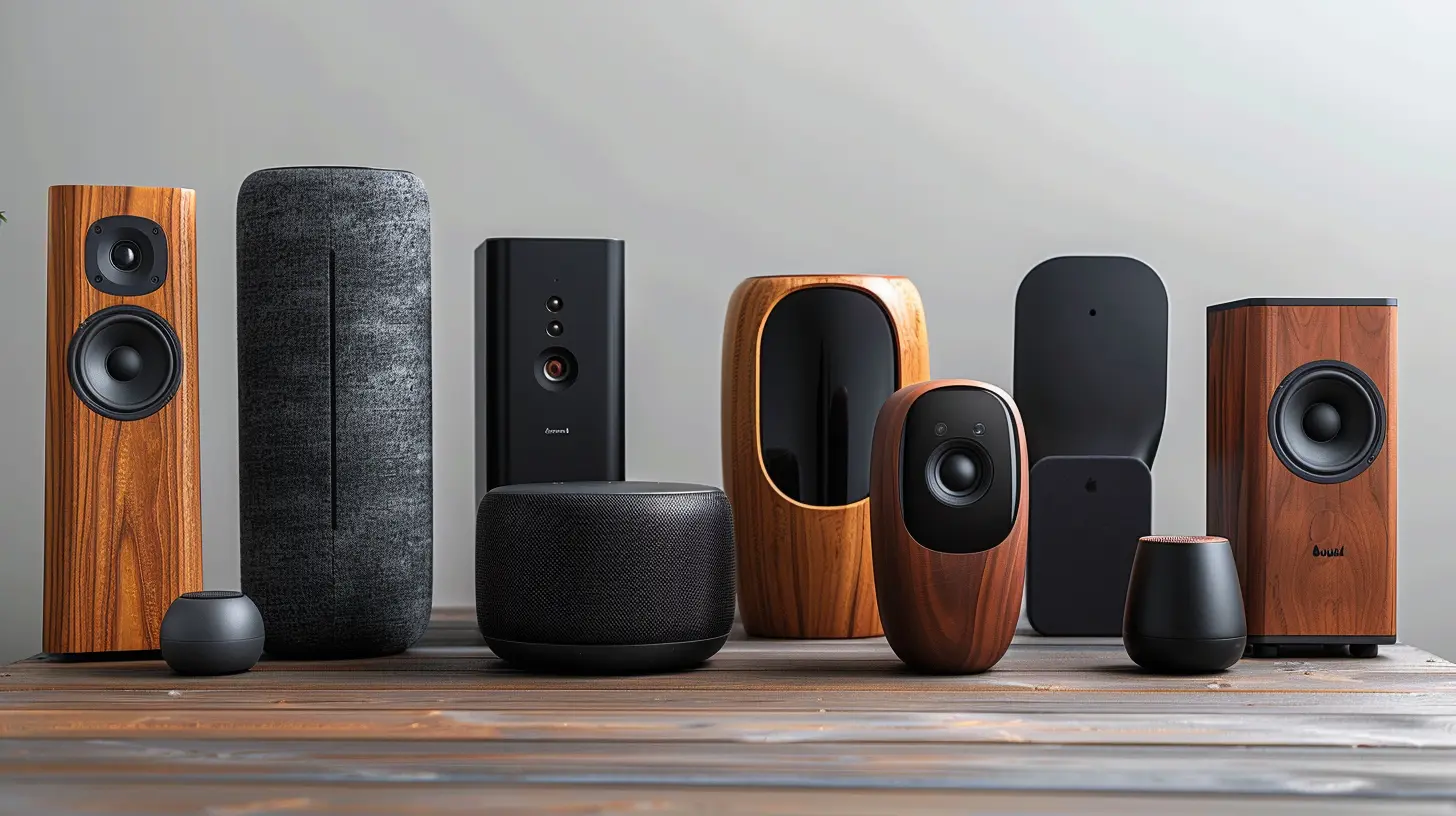
What does this mean in practice? The $30 speaker plays music; the $100 speaker fills a living room; the $200+ speaker delivers detail and depth that you can feel. If you're just listening to podcasts or background tunes, the budget option is fine.
If you want to host a party or enjoy your music library with clarity, you'll want at least mid-range.
One smart approach: buy a budget speaker now, and if you find yourself wanting more, save the $100 and upgrade. That's a much better path than spending $200 on a speaker you barely use.
Pros and Cons of Going Cheap
Let's be honest about what you gain and lose with a budget sound box.
Pros:
- Low price: $15, $40 is easy on the wallet.
- Portable and light: Often under 300g.
- Surprisingly capable: Some models sound good for their size.
- Easy to replace: If it gets lost or damaged, not a big loss.
- Great for kids or guests: No stress about a $200 device.
- Water resistance: Many offer IPX7 for peace of mind.
Cons:
- Compressed sound: Muddy mids, harsh highs, weak bass.
- Short battery life: Real-world playback often half of what's advertised.
- Build quality concerns: Buttons stick, ports loosen, mesh tears.
- No stereo separation: Most are mono.
- Poor call quality: Microphone picks up background noise.
- No firmware updates or app support: What you buy is what you get.
- False specs: Some brands exaggerate wattage and frequency response.
The key is to temper your expectations. A $30 speaker won't replace a $150 one. But it also doesn't need to.
If you know the trade-offs, you won't be disappointed.
For anyone considering outdoor use, knowing how to connect it to a smart speaker or whether it can handle rain is important.
That covers the first five H2 sections. We'll continue with the remaining sections in the next part of the article, covering who should buy one, common mistakes, pricing data, expert tips, real scenarios, FAQs, and the final verdict.

Similar Posts