How To Use Airdrop To Share Files Instantly Easily

How to use AirDrop to share files instantly
Understanding AirDrop and How It Works
AirDrop is a quick and easy way to share files between Apple devices like iPhones, iPads, and Macs. It uses a combination of Bluetooth and Wi-Fi to transfer data securely and swiftly. When you activate AirDrop, your device creates a peer-to-peer network that allows for direct sharing without needing internet or cables. The process begins with Bluetooth, which detects nearby Apple devices within range. Once devices recognize each other, they establish a Wi-Fi connection to transfer files seamlessly. AirDrop is designed to make sharing simple, with minimal setup required.Preparing Your Devices for Using AirDrop
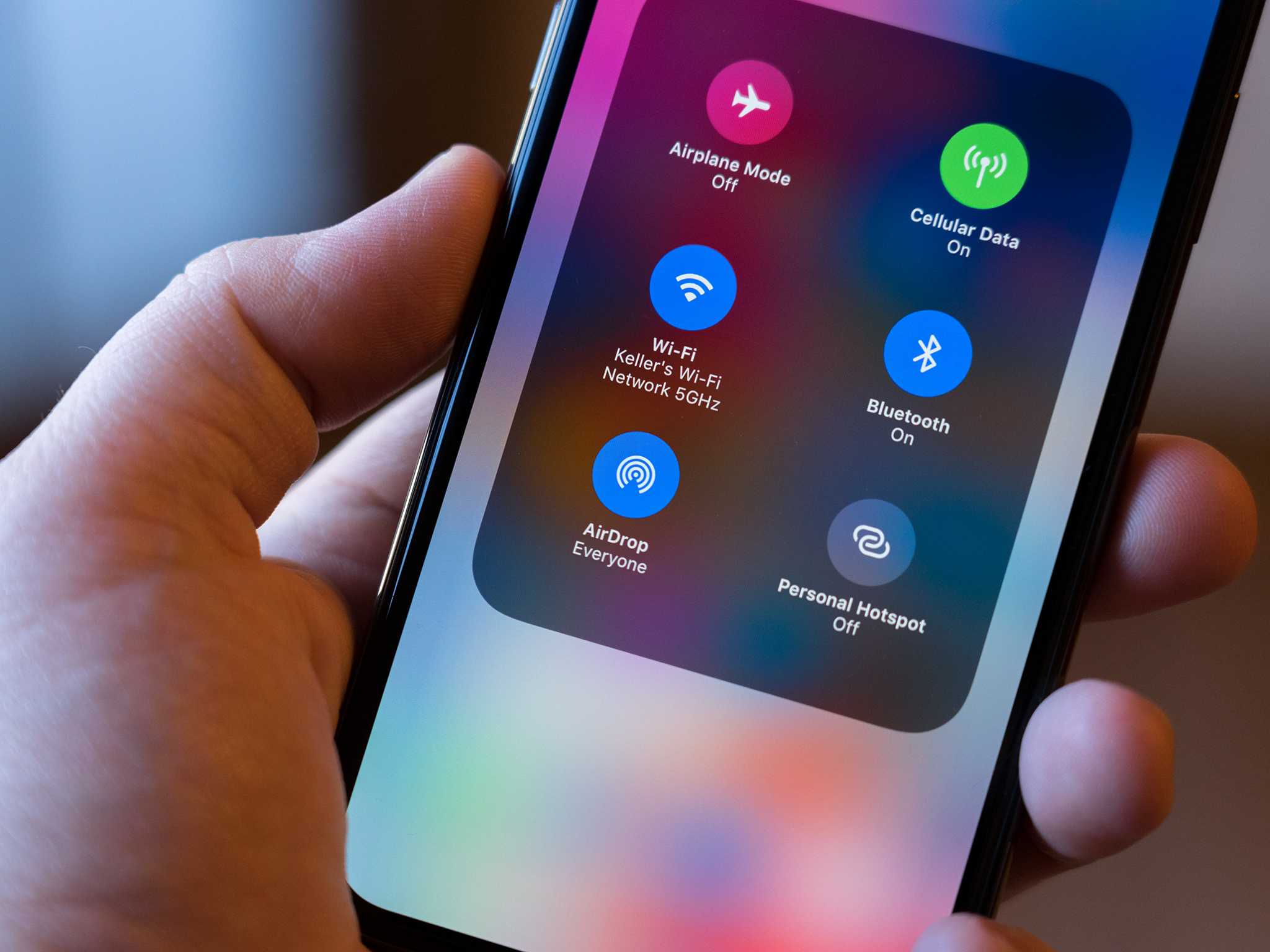
Before sharing files, ensure both devices are ready. Check that Bluetooth and Wi-Fi are turned on for both devices. On iPhone or iPad, go to Settings and toggle Bluetooth and Wi-Fi switches on. Next, verify that AirDrop is enabled and configured properly. On iOS devices, access the Control Center by swiping down from the top right corner. Tap the AirDrop icon and choose from the options: Receiving Off, Contacts Only, or Everyone. For quick sharing, selecting Everyone makes it visible to all nearby Apple devices. For Mac users, open Finder and click on AirDrop in the sidebar. Ensure Bluetooth and Wi-Fi are active. At the bottom of the AirDrop window, select your preferred visibility option: No One, Contacts Only, or Everyone.How to Share Files Using AirDrop
Sharing files through AirDrop is straightforward once devices are prepared. Follow these simple steps:- Open the app or location where your file is stored. This could be Photos, Files, or your Documents folder.
- Select the file you want to share. On iOS, tap the Share icon (a square with an arrow pointing up).
- In the sharing options, tap the AirDrop icon. Your device will start searching for nearby AirDrop-enabled devices.
- Tap the recipient’s device name when it appears. If the device is not visible, check the visibility settings and proximity.
- The recipient will receive a notification. They must accept the transfer to complete the process.
How to Send Files from an iPhone or iPad
Sharing from an iPhone or iPad works in a similar way. Here’s a detailed step-by-step:- Open the app: Launch the Photos app for images or videos, or Files for documents.
- Select your file: Tap on the file you want to share or tap “Select” to choose multiple files.
- Use the Share menu: Tap the Share icon, represented by a square with an upward arrow.
- Pick AirDrop: In the sharing options, select the AirDrop icon.
- Select the recipient: Tap the name or device icon of the person you want to share with.
- Confirm transfer: The recipient’s device displays an alert. They tap “Accept” to start the transfer.
How to Share Files from a Mac
Sharing files from a Mac involves similar steps but uses Finder for ease:- Open Finder and select the file you want to share.
- Click the Share button or right-click the file and select Share > AirDrop.
- In the AirDrop window, your Mac searches for nearby devices.
- Select the device you want to send the file to.
- The recipient will get a prompt asking for acceptance. Once accepted, the file transfers automatically.
Managing AirDrop Settings for Optimal Sharing
Properly configuring AirDrop settings makes sharing more efficient and secure. On iOS devices, access settings through the Control Center. Tap AirDrop and choose “Contacts Only” or “Everyone,” based on your privacy preference. On Macs, open Finder, go to AirDrop, and select your visibility option at the bottom. Keep in mind that “Everyone” makes your device discoverable to all nearby Apple devices, which is useful in busy environments. Remember to turn off AirDrop when not in use to conserve battery life and maintain privacy. Swipe to Control Center or go to Finder and disable AirDrop visibility accordingly.Security and Privacy Tips When Using AirDrop
While AirDrop is secure, it’s essential to follow some safety tips. Avoid accepting files from unknown sources to prevent potential malware. Always verify the sender before opening shared content. Set your AirDrop to “Contacts Only” when sharing with trusted people. This setting limits visibility to known contacts, reducing unwanted sharing. If you’re in a public place, switch to “Receiving Off” to prevent strangers from sending files. After completing the transfer, remember to disable AirDrop or switch back to a more restrictive setting.Troubleshooting Common AirDrop Issues
Sometimes, AirDrop may not work as expected. Common problems include devices not appearing or transfers failing. Here are troubleshooting tips:- Ensure both devices are within 30 feet of each other and Bluetooth/Wi-Fi are active.
- Check AirDrop settings; make sure they are set to “Everyone” or “Contacts Only” as needed.
- Restart Bluetooth and Wi-Fi on both devices to reset connections.
- Toggle AirDrop off and on again on both devices.
- Restart your devices if issues persist, as this can resolve temporary glitches.
Additional Tips for Smooth File Sharing Using AirDrop
To make your sharing experience even better, consider these tips:- Keep devices unlocked during sharing to avoid transfer interruptions.
- Use AirDrop in a less crowded location to prevent connection conflicts.
- Close unnecessary apps that might interfere with Bluetooth or Wi-Fi.
- Ensure both devices have enough storage space to receive files.
Related Topics to Explore
To enhance your understanding of file sharing on Apple devices, explore these related areas:- Using AirDrop with Apple Watch
- Sharing files via iCloud Drive for larger data needs
- Best apps for managing file transfers on iOS and Mac
- Comparing AirDrop to other transfer methods like email, messaging apps, or cloud services
How to Use Airdrop on iPhone or iPad
Frequently Asked Questions
How do I ensure AirDrop is enabled on both devices before sharing files?
To ensure AirDrop is functioning correctly, open Control Center on both devices by swiping down from the top-right corner (iPhone X and later) or swiping up from the bottom (older models). Tap the AirDrop icon and set it to either “Contacts Only” or “Everyone,” depending on whom you’re sharing with. Make sure both devices are within Bluetooth and Wi-Fi range, and have their AirDrop visibility turned on.
What steps should I follow if the recipient’s device isn’t appearing during file transfer?
If the recipient’s device isn’t showing up, verify that AirDrop is active and set to the appropriate visibility setting on their device. Ensure both devices are unlocked, awake, and within close proximity. Additionally, check that Wi-Fi and Bluetooth are enabled on both devices. Restarting both devices can also resolve temporary connectivity issues.
Can I share files with multiple devices using AirDrop simultaneously?
AirDrop allows you to send files to multiple devices, but not at the same time. You need to select each recipient individually. When sharing, choose a device, send the file, then repeat the process for each additional device. This method ensures each recipient receives the files securely and without interference.
Is it possible to share large files using AirDrop without interruption?
Yes, AirDrop can handle large files efficiently as long as both devices remain within Bluetooth and Wi-Fi range. To prevent interruptions, avoid moving out of range during transfer and ensure both devices have sufficient battery life and storage space. Keeping devices close and connected stabilizes the transfer process.
What should I do if AirDrop transfer is stuck or fails to complete?
If your transfer stalls or fails, cancel the current transfer, disable and re-enable AirDrop, and make sure both devices are awake and nearby. Restart both devices if necessary. Confirm that Wi-Fi and Bluetooth are active, and attempt the transfer again. Updating your device software can also resolve compatibility issues.
Final Thoughts
To use AirDrop to share files instantly, ensure both devices have Bluetooth and Wi-Fi turned on. Open the file you want to send, tap the share icon, and select AirDrop. Pick the nearby device from the list to start the transfer. AirDrop simplifies sharing by connecting devices quickly without cables or email. By following these steps, you can send files seamlessly. How to use AirDrop to share files instantly remains straightforward once you get used to the process.
Similar Posts