How To Transfer Files Between Macbook And Iphone Efficiently


How to transfer files between MacBook and iPhone
Understanding the Different Methods for File Transfer
Transferring files between a MacBook and an iPhone can seem tricky, but Apple offers several simple ways to do it. Each method has its advantages, depending on the type of files and your preferences. Common methods include using AirDrop, iCloud, iTunes or Finder, third-party apps, and email or messaging services.Using AirDrop to Send Files Quickly and Wirelessly
AirDrop is one of the easiest ways to transfer files directly between your MacBook and iPhone. It uses Bluetooth and Wi-Fi to create a fast, secure connection. To use AirDrop, ensure both your devices have Wi-Fi and Bluetooth turned on and are within close range.Steps to Use AirDrop
- On your MacBook, open the Finder and select AirDrop from the sidebar.
- Set your MacBook visibility to “Everyone” or “Contacts Only” for easier sharing.
- On your iPhone, open the Control Center and tap on AirDrop.
- Select “Everyone” or “Contacts Only”, depending on your preference.
- Find the file you want to send on your MacBook, then drag it into the AirDrop window or right-click and choose “Share” > “AirDrop”.
- Select your iPhone from the list of available devices.
- Accept the transfer on your iPhone when prompted.
Notes on AirDrop Usage
- AirDrop works best when both devices are unlocked and awake.
- It is ideal for transferring photos, videos, documents, and contacts.
- If you experience problems, ensure both devices are updated to the latest OS versions.
Syncing Files via iCloud Drive
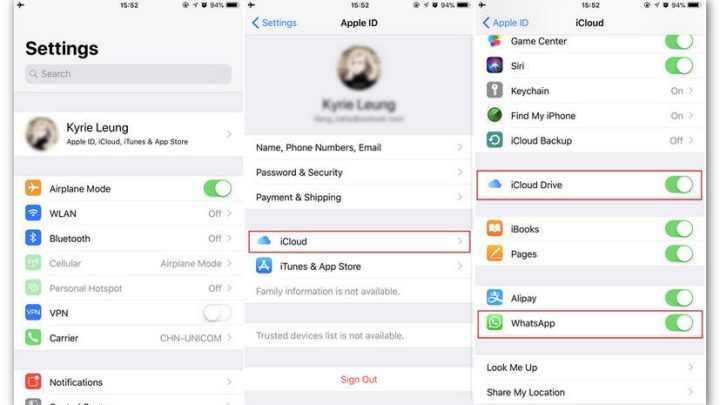
iCloud Drive makes it simple to keep files synced across your MacBook and iPhone seamlessly. It stores files in the cloud, allowing access from any device signed into the same Apple ID.Setting Up iCloud Drive
- On your MacBook, go to System Preferences and click on Apple ID, then select iCloud.
- Check the box next to iCloud Drive to enable syncing.
- On your iPhone, open Settings, tap on your Apple ID at the top, then select iCloud.
- Enable iCloud Drive and choose the apps you want to sync.
Using iCloud Drive to Access Files
- Save documents or files into your iCloud Drive folder on your Mac.
- Open the Files app on your iPhone and navigate to iCloud Drive.
- Tap on the files to view or edit them directly.
- Changes made on one device automatically sync to the other.
Transferring Files via Finder or iTunes
If you prefer wired connections, you can use Finder on macOS Catalina or later, or iTunes on older versions, to transfer files to your iPhone.Using Finder in macOS Catalina and Later
- Connect your iPhone to your Mac with a Lightning or USB-C cable.
- Open Finder and select your iPhone from the sidebar.
- Click the “Files” tab, then drag and drop files into compatible apps listed here.
- Click “Sync” or “Apply” to transfer the files.
Using iTunes on Older macOS or Windows
- Connect your iPhone to your computer with a USB cable.
- Open iTunes and select your device icon.
- Navigate to the “File Sharing” section.
- Choose the app you want to transfer files to or from, then click “Add” to select files.
- Sync your device to copy the files over.
Third-Party Apps for File Transfer
Third-party apps like Dropbox, Google Drive, or specialized transfer tools can be helpful for larger or more complex transfers. These apps often provide cross-platform compatibility and additional features.Popular Apps and How to Use Them
- Dropbox: Upload files on your Mac, then access or download them on your iPhone through the Dropbox app.
- Google Drive: Similar to Dropbox, save files in your drive and access them on your iPhone.
- AnyTrans or WALTR: These tools support direct transfer of music, videos, and other files without syncing limits.
Using Email or Messaging Services for Small Files
Emailing files or sending them via messaging apps is simple for small documents or images. This method is quick but less ideal for large files due to size limits and slower transfer speeds.Steps for Email Transfer
- Compose a new email on your Mac, attach the file, and send it to your own email address.
- Open the email on your iPhone, then tap the attachment to download or open.
Messaging Apps
- Use iMessage, WhatsApp, or other messaging apps to send files to yourself or contacts.
- Open the app on your iPhone to access and save the files.
Additional Tips for Faster and Safer Transfers
Make sure both devices have the latest software updates for compatibility. Keep your Wi-Fi secure and avoid public networks for sensitive files.Best Practices
- Disable Bluetooth or Wi-Fi sharing if not in use to improve security.
- Use strong passwords and enable two-factor authentication on your Apple ID.
- Regularly back up your devices to prevent data loss during transfers.
Summary of Transfer Methods with Their Benefits
| Method | Speed | Ease of Use | Best For |
|---|---|---|---|
| AirDrop | Fast | Very easy | Photos, small files, quick sharing |
| iCloud Drive | Instant (cloud dependent) | Easy setup | Documents, sync across devices |
| Finder / iTunes | Fast (wired) | Moderate | Large files, music, backups |
| Third-party Apps | Variable | Easy to moderate | Large or complex transfers |
| Email / Messaging | Slow to moderate | Easiest | Small files, quick sharing |
How to Transfer File Between iPhone and Mac 2022 (4 Ways)
Frequently Asked Questions
What methods can I use to transfer files between my MacBook and iPhone without using cables?
You can transfer files wirelessly by utilizing AirDrop. Ensure both your MacBook and iPhone have Wi-Fi and Bluetooth enabled, then open the Files app or Finder on your Mac, select the files, and choose your iPhone from the AirDrop options. Accept the transfer on your iPhone, and the files will be transferred instantly.
How can I move large files from my MacBook to my iPhone efficiently?
Using iCloud Drive is an effective way to transfer large files. Upload the files to iCloud from your Mac, then access and download them directly on your iPhone through the Files app. Alternatively, you can use a third-party app like Dropbox or Google Drive to upload and then download the files on your iPhone.
What is the best way to transfer photos from an iPhone to a MacBook?
Connect your iPhone to your MacBook with a Lightning or USB-C cable, then open the Photos app. Your device will appear under Devices, and you can select the photos or videos you want to import. Click the Import button to transfer the selected items directly to your Mac.
Can I transfer files between my MacBook and iPhone using Bluetooth?
While you can use Bluetooth for small file transfers, it is generally slower than other methods like AirDrop. To transfer files via Bluetooth, turn on Bluetooth on both devices, pair them, then select the files and choose the option to send via Bluetooth. Keep in mind that this method may take more time for larger files.
Is it possible to transfer files from a MacBook to an iPhone through email or messaging apps?
Yes, you can send files via email or messaging apps like iMessage or WhatsApp. Attach the file to a message or email on your Mac, send it to yourself or a trusted contact, then open the message or email on your iPhone to download the file. This method works well for smaller files but might not be suitable for large documents or media.
Final Thoughts
To transfer files between MacBook and iPhone, use AirDrop for quick and seamless sharing. Simply enable Bluetooth and Wi-Fi on both devices, then select the files and choose AirDrop as the sharing option. Alternatively, iCloud Drive offers automatic syncing for files stored in your cloud. You can also connect your iPhone to your MacBook via a cable and use Finder to transfer files directly. In summary, how to transfer files between MacBook and iPhone is straightforward with AirDrop, iCloud Drive, or a direct cable connection. These methods provide fast and efficient ways to share data effortlessly.
Similar Posts