How To Charge Macbook Pro With Iphone Charger Efficiently


How to Charge MacBook Pro with iPhone Charger
If you’re wondering whether it’s possible to charge your MacBook Pro using an iPhone charger, you’re not alone. Many users seek quick solutions when their regular charger isn’t available or want to understand the best way to connect these devices safely. This section will explore the essential details about this topic, including compatibility, necessary adapters, and safety tips.
Can You Charge a MacBook Pro Using an iPhone Charger?
The short answer is that you cannot directly connect your iPhone charger to your MacBook Pro and expect it to charge effectively. iPhone chargers are designed for smaller devices and have lower wattage outputs. The MacBook Pro requires a higher wattage to charge properly, often between 61W to 96W depending on the model.
However, with the right accessories and understanding of power standards, you can use your iPhone charger as a temporary solution or as an emergency charging method. It is important to remember that doing so may not provide optimal charging speed or efficiency.
Understanding Power Delivery and Wattage Requirements
MacBook Pro models rely on USB-C Power Delivery (USB-C PD) technology which allows for faster charging at higher wattages. For example, a 13-inch MacBook Pro typically needs a charger that supplies at least 61W, whereas larger models may require up to 96W.
In contrast, iPhone chargers usually output between 5W to 20W. This lower wattage means that charging your MacBook Pro with an iPhone charger will result in very slow charging or possibly only maintaining battery levels rather than increasing them.
Important Considerations Before Connecting an iPhone Charger to a MacBook Pro
Before attempting to connect your iPhone charger to your MacBook Pro, keep in mind:
- Using a lower wattage charger may prevent your MacBook from charging or cause it to drain faster if in use.
- Incompatible or poorly made cables can damage your devices or pose safety risks.
- MacBook Pro charging ports and cables are designed for high power transfer, so compatibility issues might arise.
Necessary Equipment to Charge MacBook Pro with an iPhone Charger
Since a direct connection is not recommended, you’ll need specific accessories to safely connect an iPhone charger to your MacBook Pro. These include:
- USB-C to USB-C Cable: The standard cable used for MacBook and many USB-C devices.
- USB-C Power Delivery (PD) Adapter: An intermediary device that can handle higher wattage and convert power appropriately.
- USB-C to Lightning or Other Compatible Cables: If you are trying to use your iPhone charger, which typically has a Lightning connector, you’ll need an appropriate cable to connect it to a USB-C power source.
How to Safely Charge Your MacBook Pro with an iPhone Charger
Follow these steps to minimize risks and ensure safety:
- Use a high-quality, certified USB-C to Lightning cable that supports Power Delivery.
- Connect the Lightning end to your iPhone charger and the USB-C end to a compatible USB-C port on a power adapter.
- Ensure your iPhone charger is plugged into a stable power outlet.
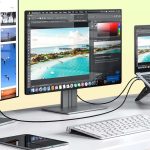
- Connect the USB-C adapter or hub if necessary, especially if using multiple devices or adapters.
- Monitor the temperature of the device during charging to avoid overheating.
Alternatives to Using an iPhone Charger for Your MacBook Pro
Because of the limitations discussed, consider these alternatives:
- Use a Portable Power Bank with High Wattage Output: Many power banks support USB-C PD up to 100W, making them suitable for MacBook Pro charging.
- Invest in a Replacement or Larger Charger: A genuine Apple 61W or 96W charger ensures fast and safe charging.
- Utilize a MagSafe or OEM Charging Cable: For models with MagSafe ports, stick to Apple-certified cables and adapters for optimal performance.
Understanding the Risks of Improper Charging
Connecting incompatible chargers or using non-certified cables can damage your MacBook Pro’s battery or internal components. Overheating, voltage fluctuations, or short circuits are common concerns. Always prioritize safety and device integrity when attempting unconventional charging methods.
Best Practices for Charging MacBook Pro Safely
To keep your device in good condition, follow these recommendations:
- Always use certified chargers and cables designed for your devices.
- Avoid makeshift setups or cheap third-party accessories that lack proper safety features.
- Charge your MacBook Pro in a cool, well-ventilated environment.
- Disconnect the charger if you notice unusual heat, odors, or sparks.
- Regularly check the condition of your charging cables and ports for damage.
While it is technically possible to charge a MacBook Pro with an iPhone charger, it is not recommended for everyday use. The lower wattage and incompatible connectors make it inefficient and potentially unsafe. If you need to charge your MacBook Pro quickly and reliably, invest in the appropriate charger and cable designed for your device. Use third-party solutions cautiously, ensuring they meet safety standards and are compatible with your MacBook Pro’s power requirements. Always prioritize safety and device longevity to get the best performance from your Apple devices.
Frequently Asked Questions
Can I use my iPhone charger to power my MacBook Pro directly?
Using an iPhone charger to directly power your MacBook Pro is not recommended. The iPhone charger does not provide enough wattage to support the MacBook’s power requirements. Doing so may result in slow charging or no charging at all and could potentially harm your device or charger. Always use a proper charger designed for your MacBook Pro to ensure safe and efficient charging.
Is it safe to connect my MacBook Pro to an iPhone charger with a USB-C cable?
Connecting your MacBook Pro to an iPhone charger with a USB-C cable is generally safe if the charger and cable meet specific standards. However, because the iPhone charger typically supplies lower wattage, it may not charge the MacBook effectively. Make sure your charger supports Power Delivery (PD) and verify that it can handle the MacBook’s power requirements to avoid potential issues.
What are the risks of charging my MacBook Pro with an iPhone charger?
Using an iPhone charger for your MacBook Pro can pose risks such as inadequate power supply, which can lead to slower charging or the battery not charging at all. It may also cause overheating or damage to the charger or your device if the power demands exceed what the charger can provide. To keep your MacBook safe and ensure proper charging, use the original or compatible chargers recommended by Apple.
Can I use a USB-C to Lightning cable to charge my MacBook Pro from an iPhone charger?
No, a USB-C to Lightning cable is designed for connecting iPhones or iPads to power sources and does not support the higher power transfer needed to charge a MacBook Pro. Instead, use a USB-C to USB-C cable compatible with your MacBook Pro and charger. This ensures safe and effective charging, especially when using an alternative power source like an iPhone charger.
How can I tell if my iPhone charger is capable of charging my MacBook Pro?
Check if your charger supports Power Delivery (PD) with a wattage of at least 30W, preferably higher for better charging speed. Verify the specifications printed on the charger or consult the manufacturer’s information to confirm compatibility. If your iPhone charger does not support PD or has a low wattage, it will not effectively charge your MacBook Pro and might not provide sufficient power for optimal performance.
Final Thoughts
Charging your MacBook Pro with an iPhone charger is simple if you follow the right steps. Use a USB-C to USB-C cable and ensure your iPhone charger has sufficient wattage, ideally 20W or higher. Connect the charger directly to your MacBook Pro’s USB-C port for effective charging. Remember, not all iPhone chargers deliver enough power, so check compatibility beforehand. This method offers a quick solution when you lack your usual charger. How to charge MacBook Pro with iPhone charger remains handy in everyday situations.
Similar Posts