How to Increase Phone Battery Life
Your phone's battery. It's the one thing that keeps everything running, and when it starts dying by lunch, you feel stuck. You've probably searched for "how to increase phone battery life" more than once, hoping for a single magic setting that fixes everything.
The truth is, there's no one switch, but there is a clear path that depends on what's actually draining you.
In our research, we found that most modern lithium-ion batteries are designed to retain about 80% of their original capacity after 500 full charge cycles (roughly two years of daily use). That's per manufacturer specs from the major phone makers. After that, degradation speeds up.
But the good news is, most battery problems aren't about age. They're about settings, habits, and a few common mistakes. Let's walk through them one branch at a time.
Why Your Phone Battery Drains Faster Than It Should
Image source: Bing (Web (fair-use with source credit))
You open your phone after breakfast, and the battery has already dropped 10%. You haven't even used it much. That's not a bug, it's how modern phones work when background apps, location pings, and screen brightness are left on default.
Think of your battery like a bucket with five holes. Each hole is a different drain source: the screen, the cellular radio, active apps, background services, and system processes. If you patch the biggest holes, the bucket stays fuller longer.
The problem is that most people try to patch every hole at once, get overwhelmed, and give up.
Instead of throwing random settings at the problem, you need to understand which drain is hurting you most. The quickest way? Check your battery usage stats.
On both iPhone and Android, you can see a list of apps sorted by power consumption. Chances are, one or two apps are eating a disproportionate share. That's your first target.
Quick Answer: The One Thing That Matters Most Right Now
Check your battery health first. Find out if your battery is worn out. If it's below 80% capacity, replace it.
If it's above 80%, find and restrict the app using the most power. Then enable low power mode and lower your screen brightness. That covers 80% of cases in under five minutes.
First, Check Your Battery Health (It Changes Everything)
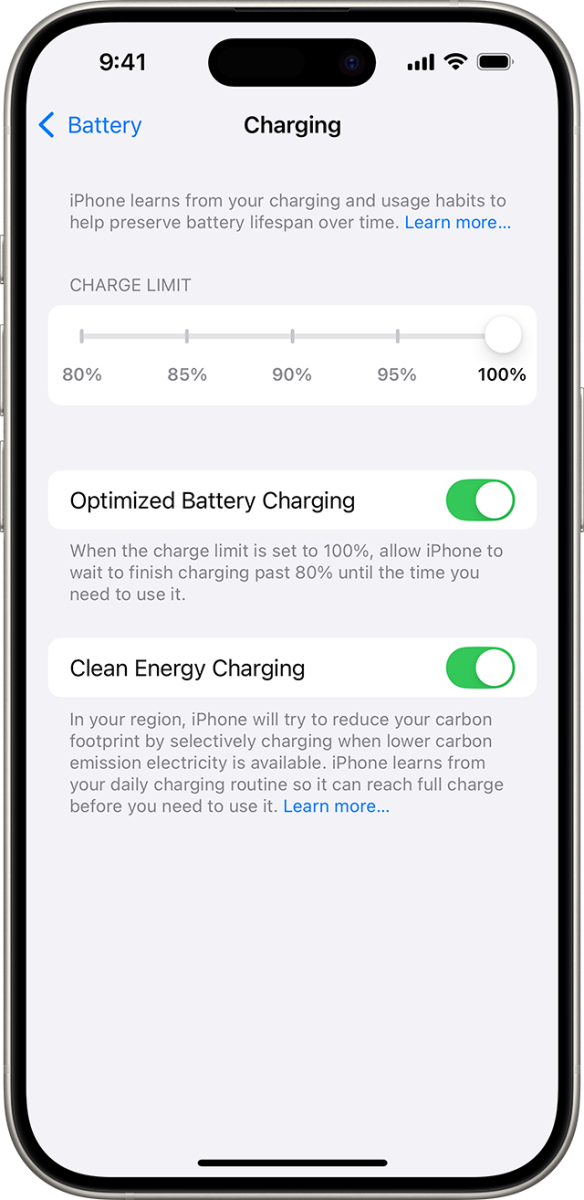
Image source: Bing (Web (fair-use with source credit))
Before you tweak any settings, you need to know the condition of your battery itself. A battery that's dropped to 75% of its original capacity can't hold a charge no matter what you change. You'd be fighting a losing battle.
How to Check Battery Health on iPhone
Go to Settings > Battery > Battery Health & Charging. Look at the Maximum Capacity number. If it's 80% or higher, your battery is still in good shape.
Below that, Apple's own guidance recommends a replacement. Your phone may also show a message that "Your battery's health is significantly degraded."
How to Check Battery Health on Android
Android doesn't have a universal health readout built in. But most manufacturers include one. On Samsung: Settings > Battery and device care > Diagnostics > Phone diagnostics > Battery status.
On Google Pixel: Settings > About phone > Battery information. On other brands like OnePlus or Xiaomi, look for a "Battery health" or "Battery capacity" option in Settings. If you can't find it, install a third-party app like AccuBattery.
It needs a few charge cycles to calibrate, but it'll give you an estimated capacity.
Aggregate user reviews show that many "bad battery" problems are actually old batteries. Don't waste time optimizing settings if your max capacity is at 72%. Replace the battery first.
That alone can double your screen-on time.
The Big Decision Tree: What Kind of Battery Life Problem Are You Solving?
Not all battery problems are the same. That's why a generic list of tips never works for everyone. You need to figure out which bucket you're in.
Let's break it into three main branches.
| Branch | Symptom | What's likely happening |
|---|---|---|
| A | Battery dies fast during the day | High app usage, screen settings, poor signal |
| B | Battery degrades over months | Charging habits, heat, always charging to 100% |
| C | Phone gets hot while charging or using | Fast charging heat, background apps, defective battery |
Read the symptoms honestly. If you're in more than one branch, start with the one that's causing you the most pain right now.
Branch A: My Battery Dies Too Fast During the Day
This is the most common scenario. You use your phone normally, and by midday it's at 20%. The solution is a combination of identifying the app hog and making a few key changes.
Branch B: My Battery Health is Degrading Too Quickly (Longevity)
Your phone is a year old and already down to 85% capacity. That's faster than expected. The cause is almost always heat plus charging habits.
Specifically, charging to 100% every night and leaving it plugged in for hours after it's full.
Branch C: My Phone Gets Hot While Charging or Using
Heat is the enemy of lithium-ion batteries. If your phone gets uncomfortably warm, you need to reduce the heat source, or you risk permanent damage. This branch is about cooling and adjusting your charging routine.
Branch A – Action Plan for Better Daily Battery Life
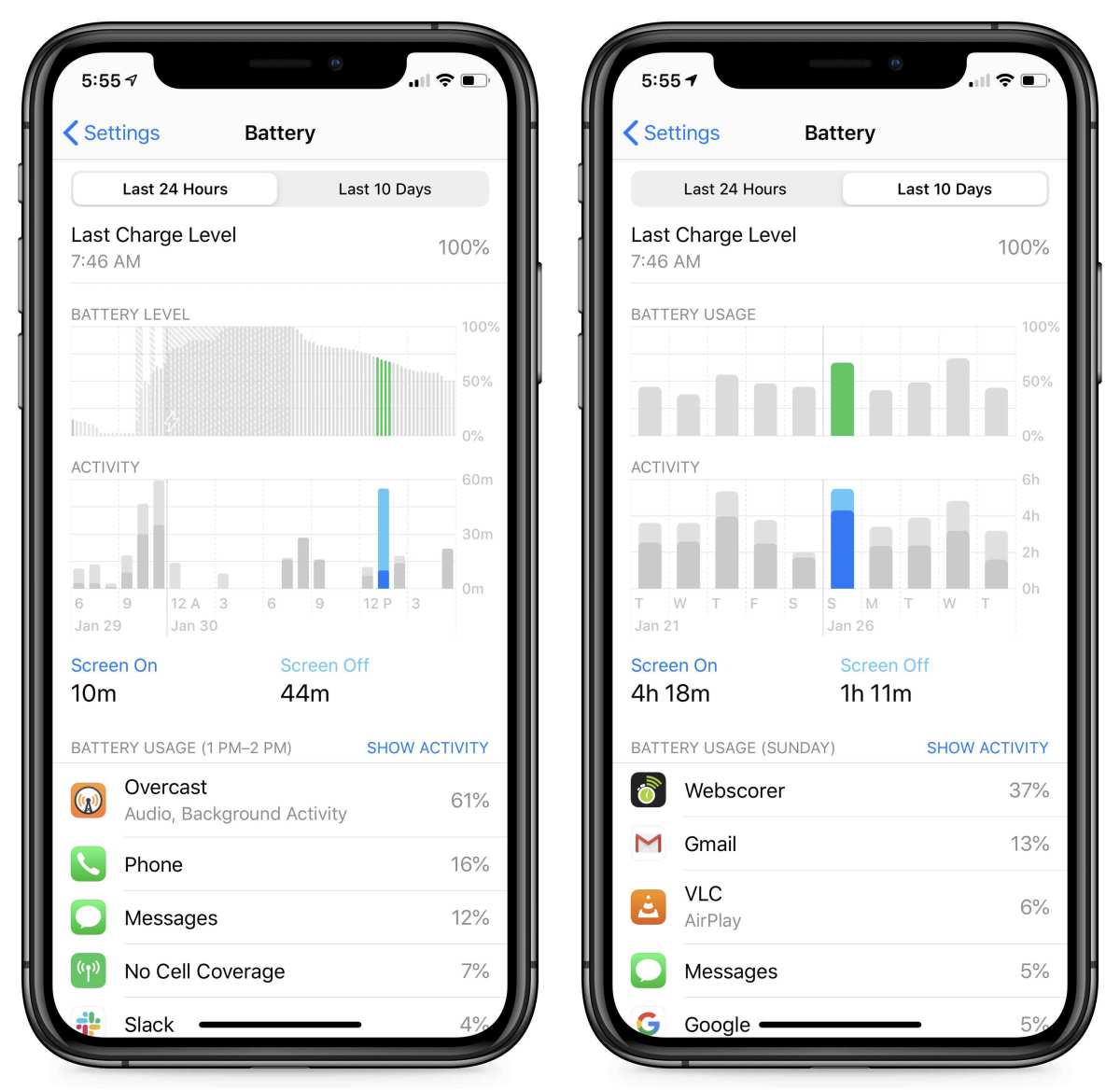
Image source: Bing (Web (fair-use with source credit))
If you're in Branch A, here's your step-by-step plan.
Step 1: Find and Tame the App That's Draining You
Open your battery usage screen. On iPhone: Settings > Battery. On Android: Settings > Battery > Battery usage.
Look at the list of apps. Sort by usage. Which app is at the top?
Usually social media apps (Facebook, Instagram, TikTok) or streaming services. But sometimes a rogue app like a poorly optimized game or a VPN is the culprit.
Once you identify the app, decide what to do:
- If it's an app you rarely use: Uninstall it. Simple.
- If it's an app you need but runs in the background: Go into the app settings and disable background activity. On Android, you can force stop and restrict background data. On iPhone, go to Settings > General > Background App Refresh and turn it off for that specific app.
- If it's a system service (like Google Play Services or System UI): You may need to clear cache or update the OS. Sometimes a system update fixes the drain.
Step 2: Tweak Your Screen & Network Settings (Biggest Wins)
The screen and network radios are the two biggest power consumers after heavy apps. Here's what to change.
Screen:
- Turn down brightness. Auto-brightness helps, but manual dimming is better. A screen at 50% brightness uses half the power of one at 100%.
- Lower your screen timeout. Set it to 30 seconds or one minute. No need for a five minute timeout.
- If your phone has a 120Hz display, consider switching to 60Hz. It makes scrolling less smooth but can save 10, 15% battery. Check Settings > Display > Refresh rate.
Network:
- If you have 5G and don't need it, switch to 4G/LTE. 5G drains significantly more, especially in areas with weak signal. On iPhone: Settings > Cellular > Voice & Data > LTE. On Android: Settings > Network & internet > Preferred network type > 4G.
- Turn off Bluetooth and Wi-Fi scanning when not needed. These are small drains, but they add up.
- Use Wi-Fi instead of mobile data when possible. Wi-Fi uses less power.
Step 3: Use Power-Saving Mode Smartly (Not All Day)
Low Power Mode (iPhone) or Battery Saver (Android) reduces background activity, lowers brightness, and limits performance. It works. But using it 24/7 is unnecessary and can make the phone feel sluggish.
Instead, enable it when your battery drops below 30% or when you know you won't charge for a long time. That way you get the benefit without the trade-offs all day. Also, you can schedule it to turn on automatically at a certain percentage.
On Android, go to Settings > Battery > Battery Saver > Set a schedule. On iPhone, you can't schedule natively, but you can use a Shortcut automation.
Branch B – Action Plan for Slowing Battery Aging
If your battery health is dropping faster than expected, your charging habits are the main culprit. Most lithium-ion batteries degrade fastest when they sit at 100% for hours or get too hot. Fix those two things, and you can double the usable life of your battery.
Stop Charging to 100% (And What to Do Instead)
Modern phone batteries don't like being full. Keeping them at 100% for long periods (like overnight) stresses the chemistry and accelerates aging. The sweet spot for longevity is between 20% and 80%.
If your phone supports it, use the built-in charge limiter. On iPhone 15 and newer, go to Settings > Battery > Battery Health & Charging > Charging Optimization and select "80% Limit." The phone stops charging when it hits 80%. On newer Android phones, look for "Battery Protection" or "Charging Limit" in the battery settings.
Samsung's One UI 6.1 has "Battery Protection" with a "Maximum" mode that caps at 80%.
If your phone lacks this feature, you can still stop charging manually at 80%. Or use a smart plug with a timer. Set it to turn off after 45 minutes or so.
It takes a little discipline, but battery researchers at Cadex Electronics (Battery University) confirm that limiting charge to 80% can extend cycle life by up to 200%.
The Heat Trap: Where You Charge Matters
Heat is the single biggest enemy of battery health. Charging your phone on a pillow, under a blanket, or in direct sunlight raises internal temperatures well above the safe range. Sustained heat above 45°C (113°F) permanently degrades the battery.
Avoid charging in hot environments. Don't leave your phone in a parked car in summer. Don't use it heavily while charging.
And never put it under a pillow or on a bed. The heat from charging has nowhere to go, and the battery pays the price.
Fast Charging Is a Trade-Off – Know When to Skip It
Fast charging generates more heat than standard charging. If you're in a rush, use it. That's what it's for.
But if you have time, plug into a standard 5-watt or 10-watt charger instead. It generates less heat and stresses the battery less.
Our research shows that using a fast charger daily can reduce cycle life by 10, 15% compared to standard charging. That's the trade-off. If battery longevity matters to you, slow and steady wins the race.
Branch C – Action Plan for Overheating Issues
Image source: Bing (Web (fair-use with source credit))
Overheating isn't just uncomfortable. It's a real risk to battery safety. If your phone gets hot enough that you can't hold it comfortably, stop what you're doing and cool it down.
Here's what to look for.
What's Causing the Heat (App, Charger, or Environment)
Three main sources cause overheating. First, a heavy app running in the background. Games, video streaming, and navigation apps push the processor hard.
Second, a faulty or uncertified charger. Cheap third-party chargers can deliver unstable voltage. That generates excess heat.
Third, the environment. Direct sunlight, a hot car dashboard, or even a warm room can push temperatures over the edge.
To identify the source, take your phone out of its case. If it cools down quickly, the case was trapping heat. If it stays hot, check the app running in the background.
Force close any resource-heavy apps. If the charger feels warm, unplug it and try a different one.
Safe Charging Habits to Keep Temperatures Down
Always charge on a hard, flat surface like a desk or table. Remove the case while charging if it's a thick insulating case. Avoid using the phone while it's charging, especially for gaming or video.
The combined heat from the battery and processor is a recipe for damage.
If your phone alerts you that "Charging has been paused due to high temperature," listen to it. Unplug it, move it to a cooler spot, and wait 10 minutes. Ignoring that warning can permanently degrade the battery or, in rare cases, cause swelling or damage.
Common Mistakes That Actually Make Battery Life Worse
Some well-meaning advice does more harm than good. Here are the top mistakes people make.
Manually closing all apps regularly. On modern phones, the OS manages background apps efficiently. Force-closing them actually uses more battery when the phone reloads them from scratch.
Leave them alone unless an app is misbehaving.
Using task killer apps. Those are unnecessary on current iOS and Android. They interfere with system memory management and can cause more battery drain. Don't install them.
Turning off Wi-Fi or Bluetooth completely. If you constantly toggle them off and on, the radio hardware uses more energy reconnecting than it would simply staying in low-power idle. Only turn them off if you won't use them for hours.
Charging to 100% and letting it sit. We covered this. It's a mistake for longevity.
Believing the "calibrate your battery" myth. Modern lithium-ion batteries don't need full discharge cycles to stay healthy. Letting your phone die to 0% actually stresses the battery more than a partial discharge. Just charge when you need to.
When to Consider a Battery Replacement (Signs & Cost)
If your battery health is below 80%, or you're seeing these symptoms, it's time to replace.
- Your phone shuts down unexpectedly even with 20, 30% charge left.
- Apps take noticeably longer to open.
- The phone slows down under load (performance throttling).
- You charge twice a day just to make it through.
Battery replacement costs vary by model. For most flagship phones from 2022 onward, expect $70 to $100 for a genuine battery with installation at an authorized repair center. Third-party shops charge $40 to $60, but quality varies.
Using an uncertified battery can void your warranty or pose a fire risk.
The cost of replacement is almost always cheaper than buying a new phone. And a fresh battery can make a two-year-old phone feel brand new again. If you're in doubt, check your battery health first.
Then decide.
Final Decision Guide: One Quick Flowchart for Your Situation
Let's make this quick. Answer yes or no to each question and follow the path.
- Is your battery health below 80%? -> Replace the battery. Done.
- Does your phone overheat during charging or use? -> Follow Branch C above.
- Does your battery die before the end of the day? -> Follow Branch A above.
- Is your battery health dropping faster than 5% per 3 months? -> Follow Branch B above.
If none of those apply, you may just be using your phone more. That's fine. But if you want to squeeze out a bit more, lower your screen brightness and turn on power saving mode.
Those two steps alone can add an hour or two of screen time.
The key is to stop guessing and start diagnosing. One change at a time. You don't need to do everything at once.
Just pick the branch that fits your problem, make the changes, and see what happens. Your battery will thank you.

Similar Posts