Do You Need 1ms Response Time Monitor for Gaming
Wondering if a 1ms response time monitor is crucial for your gaming setup? This guide breaks down what response time really means, how it affects visuals like ghosting and motion blur, and whether it’s a necessary upgrade for your gaming experience. Discover the nuances beyond the marketing hype and make an informed decision for your next monitor purchase.  Before we get into the “do you need it” debate, let’s clarify what response time actually is. In simple terms, monitor response time is the amount of time it takes for a pixel on your screen to transition from one color to another. This is typically measured in milliseconds (ms). The most common metric you’ll see is “GtG” (Grey-to-Grey). This refers to the time it takes for a pixel to change from a shade of grey to another shade of grey. Other metrics exist, like “BtW” (Black-to-White), but GtG is the industry standard and what manufacturers usually advertise.
  Here’s where things get a bit murky. While a 1ms GtG rating sounds definitive, the reality isn’t always so straightforward.
  This is the million-dollar question. The answer, as with many things in tech, is: it depends.
Key Takeaways
- Understand Response Time: Response time measures how quickly a monitor’s pixels can change from one color to another, directly impacting motion clarity in games.
- Ghosting and Motion Blur Explained: 1ms response time is often marketed to combat ghosting (trails behind moving objects) and motion blur, leading to a sharper visual experience.
- Is 1ms Always Noticeable?: While technically superior, the difference between 1ms and slightly higher response times (like 4ms or 5ms) may be imperceptible to many gamers, especially in slower-paced games.
- Other Factors Matter More: For many, refresh rate, resolution, panel type (IPS, TN, VA), and input lag play a more significant role in overall gaming performance and visual quality than just the response time number.
- Consider Your Game Genre: Fast-paced, competitive games (FPS, fighting games) benefit more from lower response times than slower genres like RPGs or strategy games.
- The Importance of Pixel Response Technology: The actual “1ms” can be achieved through different technologies (GtG, MPRT), and “GtG” (Grey-to-Grey) is the most common and generally accepted metric.
- Balance Your Needs and Budget: A 1ms monitor might be worth it for serious competitive gamers, but for casual play, a monitor with excellent color accuracy and a high refresh rate might offer better overall value.
Do You Need 1ms Response Time Monitor for Gaming?
The world of PC gaming is a rabbit hole of specifications, numbers, and acronyms. One of the most frequently touted numbers on monitor specifications is “1ms response time.” You see it plastered on marketing materials, highlighted in product reviews, and it’s often presented as a must-have feature for any serious gamer. But what does it actually mean, and more importantly, do you *really* need a 1ms response time monitor for your gaming adventures? This guide will dive deep into the technicalities of monitor response time. We’ll break down what makes a response time “good” for gaming, explore the visual phenomena it aims to combat, and help you determine if this specific metric is a deal-breaker for your setup, or just another number on a spec sheet. By the end, you’ll have a clear understanding to make an informed decision about your next gaming monitor.Understanding Monitor Response Time
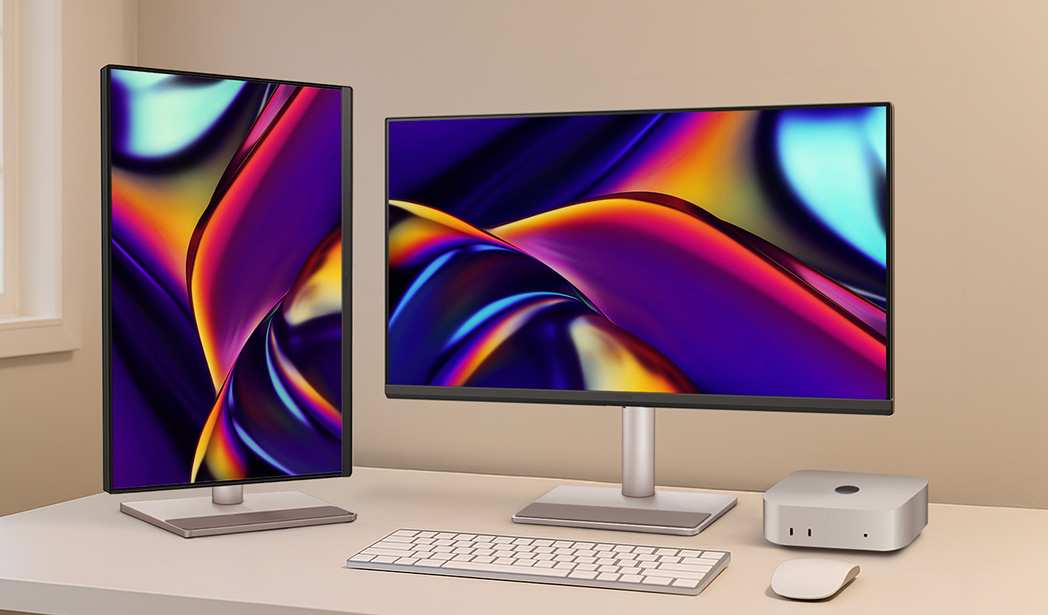
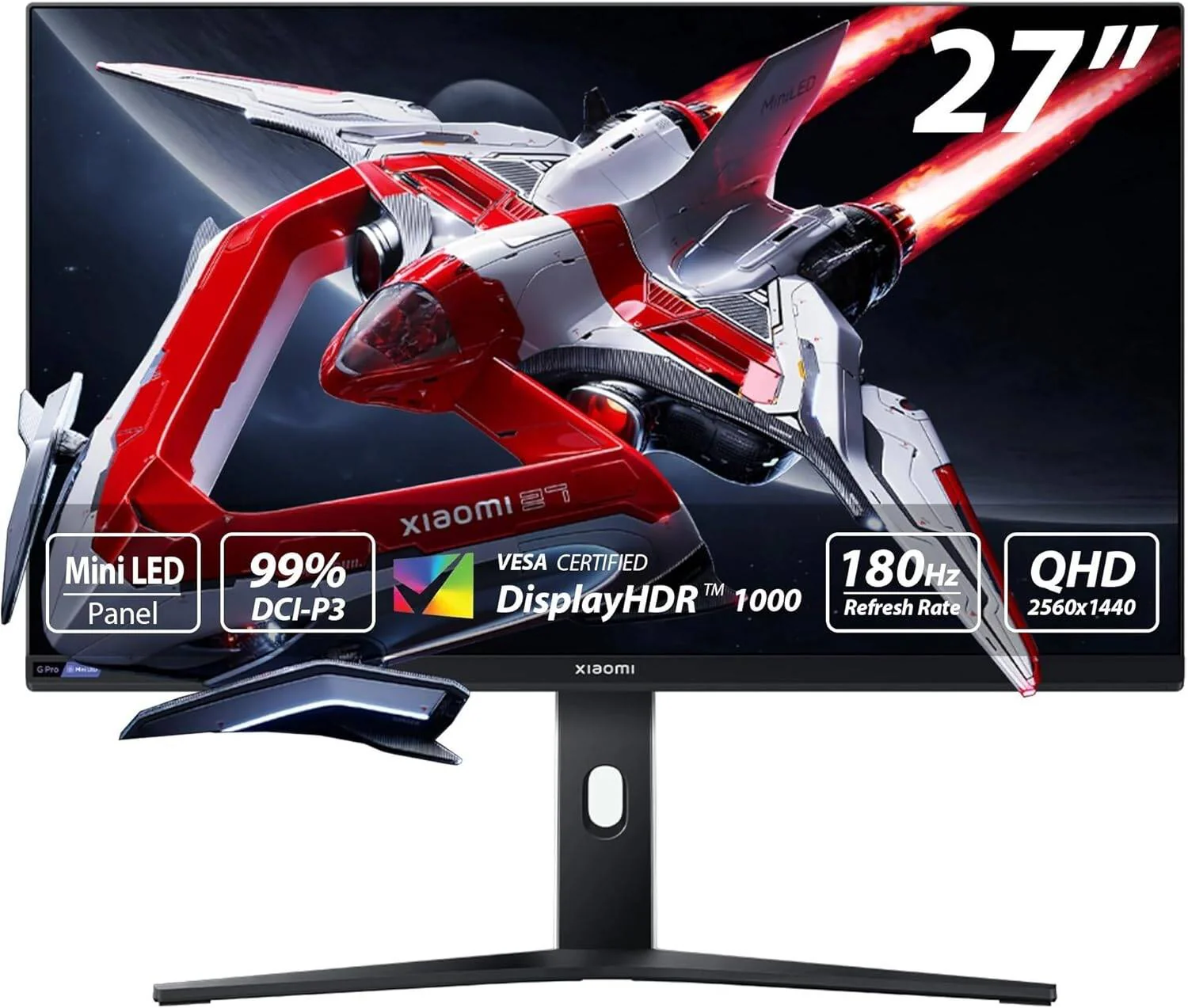
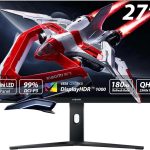
Visual guide about Do You Need 1ms Response Time Monitor for Gaming
Image source: pcgamesn.com
Why Does Response Time Matter for Gaming?
In gaming, action happens incredibly fast. Whether you’re flicking your wrist to aim in a first-person shooter, dodging projectiles in an action game, or reacting to an opponent’s move in a fighting game, your display needs to keep up. If a pixel is too slow to change its color as the image on the screen moves, you can experience visual artifacts. The primary issues that slow response times contribute to are: * Ghosting: This is when you see faint trails or echoes of moving objects on the screen. Imagine a fast-moving enemy character leaving a blurry shadow of themselves as they sprint across the screen. That’s ghosting. It happens because the pixels haven’t fully updated their color before the next frame appears. * Motion Blur: Similar to ghosting, but often more of a general blurring effect. Fast-moving objects or panning camera movements can appear less sharp and detailed, making it harder to track targets or appreciate the game’s visuals.The “1ms” Promise
Manufacturers often tout “1ms response time” as the ultimate solution to ghosting and motion blur. The idea is that if a pixel can change its color in just 1 millisecond, it can keep up with the fastest frame rates and movements, delivering a crystal-clear, blur-free experience.The Nuance: Is 1ms Always 1ms?
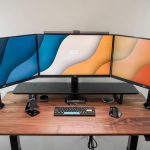
Visual guide about Do You Need 1ms Response Time Monitor for Gaming
Image source: os-jo.com
GtG vs. MPRT
You might also see “MPRT” (Moving Picture Response Time) on some monitor specifications. MPRT is a different measurement that aims to reduce perceived motion blur by shortening the duration of each pixel’s illumination. While often associated with low response times, MPRT works by inserting black frames or strobing the backlight, which can sometimes lead to reduced brightness or flickering for some users. For most gamers, GtG is the more relevant metric to focus on when comparing response times.Overdrive Settings
Many monitors use a technology called “overdrive” to speed up pixel transitions. This is how they achieve those impressively low response times like 1ms. Overdrive works by applying a higher voltage to the pixels, forcing them to change colors faster. However, there’s a trade-off. If the overdrive is set too aggressively, it can introduce its own artifact called “inverse ghosting” or “overshoot.” This appears as bright or dark trails instead of the dark trails seen in regular ghosting. You’ll often find different overdrive levels (e.g., Off, Normal, Fast, Fastest) in your monitor’s settings menu. Finding the right balance is key to minimizing motion artifacts without introducing new ones.Real-World vs. Advertised Numbers
The advertised 1ms GtG is often achieved under very specific, optimized testing conditions. In real-world gaming scenarios, the actual response time can fluctuate based on the specific color transitions happening on screen. A transition from dark grey to white might take longer than a transition from light grey to medium grey, for example. So, while the monitor *can* achieve 1ms, it might not do so for every single pixel change in every single scene.Does 1ms Response Time Actually Make a Difference for Gamers?
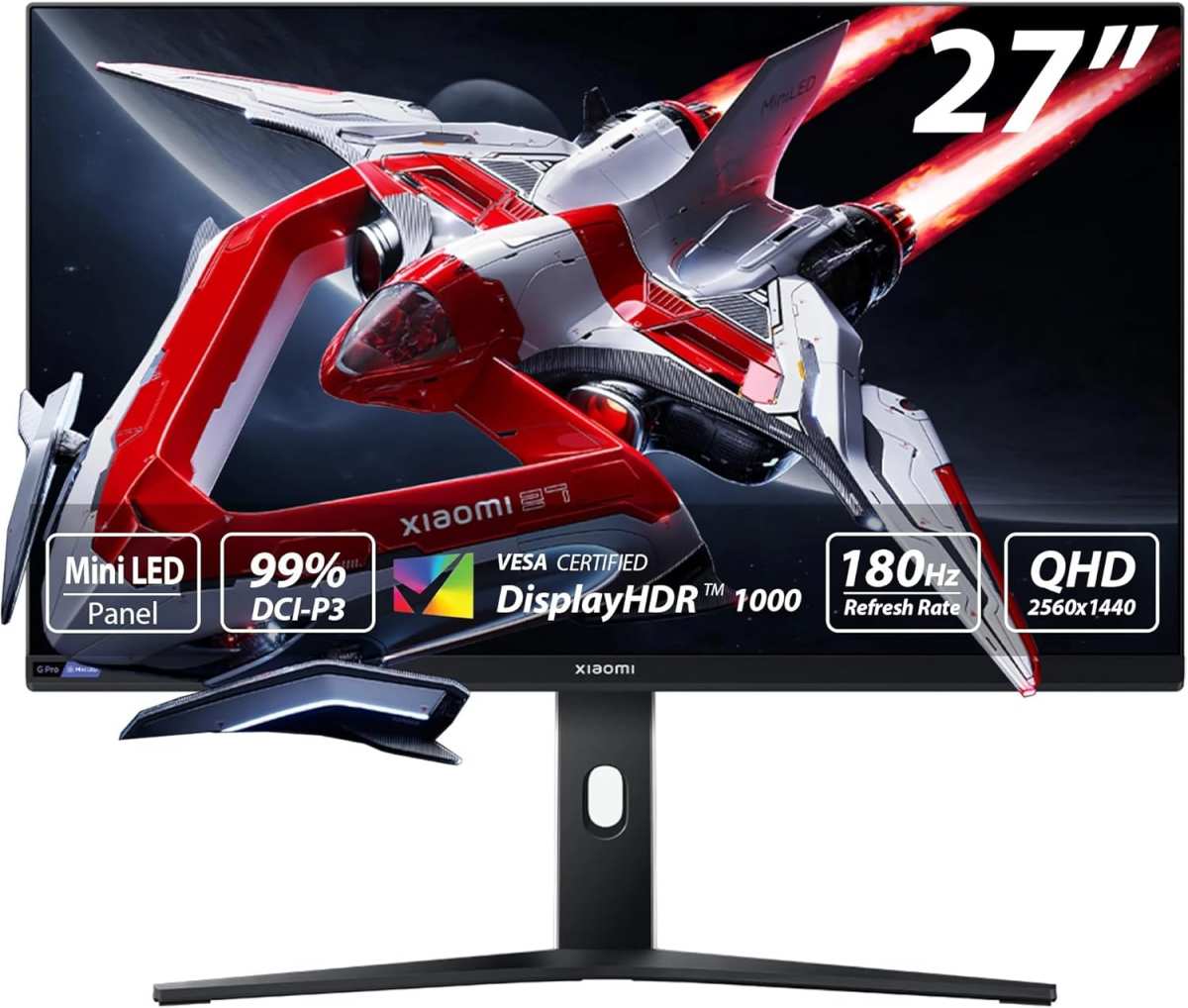
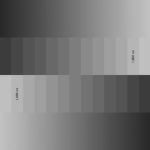
Visual guide about Do You Need 1ms Response Time Monitor for Gaming
Image source: monitornerds.com
For Competitive, Fast-Paced Gamers
If you are a serious competitive gamer, particularly in genres like: * First-Person Shooters (FPS): Games like Valorant, CS:GO, Call of Duty, and Apex Legends rely heavily on quick reflexes, precise aiming, and tracking fast-moving targets. In these games, even subtle ghosting or motion blur can mean the difference between a headshot and a miss. A 1ms response time monitor can provide a noticeable advantage by offering the sharpest possible image clarity during rapid movements. * Fighting Games: Games like Street Fighter, Mortal Kombat, and Tekken require split-second reactions to block, attack, and execute combos. Seeing your opponent’s movements clearly without any lag or blur is paramount. * Racing Games: High-speed racing can also benefit from clear motion, allowing you to better judge distances and track the position of other cars. For these players, the benefits of a 1ms response time can be significant. It leads to a more fluid and responsive feel, allowing them to react faster and play at their peak potential.For Casual Gamers and Other Genres
If your gaming habits lean more towards: * Role-Playing Games (RPGs): Games like The Witcher 3, Elden Ring, or Final Fantasy, which often have slower pacing, exploration-heavy gameplay, and cinematic cutscenes. While motion blur can still occur, it’s usually less detrimental to the core gameplay experience. * Strategy Games (RTS/4X): Games like StarCraft II or Civilization, where you manage units and make strategic decisions. While fast-paced action can occur, the need for instantaneous pixel response is lower. * Adventure Games: Games focused on story and exploration. * Simulation Games: Flight simulators or farming simulators. For these gamers, the difference between a 1ms response time monitor and a monitor with a slightly higher response time (e.g., 4ms or 5ms) might be imperceptible or at least not significantly impactful on their enjoyment or performance. Other factors like resolution, color accuracy, and refresh rate might be far more important for these genres.The “Diminishing Returns” Principle
It’s important to understand the concept of diminishing returns. The jump from a very slow response time (say, 20ms or higher) to something like 5ms is a huge improvement in motion clarity. The jump from 5ms to 1ms is a smaller, often less noticeable improvement for the average user. Many modern gaming monitors that advertise 4ms or 5ms response times offer excellent motion handling that is perfectly adequate for a vast majority of gamers. The difference might only be visible if you are specifically looking for it, or if you have a very high refresh rate monitor where the frames are changing so rapidly that even a slightly slower pixel response becomes apparent.Other Monitor Specifications to Consider
While 1ms response time gets a lot of attention, it’s crucial to remember that it’s just one piece of the puzzle. Several other specifications can have a far greater impact on your overall gaming experience.1. Refresh Rate
This is arguably more important than response time for many gamers. Refresh rate, measured in Hertz (Hz), indicates how many times per second the monitor updates the image on the screen. * 60Hz: Standard for many non-gaming monitors. * 120Hz/144Hz: The sweet spot for many PC gamers, offering a significant improvement in smoothness and responsiveness over 60Hz. * 240Hz/360Hz: For hardcore competitive gamers who need the absolute fastest frame rates and motion clarity. A higher refresh rate means more frames are displayed per second, leading to smoother motion and a more immediate feel. If your monitor has a high refresh rate (like 144Hz) but a slow response time, you’ll still experience ghosting because the pixels can’t keep up with the rapid frame updates. Conversely, a 1ms response time monitor at 60Hz won’t magically make 60 frames per second feel as smooth as 144 frames per second.2. Resolution
Resolution determines the sharpness and detail of the image. * 1080p (Full HD): Good for 24-inch monitors or when aiming for very high frame rates on lower-end hardware. * 1440p (QHD): A popular choice offering a good balance of detail and performance. * 4K (UHD): Provides incredible detail but requires a powerful GPU to achieve playable frame rates, especially at high refresh rates. Higher resolution means more pixels to render, which can impact performance.3. Panel Type
The type of panel technology used in your monitor affects its image quality, viewing angles, response times, and contrast. * TN (Twisted Nematic): Traditionally known for the fastest response times and highest refresh rates, but often have poorer color reproduction and viewing angles. These were the go-to for competitive gamers in the past. * IPS (In-Plane Switching): Offers excellent color accuracy and wide viewing angles, with modern IPS panels now achieving very respectable response times (often around 1ms GtG with overdrive). They provide a great all-around experience. * VA (Vertical Alignment): Known for superior contrast ratios and deeper blacks, making them great for darker games and movies. However, they can sometimes have slower response times than TN or IPS, potentially leading to more noticeable ghosting, especially in dark transitions. Some newer VA panels have improved significantly. The choice of panel type is crucial for image quality and can indirectly affect how noticeable response time issues are.4. Input Lag
Input lag is the delay between your input (e.g., pressing a mouse button) and the display showing the result. While not directly part of response time, it’s another critical factor for responsiveness in gaming. A monitor with a low input lag will feel more immediate and connected.Troubleshooting: Dealing with Ghosting and Motion Blur
If you’ve purchased a monitor that you suspect has ghosting or motion blur issues, here are some steps you can take:1. Adjust Overdrive Settings
* Access Your Monitor’s OSD (On-Screen Display): Use the physical buttons on your monitor to navigate to the settings menu. * Find the Overdrive Option: Look for settings like “Response Time,” “Overdrive,” or “AMA” (Adaptive-Motion-Acceleration on some brands). * Experiment with Levels: Try different settings (e.g., Normal, Fast, Fastest). Start with a moderate setting and see if it improves ghosting. If you notice inverse ghosting (bright trails), dial it back to a lower setting. The goal is to find the sweet spot.2. Enable Low Input Lag Mode
Some monitors have a “Low Input Lag” or “Game Mode” setting. Enabling this can sometimes improve responsiveness by disabling certain image processing features that add delay.3. Check Your PC’s Performance
* Consistent Frame Rates are Key: If your frame rate is fluctuating wildly, it can make motion blur and ghosting appear worse, even on a good monitor. Ensure your PC can maintain a stable frame rate at your desired resolution and settings. * Graphics Settings: Consider lowering some in-game graphics settings to achieve higher and more stable frame rates.4. Test with Different Games
Response time issues are more apparent in some games than others. Test your monitor with a variety of games, especially those known for fast motion, to get a true picture of its performance.5. Utilize Online Response Time Tests
There are websites and YouTube videos that provide moving patterns and tests to help you visually assess ghosting and motion blur. Search for “monitor response time test” to find them.Conclusion: So, Do You *Really* Need 1ms Response Time?
The short answer is: for some, yes; for most, probably not. If you are a dedicated competitive gamer playing fast-paced, twitch-reflex games where every millisecond counts, then a 1ms response time monitor, especially when paired with a high refresh rate, can offer a tangible advantage and enhance your gaming experience. It’s about achieving that ultimate level of visual clarity and responsiveness. However, for the vast majority of gamers, the difference between a good 1ms monitor and a good 4ms or 5ms monitor from a reputable brand, particularly one with an IPS panel and a high refresh rate (144Hz or above), is often negligible in practical gameplay. You might be better off prioritizing a higher refresh rate, a higher resolution, better color accuracy, or a more comfortable viewing experience if it means saving money or getting a better all-around display. Don’t let the marketing numbers dictate your purchase entirely. Consider your gaming habits, the types of games you play, your budget, and the importance of other monitor specifications like refresh rate and panel type. A great 144Hz, 1440p IPS monitor with a 4ms response time can still offer an incredible gaming experience and might be a more balanced and cost-effective choice for many players. Ultimately, the “need” for 1ms response time is a personal one, tied to your gaming goals and how critically you perceive motion artifacts.
Similar Posts