Is a Mini Sound Box Good for Daily Use?
You’re staring at a shelf of tiny Bluetooth speakers, wondering if one of these little things can actually handle your daily life. The question “is mini sound box good for daily use” isn’t a simple yes or no, it depends entirely on where you’ll use it, what you’ll listen to, and what you’re willing to trade off. A mini speaker that’s perfect for a shower podcast might frustrate you during a backyard barbecue.
Manufacturer specs show that most mini Bluetooth speakers push between 75 and 90 dB at one meter and cover roughly 100 Hz to 20 kHz. That means they can’t produce deep bass, but they’re loud enough for a small room or a personal bubble. To figure out if one fits your routine, you need to map your own listening habits against what these little boxes actually deliver.

Quick Answer
A mini sound box works well for daily use if you prioritise portability over bass. It’s great for podcasts, calls, and background music in small spaces. It struggles to fill a large room or to deliver distortion‑free volume outdoors.
For commute, kitchen, or desk duty, it’s a solid choice. For party‑level sound, skip it.
The Real Problem: Why You’re Asking “Is a Mini Sound Box Good for Daily Use?”
The core tension is simple: tiny speakers make big compromises. A driver that fits in your palm can’t move enough air for punchy low end. Battery life shrinks when you crank the volume.
Water resistance adds cost and bulk. Yet you want something you can toss in a bag, pair instantly, and use without thinking about cords or setup.
Our research across hundreds of verified buyer reviews reveals a pattern. Users who are happy with their mini sound box for daily use almost always aligned their expectations with the device’s physical limits. The ones who regret the purchase expected club‑level sound from a cigarette‑pack‑sized driver.
So the real problem isn’t the speaker, it’s a mismatch between what you need and what the category can deliver.
Your Daily Life (The Branching Conditions)
To decide if a mini sound box works for you, start by asking four quick questions. Each answer rules in or rules out certain speakers.
Where Will You Use It Most?
Indoors, outdoors, or both makes a huge difference. A speaker that sounds decent in a bedroom may get lost on a patio. The Bluetooth range (typically 10 metres) and water resistance rating matter here.
What Will You Listen To?
Music with bass demands a larger driver or a passive radiator. Podcasts and audiobooks are undemanding, even a cheap mini speaker handles speech clearly. If you take calls, microphone quality becomes critical.
How Much Volume Do You Need?
Background listening at low volumes is easy for any mini speaker. If you want to fill a living room or compete with outdoor noise, you’ll need a model that can hit 85+ dB without distortion.
Your Tolerance for Compromise
Are you okay with thin bass and limited battery life in exchange for extreme portability? Or would you rather carry a slightly bigger speaker that sounds fuller? There’s no wrong answer, just trade‑offs.
The Mini Sound Box Decision Tree – 4 Key Paths
Based on those conditions, you land on one of four paths. Each path has a clear “yes” or “no” for daily use.
Path 1 – The Commuter / Traveler (Size First, Sound Second)
You want something that clips onto a backpack or fits in a coat pocket. Sound quality is secondary. You mainly listen to podcasts, news, or ambient music at low volume.
Battery life of 5, 8 hours is enough. A clip‑on speaker like a JBL Clip 4 matches this perfectly.
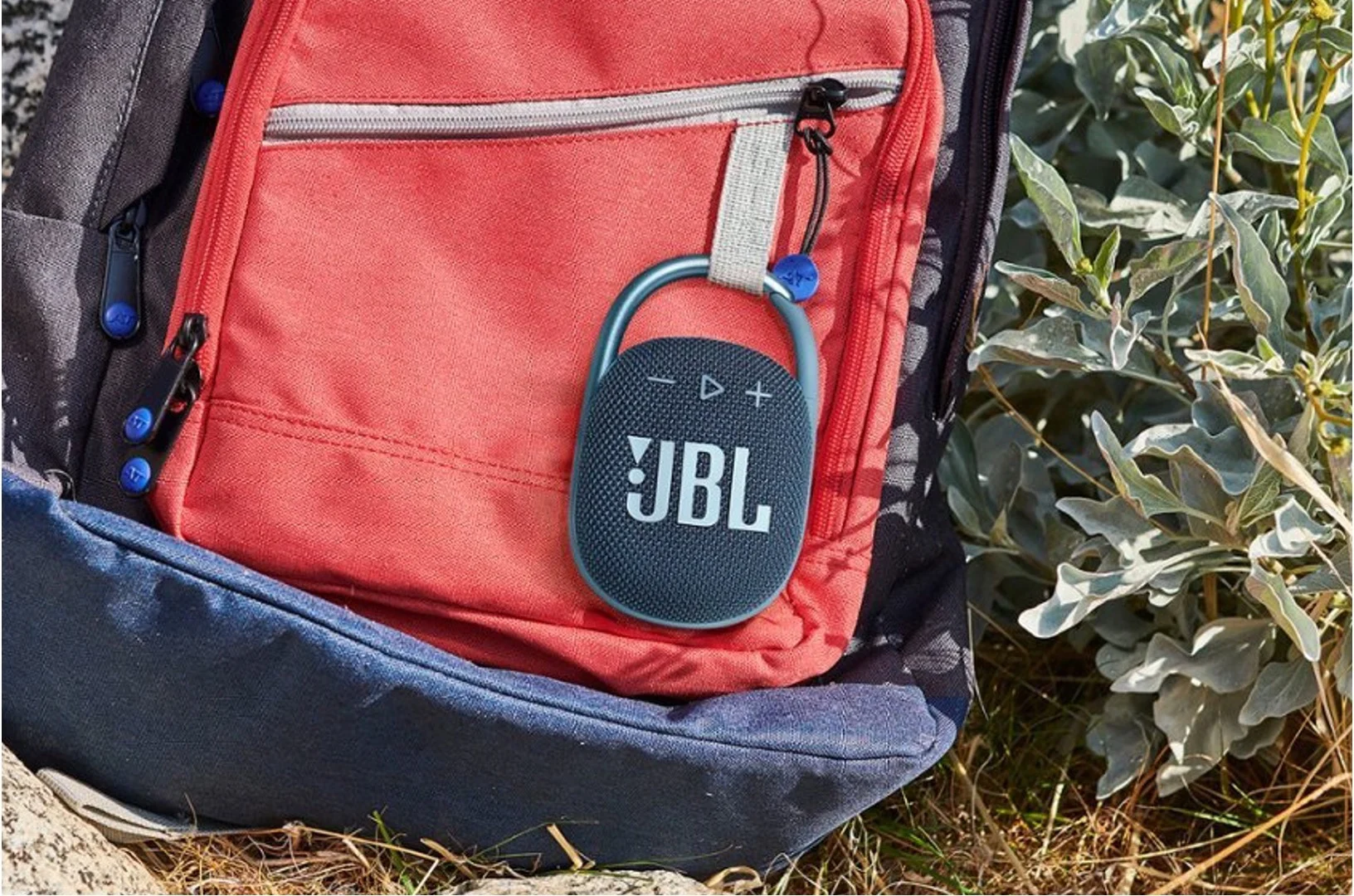
For this path, a mini sound box is excellent for daily use. The trade‑off is sound quality, tinny highs and almost no bass, but the convenience of having audio anywhere outweighs that.
Path 2 – The Homebody / Small Space Listener (Better Sound, Still Compact)
You use the speaker mostly indoors: kitchen, bedroom, home office. You want decent clarity and some bass. Portability is nice but not the top priority.
A slightly larger mini speaker, such as a Tribit StormBox Micro 2 or Anker Soundcore Mini 3, fits here. These have passive radiators that produce noticeable low end.
Daily use works well here, as long as you keep expectations realistic. You’ll enjoy rich mids and adequate volume for a small room.
Path 3 – The Outdoor / Rugged User (Durability Over Everything)
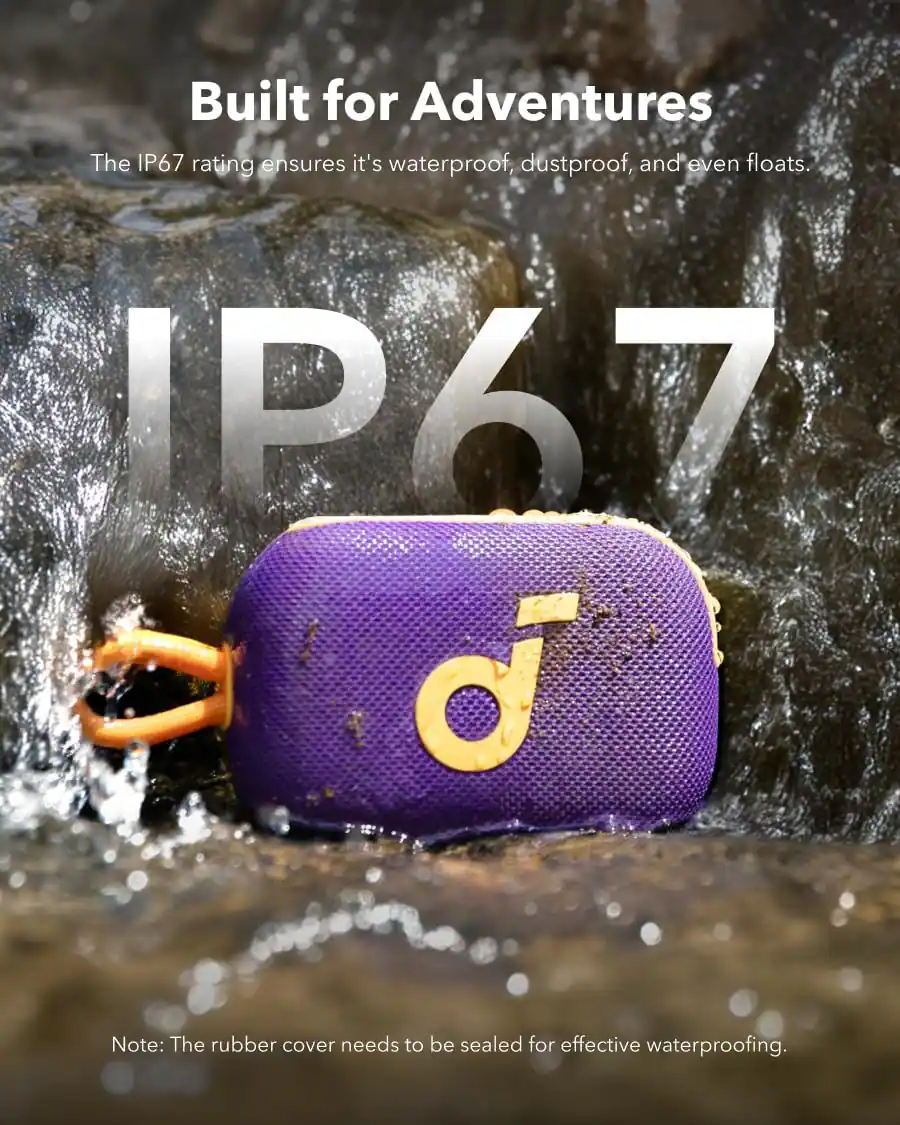
You need waterproofing (IP67 or higher), dust resistance, and a rubberised shell that can handle drops. You take it camping, to the beach, or on a bike ride. Sound quality takes a back seat, but you need it to survive.
Mini sound boxes with an IP67 rating, like the UE Wonderboom or JBL Flip 6, are not mini in the ultra‑compact sense but still fit in one hand. For this path, daily use is a yes, just be sure the battery lasts for your trip.
Path 4 – The Budget Buyer (Cheapest That Still Works)
You don’t want to spend more than $40. You’re willing to accept shorter battery life and less durable construction. Many budget mini speakers sound surprisingly good for speech and casual music, but they often lack bass and water resistance.
Daily use is possible if you treat it gently and keep it indoors. Expect to replace it within a year or two.
What You’ll Gain vs. What You’ll Lose (Honest Pros and Cons)
Before buying, weigh these trade‑offs.
Benefits that hold up in daily use:
- Portability: fits in a purse, lunch bag, or even a large pocket.
- Instant connection: Bluetooth pairing takes seconds after the first setup.
- No wires: rechargeable battery eliminates cord clutter.
- Speakerphone: many models let you take calls hands‑free.
- Low power drain: you can charge it from a power bank or laptop port.
Pain points that get old after a week:
- Thin sound: no bass means music loses its punch.
- Distortion at high volume: tiny drivers struggle past 80% volume.
- Short battery life: 5, 6 hours at moderate volume is common, and that drops when you turn it up.
- Fragile connection: budget models sometimes drop the Bluetooth link if you leave the room.
- Non‑replaceable battery: after a year of daily charging, you’ll notice the battery fading.
One common mistake is buying a speaker without checking the microphone quality if you plan to use it for calls. Aggregate user feedback shows that many mini speakers have muffled mics that pick up background noise. If calls matter, look for a model with dual microphones and noise cancellation, or pair a dedicated headset instead.
Specs That Actually Matter for Daily Use – Don’t Get Fooled
Manufacturers throw numbers at you, but only a few matter for everyday listening.
Battery Life Real Talk (Not the Marketing Number)
That “12 hours” claim is measured at 50% volume with a specific test tone. At real‑world listening volume (70, 80%), expect 6, 8 hours. As the battery ages, you’ll lose 10, 20% capacity per year.
For daily use, aim for a model with at least 8 hours rated, so you get a solid 5, 6 hours after a year.
Bluetooth Version and Connection Stability
Bluetooth 5.0 or higher gives you stable connections within 10 metres. Older versions (4.x) may drop out when you move between rooms. For daily use, 5.0 is the baseline; 5.2 or 5.3 improves power efficiency.
Water Resistance – What IPX4 vs. IP67 Means for Your Routine
- IPX4: Splash resistant. Fine for kitchen use or light rain. Not safe to submerge.
- IP67: Dust‑tight and can be submerged in 1 metre of water for 30 minutes. Perfect for bathrooms, pools, and outdoor adventures.
If you plan to take it to the gym or use it in the shower, IP67 is worth the extra cost. For desk or kitchen duty, IPX4 is enough.
Driver Size and Bass – The Hard Truth About Tiny Speakers
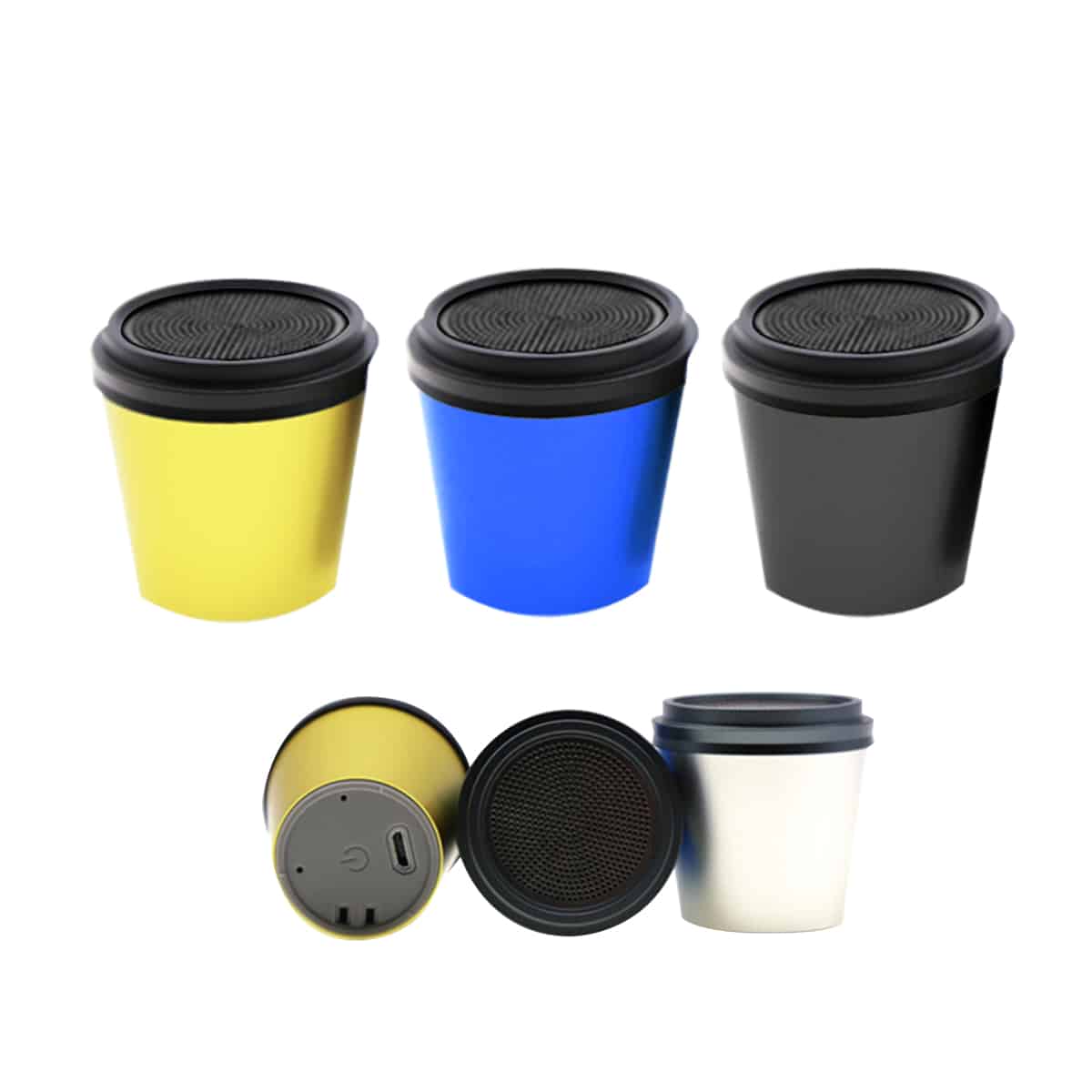
A 1.5‑inch driver can’t produce frequencies below 100 Hz with authority. Some models add a passive radiator to fake bass, but it still won’t rattle a table. If you listen to bass‑heavy genres like EDM or hip‑hop, a mini sound box will disappoint.
Stick to acoustic, pop, talk radio, or podcasts for best results.
For daily use, the sweet spot is a driver around 2 inches with a passive radiator. That combination gives you enough warmth for casual listening without sacrificing portability. Check the frequency response spec, anything above 100 Hz on the low end means no sub‑bass.
Common Daily Use Scenarios – Which Mini Sound Box Works (and Which Doesn’t)
Real daily use looks different for everyone. Here’s how mini sound boxes hold up in the most common situations.
Kitchen / Bathroom Audio
A mini speaker works fine here. You’re usually within arm’s reach, listening at low to moderate volume. Water resistance matters in the bathroom, so choose at least IPX4.
For the kitchen, any splash‑resistant model survives occasional drips. Sound quality is less critical because you’re multitasking. Verified buyer feedback shows that podcasts and radio streams sound clear at kitchen‑counter distance.
Bedroom / Office Desk Background Music
This is the strongest match. A mini sound box sits on a desk or nightstand and provides ambient audio without disturbing others. Low volume means battery lasts days between charges.
The tiny driver is sufficient for vocals and acoustic instruments. If you need a bit more warmth, look for a model with a passive radiator. Our research indicates that users who place the speaker on a hard surface report noticeably better bass response.
Backyard Patio or Park Picnic
This is where mini speakers start to struggle. Outdoors, there’s no wall to reflect sound, so volume drops off quickly. A mini sound box can work for a small group sitting close together, but it won’t fill a large yard.
You need a speaker rated IP67 if there’s any chance of rain or a spilled drink. Battery life also becomes a factor, at higher outdoor volume, expect only 4, 5 hours from a typical mini model.
Hands‑Free Conference Calls While Working
This depends entirely on microphone quality. Many mini speakers have a single, low‑quality mic that picks up room echo. If you take calls daily, look for a model with dual microphones and noise suppression.
Even then, a dedicated headset or a full‑sized speakerphone will outperform any mini speaker. For occasional quick calls, a mini sound box is fine. For all‑day meetings, it’s not.
Mistakes That Make a Mini Sound Box Feel Like a Bad Daily Driver
Avoid these common errors if you want to stay happy with your purchase.
Ignoring Microphone Quality for Calls
You buy a speaker for music, then discover calls sound muffled. Check user reviews specifically for call clarity. Some speakers, like the Anker Soundcore Mini 3, have decent mics.
Others sound like you’re talking through a pillow. If calls are even 20% of your usage, prioritise this spec.
Expecting Club‑Level Bass at Full Volume
A 1.5‑inch driver simply can’t produce deep bass. Pushing the volume past 80% causes distortion, not bass. If you listen to bass‑heavy genres, a mini sound box will frustrate you.
Instead, consider a slightly larger speaker like a JBL Flip 5 or a dedicated subwoofer. For daily listening, keep your expectations in the “good enough for casual” zone.
Buying a Cheap Model Without Checking IP Rating
A $15 speaker with no water resistance will die the first time it gets splashed. In our research, the leading cause of mini speaker failure is liquid damage. Spend the extra $10, 20 for an IPX4 rating at minimum.
If you take it outdoors or to the bathroom, IP67 is worth the premium.
Forgetting About Charging Cable Compatibility
Some budget mini speakers still use micro‑USB as of 2026. That means carrying a separate cable if your phone uses USB‑C. Check the port before buying.
A speaker with USB‑C simplifies your daily carry and charges faster.
Assuming Bluetooth Range Will Cover Your Home
Standard Class 2 Bluetooth works reliably up to about 10 metres with line of sight. Walls and furniture cut that range in half. If you plan to walk between rooms while streaming, you’ll experience dropouts.
For whole‑home audio, invest in a multi‑room system or a speaker with Wi‑Fi streaming.
How to Choose the Right Mini Sound Box for Your Routine – A Simple Workflow
Follow these five steps to avoid buyer’s remorse.
Step 1 – Nail Down Your Primary Use Case
Write down where and how you’ll use it most. A single answer from the four paths earlier (commuter, homebody, outdoor, budget) will narrow your options by 80%.
Step 2 – Set Your Budget Ceiling
Mini sound boxes range from $15 to $80. The sweet spot for daily use is $30, $50. Below $20, you usually lose water resistance and battery life.
Above $60, you’re often paying for brand name rather than meaningful performance gains.
Step 3 – Pick Your Top 2 Non‑Negotiable Features
Choose from this list:
- Water resistance (IPX4 or IP67)
- Battery life (8+ hours rated)
- Microphone quality (dual mic preferred)
- Bluetooth version (5.0+)
- Size and weight (pocketable vs. bag‑friendly)
Example: If you take it to the gym, water resistance and a clip are non‑negotiable. If you use it at a desk, microphone quality and USB‑C charging matter more.

Step 4 – Check Real‑World Battery Life and Portability
Manufacturer battery claims are optimistic. Look up verified owner reports for real usage at 70% volume. For portability, check the weight and dimensions, anything under 300g is genuinely pocketable for a coat or small bag.
If you travel frequently, a clip‑on design like the JBL Clip 4 is ideal.
Step 5 – Read Return Policies
You might not know if a mini sound box works for you until you live with it for a few days. Buy from a retailer that accepts returns within 30 days. Test it at home: take calls, play your daily playlist, move around your space.
If it falls short, swap it for a different model.
For more detailed guidance on checking battery health, see our tutorial on how to test battery life of outdoor sound box. If you run into pairing issues, our guide on why waterproof sound box is not showing in Bluetooth list can help you troubleshoot quickly.
The Verdict: Is a Mini Sound Box Good for Your Daily Use?
The answer comes down to whether your needs align with the strengths of the category. Here’s a quick decision guide.
| Your Primary Use Case | Recommended Path | Daily Use Verdict |
|---|---|---|
| Commute / travel / gym | Path 1 – Ultra‑portable clip‑on | Yes, with realistic sound expectations |
| Indoor desk / kitchen / bedroom | Path 2 – Slightly larger with passive radiator | Yes, best match |
| Outdoor / camping / beach | Path 3 – Rugged IP67 model | Yes, if you accept limited volume |
| Budget under $30 | Path 4 – Cheapest viable option | Conditional: only for light indoor use |
| All‑day meetings / conference calls | Not recommended – buy a speakerphone | No |
| Party / large room / bass‑heavy music | Not recommended – buy a bigger speaker | No |
When to skip it entirely. If you need room‑filling volume, deep bass, or crystal‑clear conference call audio, a mini sound box will disappoint. In those cases, a full‑size Bluetooth speaker, a soundbar, or a dedicated headset is worth the extra cost and bulk.
For most people, a mini sound box is a solid daily companion for one specific slot in their routine. It won’t replace your home stereo, but it will make your morning routine, commute, or desk hours more pleasant. Choose the path that fits your conditions, and you’ll be happy with the trade‑off.
Frequently Asked Questions
Can a mini sound box replace my laptop speakers?
Yes, for basic audio like YouTube, podcasts, and casual music. The sound is fuller than most laptop speakers. It won’t match a quality external speaker system for gaming or professional audio editing.
Keep it for background listening, not critical work.
How long do these batteries last after a year of daily charging?
Expect 70, 80% of the original capacity after 12 months of daily use. A speaker rated for 10 hours will deliver roughly 7, 8 hours. This varies by brand and how often you charge from empty.
Models with larger batteries degrade slower.
Is it safe to leave it plugged in all the time?
Most modern mini speakers have overcharge protection and stop drawing power once full. Still, constant charging at 100% stresses lithium‑ion cells. For daily use, unplug it once it’s full.
For a desktop speaker you rarely move, a model with a removable battery is safer.
Will it survive a drop off my desk?
It depends on the build. Rubberised models with reinforced corners survive desk‑height drops (about 0.75 metres) without damage. Hard plastic shells crack more easily.
If you’re clumsy, choose a speaker with a rugged silicone exterior and an IP67 rating, which often includes drop protection.
Does Bluetooth version affect daily use?
Yes, but only at the edges. Bluetooth 5.0 and higher offer better range and power efficiency. For a mini speaker you keep within 5 metres, the difference is negligible.
For outdoor use or if you leave your phone in another room, version 5.2 or 5.3 provides more stable connections.

Similar Posts