Is Mini LED Technology Still New
No, and yes. That probably sounds frustrating, but bear with me. Mini LED, as a commercially available display technology, has been on the market since 2019. But whether it feels "new" depends entirely on what you're comparing it to, what you're buying, and how much the technology has actually matured at the price tier you're shopping at.
The short version: Mini LED is old enough to be proven and affordable enough to be mainstream, yet it's still improving fast enough that not every Mini LED display is actually worth your money. Let me break down what that means for you.
Quick Answer: Is Mini LED Still New in 2025?
Mini LED technology publicly entered the consumer market in 2019. TCL launched the first major Mini LED TV that year. Apple brought it to laptops in 2021.
By 2026, major manufacturers like TCL, Hisense, Samsung, and Sony all sell Mini LED displays. The technology itself is not new. The trick is that the quality range between budget and premium Mini LED panels is enormous.
Mini LED vs OLED vs MicroLED: What's Actually the Difference?
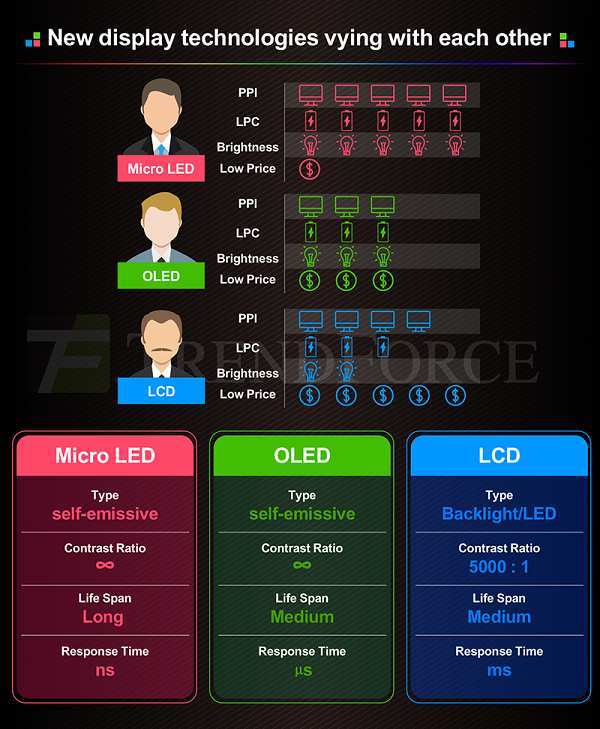
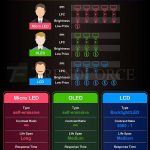
This is where most of the confusion lives. These three technologies get thrown around interchangeably, but they're fundamentally different approaches to making a picture.
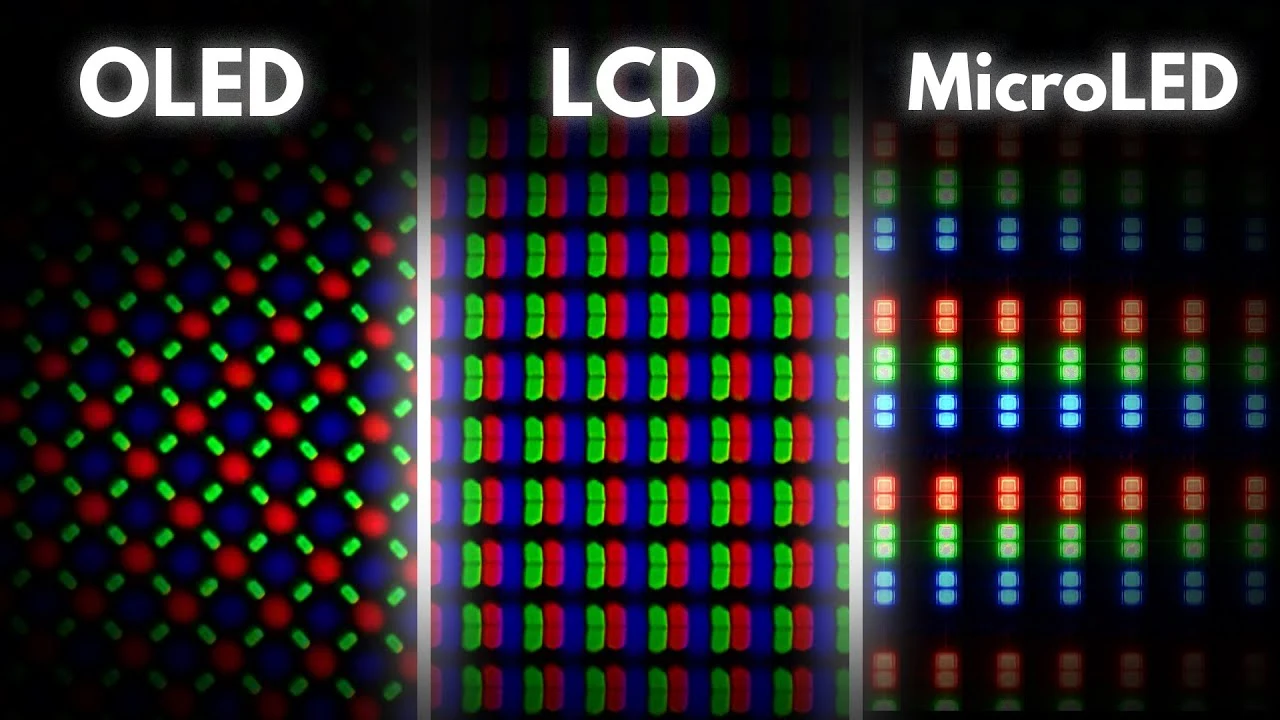
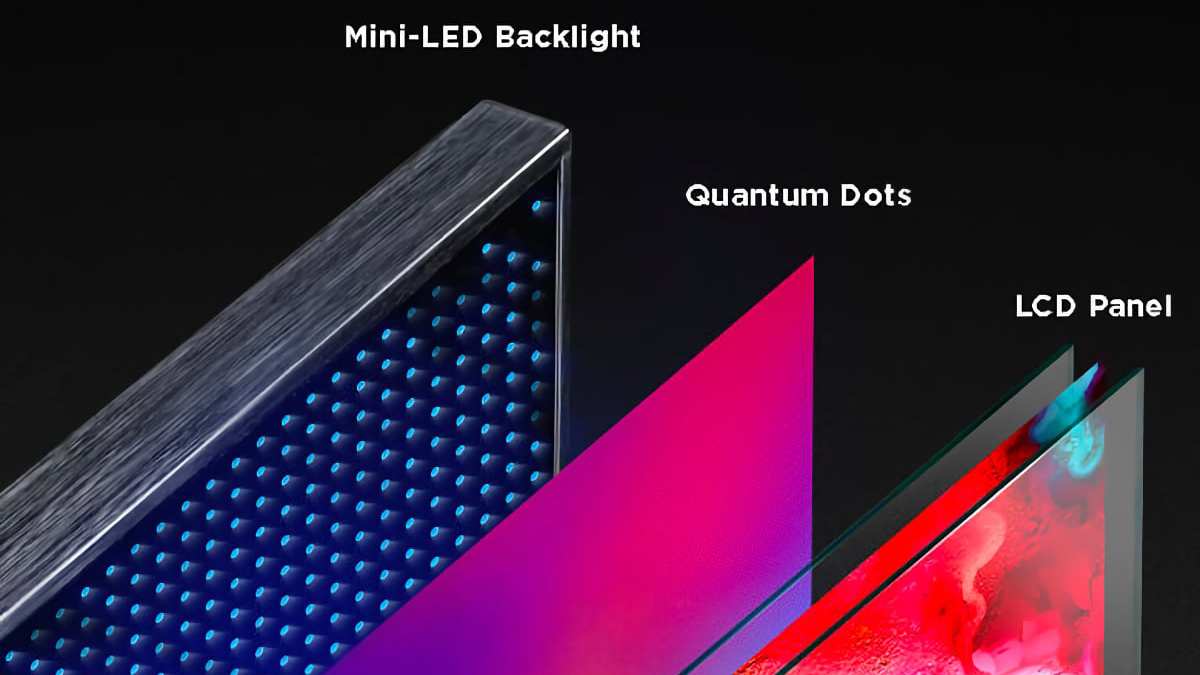
Mini LED is a backlighting method for traditional LCD panels. It uses thousands of tiny LED zones behind an LCD layer to control brightness in different areas of the screen simultaneously. The LCD layer still does the actual image rendering. Mini LED just makes the backlight much smarter.
OLED (Organic Light-Emitting Diode) is a completely different panel technology. Every single pixel is its own light source. No backlight needed. When a pixel wants to show black, it just turns off.
This gives OLED its famous perfect-black-level advantage. The downside is organic materials degrade over time, and sustained brightness is limited compared to Mini LED.
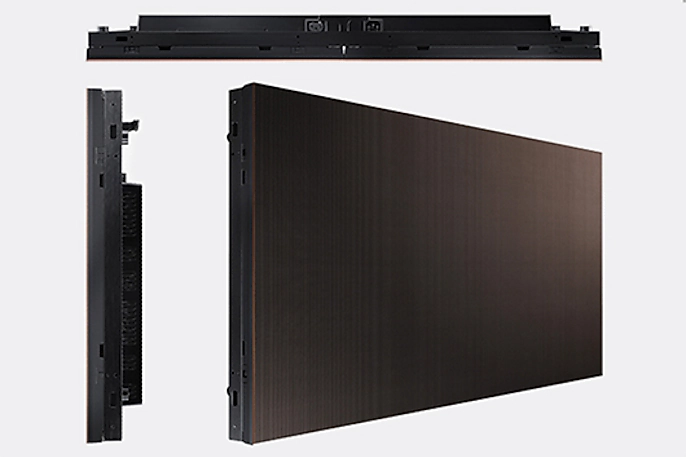
MicroLED is the emerging technology people confuse with Mini LED. It's emissive like OLED, meaning each pixel produces its own light, but it uses inorganic materials, so there's no burn-in risk. The catch is that genuine MicroLED displays for consumers are still prohibitively expensive and limited to very large commercial installations. The two names sound almost identical, but they're years apart in maturity.
Side-by-Side Comparison Table
| Feature | Mini LED LCD | OLED | MicroLED |
|---|---|---|---|
| Technology type | Backlit LCD with local dimming | Self-emotive pixels | Self-emotive inorganic pixels |
| Black levels | Very good (not perfect) | Perfect | Perfect |
| Peak brightness | 1,000 to 4,000+ nits | ~800 to 1,300 nits | 5,000+ nits (theoretical) |
| Burn-in risk | None | Yes, over time | None |
| Contrast ratio | Excellent with enough zones | Reference-class | Reference-class |
| Thickness | Comparable to standard LED-LCD | Very thin possible | Modular / panel-based |
| Price (65" as of 2026) | ~$500 to $2,500 | ~$1,200 to $3,000+ | Not yet available at consumer scale in typical sizes |
| Market availability | Mass market since 2020 | Mass market since 2013 | Limited / commercial |
Where Mini LED Wins
- Sustained peak brightness. Mini LED can push 1,000 to 4,000+ nits consistently. OLED tops out closer to 800 to 1,300 nits in real-world content. If you watch TV in a bright room or near windows, Mini LED has a genuine advantage.
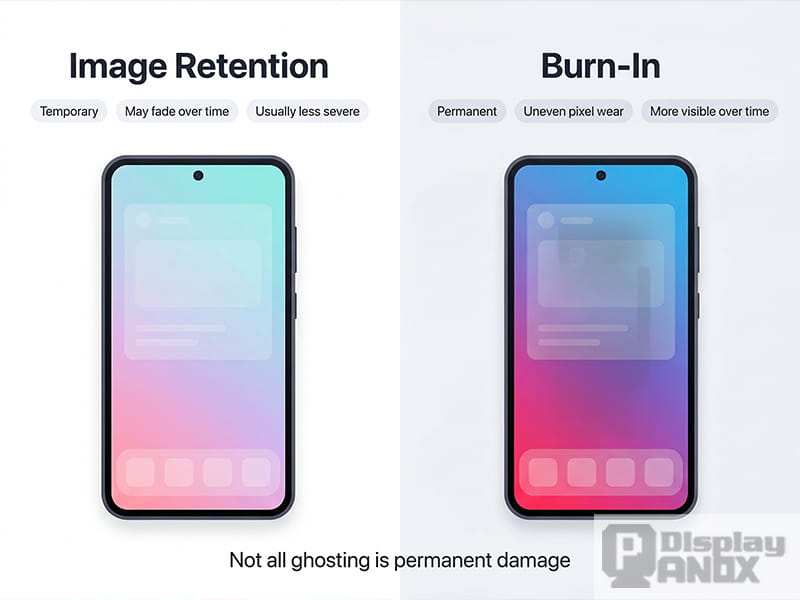
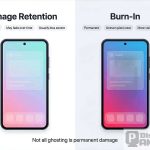
- No burn-in. Static elements like news tickers, channel logos, or video game HUDs will not leave permanent marks on a Mini LED display. OLED panels can develop image retention over time, especially with varied content habits.
- Large-screen value at 75 inches and above. At 75", 85", and 98", Mini LED TVs are significantly cheaper than equivalent OLED sets. A 75" premium Mini LED set costs roughly half what a same-size flagship OLED panel runs.
- HDR impact. High Dynamic Range content benefits enormously from high peak brightness. Mini LED's ability to hit bright highlights while maintaining surrounding darkness gives HDR material more visual punch, especially in specular highlights like sunlight reflecting off metal or water.
Where OLED Still Beats It
- Perfect black levels. When an OLED pixel turns off, it is off. No halo, no glow, no light leakage from adjacent zones. Mini LED gets close, but it still uses a backlight, and that fundamental architecture can't match per-pixel precision.
- Viewing angles. OLED maintains color accuracy and contrast even at wide off-center viewing angles. Mini LED, like all LCD-based technology, can show color shift and brightness drop when you sit far to the side.
- Response time and motion handling. OLED's per-pixel emission gives it near-instantaneous pixel response times. Mini LED response depends on the underlying LCD panel layer, and VA-type panels often used in Mini LED sets can show smearing in dark transitions.
- Thinness and form factor. OLED panels can be made incredibly thin. Mini LED sets with full arrays of local dimming zones are noticeably deeper and heavier.
A Brief Timeline: How Mini LED Got From Lab to Living Room
Understanding the timeline helps answer whether it's "new." Mini LED didn't appear overnight. It evolved from existing full-array local dimming (FALD) LED-LCD technology by shrinking the individual LED chips dramatically and packing far more of them into the same backlight unit area. A conventional FALD backlight used dozens or at most a few hundred LED zones.
Mini LED bumped that to hundreds or thousands, which changed the game.
2019 to 2020: The Commercial Debut
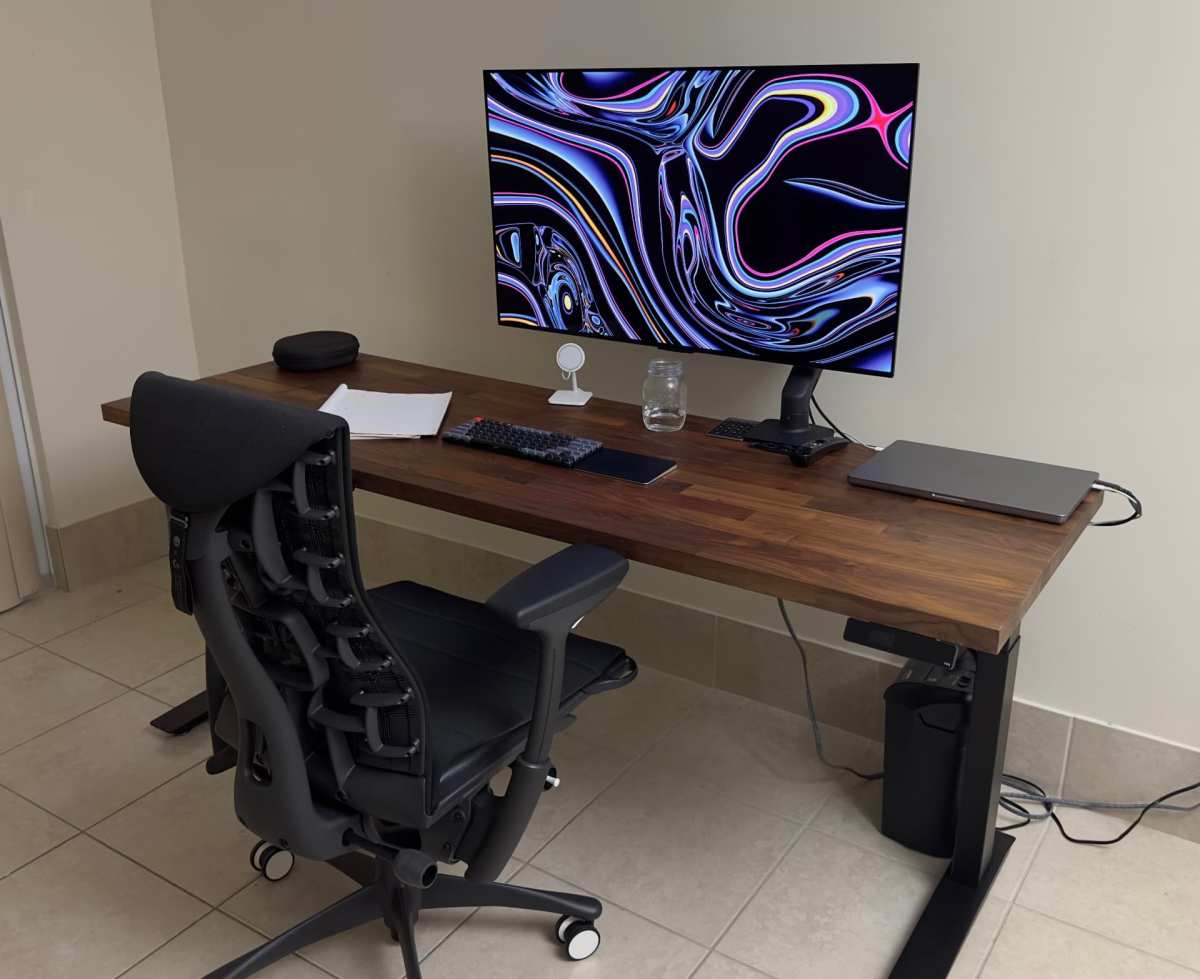
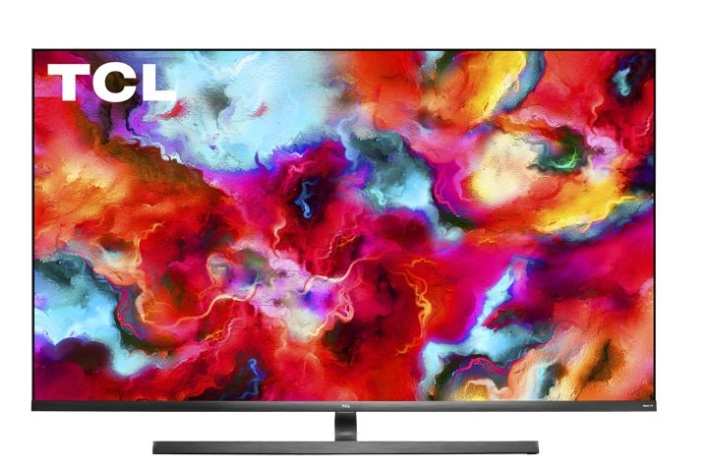
TCL released the 8-Series Roku TV in 2019, which is widely recognized as the first consumer Mini LED television. It used hundreds of local dimming zones and delivered contrast performance that challenged OLED at a lower price point. Around the same time, Apple launched the Pro Display XDR, a professional reference monitor using Mini LED backlighting with over 500 zones to hit 1,600 nits of peak brightness for HDR mastering work.
These launches proved the technology was viable outside the lab and that real consumers would pay for it.
2021 to 2022: Mainstream Acceleration
Apple brought Mini LED to the 14-inch and 16-inch MacBook Pro models in late 2021, which put the technology in front of millions of creative professionals and general users. TCL expanded its Mini LED lineup with the 6-Series, which became one of the most recommended budget-to-mid-range TVs on the market. Hisense entered the space with its U8 series.
Samsung rebranded its Mini LED offerings under the "Neo QLED" marketing name and began pushing the technology aggressively across multiple price tiers. By the end of 2022, Mini LED was no longer a niche experiment. It was a product category.
2023 to 2025: Mass Market Adoption and Rapid Improvement
By 2023, You could buy a decent 55-inch Mini LED TV for under $500 from brands like TCL and Hisense. The critical shift was not just price drops but generational improvements in zone count, dimming algorithm intelligence, and blooming suppression. A budget Mini LED set in 2020 might have 100 to 160 zones.
By 2025, TCL's flagship sets offered over 2,000 zones on a single panel. Hisense pushed similar numbers. Samsung's top Neo QLED models used sophisticated processing to squeeze better performance from fewer physical zones.
This is what makes the "is it still new" question tricky. The technology is mature enough to buy without worrying it's a prototype. But it's also improving year over year in ways that make a 2023 model look noticeably worse than a 2025 equivalent in side-by-side comparison.
As of 2026, Mini LED sits in a solid middle ground. It's past the early adopter phase, deep into the mass adoption phase, and still showing meaningful year-over-year improvement in picture quality, especially at the premium tier. New does not describe it accurately.
But stagnant doesn't either.
What Zone Count Actually Means (And Why Marketing Hides the Truth)
This is the single most important thing to understand before buying any Mini LED display. The term "Mini LED" on a box tells you almost nothing about actual picture quality. What matters is how many dimming zones the panel uses, how intelligent the dimming algorithm is, and what type of LCD panel sits on top of the backlight.
Manufacturers love to put "MINI LED" in giant letters on the box. They love putting zone count in tiny spec sheet footnotes, if they mention it at all. Some brands don't officially disclose zone counts on certain models, which is a red flag.
Budget Tier: 50 to 160 Zones
At this level, Mini LED behaves more like an improved full-array dimming system than a true next-generation display. You'll see contrast improvements over edge-lit LED-LCD sets, but blooming and halo effects around bright objects on dark backgrounds will still be very visible. If the price gap between a budget Mini LED set and a standard LED-LCD set is small, the upgrade might not be worth it unless you specifically need higher peak brightness for room conditions.
Common sense helps here. More zones almost always means better performance, regardless of what the marketing suggests. Look up independent reviews from sources that specifically test blooming before trusting any spec sheet.
Mid-Range: 200 to 600 Zones
This is where Mini LED starts earning its reputation. A set in this zone range can deliver genuinely impressive HDR performance with blooming that's hard to notice in most real-world content. The TCL 6-Series and Hisense U8 Series occupy this territory, and aggregate review feedback consistently ranks them as strong performers for the price.
Premium: 1,000 to 2,500+ Zones
At this level, Mini LED competes directly with OLED for contrast performance while maintaining a significant brightness advantage. Blooming is minimal, even in challenging test patterns with white text on black backgrounds. TCL's flagship QM8 and above models, Samsung's top Neo QLED offerings, and professional reference displays operate here.
The gap between this tier and OLED narrows considerably on contrast metrics, and the brightness advantage widens in Mini LED's favor.
Who Should Buy Mini LED Right Now (And Who Shouldn't)
Great Fit
- Bright room viewers. If your TV sits opposite windows or in a room with lots of ambient light, Mini LED's sustained peak brightness gives you a clearer, more vivid picture than OLED can deliver in the same conditions.
- Seventy-five-inch and above shoppers. Want an 85-inch or 98-inch screen without spending $4,000 to $5,000? Mini LED is your best value path in 2026. The price scaling advantage over OLED is enormous at these sizes.
- Static content viewers. If you leave the TV on news channels all day, or use a display for digital signage with fixed UI elements, Mini LED's zero burn-in risk is a real long-term benefit.
- HDR enthusiasts who want impact. Watching HDR movies with punchy highlights, bright specular reflections, and high-contrast scenes? Mini LED's brightness ceiling makes HDR content look more dramatic than OLED can achieve.
Think Twice
- Dark room cinephiles. If you watch movies in a mostly or fully dark environment, OLED's perfect black levels and zero blooming will look visibly better than even the best Mini LED. No amount of zone count eliminates blooming entirely in a dark room.
- Off-center viewers. If your seating arrangement puts viewers at sharp angles to the screen, the viewing angle limitations of LCD panels will bother you more than they would on an OLED set.
- Ultra-thin aesthetic prioritizes. If you want the thinnest possible wall-mounted profile, Mini LED sets are noticeably deeper than equivalent OLED panels.
The Blooming Problem: Mini LED's Biggest Weakness
Blooming, sometimes called haloing, is the visual artifact where bright objects on a dark background appear to bleed light into surrounding dark areas. It happens because each dimming zone covers a finite area of the screen. When one zone lights up for a bright highlight, some light spills into adjacent zones that should be showing black or near-black content.
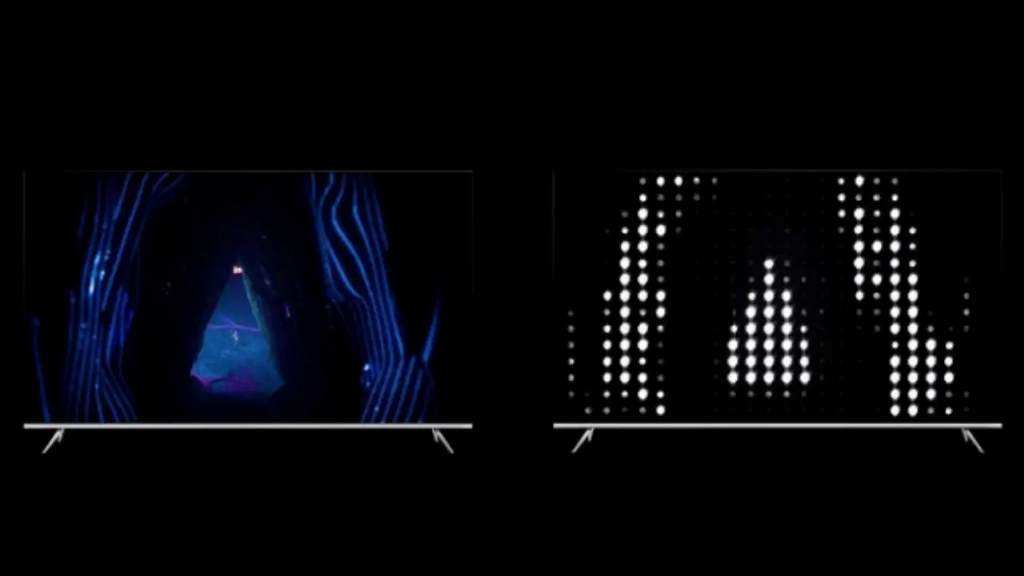
This is Mini LED's fundamental trade-off. More zones reduce blooming because each zone covers a smaller area, so the spillover is less visible. But no amount of zones eliminates it entirely in the way OLED can, since OLED controls brightness at the pixel level.
Dimming algorithm quality matters as much as zone count. A well-tuned algorithm on 500 zones can look better than a poorly tuned one on 1,000 zones. The algorithm decides how quickly each zone ramps up and down, how aggressively it limits brightness in zones adjacent to bright ones, and how it handles transitions between bright and dark areas in motion.
Manufacturers rarely discuss their dimming algorithms in detail, which is why independent review testing matters more than spec sheets for this specific issue.
What to Check Before You Buy: A Practical Checklist
Shopping for a Mini LED display without a checklist is how you end up with a disappointing set. Here is what to verify before spending money.
- Zone count. If the manufacturer doesn't publish it, search for independent teardowns or review measurements. A set marketed as "Mini LED" with fewer than 100 zones is not meaningfully different from standard full-array dimming.
- Peak brightness in nits. Look for sustained peak brightness, not just a momentary burst number. A set that hits 2,000 nits for a quarter-second flash but drops to 800 nits in a sustained window is less impressive than the spec sheet suggests.
- HDR format support. Verify which HDR standards the display handles. HDR10 is baseline. HDR10+ and Dolby Vision are both common and not interchangeable. If you stream a lot from Netflix or Disney+, Dolby Vision support matters. If you use Amazon Prime Video, HDR10+ is more relevant.
- Panel type. VA panels offer better native contrast but narrower viewing angles. IPS panels offer wider viewing angles but weaker native contrast. Mini LED compensates for IPS contrast limitations somewhat, but knowing the panel type helps set expectations for off-angle viewing.
- Firmware update history. Some manufacturers improve dimming algorithms and add features via firmware updates after launch. A brand with a track record of meaningful post-purchase updates adds long-term value.
- Return policy. If blooming bothers you in your specific viewing environment, you want the option to return the set. Check the return window before buying, especially if purchasing during a sale event.
Real Pricing Landscape: What You'll Actually Pay in 2025
Mini LED pricing has dropped dramatically since 2019. The technology is no longer confined to premium buyers, but the gap between budget and premium tiers remains large because zone count and dimming quality scale with price.
55" Mini LED TVs
- Budget: $400 to $600 (100 to 200 zones, good HDR for the price)
- Mid-range: $600 to $900 (300 to 600 zones, strong all-around performance)
- Premium: $900 to $1,400 (800+ zones, near-OLED contrast)
65" Mini LED TVs
- Budget: $500 to $800
- Mid-range: $800 to $1,300
- Premium: $1,300 to $2,200
75"+ Mini LED TVs
- Budget: $700 to $1,200
- Mid-range: $1,200 to $2,000
- Premium: $2,000 to $3,500+
Monitors and Laptops
- Apple MacBook Pro 14" and 16" with Mini LED: $1,999 to $3,499 depending on configuration
- Standalone Mini LED monitors: $600 to $5,000+ depending on size, zone count, and professional calibration features
The sweet spot for most buyers in 2025 sits in the mid-range TV category at 65 inches. That is where you get enough zones for genuinely impressive HDR performance without paying a premium that only makes sense for professional use or enthusiast viewing.
The Verdict: Where Mini LED Sits Today
Mini LED is not new in the sense of being unproven or experimental. It has been in consumer hands for over six years, it is manufactured at scale by multiple major brands, and it has dropped to price points accessible to mainstream buyers. That part is settled.
But it is also not a finished technology. Zone counts continue to climb. Dimming algorithms continue to improve.
The gap between the best Mini LED sets and OLED on contrast metrics continues to narrow, while the brightness gap continues to widen in Mini LED's favor. Buying a Mini LED display in 2026 means buying into a technology that is mature enough to trust but still evolving fast enough that a set bought today will be meaningfully outclassed by an equivalent-priced set in two to three years.
For most people shopping for a TV or monitor right now, Mini LED represents the best balance of price, performance, and longevity available. It avoids OLED's burn-in risk. It delivers brightness that transforms HDR content.
And at sizes above 65 inches, it offers value that OLED simply cannot match.
If you are choosing between Mini LED and OLED specifically, the decision comes down to your viewing environment and priorities. Bright room, large screen, static content, or burn-in concern? Mini LED wins.
Dark room, smaller screen, perfect black priority, or wide seating arrangement? OLED wins.
Common Mistakes People Make When Shopping for Mini LED
- Assuming all Mini LED sets perform the same. The gap between a 100-zone budget set and a 2,000-zone premium set is enormous. Branding them under the same label is misleading, and treating them as equivalent is a mistake.
- Ignoring room conditions. Buying a Mini LED set for a dark home theater room and then complaining about blooming is a self-inflicted problem. OLED is the better choice for that specific use case.
- Chasing the biggest screen at the lowest price. A 75-inch budget Mini LED set might look great from eight feet away in a bright room, but up close, the blooming and limited zone count become very apparent.
- Not checking firmware update support. Some budget brands abandon software support within a year. A display is a five-to-ten-year purchase. Ongoing firmware support matters.
- Overvaluing peak brightness specs. A spec sheet that says 4,000 nits peak brightness might only hit that number on a small portion of the screen for a fraction of a second. Sustained brightness and average picture-level brightness matter more for real-world viewing.
Frequently Asked Questions
Is Mini LED better than OLED?
It depends on your priorities. Mini LED wins on peak brightness, burn-in resistance, and large-screen value. OLED wins on black levels, viewing angles, and dark-room performance.
Neither is universally better.
How long do Mini LED TVs last?
Mini LED backlights are inorganic and do not degrade the way organic OLED materials do. Manufacturer specifications and aggregate reliability data suggest a functional lifespan comparable to standard LED-LCD sets, typically rated around 60,000 to 100,000 hours before significant brightness reduction.
Can Mini LED displays get burn-in?
No. Because Mini LED is a backlighting method for LCD panels, there is no organic material to degrade. Static images will not cause permanent image retention.
This is one of Mini LED's genuine structural advantages over OLED.
What is the difference between Mini LED and MicroLED?
Mini LED uses tiny LEDs as a backlight behind an LCD panel. MicroLED is a self-emotive technology where each pixel is its own inorganic LED. MicroLED offers the brightness and burn-in advantages of Mini LED with the per-pixel precision of OLED, but it is not yet available at consumer price points for standard screen sizes.
Is it worth paying more for more zones?
Yes, with diminishing returns. Going from 100 to 500 zones is a dramatic improvement. Going from 1,000 to 2,000 zones is noticeable but far less impactful.
The biggest quality jump happens in the lower zone count range.
Frequently Asked Questions
Is Mini LED better than OLED?
It depends on your priorities. Mini LED wins on peak brightness, burn-in resistance, and large-screen value. OLED wins on black levels, viewing angles, and dark-room performance.
Neither is universally better.
How long do Mini LED TVs last?
Mini LED backlights are inorganic and do not degrade the way organic OLED materials do. Manufacturer specifications and aggregate reliability data suggest a functional lifespan comparable to standard LED-LCD sets, typically rated around 60,000 to 100,000 hours before significant brightness reduction.
Can Mini LED displays get burn-in?
No. Because Mini LED is a backlighting method for LCD panels, there is no organic material to degrade. Static images will not cause permanent image retention.
This is one of Mini LED's genuine structural advantages over OLED.
What is the difference between Mini LED and MicroLED?
Mini LED uses tiny LEDs as a backlight behind an LCD panel. MicroLED is a self-emotive technology where each pixel is its own inorganic LED. MicroLED offers the brightness and burn-in advantages of Mini LED with the per-pixel precision of OLED, but it is not yet available at consumer price points for standard screen sizes.
Is it worth paying more for more zones?
Yes, with diminishing returns. Going from 100 to 500 zones is a dramatic improvement. Going from 1,000 to 2,000 zones is noticeable but far less impactful.
The biggest quality jump happens in the lower zone count range.

Similar Posts