How To Fix Keyboard Or Trackpad Not Responding Quickly
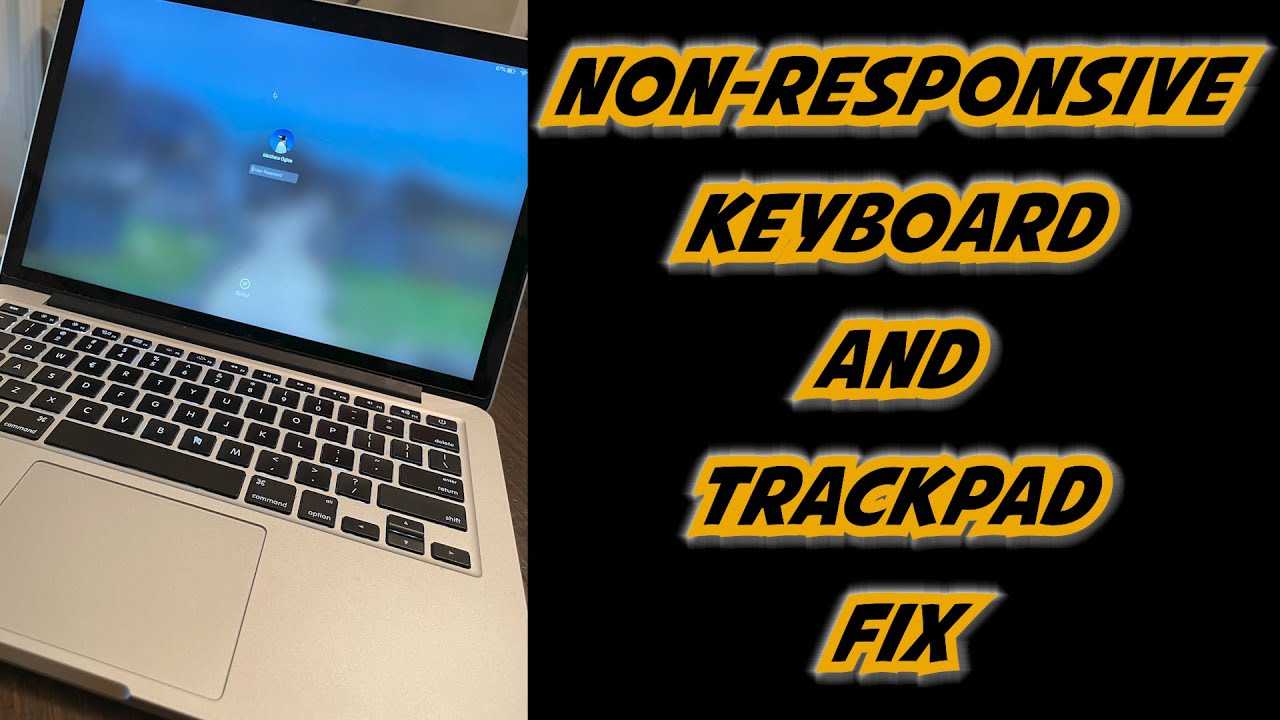

How to fix keyboard or trackpad not responding
Understanding the Common Causes
Many users face issues where the keyboard or trackpad stops working. Usually, these problems happen because of software glitches, hardware issues, or connection problems. Identifying the cause helps in choosing the right fix quickly.Software Glitches and How to Restart Your Device
A quick restart can often resolve temporary software problems. Save any important work before shutting down your device completely. Wait a few seconds, then turn it back on to see if the keyboard or trackpad responds.Updating the Operating System
An outdated system can lead to device responsiveness issues. Check for OS updates regularly and install the latest version. These updates often include fixes for hardware compatibility problems.Reinstalling or Updating Drivers
Drivers are small software programs that help your hardware communicate with your system. Sometimes, outdated or corrupt drivers cause input devices to stop working. Visit the manufacturer’s website or use device management tools to update or reinstall drivers.Checking Hardware Connections and Settings
Loose connections or incorrect settings can disable your keyboard or trackpad. Ensure that all cables are properly connected if you use a wired device. For laptops, verify that settings related to input devices haven’t been changed accidentally.Enabling Devices in Device Manager
Open the Device Manager on your PC or Mac. Locate the keyboard and trackpad sections and check if they are enabled. If they are disabled, right-click and select enable.Adjusting Settings
Sometimes, settings like ‘Touchpad Disabled’ or ‘Keyboard Disabled’ can cause issues. Navigate to Control Panel or System Preferences and verify that the trackpad and keyboard are turned on.Resolving Hardware Issues
If software fixes don’t work, hardware problems might be the cause. Dirt, dust, or physical damage can hinder device operation.Cleaning Your Keyboard and Trackpad
Turn off your device before cleaning. Use a soft, damp cloth to wipe the surface. Avoid liquids near your device’s internal parts to prevent damage. Compressed air can help dislodge dust from beneath keys or in the trackpad.Checking for Physical Damage
Inspect your device for cracks, loose keys, or unresponsive areas. If parts are damaged, professional repair may be necessary. Avoid attempting to fix hardware issues yourself if you are inexperienced.Using External Devices as Temporary Fixes
When your built-in keyboard or trackpad stops working, external peripherals can keep you going.Connecting External Keyboard and Mouse
Plug in a USB keyboard or mouse if available. This allows you to continue working while troubleshooting your built-in devices.Bluetooth Devices
Pair Bluetooth keyboard and trackpad if your device supports wireless peripherals. Make sure Bluetooth is enabled and the devices are in pairing mode.Advanced Troubleshooting Steps
If common fixes do not work, deeper troubleshooting might be necessary. Resetting hardware or reinstalling system software can resolve stubborn issues.Resetting Your Device
Backup your data first. Follow your device manufacturer’s instructions for a system reset or factory restore. This can fix persistent software errors causing hardware unresponsiveness.Performing a BIOS or Firmware Update
Sometimes, updating BIOS or firmware improves hardware compatibility. Visit the manufacturer’s support site for your device to find specific update instructions.Seeking Professional Repair
If all else fails, professional repair may be the best option. Qualified technicians can diagnose hardware faults that are not visible or fixable at home.When to Contact Support
Contact customer support if your device is still under warranty. Describe your problem clearly and mention all troubleshooting steps you have taken.Choosing a Repair Service
Choose authorized repair centers or certified technicians for repairs. Avoid untrusted repair shops, which might further damage your device.Preventive Tips to Avoid Future Issues
Prevention helps your input devices stay responsive longer. Regular maintenance and mindful usage extend the lifespan of your keyboard and trackpad.Keep Devices Clean
Regularly clean your keyboard and trackpad with gentle tools. Avoid eating or drinking near your device to prevent spills and dirt buildup.Update Software and Drivers Frequently
Keeping your system updated ensures compatibility and reduces bugs that can impair device operation.Use Protective Accessories
Keyboard covers and screen protectors can guard against dust, dirt, and physical damage. These simple accessories can save you repair costs.Be Gentle During Usage
Avoid pressing keys too hard or clicking excessively. Gentle use extends the lifespan and prevents hardware failure.Additional Tips for Specific Devices
Different devices might have unique troubleshooting steps. Refer to device-specific manuals or support pages for tailored advice.Windows Devices
Use the built-in Troubleshooter found in Settings > Update & Security > Troubleshoot. This can automatically detect and fix input device issues.Mac Devices
Reset the SMC (System Management Controller) or NVRAM/PRAM if your trackpad or keyboard lag or become unresponsive.Laptops with Touchscreen Trackpads
Check for software updates and test hardware via diagnostic tools provided by the manufacturer.Summary
Fixing a non-responsive keyboard or trackpad involves a mix of simple resets, software updates, hardware checks, and sometimes professional repair. Regular maintenance and careful use can prevent most problems. If hardware damage is suspected, seek expert help to avoid further issues. This comprehensive approach ensures you cover all possible causes and solutions, helping you restore your input devices to proper working order quickly.All Laptop TouchPad Not Working Fix100% | Touchpad On/Off Shortcut Key#macnitesh #touchpad#shorts
Frequently Asked Questions
What steps can I take to troubleshoot hardware issues affecting my keyboard or trackpad?
Begin by restarting your device to see if the problem resolves. If not, check for any physical damage or debris blocking the keys or trackpad. Connecting an external keyboard or mouse can help determine if the issue is hardware-related. Additionally, ensure all drivers and system updates are current, as outdated software can cause input devices to malfunction.
How do I reset my device’s settings to fix unresponsive keyboard or trackpad?
Access your device’s reset options through the system settings. Performing a reset of the hardware configuration often restores device functionality. For specific devices, restoring default settings or performing a system reset can clear any misconfigured settings causing the response issue. Always back up important data before initiating resets.
Can software conflicts cause the keyboard or trackpad to stop responding?
Yes, software conflicts can interfere with input device functions. Check recently installed applications or updates that might conflict with device drivers. Boot your device into safe mode to see if the problem persists; if it doesn’t, uninstall recent software changes. Updating or reinstalling device drivers also helps resolve conflicts.
What should I do if my keyboard or trackpad stops responding after a system update?
After a system update, your device may need driver adjustments. Visit the manufacturer’s website to download the latest drivers compatible with your current system version. Rolling back to a previous system restore point can also help if the update caused the issue. Ensure your system is fully updated with all patches to prevent compatibility problems.
How can I check if the issue relates to a power or hardware connection problem?
Verify that your device is properly powered and connected (for external devices). For laptops, ensure the battery is charged or plugged in. If you use external peripherals, reconnect the keyboard or trackpad, and try different ports if available. Inspect cables and connectors for damage, and consider testing with another device to pinpoint hardware issues.
Final Thoughts
To fix keyboard or trackpad not responding, start by restarting your device to resolve temporary glitches. Check for system updates, as they often contain important bug fixes. If the problem persists, clean the keyboard and trackpad to remove dust or debris that could interfere with sensitivity. Adjust your device’s settings or perform a hardware reset if necessary. If none of these steps work, consult a professional technician. Addressing these issues promptly ensures your device functions smoothly and prevents further problems.
Similar Posts