How To Reset Macbook To Factory Settings Safely In Easy?


How to reset MacBook to factory settings safely
Understanding Why You Might Need to Reset Your MacBook
Resetting your MacBook to factory settings can be useful for several reasons. You might want to improve performance, fix persistent software issues, or prepare the device for a new owner. Before you start, it’s important to back up all your important data because the reset will erase everything.Preparing Your MacBook Before Reset
Preparation is key to a smooth reset process. First, ensure your MacBook is connected to a reliable power source to prevent interruptions. Then, back up your data using Time Machine or an external drive. Also, sign out of iCloud, iTunes, and other services to avoid issues later.Back Up Your Data Safely
Before resetting, create a backup of your files. Using Time Machine is recommended because it saves your entire system. Connect an external drive, open Time Machine, and follow prompts to start backing up. Confirm the backup is complete before proceeding.Sign Out of Accounts and Deauthorize Devices
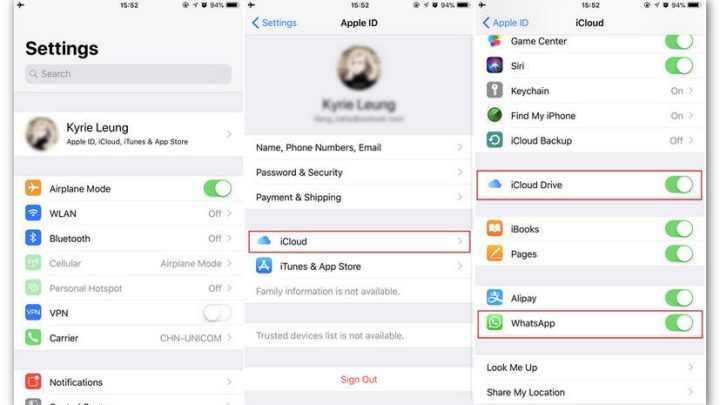
To prevent sync issues, sign out of iCloud by going to Apple menu, selecting System Preferences, then Apple ID, and clicking Sign Out. Also, deauthorize your Mac from iTunes by opening iTunes, choosing Account, then Authorizations, and clicking Deauthorize This Computer.Erase All Content and Settings
To reset MacBook to factory settings, start by entering Recovery Mode. Restart your Mac and hold Command + R immediately until the Apple logo appears. Then, select Disk Utility from the utilities window.Using Disk Utility to Erase Data
In Disk Utility, select your startup disk usually named “Macintosh HD.” Click Erase, choose APFS or Mac OS Extended (Journaled) depending on your macOS version, and confirm. This completely wipes your drive, preparing it for fresh installation.Reinstall macOS
After erasing the disk, return to the main utilities window and select Reinstall macOS. Follow on-screen instructions to download and install the latest compatible macOS version. This process may take some time.Using macOS Recovery Mode to Reinstall
If you prefer, you can reinstall macOS directly from Recovery Mode without erasing via Disk Utility first. Restart your Mac, hold Command + R, and choose Reinstall macOS. This method ensures the system files are correctly installed on a clean disk.Alternative Methods for Resetting MacBook
For Macs with Apple Silicon chips, the reset process differs slightly. Turn off your Mac, press and hold the power button until “Loading startup options” appears, then select Options and follow prompts to enter recovery mode. From there, you can erase and reinstall macOS.Using Third-Party Tools (Optional)
Some users opt for third-party software to reset their MacBook. However, these tools should be used cautiously, as they may not always be reliable or safe. Always research thoroughly before choosing third-party options.Post-Reset Steps for a Fresh Start
Once the reset and macOS reinstallation complete, your MacBook will restart to a setup screen. You can set it up as new or shut it down if you plan to sell or give it away. Remember to remove your Apple ID and sign out of other services.Tips to Ensure a Safe Reset
Follow these tips for a safe and smooth reset:- Ensure your MacBook is plugged into power throughout the process.
- Verify the backup is complete before erasing data.
- Use internet connection for downloading macOS during reinstallation.
- Double-check that you have signed out of all accounts.
Common Issues During Reset and How to Fix Them
Some problems may occur during reset, such as the process freezing or errors during reinstallation. Restart your Mac and try again. If issues persist, use Disk Utility to repair the disk or seek Apple Support for assistance.Security and Privacy After Reset
Resetting erases all personal data, but for added security, consider encrypting your disk before erasing. Also, double-check that iCloud Find My is turned off, especially if you plan to sell the device.Final Checklist Before Completing the Reset
Before finalizing, ensure you have:- Backed up all data
- Signed out of iCloud and other accounts
- Deauthorized iTunes and App Store
- Confirmed the reset process completed successfully
Summary of the Reset Process
To reset your MacBook to factory settings safely: back up data, sign out of accounts, boot into Recovery Mode, erase the disk using Disk Utility, reinstall macOS, and complete the setup. Following these steps ensures your device is clean and ready for future use or ownership.Related Topics for Further Exploration
Consider exploring topics like upgrading your Mac’s hardware, cleaning and optimizing performance, or troubleshooting common macOS problems. These can help keep your MacBook running smoothly after a reset. This comprehensive guide ensures you understand each step involved in resetting your MacBook safely. Remember, patience and careful preparation are key to a hassle-free process.How to EASILY Erase and Factory Reset Your Mac!
Frequently Asked Questions
What precautions should I take before resetting my MacBook to factory settings?
Before resetting your MacBook, back up all important data to an external drive or cloud storage to prevent data loss. Make sure your Mac is connected to a reliable power source, and note down any login credentials or system configurations you might need later. Additionally, sign out of iCloud, iTunes, and other Apple services to avoid issues during the reset process.
What is the safest method to erase my MacBook’s storage?
Start by booting your Mac into Recovery Mode by holding Command (⌘) and R during startup. Use Disk Utility to securely erase your startup disk by selecting it and clicking on the ‘Erase’ option. Choose APFS or Mac OS Extended (Journaled), depending on your macOS version, and format the drive. Do not skip Step 1 to ensure a thorough and safe erasure of all data.
How do I reinstall macOS after resetting my MacBook?
After erasing your drive, exit Disk Utility to return to the macOS Utilities window. Select ‘Reinstall macOS’ and follow the on-screen instructions. Make sure your Mac is connected to the internet during this process to download the latest version of macOS compatible with your device. Once installation completes, your Mac will restart and display the setup assistant for new configurations.
Are there security measures I should take during the reset process?
Yes, use Disk Utility’s Secure Erase options if available to overwrite data multiple times, reducing the risk of data recovery. Ensure that you sign out of iCloud and deauthorize your Mac from your Apple ID. If you plan to sell or give away your Mac, remove it from your Apple account through the iCloud website to prevent future access.
Can I reset my MacBook to factory settings without internet connection?
Resetting your MacBook requires an internet connection to download the necessary macOS installer during reinstallation. However, you can prepare by creating a bootable installer on a USB drive beforehand. This allows you to erase and reinstall macOS without needing an active internet connection during the process, although initial setup may still require connectivity.
Final Thoughts
To reset MacBook to factory settings safely, back up your important data using Time Machine or iCloud. Sign out of iCloud, iTunes, and deauthorize your Apple ID to prevent issues later. Erase all content with Disk Utility, then reinstall macOS via Recovery Mode. Following these steps ensures your MacBook is thoroughly reset without risking data loss or security breaches. Remember, performing a factory reset carefully preserves your privacy and prepares your device for a new user or troubleshooting. How to reset MacBook to factory settings safely remains straightforward when you follow these instructions precisely, making the process efficient and secure.
Similar Posts