How To Fix Iphone Screen Not Working Effectively
 “`html
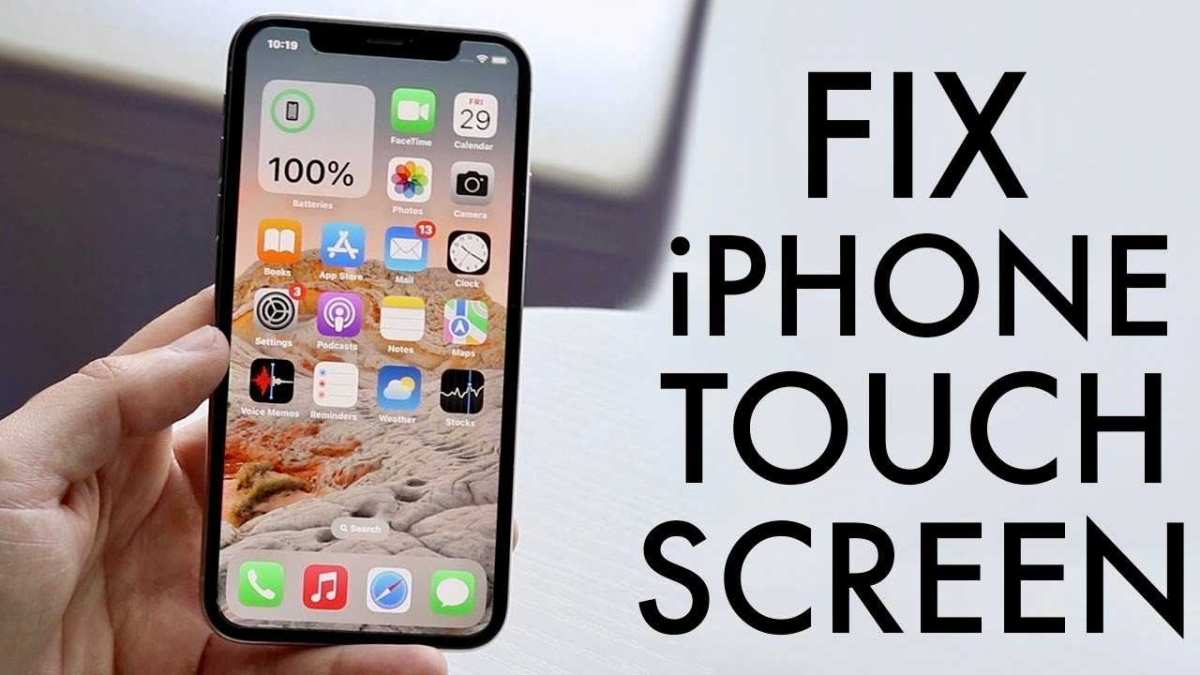
 How to Fix iPhone Screen Not Working: Easy Solutions to Restore Your Phone
Understanding Why Your iPhone Screen Stops Responding
Many things can cause an iPhone screen to stop working properly. It could be a simple software glitch or a hardware problem. Recognizing the root cause helps decide the best fix. Some common reasons include:- Software bugs or glitches after updates
- Physical damage from drops or impacts
- Water damage affecting internal components
- Hardware issues such as a damaged digitizer or display
- Overheating causing temporary malfunction
Step-by-Step Troubleshooting for a Frozen or Unresponsive Screen
If your iPhone screen is frozen or does not respond, start with simple troubleshooting steps.Perform a Force Restart
A force restart can resolve temporary software issues. The method varies depending on your iPhone model.For iPhone 8 or Later
- Press and quickly release the volume up button.
- Press and quickly release the volume down button.
- Press and hold the side button until the Apple logo appears.
For iPhone 7 and 7 Plus
- Press and hold both the volume down button and the Sleep/Wake button simultaneously.
- Keep holding until the Apple logo shows up.
For iPhone 6s or Earlier
- Press and hold both the Home button and the Sleep/Wake button.
- Release both buttons when the Apple logo appears.
Checking for Software Updates
An outdated iOS can cause display issues. Ensure your iPhone runs on the latest software.- Go to Settings > General > Software Update.
- If an update is available, tap Download and Install.
- Follow on-screen instructions to complete the update.
Calibrating the Screen for Better Responsiveness
Sometimes, the screen needs recalibration. This helps improve touch accuracy.To calibrate, open a blank note or a drawing app and try to draw different shapes. This gives your iPhone a chance to recalibrate the touch screen.
Cleaning the Screen and Removing Obstructions
Dust, oil, or dirt can interfere with touch sensitivity.- Turn off your iPhone before cleaning.
- Use a soft, lint-free cloth slightly dampened with water or screen cleaner.
- Avoid harsh chemicals or abrasive materials.
Addressing Hardware Problems
If software fixes don’t work, your device might have hardware issues.Inspect for Physical Damage
Look for cracks, chips, or water damage. Physical damage needs professional assessment.Check for Water or Liquid Damage
Water damage can cause unpredictable screen behavior. If your device is wet, turn it off immediately and seek repair services.Replacing the Display or Digitizer
If the screen is cracked or unresponsive due to hardware failure, the display or digitizer might need replacement.- Visit an authorized Apple service provider.
- Consider third-party repair shops if the warranty has expired.
Using Software Tools to Fix Screen Issues
Sometimes, software tools can help fix persistent display problems.Restore Your iPhone via iTunes or Finder
Restoring your device resets software issues but erases data.- Connect your iPhone to a computer with iTunes or Finder.
- Select your device and choose Restore.
- Follow the prompts to complete the restore process.
Reset All Settings
This resets your preferences without deleting data.- Go to Settings > General > Reset > Reset All Settings.
- Enter your passcode if prompted and confirm.
When to Seek Professional Repair Services
If none of the above solutions work, professional repair is the best option.Visit Authorized Apple Service Centers
Authorized centers guarantee original parts and quality service.Consider Certified Repair Shops
Certified third-party shops can fix hardware issues at a lower cost but choose reputable providers.Check Warranty and AppleCare Options
If your iPhone is under warranty or AppleCare, repairs might be free or discounted.Prevent Future Screen Problems
Take simple steps to protect your screen from future issues.- Use a protective case and screen protector.
- Avoid dropping or hitting your device.
- Keep your iPhone away from water and extreme temperatures.
- Regularly clean the screen to prevent dirt buildup.
Related Topics to Explore
- How to replace an iPhone battery
- Best protective cases for iPhone
- How to fix cracked iPhone screens
- Understanding iPhone hardware components
- Tips for updating iOS safely
How to fix a frozen or unresponsive iPhone. #iphone #apple #shorts
Frequently Asked Questions
What steps can I take if my iPhone screen remains unresponsive after a drop?
If your iPhone screen stops responding after a fall, start by performing a force restart to see if it resolves the issue. If that doesn’t work, check for any visible damage or cracks that might interfere with the touch sensitivity. Connecting your device to a computer with iTunes or Finder can help identify hardware problems. If the problem persists, consider visiting an authorized service provider to examine and repair the device properly.
How can I determine if the issue is software-related and fix it?
To determine if the software is causing the screen problem, try updating your iPhone to the latest iOS version, as updates often include bug fixes. You can also perform a factory reset if you suspect software corruption. Before resetting, back up your data to avoid losing important information. Restoring your device through iTunes or Finder can often resolve persistent software glitches that affect the screen’s functionality.
Are there any troubleshooting tips for fixing a screen that flickers or shows inconsistent responses?
If your iPhone screen flickers or responds inconsistently, start by cleaning the screen thoroughly to remove any dirt or debris. Check for any app conflicts by closing background apps or restarting your device. Adjust display settings like brightness or disable features such as True Tone or Night Shift that may cause visual discrepancies. If the issue continues, consider restoring your device to factory settings or seeking professional repair if hardware issues are suspected.
Final Thoughts
To fix iPhone screen not working, start by performing a force restart to clear minor glitches. Check for any physical damage or dirt on the screen and clean it gently. If the issue persists, update your software or consider restoring your device via iTunes. If none of these steps work, visit an authorized service center for a professional diagnosis. In conclusion, knowing how to fix iPhone screen not working involves troubleshooting common issues or seeking expert help. Follow these steps to restore your device’s functionality efficiently.
Similar Posts