What Else Can I Use To Charge My Macbook Pro Effectively
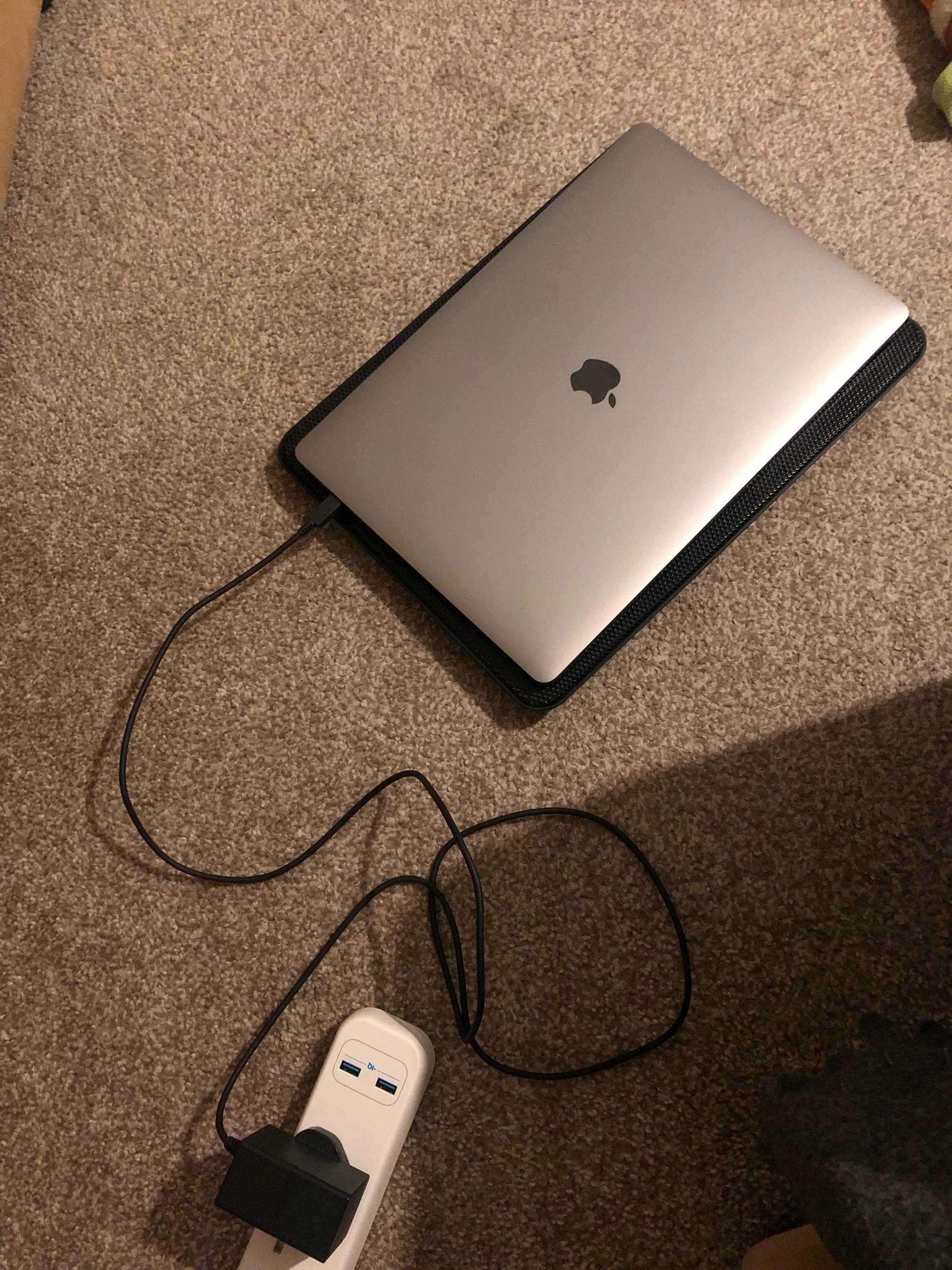

What Else Can I Use to Charge My MacBook Pro?
Understanding the Importance of Proper Charging
Charging your MacBook Pro correctly is vital to keep it functioning smoothly. Using the right power sources ensures your device stays healthy and charges efficiently. Sometimes, the original charger isn’t available, so knowing alternative options is useful.Using USB-C Power Adapters
Most recent MacBook Pro models feature USB-C ports, which means you can use various USB-C power adapters. These adapters come in different wattages, typically ranging from 30W to 96W, depending on your MacBook model. Ensure the adapter’s wattage matches or exceeds the original to charge your MacBook safely and quickly.Compatibility of USB-C Power Adapters
Many USB-C chargers from brands like Anker, Aukey, and Belkin work perfectly with MacBook Pros. They are designed to support Power Delivery technology, allowing fast charging. Always check for compatibility with your MacBook model before purchasing.Choosing the Right Wattage
A charger with higher wattage (such as 61W or 96W) can charge your MacBook Pro faster. Using a lower wattage charger (like 30W) may still work but will charge your device more slowly and could affect battery health over time.Using a Third-Party USB-C Charger
Third-party chargers can be a good alternative if you’re looking for more affordable options or need a portable charger. Make sure they support USB Power Delivery (USB PD) and are certified by respected organizations.Benefits of Third-Party Chargers
These chargers are often lightweight and compact, making them ideal for travel. They can also be more accessible in terms of availability and price. Just verify that your specific MacBook Pro model supports the power output of the third-party charger.Risks and Precautions
Using uncertified or low-quality chargers can damage your MacBook’s battery or internal components. Always read reviews and choose reputable brands to avoid potential issues.Using a Monitor with a USB-C Port
Some monitors come equipped with USB-C ports that support power delivery. When connected to such a monitor, your MacBook Pro can be charged while in use. This setup is ideal for office work or casual browsing.Advantages of Monitor Charging
This method reduces the need for multiple cables and keeps your workspace neat. It also allows for a continuous charging experience without needing to plug in a separate charger.Limitations to Consider
Not all monitors support enough power to fully charge a MacBook Pro, especially larger models. Check the monitor’s specifications to ensure it supplies adequate wattage—generally 60W or more is recommended.Using a Power Bank with USB-C Output
Power banks are portable batteries that can provide additional charging options. Recent models support USB Power Delivery and can charge MacBook Pros on the go.Choosing the Right Power Bank
Pick a power bank with at least 30W output capacity and a capacity of 20,000mAh or higher for longer usage. Ensure it supports fast charging and has a USB-C port that supports Power Delivery.Advantages of Power Banks
They are perfect for traveling or when you’re away from traditional power sources. They are convenient and can extend your MacBook Pro’s battery life significantly in emergencies.Using Solar Chargers
Solar chargers are an eco-friendly option for charging your MacBook Pro outdoors. They convert sunlight into electrical power to charge devices via USB-C ports.Efficiency of Solar Chargers
To charge a MacBook Pro, you need a high-capacity solar panel with at least 60W output. The efficiency depends on sunlight availability and the solar panel’s size.Limitations
Solar charging is slower compared to traditional methods. It requires good sunlight and patience, making it suitable mostly for outdoor activities or emergencies.Using Universal or Multi-Port Chargers
Some chargers feature multiple ports, including USB-C and USB-A, allowing you to charge your MacBook Pro alongside other devices like smartphones and tablets.Choosing Multi-Port Chargers
Opt for a charger with a high wattage USB-C port for your MacBook Pro and additional ports for other devices. Look for models with fast-charging capabilities for all connected devices.Benefits and Drawbacks
Multi-port chargers simplify your setup by reducing the number of adapters needed. However, ensure the total wattage supports simultaneous charging of all connected devices effectively.Using Car Chargers with USB-C Support
For those on the move, car chargers with USB-C ports can keep your MacBook Pro powered during road trips. These chargers plug into your vehicle’s 12V socket.Features to Look For
Select a car charger supporting at least 45W to 60W output and USB Power Delivery. Some models also include multiple ports for charging other devices simultaneously.Practical Considerations
Ensure your vehicle’s electrical system supports the charger’s power demands. Also, be cautious while charging in motion—stopping to charge safely is always better when possible.Using a Docking Station
Docking stations with USB-C power delivery can serve as a central hub for your MacBook Pro, providing power and other connectivity options.Advantages of Docking Stations
They offer multiple ports—including HDMI, Ethernet, and additional USB ports—making it easier to connect to various peripherals. They also supply power to your MacBook, reducing the need for separate chargers.Choosing the Right Docking Station
Look for one with a wattage output of at least 60W supporting your MacBook Pro. Compatibility and port availability should match your specific needs.Key Points to Remember When Using Alternatives
- Always verify compatibility with your MacBook Pro model and charger specifications.
- Use certified chargers and reputable brands to avoid damage.
- Check wattage to ensure proper and fast charging efficiency.
- Be cautious with low-quality or uncertified products that might harm your device.
- Consider portability and convenience when choosing an alternative power source.
Additional Tips for Safe Charging
Make sure to unplug chargers when not in use to prevent overcharging. Keep charging ports and cables clean and free from debris to maintain optimal performance. Regularly inspect your charging equipment for signs of wear or damage to ensure safety. By understanding the variety of options available, you can find suitable alternatives to keep your MacBook Pro powered up wherever you are. Whether using a third-party USB-C charger, a portable power bank, or a solar panel, always prioritize safety and compatibility for the best experience.Forgot your charger? Magsafe charging tip! #macbook #macbookpro #usbC #apple
Frequently Asked Questions
Can I use a universal charger with my MacBook Pro?
Yes, many universal chargers are compatible with MacBook Pro models, especially those with USB-C ports. Ensure the charger provides the appropriate power output, typically around 61W or higher, to charge your device efficiently. Double-check that the charger supports Power Delivery (PD) to ensure safe and fast charging.
Are there alternative cables I can use to connect my MacBook Pro to a power source?
Absolutely. You can use third-party USB-C cables that meet safety standards and support high wattage charging. Look for cables rated for at least 60W or more to match your MacBook Pro’s charging requirements. Using certified cables helps prevent potential damage and ensures reliable power transfer.
Is it possible to charge my MacBook Pro with an external battery pack?
Yes, external power banks equipped with USB-C Power Delivery ports can charge your MacBook Pro. Choose a power bank with sufficient wattage output, ideally 61W or higher, to ensure fast and effective charging. Always verify that the power bank supports PD charging compatible with your MacBook model.
Can I use an iPad or iPhone charger to power my MacBook Pro?
You can use an iPad or iPhone charger if it supports USB-C Power Delivery and provides adequate wattage. However, charging might be slower compared to using the original charger, and some models may not deliver enough power for optimal performance. Always check the wattage output before attempting this method.
Are there any risks associated with using unofficial charging accessories for my MacBook Pro?
Using unofficial or uncertified chargers and cables can pose risks such as overheating, damage to your device, or reduced battery life. Always opt for accessories certified by reputable standards to ensure safety and proper functionality. Avoid cheap or counterfeit products that lack proper safety features.
Final Thoughts
What else can I use to charge my MacBook Pro? You can opt for third-party USB-C chargers that meet safety standards and provide sufficient power. Portable power banks with high wattage can also serve as convenient charging options when you’re on the go. Always ensure compatibility to avoid damaging your device. Using alternative chargers can be practical and efficient, making your charging experience flexible and reliable.
Similar Posts