What Are The Disadvantages Of Wearing Airpods

What Are the Disadvantages of Wearing AirPods
Potential Hearing Damage
Wearing AirPods at high volumes for extended periods can cause hearing loss. Listening to music or podcasts loudly can damage the delicate hair cells in your ears. Over time, this damage might result in permanent hearing impairment or ringing in the ears, known as tinnitus. It is important to keep volume levels moderate to protect your hearing health.Risk of Ear Infections
Keeping AirPods in your ears for long periods can increase the risk of infections. Bacteria and sweat can build up inside the earbuds if they aren’t cleaned regularly. This buildup may lead to ear infections, redness, or discomfort. Proper cleaning routines and giving your ears occasional breaks can help reduce this risk.Discomfort and Fit Issues
Not all AirPods fit comfortably in every ear. Some users find that they cause soreness or pressure after prolonged use. The shape and size of your ears play a crucial role in how well the earbuds sit. Poorly fitting AirPods can also fall out easily, especially during physical activity, leading to frustration and potential loss.Battery Life Limitations
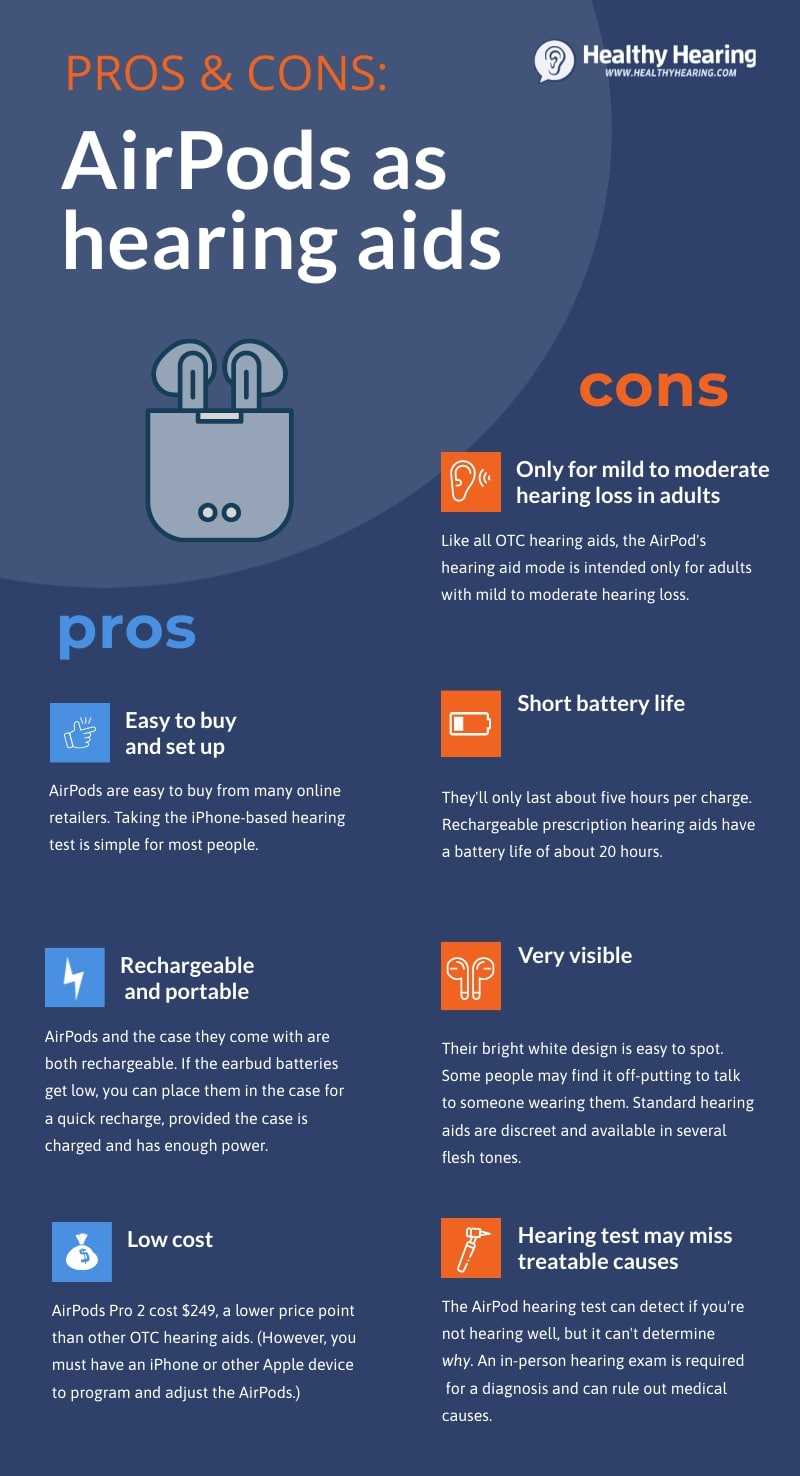
AirPods require charging, and their battery life may not last a full day for heavy users. The average battery life ranges from three to five hours of listening time before needing a recharge. This limitation can be inconvenient for those who rely on their earbuds for extended periods or during long travels.Connectivity and Pairing Problems
Sometimes, AirPods encounter issues with connectivity. Users may experience dropout, difficulty connecting, or lagging audio. These problems often occur due to Bluetooth interference, outdated firmware, or device compatibility issues. Troubleshooting or resetting the earbuds may be necessary to restore a stable connection.Cost and Accessibility
AirPods are often expensive compared to other wireless earbuds. Their price can be a barrier for some users who wish to enjoy wireless audio without investing a significant amount of money. Additionally, their high price tag can lead to concerns about theft or loss.Environmental and Health Concerns
Some critics raise worries about the long-term health effects of using wireless devices like AirPods. Although current research is inconclusive, exposure to electromagnetic fields might pose health risks over time. Furthermore, the production and disposal of these devices contribute to electronic waste, impacting the environment.Limited Customization and Compatibility
AirPods have limited options for customizing sound profiles or adjusting equalizer settings. They may also not work seamlessly with non-Apple devices, leading to compatibility issues. Users who want tailored audio experiences might find AirPods restrictive compared to other brands that offer more customization.Impact on Social Interactions and Awareness
Wearing AirPods can make users less aware of their surroundings. This distraction might lead to safety concerns, such as not hearing approaching vehicles or warnings. It can also create barriers in social interactions, making it seem like you’re less engaged with people nearby.Privacy and Security Risks
Wireless earbuds like AirPods can potentially be a privacy concern. They may inadvertently record conversations or transmit data without users realizing it. Additionally, connecting to unfamiliar devices can expose users to security vulnerabilities, such as hacking or data theft.Impact on Physical Activity and Posture
Using AirPods during exercise might cause discomfort or even injuries. Poor fit can lead to slipping or falling during physical activity. Prolonged use might also encourage poor posture, such as craning the neck or slouching, which can cause musculoskeletal issues over time.Legal and Usage Restrictions
Some workplaces, public venues, or transportation systems restrict the use of wireless earbuds for safety or security reasons. Wearing AirPods in certain environments might violate rules or policies, leading to penalties or safety hazards. It’s important to be aware of local regulations before using them in specific settings.Potential for Dependency
Relying heavily on AirPods for entertainment or communication can contribute to dependency. Excessive use might reduce face-to-face interactions or interfere with daily routines. Taking breaks from earbuds helps maintain a healthy balance between technology use and real-world engagement.Interference with Other Devices
AirPods use Bluetooth technology, which can sometimes interfere with other wireless devices. This interference can cause connectivity issues with phones, tablets, or even smart home devices. Such conflicts may be frustrating and affect your overall user experience.Environmental Noise and Lack of Awareness
While AirPods are great for blocking out ambient sounds, they also diminish your ability to hear important environmental noises. This can be dangerous when walking, cycling, or driving, as you might miss warnings or approaching vehicles. Using them with awareness of your surroundings is crucial for safety. While AirPods offer many convenient features, they also come with notable disadvantages. Hearing damage, discomfort, connection issues, and environmental concerns are some of the common drawbacks. Being aware of these disadvantages helps users make informed choices about their use of wireless earbuds. Careful management, regular cleaning, and moderation can mitigate some of these issues, allowing you to enjoy your devices responsibly.Frequently Asked Questions
What are the potential risks of using AirPods for extended periods?
Using AirPods for long durations can lead to ear discomfort, fatigue, or even minor infections if proper hygiene is not maintained. Listening at high volumes over extended time can also cause temporary or permanent hearing damage. It is important to take regular breaks and keep the earbuds clean to reduce these risks.
Can wearing AirPods cause any physical discomfort?
Yes, wearing AirPods for prolonged periods can cause physical discomfort such as soreness or pressure in the ears. For some users, the fit may not be ideal, leading to irritations or soreness. Choosing the right size and taking occasional breaks can help minimize discomfort.
Are there any safety concerns related to using AirPods while walking or driving?
Using AirPods while walking or driving can divert your attention from your surroundings, increasing the risk of accidents. It is essential to remain alert and avoid listening at high volumes or during complex activities to maintain safety. Using only one earbud while in transit can help you stay aware of your environment.
What are the health implications of frequent headphone use with AirPods?
Repeated exposure to loud sounds through AirPods can contribute to hearing loss over time. Additionally, poor hygiene and prolonged usage might lead to ear infections. Ensuring volume levels are safe and maintaining ear cleanliness are vital for protecting ear health.
Do AirPods pose any concerns related to ear hygiene?
Yes, wearing AirPods regularly can accumulate dirt, earwax, and bacteria, which may cause infections if not cleaned properly. It’s important to clean the earbuds regularly and avoid sharing them with others to maintain good ear hygiene.
Final Thoughts
Les inconvénients de porter des AirPods incluent la perte de conscience sonore extérieure, ce qui peut être dangereux lors de la marche ou de la conduite. La durée de vie de la batterie est limitée et nécessite des recharges fréquentes. De plus, leur coût élevé peut représenter un investissement important. En conclusion, les inconvénients de wearing Airpods soulignent que ce choix comporte certains risques et limites.
Similar Posts